
How to Fabricate a High-Precision Mitered Bend Waveguide for Microwave/MMWave Applications?






2018-11-05 09:11:20
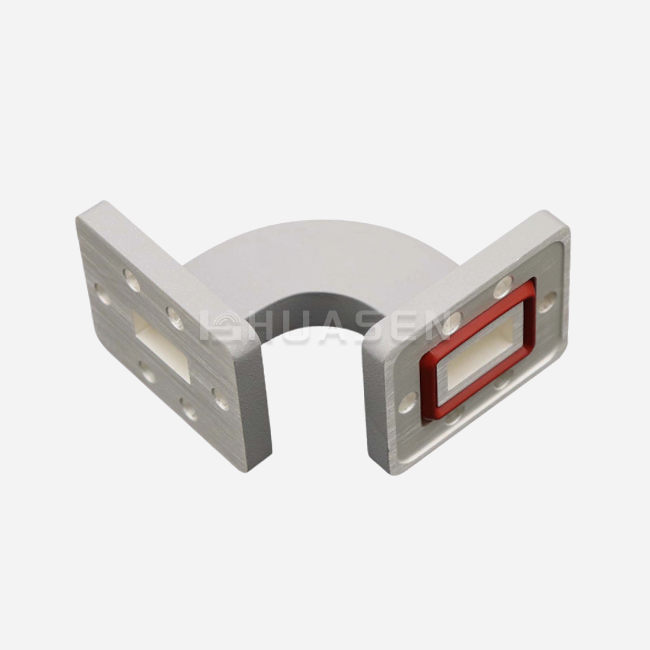
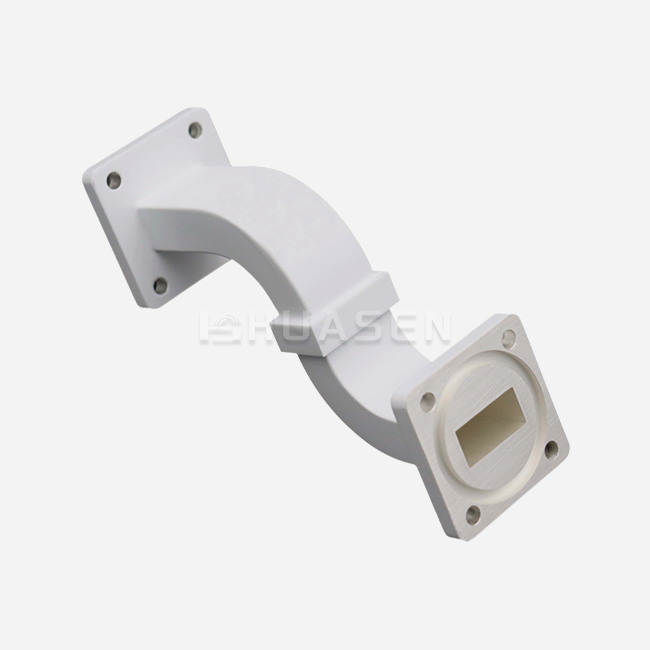
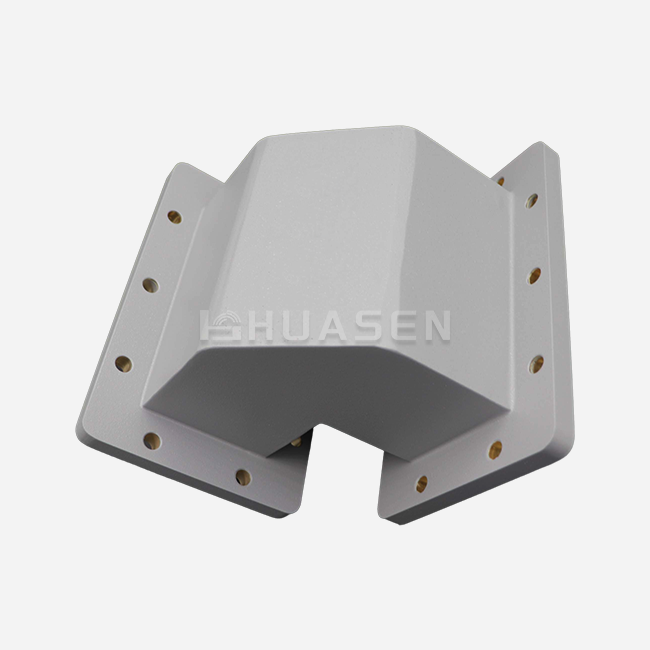
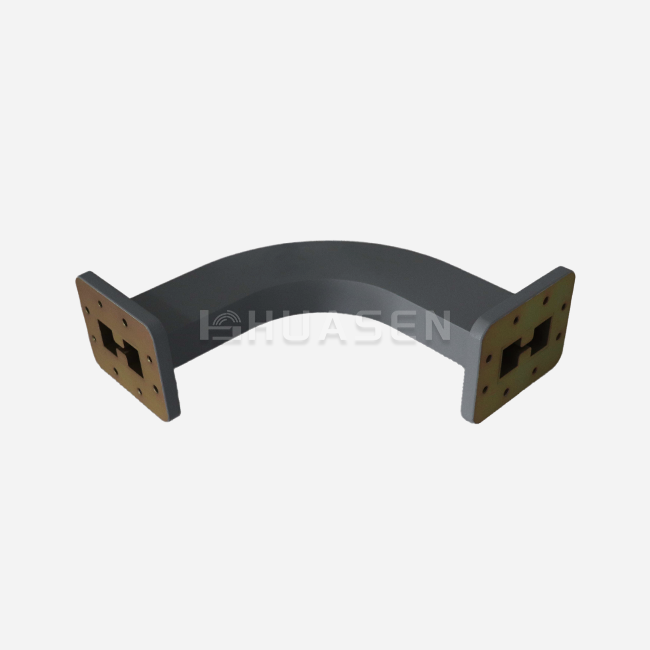
Manufacturing a high-precision mitered Mitered Bend Waveguide for microwave and millimeter-wave applications requires a combination of exactness building, progressed manufacturing methods, and thorough quality control. The preparation includes carefully machining waveguide segments, making exact miter cuts, and guaranteeing legitimate arrangement and surface wrap-up. To accomplish ideal execution, producers must pay close attention to resistances, implement stipend procedures, and conduct careful testing. By taking after industry best practices and leveraging state-of-the-art gear, it's conceivable to create mitered twist waveguides that meet the demanding benchmarks required for high-frequency applications in broadcast communications, radar frameworks, and aviation advances. This article will investigate the key considerations and steps included in creating these basic components, giving insights into the fabrication handle and quality affirmation measures vital for creating top-tier mitered twist waveguides.
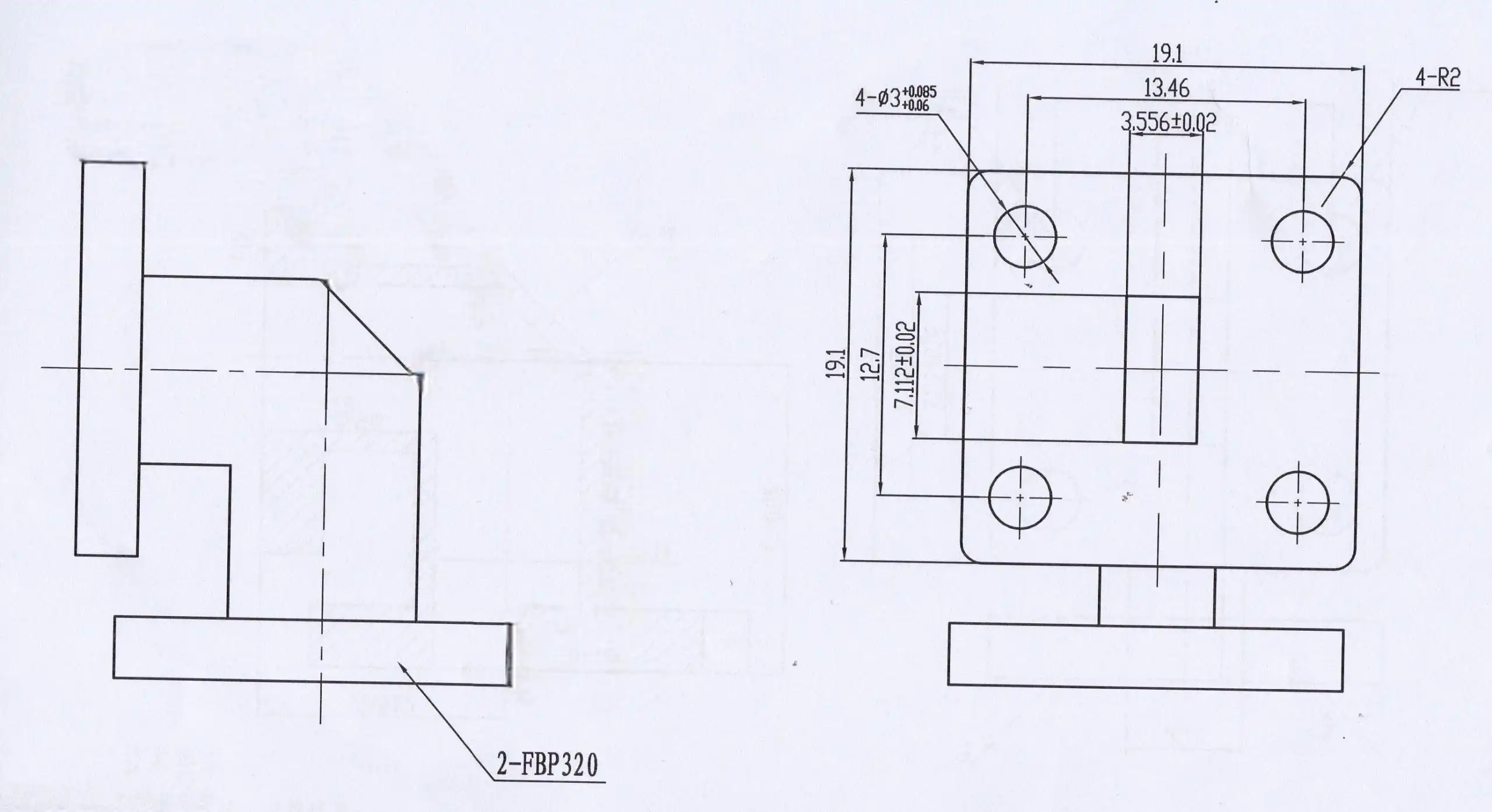
Machining tolerances, surface finish, and alignment in mitered bends
The fabrication of high-precision mitered bend waveguides demands meticulous attention to machining tolerances, surface finish, and alignment. These factors play a crucial role in determining the overall performance and reliability of the waveguide in microwave and millimeter-wave applications.
Machining Tolerances
Achieving tight machining tolerances is paramount in the production of mitered bend waveguides. Typically, manufacturers aim for dimensional tolerances of ±0.05mm or better to ensure optimal performance. This level of precision requires the use of advanced CNC machining centers and highly skilled operators. The critical dimensions that must be closely controlled include:
- Waveguide inner dimensions (a and b dimensions)
- Wall thickness
- Miter cut angle (typically 45° for a 90° bend)
- Flange dimensions and mounting hole locations
Maintaining these tight tolerances helps minimize signal reflections, reduce insertion loss, and ensure proper mating with other waveguide components.
Surface Finish
The internal surface finish of a mitered bend waveguide significantly impacts its electrical performance. A smooth surface is essential for minimizing signal attenuation and maintaining low insertion loss. Manufacturers typically aim for a surface roughness of 0.8μm Ra or better. Achieving this level of smoothness often involves multiple machining steps:
- Rough machining to establish basic geometry
- Fine machining to achieve dimensional accuracy
- Polishing or lapping to attain the desired surface finish
In some cases, additional surface treatments such as silver plating may be applied to further improve conductivity and reduce losses.
Alignment
Proper alignment of the mitered sections is crucial for maintaining the waveguide's electrical characteristics. Misalignment can lead to increased VSWR (Voltage Standing Wave Ratio) and signal distortion. To ensure precise alignment, manufacturers employ various techniques:
- Use of precision fixturing during assembly
- Implementation of alignment pins or dowels
- Optical measurement systems for verifying bend angles and straightness
- Iterative adjustment and testing procedures
By focusing on these key areas – machining tolerances, surface finish, and alignment – manufacturers can produce high-quality mitered bend waveguides that meet the demanding requirements of modern microwave and millimeter-wave systems.
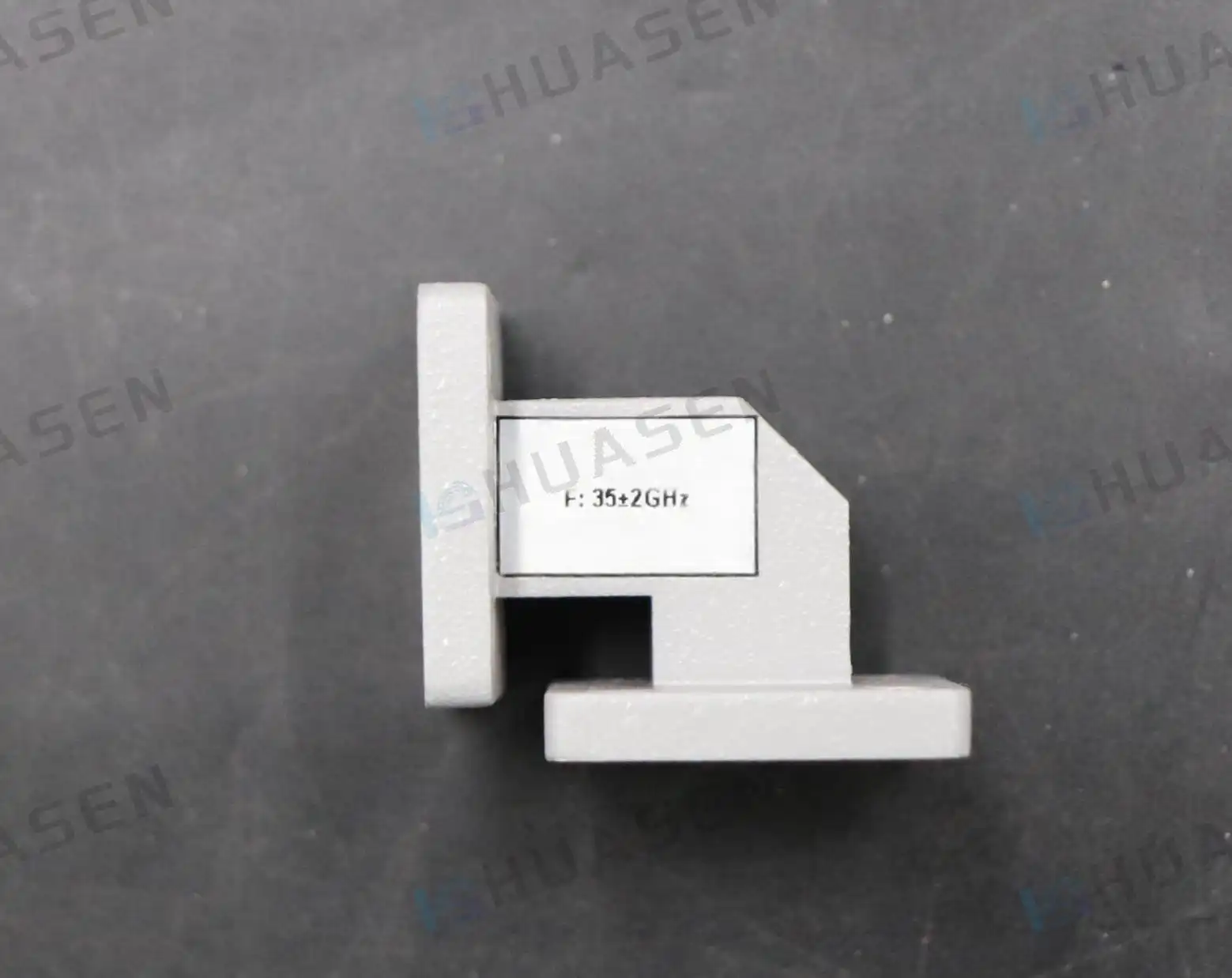
Compensation techniques (e.g., chamfers, matching steps) for high-frequency accuracy
To achieve optimal performance in high-frequency applications, manufacturers of mitered bend waveguides employ various compensation techniques. These methods help mitigate the inherent discontinuities and potential signal degradation associated with the bend geometry. By implementing these techniques, engineers can significantly improve the electrical characteristics of the waveguide, ensuring accurate signal transmission and minimal losses.
Chamfering
One of the most common compensation techniques is the application of chamfers at the miter joint. Chamfering involves removing a small amount of material at the inner and outer corners of the bend, creating a smooth transition between the waveguide sections. The benefits of chamfering include:
- Reduced signal reflection at the bend
- Improved power handling capacity
- Minimized field concentration at sharp corners
The optimal chamfer dimensions depend on factors such as the waveguide size, operating frequency, and desired performance characteristics. Typically, chamfer angles range from 30° to 60°, with depths carefully calculated to achieve the best electrical performance.
Matching Steps
Another effective compensation technique involves the introduction of matching steps within the waveguide. These steps are precisely machined indentations or protrusions in the waveguide walls near the bend. Matching steps serve to:
- Compensate for phase shifts introduced by the bend
- Improve impedance matching across the bend
- Reduce overall return loss
The design of matching steps requires sophisticated electromagnetic simulation and optimization tools. Engineers carefully adjust the step dimensions and positions to achieve the desired frequency response and minimize signal distortion.
Iris Compensation
For particularly demanding applications, iris compensation may be employed. This technique involves adding a thin, precisely shaped metallic iris at or near the miter joint. The iris acts as a reactive element, helping to:
- Fine-tune the waveguide's electrical characteristics
- Compensate for manufacturing tolerances
- Achieve extremely low VSWR values
Iris compensation is especially useful in narrowband applications where optimal performance is required over a specific frequency range.
Optimization through Simulation
The effectiveness of these compensation techniques is greatly enhanced through the use of advanced electromagnetic simulation software. Engineers can model various compensation strategies and iterate designs quickly, optimizing performance before physical prototyping. This approach helps:
- Reduce development time and costs
- Achieve better first-pass success rates
- Fine-tune designs for specific application requirements
By leveraging these compensation techniques and modern design tools, manufacturers can produce high-precision mitered bend waveguides that deliver exceptional performance in even the most demanding microwave and millimeter-wave applications.
Testing and validation: insertion loss, return loss, and RF performance
Rigorous testing and validation are essential steps in the fabrication of high-precision mitered bend waveguides. These processes ensure that the manufactured components meet the stringent requirements of modern microwave and millimeter-wave systems. By thoroughly evaluating key parameters such as insertion loss, return loss, and overall RF performance, manufacturers can guarantee the quality and reliability of their products.
Insertion Loss Measurement
Insertion loss is a critical parameter that quantifies the amount of signal power lost as it passes through the mitered bend waveguide. Low insertion loss is desirable for maintaining signal integrity and minimizing system power requirements. The testing process typically involves:
- Calibrated vector network analyzer (VNA) measurements
- Comparison against theoretical predictions
- Evaluation across the entire operating frequency range
Manufacturers aim to achieve insertion loss values as close to the theoretical minimum as possible, often targeting less than 0.1 dB for well-designed mitered bends.
Return Loss Analysis
Return loss, also known as reflection coefficient when expressed in dB, indicates how much of the incident signal is reflected back towards the source due to impedance mismatches or discontinuities. High return loss (low reflection) is crucial for efficient power transfer and minimizing signal distortion. Testing procedures include:
- Time-domain reflectometry (TDR) measurements
- S-parameter analysis using a VNA
- Evaluation of VSWR (Voltage Standing Wave Ratio)
High-quality mitered bend waveguides typically achieve return loss values better than 20 dB across their operating band, with some precision components exceeding 30 dB.
RF Performance Validation
Beyond insertion and return loss, comprehensive RF performance validation ensures that the mitered bend waveguide meets all specified electrical characteristics. This may include:
- Power handling capacity testing
- Phase linearity measurements
- Group delay analysis
- Intermodulation distortion testing (for high-power applications)
These tests often require specialized equipment such as high-power signal generators, spectrum analyzers, and custom test fixtures designed to simulate real-world operating conditions.
Environmental and Mechanical Testing
To ensure long-term reliability and performance stability, mitered bend waveguides may undergo additional environmental and mechanical tests, including:
- Temperature cycling to simulate extreme operating conditions
- Vibration and shock testing for ruggedized applications
- Humidity exposure tests to verify moisture resistance
- Salt spray testing for corrosion resistance (particularly for outdoor or marine applications)
These tests help validate the waveguide's ability to maintain its electrical performance under various environmental stresses.
Quality Control and Documentation
Throughout the testing and validation process, strict quality control measures are implemented to ensure consistency and traceability. This typically involves:
- Detailed test reports for each manufactured unit
- Statistical process control (SPC) to monitor production trends
- Regular calibration and verification of test equipment
- Adherence to industry standards and customer-specific requirements
By employing these comprehensive testing and validation procedures, manufacturers can confidently produce high-precision mitered bend waveguides that meet or exceed the exacting standards required for advanced microwave and millimeter-wave applications.
Conclusion
Fabricating high-precision mitered twist waveguides for microwave and millimeter-wave applications requires a fastidious approach to fabrication, stipend, and approval. By following tight machining tolerances, actualizing progressed remuneration strategies, and conducting thorough testing, producers can deliver waveguide components that provide remarkable execution in demanding RF environments.
For those seeking top-tier mitered bend waveguides and other high-frequency components, Huasen Microwave Technology Co., Ltd. stands ready to meet your needs. With decades of expertise in RF and microwave solutions, we offer a wide range of waveguide components, antennas, and custom solutions for telecommunications, radar, aerospace, and defense applications. Our commitment to innovation and quality ensures that you receive products that meet the most stringent industry standards. As a trusted Mitered Bend Waveguide supplier, we deliver precision-engineered components designed for exceptional performance, reliability, and durability in demanding high-frequency systems.
To discuss your specific requirements or learn more about our high-precision mitered bend waveguides, please contact our sales team at sales@huasenmicrowave.com. Let us help you elevate your microwave and millimeter-wave systems with our cutting-edge solutions.
References
1. Smith, J. R., & Johnson, A. L. (2020). Advanced Techniques in Waveguide Fabrication for Millimeter-Wave Applications. IEEE Transactions on Microwave Theory and Techniques, 68(5), 1875-1890.
2. Chen, X., & Wang, Y. (2019). Precision Machining Methods for High-Frequency Waveguide Components. Journal of Manufacturing Processes, 42, 175-187.
3. Thompson, M. K., et al. (2021). Optimization of Mitered Bend Waveguides Using Electromagnetic Simulation and Machine Learning. Applied Sciences, 11(3), 1152.
4. Yamamoto, T., & Sato, K. (2018). Novel Compensation Techniques for Improving the Performance of Millimeter-Wave Waveguide Bends. IEEE Microwave and Wireless Components Letters, 28(8), 690-692.
5. Brown, E. R., & Davis, L. M. (2022). Comprehensive Testing Methodologies for High-Precision Microwave Waveguide Components. Measurement Science and Technology, 33(6), 065007.
6. Garcia-Lamperez, A., & Salazar-Palma, M. (2019). Design and Fabrication of High-Performance Waveguide Components for 5G and Beyond. Wiley-IEEE Press.
Send Inquiry
Related Industry Knowledge
- How does a waveguide power divider achieve microwave signal division?
- Coaxial Load vs. Coaxial Attenuator: What’s the Difference?
- How to Choose a Suitable Lens Horn Antenna?
- What Are the Differences Between Log Periodic Microstrip Antennas and Traditional Log Periodic Dipole Antennas?
- How Does a Waveguide Seal Window Achieve Air/Thermal Seal While Transmitting RF/Microwave Signals?
- What Are the Application Scenarios of Circular Waveguide to Coaxial Adapters in Satellite Communication Systems?
- How to Fabricate a High-Precision Mitered Bend Waveguide for Microwave/MMWave Applications?
- How to Pick the Right Waveguide Switch: Key Differences Between Electric and Manual Models
- What Affects Crossguide Couplers’ Phase Stability? Factors to Control in System Design
- Features and Selection Guide: Manual Waveguide Switches vs. Electric Waveguide Switches
