
What Are the Application Scenarios of Circular Waveguide to Coaxial Adapters in Satellite Communication Systems?






2018-11-10 14:32:40
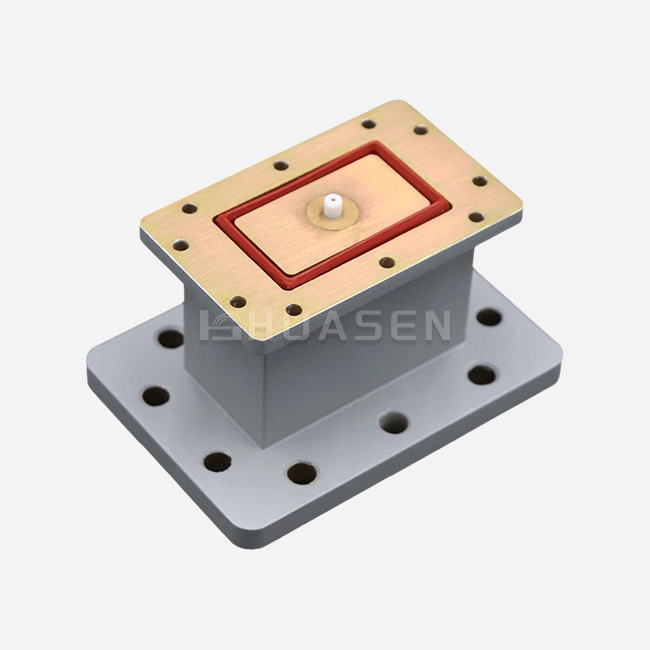
Circular Waveguide to Coaxial Adapter play a significant part in lackey communication frameworks, serving as crucial components that bridge the hole between distinctive transmission mediums. These connectors are basic in different scenarios inside adherent systems, encouraging the consistent move of signals between circular waveguides and coaxial cables. Their essential application lies in adherent ground stations, where they empower the proficient exchange of high-frequency signals from allegorical recieving wires to recipient frameworks. Furthermore, these connectors discover broad utilize in lackey uplink and downlink chains, permitting for the transformation of signals between waveguide and coaxial designs. They are especially profitable in scenarios where moo flag misfortune and tall control dealing with capabilities are vital, such as in profound space communications or high-throughput lackey frameworks. By giving a smooth impedance coordinate and mode change, Circular Waveguide to Coaxial Connectors guarantee ideal flag keenness and minimize reflections, making them vital in keeping up the generally execution and unwavering quality of disciple communication links.
Why convert from circular waveguide to coax in satellite links?
The conversion from circular waveguide to coaxial cable in satellite communication links is a critical process that offers numerous advantages. This transition is necessary due to the distinct characteristics and applications of each transmission medium. Let's explore the key reasons behind this conversion:
Flexibility and ease of installation
Coaxial cables provide significantly greater flexibility compared to rigid waveguides. This flexibility is particularly advantageous in complex satellite ground station layouts, where space constraints and intricate routing requirements are common. The ability to bend and maneuver coaxial cables allows for more efficient use of space and simplifies installation processes.
Broadband performance
While circular waveguides excel in specific frequency ranges, coaxial cables offer broader bandwidth capabilities. This characteristic is crucial in modern satellite communication systems that often operate across multiple frequency bands. The Circular Waveguide to Coaxial Adapter enables seamless transition between these mediums, allowing systems to leverage the strengths of both.
Compatibility with standard RF equipment
Most RF test and measurement equipment, as well as various satellite communication components, are designed with coaxial interfaces. Converting from circular waveguide to coaxial format ensures compatibility with a wide range of standard equipment, simplifying system integration and maintenance procedures.
Impedance matching and signal integrity
High-quality Circular Waveguide to Coaxial Adapters are engineered to provide excellent impedance matching between the two transmission mediums. This matching is crucial for minimizing signal reflections and maintaining signal integrity, which is paramount in satellite communications where every decibel counts.
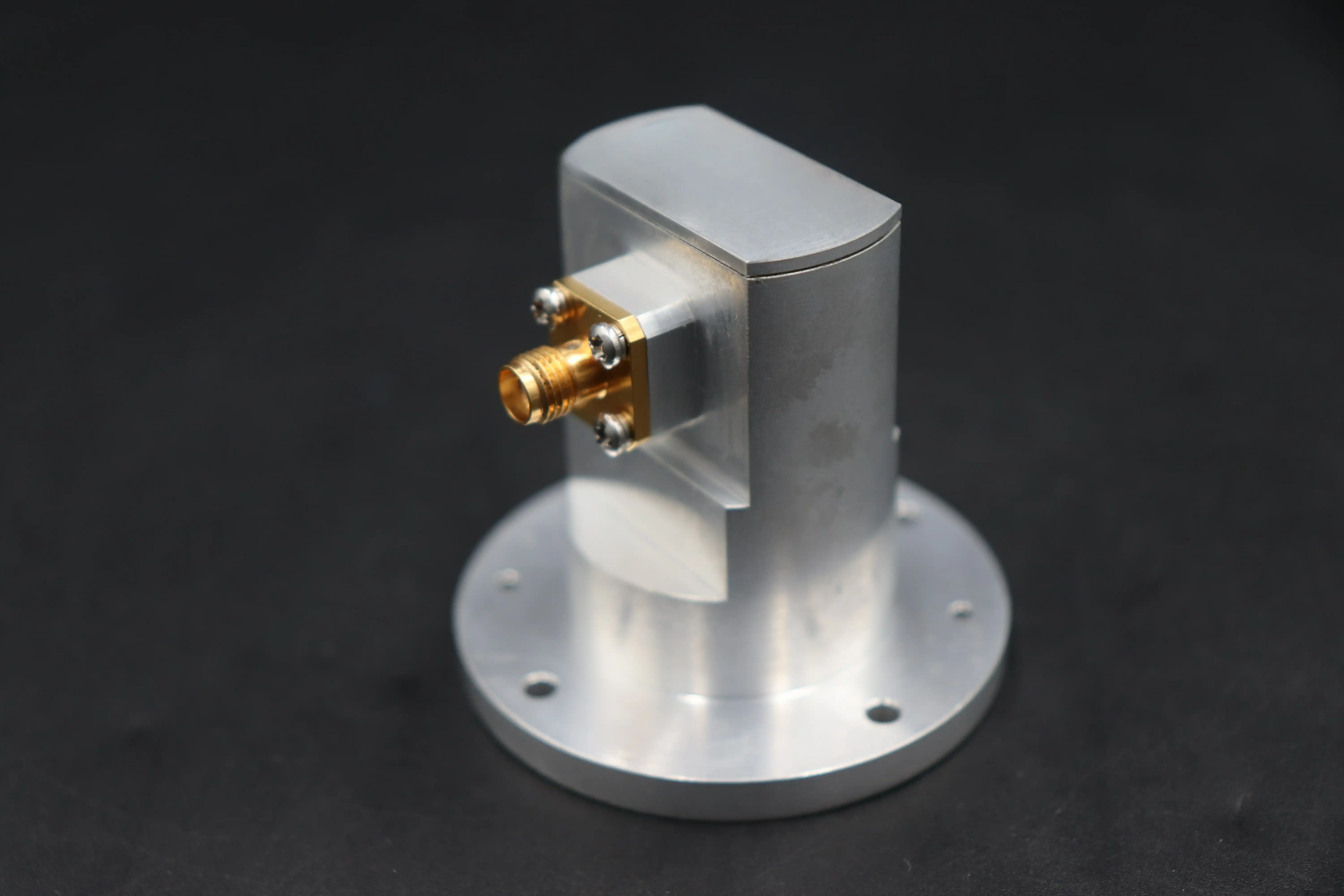
Downlink / uplink feed chains using circular-to-coax transitions
In satellite communication systems, the downlink and uplink feed chains are critical components that rely heavily on circular-to-coax transitions. These transitions, facilitated by Circular Waveguide to Coaxial Adapters, play a vital role in maintaining signal quality and system efficiency.
Downlink feed chain applications
In downlink scenarios, satellite signals are typically received by large parabolic antennas with circular waveguide feeds. The transition to coaxial cable occurs at the antenna feed point, where the Circular Waveguide to Coaxial Adapter is installed. This conversion allows the received signals to be efficiently transmitted to low-noise amplifiers (LNAs) and other processing equipment, which commonly use coaxial interfaces.
The adapter's role in the downlink chain is crucial for several reasons:
- Minimizing insertion loss to preserve weak satellite signals
- Maintaining polarization purity, which is critical for frequency reuse in satellite systems
- Providing a weatherproof interface between the outdoor antenna and indoor equipment
Uplink feed chain implementations
In uplink applications, the signal flow is reversed, but the importance of the circular-to-coax transition remains paramount. High-power amplifiers (HPAs) used in satellite uplinks typically output to coaxial cables. The Circular Waveguide to Coaxial Adapter then converts this signal to the circular waveguide format required by the transmit antenna feed.
Key considerations for uplink transitions include:
- High power handling capacity to accommodate the substantial output of HPAs
- Excellent VSWR characteristics to maximize power transfer and minimize reflections
- Thermal management to handle the heat generated by high-power signals
Dual-band and multi-band systems
Modern satellite communication systems often operate across multiple frequency bands. In these scenarios, specialized Circular Waveguide to Coaxial Adapters are employed to support dual-band or multi-band operations. These adapters must maintain consistent performance across a wide frequency range, ensuring seamless operation for both uplink and downlink signals in different bands.
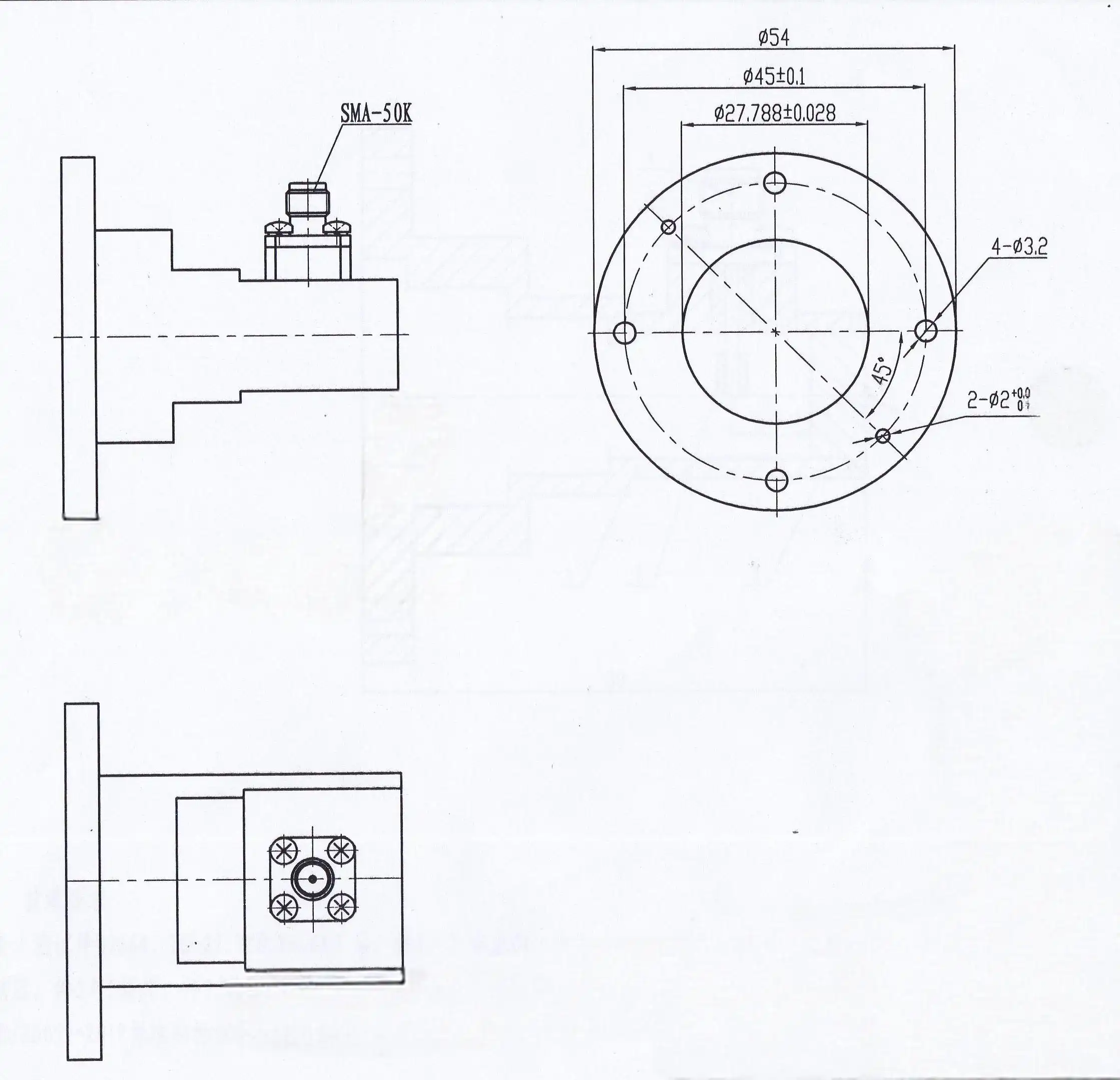
Use in low noise block converters (LNB) and downconverters
Low Noise Block converters (LNBs) and downconverters are integral components in satellite receive systems, and the application of Circular Waveguide to Coaxial Adapters in these devices is of particular importance.
Integration with LNB designs
LNBs are typically mounted directly at the focal point of satellite dishes, where they receive signals through a circular waveguide feed. The integration of a Circular Waveguide to Coaxial Adapter within the LNB design serves several critical functions:
- Efficient signal coupling from the waveguide to the internal circuitry of the LNB
- Preservation of the low noise figure, which is crucial for maintaining system sensitivity
- Enabling a weather-sealed transition between the outdoor waveguide and the internal components
The adapter's design must be optimized to work in conjunction with the LNB's first-stage amplifier, ensuring that the overall noise temperature of the system is minimally impacted.
Downconverter applications
In larger satellite ground stations, separate downconverters are often used instead of integrated LNBs. These downconverters may be located some distance from the antenna feed, necessitating a more flexible signal transport solution. Here, the Circular Waveguide to Coaxial Adapter serves as a critical interface:
- It allows for the use of low-loss coaxial cable between the antenna feed and the downconverter input
- Facilitates easier installation and maintenance of downconverter units
- Enables the use of standardized test equipment for system calibration and troubleshooting
Wideband and multi-band converter systems
As satellite communication systems evolve to utilize wider bandwidths and multiple frequency bands, the requirements for Circular Waveguide to Coaxial Adapters in converter systems become more demanding. Advanced adapter designs must support:
- Ultra-wideband operation to accommodate expanded frequency ranges
- Low passive intermodulation (PIM) performance to maintain signal purity in multi-carrier systems
- Compatibility with emerging high-frequency bands, such as Q/V band satellite links
The integration of these adapters in wideband and multi-band converter systems enables satellite operators to maximize the utilization of their frequency allocations and improve overall system capacity.
Conclusion
Circular Waveguide to Coaxial Adapters are indispensable components in modern satellite communication systems. Their applications span across various critical areas, from antenna feed systems to LNBs and downconverters. As the demand for higher bandwidth and multi-band operations continues to grow, the role of these adapters in ensuring efficient and reliable satellite links becomes increasingly significant.
For satellite communication system integrators and operators looking to optimize their network performance, choosing the right Circular Waveguide to Coaxial Adapter is crucial. As a leading Circular Waveguide to Coaxial Adapter supplier, Huasen Microwave Technology Co., Ltd., with its extensive experience in RF and microwave solutions, offers high-performance adapters designed to meet the exacting requirements of modern satellite systems. Our products combine precision engineering with advanced materials to deliver exceptional performance across a wide range of frequencies and power levels.
To explore how our Circular Waveguide to Coaxial Adapters can enhance your satellite communication infrastructure, please reach out to our expert team. We're committed to providing tailored solutions that address your specific needs and contribute to the advancement of your communication systems. Contact us at sales@huasenmicrowave.com to discuss your requirements and discover the Huasen Microwave advantage.
References
1. Smith, J. R. (2020). Advanced Satellite Communication Systems: Principles and Technologies. Springer International Publishing.
2. Johnson, R. C., & Jasik, H. (2018). Antenna Engineering Handbook, 5th Edition. McGraw-Hill Education.
3. Pozar, D. M. (2019). Microwave Engineering, 5th Edition. John Wiley & Sons.
4. Rao, S. (2021). Handbook of Reflector Antennas and Feed Systems Volume III: Applications of Reflectors. Artech House.
5. Ippolito, L. J. (2017). Satellite Communications Systems Engineering: Atmospheric Effects, Satellite Link Design and System Performance. John Wiley & Sons.
6. Maral, G., & Bousquet, M. (2020). Satellite Communications Systems: Systems, Techniques and Technology, 6th Edition. Wiley.
Send Inquiry
You may like

Related Industry Knowledge
- How to Use a Coaxial Directional Coupler for 5G Base Station Power Monitoring?
- How to Choose a Suitable Lens Horn Antenna?
- What Are the Application Scenarios of Waveguide Matching Loads in RF/Microwave Test Systems and Radar Systems?
- How Does an Active Detector Work? Unveiling Its 4-Core Components & Signal Flow
- What Are the Application Scenarios of Circular Waveguide to Coaxial Adapters in Satellite Communication Systems?
- How to Fabricate a High-Precision Mitered Bend Waveguide for Microwave/MMWave Applications?
- What Are the Application Scenarios of Waveguide Flex in Radar Systems?
- What Is a Dual Polarized Yagi Antenna?
- How to Achieve Low Insertion Loss: Selection Tips for High Power Adapters
- Features and Selection Guide: Manual Waveguide Switches vs. Electric Waveguide Switches
