Coaxial Load vs. Coaxial Attenuator: What’s the Difference?






2019-01-29 11:46:00
When working with RF and microwave systems, understanding the distinction between coaxial loads and coaxial attenuators is essential for proper system design and testing. A Coaxial Load serves as a termination device that absorbs RF energy to prevent reflections, ensuring signal integrity by providing matched impedance to the transmission line. In contrast, a coaxial attenuator reduces signal amplitude while maintaining impedance matching throughout the circuit. While both components play critical roles in RF applications, their functions, construction, and use cases differ significantly. This article explores these differences in depth, helping engineers and technicians select the appropriate component for telecommunications, radar systems, and laboratory testing environments.
Understanding the Primary Functions
The Role of Coaxial Loads in RF Systems
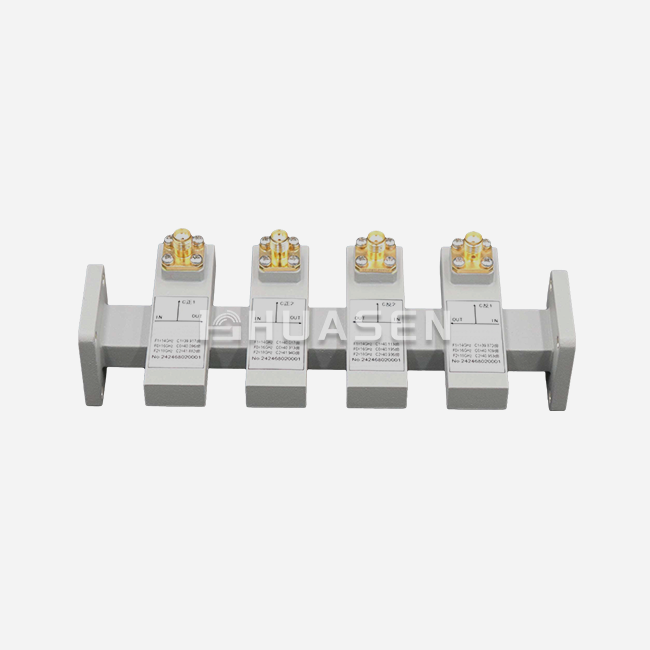
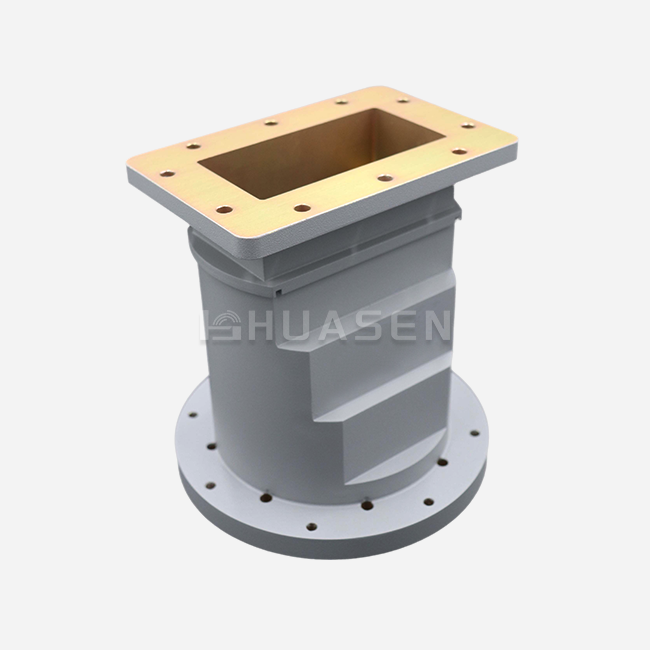
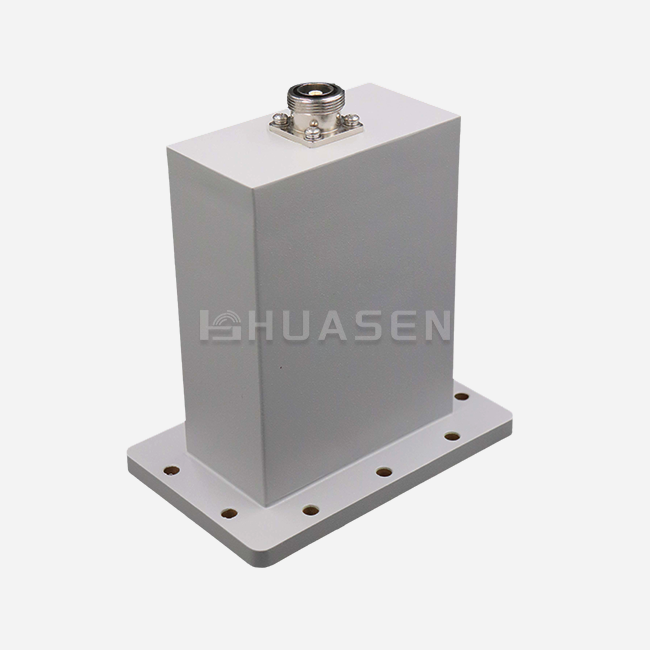
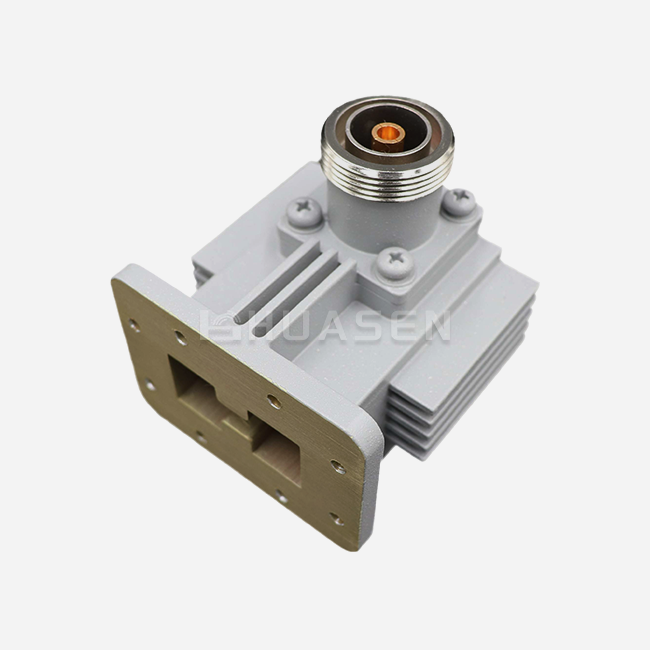
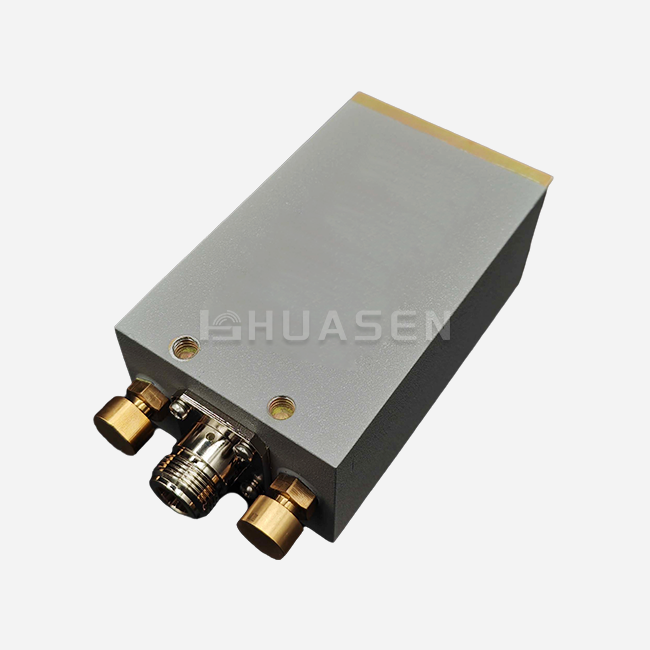
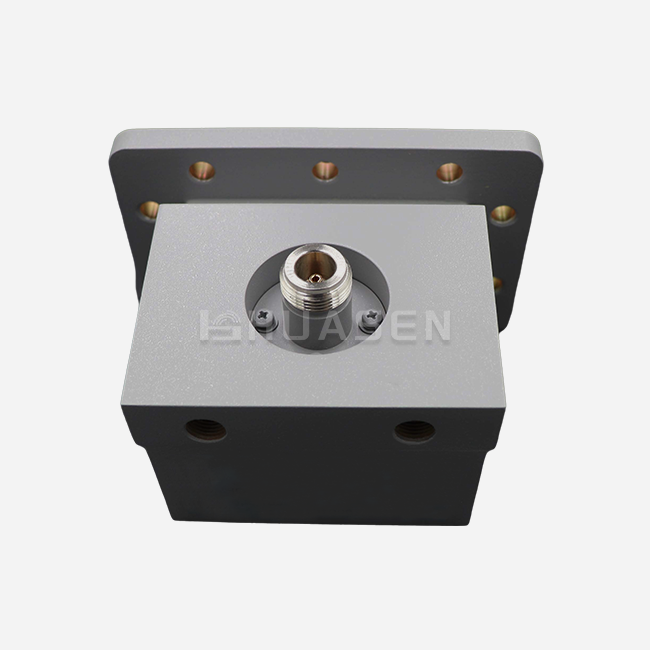
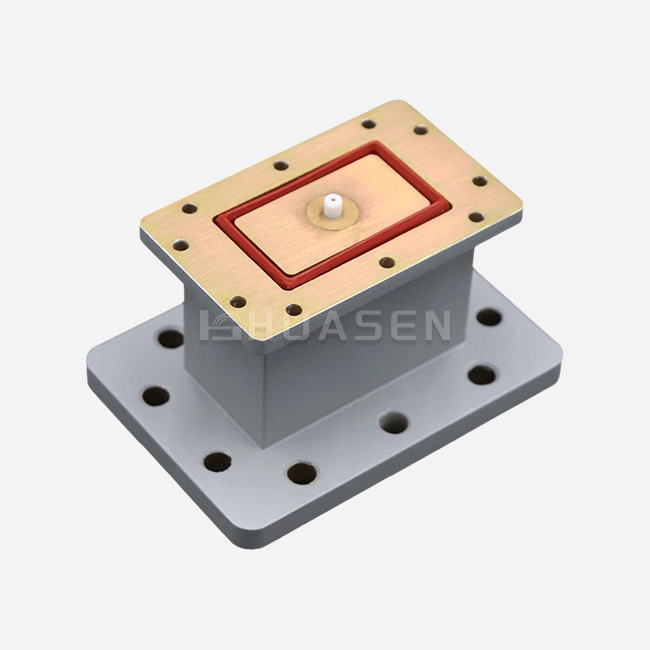
Coaxial loads are termination devices designed to absorb electromagnetic energy completely, preventing signal reflection back into the transmission line. These components function as dummy loads that dissipate RF power as heat, making them indispensable in testing scenarios where you need to simulate antenna behavior without actual radiation. The fundamental principle behind a Coaxial Load involves presenting a precisely matched impedance—typically 50 ohms or 75 ohms—to the source, ensuring that the voltage standing wave ratio remains at acceptable levels. Modern designs incorporate resistive elements handling power from milliwatts to several kilowatts depending on application requirements. High Power Waveguide to Coaxial Adapter technology often interfaces with these loads in systems requiring transition between waveguide and coaxial architectures. Three core types exist: matched loads for standard termination, unmatched loads for specific impedance conditions, and open or short circuit terminals for calibration purposes. The resistive type offers compact form factors with DC-start frequency capabilities and exceptionally low reflection coefficients at lower frequencies, while absorptive designs utilize specialized microwave-absorbing materials optimized for high-frequency operation. Understanding these variations helps engineers select appropriate terminations for their measurement setups and transmission line configurations with ultra-low reflection characteristics achieving VSWR ≤1.03 across frequency ranges from DC to 60 GHz.
Distinguishing Operating Characteristics and Specifications
The operational differences between coaxial loads and attenuators manifest in their electrical specifications and performance metrics. A Coaxial Load prioritizes ultra-low reflection characteristics, with voltage standing wave ratios often reaching 1.03 or lower across broad frequency ranges from DC to 60 GHz, ensuring virtually complete power absorption. Power handling becomes paramount for loads, with average power ratings reaching 400 watts and peak power capabilities extending to 5000 watts in specialized designs incorporating plate-type or water-cooled dissipation systems. Temperature management represents a critical consideration, as power dissipation generates substantial heat that must be efficiently removed to maintain component reliability and measurement accuracy. High Power Waveguide to Coaxial Adapter configurations using loads require careful thermal design to prevent performance degradation. Conversely, attenuators emphasize different parameters: insertion loss accuracy, exceptional return loss, and minimal temperature drift. While attenuators handle lower absolute power levels compared to termination loads, they must maintain their attenuation value accuracy across the specified power range without degradation. Frequency response flatness becomes crucial for attenuators used in wideband applications, whereas loads primarily focus on maintaining consistent impedance regardless of frequency. Connector compatibility spans various interfaces including N-type, SMA, 7/16 DIN, and precision 2.92 mm connectors, with gold-plated contacts ensuring superior electrical contact and long-term reliability in both component categories for professional RF testing and measurement applications.
Design and Construction Differences
Internal Architecture and Component Layout
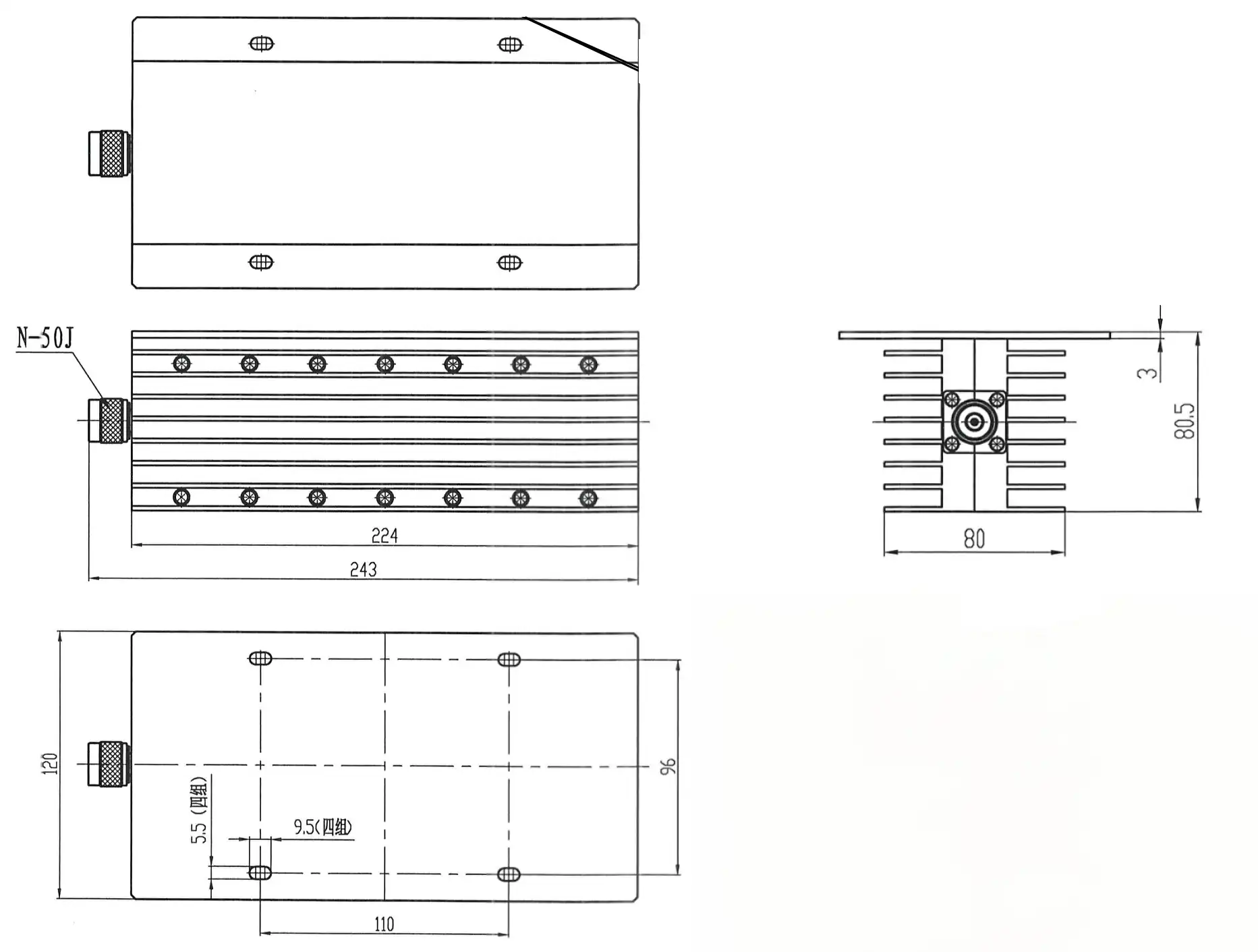
The internal construction of coaxial loads versus attenuators reveals fundamental design philosophy differences driven by their distinct operational requirements. Coaxial Load designs center around power dissipation elements that convert RF energy into heat efficiently while maintaining impedance matching. Resistive loads employ precision resistive films or bulk resistors with carefully controlled temperature coefficients, mounted within thermally conductive housings that facilitate heat transfer to the external environment or integrated cooling systems. Absorptive loads incorporate specialized microwave-absorbing materials such as carbon-loaded ceramics or magnetic ferrites arranged in tapered configurations that gradually absorb electromagnetic energy, minimizing reflections even at millimeter-wave frequencies. High Power Waveguide to Coaxial Adapter transitions feeding these loads require careful impedance transformation to prevent reflection at the interface boundary. The physical construction emphasizes thermal management through material selection—premium copper and aluminum components provide excellent thermal conductivity—and mechanical design features including heat sinks, cooling fins, or forced-air channels. Manufacturing processes involve precision CNC machining to achieve tight tolerances essential for consistent electrical performance, with component assembly following rigorous procedures to ensure uniform contact resistance and predictable thermal characteristics. In contrast, attenuator construction focuses on creating stable resistive networks with precise resistance values and minimal parasitic reactance, typically using thin-film resistors on ceramic substrates that maintain performance across wide temperature ranges and frequency bands.
Material Selection and Manufacturing Processes
Material choices significantly impact the performance and reliability of both coaxial loads and attenuators, with each component type requiring specific properties to fulfill its function effectively. For Coaxial Load applications, the resistive elements must exhibit high power dissipation capability, low temperature coefficients, and stable electrical properties under thermal stress. Manufacturers select materials based on power density requirements, frequency range, and environmental conditions. Carbon composition resistors suit moderate power applications, while wire-wound resistors handle higher power levels, and thin-film technologies provide exceptional stability for precision measurements. High Power Waveguide to Coaxial Adapter assemblies incorporating loads often utilize beryllium copper for spring contacts due to its excellent electrical conductivity and mechanical resilience. Housing materials—primarily aluminum alloys and copper—undergo surface treatments including gold plating on connector interfaces to prevent oxidation and ensure consistent electrical contact over thousands of mating cycles. The manufacturing process encompasses precision machining operations that maintain tolerances within micrometers, followed by resistor installation using specialized mounting techniques that optimize thermal coupling while minimizing mechanical stress. Each production stage includes rigorous testing protocols that verify electrical parameters against specifications before components proceed to final assembly, following ISO9001 standards and ensuring RoHS and REACH environmental compliance requirements for consistent quality output.
Thermal Management and Power Handling Capabilities
Thermal considerations fundamentally distinguish coaxial loads from attenuators, with power dissipation requirements driving significantly different design approaches. A Coaxial Load must continuously absorb and dissipate substantial RF power—potentially hundreds of watts in high-power testing scenarios—necessitating sophisticated thermal management strategies. Natural convection cooling suffices for low-power applications up to approximately 50 watts, where external heat sinks with optimized fin geometries provide adequate surface area for ambient air cooling. As power levels increase, forced-air cooling systems employing fans or blowers become necessary to maintain junction temperatures within acceptable ranges. High-power applications exceeding 200 watts often require liquid cooling implementations, where water or specialized coolants circulate through channels machined into the load body, transferring heat to external radiators. High Power Waveguide to Coaxial Adapter systems handling kilowatt-level signals invariably incorporate water-cooled loads with flow rate sensors and temperature monitoring to prevent thermal runaway. The plate-type high-power load design distributes resistive elements across large surface areas, reducing local power density and enabling efficient heat extraction. Thermal stability directly impacts electrical performance, as resistance variations with temperature alter impedance matching and reflection coefficients. Conversely, attenuators typically handle modest power levels where compact packages with minimal thermal management suffice, though thermal drift remains critical as resistance changes directly affect attenuation accuracy.

Application Scenarios and Selection Criteria
Laboratory Testing and Calibration Requirements
Laboratory environments demand components with exceptional precision and stability, making the choice between coaxial loads and attenuators application-specific. Coaxial Load components serve essential roles in calibration procedures for network analyzers, spectrum analyzers, and power meters, where they provide known reference impedances for establishing measurement baselines. During transmitter testing, loads simulate antenna impedance without radiating RF energy, enabling power output measurements, harmonic analysis, and modulation quality assessment within shielded environments. The ultra-low VSWR characteristics ensure measurement accuracy by minimizing standing waves that would otherwise introduce uncertainty into readings. High Power Waveguide to Coaxial Adapter configurations require matched loads at coaxial ports to prevent reflections that could damage sensitive test equipment or distort measurement results. Research facilities investigating 5G and emerging 6G technologies utilize precision loads across millimeter-wave frequency bands, where maintaining impedance matching becomes increasingly challenging. Attenuators fill different niches: protecting sensitive receiver inputs from excessive signal levels during antenna characterization, creating precisely controlled signal levels for receiver sensitivity testing, and providing isolation between stages in complex test setups. The selection between loads and attenuators hinges on whether complete signal termination or controlled signal reduction serves the measurement objective.
Telecommunications Infrastructure and Radar Systems
Telecommunications networks and radar installations present demanding operational environments where both coaxial loads and attenuators fulfill critical protective and functional roles. Base station testing and maintenance procedures regularly employ Coaxial Load components to simulate antenna connections during troubleshooting, enabling technicians to isolate transmitter sections without radiating interference into adjacent channels. These dummy loads must handle full transmitter power while maintaining consistent impedance across the transmission bandwidth to ensure realistic operating conditions. High Power Waveguide to Coaxial Adapter transitions in radar systems often terminate unused ports with precision loads to prevent standing waves that could compromise antenna patterns or introduce false targets in received signals. Weather radar, air traffic control systems, and military surveillance installations incorporate high-power loads for regular performance verification without requiring actual over-the-air transmission. Attenuators serve different purposes in these systems: managing signal levels in distribution networks, protecting sensitive receiver front-ends from transmitter leakage, and providing adjustable coupling in test loops for monitoring signal quality. The harsh environmental conditions typical of outdoor installations demand rugged construction with hermetically sealed connectors and conformal coatings that prevent moisture ingress and corrosion.
Aerospace and Defense Applications
Aerospace and defense sectors impose stringent performance requirements that push coaxial components to their operational limits, demanding exceptional reliability under extreme conditions. Aircraft communication systems, satellite transceivers, and electronic warfare equipment incorporate Coaxial Load components for pre-flight testing, in-flight power monitoring, and emergency transmitter shutdown scenarios where antenna disconnection necessitates immediate load switching to prevent damage. The combination of wide operating temperature ranges and exposure to vibration, shock, and altitude variations requires military-grade construction exceeding commercial specifications. High Power Waveguide to Coaxial Adapter assemblies in phased array radar systems terminate individual elements during diagnostics, enabling fault isolation without disabling entire arrays. Space-qualified loads undergo additional screening including outgassing tests, radiation hardness verification, and extended burn-in procedures to ensure survival in vacuum environments with limited thermal dissipation options. Defense applications frequently require components meeting specific military standards with full traceability documentation and controlled manufacturing processes. Attenuators find extensive use in receiver protectors, automatic gain control circuits, and stepped attenuator assemblies in spectrum surveillance systems where rapid, precise amplitude control enables signal analysis across wide dynamic ranges.
Conclusion
Choosing between coaxial loads and attenuators requires understanding the fundamental differences in their operating principles. Loads provide complete signal termination and minimize reflections, which is critical in testing and protection scenarios.
Huasen Microwave Technology Co., Ltd. stands as a leading Coaxial Load manufacturer and trusted Coaxial Load supplier, delivering superior RF and microwave solutions backed by over three decades of engineering excellence. Our comprehensive product portfolio serves telecommunications, radar, aerospace, and defense industries with unmatched precision and reliability. Whether you require standard catalog items or customized designs tailored to unique specifications, our experienced team provides expert guidance throughout the selection and implementation process. Contact our technical specialists today at sales@huasenmicrowave.com to discuss your project requirements and discover why industry professionals worldwide trust Huasen Microwave as their preferred partner for high-performance RF components.
References
1. Pozar, David M. "Microwave Engineering, Fourth Edition." John Wiley & Sons, 2011.
2. Collin, Robert E. "Foundations for Microwave Engineering, Second Edition." IEEE Press, 2001.
3. Edwards, Terry C. and Steer, Michael B. "Foundations of Interconnect and Microstrip Design, Third Edition." John Wiley & Sons, 2000.
4. Saad, Theodore S. "Microwave Engineers' Handbook, Volume 1." Artech House Publishers, 1971.
5. Baden Fuller, A. J. "Microwave Measurement, Third Edition." Institution of Engineering and Technology, 1990.
6. Rizzi, Peter A. "Microwave Engineering: Passive Circuits." Prentice Hall International, 1988.
Send Inquiry
You may like