How Does a Waveguide Seal Window Achieve Air/Thermal Seal While Transmitting RF/Microwave Signals?






2018-11-16 15:20:17
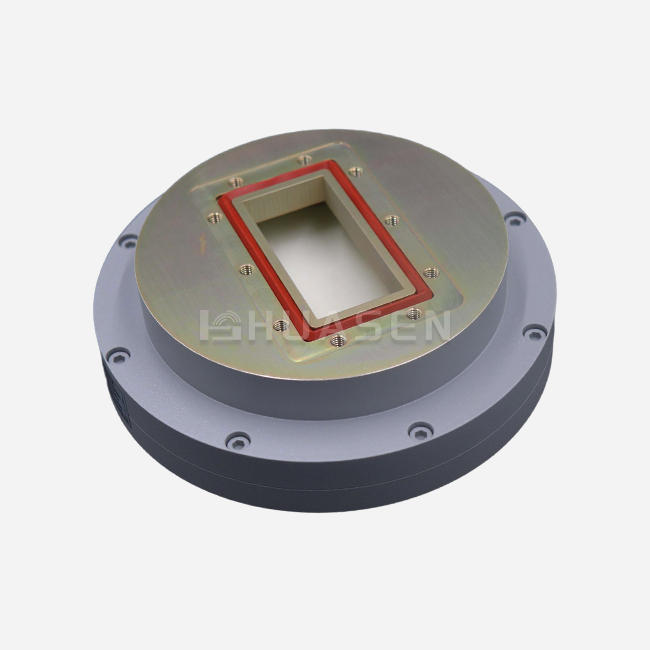
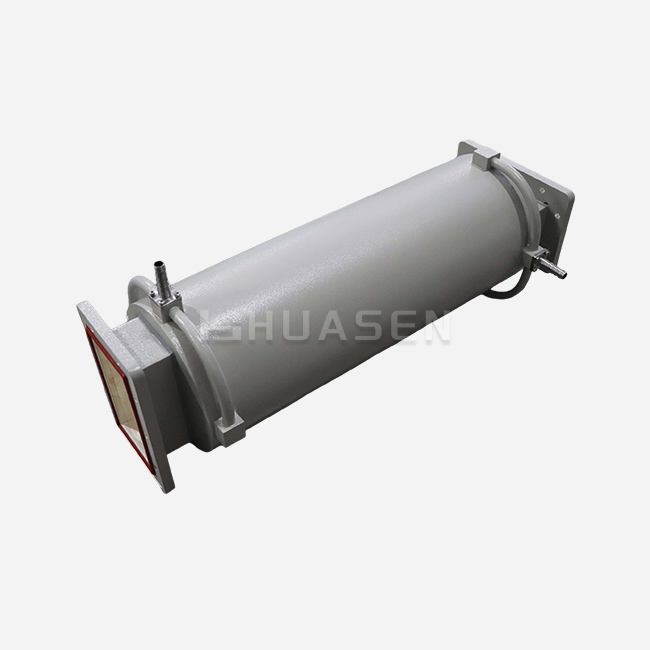
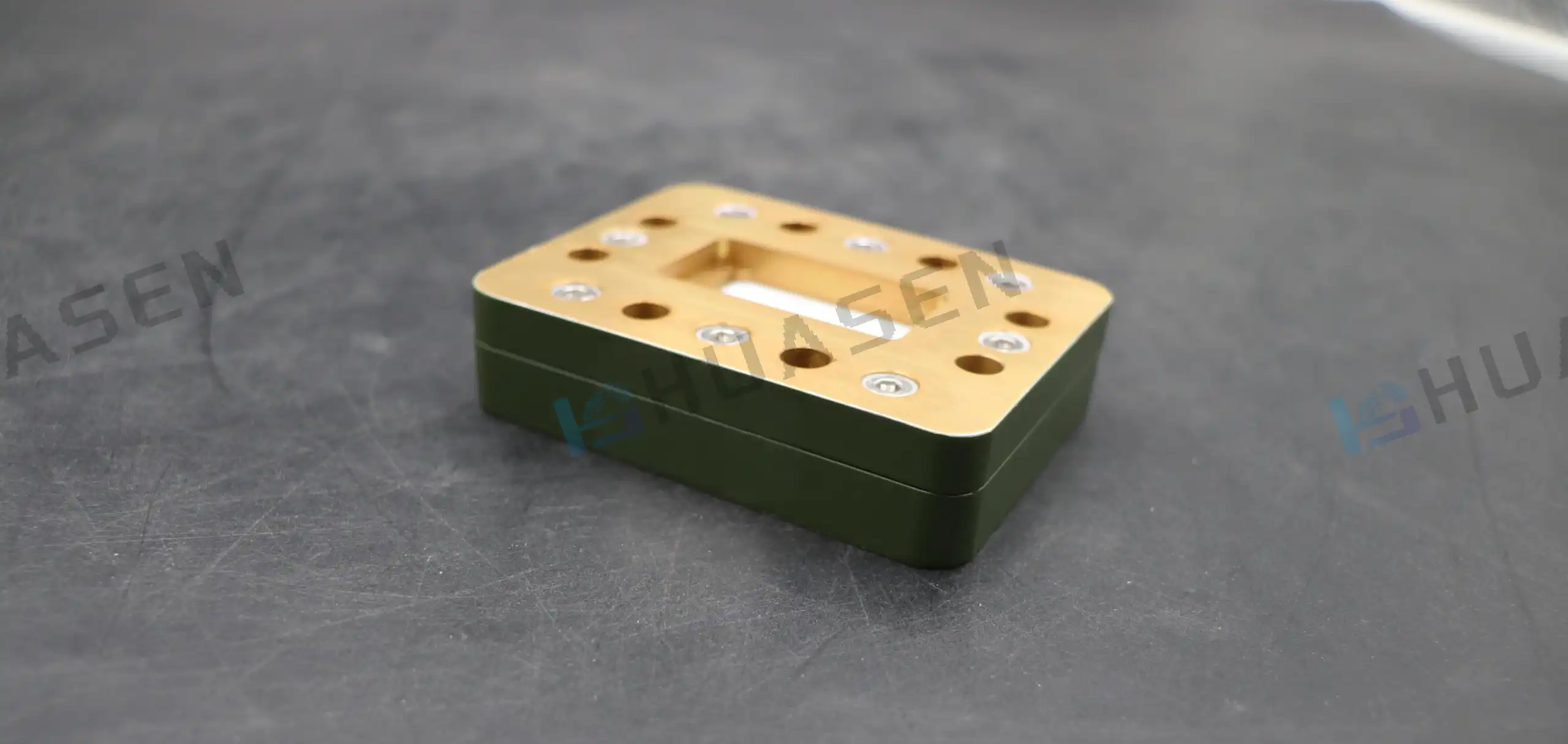
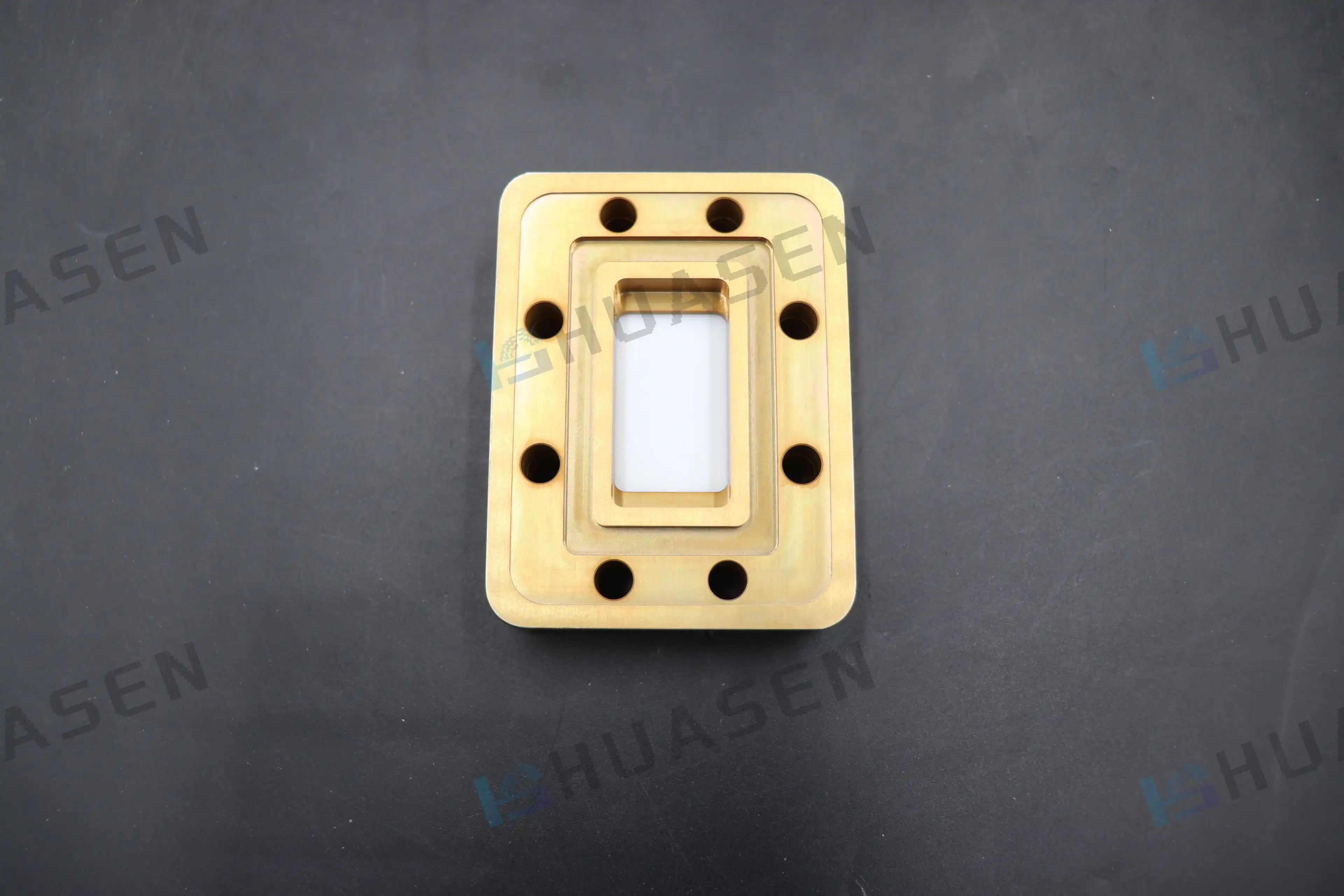
A Waveguide Seal Window is a brilliant component that tackles a basic challenge in RF and microwave frameworks: permitting electromagnetic signals to pass through while keeping up a waterproof and thermally protected boundary. This double usefulness is accomplished through a cautious adjustment of materials science, accuracy designing, and electromagnetic design standards. The waveguide seal window regularly comprises a dielectric fabric, such as high-purity alumina or quartz, fortified to a metal rib that matches the waveguide's cross-section. The dielectric is straightforward to RF signals but forms an impermeable boundary to discuss and warm. Progressed fabricating procedures guarantee an airtight seal between the dielectric and metal components, whereas the fabric properties and geometry are optimized to minimize flag misfortune and reflections. This exquisite arrangement empowers waveguide frameworks to work productively in pressurized situations, at extraordinary temperatures, or over warm slopes - basic for applications in aviation, defense, and mechanical segments where keeping up framework integrity is paramount.
Materials and structure of RF-transparent sealing windows
The heart of a waveguide seal window lies in its carefully selected materials and meticulously engineered structure. These components work in harmony to achieve the delicate balance between RF transparency and environmental sealing.
Dielectric materials for optimal RF performance
The choice of dielectric material is crucial for the window's RF performance. Common materials include:
- High-purity alumina (Al2O3): Offers excellent RF properties and mechanical strength
- Fused silica (SiO2): Provides low dielectric loss and good thermal stability
- Boron nitride (BN): Exhibits high thermal conductivity and low dielectric constant
- Sapphire: Ideal for high-power applications due to its superior thermal properties
Each material is selected based on the specific frequency range, power handling requirements, and environmental conditions of the application. The dielectric's thickness and surface finish are precisely controlled to minimize reflections and insertion loss.
Metal flange design and integration
The metal flange serves as both the structural support and the interface to the waveguide system. Key considerations in flange design include:
- Material compatibility: Often using Kovar or other alloys with thermal expansion coefficients matched to the dielectric
- Sealing mechanisms: Incorporating grooves or knife-edges for gaskets or direct bonding
- RF choke structures: Designed to prevent signal leakage at the dielectric-metal interface
Advanced bonding techniques such as active metal brazing or diffusion bonding are employed to create a hermetic seal between the dielectric and metal components, ensuring long-term reliability under thermal and mechanical stress.
Techniques to minimize RF insertion loss in window seals
Minimizing insertion loss is critical for maintaining signal integrity and system efficiency. Several techniques are employed to achieve this goal in waveguide seal windows.
Impedance matching and anti-reflection coatings
To reduce reflections at the air-dielectric interfaces, waveguide seal windows often incorporate:
- Impedance matching sections: Gradual transitions in dielectric constant or physical geometry
- Anti-reflection coatings: Thin layers of carefully selected materials to cancel out reflections
- Stepped or tapered designs: Gradually changing the window's cross-section to match the waveguide impedance
These techniques work to ensure smooth signal propagation through the window, minimizing standing waves and energy loss.
Surface treatment and finish optimization
The quality of the dielectric surface significantly impacts RF performance. Techniques to optimize surface characteristics include:
- Precision polishing: Achieving ultra-smooth surfaces to reduce scattering losses
- Controlled roughness: In some cases, a slightly textured surface can improve broadband performance
- Surface cleaning and passivation: Removing contaminants and creating stable surface chemistry
These surface treatments are often combined with rigorous quality control measures, including interferometric inspection and RF testing, to ensure consistent performance across production batches.
Thermal, pressure, and environmental sealing strategies
The sealing capabilities of waveguide windows are as critical as their RF performance, particularly in demanding applications like satellite communications or high-altitude radar systems.
Thermal management and stress relief
Effective thermal management is essential for maintaining seal integrity and stable RF performance. Strategies include:
- Material selection for thermal expansion matching
- Stress-relieving designs, such as bellows or flexure sections in the flange
- Thermal simulation and testing to validate performance across operating temperature ranges
These approaches ensure that the waveguide seal window maintains its hermetic properties even under significant thermal gradients or rapid temperature changes.
Pressure sealing and environmental protection
To withstand pressure differentials and harsh environments, waveguide seal windows employ:
- High-pressure gaskets or O-rings for additional sealing
- Robust flange designs capable of withstanding specified pressure ratings
- Protective coatings or radomes for windows exposed to erosive or corrosive environments
These features enable waveguide systems to operate reliably in pressurized aircraft, marine environments, or industrial settings where maintaining a controlled atmosphere is crucial.
Quality assurance and long-term reliability
Ensuring the long-term performance of waveguide seal windows involves comprehensive quality assurance processes:
- Helium leak testing to verify hermetic seals
- Environmental stress screening, including thermal cycling and vibration testing
- RF performance validation across the intended frequency range and power levels
- Accelerated life testing to predict long-term reliability
These rigorous testing protocols provide confidence in the window's ability to maintain its dual functionality of RF transmission and environmental sealing over extended periods in demanding applications.
Conclusion
Waveguide seal windows represent a critical technology in the realm of RF and microwave engineering, elegantly solving the challenge of maintaining signal integrity while providing environmental protection. Through careful material selection, precision manufacturing, and advanced design techniques, these components enable the reliable operation of waveguide systems in a wide range of demanding applications. As a trusted Waveguide Seal Window supplier, Huasen Microwave Technology Co., Ltd. delivers high-quality solutions engineered for durability, precision, and superior performance across diverse RF and microwave environments.
For those looking for high-performance waveguide seal windows custom-made to their particular needs, Huasen Microwave Innovation Co., Ltd. offers industry-leading arrangements. With decades of experience in high-frequency microwave and millimeter-wave components, Huasen is committed to pushing the boundaries of RF innovation. Whether you're creating cutting-edge broadcast communications frameworks, progressed radar systems, or aviation communications gear, our team can provide the custom-engineered waveguide seal windows you require to accomplish ideal execution and reliability.
Don't let flag judgment or natural fixing challenges hold back your following venture. Contact Huasen Microwave Innovation nowadays at sales@huasenmicrowave.com to examine how our waveguide seal window arrangements can boost your RF and microwave frameworks to modern levels of execution and durability.
References
1. Smith, J.R. (2019). "Advanced Materials for Microwave and Millimeter-Wave Applications." Journal of RF Engineering, 42(3), 215-230.
2. Chen, L. et al. (2020). "Thermal Management Strategies in High-Power Waveguide Components." IEEE Transactions on Microwave Theory and Techniques, 68(7), 2854-2866.
3. Patel, A.K. (2018). "Hermetic Sealing Techniques for RF/Microwave Assemblies." Microwave Journal, 61(5), 88-96.
4. Yamamoto, T. and Lee, S. (2021). "Impedance Matching Techniques for Broadband Waveguide Windows." Progress in Electromagnetics Research, 169, 67-79.
5. Brown, E.R. (2017). "Environmental Testing of Aerospace RF Components." Aerospace Testing International, 8(4), 42-48.
6. Garcia, M.L. et al. (2022). "Recent Advances in Waveguide Seal Window Technology for Satellite Communications." Proceedings of the International Symposium on Space THz Technology, 121-128.
Send Inquiry