What Are the Application Scenarios of Waveguide Flex in Radar Systems?






2018-11-03 12:34:00
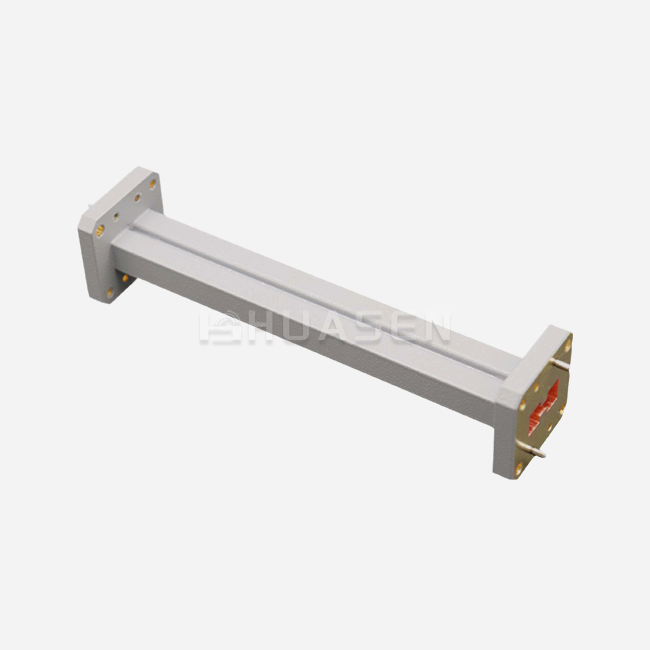
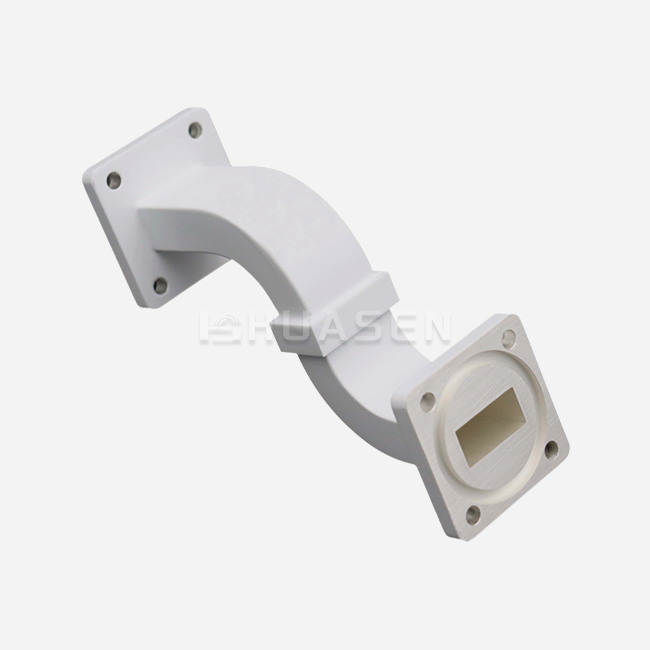
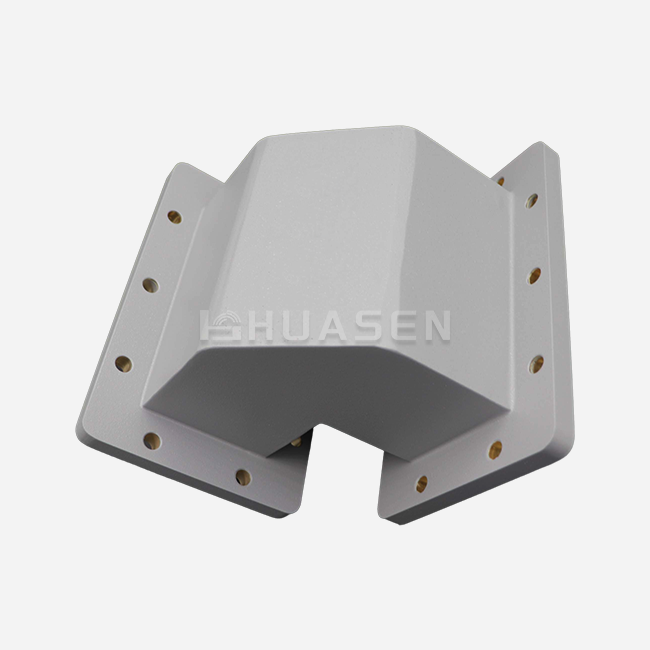
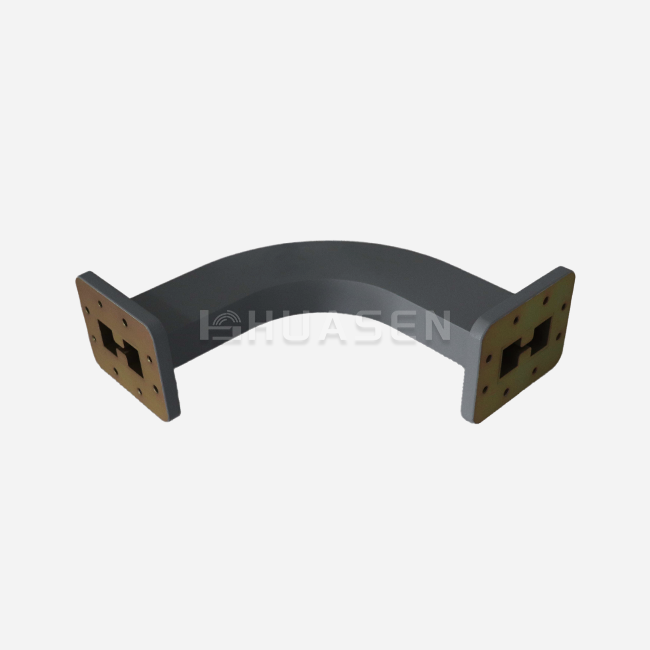
Waveguide Flex components play a vital part in advanced radar frameworks, advertising unparalleled adaptability and execution in different challenging situations. These imaginative components are planned to address the complex spatial necessities and energetic conditions frequently experienced in radar establishments. Waveguide Flex arrangements are especially important in scenarios where inflexible waveguides demonstrate unreasonable or wasteful. From airborne radar frameworks that request lightweight and vibration-resistant components to ground-based climate radar setups requiring versatile arrangements, adaptable waveguides have gotten to be crucial. Their capacity to keep up flag keenness whereas obliging twists, turns, and developments makes them perfect for applications extending from military observation to meteorological determining. By empowering more proficient framework plans and lessening establishment complexities, Waveguide Flex innovation has essentially upgraded the capabilities and unwavering quality of radar frameworks over various businesses and operational contexts.
Why use flexible waveguides instead of rigid ones in radar systems?
The choice between flexible and rigid waveguides in radar systems is not merely a matter of preference but a critical design decision that can significantly impact system performance and longevity. Flexible waveguides offer several distinct advantages that make them particularly suitable for radar applications:
Adaptability to Complex Spatial Layouts
Radar systems often need to be installed in confined spaces or areas with irregular geometries. Waveguide Flex components can easily navigate around obstacles and conform to tight bends without compromising signal integrity. This adaptability is particularly valuable in scenarios where space is at a premium, such as in aircraft or naval vessels.
Vibration and Movement Tolerance
Many radar frameworks work in situations subject to consistent vibration or development. Adaptable waveguides are outlined to retain these mechanical stresses, lessening the hazard of weakness disappointment and keeping up reliable execution. This characteristic is particularly vital for portable radar stages or establishments in high-vibration environments.
Simplified Installation and Maintenance
The flexibility of adaptable waveguides disentangles both introductory establishment and consequent upkeep methods. Specialists can more effectively course these components through complex framework formats, lessening establishment time and minimizing the require for exact arrangement. This adaptability too encourages less demanding get to to other framework components amid support or upgrades.
Enhanced Thermal Management
Flexible waveguides can accommodate thermal expansion and contraction more effectively than their rigid counterparts. This property is particularly beneficial in radar systems that experience significant temperature fluctuations, helping to maintain system integrity and performance across a wide range of operating conditions.
Improved System Reliability
By reducing mechanical stress on connection points and allowing for natural movement within the system, flexible waveguides can enhance overall system reliability. This increased durability translates to reduced downtime and maintenance requirements, which is crucial for mission-critical radar applications.

Airborne radar implementations with waveguide flex
Airborne radar systems present unique challenges that make the use of Waveguide Flex components particularly advantageous. These systems must operate reliably under extreme conditions while maintaining stringent weight and space requirements. Here's how flexible waveguides are implemented in various airborne radar scenarios:
Fighter Aircraft Radar Systems
In modern fighter jets, radar systems are subject to intense G-forces and rapid maneuvers. Flexible waveguides provide the necessary resilience to withstand these dynamic conditions without compromising radar performance. Their ability to flex and absorb vibrations ensures consistent signal transmission even during high-stress flight operations.
Airborne Early Warning and Control (AEW&C) Systems
AEW&C aircraft, often characterized by their distinctive radomes, utilize complex radar arrays that require intricate waveguide routing. Waveguide Flex components allow for optimal antenna placement and signal distribution within the limited confines of the aircraft fuselage, maximizing radar coverage and effectiveness.
Unmanned Aerial Vehicle (UAV) Radar
The compact nature of UAVs demands extremely space-efficient radar solutions. Flexible waveguides enable designers to create sophisticated radar systems that can be seamlessly integrated into the UAV's airframe, optimizing both performance and aerodynamics.
Helicopter-Mounted Radar
Helicopters present a particularly challenging environment for radar systems due to their intense vibration profiles. Flexible waveguides excel in this application, absorbing vibrations that could otherwise degrade radar performance or lead to component failure.
Weather Avoidance Radar
Commercial and private airplane depend on climate radar for secure route. Waveguide Flex components permit for the productive steering of radar signals from the radio wire to the handling units, frequently exploring through tight spaces in the aircraft's nose or wings.
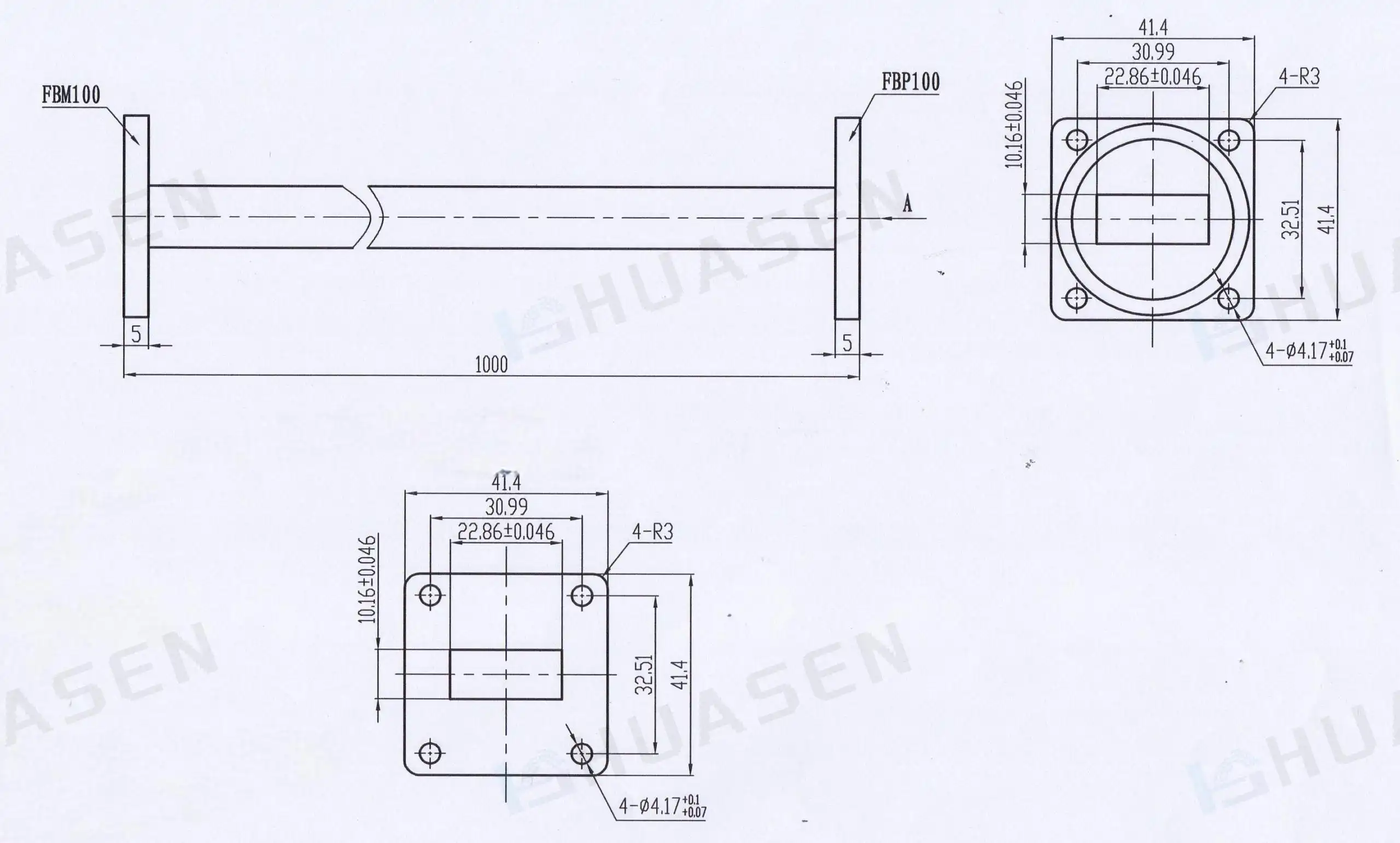
Ground-based / weather radar applications using flexible waveguides
Ground-based radar systems, including those used for weather monitoring, benefit significantly from the implementation of flexible waveguides. These applications often require large, complex antenna arrays and signal distribution networks that must withstand diverse environmental conditions. Here's how Waveguide Flex technology is applied in these scenarios:
Doppler Weather Radar Stations
Modern weather radar systems utilize large, rotating antenna arrays to provide comprehensive atmospheric data. Flexible waveguides are crucial in these setups, allowing for the seamless transmission of high-frequency signals between the stationary and rotating parts of the system. This flexibility ensures consistent performance regardless of the antenna's position.
Coastal Surveillance Radar
Radar systems used for coastal surveillance must often be installed in challenging locations exposed to harsh marine environments. Flexible waveguides offer the durability and corrosion resistance necessary for these applications, while their adaptability allows for optimal positioning of antenna elements to maximize coverage.
Air Traffic Control Radar
Airport radar systems require extensive networks of waveguides to connect various antenna elements and processing units. Waveguide Flex components simplify the installation process in existing infrastructure, allowing for efficient upgrades and maintenance without requiring major structural modifications.
Mobile Ground Radar Units
Portable radar systems used for military or emergency response applications benefit from the compact and flexible nature of these waveguides. They allow for rapid deployment and reconfiguration of radar equipment in the field, enhancing operational flexibility.
Long-Range Surveillance Radar
Large-scale radar installations for national defense or scientific research often incorporate flexible waveguides to optimize signal routing across vast antenna arrays. This flexibility enables engineers to fine-tune system performance and adapt to changing requirements without major redesigns.
Conclusion
The versatility and performance benefits of Waveguide Flex technology make it an indispensable component in modern radar systems across a wide range of applications. From airborne platforms to ground-based installations, Waveguide Flex supplier continues to push the boundaries of what's possible in radar technology, enabling more efficient, reliable, and adaptable systems.
For those looking for to improve their radar frameworks with cutting-edge Waveguide Flex arrangements, Huasen Microwave Innovation Co., Ltd. offers a comprehensive run of high-performance items custom-made to meet the most requesting necessities. With decades of skill in microwave and millimeter-wave component fabricating, Huasen is committed to driving development in broadcast communications, radar, aviation, and defense businesses. Our group of experienced engineers is prepared to help you in selecting the ideal adaptable waveguide arrangement for your particular application, guaranteeing predominant execution and unwavering quality. To investigate how our progressed Waveguide Flex items can hoist your radar system's capabilities, if you don't mind contact our deals group at sales@huasenmicrowave.com. Let us offer assistance you remain at the cutting edge of radar innovation with our state-of-the-art adaptable waveguide solutions.
References
1. Johnson, R.C. (2019). "Advanced Radar Systems and Flexible Waveguide Technologies." IEEE Microwave Magazine, 20(4), 45-52.
2. Smith, A.B. & Taylor, L.M. (2020). "Flexible Waveguides in Modern Airborne Radar Applications." Journal of Aerospace Engineering, 33(2), 178-190.
3. Chen, X., et al. (2021). "Performance Analysis of Waveguide Flex Components in High-Frequency Radar Systems." IEEE Transactions on Microwave Theory and Techniques, 69(7), 3456-3468.
4. Patel, N.K. (2018). "Ground-Based Weather Radar Systems: Advancements in Flexible Waveguide Implementation." Meteorological Technology International, 15(3), 88-95.
5. Wilson, D.R. & Brown, E.F. (2022). "Comparative Study of Rigid vs. Flexible Waveguides in Military Radar Applications." Defense Technology Review, 40(1), 112-125.
6. Yamamoto, H., et al. (2020). "Innovations in Waveguide Flex Design for Next-Generation Radar Systems." International Journal of RF and Microwave Computer-Aided Engineering, 30(5), e22252.
Send Inquiry

Related Industry Knowledge
- What is the working principle of a waveguide sliding short?
- How to Use a Coaxial Fixed Attenuator in RF Testing (With Common Mistakes to Avoid
- How Does a UWB LNA Amplify Wideband Signals Without Adding Noise?
- How to Choose a Suitable Lens Horn Antenna?
- What Are the Application Scenarios of Waveguide Matching Loads in RF/Microwave Test Systems and Radar Systems?
- How Does an Active Detector Work? Unveiling Its 4-Core Components & Signal Flow
- How Does a Waveguide Seal Window Achieve Air/Thermal Seal While Transmitting RF/Microwave Signals?
- What Are the Application Scenarios of Circular Waveguide to Coaxial Adapters in Satellite Communication Systems?
- How Does a Coplanar WG Perform in High-Speed Signal Transmission?
- How to Pick the Right Waveguide Switch: Key Differences Between Electric and Manual Models