How Does an Active Detector Work? Unveiling Its 4-Core Components & Signal Flow






2018-11-27 09:26:00
An Active Detector is a advanced microwave component that changes over high-frequency RF signals into quantifiable DC voltage yields, empowering exact control observing and flag investigation over broadcast communications, radar, and defense frameworks. Understanding its operational instrument requires looking at the four fundamental components—detector diode, impedance coordinating arrange, video intensifier, and yield buffer—and how they organize flag stream from microwave input to usable electrical yield. This innovation shapes the spine of cutting edge RF estimation frameworks, where precision, speed, and unwavering quality are vital. With operational capabilities crossing 0.01 to 44 GHz and energetic ranges from -60 to 0 dBm, dynamic locators have ended up irreplaceable devices for engineers overseeing basic foundation, guaranteeing flag astuteness, and keeping up framework execution beneath requesting natural conditions.
Component Architecture: The Four Essential Building Blocks
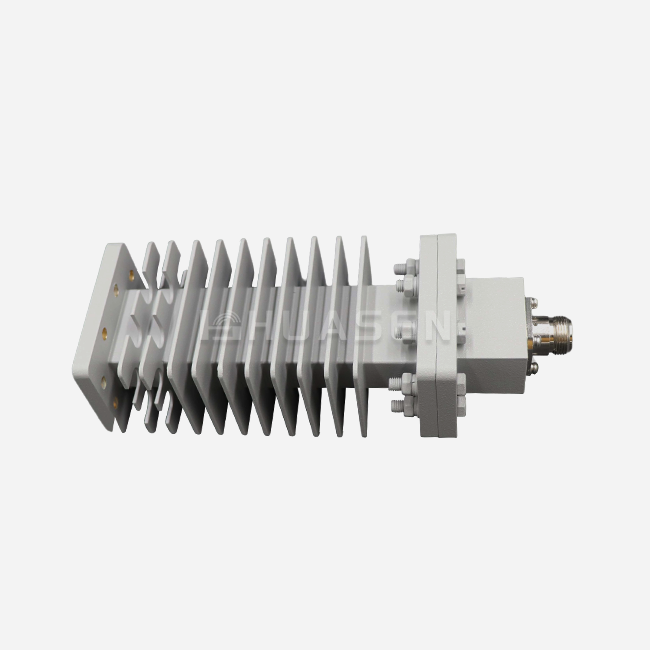
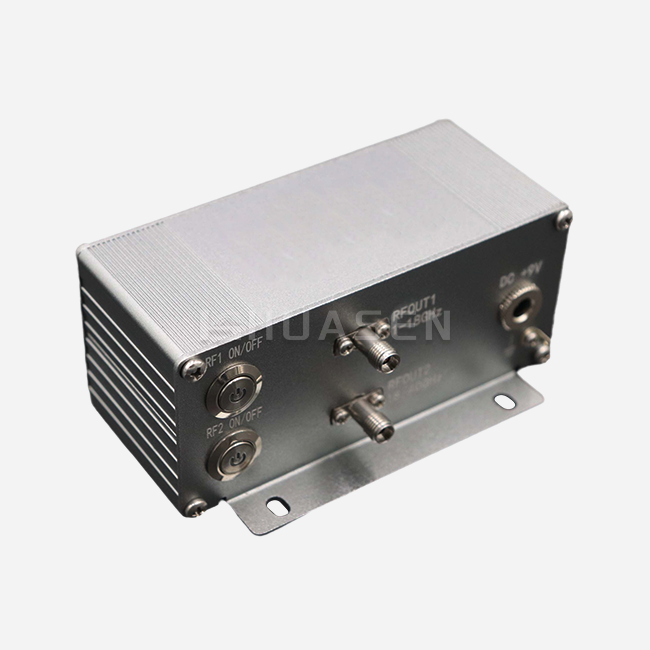
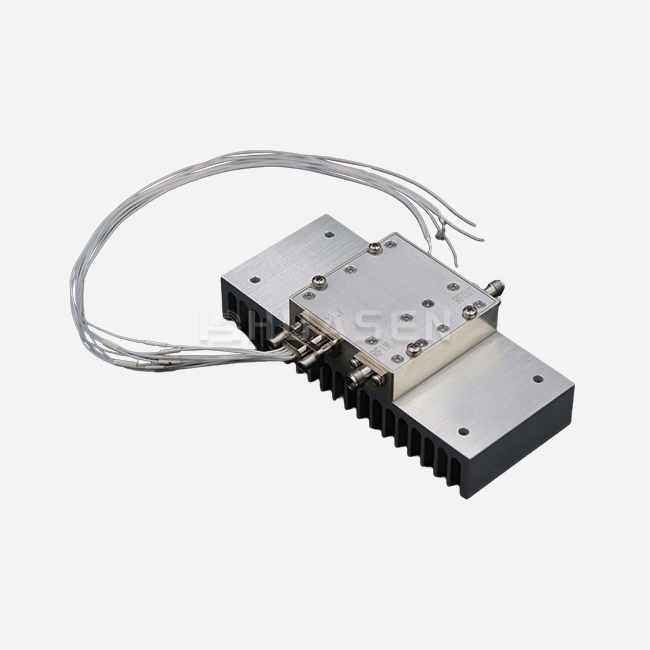
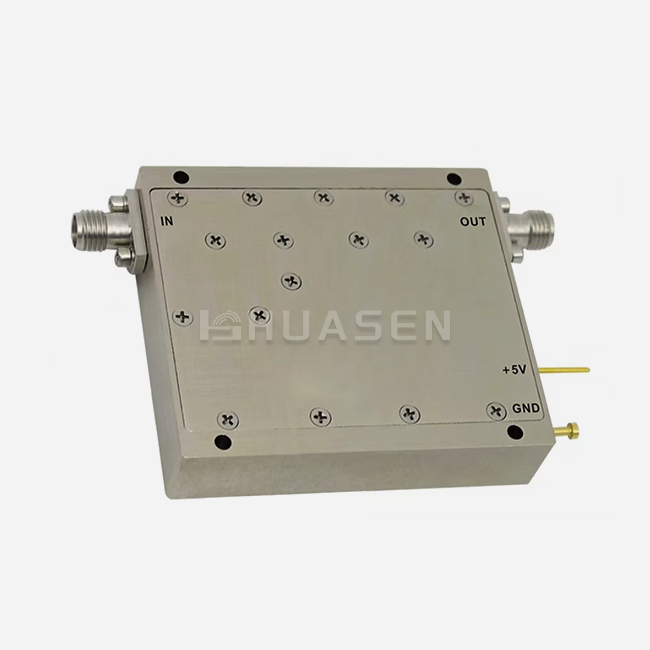
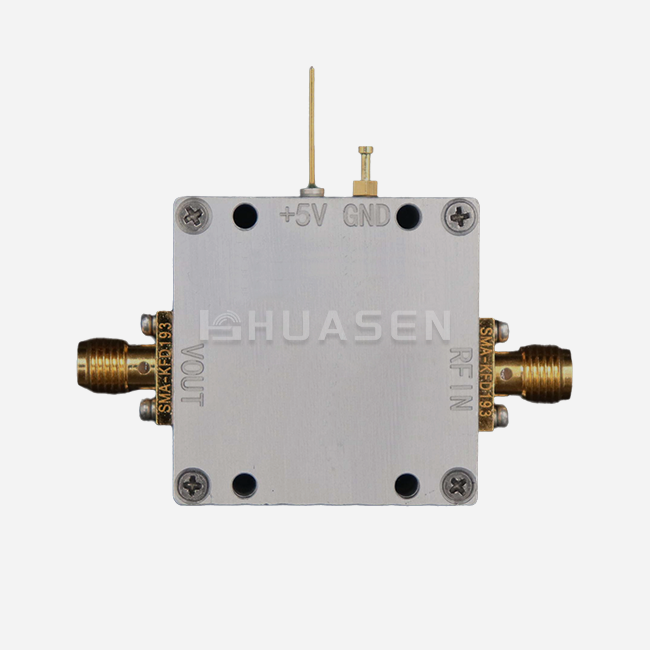
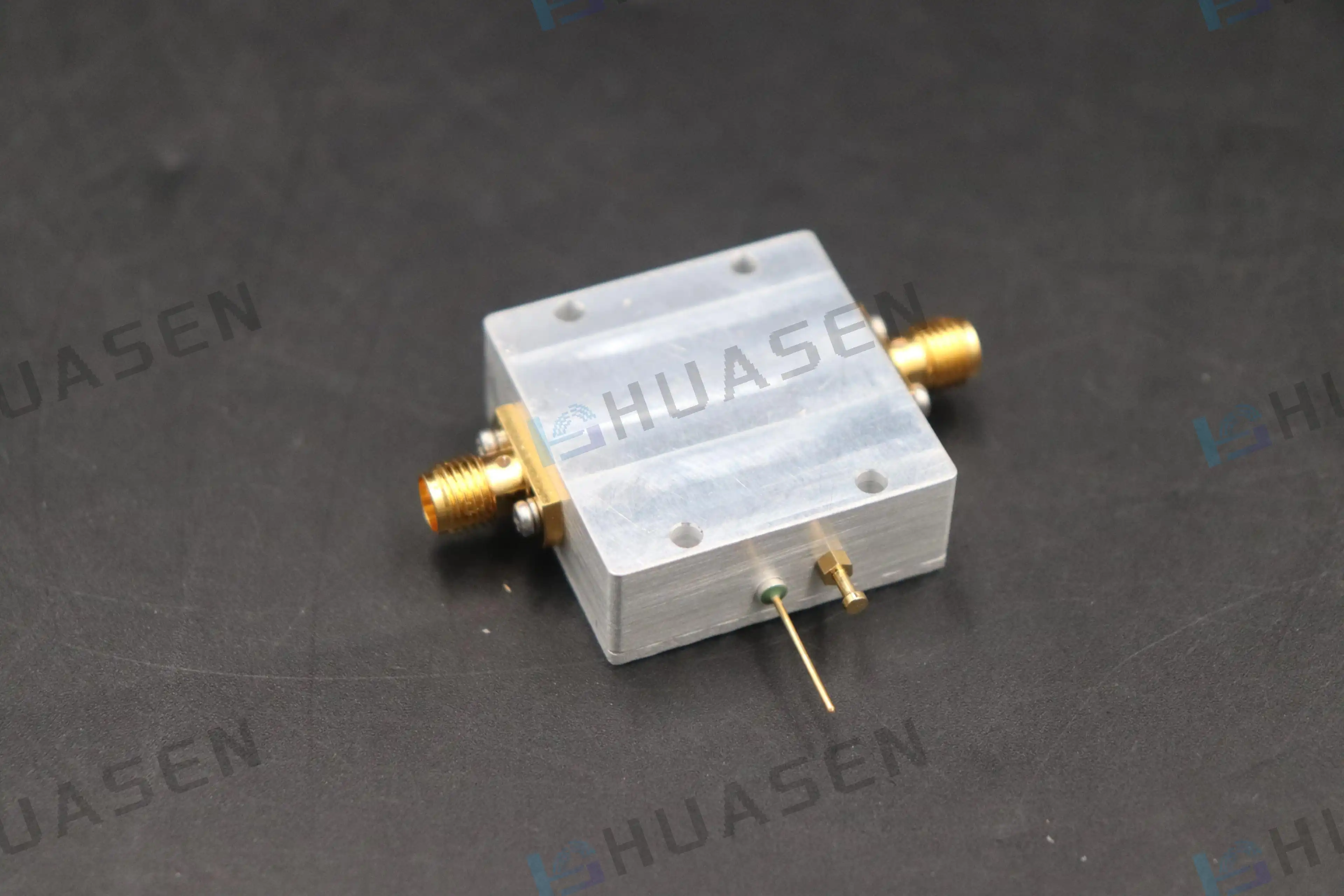
The Active Detector architecture comprises four interconnected components working in precise synchronization. The detector diode serves as the primary transduction element, typically employing Schottky barrier technology for superior sensitivity and minimal junction capacitance. This semiconductor device performs envelope detection by rectifying the incoming RF signal, converting microwave energy into a proportional DC voltage. The impedance matching network surrounds the diode, utilizing distributed transmission line elements and discrete components to maintain optimal power transfer across the specified frequency range. This network compensates for the diode's capacitive reactance, ensuring consistent performance from 10 MHz through millimeter-wave frequencies. The video amplifier stage follows, providing gain to the detected signal while maintaining bandwidth sufficient for rapid pulse response. At Huasen Microwave, our advanced microwave integrated chip technology delivers superior anti-interference capabilities within this amplification stage, enabling accurate demodulation even in electromagnetically congested environments. The output buffer completes the chain, presenting a low-impedance drive capability to interface with measurement equipment, data acquisition systems, or monitoring networks. This four-stage architecture achieves remarkable specifications: response times as fast as 8 ns for rise and fall transitions, temperature drift contained within ±0.5 dB across industrial temperature ranges, and power consumption as low as 0.5 mW for battery-operated applications.

Signal Flow Mechanism: From RF Input to DC Output
The flag stream through an Dynamic Finder takes after a carefully built way that jam estimation precision whereas dismissing undesirable artifacts. When an RF flag enters the locator, the impedance coordinating organize to begin with conditions the wave, changing the framework impedance to coordinate the diode's complex input impedance at the working recurrence. This coordinating handle minimizes reflection misfortunes and guarantees greatest accessible control comes to the discovery component. The conditioned RF flag at that point experiences the locator diode, where the nonlinear current-voltage characteristic performs square-law location for low-level signals or direct location for higher control levels. The amendment handle creates a DC component corresponding to the input control, additionally consonant substance that must be sifted. The video intensifier organize gets this identified voltage, intensifying it whereas at the same time sifting high-frequency residuals through carefully planned transfer speed constraining. Our items consolidate exact flag envelope demodulation procedures that keep up way better than ±1 dB exactness at key recurrence focuses all through the operational band. The opened up DC voltage passes through the yield buffer, which gives current drive capability and voltage level moving as required by downstream estimation frameworks. All through this flag chain, temperature remuneration systems effectively neutralize execution varieties, keeping up calibrated exactness from -40°C to 85°C. The whole stream component works ceaselessly, empowering real-time control checking basic for burst RF beat location in radar applications, quality affirmation in broadcast communications systems, and risk recognizable proof in defense frameworks where millisecond-level reaction decides mission success.
Performance Specifications and Environmental Adaptability
Superior Active Detector performance demands careful attention to multiple specification parameters that determine system effectiveness. Dynamic range defines the span of measurable power levels, with our devices operating from -60 to 0 dBm to accommodate both weak signals and strong local oscillators. Frequency range coverage from 0.01 to 44 GHz enables adaptability across multiple scenarios, from HF communications monitoring through millimeter-wave radar applications. Accuracy specifications tell the complete story: our detectors maintain better than ±1 dB uncertainty at critical frequency points, calibrated against traceable power standards and verified across production lots. Temperature drift represents perhaps the most challenging specification, as detector diodes exhibit strong temperature dependence. Through sophisticated compensation techniques and carefully selected semiconductor materials, Huasen Microwave products limit drift to ±0.5 dB across the full industrial temperature range. Response time specifications address dynamic signal conditions, with 8 ns rise and fall times supporting pulse detection in modern radar waveforms and high-speed communication protocols. Power consumption merits attention in portable and remote installations, where our minimum 0.5 mW operating current enables solar-powered monitoring stations and battery-operated field equipment. Environmental adaptability extends beyond electrical specifications to mechanical construction. Rugged construction using high-grade copper and aluminum components withstands extreme environments from coastal areas with salt spray exposure to industrial zones with vibration and shock loading. This comprehensive approach to performance specification ensures long-term reliability, with products engineered for 10+ years of low-maintenance operation in infrastructure monitoring applications where replacement costs far exceed initial equipment investment.
Integration and Application Ecosystem
Deploying Active Detector technology effectively requires understanding integration pathways and application-specific requirements. In telecommunications infrastructure, detectors perform signal monitoring and quality assurance, measuring transmitter output power, detecting amplifier compression, and verifying filter performance across network nodes. Radar systems demand accurate target detection and tracking capabilities, where detector linearity and dynamic range directly impact measurement precision for target ranging and velocity determination. Aerospace applications require reliable communication and navigation equipment, with detectors ensuring proper transmitter operation and receiver sensitivity calibration under extreme altitude and temperature conditions. Defense sector deployment focuses on secure and dependable threat detection systems, utilizing high sensitivity to minimize false alarms while maintaining detection probability for genuine security events. Our future-proof design philosophy incorporates upgradability to address evolving threats like drone detection, where broadband frequency coverage and fast response times enable identification of novel RF signatures. Installation flexibility comes through comprehensive mounting options and detailed documentation supporting compatibility with legacy SCADA systems, modern CCTV networks, and emerging IoT platforms. Seamless integration extends to quality control processes, with ISO9001 certified manufacturing, RoHS and REACH compliant materials, and rigorous multi-stage inspections ensuring every delivered unit meets published specifications. Technical support availability through experienced teams provides 24/7 assistance for deployment challenges, backed by one-year warranty coverage and careful packaging using custom protective cases with anti-static and moisture-resistant materials for global shipping with real-time tracking capabilities.
Conclusion
Active detectors represent critical enabling technology for modern RF infrastructure, converting microwave signals into actionable measurement data through carefully engineered four-component architectures. Huasen Microwave Technology Co., Ltd. leverages three decades of specialized expertise in high-frequency components to deliver detector solutions combining exceptional accuracy, environmental resilience, and long-term reliability. Our commitment to advanced microwave integrated chip technology, rigorous quality control, and comprehensive customer support ensures infrastructure agencies receive products meeting the demanding requirements of telecommunications, radar, aerospace, and defense applications where measurement precision directly impacts operational success.
FAQ
1. What frequency range do active detectors typically support?
Modern active detectors operate across broad frequency spans, with advanced models covering 0.01 to 44 GHz. This wide bandwidth accommodates diverse applications from HF communications through millimeter-wave radar systems. The frequency range determines applicability to specific infrastructure monitoring tasks, with broader coverage providing greater deployment flexibility. Matching the detector's frequency specification to your system's operating band ensures optimal measurement accuracy and prevents out-of-band interference issues that could compromise detection performance in electromagnetically complex environments.
2. How does temperature affect active detector accuracy?
Temperature variations impact detector performance through changes in diode characteristics and component values. Quality detectors incorporate compensation networks limiting drift to ±0.5 dB across industrial temperature ranges from -40°C to 85°C. This specification proves critical for outdoor installations experiencing seasonal extremes or equipment rooms with varying thermal loads. Proper thermal management and selection of temperature-stabilized detectors ensure consistent measurement accuracy year-round, preventing calibration drift that could lead to false alarms or missed detection events in security applications.
3. What dynamic range is required for infrastructure monitoring?
Infrastructure applications typically demand dynamic ranges spanning 60 dB or more, measuring both weak reflected signals and strong transmitted powers. Active detectors with -60 to 0 dBm ranges accommodate this requirement, enabling single-device monitoring of complete system signal chains. Adequate dynamic range eliminates the need for multiple detectors or switched attenuators, simplifying installation and reducing maintenance requirements. Understanding your system's maximum and minimum signal levels ensures proper detector selection for reliable, accurate monitoring throughout operational scenarios.
4. Can active detectors integrate with existing monitoring systems?
Modern active detectors feature output formats compatible with legacy SCADA systems, contemporary CCTV networks, and emerging IoT platforms. Standard voltage outputs interface directly with data acquisition equipment, while optional digital interfaces support networked monitoring architectures. Comprehensive documentation and manufacturer support facilitate integration, addressing impedance matching, signal level conversion, and communication protocol requirements. Proper integration planning ensures seamless deployment, maximizing return on infrastructure investment while preserving compatibility with future system upgrades and expansions across diverse monitoring applications.
Active Detector Manufacturer & Supplier | Huasen Microwave
Huasen Microwave Technology Co., Ltd. is a leading manufacturer and supplier of high-quality Active Detector. With over 30 years of expertise in microwave and millimeter-wave technology, we deliver cutting-edge solutions for critical infrastructure and security applications. Our products offer unparalleled precision, reliability, and durability, making them the perfect choice for government agencies managing transportation hubs, utilities, and other sensitive facilities. As a trusted Active Detector supplier and experienced Active Detector manufacturer, we invite you to partner with us for your next project. Contact our technical team today to discuss your specific requirements, request detailed specifications, or arrange product demonstrations. Reach us at sales@huasenmicrowave.com to discover how our advanced detector solutions can enhance your infrastructure monitoring capabilities and ensure mission-critical system performance.
References
1. Razavi, B. (2012). RF Microwave Electronics: Measurement and Calibration Techniques. Cambridge University Press.
2. Collin, R. E. (2007). Foundations for Microwave Engineering. IEEE Press Series on Electromagnetic Wave Theory.
3. Pozar, D. M. (2011). Microwave Engineering Fourth Edition. John Wiley & Sons.
4. Keysight Technologies. (2018). Fundamentals of RF and Microwave Power Measurements. Application Note Series.
5. Rohde & Schwarz. (2020). Power Measurement with Diode Detectors at Microwave Frequencies. Technical White Paper.
6. IEEE Standards Association. (2019). IEEE Standard for Precision Coaxial Connectors at RF Microwave and Millimeter-Wave Frequencies. IEEE Std 287-2019.
Send Inquiry