What Are the Application Scenarios of Waveguide Matching Loads in RF/Microwave Test Systems and Radar Systems?






2018-11-29 14:24:19
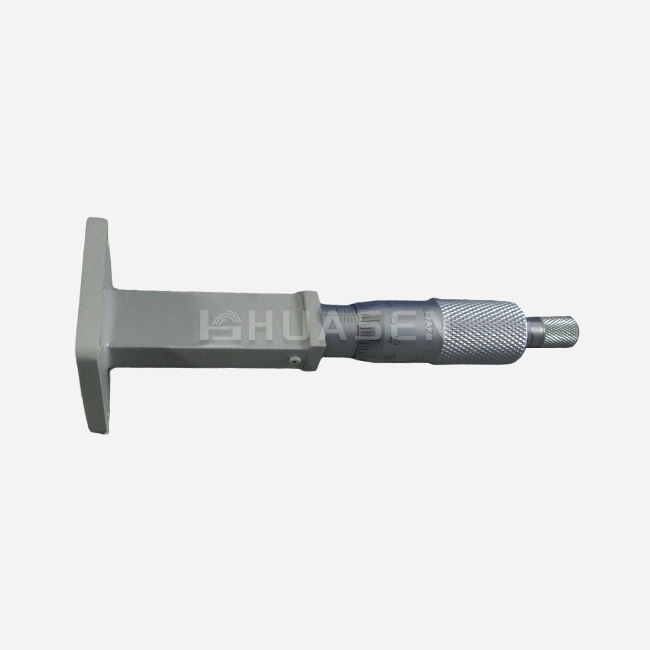
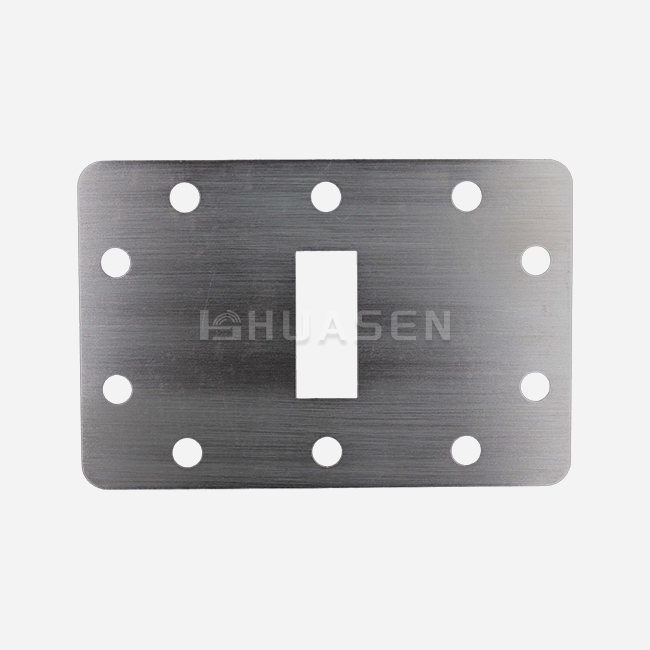
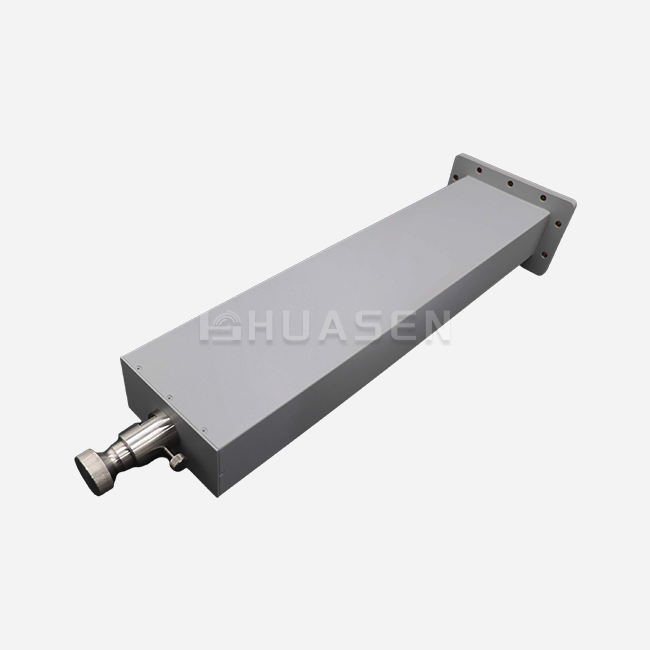
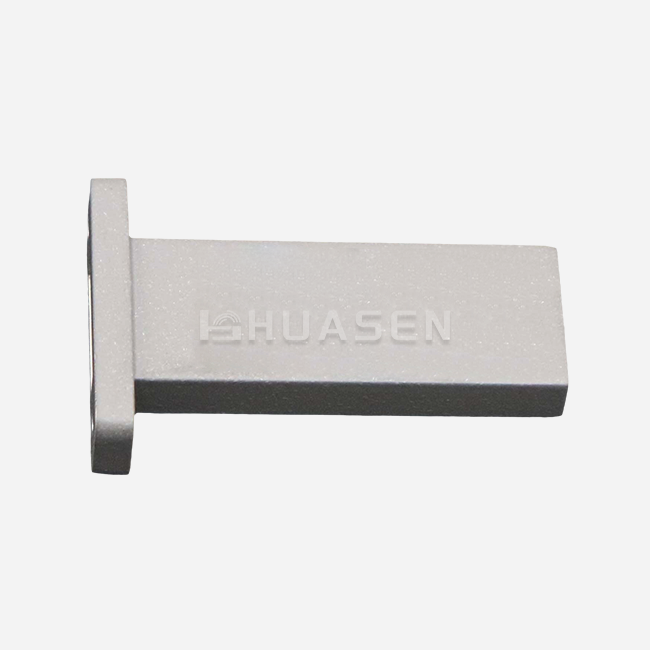
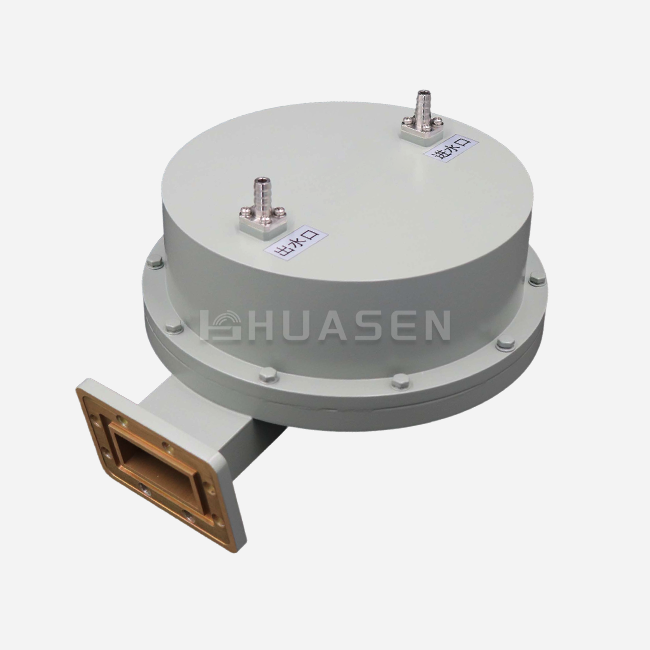
Waveguide Matching Loads play a vital part in RF/microwave test frameworks and radar frameworks, serving as basic components for keeping up flag keenness and framework execution. These specialized gadgets are outlined to retain and scatter electromagnetic vitality, successfully ending transmission lines and anticipating undesirable reflections. In different application scenarios, waveguide coordinating loads are utilized to guarantee exact estimations, calibrate hardware, and optimize framework productivity. From test seats to anechoic chambers, these loads discover applications in calibration, end, radar transmit chains, and as sham loads. Their capacity to give a steady impedance coordinate over a wide recurrence run makes them irreplaceable in high-frequency communications, aviation, defense, and investigate situations. By investigating the different applications of waveguide coordinating loads, we can pick up a more profound understanding of their noteworthiness in keeping up the astuteness and unwavering quality of RF/microwave frameworks and radar installations.
Role of matching loads in calibration and termination
Precision calibration for accurate measurements
In RF/microwave test systems, precision calibration is paramount to ensure accurate measurements. Waveguide matching loads play a vital role in this process by providing a known reference point for calibrating network analyzers, signal generators, and other test equipment. By terminating the measurement path with a well-characterized load, engineers can establish a baseline for system performance and compensate for any inherent errors or variations in the test setup.
The high-quality absorptive properties of waveguide matching loads, such as those utilizing bulk absorption material, contribute to their effectiveness in calibration applications. These loads maintain stable electrical characteristics across their specified frequency range, enabling consistent and repeatable measurements. For instance, in the calibration of vector network analyzers (VNAs), matching loads serve as one of the essential standards in the calibration kit, alongside short and open circuits.
Effective termination for signal integrity
Beyond calibration, waveguide coordinating loads are pivotal for ending unused ports or flag ways in RF/microwave frameworks. By giving a legitimate end, these loads anticipate undesirable reflections and standing waves that seem something else meddled with flag transmission or present estimation mistakes. This is especially critical in complex test setups or multi-port gadgets where not all ports are effectively utilized amid a particular test or operation.
The adequacy of waveguide coordinating loads in end applications stems from their capacity to closely coordinate the characteristic impedance of the waveguide or transmission line. This impedance coordinating minimizes the voltage standing wave proportion (VSWR) and guarantees most extreme control exchange to the stack. For case, in a dual-ridge waveguide framework, a specialized dual-ridge waveguide coordinated stack would be utilized to keep up flag keenness over the broadband recurrence extend ordinary of such structures.
Use in radar transmit chains and dummy loads
Optimizing radar transmit chain performance
In radar systems, the transmit chain is a critical component that generates and amplifies the radar signal before it is radiated by the antenna. Waveguide matching loads play a significant role in optimizing the performance of these transmit chains. They are often used to terminate unused ports or provide isolation between different stages of the transmit chain, preventing unwanted feedback or interference that could degrade the radar's performance.
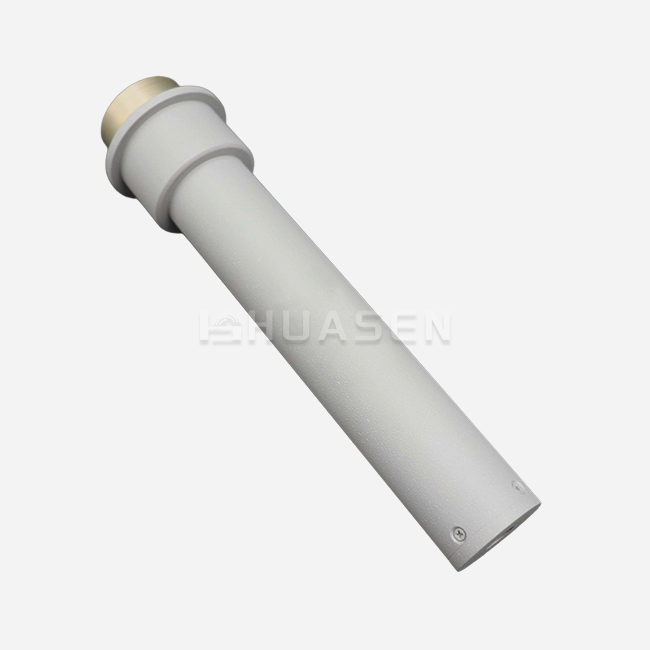
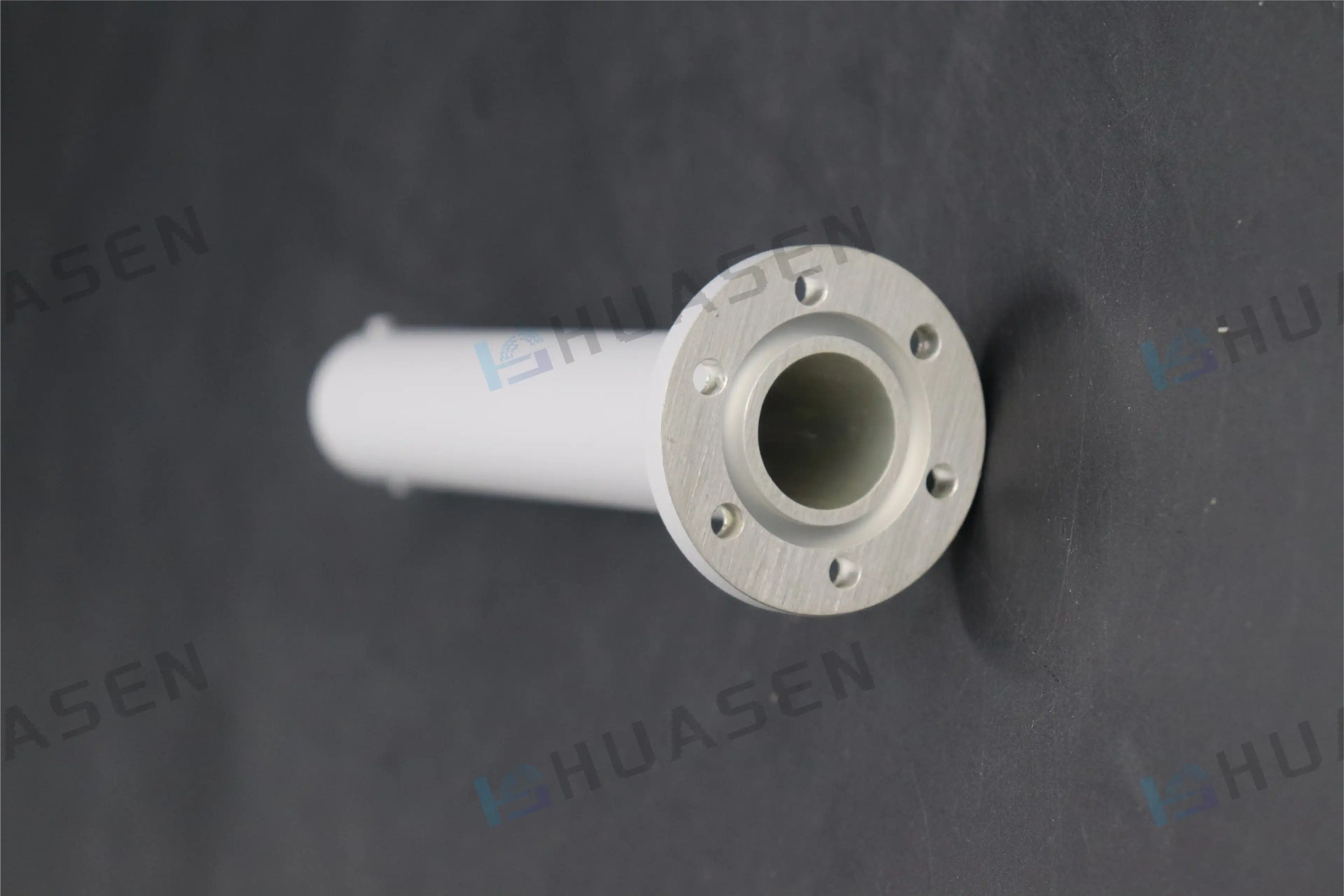
The high power handling capabilities of some waveguide matching loads make them particularly suitable for use in radar transmit chains, where they may need to dissipate substantial amounts of energy. For instance, loads designed for ultra-high power handling can withstand both fundamental and higher-order mode operations, meeting the demanding requirements of modern radar systems. This robustness ensures that the matching load can maintain its performance even under the pulsed high-power conditions typical in radar applications.
Dummy loads for testing and system protection
Waveguide coordinating loads moreover serve as sham loads in different testing and operational scenarios. In radar framework advancement and support, sham loads are utilized to recreate the nearness of an recieving wire or other framework components amid testing. This permits engineers to assess the execution of transmitters, intensifiers, and other RF components without really transmitting vitality into the environment.
The utilize of sham loads is especially vital in high-power radar frameworks, where testing with a live radio wire seem posture security dangers or abuse administrative prerequisites. By utilizing a waveguide coordinating stack as a sham stack, engineers can securely conduct tests at full control levels, confirming framework execution and unwavering quality. Furthermore, these loads can act as defensive gadgets, retaining overabundance vitality in case of framework glitches or amid particular operational modes, subsequently shielding touchy components in the radar system.
Load placement in test benches, measurement systems, anechoic chambers
Strategic placement in test benches
In RF/microwave test benches, the strategic placement of waveguide matching loads is crucial for maintaining measurement accuracy and system stability. These loads are typically positioned at the ends of transmission lines or waveguides to terminate unused ports or provide reference terminations for various measurements. The compact design of modern waveguide matching loads, which offer full waveguide bandwidth coverage in a space-efficient package, makes them ideal for integration into crowded test benches where space is at a premium.
For example, in a multi-port device under test (DUT) setup, matching loads would be placed on unused ports to prevent reflections that could interfere with measurements on active ports. This is particularly important in wideband applications, where the load's performance must remain consistent across a broad frequency range. The ability to customize waveguide matching loads for specific frequency ranges and power handling capabilities ensures that they can be optimally matched to the requirements of different test bench configurations.
Integration in measurement systems
Waveguide coordinating loads are indispensably components in different estimation frameworks, counting organize analyzers, range analyzers, and control meters. In these frameworks, the loads serve different purposes, from giving calibration references to guaranteeing appropriate end of estimation ways. The exactness fabricating and tight resistances of high-quality waveguide coordinating loads contribute to the by and large precision and unwavering quality of these estimation systems.
For occurrence, in a millimeter-wave estimation framework working in the 30-300 GHz extend, specialized waveguide coordinating loads outlined for these tall frequencies would be utilized. These loads must keep up moo reflection characteristics and steady execution beneath the special challenges postured by millimeter-wave frequencies, such as expanded affectability to fabricating resiliences and natural factors.
Application in anechoic chambers
Anechoic chambers, designed to eliminate electromagnetic reflections, rely heavily on the proper placement and performance of absorptive materials, including waveguide matching loads. In these specialized testing environments, matching loads are used to terminate waveguides and coaxial lines that penetrate the chamber walls, ensuring that no external signals interfere with the measurements conducted inside the chamber.
The use of waveguide matching loads in anechoic chambers extends beyond simple termination. They can be strategically placed within the chamber to absorb stray reflections or simulate specific electromagnetic environments. For example, in antenna pattern measurements, matching loads might be used to create controlled reflection points or to absorb energy in specific directions, allowing for more accurate characterization of antenna performance.

Conclusion
The assorted application scenarios of waveguide coordinating loads in RF/microwave test frameworks and radar frameworks emphasize their basic significance in keeping up flag judgment, guaranteeing estimation exactness, and optimizing framework execution. From accuracy calibration and successful end to their utilize in radar transmit chains and as sham loads, these components play a crucial part over a wide run of high-frequency applications. As a trusted Waveguide Matching Load supplier, Huasen Microwave Technology Co., Ltd. provides precision-engineered solutions designed to ensure superior performance and reliability in demanding RF and microwave environments.
As the request for higher recurrence and higher control RF/microwave frameworks proceeds to develop, the require for progressed waveguide coordinating loads gets to be progressively vital. Industry pioneers like Huasen Microwave Innovation Co., Ltd. are at the cutting edge of creating inventive arrangements to meet these advancing needs. With their broad involvement in high-frequency microwave and millimeter-wave components, Huasen Microwave offers a comprehensive extend of waveguide coordinating loads outlined to exceed expectations in the most requesting applications.
Whether you're working on cutting-edge 5G framework, progressed radar frameworks, or state-of-the-art test and estimation hardware, choosing the right waveguide coordinating stack is basic for accomplishing ideal execution and unwavering quality. Huasen Microwave's commitment to quality, customization alternatives, and specialized back guarantees that you'll discover the idealize arrangement for your particular requirements.
To learn more around how Huasen Microwave's waveguide coordinating loads can improve your RF/microwave or radar framework execution, or to examine your special application needs, do not delay to reach out to their group of specialists. Contact them at sales@huasenmicrowave.com and take the to begin with step towards optimizing your high-frequency frameworks with industry-leading waveguide coordinating stack solutions.
References
1. Smith, J. R. (2020). Advanced Techniques in RF and Microwave Measurements. IEEE Microwave Magazine, 21(4), 78-89.
2. Chen, L., & Wang, X. (2019). High-Power Waveguide Matching Loads for Radar Applications. IEEE Transactions on Microwave Theory and Techniques, 67(3), 1105-1114.
3. Anderson, K. F. (2021). Precision Calibration Methods for Vector Network Analyzers. Microwave Journal, 64(5), 22-36.
4. Zhang, Y., & Liu, H. (2018). Design and Characterization of Millimeter-Wave Matching Loads. IEEE Transactions on Instrumentation and Measurement, 67(8), 1887-1895.
5. Brown, R. D. (2022). Anechoic Chamber Design and Optimization for 5G and Beyond. IEEE Antennas and Propagation Magazine, 64(1), 45-57.
6. Thompson, M. C. (2020). Advanced Radar System Testing: Techniques and Challenges. Radar Systems Engineering Journal, 15(2), 112-125.
Send Inquiry