
Home / Blog
Blog
0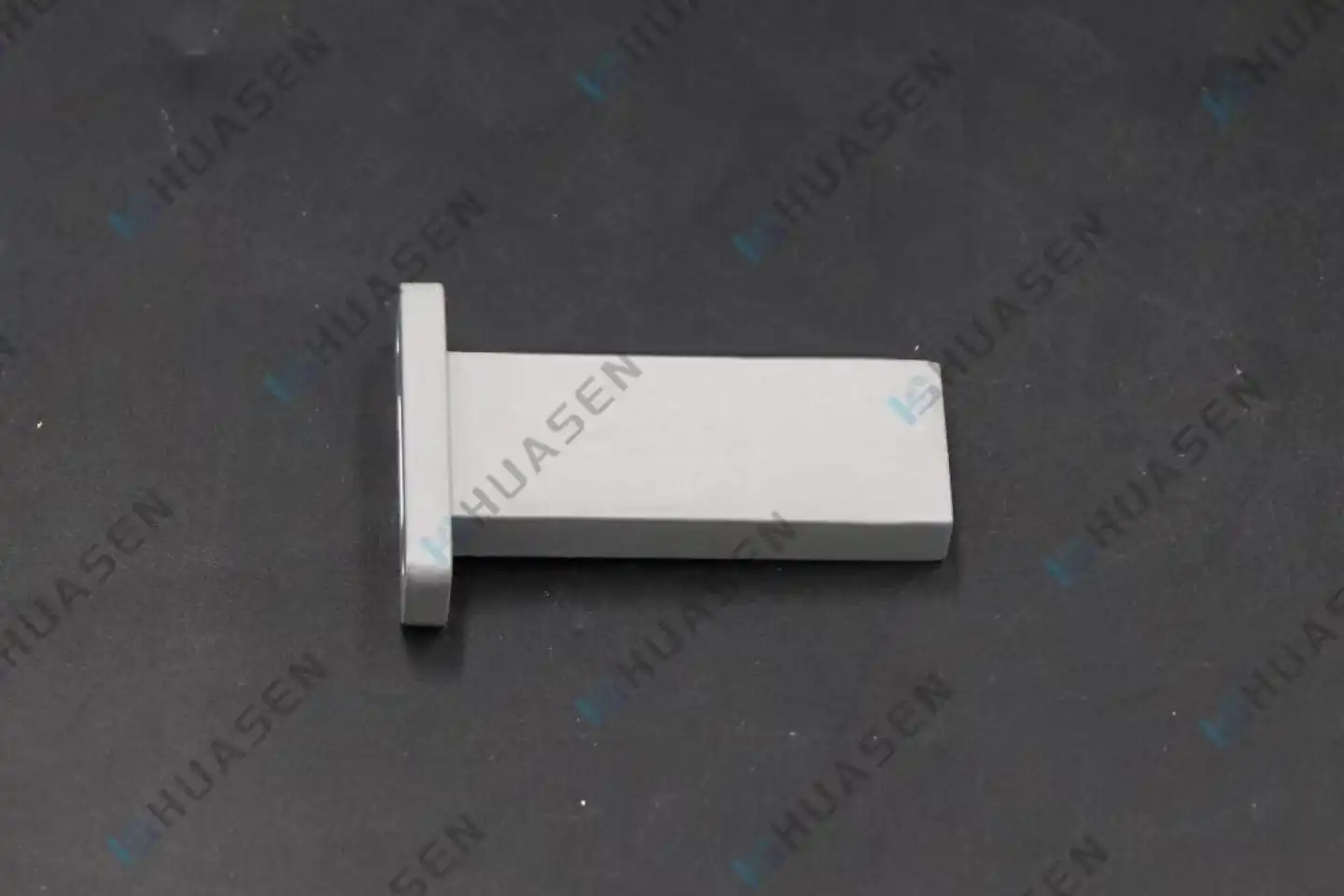
Waveguide Matching Load in Antenna Testing
Getting accurate measurements in antenna testing settings depends a lot on getting rid of signal echoes that mess up the results. A Waveguide Matching Load is a precise termination device that absorbs incoming RF energy very well. This stops echoes that would otherwise form standing waves and risk the accuracy of test data. These passive parts are designed to match the impedance of waveguide systems across frequencies from sub-GHz to millimeter-wave bands. This makes them essential for checking antenna performance in 5G infrastructure, satellite communication payloads, and radar calibration setups, where the success of system deployment depends on being able to repeat measurements.VIEW MORE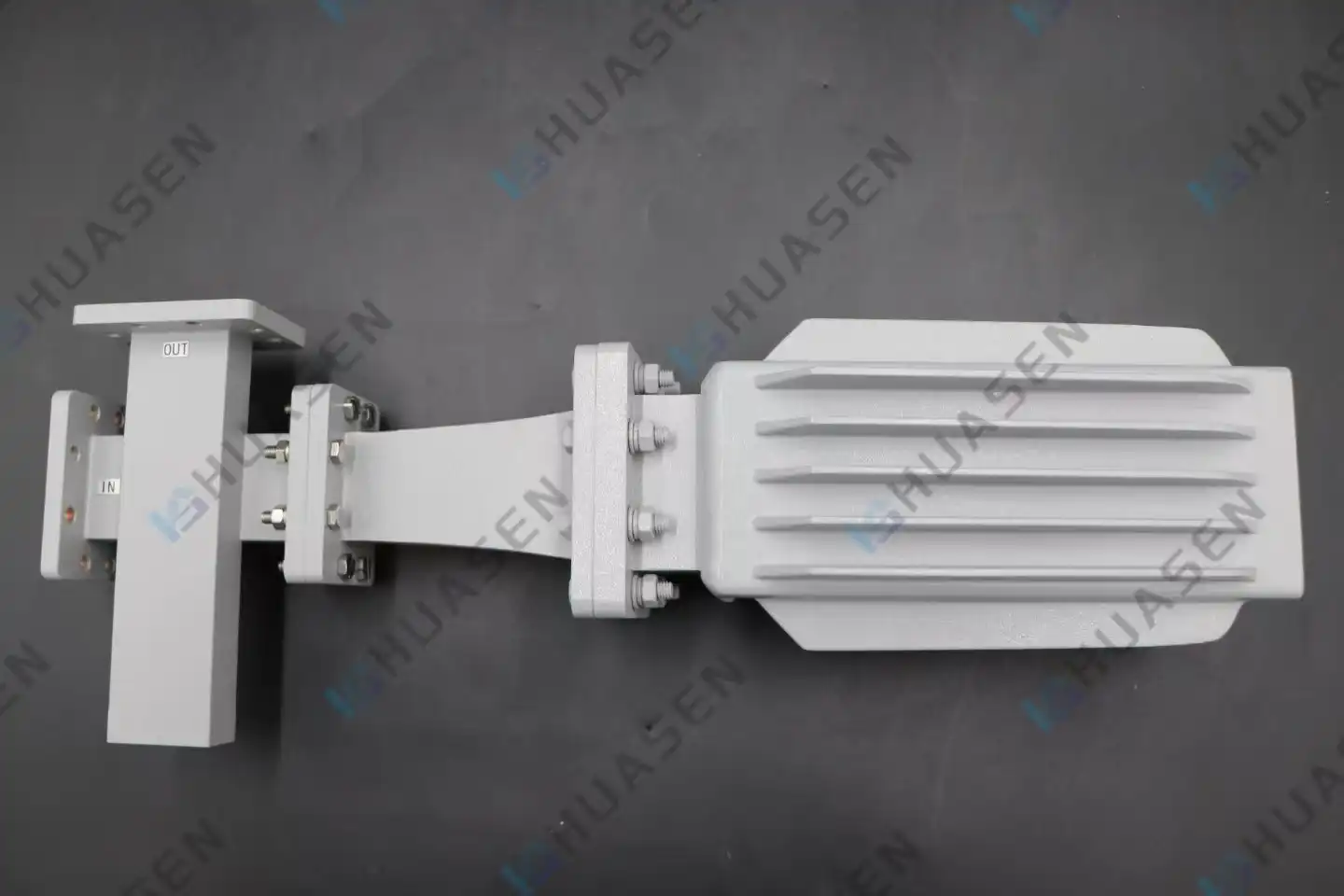
Coupled Fixed Waveguide Attenuator for Power Monitoring
A coupled fixed waveguide attenuator for power monitoring is a precise passive microwave part that lowers the signal's amplitude by a set amount while collecting a part of the signal to get an accurate reading of the power. These devices are different from regular attenuators because they have directional coupling mechanisms that let you watch in real time without stopping transmission routes. Because of this unique feature, they are essential in places like base stations, radar systems, satellite communications, and RF testing labs where constant power tracking keeps the system running smoothly and keeps equipment from breaking. Our guide is tailored to the needs of procurement managers, system designers, and RF engineers who are looking for high-performance, reliable parts that work consistently in tough working settings. Figuring out the technical details, possible uses, and buying methods for these parts gives people in charge the power to choose options that meet performance needs and stay within their budget. We put together this complete guide to help you understand the basic ideas, selection criteria, and real-world issues that are most important when adding waveguide attenuators to important systems.VIEW MORE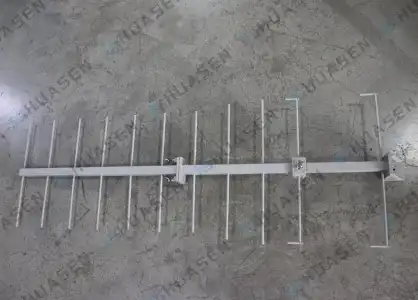
How Does a Yagi Antenna Achieve Long-Range Signal Reception?
A Yagi antenna achieves long-range signal reception through its directional design, which concentrates electromagnetic energy in a single direction rather than dispersing it omnidirectionally. This focused beam pattern results from the precise arrangement of parasitic elements—reflectors and directors—working in concert with a driven element. The reflector redirects signals toward the front, while multiple directors channel and amplify the signal along the boom's axis. This configuration enhances gain and minimizes signal loss, allowing the antenna to capture weak distant signals while rejecting interference from unwanted directions, making it ideal for point-to-point communications, backhaul links, and RF testing applications.VIEW MORE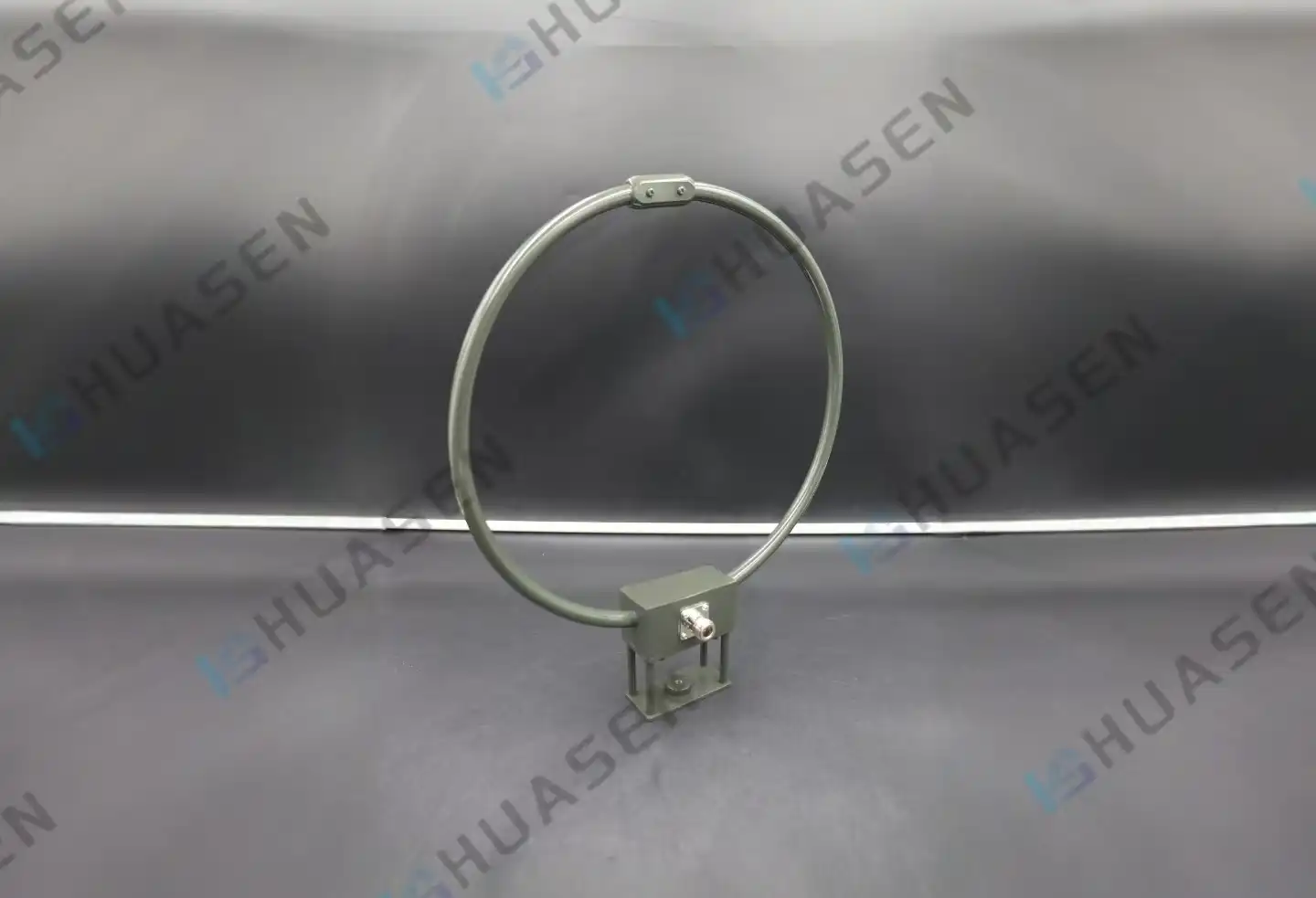
Loop Antenna Design Principles for Better Efficiency
Designing a high-performance Loop Antenna requires balancing electromagnetic fundamentals with practical engineering constraints. These compact antennas operate through magnetic field coupling rather than electric field propagation, making them exceptionally effective at rejecting electrostatic noise in congested RF environments. Whether you're integrating them into 5G infrastructure, satellite ground stations, or precision test equipment, understanding core efficiency principles transforms procurement decisions from guesswork into strategic advantage. The right design minimises insertion loss, maximizes signal-to-noise ratios, and delivers reliable performance across demanding operational conditions where failure isn't an option.VIEW MORE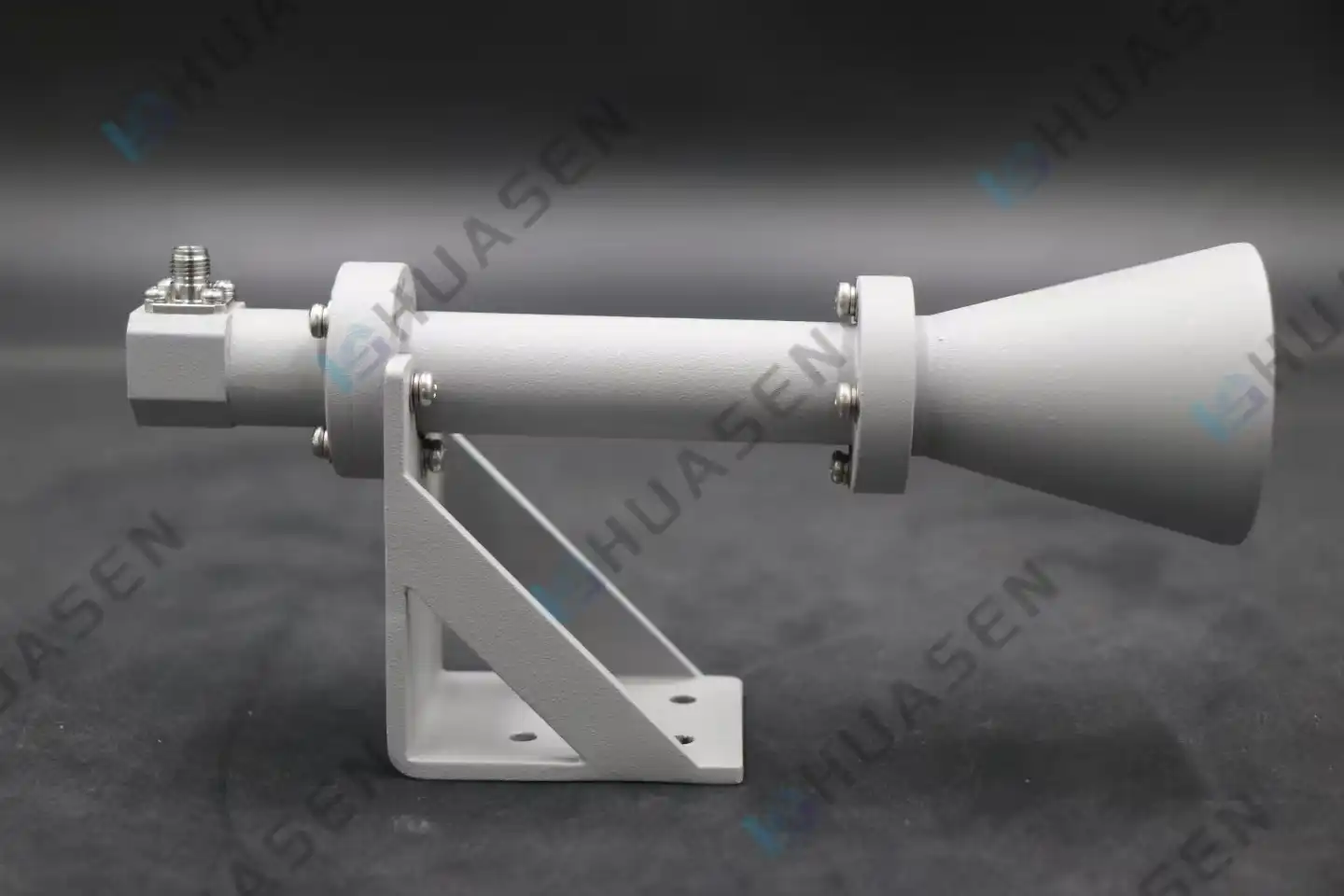
What is Circularly Polarized Horn Antenna and How Does It Work?
A circularly polarised horn antenna is a special aperture antenna designed to send and receive electromagnetic waves where the electric field vector spins around in a circle as the waves travel. These devices have internal polarisers, like septum polarisers or orthomode transducers, that change linear waveguide modes into circular polarisation states. This is different from regular linear antennas, which need to be perfectly aligned in terms of angle. This technology solves important problems in radar, 5G backhaul systems, and satellite tracking, where the orientation of both the emitter and receiver changes constantly. The rotational motion gets rid of polarisation mismatch losses and protects against Faraday rotation effects that happen in ionospheric communications. This is why these antennas are essential for wireless links that need to work properly.VIEW MORE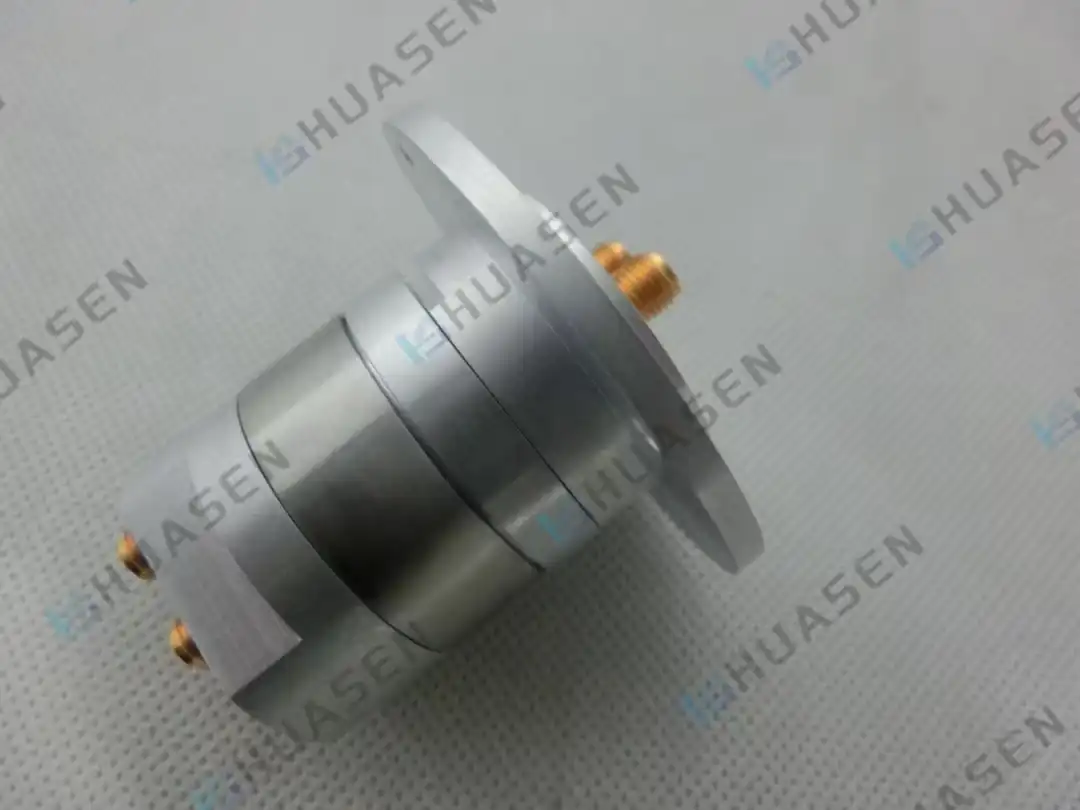
How Does a Dual Channel Coaxial Rotary Joint Transmit Signals?
A Dual Channel Coaxial Rotary Joint sends signals using a complex network of circular conductors. This lets two separate RF or microwave channels work at the same time while the joint rotates in a circle that goes around 360 degrees. The device has a precisely machined stator and rotor unit with different inner and outer wire paths, and each one has its own impedance. Good contacts, usually beryllium copper that has been gold-plated, keep the electricity flowing even when they are spinning, so the signal doesn't get messed up too much. The two channels are kept separate by advanced internal filtering structures that achieve isolation levels above 50dB to stop leakage. This two-path design keeps the cables from twisting and lets signals flow freely in situations where both fixed and moving parts need to send and receive high-frequency data.VIEW MORE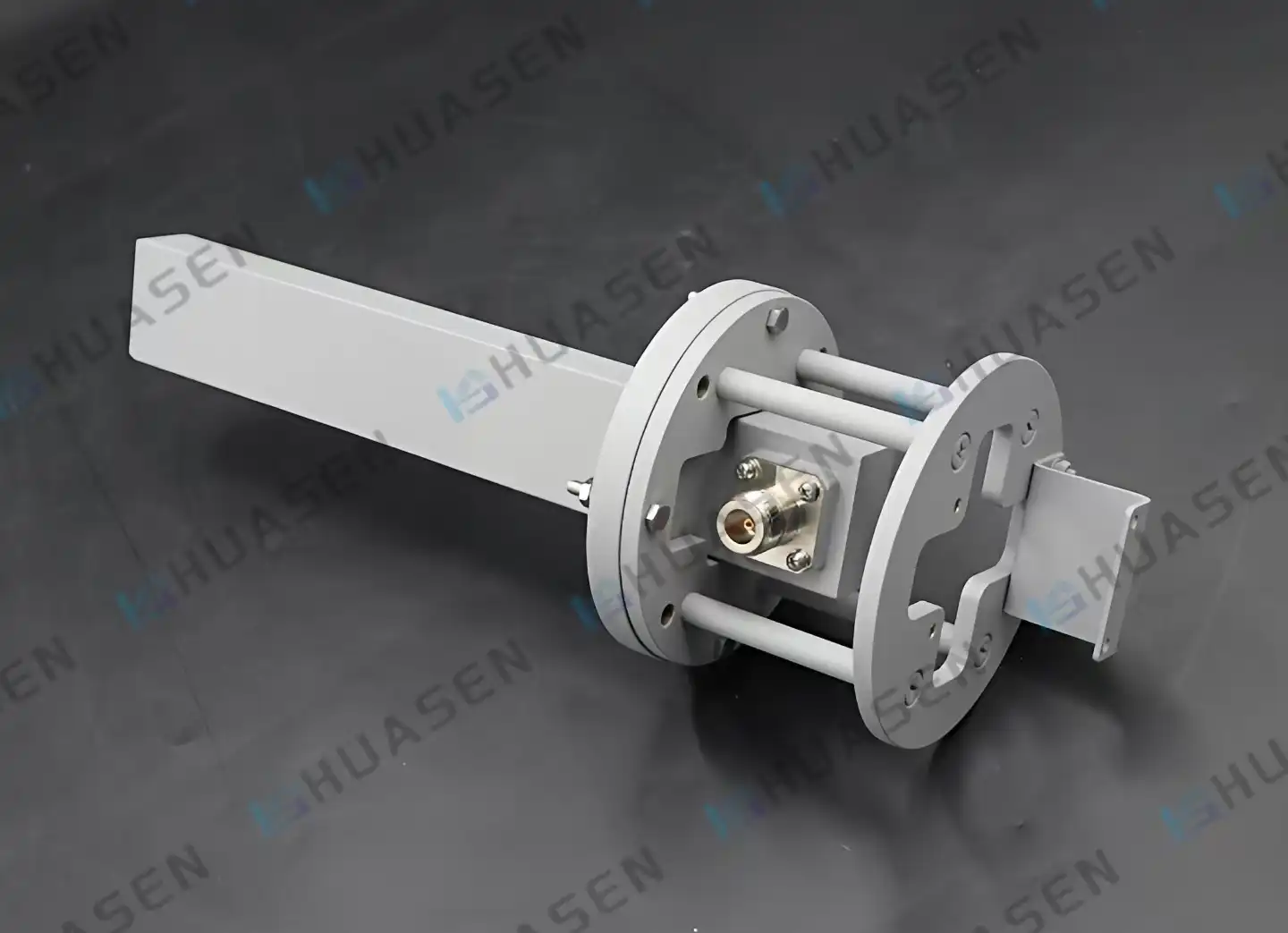
Antenna Near Field Measurement Probe vs Far Field Methods
When choosing between measuring antennas in the near field or far field, the choice rests on the limitations of your testing setting and the level of accuracy you need. An antenna near-field measurement probe collects electromagnetic field data in the near-field area, which is usually 3 to 10 wavelengths from the aperture. It then uses Fourier methods to turn this data into far-field patterns. This method works great in small labs where standard far-field lengths aren't possible. Far-field testing, on the other hand, checks antennas at faraway places where plane waves naturally form. This provides clear information about how they work but needs a lot of room. In 5G infrastructure, satellite systems, and military uses, both methods meet different engineering goals.VIEW MORE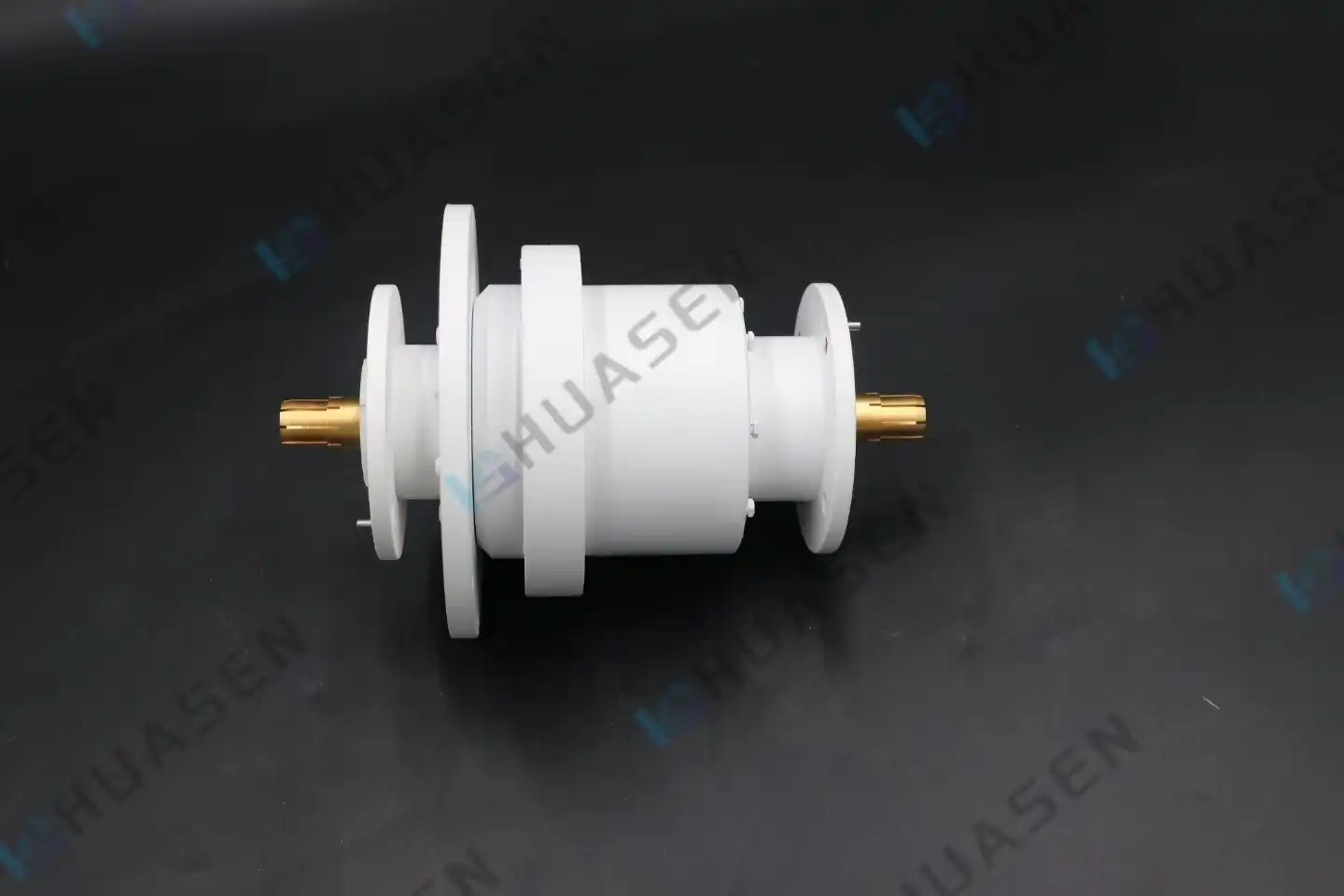
Single Channel Coaxial Rotary Joint for Radar Systems
When radar antennas rotate continuously to scan the horizon, they face a fundamental engineering challenge: how do you maintain uninterrupted RF signal transmission between a stationary feed system and a rotating dish? The solution lies in the single channel coaxial rotary joint—a precision electromechanical component that enables 360-degree signal transfer without cable twisting or signal degradation. For radar operators and procurement professionals managing tracking systems, weather surveillance installations, or defense platforms, this device is indispensable. Understanding its capabilities helps you optimize system performance while avoiding costly integration mistakes.VIEW MORE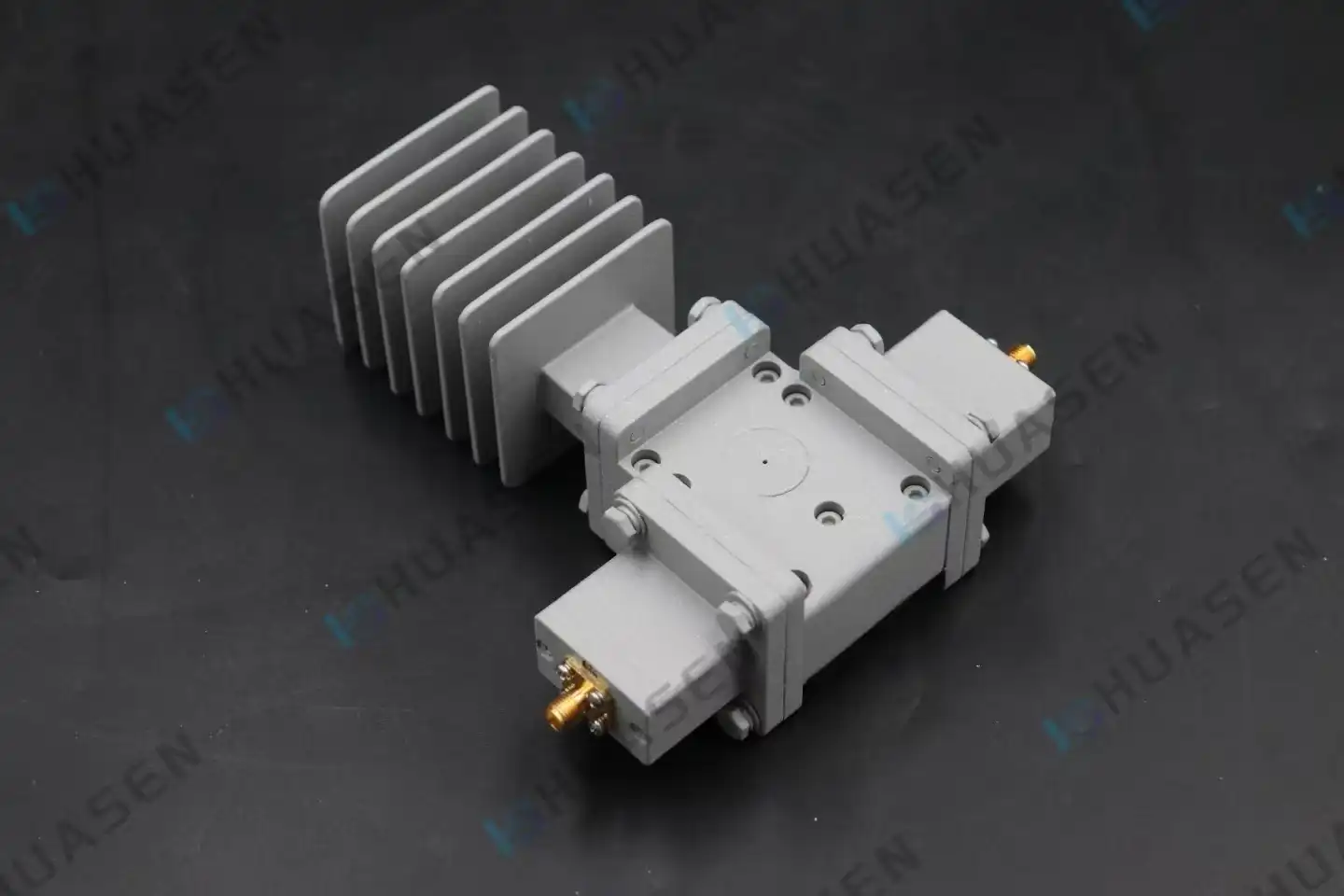
Coaxial Isolator: Isolation, Insertion Loss & Frequency Range
Protecting sensitive parts from reflected power is still one of the most important engineering goals when making RF and microwave systems. A Coaxial Isolator controls traffic in only one way, allowing signals to move forward with little loss while soaking up reverse energy that could hurt power amps or throw oscillators off balance. When buying teams know how isolation performance, insertion loss, and frequency range limitations work together, they can choose devices that offer the best mix of security, efficiency, and bandwidth coverage. Huasen Microwave's Coaxial Isolators work between 0.33 GHz and 3.1 GHz and have high isolation rates. They are housed in all-aluminum cases that can handle 200W of power in tough telecommunications, radar, and test settings.VIEW MORE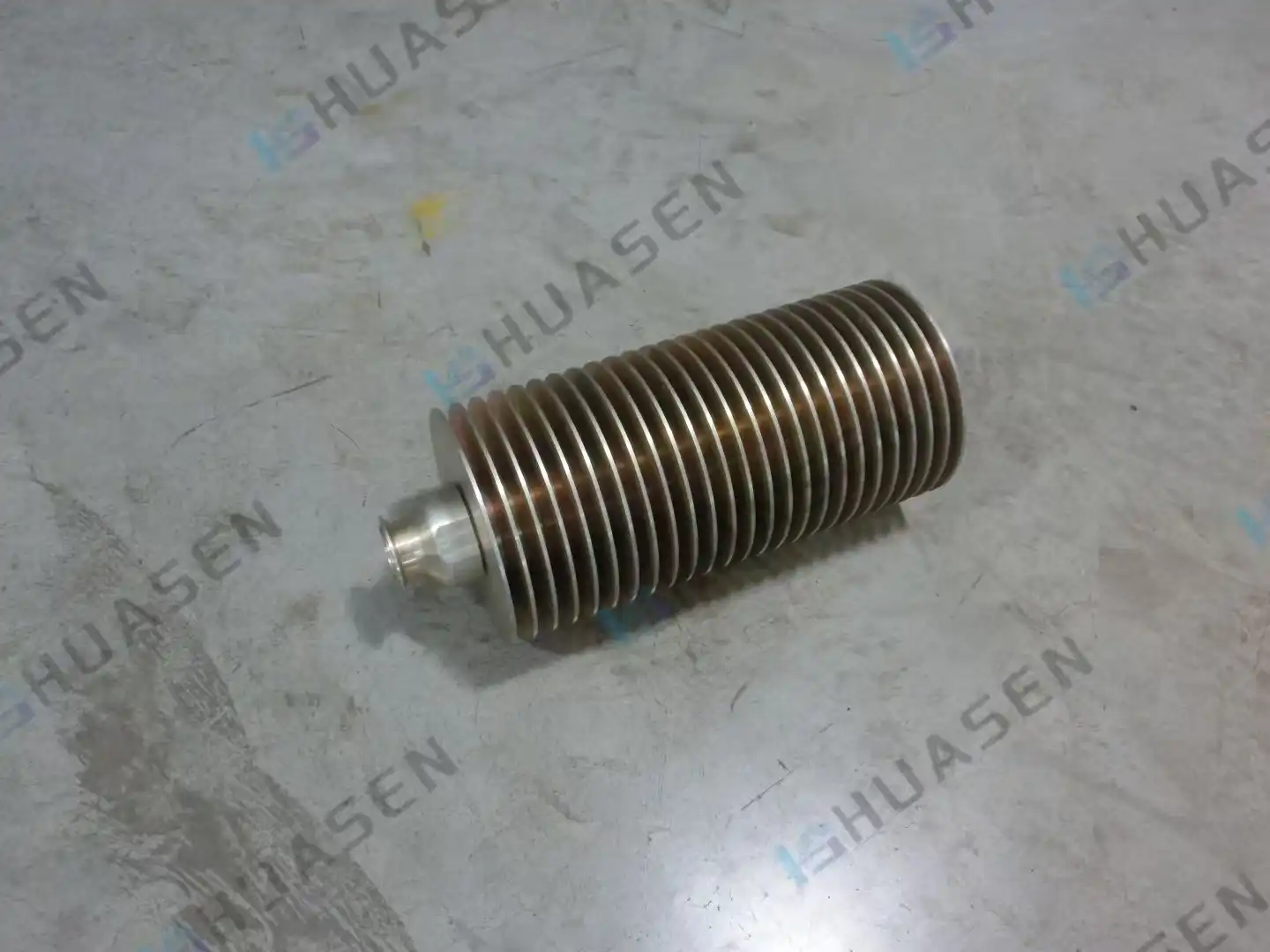
Coaxial Load vs Waveguide Load: Key Application Differences
When picking RF termination devices for tests, telecommunications, or military systems, the choice between coaxial and waveguide loads has a direct effect on how reliable the system is, how much power it can handle, and how accurate the measurements are. Coaxial Loads are made up of resistive or absorptive components that are packed into small connectorized packages. They are extremely flexible and have a low VSWR. Waveguide loads, which are made of hollow metal structures, are most common in high-frequency and high-power situations where controlling heat and keeping the signal pure are critical. Knowing these differences helps engineers and procurement teams match technical requirements with practical needs, which guarantees the best performance in a range of RF settings.VIEW MORE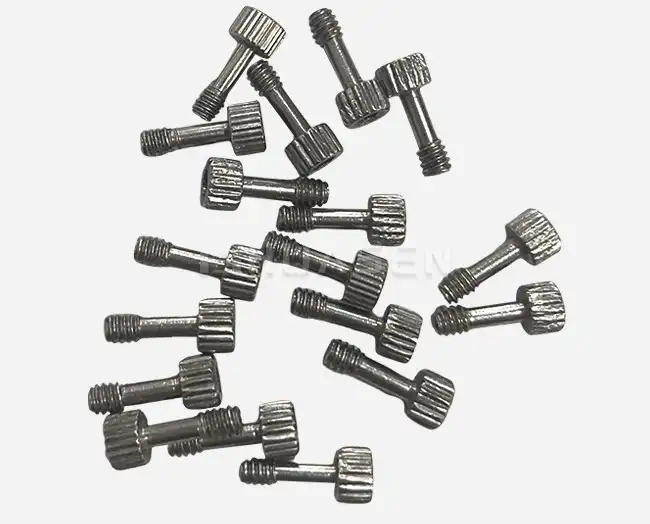
Waveguide Screw Standards and Torque Values
When assembling waveguide systems for 5G base stations, satellite communications, or aerospace radar, the fasteners you choose—and how you install them—directly impact signal integrity and long-term reliability. Waveguide screws secure flanges, covers, and tuning elements while also maintaining electromagnetic shielding and minimizing passive intermodulation distortion. Proper selection based on material standards and precise torque application prevents RF leakage, mechanical failure, and costly field repairs. Understanding these specifications helps procurement professionals source components that meet demanding operational requirements without compromising performance or budget.VIEW MORE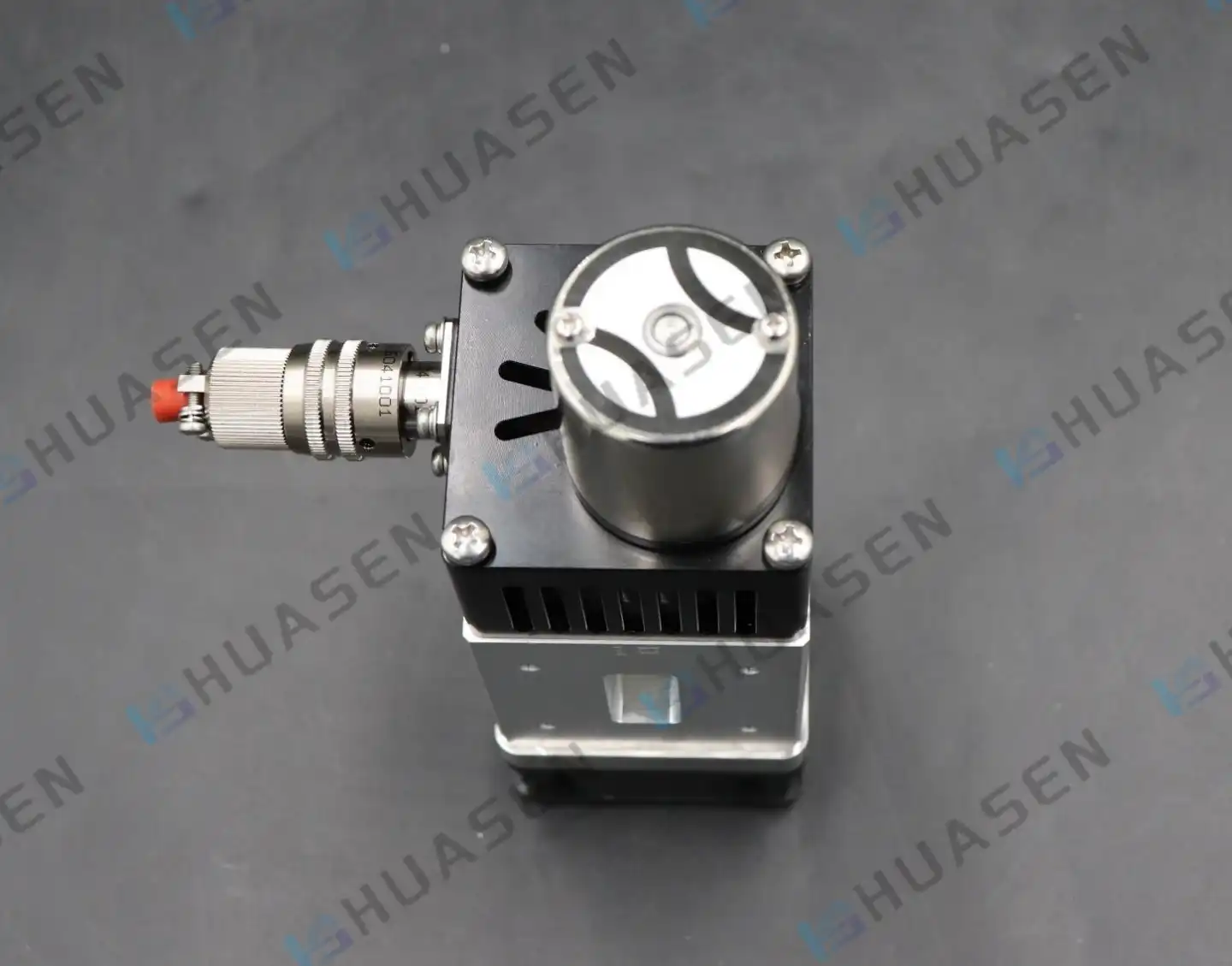
Low-Temperature Stability Testing of Electric Waveguide Switches
Low-temperature stable testing of electric waveguide switches checks how well these important RF parts work in very cold working conditions. This test makes sure that waveguide switch systems keep their insertion loss, isolation, and mechanical switching stability even when they are exposed to temperatures that are below freezing (-40°C to -55°C). The process makes sure that aerospace, satellite, and defense-grade systems keep working as planned in the Arctic, on high-altitude flights, and on trips in deep space, where temperature changes are common.VIEW MORE
- 1
- 6
- 7
- 8
- 9
- 10
- 60
Total 60 pages
