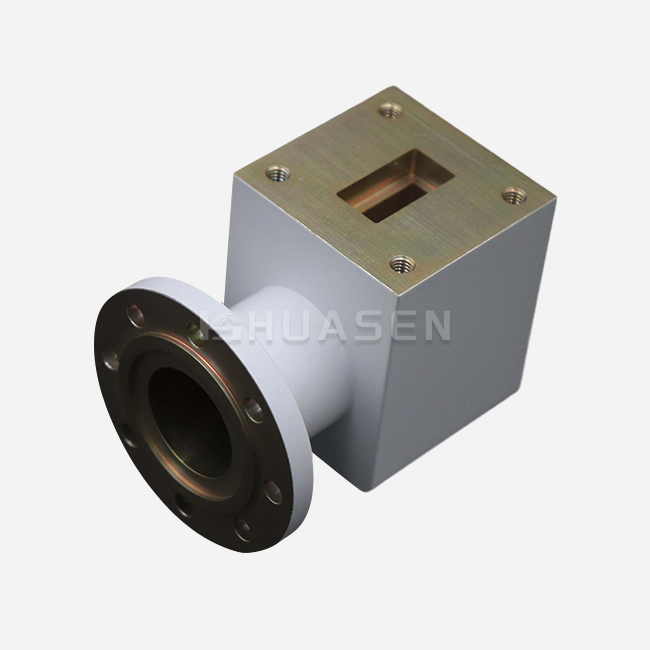
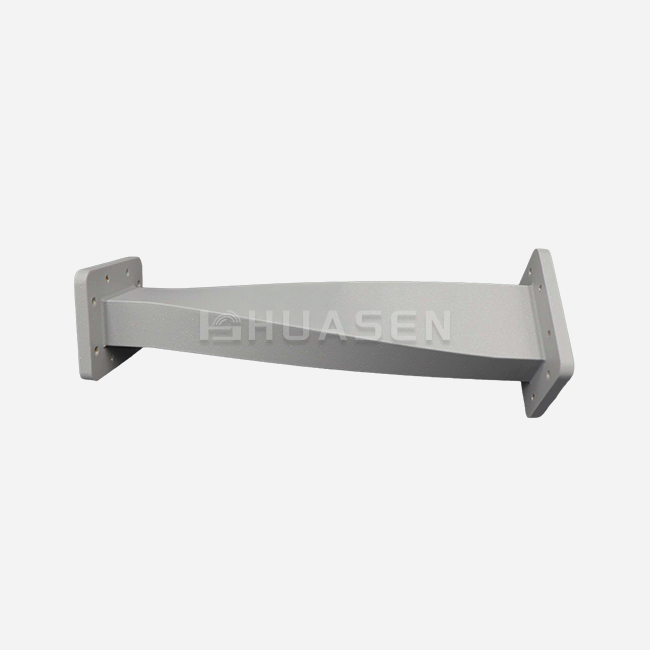
Single Channel Coaxial Rotary Joint for Radar Systems






2026-06-25 21:08:16
When radar antennas rotate continuously to scan the horizon, they face a fundamental engineering challenge: how do you maintain uninterrupted RF signal transmission between a stationary feed system and a rotating dish? The solution lies in the single channel coaxial rotary joint—a precision electromechanical component that enables 360-degree signal transfer without cable twisting or signal degradation. For radar operators and procurement professionals managing tracking systems, weather surveillance installations, or defense platforms, this device is indispensable. Understanding its capabilities helps you optimize system performance while avoiding costly integration mistakes.
Understanding Single Channel Coaxial Rotary Joints
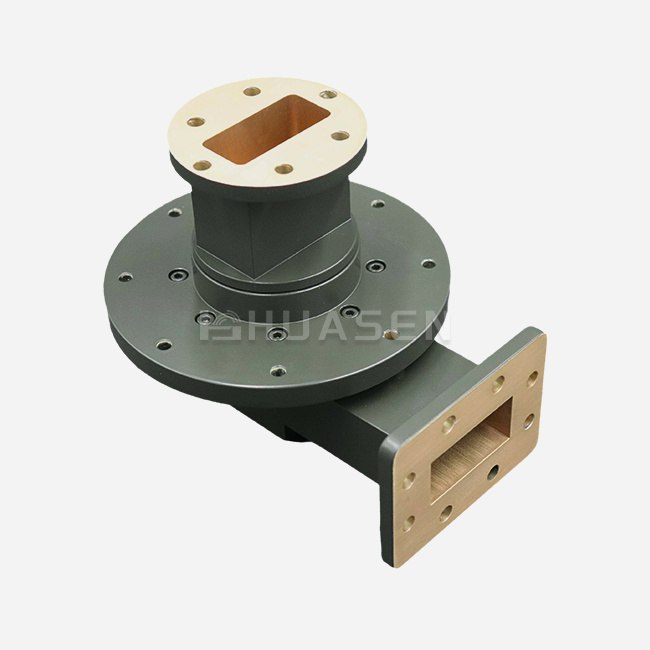
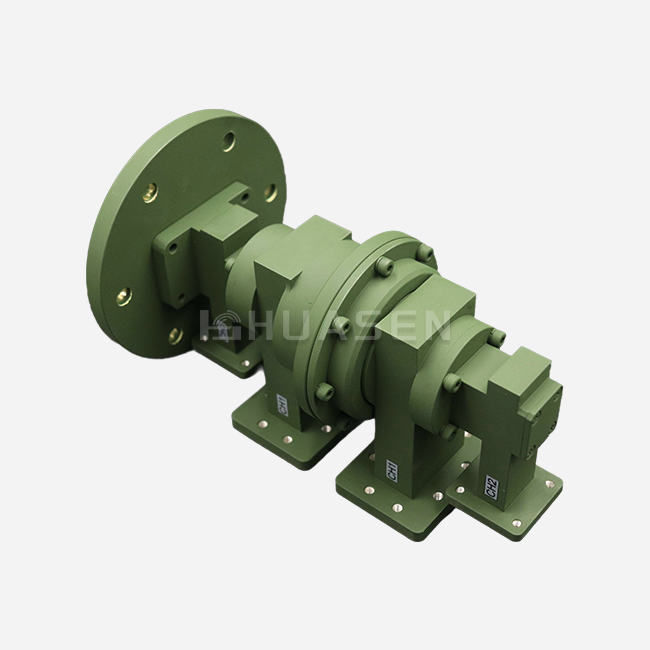
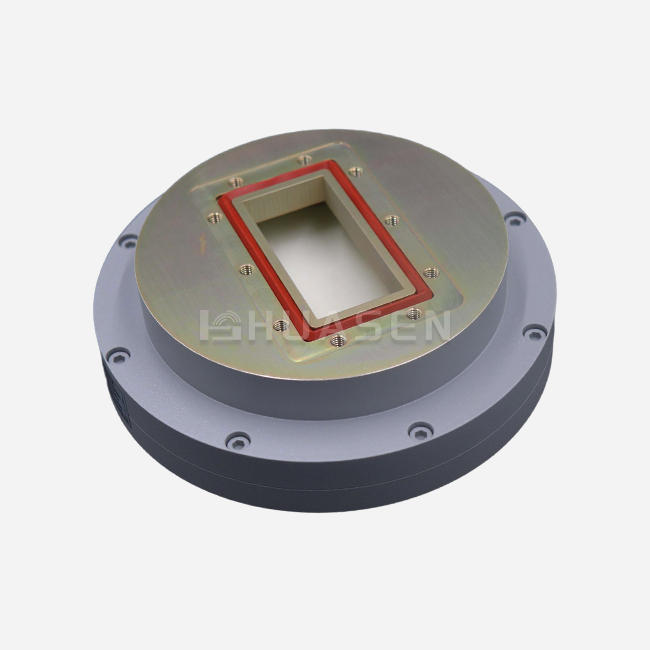
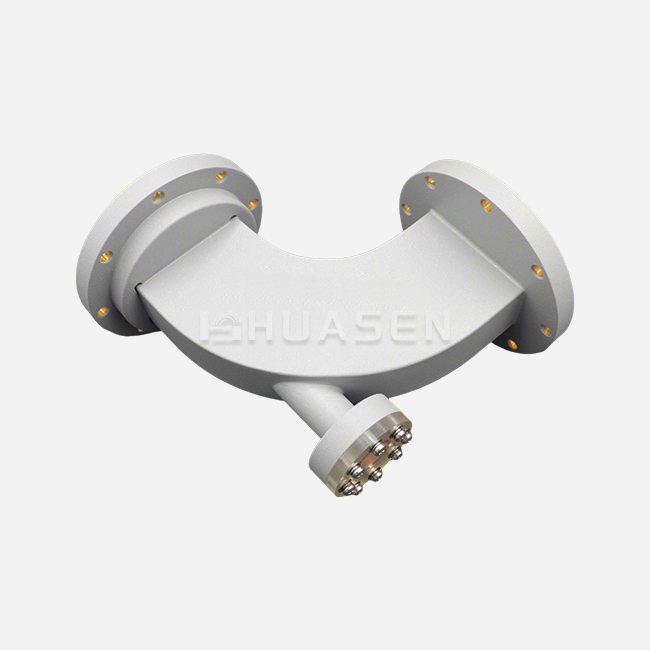
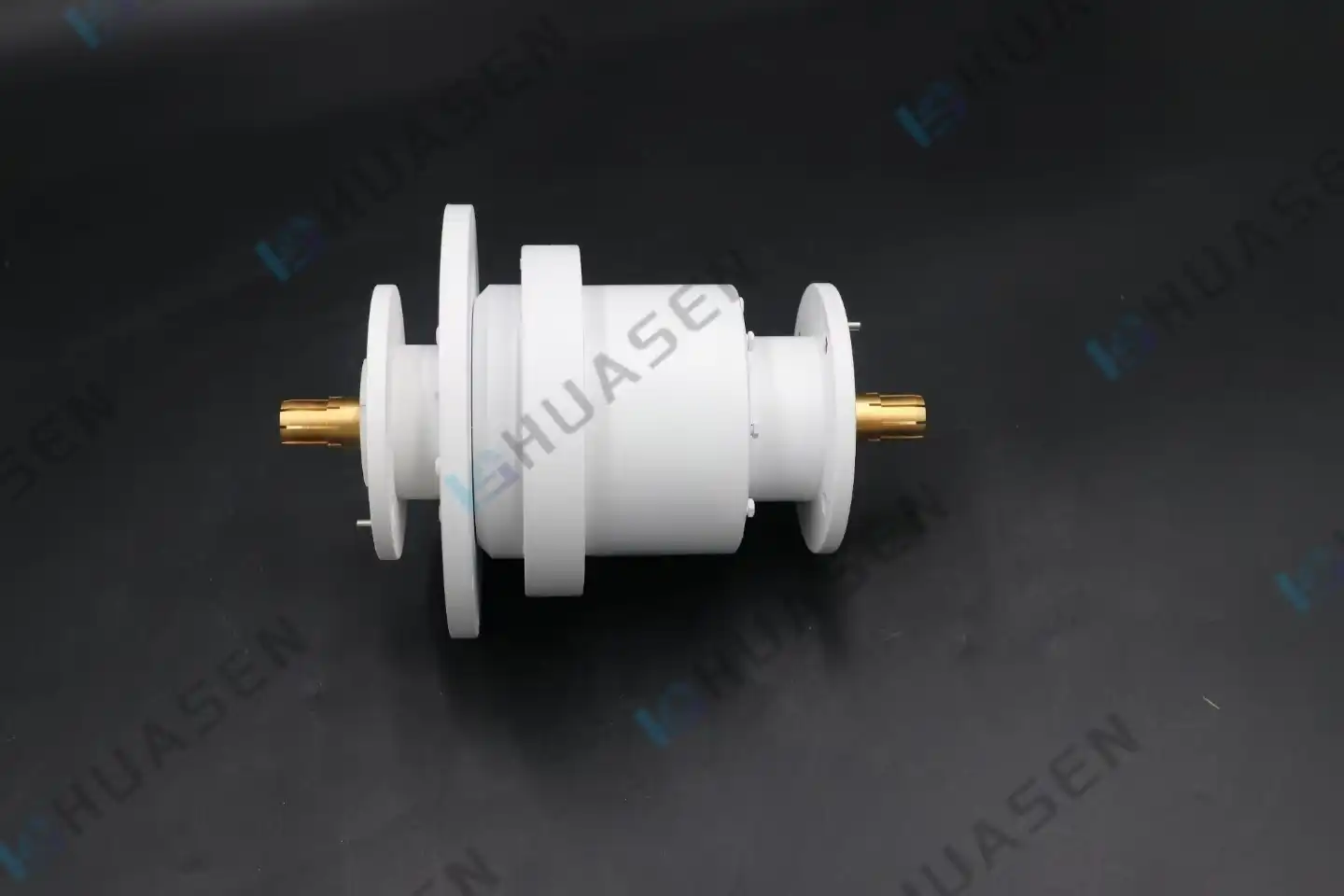
A rotary joint for RF use is made up of a part that stays still (stator) and a part that moves (rotor). The rotor and stator keep the electricity flowing through carefully machined conductive pathways. Coaxial Rotary Joints keep the impedance-controlled shape needed for microwave signal integrity, unlike slip rings that are used to move low-frequency power.
Basic Structure and Operating Principles
The inside is made up of a dielectric insulator around the center conductor and a cover for the outer conductor. Together, they make a coaxial transmission line that spins smoothly on precision bearings. The gold-plated contact surfaces keep the resistance from changing too much when the device is rotated, and the concentric design keeps the 50-ohm impedance path constant. This mechanical setup stops the phase distortion and intensity changes that would happen if wires were just twisted while the antenna moved.
Key Technical Specifications
How well these devices work for demanding radar uses is determined by their performance factors. Broadband compatibility is based on frequency coverage. Modern units can handle frequencies from DC to 40GHz, which means they can work with a wide range of devices, from L-band monitoring radars to Ka-band tracking systems. Insertion loss is a way to measure how much a signal is lost at the joint. Good devices have less than 0.3dB loss. VSWR measures how well two impedances fit, and numbers below 1.3:1 mean that there is almost no signal reflection. Power handling ability is very important. Typical Coaxial Rotary Joints can handle about 30W of power on average and up to 300W of power for pulsed operation.
The choice of materials has a direct effect on dependability. Housing made of aluminum or copper blocks electromagnetic waves and gets rid of heat, which is very important when working with high-power transfers. Maritime uses can use stainless steel buildings because it doesn't rust. Specifications for mechanical parts include rotational speed rates (usually 30 RPM for monitoring radars and higher for tracking systems), torque needs, and a lifetime measured in millions of turns.
Performance Factors Critical to System Reliability
One quality measure that stands out is rotational steadiness. VSWR changes during spin should stay below 0.1, and insertion loss changes should stay below 0.05dB so that radar returns don't look like they fade or spike when they're not. It doesn't matter what the phase is—too much phase wobble during rotation causes mistakes in figuring out the goal spot. Extreme temperature limits, vibration tolerance, and sealing standards (IP65 or MIL-STD-810 compliance) are some of the environmental specs that tell us if a joint will be able to withstand rough deployment circumstances.
Benefits and Applications of Single Channel Coaxial Rotary Joints in Radar Systems
These parts are helpful for radar systems in more ways than one. They send signals more efficiently. They solve real-world technical problems that would need complicated workarounds or would limit the powers of the system otherwise.
Minimal Signal Loss and Frequency Stability
For radar to work well, data integrity must be maintained. For every decibel of insertion loss, the effective radiated power and sensor sensitivity go down by the same amount. This makes the detection range smaller. Insertion loss for high-quality Coaxial Rotary Joints is less than 0.2dB across their working bandwidth. This keeps both broadcast power and weak echo returns. Frequency stability makes sure that wideband radar systems that work across many gigahertz keep working well without needing to make frequency-dependent tuning changes as the antenna spins.
Durability in Harsh Operational Environments
Radar systems work all the time in tough situations. For example, platforms in the ocean have to deal with salt spray and vibrations, sites in the air have to deal with high and low temperatures, and weather radars on the ground have to work nonstop for years. For these kinds of settings, Coaxial Rotary Joints are made with sealed bearing systems, materials that don't rust, and features that control heat. The units from Huasen Microwave are very durable because they have metal or copper bodies that are very good at transferring heat. This lets them work reliably even when the temperature changes, and the bodies are still strong. Five million turns at 30 RPM means that it can run nonstop for more than three years before it needs to be serviced, which is an important safety factor for remote placements.
Comparative Analysis with Other Rotary Joint Technologies
The type of application determines whether coaxial or waveguide Coaxial Rotary Joints are best. Waveguide joints can handle more power and have less loss at millimeter-wave frequencies, but because they are so big and have a small bandwidth, they can't be used in small, broad systems. Coaxial versions offer wide coverage in smaller sizes. For example, Husen's DC-40GHz range lets multi-band radars work with just one rotating input. Multi-channel Coaxial Rotary Joints can handle different send and receive lines or dual-polarization feeds, but they are more complicated and cost more. When a device only needs one RF path, single-channel designs are the most reliable and simple option. This makes them perfect for monitoring radars and many other tracking uses.
How to Choose the Best Single Channel Coaxial Rotary Joint for Your Radar System
Technical specifications must be matched with practical needs in order for procurement choices to be made. A methodical evaluation process stops mistakes that cost a lot of money and guarantees long-term dependability.
Assessing Operational Conditions and Technical Demands
First, write down your radar's frequency bands, whether it works at X-band (8–12 GHz), Ku-band (12–18 GHz), or more than one range. Check power levels, making sure you know the difference between peak and average numbers for devices that use pulses. Environmental factors are very important. For example, outdoor sites need weatherproof seals and to be able to handle temperatures between -40°C and +85°C. On the other hand, systems on ships need to be able to handle shock and pressure. Mechanical limits include the amount of room available for fitting, the required rotational speed, and the maximum power that drive motors can handle.
Critical RF and Mechanical Selection Criteria
Insertion loss has a direct effect on the results of the radar equation. Based on the link budget analysis, set the highest loss that is reasonable. The VSWR needs to be below 1.25:1 for most uses, but study systems may need 1.15:1 or higher. It depends on how sensitive the system is to reflections. The rotational speed must be faster than the highest radio scan rates by a certain amount. Check out the touch materials. Gold-on-gold plating is better at conducting electricity and resisting wear than silver or copper plating. The quality of the bearing decides how long it will last mechanically. Precision ball bearings last longer and rotate more smoothly than plain bearings.
Supplier Capabilities and Customization Options
Catalog items work well for many uses, but radar systems often need answers that are specifically made for them. Check with providers to see if they can change frequency ranges, power ratings, or mechanical connections. The engineering team at Huasen Microwave helps with the creation of custom setups by meeting specific Single channel Coaxial Rotary Joint connector needs (SMA, N-type, or waveguide transitions), adapting mounting brackets, and putting together slip ring combinations for control signals. Lead times are affected by how much a company can make. For faster shipping, established providers keep parts in stock. Minimum order numbers affect the development of prototypes, but flexible providers can handle test orders for a single unit before committing to production volumes. Support after the sale, such as calibration data, test results, and quick expert advice, is very helpful for setting up and fixing problems with the system.
Installation, Maintenance, and Troubleshooting Tips
When Coaxial Rotary Joints are put together correctly, they work better and last longer. Paying attention to the details of the installation stops problems that could otherwise show up as broken parts.
Best Practices for Accurate Alignment
Mechanical balance has a big impact on both the performance of the RF and the life of the bearings. When you mount the Coaxial Rotary Joint, make sure that its rotating axis is perfectly aligned with the antenna drive shaft. Misalignment as small as 0.5mm causes wobble, which speeds up bearing wear and causes VSWR changes regularly. When installing, make sure to use accurate alignment tools. Tightening mounting bolts too much or too little can damage housings and bind bearings, while loosening them too much or too little lets them vibrate. To keep common-mode currents from flowing, make sure there are solid RF ground links between the Coaxial Rotary Joint housing and both the fixed and moving ground planes.
Routine Care and Environmental Protections
Scheduled repair greatly increases the life of a process. For systems that are open to the weather, check the seals every three months and replace any O-rings that are worn out before water gets in. Follow the manufacturer's instructions for lubricating bearings—usually once a year for systems that are always turning—and use greases that won't get into RF paths. Keep the outside of things clean to stop corrosion, especially in coastal settings. Keep an eye on the rotational force; slow rises show that the bearings are wearing out and need to be fixed before they fail. In cold places, heater wraps or climate-controlled shelters can help keep ice from forming.
Diagnosing Signal Degradation and Mechanical Wear
When radar performance drops, systematic fixing separates problems with the Coaxial Rotary Joints from those in other parts of the system. While the device is still, measure the VSWR and insertion loss. Then, keep an eye on it while it rotates; variations that are too big show that the internal contact is breaking down. When phase noise shows up at the same time as spinning, it means that the problem is with the Coaxial Rotary Joint and not with the receiver or feed. Mechanically, listen for sounds like grinding or popping during spinning. These are signs that a bearing is failing. More reluctance to spinning or jerky movement is a sign of lubrication breakdown or contamination. Thermal imaging can show hot spots that could mean that there is bad electrical contact or bearing strain.
Future Trends and Innovations in Coaxial Rotary Joints for Radar Systems
To keep up with changing radar system needs, the RF component business keeps improving Coaxial Rotary Joints technology. Knowing about these changes helps procurement pros make choices about purchases that will work in the future.
Advanced Materials and Hybrid Designs
New material studies can help make things work better. At millimeter-wave frequencies, insertion loss is lessened by ceramic dielectrics with an ultra-low loss slope. Carbon nanotube-enhanced materials offer protection against electromagnetic fields in smaller, lighter packages. Hybrid designs combine optical fiber lines with coaxial RF paths, which lets high-speed data be sent at the same time for uses like electronic warfare or synthetic aperture radar imaging. By combining several rotating connections into a single assembly, these optical-RF pairs make the system simpler.
Expanded Frequency Capabilities and Improved Reliability
New Coaxial Rotary Joints expand the frequency range to include the W-band (75–110 GHz) and beyond, which helps the development of high-resolution radars. Computer-controlled cutting and additive manufacturing have made manufacturing more precise. This lets errors get smaller, which lowers phase wobble to less than ±1 degree. Contactless coupling technologies that use capacitive or inductive energy transfer get rid of all mechanical wear, which means that the rotational life is infinite, though they can only be used in lower power uses for now. Predictive maintenance features built in through sensors that check the temperature, contact resistance, and spinning factors, giving early warnings of wear and tear.
Supply Chain Dynamics and Strategic Procurement
There is consolidation in the world market for RF components, and new sources are starting up in Asia. Cost competitiveness and supply chain stability should both be taken into account in procurement plans. Established companies, like Huasen Microwave, which has been around since 1993, offer security and a wealth of knowledge. Dependency risks can be cut down by qualifying additional sources for non-critical apps. Long-term supply deals that promise a certain amount of goods can help you get priority production slots and stable prices. Technical teamwork with suppliers during the planning phase makes sure that parts meet requirements without having to be re-worked, which can be expensive.
Conclusion
Single channel Coaxial Rotary Joints are an important piece of technology for current radar systems because they keep the signal strong while connecting fixed electronics to rotating antennas. To choose the right part, you have to weigh the electrical performance specs (like frequency range, insertion loss, and power handling) against the mechanical needs and the surroundings. With a DC-40 GHz range, 0.05dB insertion loss stability, and a 5-million-turn lifespan, Huasen Microwave's products are perfect for demanding radar uses in the defense, aerospace, and telecommunications industries. Using the right methods for installation and care will get you the best return on your investment. Also, keeping up with new technologies will help your business use next-generation features as systems change.
FAQ
Q1: What frequency ranges do coaxial rotary joints typically support?
Depending on the connection ports, modern Coaxial Rotary Joints can operate at a wide frequency range. Most monitoring and tracking radars can use standard designs that work from DC to 18GHz and have SMA or N-type connections. Millimeter-wave systems can use high-frequency versions that go up to 26.5 GHz, 40 GHz, or even 67GHz through precise 2.92 mm, 2.4 mm, or 1.85mm connections. Broadband performance across these areas makes it easier to set up multi-band radars.
Q2: How do coaxial rotary joints differ from waveguide versions?
Coaxial designs send data through insulating, concentric wires, which make them small and able to handle a wide range of frequencies. Waveguide Coaxial Rotary Joints use hollow metal tubes to handle more power and lower loss at millimeter-wave frequencies. However, they take up more room and can only work over a smaller range of frequencies. Wideband uses that don't need a lot of room work best with coaxial types, while high-power single-band systems work best with waveguide types.
Q3: What customization options should I consider when requesting quotations?
Give details about the frequency range, power needs (average and peak), connection types, and speed of spin. Talk about the types of outdoor exposure that need certain temperature or closing standards. Talk about how limited room affects the size and shape of things and how they are mounted. If you want to add more signs, you should look into the choices for combined slip rings. Before agreeing to production numbers, ask for sample units to be tested.
Partner with Huasen Microwave for Your Rotary Joint Requirements
It's not enough to just compare datasheets when looking for a Coaxial Rotary Joint provider. You need to work with a maker that has a lot of experience and knows how hard it can be to integrate radar systems. With 30 years of experience in microwave engineering, Huasen Microwave designs and makes rotating joints that meet MIL-STD durability standards while keeping prices low. Our single-channel systems can work at DC to 40GHz, have VSWR changes of no more than 0.1, and have been tested to last 5 million turns. We offer full technical support, including customization for individual connection needs, mounting arrangements, and environmental conditions. Get in touch with our engineering team at sales@huasenmicrowave.com to talk about your radar system needs with a reputable Coaxial Rotary Joint maker that is dedicated to providing performance-matched solutions along with quick service and dependable delivery times.
References
1. IEEE Standard for Precision Coaxial Connectors at RF, Microwave and Millimeter-wave Frequencies (2018), Institute of Electrical and Electronics Engineers.
2. Skolnik, M.I. (2008), Radar Handbook, Third Edition, McGraw-Hill Education, Chapter 9: Antennas and Radomes.
3. Pozar, D.M. (2011), Microwave Engineering, Fourth Edition, John Wiley & Sons, Section 7.4: Rotary Joints and Phase Shifters.
4. Military Standard MIL-STD-202G (2002), Test Methods for Electronic and Electrical Component Parts, Department of Defense.
5. Saad, T.S. (1998), Microwave Engineer's Handbook, Volume 1, Artech House Publishers, pp. 287-302.
6. International Electrotechnical Commission IEC 60169-2 (2020), Radio-frequency Connectors: Sectional Specification for RF Coaxial Connectors with Inner Diameter of Outer Conductor 7mm.
Send Inquiry