Coaxial Load vs Waveguide Load: Key Application Differences






2026-06-25 21:08:13
When picking RF termination devices for tests, telecommunications, or military systems, the choice between coaxial and waveguide loads has a direct effect on how reliable the system is, how much power it can handle, and how accurate the measurements are. Coaxial Loads are made up of resistive or absorptive components that are packed into small connectorized packages. They are extremely flexible and have a low VSWR. Waveguide loads, which are made of hollow metal structures, are most common in high-frequency and high-power situations where controlling heat and keeping the signal pure are critical. Knowing these differences helps engineers and procurement teams match technical requirements with practical needs, which guarantees the best performance in a range of RF settings.
Key Application Differences Between Coaxial Loads and Waveguide Loads
Which termination technology to use relies on the frequency range, power needs, temperature limits, and installation conditions that are unique to each deployment situation.
Frequency Range and Bandwidth Characteristics
Coaxial Loads are the most flexible type of terminations because a single device can cover DC to 18 GHz or even 40 GHz in precision tuning standards. Broadband models can handle multiple cell bands (600 MHz to 6 GHz) in a single unit, which makes it easier for telecom providers to keep track of their stock. This wide coverage is very helpful for techs calibrating network analyzers, who need a constant reference resistance across swept frequency ranges.
Above 18 GHz, waveguide loads are used most of the time because coaxial load connection losses are too high for those uses. A WR-15 waveguide load works from 50 to 75 GHz with very little insertion loss, which is very important for testing radar cross-sections or satellite transmission payloads. The trade-off is a narrow immediate bandwidth, usually 20–30% of the center frequency, which means that different waveguide sizes are needed for systems spanning eight octaves. For full spectrum coverage, millimeter-wave study labs usually keep eight to ten different waveguide loads on hand.
Power Handling and Thermal Management
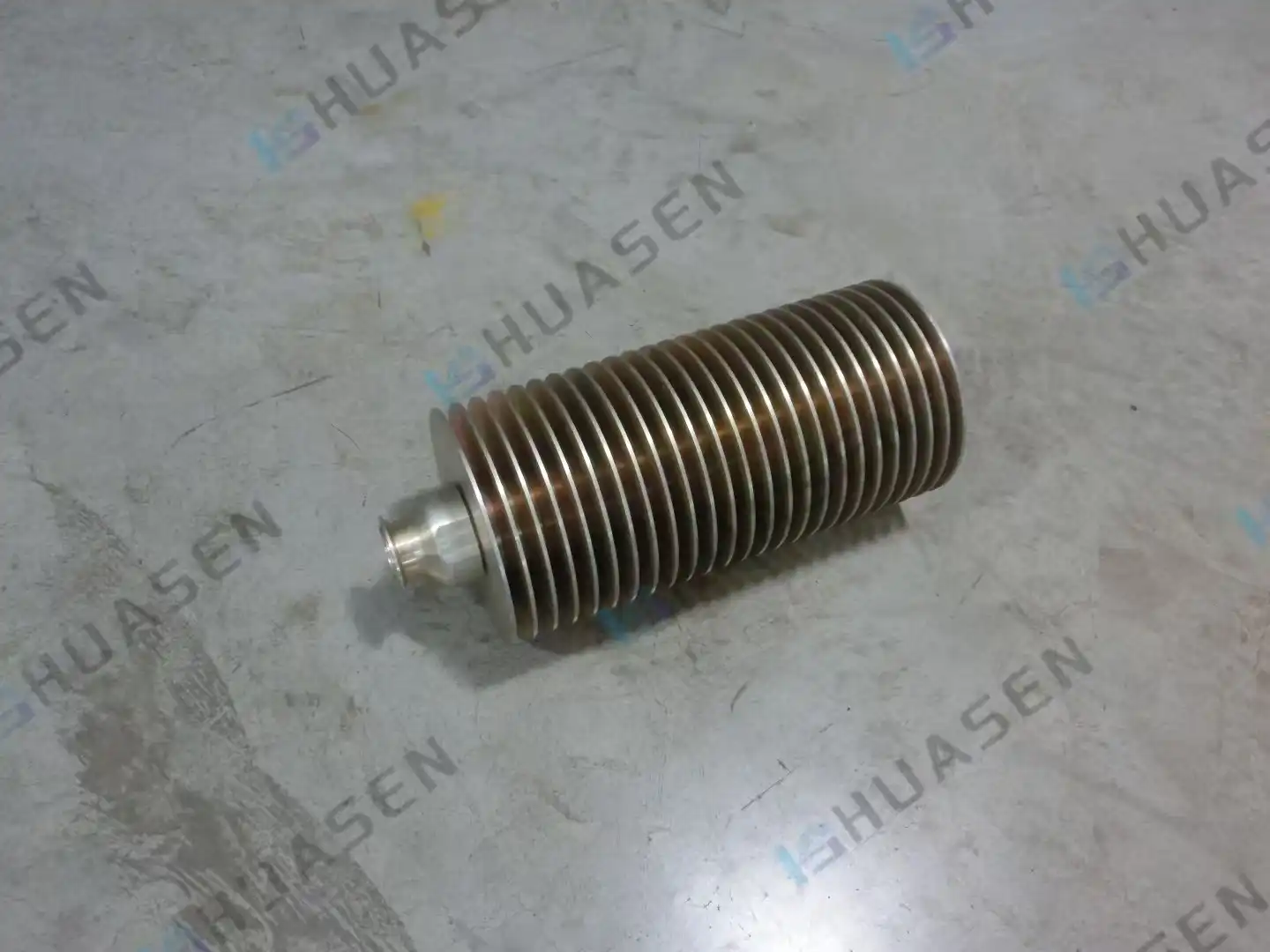
The main difference between coaxial and waveguide systems is their average power capability. Standard coaxial loads can handle 2 to 50 watts of constant power, and rates can go up to 200 watts with forced air cooling. High-power types with finned aluminum heatsinks or liquid cooling can hit an average power of 400 watts and are good for testing base stations or maintaining radio transmitters. Ruggedized coaxial load designs can handle up to 5 kilowatts of peak power, which is important for radar and pulsed systems.
Waveguide loads regularly take in kilowatts of power because they have a larger surface area and more heating mass. A WR-90 high-power load could lose 2 kilowatts of power through natural airflow alone. Waveguide terminations that are cooled by water can handle more than 10 kilowatts of power, which is needed for particle accelerator klystrons or military electronic warfare systems. It stops hotspots from forming because the waveguide shape spreads out the absorption length. This keeps the impedance stable under thermal stress, which is a typical way for coaxial loads to fail, as localised resistor heating lowers VSWR.
Integration and Installation Considerations
Coaxial Loads are better for uses with limited space. A precision termination of 2.92 mm takes up less space than an inch cube, so it can be directly connected to vector network analyser ports or PCB boards that are already full. Without any extra hardware, the threaded connection link offers mechanical retention and EMI protection. Coaxial loads are used in telecommunications equipment racks to end empty amplifier outputs or hybrid combiner ports in spread antenna systems. In these systems, dozens of terminations may be present in a single enclosure.
For waveguide setups, you need to use flange mounts with gaskets or choke joints, which requires a lot of space and torque tools. It can be challenging to work in the field when one WR-137 load weighs five pounds and needs twelve fixing screws. But this strong mechanical contact makes sure that there is hermetic sealing and vibration resistance, which is essential for radar systems on ships or aircraft platforms that are subject to shock loads. Avionics designers are willing to make waveguide loads larger because they are much more reliable in harsh settings where connection wear or contamination could lead to mission failures.
How to Choose the Right Load: A Decision Support Framework?
Systematically comparing technical requirements to product specs accelerates the buying process and keeps expensive mistakes from happening when equipment doesn't meet the needs of the application.
Defining Application Requirements
Start by listing regular covering needs. Cellular narrowband coaxial loads are ideal for evaluating the 5G n77 (3.3–4.2 GHz). Multi-band test sites that support LTE, 5G, and WiFi need broadband coaxial load types from 600 MHz to 7.125 GHz. Coaxial load loss is too large for millimeter-wave growth (24–100 GHz); hence, complex waveguide solutions are needed.
Power standards must accommodate regular and excessive loads. A 100-watt CW generator with a 10:1 peak-to-average ratio needs a 100W average and 1000W peak load. Include a safeguard. During extensive tests, keeping the average load to 200W keeps the temperature down. The environment influences material selection. For outdoor systems, coaxial loads must be IP67 and stainless steel. For lab use, standard aluminum housings are fine and cheaper.
Evaluating Performance Metrics
Specifications for VSWR have a direct effect on the error of measurements. To get 0.1 dB magnitude accuracy, the vector network analyzer needs loads with VSWR ≤1.05 and return loss ≥32 dB. Testing transmitters can handle VSWR up to 1.25 (return loss ≥ 19 dB) as long as the returned power is below the damage limits. Only in cellular base stations do passive intermodulation (PIM) ratings matter. For low-noise amplifier tests, state PIM ≤ -160 dBc to keep the receiver from losing its sensitivity.
To allow for swept readings and false emissions checks, frequency coverage should go 10–20% beyond operating bands. When the temperature changes, temperature stability makes sure that the impedance stays the same. For example, precision loads keep the VSWR within 0.02 degrees of change from -40°C to +85°C, which is very important for aircraft qualification tests. The total cost of ownership in high-use labs is affected by how long a connector lasts, which is measured by how many times it can be mated (500 for SMA and 5000 for N-type).
Procurement Strategy and Vendor Selection
Rohde & Schwarz, Bird Technologies, and Keysight Technologies make many products with extensive testing data and certification. Their coaxial loads fulfill MIL-DTL-39030 military standards and IEC 61169 interface criteria, making them compatible with mechanical and electrical systems. However, specialized vendors provide unique solutions, including tracked matched load sets with NIST calibration, hermetically sealed space units, and ultra-high power and water-cooled designs.
Minimum order quantities vary. Standard Coaxial Loads are sent one at a time, while special waveguide fabrications may need five to cover tool costs. Volume pricing encourages bulk purchases. Negotiate a yearly arrangement for twenty loads to save 15–25% and acquire stocking programs with two-week wait times. See what technical help the seller provides. Application engineers that help with heat modeling or connector selection bring value beyond part cost.
Installation Guidelines and Best Practices for Coaxial Loads
When you put something correctly, you get the best performance, the longest operating life, and protection against damage from bad termination or thermal stress.
Preparation and Connection Procedures
Check connections and center contacts for damage or debris before joining them. Isopropyl alcohol and lint-free swabs should clean surfaces since hydrocarbon remnants harm electrical contact and increase insertion loss. Follow the manufacturer's connection torque instructions: 8–10 inch-pounds for SMA, 12–15 for N-type, and 6–8 for 2.92 mm precision connections. Undertorquing causes intermittent contact and VSWR drift, while overtorquing deforms dielectric beads and destroys connections forever.
Place loads to allow natural airflow cooling. Hot air rises from devices arranged vertically with the connection looking down. Leave 50 mm around finned heatsinks to allow airflow; do not seal high-power loads. For maximum heat absorption via forced air cooling, direct the airflow parallel to the fins. Water-cooled loads require 0.5 to 2 litres per minute of clean coolant, commonly a mix of pure water and glycol.
Calibration and Verification Testing
Use an accurate vector network analyser or directional wattmeter to verify the VSWR after installation. To find out what the average performance is, you should measure across the whole frequency range at low power (≤1W). Record data so that you can compare it during regular maintenance. VSWR degradation means that the resistor is getting old or that water is getting in. If the VSWR is higher than what is allowed, check the connector's strength and cleanliness before assuming the device is broken.
For high-power proof, the power must be slowly increased while the surface temperature is tracked. Increase the power by 25% at a time, letting the temperature settle for 5 to 10 minutes between each step. Maximum case temperature should stay below values, which are usually between 85°C and 125°C based on the design. With infrared thermography, hotspots can be found that show uneven heat spread or bad touch between the heat source and the heat sink. Write down the final working temperature at full power so that future readings can find damage before it gets so bad that it breaks everything.
Maintenance Protocols and Longevity Tips
Schedules for routine inspections depend on how often they are used. For high-power setups, you should look at them once a month to see if they are discoloured, connectors are coming loose, or coolant is leaking. To keep measurement tracking, laboratory calibration standards need to be recertified every year against models that can be tracked. Clean uncovered joints every three months with approved solvents. Do not use rough materials, as they can scratch gold plating and make contact resistance higher.
When the ambient temperature is high, lower the power. For example, at 50°C, the action needs to be 30–40% less powerful to keep the safe case temps. To keep loads from corroding and dielectrically breaking down, keep them in climate-controlled areas (15–25°C, <60% relative humidity). If the VSWR drift is more than 10% of the original specs, the device should be replaced because resistor degradation happens quickly once it starts, and a sudden failure during critical testing is possible. Coaxial loads can last longer than ten years in moderate-use situations if they are handled properly. High-power waveguide units can usually last twenty years with basic care.
Why Partner with Huasen Microwave for Your RF Termination Needs?
When looking for a coaxial load supplier, it's important to look at more than just the product specs. Huasen Microwave has been providing manufacturing precision, customisation freedom, and supply chain stability since 1993. Our termination options are designed to meet the unique needs of companies that make telecommunications equipment, aerospace integrators, and test labs that expect top-notch performance.
Engineering Excellence and Product Range
We offer coaxial load-matched loads with VSWR ≤ 1.03 from DC to 60 GHz and superior temperature stability compared to industry standards. They use resistive thin-film technology on aluminum nitride surfaces, which conduct heat three times better than alumina ceramics. Unlike other systems, this method maintains impedance matching even when a lot of power is lost, preventing heat runaway. Its N-type, SMA, 2.92 mm, 2.4 mm, and 1.85 mm connection interfaces make it straightforward to include in test designs.
Besides conventional matched loads, we make exact open- and short-circuit terminations for calibration kit parts. These fulfill rigorous vector network analyzer phase accuracy specifications. Our high-power models have custom heatsink shapes to dissipate 400W in small packages, and our water-cooled models can run continuously at 1 kilowatt, making them suitable for testing broadcast transmitters and radar systems without additional cooling.
Customization Capabilities Meeting Unique Specifications
Waveguide screws must meet international legal norms. Military and space applications require size and performance that protects against corrosion and vibration, following MIL-STD-348. IEC 60154 specifies waveguide flange screw thread profiles, material compositions, and surface treatments for telecom infrastructure. Worldwide, these norms are accepted. Waveguide systems use socket head cap screws per ISO 7380 and ISO 4762. They set limitations so the clamping force is constant and the installation is repeatable.
These recommendations specify thread pitch, head shape, and tensile strength minimums. Different manufacturers' parts function together. These standards can help procurement teams write RFQ technical requirements. They can ensure vendors send parts that operate with current systems this way.
Comprehensive Support and Partnership Value
As soon as the specifications are made, our RF engineers start providing technical advice. They look over system designs and suggest the best termination methods that balance performance and cost. We give you full S-parameter readings, power derating curves, and thermal images as part of our thorough test data. This is proof that your design is correct and helps with regulatory applications. When operating problems happen after delivery, post-delivery support includes help with fixing, calibration services, and failure analysis.
In a business where wait times are often hard to predict, Huasen Microwave stands out for its reliable supply chain. Because we do all of our own manufacturing, from precise cutting to thin-film deposition and final testing, we don't need to rely on outside sources. Standard items usually get sent out in two weeks, while unique patterns take six to eight weeks. Because of this, accurate project scheduling is possible, and expensive delays that threaten time-sensitive operations are avoided.
Conclusion
When it comes to RF applications, the choice between coaxial and waveguide loads comes down to frequency range, power handling, and integration limits. Coaxial load terminations are very flexible and can cover a wide range of frequencies, from DC to millimeter waves. They come in small packages that make them perfect for testing telecommunications equipment, calibrating equipment in the lab, and installing things that don't have a lot of room. Waveguide loads are very good at handling high frequencies and kilowatts of power, which is very important for radar systems, satellite ground stations, and electronic warfare platforms. Engineers and purchasing professionals can choose the best equipment by systematically comparing technical requirements to performance specs and taking into account things like customization options and the reliability of the seller. Working with skilled coaxial load manufacturers gives you access to well-thought-out solutions and full support, which helps you complete projects successfully in the defense, aircraft, and telecoms industries.
FAQ
1. What makes a coaxial load different from a normal fake load?
'Coaxial load' refers to terminations that use coaxial transmission line connections (N-type, SMA plugs) that are matched to 50- or 75-ohm systems. The terms are often used equally. 'Dummy load' is a more general term for any non-radiating end, such as waveguides or antennas that are only used to drain power during transmission testing.
2. When should I use a waveguide termination instead of a coaxial termination?
Above 18 GHz, waveguide loads are needed when coaxial load link losses get too high, usually when insertion loss goes over 0.5 dB per connection. Waveguide is also better at managing heat, which makes it a better choice for applications that need to handle multi-kilowatt power no matter what frequency. This comes with a bigger physical size, less speed, and a higher starting cost compared to coaxial options.
3. Do Coaxial Loads Effectively Handle Millimetre-Wave Frequencies?
With 1.85 mm or 1 mm connector systems, modern precision coaxial loads can safely operate up to 67 GHz, providing sufficient performance for many millimeter-wave applications. When compared to waveguide options, however, connection repeatability gets worse and insertion loss goes up. At these frequencies, switching to a waveguide is a good idea for applications that need the highest level of accuracy (like study measurement) or very high power levels.
Get Expert Guidance on RF Termination Solutions from Huasen Microwave
Picking the right end device has an effect on how well the system works, how accurate the measurements are, and how reliable it is in the long run. Our expert team at Huasen Microwave has thirty years of experience in RF engineering and can help you understand specs, find the best solutions, and put in place terminations that exactly meet your needs. We have goods that are designed to help you succeed, whether you need standard coaxial loads for testing telecommunications, special high-power designs for broadcast uses, or precise calibration standards for lab metrology. For personalized advice, thorough technical specs, and competitive quotes that fit your project's schedule and budget, email our experts at sales@huasenmicrowave.com. Check out our full list of products at huasenmicrowave.com to see how our coaxial load manufacturing skills help the military, defense, and telecommunications businesses around the world. Before committing to bulk sales, ask for samples today to make sure they work in your unique application.
References
1. Pozar, David M. Microwave Engineering, 4th Edition. Wiley, 2011. Chapter 2: Transmission Lines and Waveguides.
2. Bryant, George H. Principles of Microwave Measurements. Institution of Engineering and Technology, 1993. Section 5: Terminations and Attenuators.
3. Balanis, Constantine A. Advanced Engineering Electromagnetics, 2nd Edition. Wiley, 2012. Chapter 9: Waveguides and Resonators.
4. Collin, Robert E. Foundations for Microwave Engineering, 2nd Edition. IEEE Press, 2001. Chapter 4: Microwave Network Analysis.
5. Rizzi, Peter A. Microwave Engineering: Passive Circuits. Prentice Hall, 1988. Chapter 6: Impedance Matching and Power Division.
6. Skolnik, Merrill I. Radar Handbook, 3rd Edition. McGraw-Hill, 2008. Chapter 11: Transmitters and RF Power Components.
Send Inquiry