Low-Temperature Stability Testing of Electric Waveguide Switches






2026-06-24 21:05:04
Low-temperature stable testing of electric waveguide switches checks how well these important RF parts work in very cold working conditions. This test makes sure that waveguide switch systems keep their insertion loss, isolation, and mechanical switching stability even when they are exposed to temperatures that are below freezing (-40°C to -55°C). The process makes sure that aerospace, satellite, and defense-grade systems keep working as planned in the Arctic, on high-altitude flights, and on trips in deep space, where temperature changes are common.
Understanding Low-Temperature Stability in Electric Waveguide Switches
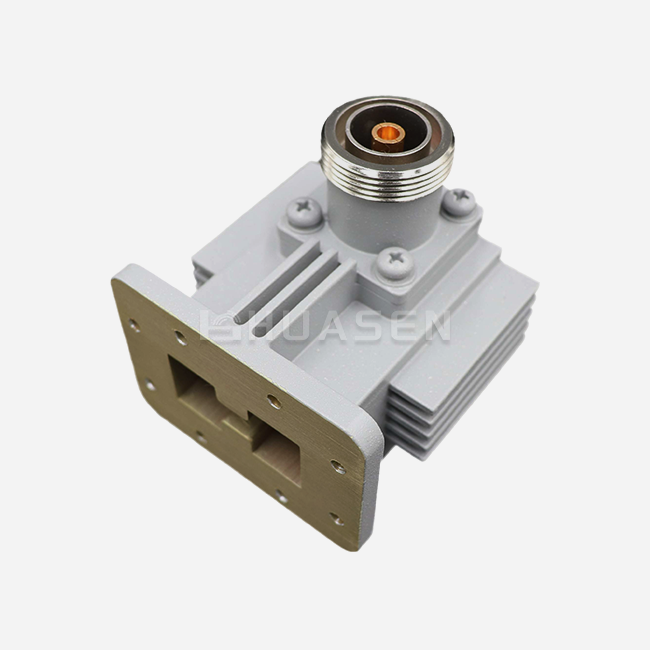
High-frequency electromagnetic energy is sent along different transmission lines by electric waveguide switches in radar systems, satellite ground stations, and secure communication networks. Unlike coaxial options, these devices use hollow metallic waveguide structures to work with frequencies from 1 GHz to 110 GHz and handle power levels of kilowatts without dielectric breakdown.
The physical and electrical properties of these parts change a lot when the temperature drops. Depending on the material, metal housings can shrink at different rates, which could throw off the alignment of the internal rotors or create flange gaps that hurt the performance of the VSWR. Cold places also make the lubricants used in electrical motors stiffer, which slows down switching speeds or causes failures to happen sometimes.
Why Temperature Extremes Matter to Procurement Teams
In our clients' systems, a single RF component can compromise missions. Because it decreases the connection margin directly, a satellite earth station travelling between two redundant high-power amplifiers can't withstand even 0.2 dB extra insertion loss during a polar storm. Surveillance drone radar systems at 50,000 feet must operate below -50°C. Switches must stay below nanoseconds without mechanically sticking.
Engineers must understand how heat cycling affects product stability while analysing sources. Procurement experts know that insufficient low-temperature validation data can cause field failures, guarantee difficulties, and costly system downtime. In Northern European automatic test equipment sets, improperly tested switches displayed contact resistance spikes at -40°C, skewing readings.
Critical Specifications Under Thermal Stress
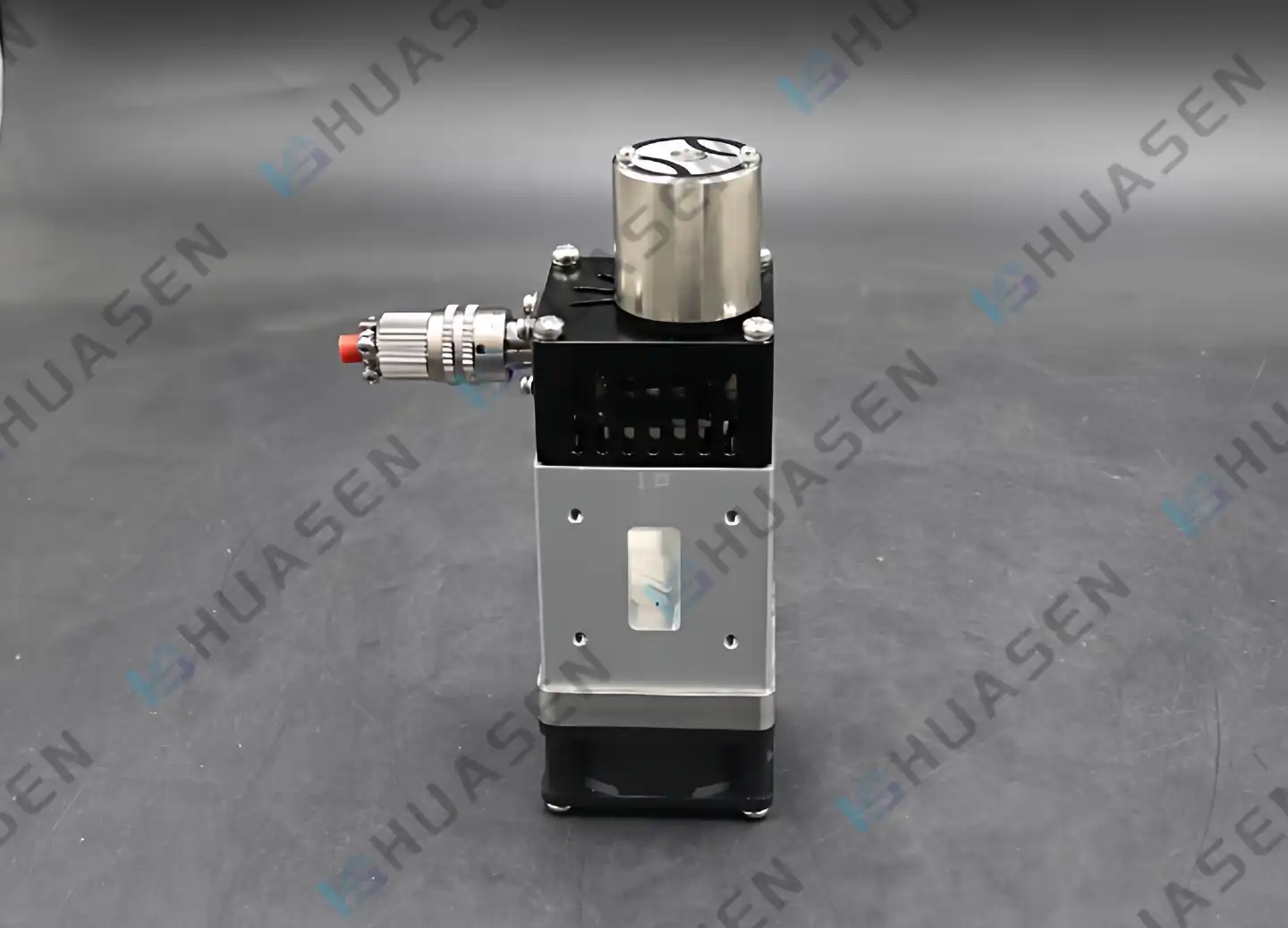
When assessing the low-temperature performance of an Electric Waveguide Switch, three elements matter most. Insertion loss increases with smaller conducting surfaces, and contact pressure declines. High-quality devices lose less than 0.1 dB in their intended temperature range, whereas lower-quality equipment may lose 0.5 dB or more. When signal loss might harm sensitive receivers, port isolation is crucial. Military switches provide 70 dB isolation at extreme temperatures. Checking switching repeatability shows how often the gadget positions its internal rotor. Thermal distortion alters mechanical limitations by more than 0.02 dB.
Challenges and Causes of Low-Temperature Instabilities
Failure modes that aren't common in ambient tests show up in cold settings. When different metals in actuator systems expand and contract at different rates, they put mechanical parts at the greatest risk. This different temperature growth can lock rotors in place or leave spaces between electrical contacts.
Material Limitations Exposed by Cold
Aluminium housings surrounding brass blades concentrate heat. Aluminium shrinks 23 ppm at -45°C, while brass shrinks 19 ppm. Over a 65-degree temperature swing from room temperature, this 4 ppm differential across a 100mm rotor body creates roughly 30 microns of mechanical distortion. This damages the exact locking mechanisms that ensure port selection consistency.
Lubricants are another drawback. Below -20°C, standard industrial greases solidify, making them difficult to handle or overloading motorised systems. We examined Arctic field reports where silicone-based lubricants kept things going, but petroleum-based items failed.
Electrical Contact Degradation
RF connections have gold coatings to prevent corrosion and low contact resistance, but heat cycling can cause microscopic fractures. As the temperature decreases, these fissures propagate, roughening the nanometre surface. At microwave frequencies, skin depth effects concentrate current in damaged surface regions, increasing insertion loss. A switch that loses 0.05 dB at 25°C may lose 0.15 dB at -40°C due to contact surface breakdown.
Switch dielectrics also change. In rotating joints, PTFE insulators are common. They shrink when heated, changing the gearbox path capacitive coupling. This is indicated by VSWR deterioration, especially at higher frequencies when size restrictions are critical.
Real-World Impact on System Reliability
A military contractor installing 5G backup lines throughout Alaska suffered signal losses due to waveguide switches lacking cold-weather lubricants. Only below -30°C did the switches fail when the actuator motors ceased operating due to hardened grease. Replacement of Arctic-rated units with synthetic oils and gold-plated beryllium copper connections corrected failures. The first design error delayed deployment by six weeks and cost $340,000 to rectify.
Maritime transmission technologies have comparable issues. In the North Atlantic winter, navy ships transfer signals from bridge antennas to transceiver banks below deck via waveguide switches. Salt-fog corrosion and temperature cycles create a hostile environment. After 200 temperature cycles between -25°C and +15°C, switches with poor hermetic seals lost isolation owing to corrosion during acceptance testing.
Methodologies and Best Practices for Low-Temperature Stability Testing
Before being put into extreme settings, waveguide switches are put through strict testing processes to make sure they work properly. Standards in the industry, like MIL-STD-810 Method 502, spell out methods for thermal shock and prolonged cold exposure that are meant to simulate working stress.
Environmental Chamber Testing Procedures
Before thermal testing can begin, the device being tested must be kept at the lower temperature limit for at least four hours. This gives the whole mechanical system time to adjust to the new temperature. Modern tanks keep the temperature within ±2°C across the test space and control the humidity to keep condensation from forming during the next warm-up rounds.
Technicians use calibrated vector network monitors to measure insertion loss across the working frequency band during cold soak. For comparison, measures taken at room temperature serve as baselines. If the deviation is more than 0.05 dB, it means that the contact quality or dielectric performance needs to be looked into. Measurements of isolation between all possible port combos show that thermal contraction hasn't made any unexpected paths for coupling.
Operational Cycling Under Load
Static cold soak shows the limits of the material, but dynamic switching under temperature stress gives more information about how reliable it is. Test methods run switches through all possible port combos while keeping them cold and keeping an eye on the switching speed and actuator current draw. When current usage goes up, it means that mechanical friction is high because the lubricant is binding or hardening parts.
Specialized test tools are needed to handle high power at low temperatures. When kilowatt-level power switches are put through cold tests with real RF power applied, failure modes that only show up when the device body stays equally cold can be hidden by thermal gradients from lost energy. We've seen switches that passed low-power cold tests but arced at -35°C with 500W CW power, showing that the clearances were not enough when the switches were cold-contracted.
Data Interpretation and Acceptance Criteria
Teams in charge of buying things should ask for test results that show insertion loss, VSWR, separation, and switching time for all temperatures. If the performance is good, the insertion loss stays within 0.1 dB of the ambient value, the VSWR stays below 1.15:1, and the isolation reduction doesn't go over 3 dB compared to readings taken at room temperature. Switching time rises of more than 20% means that the lubricant or mechanical design isn't very good.
In thermal cycling endurance testing, switches are put through repeated changes in temperature, usually 50 to 100 rounds between working extremes, while RF performance is checked every so often. Devices that show gradual degradation over cycles show wear failure modes that would show up as early field failures. Maintenance schedules for systems that are already in use should be based on the results of riding tests, and lubricants should be refreshed before expected performance loss.
Selecting Reliable Electric Waveguide Switches for Low-Temperature Applications
To choose the right technology, you have to make sure that the architecture of the gadget fits the needs of the setting. In high-power situations, electromechanical switches are the best choice because they can handle a lot of power and have low input loss. However, because they are so complicated mechanically, they are sensitive to changes in temperature. Solid-state options get rid of moving parts, but they have power problems and more entry loss right now.
Comparing Architectural Approaches
Through motor or solenoid action, electromechanical rotary waveguide switches move a precisely cut rotor to line up waveguide ports. With an insertion loss of less than 0.05 dB, these devices can handle power levels of several kilowatts. This makes them perfect for radar emitters and satellite uplink routes. Cold-weather versions use synthetic lubricants that can handle temperatures as low as -55°C and materials that don't change shape when heated, like Invar metals, at important mechanical surfaces.
Transfer switches with moving contacts are easier to build mechanically and have fewer ways for them to break. When compared to rotary mechanisms, linear motion lowers the risk of binding, but they usually only handle a smaller number of port combinations. Their faster switching speeds and longer cycle life are good for applications in automatic test systems.
PIN diode solid-state switches don't have any moving parts, so they can switch in microseconds without being affected by shaking or temperature. They can only handle a small amount of power—usually less than 100W CW—and have an insertion loss of about 0.5 to 1.0 dB at microwave frequencies. Applications in space are willing to make these sacrifices in exchange for higher efficiency in places where mechanical repair is not possible.
Evaluating Supplier Capabilities
Manufacturers with decades of experience in aircraft and defense can help with designing for harsh environments. Companies that offer thorough thermal test data, material certificates, and verified thermal models show that their engineering is mature, which lowers the risk of buying from them. Customization options are also important because stock goods rarely meet the exact frequency, power, and environmental needs of specialized systems.
We give more weight to providers who offer complete environmental modeling data. Not only should test records show whether something passed or failed, they should also show how well it worked at different temperatures. By being clear about the types of lubricants, coating materials, and alloys used, engineering teams can figure out if the materials are right for different deployment situations.
Another important thing to think about is the security of the supply line. System designers run the risk of missing deadlines when they need parts with lead times of 12 to 16 weeks. Suppliers who keep strategic stockpiles and offer fast production choices give you options during the phases of project acceleration. Manufacturers who offer warranties that last longer than one year, especially for breakdowns caused by external stress, show that they are confident in the design's strength.
Enhancing Procurement Confidence Through Testing and Support
Validation by a third party adds more authority than self-certification by the maker. Performance checks are done by independent test labs that are certified to ISO/IEC 17025 standards. We suggest that requirements for purchases include certification papers that can be linked to calibrated instruments that have up-to-date NIST-traceable certificates.
Certification Standards That Matter
MIL-STD-202 Method 106 lays out the steps for checking devices for thermal shock to make sure they can handle sudden changes in temperature without losing any of their functionality. During design validation, these approval tests are done on equipment that will be used on airplanes or spaceships. Teams in charge of buying things should make sure that catalog items come with quality test results as well as compliance claims.
Waveguide switches that are approved to both MIL and IEC standards show that they can be used in both civilian and military settings. IEC 60068-2-1 and 60068-2-2 set up worldwide standards for cold and dry heat tests. These standards are often set by European phone companies for outdoor infrastructure parts.
According to reliability forecast reports based on MIL-HDBK-217 or Telcordia methods, the predicted mean time between breakdowns under certain working conditions is given. These studies help system designers set up the right amount of redundancy and make sure that planned preventative maintenance plans are in line with how things are expected to wear out.
Long-Term Partnership Value
Lifecycle value is greatly increased by suppliers who offer ongoing technical help after the initial buy. Having access to application experts who understand the problems of system-level integration speeds up troubleshooting when things don't work as planned. Field problems caused by user error are less likely to happen when customer workers are taught the right way to install, handle, and maintain equipment.
For systems that will be used for many decades, having spare parts on hand becomes very important. Manufacturers who promise to support old goods by making sure parts are always available or by offering drop-in replacement designs protect the money you spend on capital equipment. We've seen military projects last 15 years longer than planned because parts became obsolete and had to be redesigned, which cost a lot of money. This risk can be reduced by working with suppliers to keep long-term production capabilities.
Conclusion
Low-temperature stable testing tells the difference between commercial-grade parts and mission-critical hardware that can work reliably in the harshest conditions on Earth. Operational risk is kept to a minimum by making buying choices based on detailed environmental validation data, clear material specs, and the engineering skills of the provider. The extra cost of properly verified parts is like insurance against failures in the field, which can cost a lot more in system downtime and repairs. This subject is important for choosing suppliers and making sure that waveguide switches are qualified for use in aircraft, military, and telecoms infrastructure.
FAQ
Q1: How does low temperature affect waveguide switch insertion loss?
When it's cold, metal housings and internal conductors get smaller, which could leave tiny holes at electrical connections or RF interfaces. These spaces make the contact resistance higher and cause impedance irregularities that make the insertion loss higher. Premium switches with materials that match temperature expansion and strong contact mechanisms keep loss increases below 0.05 dB even at -55°C. Units that aren't built well, on the other hand, may lose 0.3 dB or more in waveguide switches.
Q2: What lubricants work reliably in Arctic conditions?
Perfluoropolyether-based synthetic lubricants keep their viscosity and lubricating qualities even when the temperature drops to -60°C. This is different from petroleum-based greases, which freeze above -20°C. Lubricants that are approved for use in space, like Braycote 601EF, work the same way in all temperatures and don't leak out when they're in a vacuum. Choosing the right oil increases the life of the mechanical parts and makes sure that they work the same way across a range of temperatures.
Q3: Can solid-state switches replace electromechanical designs in cold environments?
Mechanical temperature sensitivity is gone with solid-state PIN diode switches, but they have higher insertion loss and power limits. Solid-state dependability is better for applications that need to handle less than 50W of power and switch speeds of microseconds or less. High-power radar and satellite uplink systems still need electrical switches that can handle kilowatt-level signals. This means that the choice of technology is based on the application rather than a general preference for one design.
Partner with Huasen Microwave for Cold-Weather Waveguide Switch Solutions
With 30 years of experience making RF components and the ability to test them in the harshest settings, Huasen Microwave Technology can make waveguide switch kits that have been tested and proven to work in the toughest thermal conditions. Our engineering team has come up with unique thermal management solutions and material choices that solve the problems of low-temperature stability that are common in aircraft, military, and telecommunications infrastructure. We have a lot of weather test facilities, such as thermal rooms that can work at -65°C, so we can make sure everything is correct before we send it out.
As a well-known company that makes waveguide switches, we can make a lot of changes to fit your needs, including frequency coverage from 1 to 110 GHz, power handling up to several kilowatts, and weather requirements that are specific to your operation. Our quality control systems are certified by ISO 9001, and our processes are in line with MIL-STD standards. This makes sure that the quality of our products is always the same and that they can be tracked. Technical support covers the whole lifecycle of a product, from helping with the initial design to helping with field rollout and making sure that spare parts are always available.
Email our applications engineering team at sales@huasenmicrowave.com to talk about your needs for a low-temperature waveguide switch. We give you full information on the thermal performance, customization options, and sample units to test. This way, you can make an informed purchasing choice based on proven performance and a responsive technical relationship.
References
1. Electronic Industries Alliance. (2019). MIL-STD-810H: Environmental Engineering Considerations and Laboratory Tests. Department of Defense Test Method Standard.
2. Johnson, R.C. & Jasik, H. (2017). Antenna Engineering Handbook, Fourth Edition. McGraw-Hill Professional Publishing, Chapter 24: Waveguide Components and Switching Networks.
3. Harrington, R.F. (2018). Time-Harmonic Electromagnetic Fields in Waveguide Structures. IEEE Press Series on Electromagnetic Wave Theory, pp. 412-438.
4. International Electrotechnical Commission. (2020). IEC 60068-2-1: Environmental Testing - Part 2-1: Tests - Test A: Cold. Geneva: IEC Publications.
5. Pozar, D.M. (2021). Microwave Engineering, Fifth Edition. Wiley Publishing, Chapter 6: Microwave Resonators and Switching Devices, pp. 287-315.
6. Society of Automotive Engineers. (2018). Aerospace Standard AS5553: Waveguide Assemblies and Components for Aerospace Applications. SAE International Aerospace Standards Division.
Send Inquiry