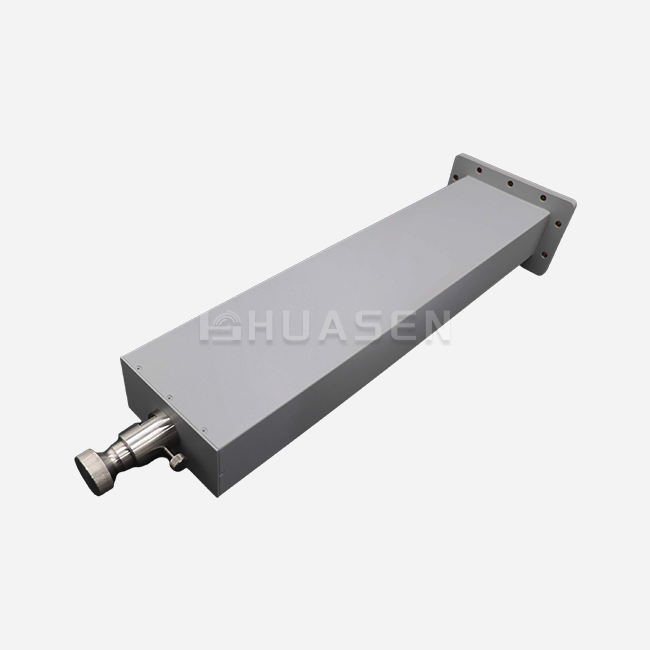
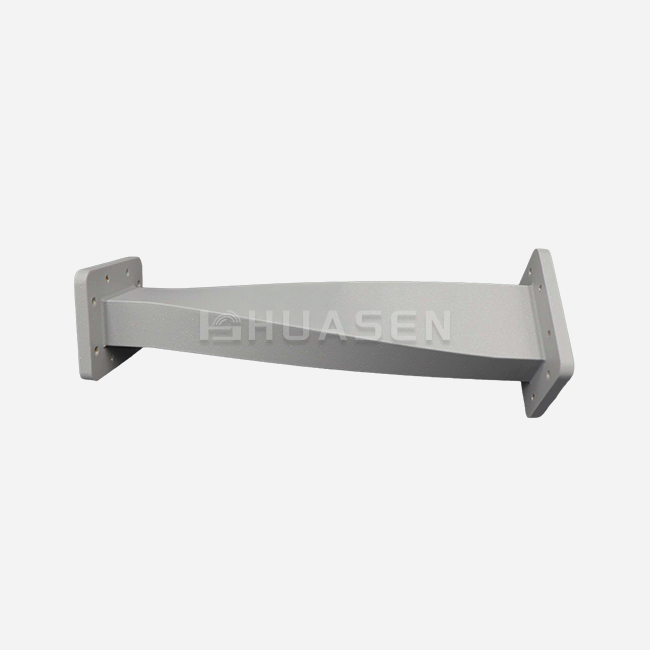
Coupled Fixed Waveguide Attenuator for Power Monitoring






2026-06-26 17:01:21
A coupled fixed waveguide attenuator for power monitoring is a precise passive microwave part that lowers the signal's amplitude by a set amount while collecting a part of the signal to get an accurate reading of the power. These devices are different from regular attenuators because they have directional coupling mechanisms that let you watch in real time without stopping transmission routes. Because of this unique feature, they are essential in places like base stations, radar systems, satellite communications, and RF testing labs where constant power tracking keeps the system running smoothly and keeps equipment from breaking. Our guide is tailored to the needs of procurement managers, system designers, and RF engineers who are looking for high-performance, reliable parts that work consistently in tough working settings. Figuring out the technical details, possible uses, and buying methods for these parts gives people in charge the power to choose options that meet performance needs and stay within their budget. We put together this complete guide to help you understand the basic ideas, selection criteria, and real-world issues that are most important when adding waveguide attenuators to important systems.
Understanding Coupled Fixed Waveguide Attenuators
Core Operating Principles and Functionality
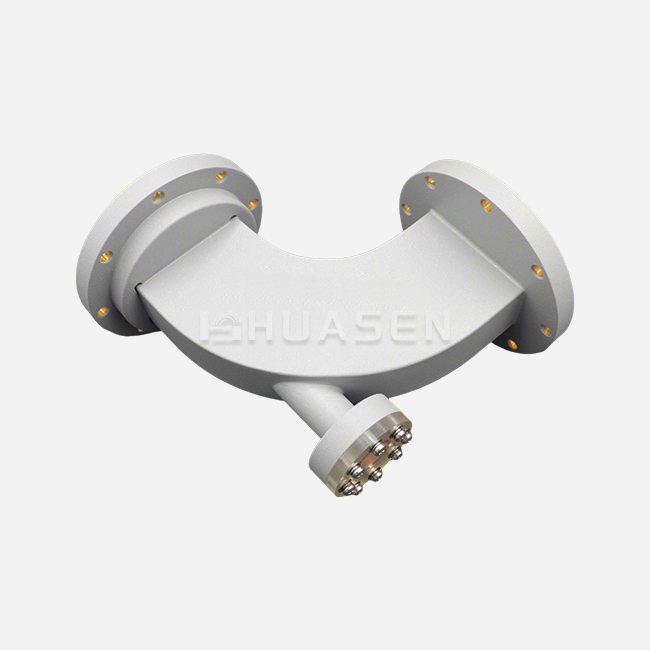
Power tracking waveguide attenuators absorb and direct energy. The main signal path's resistive or lossy dielectric parts convert RF energy into heat and reduce it enough. At the same time, a secondary coupling port feeds a specific portion of the signal, usually 20 to 40 dB below the input level, to power meters or spectrum analysers. This two-in-one architecture enables engineers to constantly measure transferred power without adding measuring equipment that could cause impedance mismatches or signal reflections.
Huasen Microwave's Coupled Fixed Waveguide Attenuator (WCFAX) is cutting-edge technology. In precision measurement operations that need consistency and accuracy, these high-directionality, low-coupling frequency response couplers are employed as attenuation standards. Fixed attenuators are more stable than mechanically variable ones since they don't drift owing to wear or environmental conditions.
Essential Performance Specifications
When testing waveguide attenuators for power tracking, a number of technical factors decide which ones will work best for certain tasks. How closely the real signal reduction fits the nominal standard is what attenuation accuracy is all about. The WCFAX line from Huasen has a great attenuation range of 3 to 60 dB, and the frequency response changes depending on the attenuation number that is chosen. When it comes to accuracy, devices with a 3 dB reduction stay within ±1.8 dB, 6 dB units reach to ±1 dB, and models rated from 10 to 60 dB offer great ±0.75 dB accuracy across their entire working bandwidth.
Another important measure is the Voltage Standing Wave Ratio (VSWR). A low VSWR means that signals are mirrored very little, which makes power transfer as efficient as possible and keeps sensitive parts safe from reflected energy. The WCFAX series usually has a VSWR of ≤1.2, which means it matches impedances very well and keeps the signal's purity even in complicated multi-stage systems. In 5G infrastructure and satellite ground stations, where signal quality has a direct effect on data throughput and contact efficiency, this level of performance is very useful.
Application flexibility is based on frequency covering. Huasen's attenuators work with a huge frequency range, from 0.96 GHz to 112 GHz, which includes almost all commercial and military transmission bands. This wide bandwidth feature lets system makers stick to a single platform for components instead of keeping up with multiple product lines. This makes managing goods easier and makes buying things less complicated.
Fixed Versus Variable Waveguide Attenuators
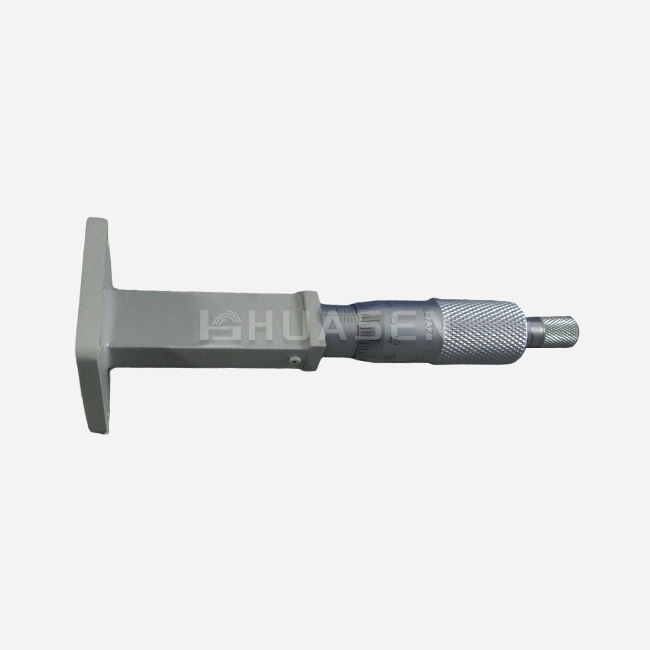
Knowing the difference between set and variable designs helps buying teams make the right choices. Variable waveguide attenuators have mechanical adjustment methods, which are usually sliding resistive elements or spinning vanes, that let users change the amount of attenuation as the needs of the system change. Even though this freedom is good for labs and making prototypes, mechanical parts can fail and cause tuning to change over time.
Fixed attenuators get rid of these worries because they are static-proof and protected, so their performance stays the same over years of use. Not having any moving parts makes it much more reliable in tough settings with lots of shaking, changing temperatures, and corrosive air. This natural toughness is especially useful for military radar systems, offshore communication platforms, and aircraft uses. Fixed attenuators are the best choice for calibration standards and automated test tools that need to keep measurement error within strict limits because they are made with precise manufacturing methods that also allow for tighter tolerance control.
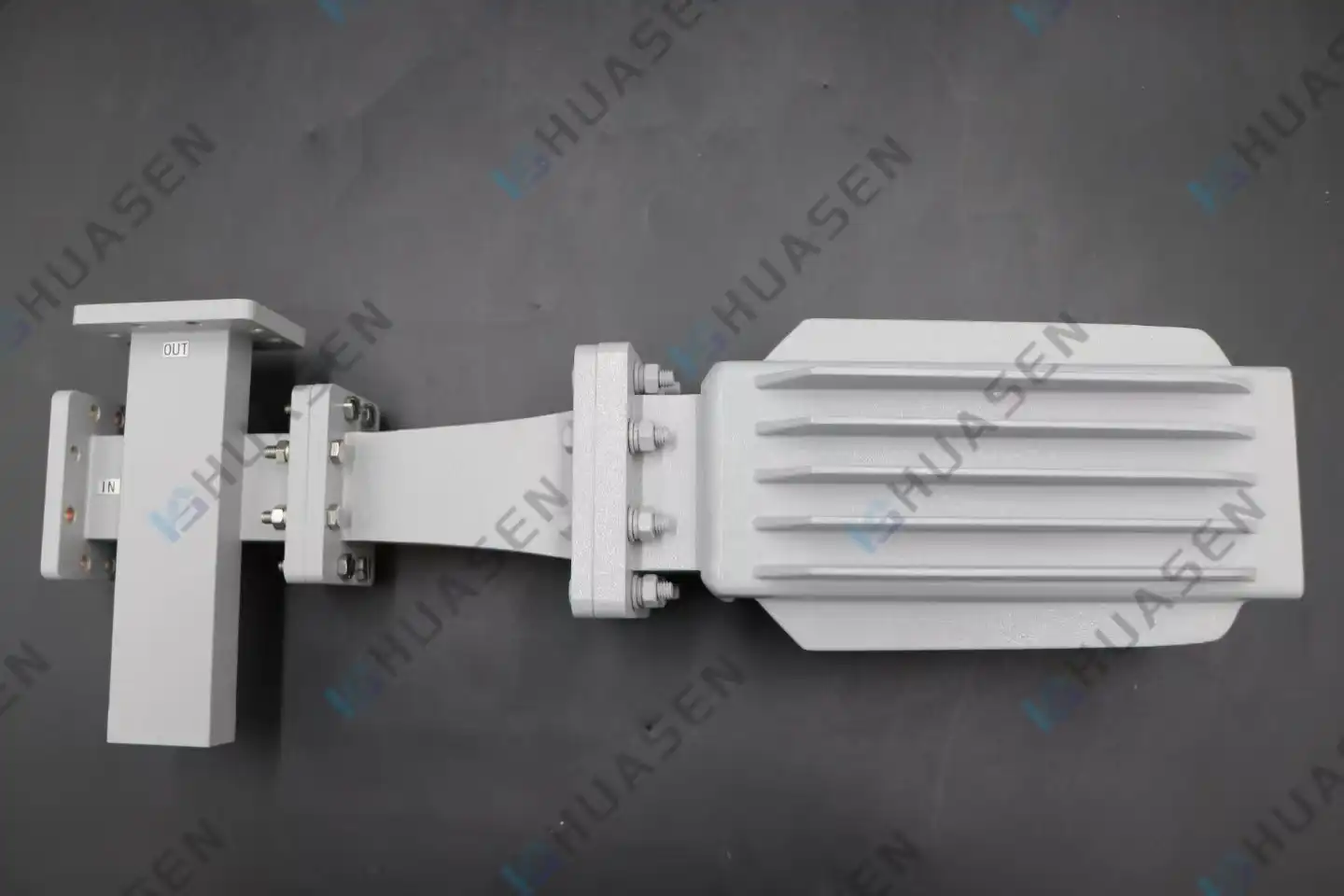
Selecting the Right Coupled Fixed Waveguide Attenuator for Your Needs
Frequency Band Compatibility and Material Considerations
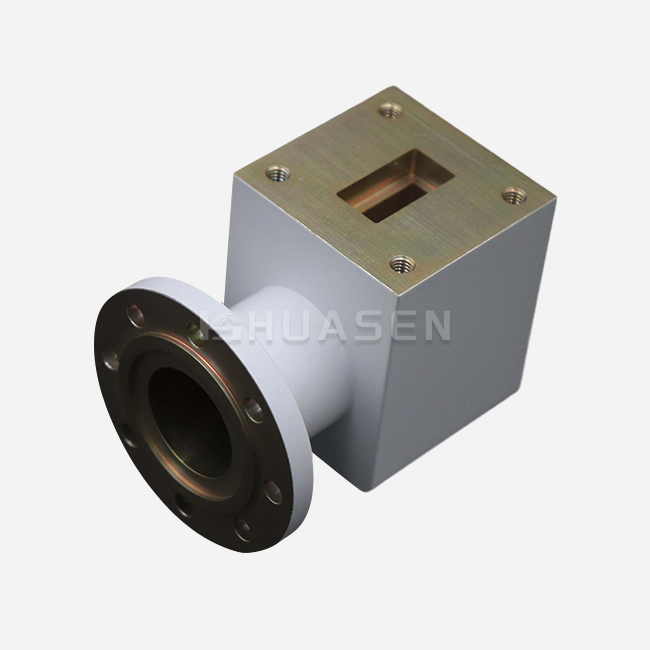
Matching attenuator specs to system working frequencies is the first step to choosing the proper one. Internal measurements determine the frequencies at which waveguide pieces stop acting as high-pass filters. Most typically utilized around 10 GHz, WR-90 waveguides function well from 8.2 to 12.4 GHz. At lower frequencies, this size cuts off the signal, while at higher frequencies, it causes undesirable spread modes that mess up readings.
Material choice affects electrical performance and environmental durability. Aluminum's anodized surface treatment makes it corrosion-resistant and light, making it ideal for aircraft where weight limits design choices. High-power radar systems and particle accelerator RF distribution networks favor copper bodies plated with silver or gold for better electrical conductivity and heat management. Huasen offers aluminum anodized and copper-plated WCFAX models so clients can choose the optimum performance.
Attenuation Range Selection and System Integration
The communication chain's signal power levels must be examined to determine the suitable reduction level. Base station testing lowers transmission output from kilowatts to milliwatts with 30 to 60 dB attenuation, which is safe for spectrum analyzer input steps. For air-induced route loss, some satellite communication test beds reduce 10–20 dB. This allows ground-based receiver sensitivity testing without satellite launch.
Power handling must accommodate both peak and continuous wave action. Fixed waveguide attenuators absorb RF energy and heat. These parts must correctly dissipate heat to stay effective and not break. Peak power ratings are critical in pulse radar and pulsed gearbox systems because voltage breakdown can occur at sharp edges or flange contacts even if the average power is safe.
Practical Cost and Maintenance Considerations
To find the best balance between performance requirements and economic limits, you need to know the total cost of ownership instead of just looking at the purchase price. Premium attenuators with tighter tolerance standards and better VSWR performance cost more to buy, but they pay for themselves by lasting longer, needing less upkeep, and reducing system downtime. This is especially true for labs that do reliable calibrations; they should buy reference-grade parts that stay accurate for decades of use.
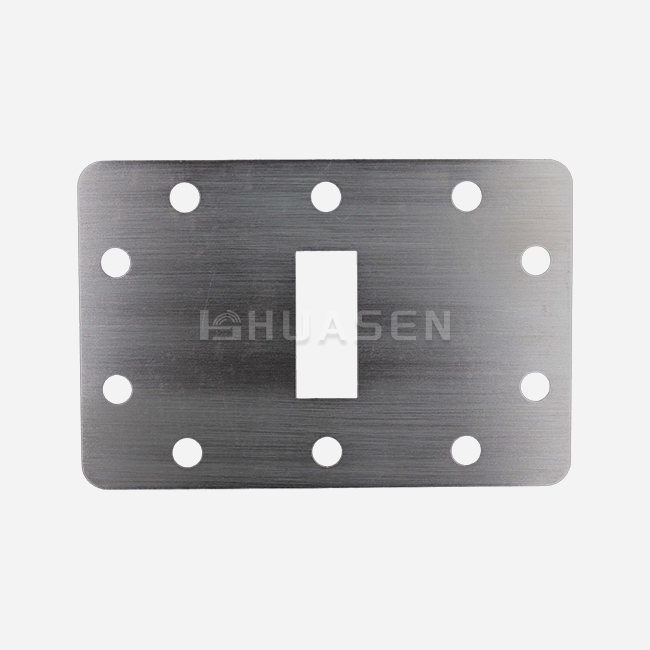
Compared to changeable designs, fixed waveguide attenuators don't need as much maintenance, but they do need to be handled and installed correctly. It is important to keep the sides of the flanges clean and free of damage, since even small scratches or dirt can lower the VSWR and cause measurement mistakes. To make sure that the contact pressure is the same on all sides of the waveguide walls without warping or stretching them, the torque requirements for the flange bolts must be carefully followed. When these simple steps are followed correctly, they allow for decades of steady operation with almost no performance loss.
Procurement Guide: How to Buy Coupled Fixed Waveguide Attenuators
Evaluating Manufacturers and Supplier Credentials
One of the most important choices in the buying process is choosing a qualified manufacturer. Established providers with decades of experience in the field bring a wealth of technical knowledge that leads to better product designs and more consistent production. This is shown by Huasen Microwave Technology Co., Ltd., which was established in 1993. The company has been making high-frequency microwave and millimeter-wave parts for over thirty years. They now make waveguide parts, millimeter-wave antennas, coaxial devices, and active products for the defense, aerospace, telecommunications, and radar industries.
Compliance with certification is an objective sign of quality management systems and the dependability of products. Look for companies that have quality standards like ISO 9001 and, if necessary, MIL-STD compliance for military uses. RoHS compliance makes sure that foreign markets are responsible for the climate and follow the rules. When a supplier answers technical questions quickly and is ready to give thorough test data, such as full-band S-parameter measurements and power handling proof reports, it shows that they care about being open and helping their customers succeed.
Strategic Purchasing Factors and Customization Options
When buying catalog or custom-engineered products, lead times will vary. Off-the-shelf attenuators with common waveguide sizes and specs ship in two to four weeks, enabling fast prototype and system integration. Shipping may take eight to twelve weeks longer for custom configurations with certain attenuation values, frequency ranges, or flange kinds. This is why early preparation with providers is crucial.
Minimum order amounts affect program costs and inventory management. Bulk purchases save money, but too much inventory can lock up cash and make products obsolete in fast-changing technology industries. Framework partnerships with dependable suppliers might help you achieve better rates and manage when to ship goods based on production needs.
Good creators distinguish themselves from technology partners through customization. Advanced suppliers can make attenuators with temperature sensors for temperature monitoring, special mounting features for small installations, or hybrid assemblies that combine attenuation with filtering or switching functions in addition to standard parameter changes. These engineering services simplify system designs and reduce parts.
Post-Purchase Support and Long-Term Partnership Value
Technical support is crucial to operational success, especially when setting up and fixing the system. Mechanical drawings, electrical specs, and application notes from manufacturers let engineering teams operate swiftly and efficiently without much back and forth. Having talented application engineers who understand system-level concerns helps with unforeseen speed difficulties and configuration improvements.
Warranty and repair services cover manufacturing and operation issues. Premium manufacturers often extend guarantee coverage for key usage or bulk orders beyond one to three years. Knowing how to make a guarantee claim, how long repairs take, and whether advance substitute units are available reduces project risk and streamlines operations.
After recent world events, supply chain security is vital. Suppliers who have enough supply, receive goods from many sources, and have solid shipping partnerships are resilient, saving customer programs from unexpected delays. Having suppliers discuss their supply chain strategy and risk reduction initiatives builds trust in the partnership.
Advantages and Future Trends of Coupled Fixed Waveguide Attenuators
Core Performance Benefits and Competitive Advantages
Fixed waveguide attenuators are naturally steady because they are sealed and can't be adjusted. This means that they don't wear out or become sensitive to changes in the environment. In contrast to coaxial attenuators, which use precision connectors that can break after many mating cycles, waveguide flanges offer strong, repeatable connections that keep working even after thousands of assembly operations. This dependability is very important for automatic test systems that screen a lot of parts, since the repeatability of measurements has a direct effect on yield and quality measures.
For power tracking systems to be accurate, the coupling factors must stay the same across the operating bandwidth and the lifecycle of the component. Huasen's WCFAX line has directional couplers that work very well. They make sure that reflected signals from changes in load resistance don't mess up readings of forward power. This performance trait makes system tests more accurate, which helps engineers tell the difference between changes in the radio output and problems with the antenna system.
Another strong benefit is that it is durable in tough settings. The tightly sealed design keeps the inside from getting wet, dusty, or toxic, which would happen quickly with open-structure designs. Temperature stability from -40°C to +85°C allows outdoor sites in harsh conditions, such as communication stations in the Arctic and radar stations in the desert. Vibration protection that meets MIL-STD-810 standards helps mobile platforms like airplanes, drones, and military ships where mechanical stresses can damage parts.
Emerging Technology Trends and Future Opportunities
Advances in materials science keep making waveguide attenuators work better. Low-loss dielectric materials that are better at conducting heat allow for higher power handling in smaller packages. This helps with the space issues that come up with current phased array systems and densely packed RF modules. Additive manufacturing methods are starting to make it possible to make parts with complex internal shapes that aren't possible with traditional machining. This could lower the cost of making things while also making them work better electrically.
One important new trend is integration with clever tracking systems. The attenuators of the future might have sensors built in that send data about temperature, power levels, and VSWR through digital connections. This connectivity makes it possible for predictive repair plans to work, in which parts are replaced before they break down completely and stop activities. These skills fit nicely with Industry 4.0 goals that stress making decisions based on data and improving operations.
As millimetre-wave uses grow, especially 5G networks that use 24 GHz, 39 GHz, and higher bands, there is a greater need for precise attenuators that can handle these frequencies. With 112 GHz coverage, Huasen's WCFAX series gives users the freedom to meet both current rollout needs and future technology shifts without having to throw away infrastructure investments. This forward compatibility is especially useful in the telecoms industry, where fast-changing technology makes it hard to plan for long-term investments.
Conclusion
Coupled Fixed Waveguide Attenuators are important components of infrastructure that enable accurate power tracking in radar, military, defence, and telecommunications. Their accurate absorption, directionality of coupling, and long-term stability meet important needs in system design, testing, and operational deployment. This guide explains technical specifications, selection criteria, and buying strategies. By reading it, engineers and purchasing teams can make decisions that improve system performance and keep costs low. The strong construction and low upkeep needs of high-quality fixed attenuators make them very valuable over long service lives, supporting mission-critical activities that can't be interrupted. Partnerships with seasoned makers like Huasen Microwave give you access to cutting-edge solutions backed by decades of engineering know-how as technology advances toward higher frequencies and more complex tracking needs.
FAQ
1. What distinguishes coupled fixed waveguide attenuators from standard attenuators?
Coupled Fixed Waveguide Attenuators have directed coupling ports that take out an exact signal sample for continuous power monitoring. Standard attenuators, on the other hand, can only lower the signal amplitude and can't be used for monitoring. Because it can do two things at once, it gets rid of the need for two different monitoring parts. This makes the system design simpler and lowers the number of possible failure points.
2. How does temperature affect attenuator performance in outdoor installations?
Attenuators of good quality have designs that take temperature into account so that the resistive element's properties stay the same over a wide range of working temperatures. The WCFAX line from Huasen keeps its reduction accuracy from -40°C to +85°C, so it can work reliably in harsh environments. Temperature coefficients should always be checked in procurement specs to make sure they are right for the area.
3. Can I use attenuators designed for one waveguide size at different frequencies?
Each waveguide size only works well in certain frequency ranges that are determined by its cutoff properties. When you use waveguides that are too big at higher frequencies, they can cause multimode transmission, which can make the performance uncertain. On the other hand, waveguides that are too small just block signals. Always use standard tables to match waveguide measurements to working frequencies.
4. What factors influence lead times when ordering custom configurations?
For custom attenuators that need non-standard attenuation values, special flanges, or specific frequency ranges, engineering analysis, sample construction, and performance testing must be done before they can be mass-produced. Delivery times can also be pushed back by the lack of materials, especially for rare finishing choices. These delays can be avoided by working with providers early on in the planning phase.
Partner with Huasen Microwave for Superior Waveguide Solutions
Coupled Fixed Waveguide Attenuators made by Huasen Microwave Technology are precisely designed to meet the high standards of 5G infrastructure, satellite communications, and military systems. The WCFAX line from our company has great attenuation accuracy, great VSWR performance, and great frequency range from 0.96 GHz to 112 GHz. Decades of experience in manufacturing mean that you will get reliable performance, a cheap price, and quick technical help throughout the lifecycle of your project. Email our engineering team at sales@huasenmicrowave.com to talk about your unique needs, get full specification sheets, or get quotes that are made just for you. As a reliable waveguide attenuator maker, we're dedicated to providing parts that go above and beyond your hopes and help you succeed in important situations.
References
1. Pozar, David M. Microwave Engineering, 4th Edition. Wiley, 2011.
2. Rao, S. K. Parametric Design and Analysis of Multiple Microwave Passive Circuits. Springer, 2014.
3. IEEE Standard 1785.1-2012. Rectangular Waveguides and Flanges for Frequencies of 110 GHz and Above. Institute of Electrical and Electronics Engineers, 2012.
4. Miller, J. and Bramante, T. RF and Microwave Test and Measurement. Artech House, 2017.
5. Brown, J. RF and Microwave Component Design for Industrial Applications. SciTech Publishing, 2019.
6. International Telecommunication Union Recommendation ITU-R SM.2092. Measurement Uncertainty in Electromagnetic Compatibility Measurements. ITU, 2015.
Send Inquiry