Waveguide Matching Load in Antenna Testing






2026-06-26 17:01:24
Getting accurate measurements in antenna testing settings depends a lot on getting rid of signal echoes that mess up the results. A Waveguide Matching Load is a precise termination device that absorbs incoming RF energy very well. This stops echoes that would otherwise form standing waves and risk the accuracy of test data. These passive parts are designed to match the impedance of waveguide systems across frequencies from sub-GHz to millimeter-wave bands. This makes them essential for checking antenna performance in 5G infrastructure, satellite communication payloads, and radar calibration setups, where the success of system deployment depends on being able to repeat measurements.
Understanding Waveguide Matching Load and Its Role in Antenna Testing
Core Function in RF Measurement Systems
Waveguide terminations work by turning electromagnetic energy into heat using special materials built into the waveguide frame that can absorb energy. Engineers connect these Waveguide Matching Loads to ports that aren't being used or to calibration reference points to set a known impedance standard when they test antennas. In contrast to open or short-circuit terminations, which aim for full echoes, matching loads try to achieve almost total absorption, with precision-grade units usually getting VSWRs below 1.05:1. This level of performance means that the return loss is more than 26 dB, which means that less than 0.5% of the power that hits the device or measurement tools is reflected toward them.
Why Impedance Matching Matters in Antenna Validation
Test engineers measure things like gain, radiation pattern, and port separation as part of antenna evaluation. Any difference in impedance in the test setting causes mistakes that affect the figures. When testing a phased array antenna for 5G base stations, leftover reflections from calibration ports that aren't properly closed off can cause "phantom nulls" in radiation patterns or throw off readings of beamforming. By creating a purely resistive termination that looks like an infinitely long waveguide, matching loads get rid of these artifacts. This lets vector network analyzers record S-parameters that correctly show the antenna's real electromagnetic behavior instead of test fixture errors.
Benefits of Driving Adoption in Critical Testing Scenarios
Testing labs that work on important projects, like making sure satellite dishes are safe before they are launched or making sure military radar systems work, can't have measurement errors. Precision waveguide loads have a number of useful benefits that make them widely used. They keep expensive signal sources safe from damage caused by mirrored power, especially when checking antennas that aren't matched or when there is a fault. Their stable thermal properties keep the resistance the same even when the temperature changes, which is common in environmental test rooms. Modern designs are very strong mechanically, so they can handle many connection rounds without breaking. This means that the calibration stays accurate even after thousands of test runs. These traits lower the cost of retesting and speed up the time it takes to market for communication systems, where validating performance is slow.
Types and Design Principles of Waveguide Matching Loads
Architectural Variations for Different Test Requirements
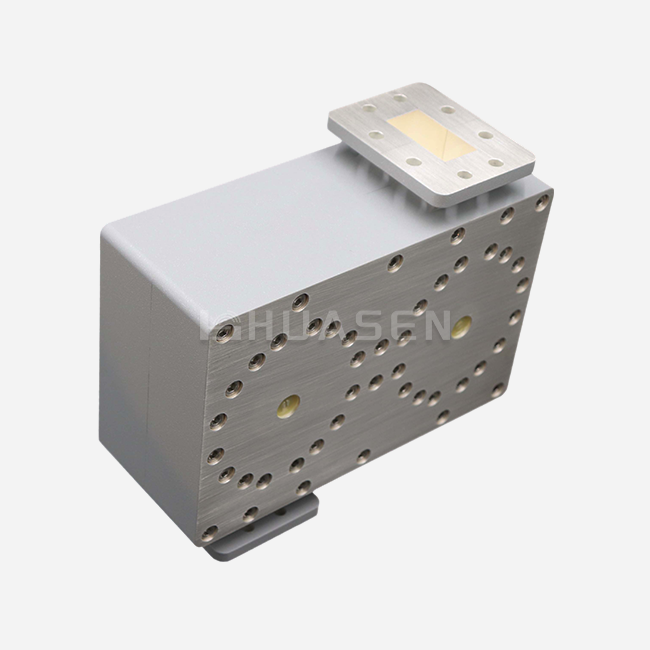
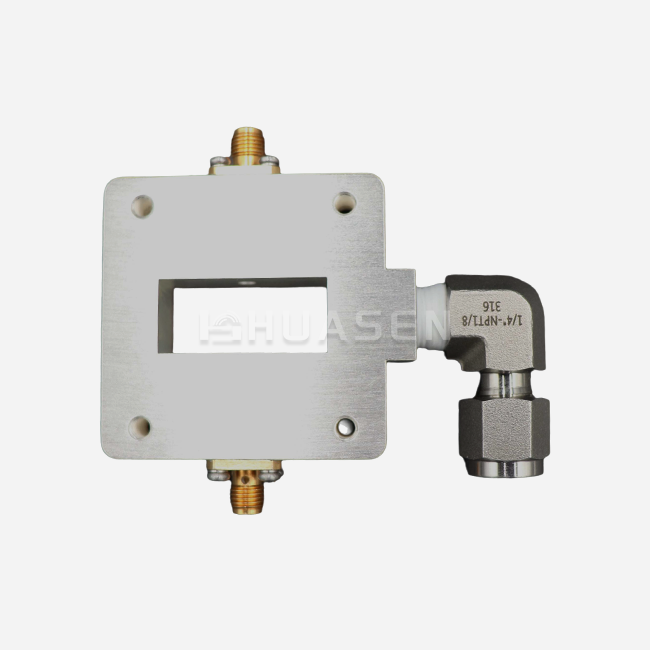
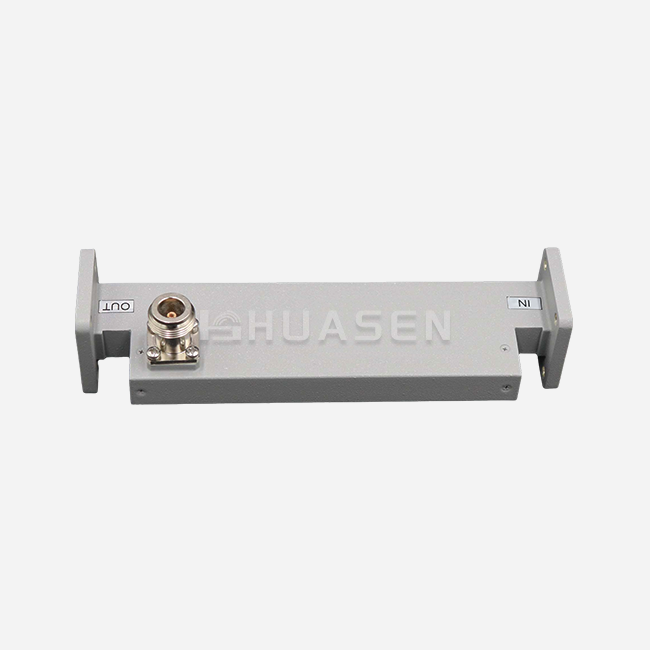
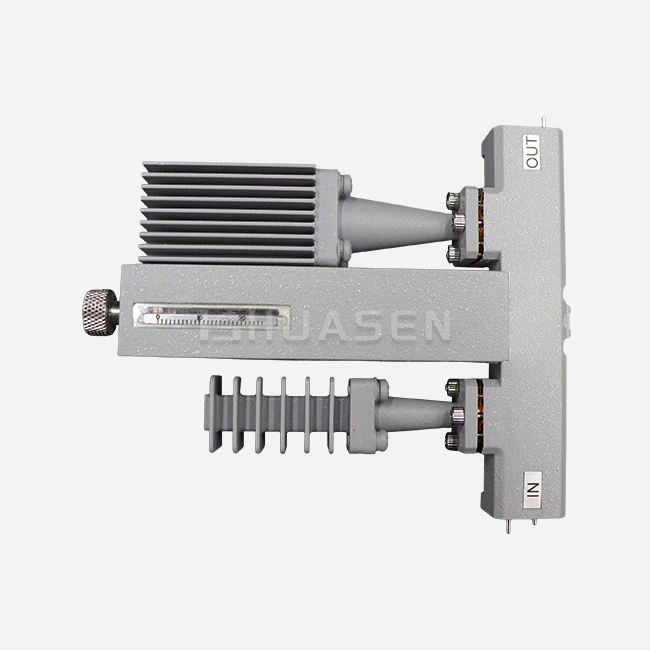
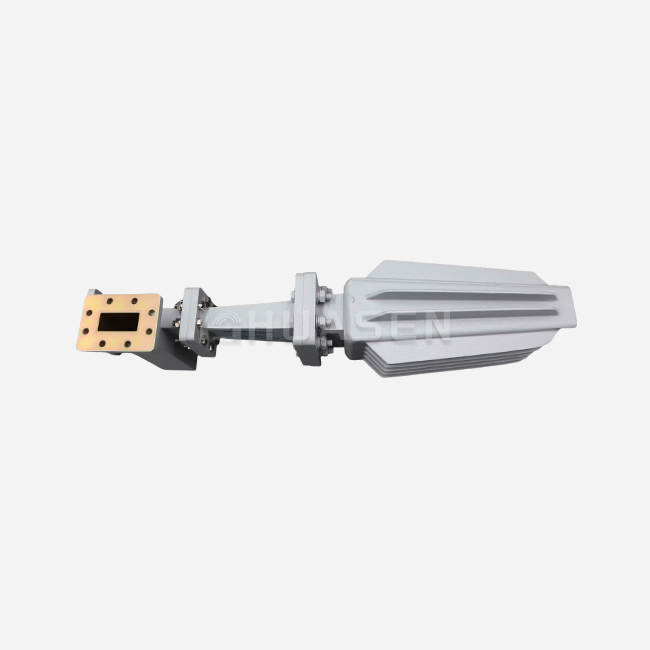
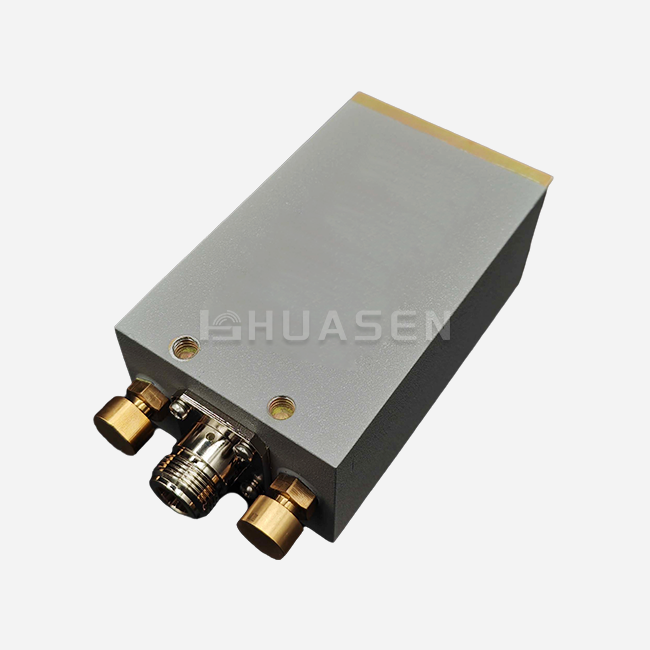
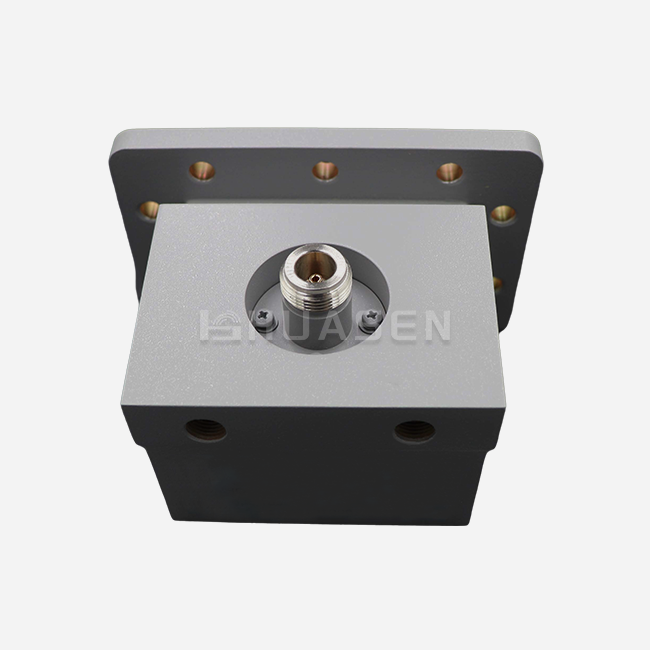
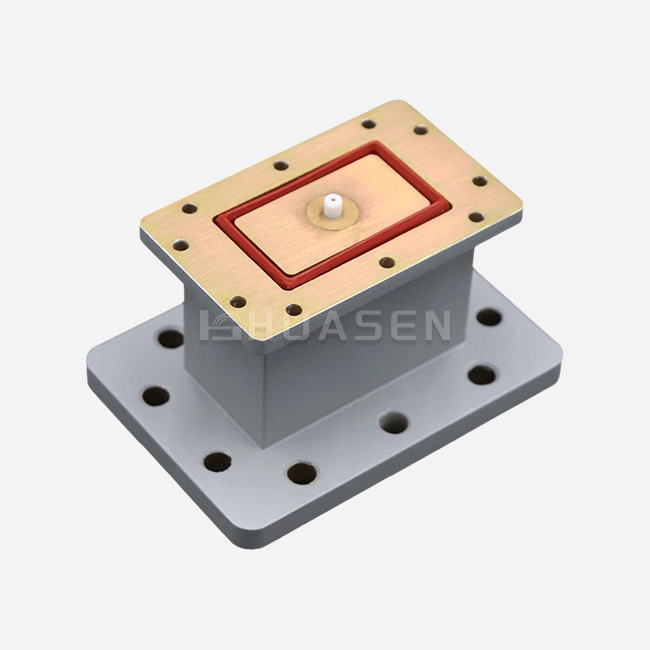
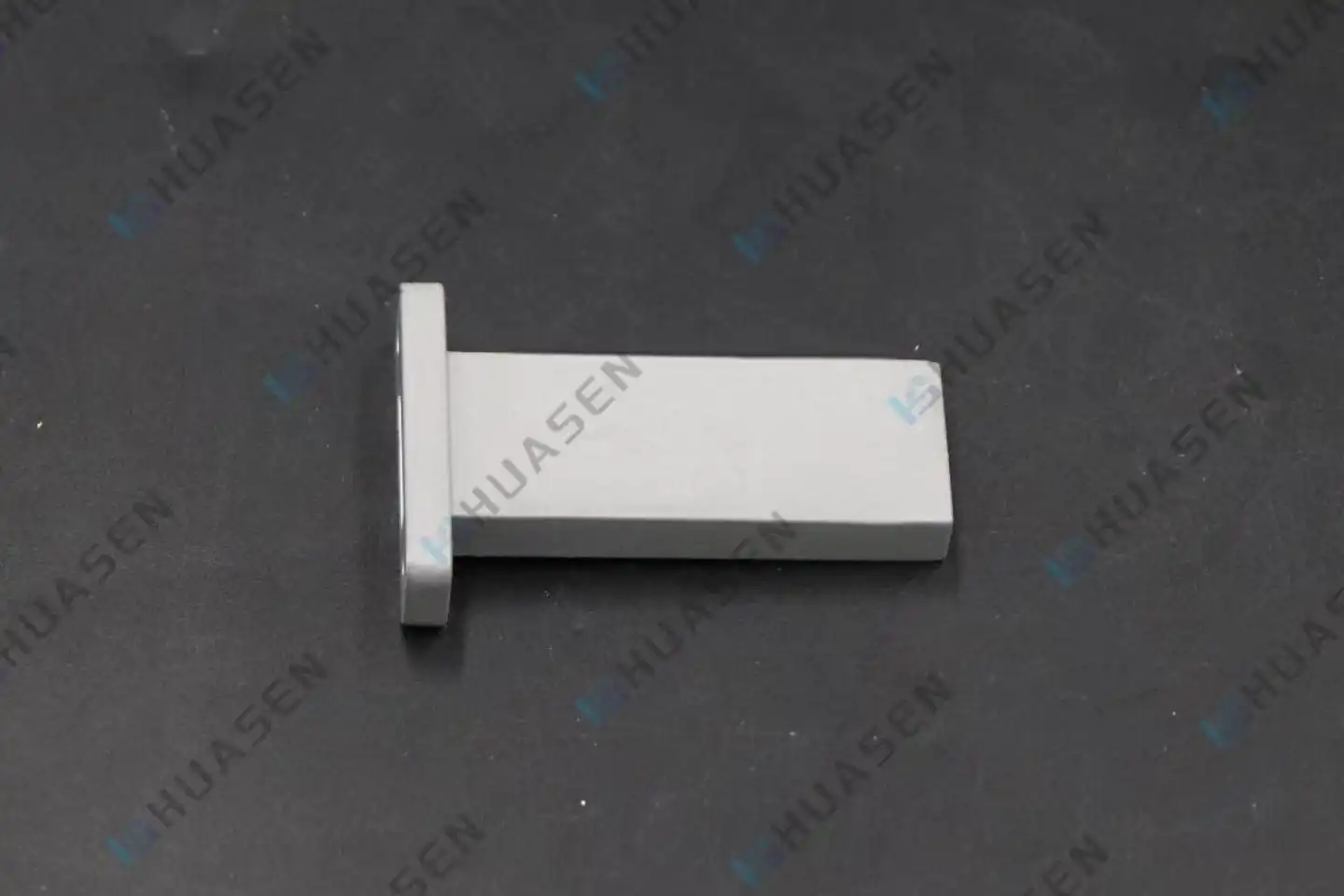
To meet a range of testing needs, manufacturers have created a number of different waveguide load designs. Standard Waveguide Matching Loads (WL) cover the whole waveguide bandwidth, which means they can be used to test wideband antennas where readings are taken over the whole frequency range. Short-Size Waveguide Matching Loads (WLS) come in small sizes that are best for narrowband uses. This saves room on the bench in test setups that are already full. Waveguide Sliding Matched Loads (WSL) have mechanisms that can be adjusted so that techs can change the reflection phase during calibration. These mechanisms work as movable short-circuits for advanced measurement methods. Dual-Ridge Waveguide Matching Loads can handle different waveguide shapes, such as the square, circle, and ridge shapes that are popular in wideband radio feeds and transitions.
Material Science Behind Absorption Performance
The absorptive property is particularly significant in waveguide load design. Instead of sheets, Huasen Microwave employs bulk absorption material. This tackles a fundamental failure scenario where mechanical vibrations can remove thin absorptive layers and degrade VSWR quickly. Bulk materials like silicon carbide alloys and loaded ceramics disperse thermal stress, preventing breakage when power is removed. These absorbers' geometric curve decreases reflections by gradually adjusting the waveguide impedance to the resistive load impedance across numerous wavelengths. Housing materials like aluminium 6061 or copper are robust and transfer heat to outside air or cooling systems.
Design Trade-offs in Test Equipment Selection
You must balance conflicting demands while picking load types. Fixed terminations are the lowest VSWR but are unadjustable. They are ideal for conventional port termination during production testing. Metrology labs must inspect sliding contacts periodically because sliding loads offer precise measurements, but wear them out. Power handling matters too. When testing emitter chains, high-power dummy loads must absorb 20 watts or more, although low-power instrumentation loads of 2–5 watts can calibrate a network analyser. Physical size is determined by frequency coverage using waveguide cutoff measurements. In comparison to X-band loads (8.2-12.4 GHz) at 0.9 inches, Ka-band devices (26.5-40 GHz) at 0.28 inches are easier to connect and manage heat.
Selecting the Right Waveguide Matching Load: A Decision Support Approach
Application-Specific Selection Criteria
Buying things depends on how well the Waveguide Matching Load specifications match up with the real test situations. When research groups measure antenna patterns in anechoic rooms, they put VSWR performance and thermal stability ahead of sturdiness. They often choose precision loads with designs that take temperature into account. In order to test thousands of base station antennas every month, production facilities need cheap loads with quick connection ports and uniform performance across shift temperature changes. Manufacturers of satellites need space-qualified loads made of radiation-hard absorbers and materials that don't release gases. These loads must also be able to keep their qualities through launch vibrations and temperature changes of -180°C to +120°C. For example, MIL-DTL-3928 is needed for military companies, ISO 9001 is needed for business telecommunications, and NASA outgassing requirements (TML <1%) are needed for space uses.
Technical Parameters That Impact Measurement Quality
Engineers compare many products based on key qualities. Frequency must match the antenna's functioning bands. A 3.3–3.8 GHz load tests 5G n77/n78 but not Ka-band satellite stations. Power ratings indicate safe power consumption; losing 10 watts under a 5-watt load produces thermal runaway, which permanently ruins the absorber. Return loss impacts measurement uncertainty. A 20 dB return loss adds 1% to the reflection reading error, whereas a 30 dB loss reduces it to 0.3%. Compatible connectors eliminate adapter chains, which create reflections. Standardised flanges like UG-595/U for WR-90 waveguide or FDP/FBP for European systems ensure connection fit.
Here are practical considerations that separate adequate solutions from optimal ones:
- Thermal Time Constant: Loads that don't do a good job of absorbing heat change their impedance over time during continuous testing, which slows things down by needing cool-down breaks between measurements. When power is applied, good designs keep the VSWR standards within minutes.
- Mechanical Interface Precision: Tolerances for flange smoothness of less than 0.001 inches stop RF leaking that messes up readings in sensitive situations. When cutting isn't done right, gaps appear that let interference into nearby test equipment.
- Certification Documentation: Full test data sets with VSWR lines across certain bands, power derating curves, and heat images are needed to back up what the maker says and pass quality checks during production qualification.
These technical factors contribute to determining the total cost of ownership. A high-quality load that stays calibrated for five years works better than a cheap one that needs to be replaced every year, especially when you consider the time and money needed to recalibrate tools in high-volume test operations.
Comparing Alternative Termination Solutions
Waveguide loads can be used in place of coaxial fake loads and active circulators in some situations. Coaxial terminators have a wider bandwidth and are smaller, but they can't handle nearly as much power—typical SMA loads rate for 2 watts, while waveguide versions can handle 20+ watts. Circulators separate the source from the load and allow testing of both transmission and reception at the same time. However, they add 0.5 dB of insertion loss and cost 3–5 times more than passive loads. Waveguide Matching Loads are the best at handling power, staying stable at high temperatures, and being reliable over time, which is why they are still the most popular choice for high-stakes proof cases.
Practical Applications and Maintenance of Waveguide Matching Loads
Deployment Scenarios in Antenna Test Setups
Test laboratories employ Waveguide Matching Load terminations throughout antenna evaluation workflows. Technicians link the load as the "match" standard in short-open-load-thru (SOLT) routines during vector network analyzer calibration. This sets up reference impedance planes from which S-parameter measures are made. When testing antenna separation between two different polarizations, ports that aren't being used receive terminations to stop coupling paths that would make crosstalk readings look better than they really are. During tuning processes for high-power transmitters, full output power is sent to dummy loads. This keeps antennas from getting damaged while engineers improve matched networks. When measuring installed base station antennas in the field, portable loads are used to close off diversity ports during alignment steps. This makes sure that single-path measures are accurate reflections of real-world working conditions.
Installation and Calibration Best Practices
When installed correctly, load speed and measurement precision are at their best. Before connecting, use a magnifying glass to check the flange surfaces for damage or contamination. Particles stuck in the interface create tiny air holes that make touch weaker and cause reflections. To keep the pressure even across the gasket or metal-to-metal seal, tighten the mounting screws in a star design with the same amount of force. When using loads that are close to their power limit, use infrared thermometry to check the case temperature and make sure there is enough heat escape. Temperatures above 85°C indicate that there isn't enough cooling or that the motor is overdriven. Allow loads to cool down for 15 minutes after connecting the VNA before running the calibration methods. This will stop drift artifacts from showing up in later readings.
Extending Service Life Through Preventive Maintenance
Waveguide loads don't need much care, but they do benefit from being checked every so often. Check the absorber material through the waveguide opening every six months for cracks or changes in color that could mean it is breaking down due to heat. Isopropyl alcohol and lint-free wipes can be used to clean the sides of flanges to get rid of rust that makes contact resistance higher. Make sure that the torque on the fixing gear stays within the limits so that it doesn't come loose from thermal cycles. For sliding loads, keep the low-loss contact by putting a thin film of RF-compatible grease on the sliding contact once a year. Replacement plans are based on how often loads are used in toxic marine environments or extreme thermal cycling. For example, temperature-controlled laboratory units need to be inspected less often than loads used in these environments. These simple methods keep measurements traceable for quality system compliance and stop unexpected failures during important test programs.
Procurement Guide: Finding the Best Waveguide Matching Load Vendors and Solutions
Identifying Qualified Manufacturers and Suppliers
Sourcing reliable waveguide components requires vetting supplier capabilities beyond catalog specifications. Established manufacturers like Huasen Microwave, operating since 1993, demonstrate sustained engineering expertise and production consistency that newer entrants cannot match. Verify that potential providers hold ISO 9001:2015 certification, which shows that they have recorded quality management systems. Also, ask for third-party test results to back up the stated Waveguide Matching Load performance across a range of temperatures. When manufacturers offer design help for unique setups, it shows that they have a lot of technical knowledge that can be useful when optimizing loads for odd frequency bands or power needs. Geographic factors affect wait times and support response. For example, domestic sellers cut down on shipping delays for urgent repairs, while international makers may offer lower prices for large orders with flexible delivery times.
Market Dynamics Influencing Procurement Strategy
In 2024, many waveguide component market trends will emerge. More millimeter-wave loads across 24-40 GHz bands are needed as 5G networks spread. This delays bespoke orders by 8–12 weeks and makes high-frequency units difficult to procure. Lack of semiconductors affects active portions but not inactive loads. However, metal commodity prices affect living expenses. Bulk customers receive first dibs on low-supply items and save 15–20% by negotiating annual supply arrangements. When purchasers understand these elements, they can schedule their buying cycles around project timeframes and budget windows to prevent rush costs that damage cost targets.
Evaluating Total Value Beyond Unit Price
When buying, the lowest unit cost might lead to hidden charges that negate any savings. Full coverage covers delivery charges for damaged items throughout 90- to 3-year warranties. This way, you won't pay more for early warranty failure. Technical assistance determines how soon integration issues are resolved. Manufacturers with direct engineering contact may solve application issues in hours, whereas distributor support centers have days-long ticket waits. Customisation eliminates costly repairs when conventional items don't fit. Changing flange patterns or frequency coverage costs 20–30% more but eliminates sluggish adapter chains. Project plans are protected by on-time delivery reliability. Switching suppliers, even at a higher cost, reduces scheduling risk.
Conclusion
Waveguide Matching Loads are important pieces of equipment that make accurate antenna testing possible in the defense, military, and telecommunications industries. Their power to get rid of echoes and offer stable reference impedances has a direct effect on the accuracy of measurements and the success of system validation. Modern designs from skilled makers like Huasen Microwave fix common failure modes by using bulk absorber construction and letting you make a lot of changes for frequencies between 0.3 and 330 GHz. To be successful at procurement, you need to find a balance between technical standards, the supplier's skills, the total cost, and the needs of the application. As wireless systems get better at handling higher frequencies and smaller performance gaps, precision termination components will become even more important for making sure measurements are correct.
FAQ
Q1: What distinguishes a waveguide-matching load from a standard terminator?
Both devices end waveguide ports, but regular terminators may accept VSWR <1.20:1 for normal port protection, while matching loads are designed to get the lowest reflection (VSWR <1.05:1) so that precise measurements can be made. To get the best performance, matching loads use carefully designed absorber tapers and high-quality materials. This makes them necessary for measuring tasks where measurement error must stay below 0.5%.
Q2: How does bulk absorption material improve reliability compared to sheet-type designs?
Sheet absorbers depend on glue bonds that get weaker when heated and cooled, and when they are vibrated. This can cause delamination failures that quickly lower the VSWR. Bulk materials, like the silicon carbide composites used in Huasen Microwave loads, spread mechanical stress evenly throughout the volume, so there are no weak spots where the glue would normally fail. This design can handle the shocks and vibrations that are common in field tests and shipping without losing any of its performance.
Q3: Can a single waveguide load cover multiple frequency bands?
The working frequency ranges of waveguides are set by their cutoff frequencies. For example, a WR-90 waveguide (covering 8.2-12.4 GHz) can't send frequencies below 6.56 GHz or above its second-mode cutoff. By changing the internal shape, dual-ridge waveguide loads make it possible to increase bandwidth ratios to 5:1 or higher. This lets designers make designs that work across 2–18 GHz in a single device. For test frequencies that are very far apart, different load models are needed for standard rectangular loads that cover 1.5:1 bandwidth ratios.
Partner with Huasen Microwave for Superior Waveguide Matching Load Solutions
Huasen Microwave Technology has been creating RF parts for more than 30 years and can help with antenna testing problems. Our Waveguide Matching Load family addresses vibration durability with tried-and-true bulk absorption designs, and it delivers VSWR performance that meets the strictest measurement needs. Our engineering team works together to find solutions that meet your exact frequency, power, and weather requirements, whether you need standard WR-series terminations for testing products or unique dual-ridge designs for wideband research. We offer precision parts that work well with your test equipment. They come with flanges that can be standard or custom-made, frequency ranges from 320 MHz to 330 GHz, and power levels from 0.3 W to 20 W continuous wave. Get in touch with our expert sales team at sales@huasenmicrowave.com to talk about your needs and get more information. As a well-known Waveguide Matching Load maker that works with customers in the aerospace, defense, and telecommunications industries around the world, we offer the quality, customization, and support that turn buying parts into a strategic relationship.
References
1. Pozar, D. M. (2012). Microwave Engineering (4th ed.). Wiley.
2. Collin, R. E. (2001). Foundations for Microwave Engineering (2nd ed.). IEEE Press.
3. Harvey, A. F. (1963). Microwave Engineering. Academic Press.
4. Ramo, S., Whinnery, J. R., & Van Duzer, T. (1994). Fields and Waves in Communication Electronics (3rd ed.). Wiley.
5. Saad, T. S. (Ed.). (1971). Microwave Engineers' Handbook (Vol. 1). Artech House.
6. Baden Fuller, A. J. (1990). Microwaves: An Introduction to Microwave Theory and Techniques (3rd ed.). Pergamon Press.
Send Inquiry