
Home / Blog
Blog
0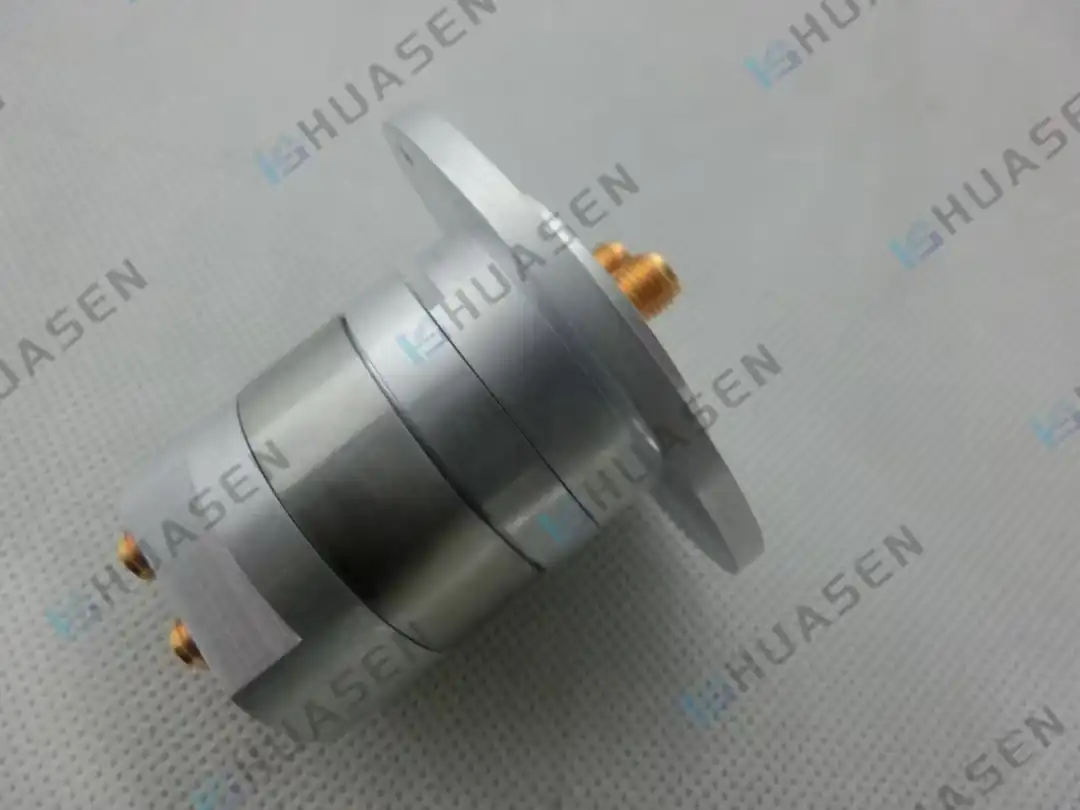
Dual Channel Coaxial Rotary Joint for Defense Radar Systems
Defence radar systems need parts that can send signals perfectly while rotating all the time. In order to maintain uninterrupted RF signal flow and prevent wire entanglement, a Coaxial Rotary Joint is used as the key link between fixed emitters and rotating antenna assemblies. Dual-channel versions improve this ability by allowing two separate signal lines at the same time. This is necessary for modern radar applications that need to separate send and receive signals, vary the polarisation, or operate at different frequencies. This guide looks at how these precise electromechanical devices meet the complex needs of defence-grade radar systems. It also gives procurement professionals who are looking for reliable, high-performance options useful information.VIEW MORE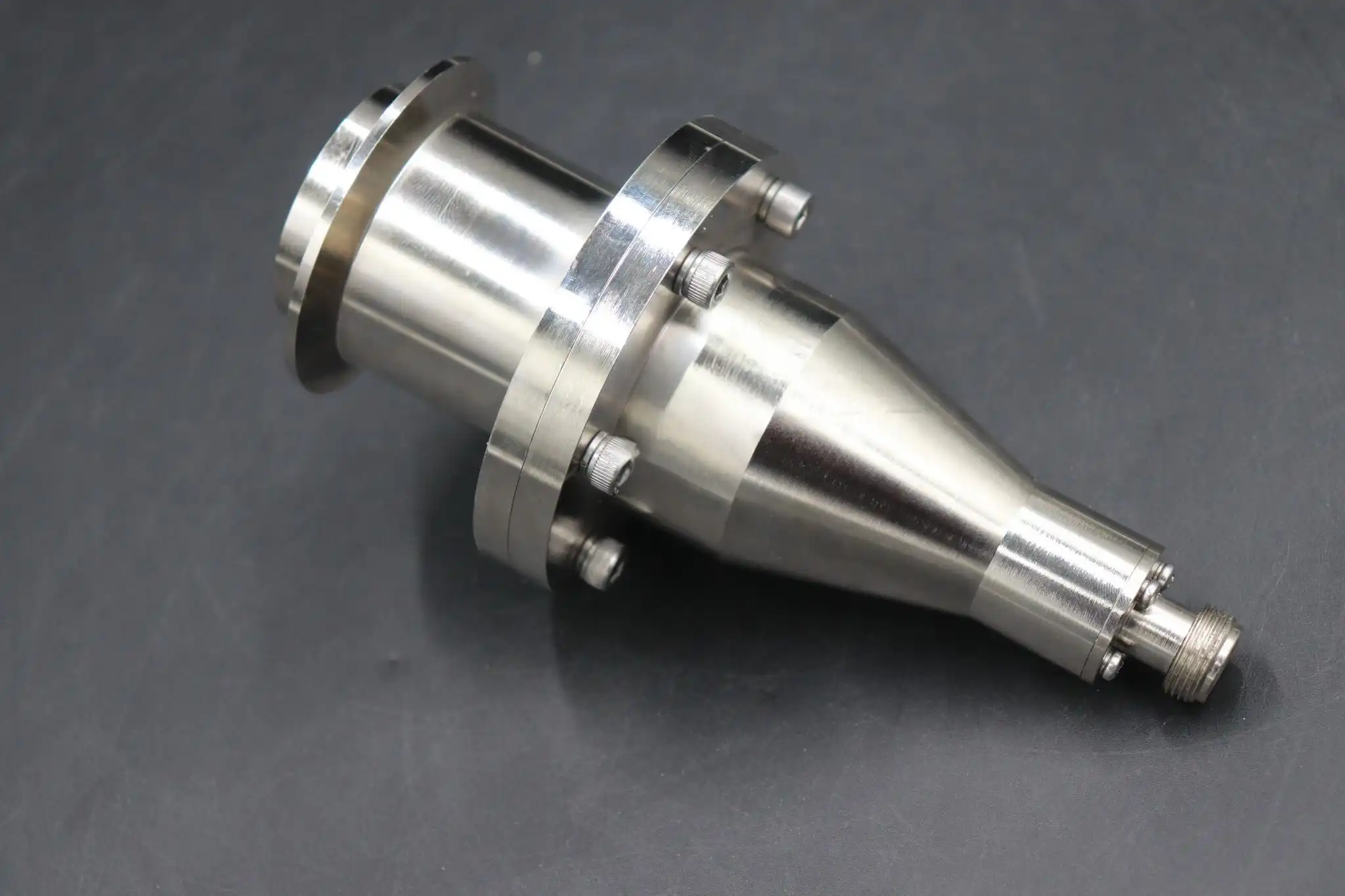
How Does a Coaxial Adapter Affect RF Signal Quality?
A coaxial adapter changes the quality of an RF signal directly by adding places of impedance discontinuity, insertion loss, and return loss to the transmission line. These carefully made parts connect different types of connectors, whether they are from one line to another, like SMA to N-Type, or between genders in the same family. Quality coaxial adapters keep signals intact with little loss when they are fitted and described correctly. At operating frequencies, they usually add less than 0.2 dB of insertion loss. However, bad materials, incorrect mating torque, or impedance mismatches can cause reflections that are measured by a high VSWR (Voltage Standing Wave Ratio). This makes power transfer less efficient and creates interference patterns that lower overall system performance in demanding applications such as 5G base stations and aerospace radar systems.VIEW MORE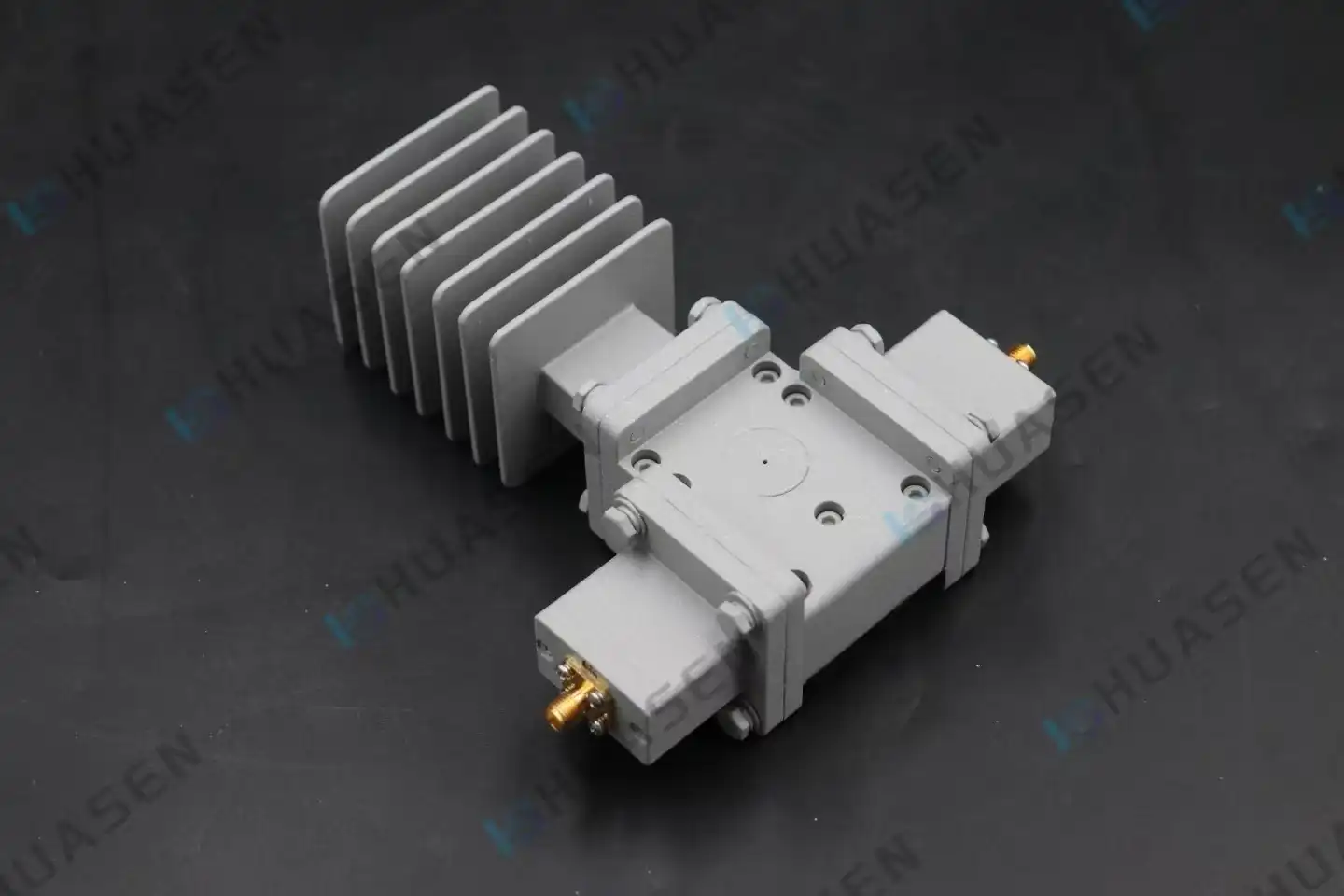
Coaxial Isolator vs Drop-In Isolator: Key Differences
When choosing RF parts for high-frequency systems, knowing the difference between coaxial and drop-in isolators can have a big effect on how well the system works and how much it costs. Signal sources are shielded from reflected power in transmission systems by a Coaxial Isolator, an inactive non-reciprocal device with coaxial connections like SMA or N-Type. Drop-in isolators, on the other hand, are small surface-mount devices that don't have any external connectors. They are made to be directly integrated onto a PCB in situations with limited room. The main difference is in the shape, how they handle power, and how they are installed. Coaxial types work best for high-power outdoor infrastructure, while drop-in types work best for low-power, small lab equipment and transceivers.VIEW MORE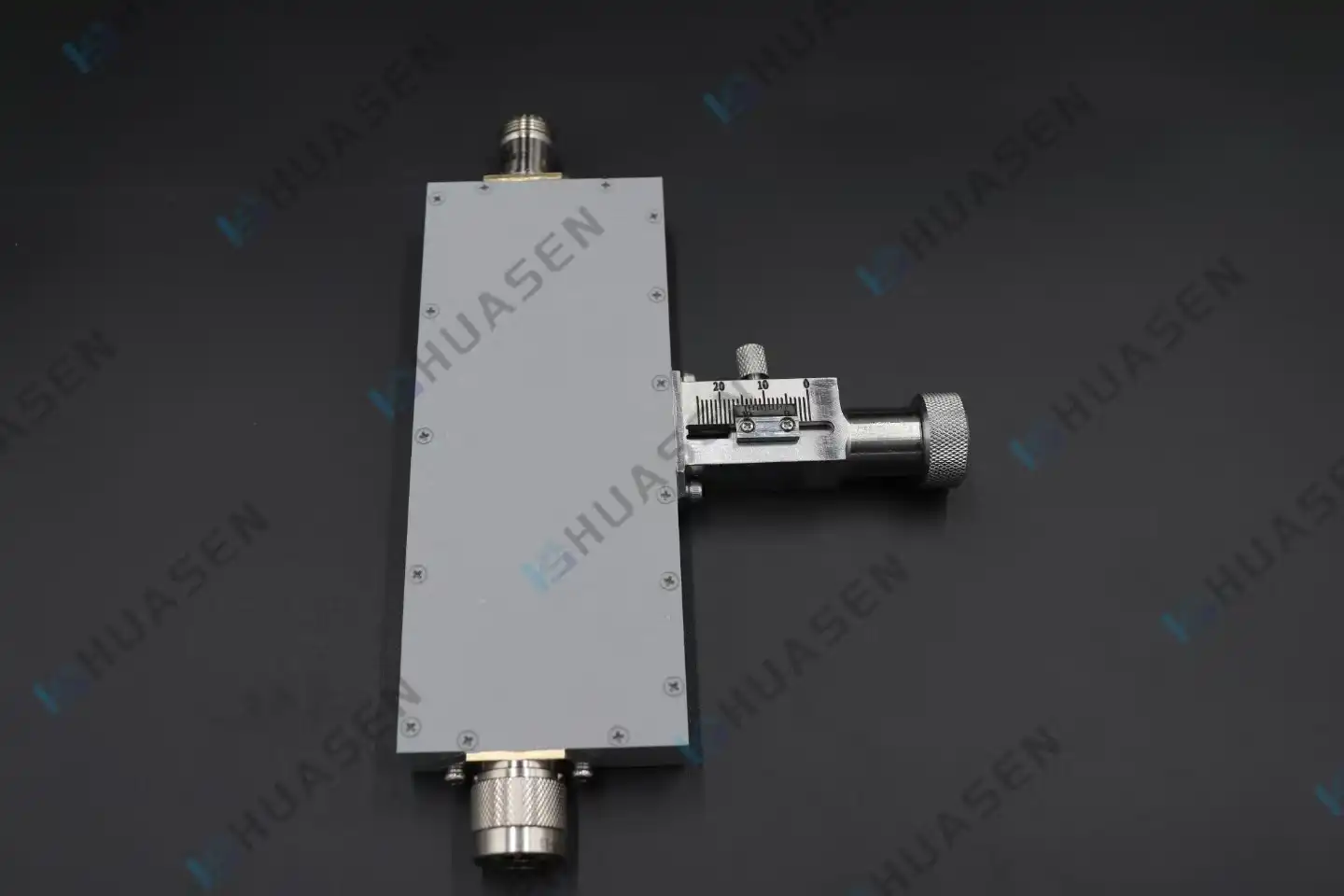
What Is a Coaxial Variable Attenuator and How Does It Work?
A Coaxial Variable Attenuator is a high-precision RF and microwave part made to actively control signal amplitude within a transmission line without changing the frequency content or causing waveform distortion. Unlike set attenuators, it lets you change the amount of signal loss on the fly, either all the time with mechanical dials or in small steps with electronic controls. These devices solve important problems, like keeping receivers from getting too full in sensitive measuring gear, letting you precisely control the gain in amplifier stages, and making it easier to do loss models that are measured while testing cellular base stations and radar systems.VIEW MORE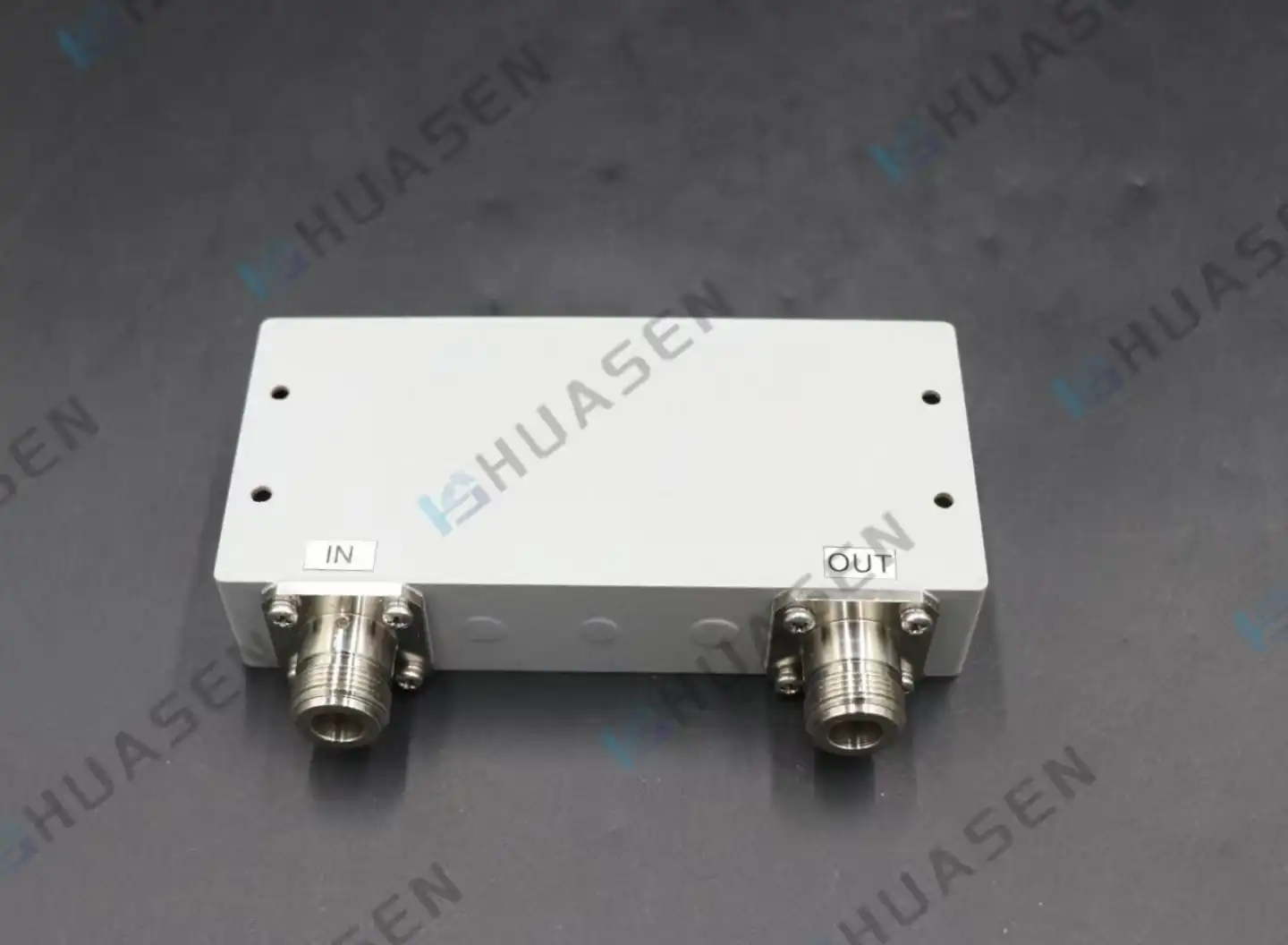
How to Specify a Coaxial Bandpass Filter for Your System
Understanding the centre frequency, bandwidth needs, power handling ability, and working conditions of your system is all necessary before selecting a Coaxial Bandpass Filter. The first step is to decide what frequency range you want to use as your passband and how much insertion loss you are willing to accept. Usually, you want less than 1 dB to keep your link budget efficient. You should also think about out-of-band rejection depth, which is usually at least 60 dB to get rid of interference from channels next to it. Physical factors like the type of connection, the size of the housing, and how stable the temperature is have a direct effect on buying choices. You can choose a filter that works well and doesn't cost too much for 5G base stations, satellite uplinks, radar systems, and test instruments by comparing these technical specs to what the supplier can do, the minimum order quantity, and the delivery schedule.VIEW MORE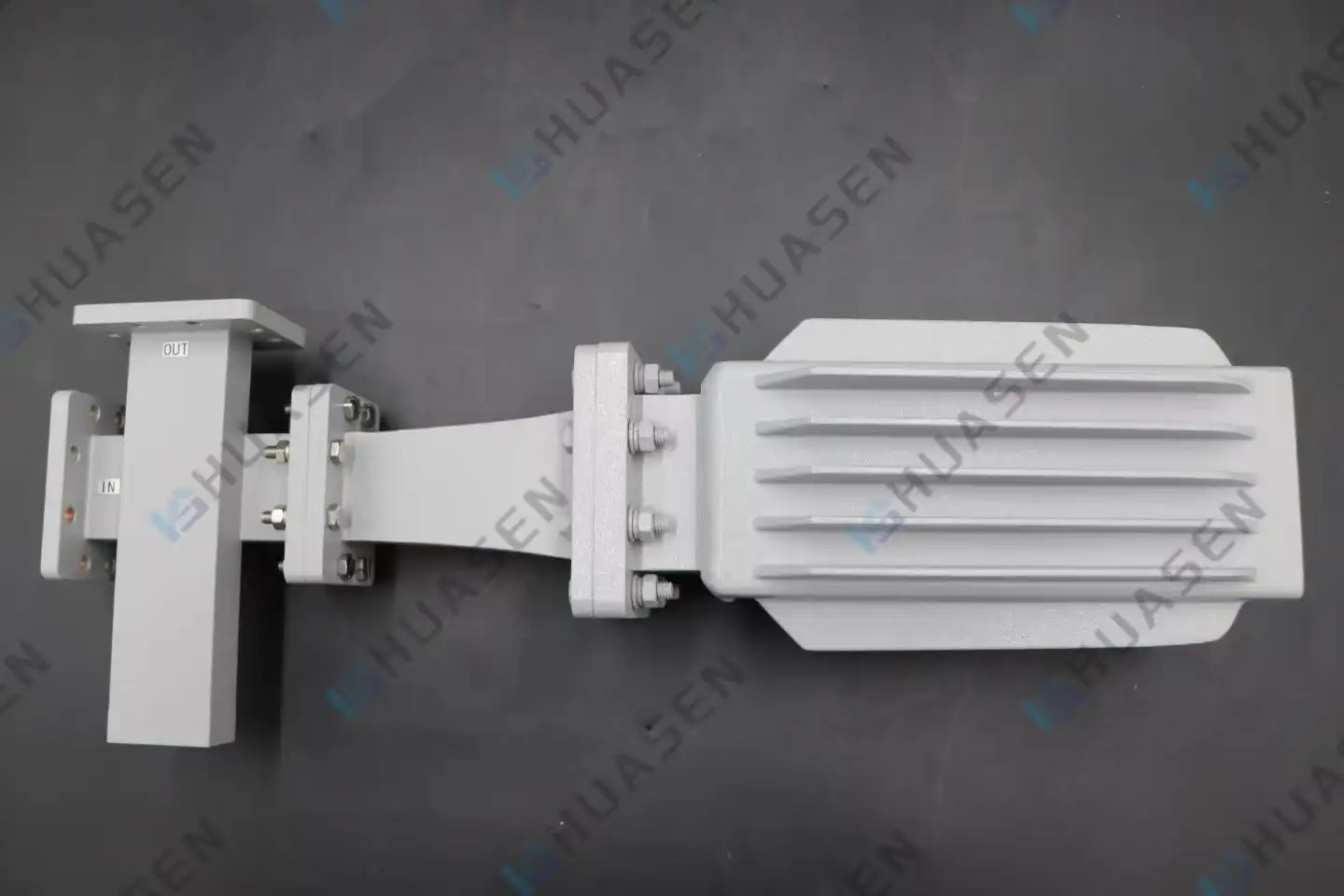
Coaxial Fixed Attenuator: Power Handling & dB Value Guide
To choose the best Coaxial Fixed Attenuator, you need to find a balance between two important factors: the reduction value (measured in dB) and the power handling ability. Power handling is the most RF energy that a device can safely give off without getting too hot or losing its performance. It usually ranges from 1 watt for small SMA ports to 500 watts for ruggedised N-type housings. When attenuation is high (30 dB to 50 dB), it saves sensitive receivers from overload, and when attenuation is low (3 dB to 10 dB), it fine-tunes impedance matching in calibration sets. To keep signals strong in telecommunications and radar uses from DC to 18 GHz, engineers must match these specs to the needs of the system, taking into account frequency response smoothness and VSWR performance.VIEW MORE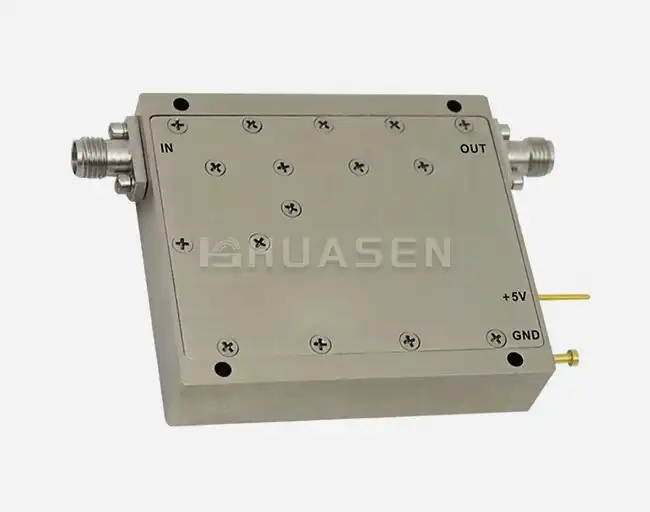
High-Power Power Limiter for CW and Pulsed RF Signals
When signal jumps happen without warning in radar or telecommunications sites, it can be very bad for RF engineers. A Power Limiter is the first line of defence; it cleverly cuts down on too much input power to protect sensitive parts further down the line, such as low-noise amps, mixers, and receivers. Unlike static attenuators, these devices change based on the strength of the receiving signal. They stay clear when they're working normally and stop dangerous spikes in nanoseconds. This ability to self-regulate is very useful in 5G base stations, satellite transponders, electronic warfare platforms, and test instruments, where equipment downtime directly leads to lost money and work.VIEW MORE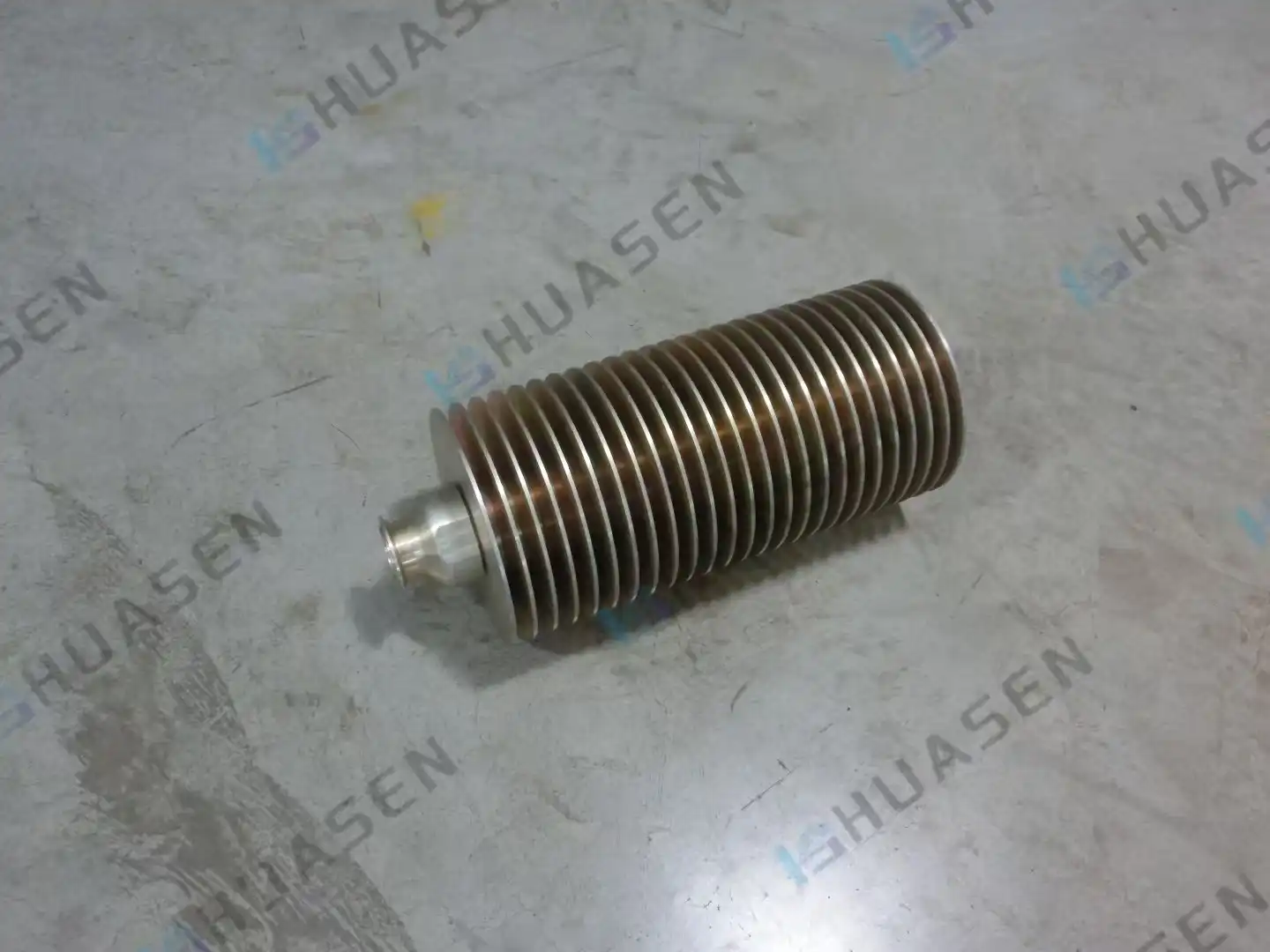
Precision 50 Ohm Coaxial Load for Microwave Test Benches
A precise 50 Ohm Coaxial Load is an important part of microwave test benches because it absorbs RF energy with little bounce to keep the signal's integrity. These specialised parts, unlike general-purpose fake loads, provide ultra-low VSWR performance over wide frequency ranges, which guarantees accurate readings in serious situations. These loads are important for engineers who work with 5G base stations, satellite communications, and radar tests because they keep sensitive equipment safe and check the performance of the system. In order to choose the right Coaxial Load for your testing setting, you need to know about its impedance, power handling ability, and frequency response.VIEW MORE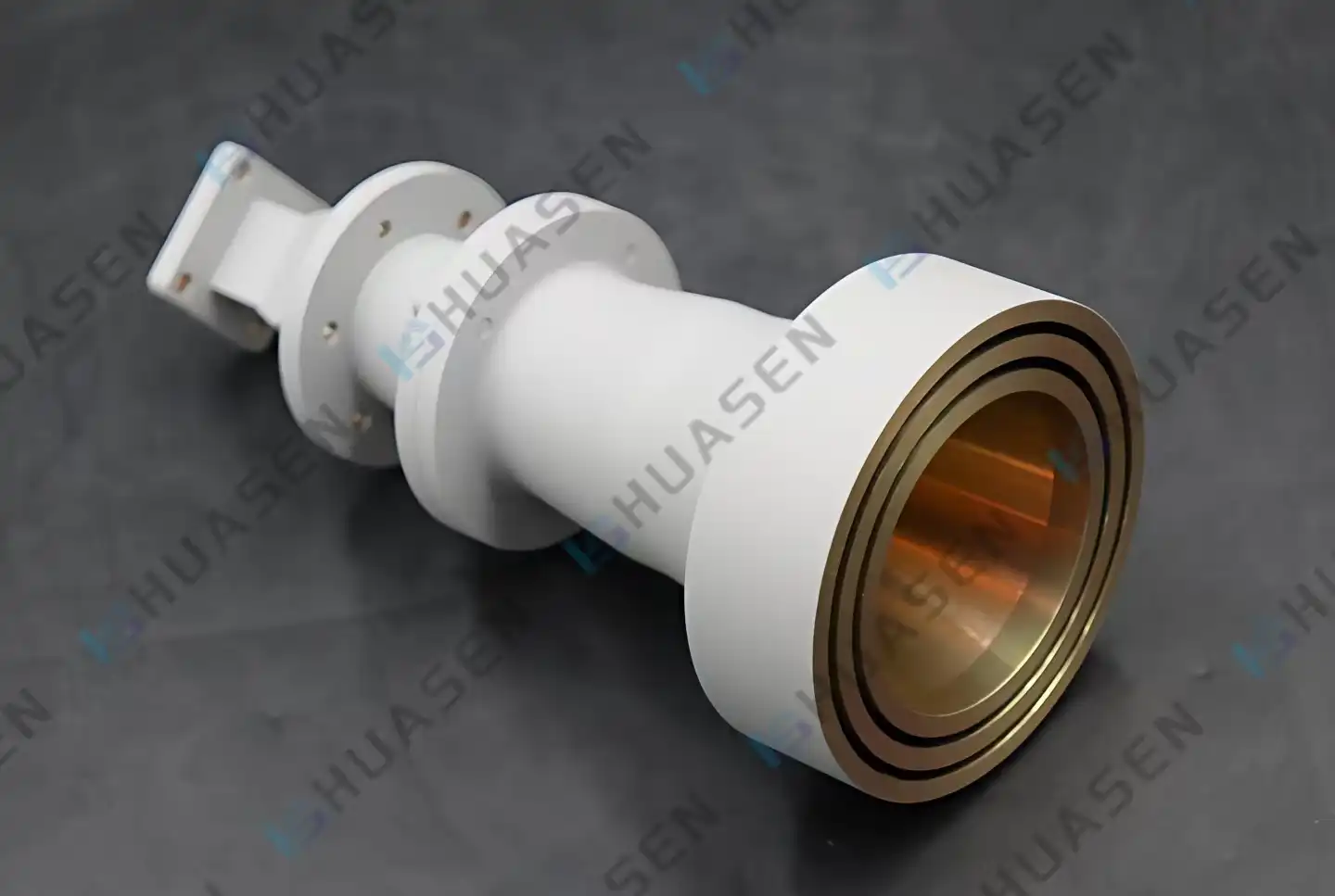
Corrugated Conical Horn Antenna: Beamwidth & Sidelobe Guide
When building high-frequency communication systems, it is very important to choose an antenna with the right beamwidth and few sidelobes so that signals are sent accurately. The corrugated conical horn antenna is one of a kind because it has a special internal groove structure that handles problems like interference and uneven patterns. This antenna's HE11 hybrid mode creates rotationally symmetric radiation patterns with better cross-polarisation suppression. This makes it an essential tool for satellite feeds, radio astronomy, and small antenna test areas where signal clarity is key to system success.VIEW MORE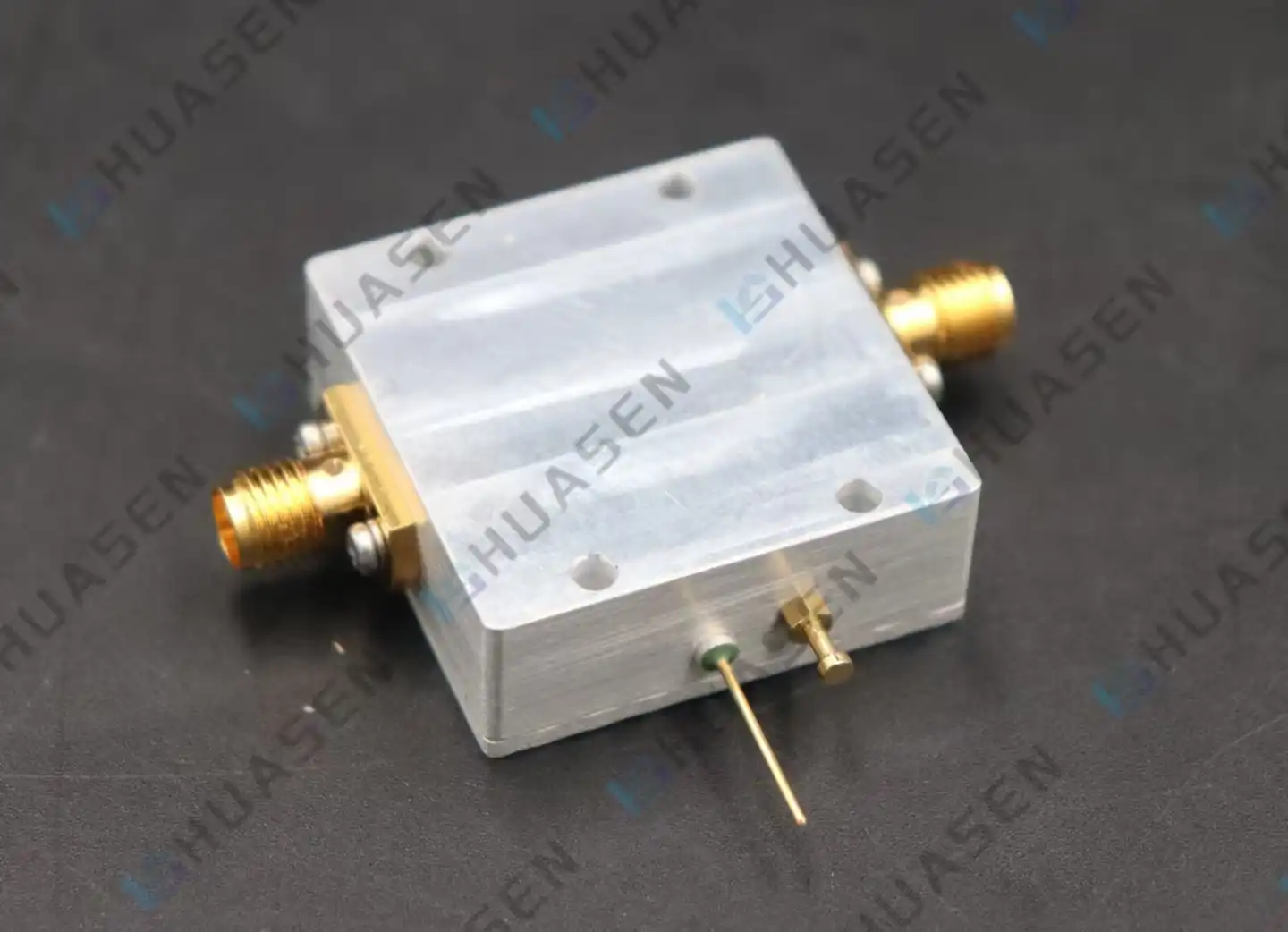
Active Detector Selection: Dynamic Range & Frequency Guide
To choose the correct Active Detector for RF and microwave uses, you need to know a lot about its dynamic range and frequency range. We've been helping engineers and buying specialists make these technical decisions for more than 30 years at Huasen Microwave. High-frequency energy is transformed into usable power levels by an Active Detector, which acts as the vital link between RF signals and monitoring devices. When you need accurate demodulation over a wide frequency range (10 MHz to 44 GHz) while keeping excellent accuracy in harsh temperature conditions, dynamic range and frequency response become the most important factors in your selection process.VIEW MORE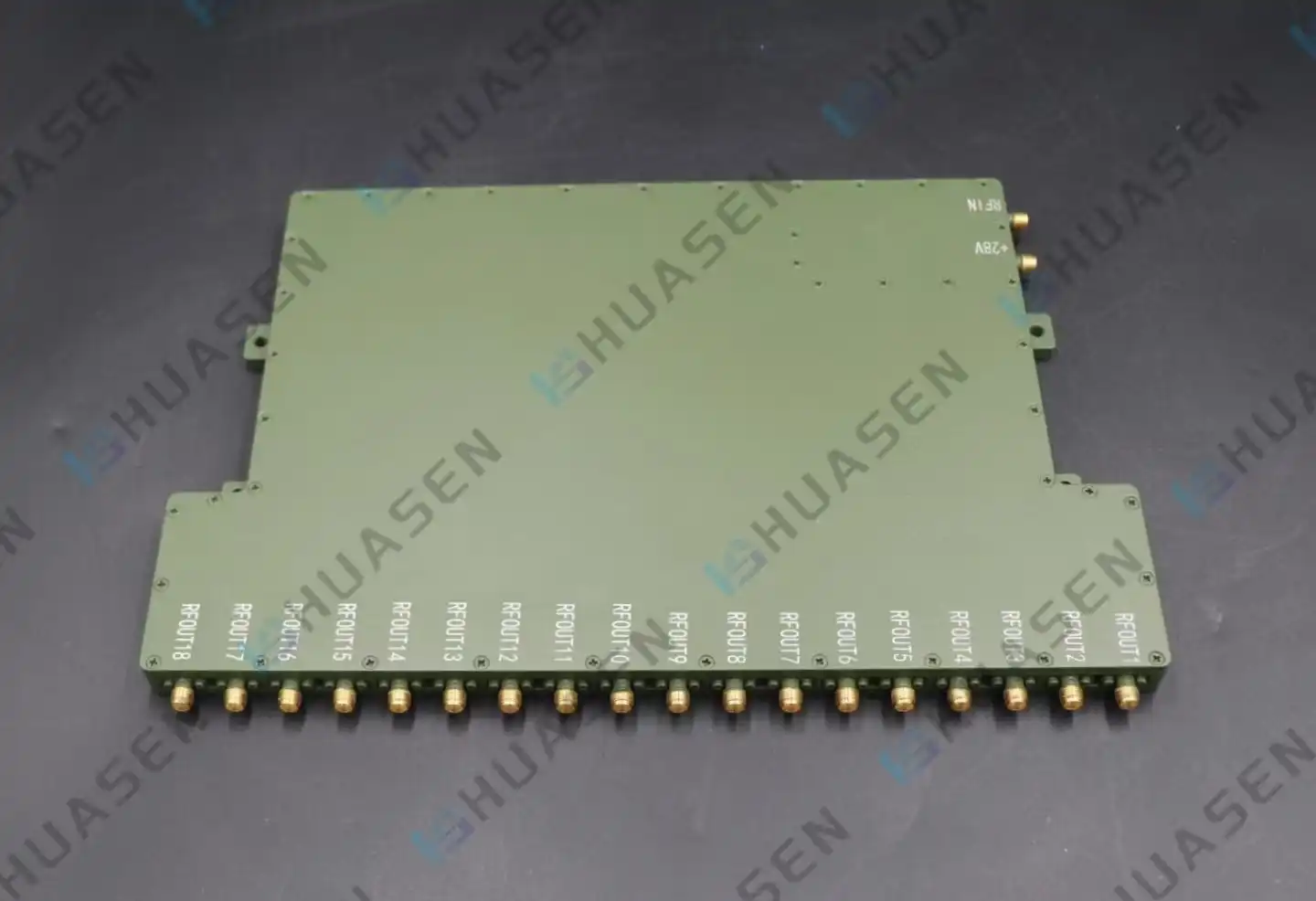
How to Select a DC Power Amplifier for Broadband Use
To choose the best DC Power Amplifier for broadband uses, you need to carefully look at its performance specs, working needs, and ability to work with your specific RF system. A DC Power Amplifier works by boosting weak radio waves over a wide frequency range, usually between 0.1 GHz and 40 GHz, using a direct current source and no extra AC-DC converters. When setting up 5G base stations, satellite communication links, or radar systems that need to send high-fidelity signals, it's important to make sure that the bandwidth, output power, uniformity requirements, and heat stability all meet your needs.VIEW MORE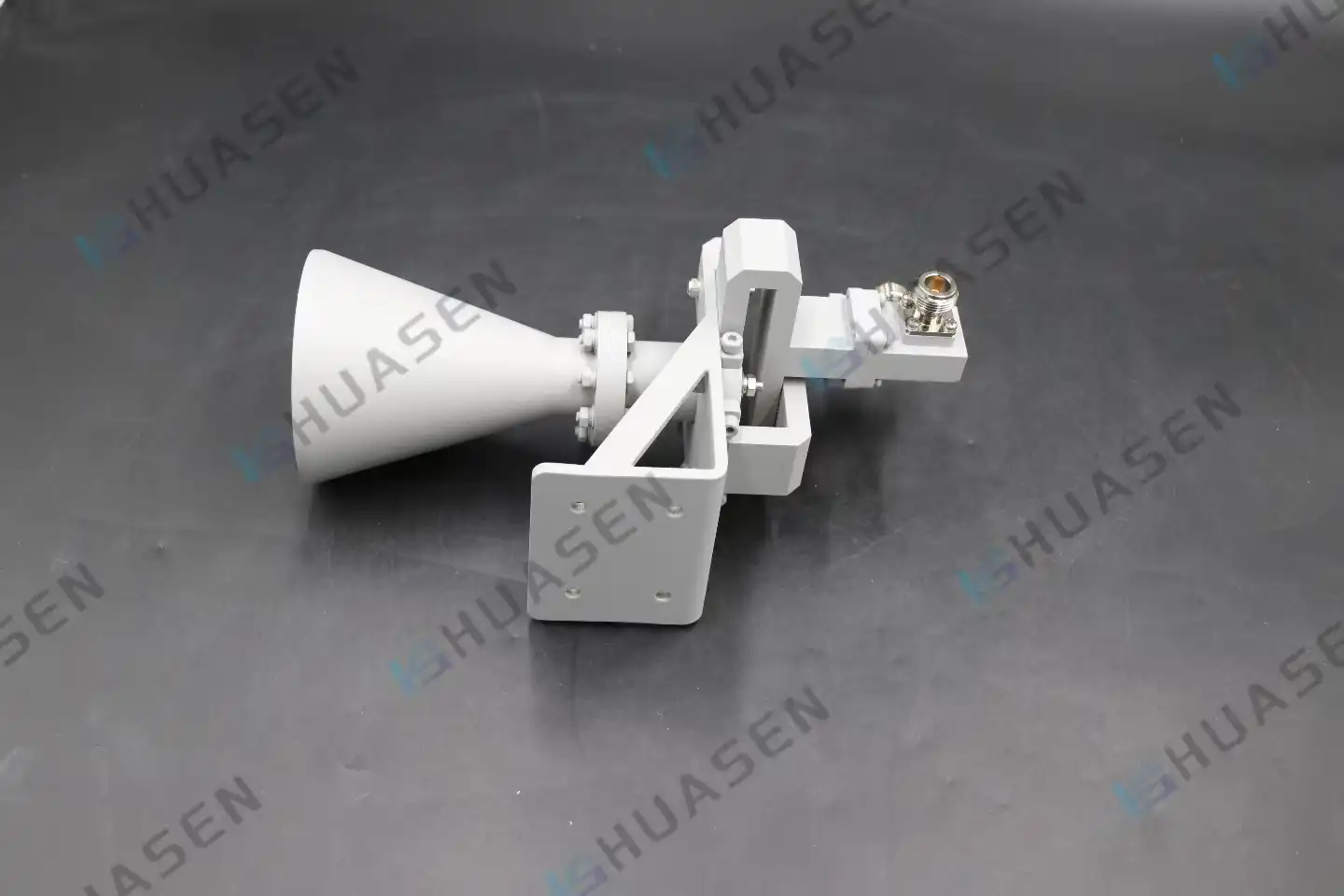
Dual Polarized Horn Antenna vs Single Polarized Horn Explained
Understanding the main differences between a dual polarized horn antenna and a dual polarized horn antenna can make a big difference in how well your system runs. Two different polarisation waves can be sent and received at the same time through a single opening on a dual polarized horn antenna. This doubles the channel capacity without adding any extra room. Single polarised models only deal with one polarisation plane, which makes them simple but limits their usefulness. This difference impacts how well bandwidth is used, how well isolation works, and how hard it is to put in radar, satellite, and telecommunications apps.VIEW MORE
- 1
- 5
- 6
- 7
- 8
- 9
- 60
Total 60 pages
