High-Power Power Limiter for CW and Pulsed RF Signals






2026-06-29 21:52:44
When signal jumps happen without warning in radar or telecommunications sites, it can be very bad for RF engineers. A Power Limiter is the first line of defence; it cleverly cuts down on too much input power to protect sensitive parts further down the line, such as low-noise amps, mixers, and receivers. Unlike static attenuators, these devices change based on the strength of the receiving signal. They stay clear when they're working normally and stop dangerous spikes in nanoseconds. This ability to self-regulate is very useful in 5G base stations, satellite transponders, electronic warfare platforms, and test instruments, where equipment downtime directly leads to lost money and work.
Understanding High-Power Power Limiters for CW and Pulsed RF Signals
For RF security, you need more than just regular circuit breakers. Power Limiters are different because they have special features that make them work in high-frequency areas where regular electrical safety measures don't work.
Core Protection Mechanism and Operational Principles
RF limiters work by using passive diode networks, usually in the form of PIN or Schottky setups, that have low-impedance lines to ground when the signal amplitude goes over certain limits. These diodes stay reverse-biased when the signal is normal, causing very little insertion loss (often less than 1.5 dB). When the input power goes over the limiting level, which is usually set between +10 dBm and +20 dBm, the diodes quickly forward-bias, sending extra energy away from receiver stages that could be damaged. This process happens without any outside reference voltage, so it can keep working even if the power goes out.
Continuous wave signals need to be able to keep losing heat, while pulsed signals put a higher value on peak power handling and return speed. A limiter that is rated for 100-watt continuous wave (CW) operation might be able to handle kilowatt-level spikes that last for microseconds without any problems, as long as the average power stays below temperature limits. Recovery time, or the amount of time needed to return to a low-loss state after a pulse event, has a direct effect on system blind zones in radar applications where it's important to pick up tiny echoes right after transmission pulses.
Distinguishing Limiters from Related RF Components
A lot of buying teams get limiters mixed up with attenuators or regulators. Standard attenuators lower signals in a set or changeable way at all power levels, which unnecessarily weakens signals. Power controllers use feedback circuits to keep the output steady, but they need power from outside sources and are more complicated. RF limiters have the best features: they let wanted signals pass through without any problems, and they automatically protect against overpower situations. This difference is important when choosing parts for receiver chains because keeping the noise figure low is very important while also making sure the equipment can handle harsh electromagnetic conditions or problems.
Broadband Power Limiters that work across multiple octave bands, like 2-18 GHz, give system builders a lot of options and get rid of the need for protection devices that only work at certain frequencies. This wide bandwidth feature makes it easier to keep track of supplies and lowers the cost of bills of materials. This solves a major problem for big integrators who have to handle different frequency allocations for 5G, satellite, and military communications.
Key Features and Benefits of High-Power RF Power Limiters
To choose the right restricting devices, you need to know how technical details translate into business benefits. These are the most important things to system integrators:
- Low insertion loss keeps the receiver's sensitivity by limiting the amount of extra noise it adds. Quality devices have less than a 1 dB loss across all operating bands, which means they can still identify weak signals. In satellite ground stations, where every tenth of a decibel can affect link budget gaps, this standard is very important.
- Fast response time depends on how quickly the system responds. Devices with reaction times less than 100 nanoseconds stop even short overload transients from reaching sensitive joints. This stops pulses that happen faster than a normal circuit breaker's response time. Rapid recovery is especially helpful for radar systems because it cuts down on target blind spots after each send pulse.
- Controlled leakage power defines the highest amount of energy that can pass through during limiting action. There are different types of leakage, called flat leakage (steady-state clamping level) and spike leakage (initial sudden energy). High-performance Power Limiters keep output below +17 dBm even when kilowatt inputs are applied, giving downstream amplifier steps measurable safety margins.
- Robust power handling separates commercial-grade devices from military-spec devices. Peak power ratings up to kilowatts can handle radar emitter leakage, and steady CW ratings between 1 and 10 watts can handle ongoing carrier uses. These scores are directly affected by how well the housing materials handle heat.
When emitters are close to each other and couple into neighbouring receiver paths, which often happens in densely populated cities, these features keep the base station front ends from failing completely. Limiters are used in test labs to keep expensive vector network analysers from making high-power links by mistake while the devices are being characterised. Electronic warfare devices that work in crowded electromagnetic spectrums need limiters to stay aware of their surroundings even when they are close to high-power helpful transmitters.
Compliance with military and aerospace standards (MIL-STD-883, DO-160) validates environmental resistance through recorded tests for thermal shock, vibration, and hermeticity. These certificates are important when choosing parts for platforms in the air, sites at sea, or any other use where failures in the field could have bad results.
How to Choose the Best High-Power Power Limiter for CW and Pulsed RF Signals
Systematic evaluation systems that match device features to application needs help with purchasing choices.
Segmenting Use Cases and Application Profiles
In laboratories, accuracy and consistency are very important. For instrument safety, the limits must stay the same over a wide range of temperatures and with time. Claims of measurement accuracy must be backed up by traceable calibration data. Broadband access is usually needed by research schools to run a wide range of tests without having to swap out parts all the time.
Industrial telecoms systems focus on being long-lasting and low-cost on a large scale. Base station builders who are putting in thousands of units like to use devices that have proven MTBF numbers, standard SMA or N-type connections that make replacement easier in the field, and price structures that allow for large purchases. In return for wider temperature ranges and better surge protection, these uses often put up with a little more insertion loss.
OEM equipment makers who put Broadband PowerLimiters in their own systems value being able to customise them. Customised frequency responses, unique package layouts, and pre-qualified reliability data shorten the time it takes to make a product while still making sure that it meets customer requirements for performance.
Critical Selection Criteria and Technical Tradeoffs
To choose a power grade, you need to look at both the peak and average power levels. A pulsed radar with a high output of 10 kW and a duty cycle of 10% needs an average power of 1 kW, so it needs to be checked that both of these requirements are within the device's values. If you don't give enough weight to either measure, heat runaway, or diode junction failure could happen.
VSWR and insertion loss are affected by the frequency range. Broader bandwidth usually means slightly worse performance at the edges of the band compared to narrowband options. When system builders choose between octave-spanning and band-specific devices, they have to weigh the benefits of simplifying the inventory against the possible effects on the noise figure.
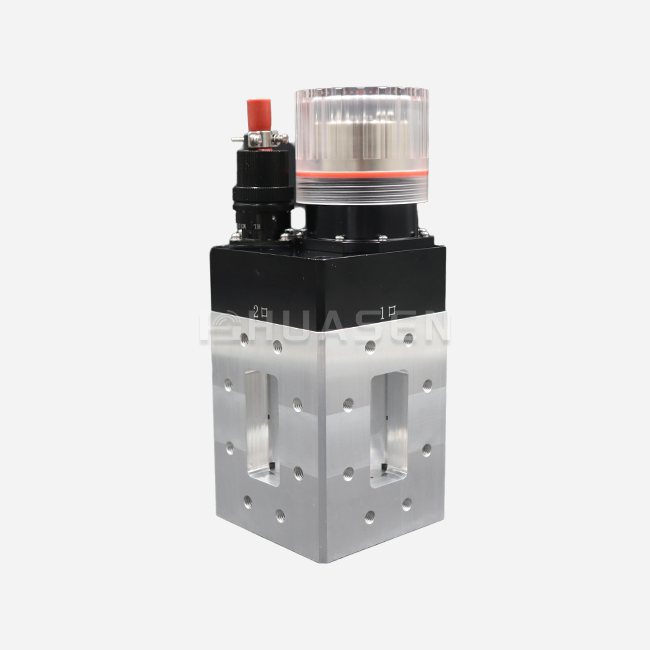
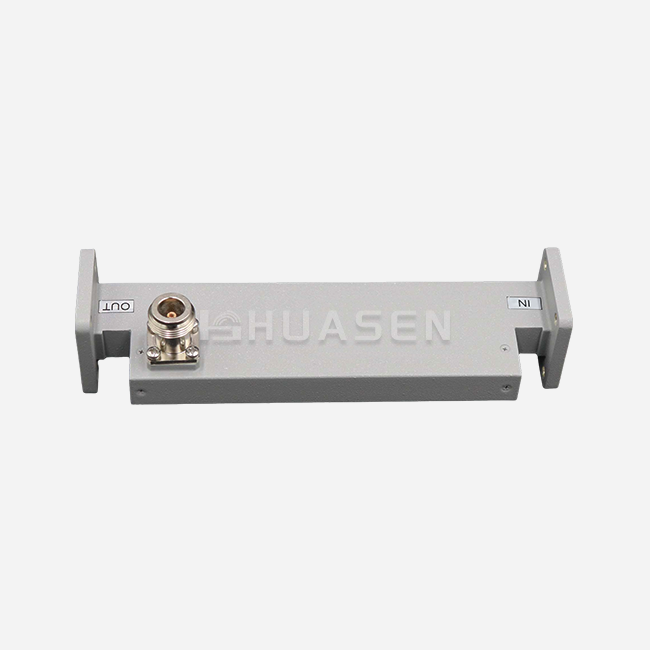
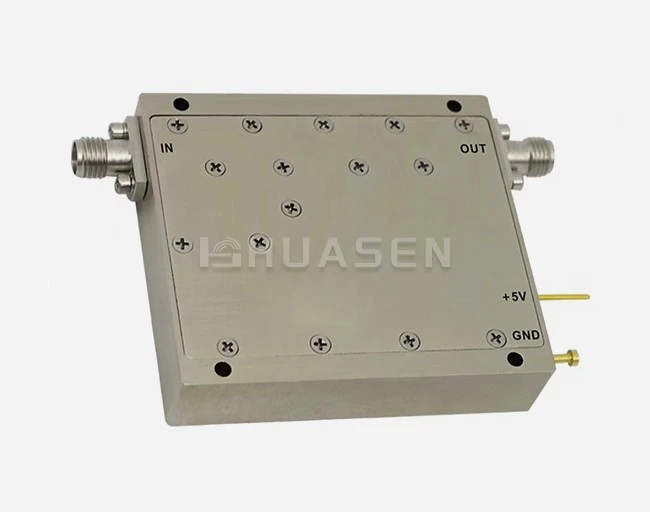
Mechanical integration considerations include connector compatibility, mounting options, and weather sealing. For outdoor use, housings with an IP67 rating and finishes that don't rust are needed. In aircraft, uses need lightweight aluminium or titanium construction that doesn't go over strict mass budgets. The Huasen Microwave Broadband Power Limiter is a great example of these goals. Its nickel-plated aluminium housing weighs less than 100 grams and is easy to fit into tight spaces while also being very good at transferring heat.
Evaluating Supplier Capabilities and Support Infrastructure
Beyond the specs of the gadget, a seller should be judged on how well they provide technical support, how quickly they respond to customisation requests, and how stable their supply chain is. Suppliers who offer design help during system integration, such as S-parameter data, help with temperature modelling, and sample evaluation programs, lower the risk of development. Quality systems that are documented and meet ISO 9001 and AS9100 standards show that the process is mature enough for use in aircraft and defence.
Delivery times and minimum order amounts have a big effect on how long projects take and how much it costs to keep supplies on hand. Well-known companies usually keep standard setups in stock and offer reasonable lead times for special variations. Warranty terms and failure analysis help show that you trust the product's trustworthiness while also giving you options for dealing with problems that come up out of the blue in the field.
Installation, Maintenance, and Troubleshooting of High-Power Power Limiters
When limiters are put in place correctly, they work better and last longer.
Best Practices for System Integration
The physical location is very important. The best defence is to put Power Limiters right after the antennas or at the front ends of the receivers, but this adds insertion loss to the signal line that is most sensitive. Changing where the original gain steps are placed lowers the effect on the noise figure, but higher power limiting devices are needed to handle signals that have been amplified. This trade-off needs a thorough look at the link budget.
Connector torque requirements must be followed to ensure proper RF sealing and mechanical reliability. When connections are under-torqued, impedance breaks show up as VSWR spikes, and when they are over-torqued, the threads on the connectors are damaged or insulating materials are crushed. These problems can be avoided by using accurate torque tools and following the manufacturer's instructions.
Environmental considerations include the working temperature ranges, the amount of humidity, and the vibration patterns, for outdoor base stations and aerospace platforms, devices rated for extended temperature extremes (-55°C to +125°C) work well. For climate-controlled equipment rooms, standard business values (-40°C to +85°C) are enough. Internal diode joints are kept dry by conformal covering or hermetic closing, which lowers performance over time.
Routine Maintenance and Performance Verification
Compared to active electronics, passive limiters don't need as much upkeep. Using network analysers to take regular VSWR readings confirms the integrity of the mechanical link and finds corrosion or contamination that could affect the RF interfaces. By looking at the trend of insertion loss over working life, you can see that the component is slowly losing its protective ability, which means it needs to be replaced before it does.
Cleaning protocols involve approved solvents (isopropyl alcohol) applied to connecting surfaces to get rid of any buildup of dirt or oxidation. When you clean with rough tools, you might damage metal surfaces, which would lower the quality of the contact and make passive intermodulation distortion worse in the gearbox routes.
Common Issues and Diagnostic Approaches
Sudden insertion loss increases often indicate thermal damage from exceeded power ratings. A visual check might show housings or connections that are discoloured, which could mean that they have been overheated. When the diode junction breaks down, it affects both the accuracy of the limiting cutoff and the clarity of the small signals.
Intermittent limiting action despite constant input power suggests temperature-dependent threshold shifts. Devices experiencing this behaviour may have internal bond wire degradation or package seal failures, allowing moisture ingress. Thermal cycling tests under laboratory conditions isolate temperature-related failures, though field replacement typically proves more cost-effective than extensive troubleshooting.
VSWR degradation without corresponding insertion loss changes points to connector issues rather than internal limiter damage. Reseating connections with proper torque often resolves these symptoms, though repeated occurrences warrant connector replacement.
Procurement and Supply Considerations for B2B Buyers
Effective sourcing strategies (RF Limiter) strike a balance between the need for success and the facts of business.
Identifying Reliable Supply Channels
When buying in bulk, direct interaction with the manufacturer is best for situations where customisation or long-term supply deals are valuable. Companies like Huasen Microwave Technology, founded in 1993 with decades of experience, offer technical teamwork during specification development as well as manufacturing scalability. Direct ties often let you get better prices and more space for a Power Limiter project.
Authorised wholesalers let you buy from multiple makers at once, which is helpful for smaller orders or a wide range of component needs. Reliable distributors keep expert staff on hand who can cross-reference specs and offer alternatives. However, markup structures make them less cost-competitive than direct buying for large-scale projects.
Online business-to-business (B2B) sites make it easier to compare prices and buy common catalogue items quickly. These channels work well for developing prototypes and replacing parts quickly when speed is more important than saving money. However, it is still important to check the legitimacy of the seller and the origin of the parts to avoid the fake devices that are common in the RF component markets.
Negotiating Terms and Managing Supplier Relationships
Pricing tiers based on volume have a big effect on the total cost of the program. By negotiating blanket purchase orders with planned releases, you can be sure that the supply of parts will match your production schedules and keep costs under control. When a certain number is reached, suppliers usually offer savings of 10 to 30 per cent. This makes it important to accurately predict demand.
Quality providers stand out by offering warranties and reliable support. Standard guarantees last between one and three years, but for important uses, you can get longer coverage. When things go wrong in the field, disruptions are kept to a minimum by having clear RMA processes and quick expert help. Asking for written MTBF data and failure mode studies shows that the seller trusts the reliability of the product.
Lead time management requires balancing inventory carrying costs against stockout risks. Establishing consignment inventory deals or vendor-managed inventory programs lets sellers handle storage while still making sure that parts are always available. These setups work best for manufacturing companies that make a lot of things and know how much people will buy.
Conclusion
High-Power Limiters are important in the defence, aircraft, and telecoms industries to protect against damaging expensive RF equipment. Their passive operation, quick reaction, and widespread meet basic security needs while keeping the integrity of the signal. These ideas are shown by the Huasen Microwave Broadband Power Limiter, which is built to last, has been tested thoroughly, and has performance specs that are perfect for tough B2B uses. To do a good job of procurement, you need to know about application-specific power profiles, weigh technical trade-offs, and work with providers who can provide both scientific depth and reliable manufacturing.
FAQ
1. What distinguishes a Power Limiter from an Attenuator?
Attenuators weaken signals across all power levels, which affects weak signals more than it needs to. Power Limiters don't react to low-level signs; they only turn on when input levels go above certain limits. This selective protection keeps the receiver's sensitivity while keeping it safe from damage caused by high-power transients—a critical distinction for front-end receiver uses where noise figure is important.
2. Can a single limiter protect against both CW and pulsed signals?
Broadband limiters that are good can handle both types of signals, though rates vary. Peak power standards tell you how to handle pulses, and CW rates tell you how well the device can keep cooling down over time. Because of heat limits, a gadget that can handle 1-kilowatt waves might only be able to handle 5 watts CW safely. To avoid thermal breakdowns, the right way to use something is to make sure that both of its specs fit the needs of the system.
3. How often do limiters require replacement?
When used within their values, passive limiters have a very long life—often more than ten years in safe settings. When overpower events go over peak scores or when insertion loss data show degradation, replacement is needed. During routine maintenance, devices that need to be replaced before their security starts to fail are checked for performance on a regular basis.
Partner with Huasen Microwave for Reliable RF Protection Solutions
Protection for proven parts is the first step to making a system reliable. Every Broadband Power Limiter that Huasen Microwave makes is backed by more than 30 years of experience in RF engineering. Our products have been thoroughly tried for efficiency in terms of insertion loss, VSWR, and power handling. They also come with full calibration data and MIL-standard environmental approval. Protecting 5G infrastructure, satellite ground stations, or test equipment is easy with our lightweight aluminium housings that connect via SMA-K. They fit perfectly into tight spaces. As a reliable manufacturer, we help procurement teams with quick technical support, the ability to make changes, and the security of the supply chain that is needed for mission-critical projects. Get in touch with sales@huasenmicrowave.com to talk about your safety needs and get suggestions that are specific to your business.
References
1. Pozar, David M. Microwave Engineering, 4th Edition. Hoboken: John Wiley & Sons, 2011.
2. Maas, Stephen A. Nonlinear Microwave and RF Circuits, 2nd Edition. Boston: Artech House, 2003.
3. Colantonio, Paolo, et al. High Efficiency RF and Microwave Solid State Power Amplifiers. Chichester: John Wiley & Sons, 2009.
4. Golio, Mike and Janet Golio, editors. RF and Microwave Passive and Active Technologies. Boca Raton: CRC Press, 2018.
5. Military Standard MIL-STD-883H, Test Method Standard for Microcircuits. Washington: U.S. Department of Defense, 2010.
6. White, Joseph F. High Frequency Techniques: An Introduction to RF and Microwave Engineering. Hoboken: John Wiley & Sons, 2004.
Send Inquiry