How Does a Coaxial Adapter Affect RF Signal Quality?






2026-06-30 21:29:03
A coaxial adapter changes the quality of an RF signal directly by adding places of impedance discontinuity, insertion loss, and return loss to the transmission line. These carefully made parts connect different types of connectors, whether they are from one line to another, like SMA to N-Type, or between genders in the same family. Quality coaxial adapters keep signals intact with little loss when they are fitted and described correctly. At operating frequencies, they usually add less than 0.2 dB of insertion loss. However, bad materials, incorrect mating torque, or impedance mismatches can cause reflections that are measured by a high VSWR (Voltage Standing Wave Ratio). This makes power transfer less efficient and creates interference patterns that lower overall system performance in demanding applications such as 5G base stations and aerospace radar systems.
Understanding Coaxial Adapters and Their Role in RF Signal Transmission
Coaxial adapters are necessary for RF communication systems because they make it easy for parts to connect to each other. These passive electromechanical devices are the key points where electromagnetic signals can connect and flow freely between emitters, wires, antennas, and test equipment.
What Defines a Precision Coaxial Adapter
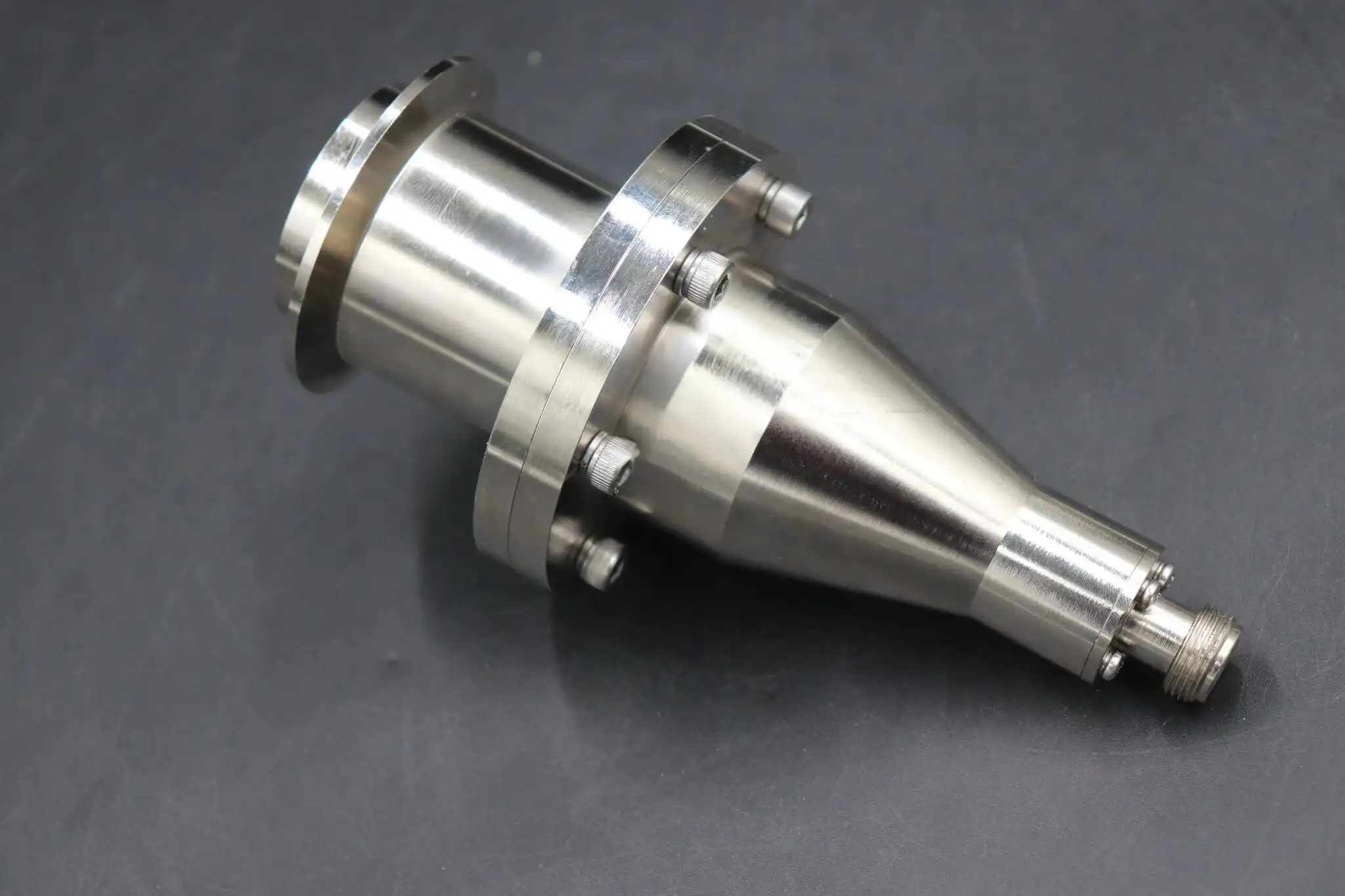
The research that went into making these parts shows how complicated they are. A coaxial adapter has electrical bodies that are precisely cut and are usually made of brass that has been plated with nickel or gold. The center contacts are made of beryllium copper or phosphor bronze. The dielectric insulator, which is generally new PTFE, keeps its electrical properties steady even when the temperature changes. Depending on the coaxial adapter series, this construction can work from DC to 110 GHz. For telephony and data uses, the characteristic impedance is 50Ω, and for video distribution systems, it is 75Ω.
Common Adapter Configurations in Industrial Settings
Different types of coaxial adapters are used by B2B buying teams to solve different connection problems. Inter-series coaxial adapters connect different types of connectors, so a 4.3-10 base station antenna can connect to old N-Type feedline systems. Gender swaps change male plugs to female plugs in the same line. This keeps expensive vector network analyzer ports from getting worn out. Right-angle coaxial adapters make up for limited space in equipment racks that are packed closely together, and bulkhead coaxial adapters let you put equipment cases on a panel and allow external RF access.
How Signal Quality Metrics Reveal Adapter Performance
Knowing the basic factors helps people who buy things decide if a component is right for the job. Insertion loss measures how much the signal is weakened as it goes through the coaxial adapter. Good units have less than 0.15 dB loss at their rated frequencies. Return loss measures the energy that is returned due to impedance mismatches. High-performance coaxial adapters can get better than 25 dB return loss. VSWR combines these factors into a single ratio. Values close to 1.15:1 or lower mean that the impedance matching is very good. In situations like satellite uplinks, where every tenth of a decibel changes link budget estimates and system reserves, these specs become even more important.
There are places where signals could get lost because of the actual break that a connector contact makes. When two coaxial adapters mate, the center wires must stay perfectly aligned with each other, and the outer conductors must provide protection that doesn't get broken. Impedance changes are caused by even very small gaps or misalignments. These changes send parts of the signal back to the source instead of sending them forward to the load.
Key Factors Affecting RF Signal Quality Through Coaxial Adapters
Several technical and environmental factors work together to make signal loss through interconnects worse in complex RF systems.
Material Selection and Manufacturing Precision
Long-term dependability is largely determined by the base metals and coating materials that are used. For business installs, brass bodies are easy to machine and conduct electricity well, while test equipment that goes through thousands of mating cycles will last longer with stainless steel construction. Pay close attention to the center contact plating—hard gold plating can handle many connections without breaking down, but regular finishes can get rust layers that make contacts less reliable over time. This resistance can directly cause insertion loss and can cause inactive intermodulation products in high-power emitter settings.
Tolerances in manufacturing determine how exactly two areas should line up. High-precision coaxial adapters keep the center wire concentricity within micrometers. This keeps the electromagnetic field pattern from changing as it moves through the joint. When you use cheaper parts with looser standards, they cause impedance bumps that reflect signal energy, which can be seen as higher VSWR values that make power transfer less efficient.
Impedance Management Across Transitions
Impedance matching may be the most important thing that affects communication clarity. The 50Ω standard is mostly used in radar, test instruments, and telecommunications. 75Ω systems are used for video sharing and some antenna tasks. When you mix impedance standards without changing them first, echoes happen that make standing waves on the transmission line. In video systems, this shows up as ghosting artifacts that can be seen. If the safety circuits in emitters don't find the mismatch situation quickly enough, reflected power can hurt the output stages.
Even in systems that are supposed to be perfectly matched, manufacturing differences and effects that depend on frequency can cause small changes in the resistance. To keep the impedance the same across their stated frequency range, good coaxial adapters use carefully sized dielectric supports and carefully controlled center wire design.
Environmental Stresses and Installation Practices
Outdoor projects are subject to UV light, wetness, and changes in temperature that wear down materials over time. When water gets into the surfaces of connectors, it changes the dielectric properties, which leads to more loss and rust, which makes things even worse. Military-grade coaxial adapters that meet MIL-STD standards have passivated and sealed finishes that can handle salt spray and temperature changes from -55°C to +125°C.
The method of installation is just as important as the quality of the parts. When you under-torque connections, they make irregular contact and let water in. On the other hand, when you over-torque them, you break the threads and crush the dielectric insulators. Test labs use calibrated torque tools to apply values given by the maker. For SMA connectors, these values are usually between 8 and 12 inch-pounds. This level of accuracy isn't always present in field setups, which introduces variation that lowers the performance of the whole system.
How to Choose the Right Coaxial Adapter for Your Application
Matching the specs of the parts to the working needs is what separates successful deployments from installations that don't work right and need expensive fixes.
Application-Specific Selection Criteria
Base station equipment needs low-PIM coaxial adapters made of non-magnetic materials with few internal connections. Even intermodulation products as low as -153 dBc can block receiver sensitivity and lower uplink capacity when multiple carriers use shared antenna systems. For these uses, DIN 7-16 and 4.3-10 connections have become industry standards. They are better at keeping out the weather than older N-Type links while still providing great electrical performance.
Aerospace and defense systems put a high value on mechanical strength and resistance to shaking. Coaxial adapters have to keep the electricity flowing even when they are subjected to shock loads and changes in temperature during flight operations. Mechanical breakdowns that could affect mission-critical radar or transmission links are avoided by the stainless steel construction and captive center contacts.
Metrological accuracy is needed in the lab and for tests (coaxial cable connectors). Coaxial adapters that act as "connector savers" on network analyzer ports should make accurate measurement systems less unclear as clear as possible. The VSWR of these precise parts is better than 1.05:1, and they come with testing certificates that can be used to prove their performance across a wide range of frequencies.
Performance Metrics Driving Procurement Decisions
The upper operating limit is set by the frequency range. When it comes to WiFi bands up to 5.8 GHz, standard BNC coaxial adapters work fine up to 4 GHz but get very weak after that. By specifying parts with ratings higher than the highest system frequency, you can protect against performance loss. Insertion loss budgets need to take into account every coaxial adapter in the signal path. For example, five coaxial adapters adding 0.2 dB each add up to 1 dB of loss, which may be more than the link budget allows in sensitive receiver applications.
When installing transmitters, the ability to handle power is important. Coaxial adapters that are designed for constant high power can get rid of heat without breaking, but parts that are over their thermal limits break down or contact weld. In radar systems, microsecond pulses can hit kilowatt levels even though the average power isn't very high. This is why pulse power rates are important.
Compatibility Considerations Across System Architecture
Connector interface matching isn't the only thing that makes a cable type compatible. When it comes to termination hardware, semi-rigid or bendable low-loss lines used in cellular infrastructure are different from RG6 coaxial cable, which is widely used for video distribution. By making sure of technical compatibility, installation delays and changes made in the field can be avoided.
Choose a coaxial adapter based on how well it works with an existing system. To switch 4G base stations to 5G bands while keeping the same feedline infrastructure, coaxial adapters are needed to connect the new radio interfaces to the old cables. Custom solutions might be cheaper than replacing all of an infrastructure's parts, especially when you consider the costs of changes and the longer time it takes to deliver them.
Mitigating Common Pitfalls and Risks in Coaxial Adapter Procurement and Installation
Knowing how things can go wrong lets you handle risks proactively throughout the span of an item.
Specification Misunderstandings and Their Consequences
The most common buying mistake is getting confused about impedance. Assuming that all of a building's coaxial adapters have the same resistance results in mixing 50Ω and 75Ω parts, which creates reflection points in the distribution system. As signal-to-noise ratios drop, video setups lose quality that can be seen, and data systems have bit error rates go up.
Variants with reverse orientation add another level of difficulty. RP-SMA plugs, which are popular on WiFi gear, have a male body that holds a female pin receptacle. Standard coaxial adapters and RP connectors can't properly fit together, and forcing connections hurts the center contacts. In order to avoid expensive ordering mistakes, polarity standards must be clearly stated in the procurement specs.
Frequency limits are often not noticed until problems with integrating the system become clear. If you choose coaxial adapters based on the type of connection they have without checking their frequency ratings, you might end up with parts that weaken signals at working frequencies. The slight drop in performance might not cause system problems right away, but it does lower the margins that become important when propagation conditions are bad.
Installation Defects and Prevention Strategies
Field placement adds factors that aren't present in controlled lab settings. Cross-threading happens when workers push coaxial adapters that aren't lined up right, damaging the threads and making connections that aren't reliable and often break. This kind of damage can be avoided by teaching people the right way to join, like checking the alignment visually before adding torque.
When dirt, metal bits, or installation waste get into the wires, they make conductive paths between the center and outer conductors. Even very small contamination can increase insertion loss and even eliminate a signal completely at higher frequencies, where the skin effect concentrates current flow near the surface. Signal integrity is maintained by using a clean room for connection assembly and cleaning with compressed air and eye review with a magnifying glass.
When environmental protection fails, water can get in and damage contact surfaces and change the dielectric properties. For setups outside, you need coaxial adapters with built-in weather seals or extra boots that protect against water getting in. Inspection plans that happen on a regular basis catch problems before they get too bad to be fixed.
Quality Verification and Testing Protocols
Acceptance testing makes sure that the coaxial adapter works well before it is integrated into the system. Vector network analyzers check S-parameters that show resistance, insertion loss, and return loss over a wide range of frequencies. By comparing measured data to maker specs, broken pieces can be found before they are added to inventory.
Time-domain reflectometry finds changes in resistance along transmission routes, which helps find coaxial adapters that aren't working right in systems that are already in place. This monitoring feature is very helpful for fixing problems that sometimes happen, but only when certain conditions are met.
Performance drift that points to growing problems can be found by routine repair programs that include regular testing. By keeping an eye on insertion loss trends, you can see when contact wear or damage from the environment is causing degradation. This lets you change the parts before they break and stop operations. This proactive method keeps system performance at design levels and cuts down on unexpected downtime.
Procurement Strategies and Market Insights for Sourcing Coaxial Adapters
When you use strategic buying, you weigh the short-term costs against the total cost of ownership over the long run.
Evaluating Supplier Capabilities and Reputation
Components from well-known makers with decades of experience in RF engineering are guaranteed to meet published specs. Companies with ISO 9001 certifications have quality control systems that make sure their manufacturing methods are always the same. Approvals from the military and aircraft industries show that the product can meet strict performance and dependability standards.
Suppliers who can form partnerships are different from sellers of simple parts because they offer technical help. Getting help from engineers during the design of a system helps define the right parts, which helps avoid costly specification mistakes. Sample programs let you test for validity before committing to large amounts for production. Field problems are quickly fixed by responsive technical help, which keeps rollout delays to a minimum.
When planning infrastructure rollouts that will last months or years, supply chain security is important. When suppliers keep enough inventory and production capacity, project delays caused by missing parts are avoided. Building ties with several qualified sources gives you backup choices in case your main suppliers have problems.
Custom Solutions for Non-Standard Requirements
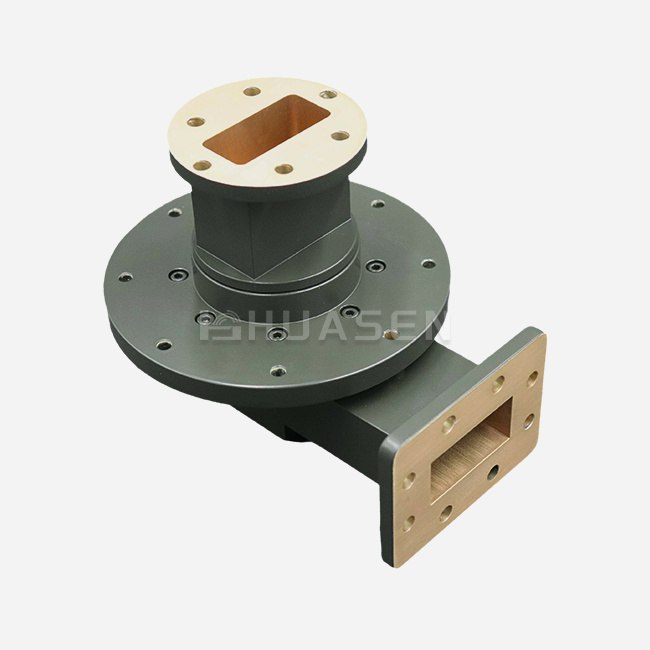
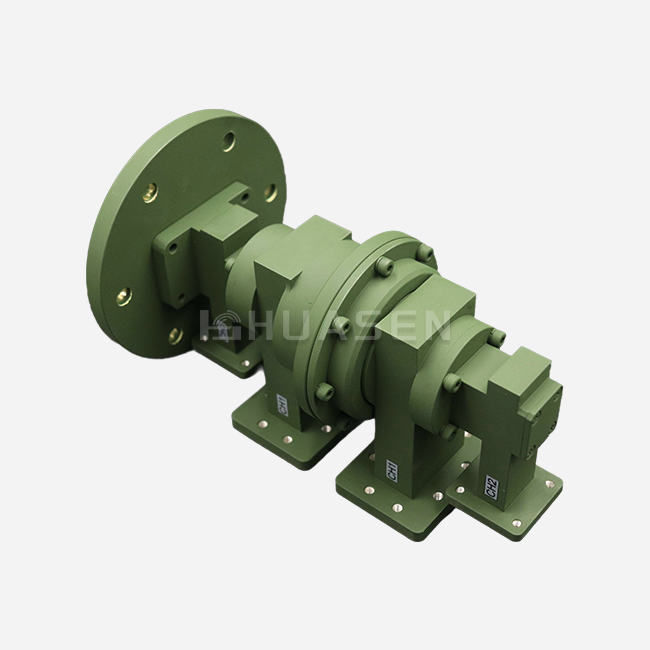
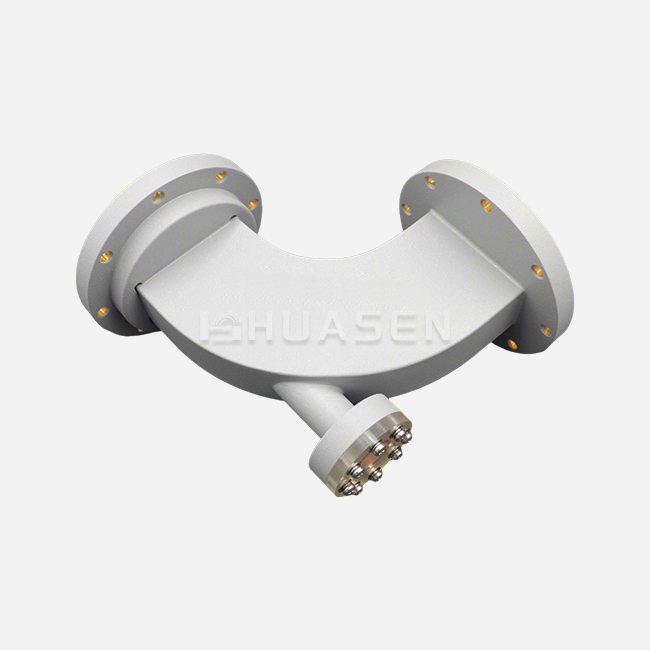
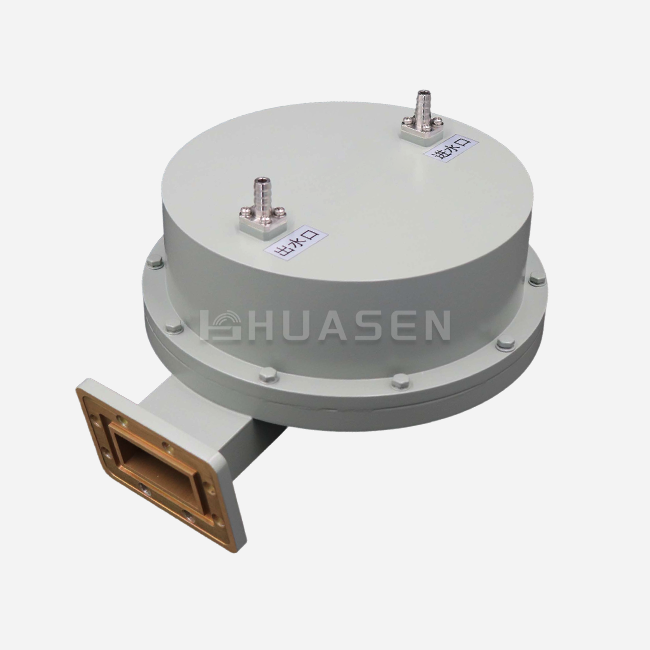
Common connection needs are met by standard catalogue components, but custom solutions are often needed for complex system designs. Huasen Microwave can make a waveguide-to-coaxial adapter that fits your needs in terms of size, interface, or frequency band. These solutions fix compatibility problems that standard components can't because they can change to non-standard system designs.
When different pieces of tools (coax connectors) are combined into one system, the benefits of customization become clear. Customized goods work with non-standard equipment connections, so you don't have to make expensive changes to old infrastructure. This method lowers the cost of modifications and speeds up system testing by making sure that mechanical and electrical compatibility is present from the start of installation. Purpose-built components that are optimized for specific uses work better than general-purpose alternatives when it comes to total integration efficiency.
Customization also takes into account the needs of each setting. Materials and building methods that are specifically designed for harsh environments like high shaking, extreme temperature ranges, or chemically aggressive atmospheres are better for equipment that works in those conditions. The technical work that goes into custom solutions often ends up being cheaper than replacing standard parts that don't work right when they break down early.
Total Cost Analysis Beyond Unit Price
Buying things based only on the lowest unit cost often leads to higher total ownership costs. When cheap coaxial adapters are made with loose standards, they have higher insertion loss and worse return loss, which hurts system performance and cuts into operational profits. The effect on signal quality gets worse when there are a lot of coaxial adapters in a complicated RF design. This could mean that more amplification levels are needed, which use more power and add noise.
Over the span of an item, changes in reliability affect how much it costs to maintain. The performance of high-end coaxial adapters with hard gold finishing and precise production doesn't change after thousands of mating cycles, but cheap coaxial adapters need to be replaced after only a few uses. Accessing installed coaxial adapters often costs more in labor than in parts, so dependability is the most important economic factor.
Risk-adjusted total cost takes into account things like warranty coverage and provider support. Suppliers who stand behind their goods with clear guarantee terms and quick claim handling lower their customers' financial risk from broken parts. When integration problems happen, having access to technical help saves a lot of money on costly trial-and-error fixing.
Conclusion
The quality of the RF signal going through coaxial adapters relies on how well the specifications are followed, how well the parts are made, and how well the fitting is done. These inactive parts look simple, but they are actually very well engineered to balance electrical performance, mechanical longevity, and environmental resistance. To find the right answers, procurement workers have to look at applications as a whole, taking into account frequency ranges, power levels, environmental stresses, and the complexity of the system design. Quality coaxial adapters from well-known brands offer long-term value through better performance, longer service life, and lower total cost of ownership. Custom solutions can meet non-standard needs that catalogue items can't, which makes system integration possible when it wouldn't be possible otherwise. As RF systems get better at handling higher frequencies and more difficult tasks, it becomes clearer how important these basic parts are for keeping the signal pure.
FAQ
1. What causes high VSWR in coaxial adapter connections?
Impedance differences at the coaxial adapter contact cause VSWR to be high. Impedance discontinuities are caused by manufacturing errors that change the size of the inner conductor, the qualities of the dielectric material, or the shape of the outer conductor. Reflections that are recorded as bad VSWR can also be caused by mating surfaces that are damaged or dirty, applying the wrong amount of torque, and mixing 50Ω and 75Ω standards. Extreme temperature changes that change the size of materials make these effects worse in outdoor projects.
2. How much insertion loss should I expect from a quality adapter?
At the recommended frequencies, high-performance coaxial adapters add 0.1 to 0.2 dB of insertion loss. As the frequencies get closer to the upper specification limit, the numbers go up. Loss of 0.3 to 0.5 dB may be seen in standard industrial grades. Values outside of these areas mean there are problems with the quality, contamination, or broken parts. Losses from multiple coaxial adapters add up and need to be taken into account in system link costs.
3. Can I interchange adapters between 50Ω and 75Ω systems?
Not at all. Impedance gaps cause large echoes that make power flow less efficient. Video systems show ghosting effects, and receivers could get damaged by the power that bounces back. There are specialized impedance-matching transformers for switching between impedance standards on purpose, but simple coaxial adapters need to keep the impedance the same all the way through the signal line.
4. Why do some applications require low-PIM adapters?
Intermodulation products are made when signals mix in passive parts with magnetic materials or multiple internal joints. These are made by base stations and spread antenna systems that serve multiple carriers. At certain frequencies, these interference signals make receivers less sensitive, which lowers the transfer capacity. Low-PIM coaxial adapters made of non-magnetic materials and with optimized designs stop this influence, so the system keeps working well.
Partner with Huasen Microwave for Precision RF Solutions
The complicated world of RF connections can only be understood by someone with decades of tech experience. Huasen Microwave Technology has been making high-frequency microwave and millimeter-wave parts for science, defense, telecommunications, and aircraft since 1993. System designers who work with non-standard designs and strict performance standards face special challenges that our custom waveguide-to-coaxial adapter services are designed to meet.
We offer full technical support to procurement teams looking for a trusted coaxial adapter seller during the design, development, and production stages. Together with your tech staff, we come up with the best options for your frequency bands, power needs, and environmental conditions. Our quality control methods make sure that the products we make always meet the standards of the military, the aerospace industry, and businesses.
When catalogue components can't meet your system integration needs, our custom design services can make solutions that are tailored to your needs. These solutions save you money on modifications and speed up release plans. Email our expert team at sales@huasenmicrowave.com to talk about your RF connection problems and find out how precision-engineered parts can help your system work better.
References
1. IEEE Standard for Precision Coaxial Connectors (IEEE Std 287-2007), Institute of Electrical and Electronics Engineers Standards Association, 2007.
2. Maloratsky, L.G., "Passive RF and Microwave Integrated Circuits," Elsevier Academic Press, 2004.
3. Pozar, D.M., "Microwave Engineering, Fourth Edition," John Wiley & Sons, 2011.
4. Balanis, C.A., "Antenna Theory: Analysis and Design, Third Edition," John Wiley & Sons, 2005.
5. Clayton, R.P., "Analysis of Multiconductor Transmission Lines, Second Edition," IEEE Press/Wiley-Interscience, 2008.
6. White, J.F., "High Frequency Techniques: An Introduction to RF and Microwave Engineering," John Wiley & Sons, 2004.
Send Inquiry