Precision 50 Ohm Coaxial Load for Microwave Test Benches






2026-06-29 21:52:43
A precise 50 Ohm Coaxial Load is an important part of microwave test benches because it absorbs RF energy with little bounce to keep the signal's integrity. These specialised parts, unlike general-purpose fake loads, provide ultra-low VSWR performance over wide frequency ranges, which guarantees accurate readings in serious situations. These loads are important for engineers who work with 5G base stations, satellite communications, and radar tests because they keep sensitive equipment safe and check the performance of the system. In order to choose the right Coaxial Load for your testing setting, you need to know about its impedance, power handling ability, and frequency response.
Understanding Precision 50 Ohm Coaxial Loads
Core Function and Impedance Matching
As the transmission lines come to an end, Precision 50 Ohm Coaxial Loads show a purely resistive impedance that fits the system's characteristic impedance. RF energy moves down a transmission line and hits this matching termination. The load takes almost all of the energy and turns it into heat, which stops reflections that would mess up readings otherwise. Due to this feature, they are very different from open or short circuit terminations, which cause total reflection on purpose for testing reasons.
The 50 Ohm standard came about when coaxial wires were made to better handle power and data loss. Our test bench programs need this exact impedance value because terminations that don't match up cause standing waves that mess up power measures, spectrum analysis, and network analyser calibrations. VSWR values of 1.03 or less are reached by advanced coaxial matched loads. This means that less than 1% of the power that hits the load is reflected back to the source.
Key Specifications That Define Performance
The power level tells you how much constant RF energy a load can lose without getting too hot. Modern versions can handle normal power of up to 400W and peak power of up to 5000W, which makes them suitable for testing pulsed radar and characterising high-power amplifiers. The working limits are set by the frequency range. Modern loads can handle frequencies from DC to 60GHz, which includes almost all commercial and military transmission bands.
The accuracy of measurements is directly affected by the VSWR standard. A load with VSWR ≤1.03 will take in 99.5% of the power that comes in and not reflect it back. The temperature coefficient shows how stable the impedance is across working temperatures. This is important when taking tests in environmental chambers or outside, where changes in temperature can affect the results.
Types Based on Working Principle
Thin-film or thick-film resistive elements placed on ceramic surfaces are used in resistive loads. With low reflection at the low frequency end, these small devices work well from DC to microwave frequencies. Through ohmic losses, the resistive element turns RF energy straight into heat. This makes them perfect for broadband uses that need to be simple and reliable.
Absorptive loads use hybrid materials that capture microwaves and lose energy through dielectric and magnetic losses. When the frequency goes up, these designs work really well, even when resistant parts might show parasitic reactance. Engineers choose absorptive loads when they need to work above 26.5GHz or when they need a very flat frequency response across millimetre-wave bands.
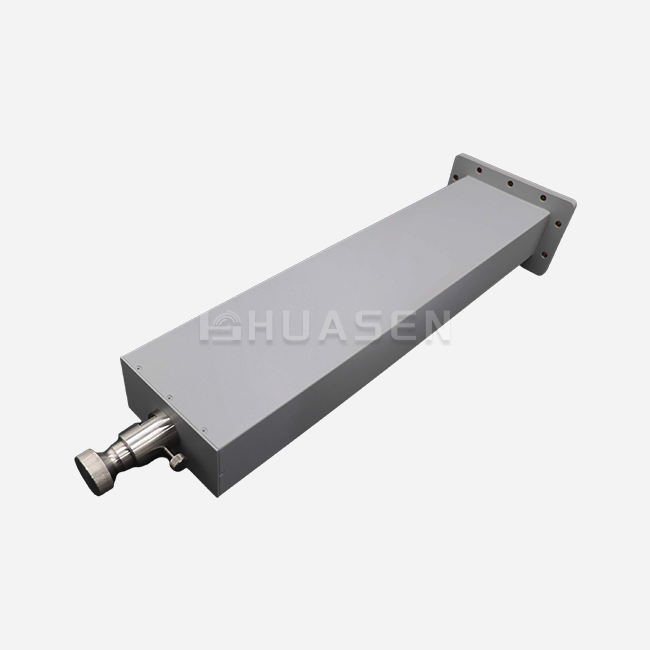
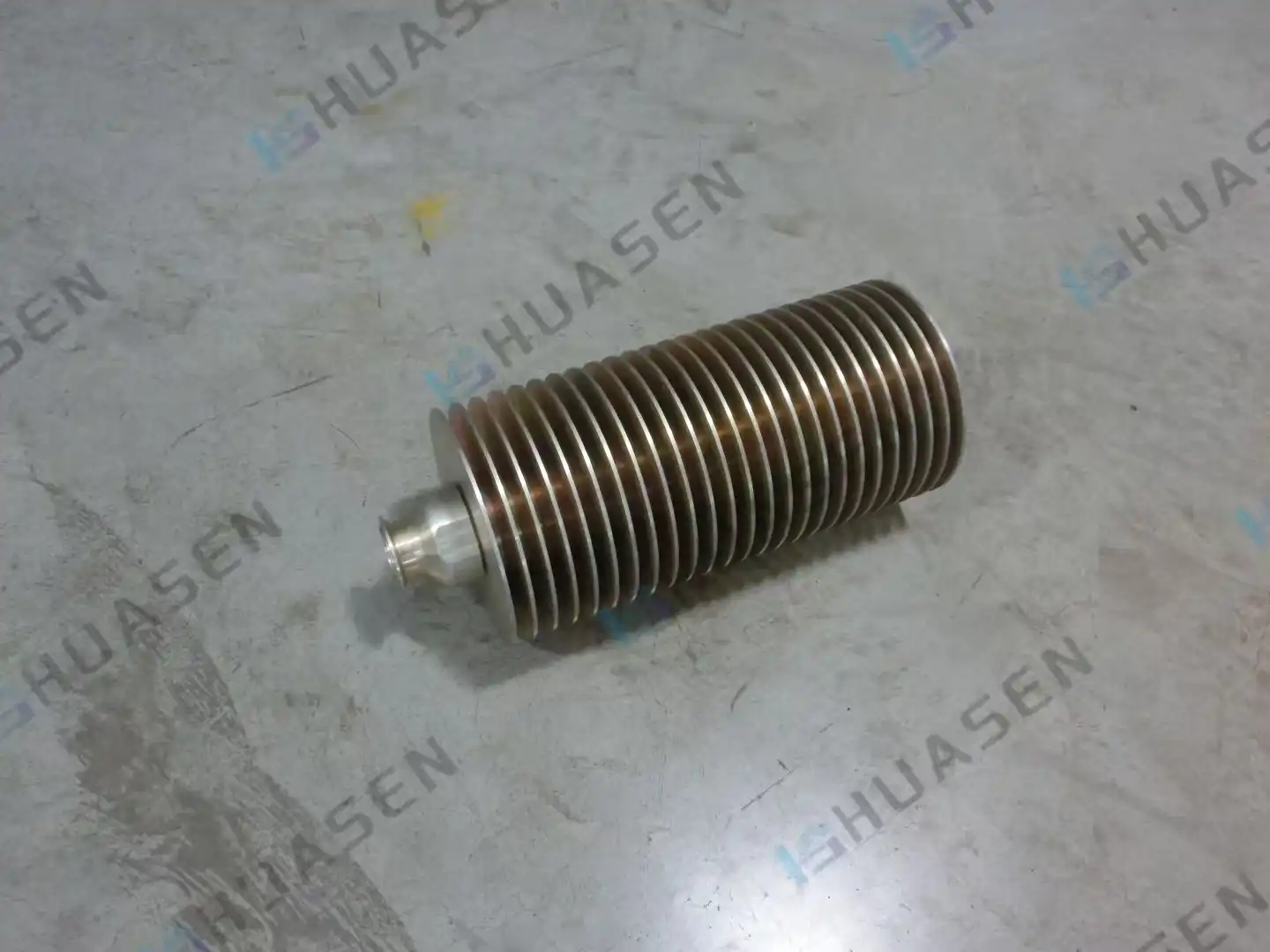
Plate-type building or water-cooling systems are used in high-power loads to handle extended power levels higher than those that can be handled by standard air-cooled designs. These strong options are needed for checking base stations and maintaining broadcast transmitters. Water-cooled versions can constantly lose kilowatts while keeping the impedance steady, but they need extra cooling equipment.
Applications and Advantages of Precision 50 Ohm Coaxial Loads
Critical Role in RF Testing and Calibration
To set the standard impedance, accurate loads are used on microwave test benches during vector network analyser testing. This process of calibration fixes mistakes that happen over and over in connections, adapters, and the analyser itself. Without a steady, traceable load, measurement error goes up by a lot, which could mean that the characterisation of a component is wrong.
Signal termination represents another vital application. When checking devices with more than one port, like power dividers or hybrid couplers, the empty ports need to be properly terminated to stop unwanted resonances. A precise load takes in energy at these ports, which separates the device being tested and lets you get accurate readings of insertion loss, isolation, and phase balance.
For testing transmitters, fake loads are used that can safely take in the full output power without sending it out. Technicians connect these loads to check output power, spectral purity, and modulation accuracy when setting up a base station or fixing an amplifier. The load keeps an unauthorised gearbox from happening, which saves both the tools and the rules.
Advantages Over Alternative Termination Devices
Standard terminators that come in lab kits usually have a VSWR of 1.15 to 1.25, which is good enough for general RF work but not good enough for precise microwave readings. Precision Coaxial Loads have VSWR values below 1.05 across their entire range, which makes measurements much more accurate by a factor of ten. This difference in performance is very important when describing low-loss filters or high-gain amps, where small reflections have a big effect on the results.
Attenuators can be used to end transmission lines, but they cost a lot more than specialised loads and cause insertion loss in both directions. Precision loads get better return loss for less money and without the hassle of multistage resistance networks. Also, they can handle more power in smaller sizes.
Durability is what sets high-quality loads apart from cheap ones. Professional-grade units can handle thousands of connection rounds without losing their specifications, but cheap terminators break down quickly because the connectors wear out. Long-term VSWR stability is directly affected by the mechanical design, so buying fine parts at the start will save money in the long run.
Connector Compatibility Across Frequency Bands
The choice of connector affects both the frequency range and the longevity of the mechanical parts. N-type plugs are used in most base station tests up to 18GHz because they are strong and can handle a lot of power. SMA connectors make frequencies up to 26.5GHz workable while still holding a good amount of power. This is why they are used in almost all microwave test tools.
For accurate readings above 26.5GHz, you need 2.92mm plugs that work up to 40GHz and are compatible with SMA at lower frequencies. When used for millimetre-wave uses, K-connectors push the limit to 60GHz. These industry-standard interfaces are built into our loads, so they will work with your current test equipment and give you the performance you need across the full frequency range of the connection.
How to Choose the Best Coaxial Load for Your Needs
Defining Your Testing Requirements
Write down the frequency range that your test bench needs to cover first. In order to test 5G components in a base station front-end lab, the frequency range needs to be 600MHz to 6GHz. For satellite communication testing, the frequency range needs to be 30GHz or higher. By choosing a Coaxial Load with the right frequency range, you can keep performance from dropping outside of what is specified and avoid buying expensive broad units when smaller ranges are enough.
To evaluate power usage, you need to find both the normal and peak power. For checking a continuous-wave emitter, the average power level must be high enough with a thermal margin of at least 50% above the maximum send power. When using pulsed radar, the peak power is high, but the average power is low. When choosing loads, you need to pay attention to the pulse width and duty cycle to avoid damage from voltage breakdown or heat cycling.
VSWR goals come from the need for accurate measurements. To characterise parts with a 20dB return loss, you need loads with a VSWR that is a lot better than the device being tested. A lot of the time, network analyser specs say that the termination VSWR should be at least four times better than the measurement accuracy that is wanted. This helps with choosing ultra-precision loads for important uses.
Evaluating Technical Support and Customisation
Application engineering support from component makers can help improve system design and figure out why measurements aren't being taken correctly. This knowledge is very helpful when adding loads to automatic test systems or making sure that new measurement methods work. Because responsive technical teams can read datasheet specifications in the context of your application, specification mismatches don't happen, which saves you a lot of money.
When normal catalogue goods don't work with the system, the ability to customise them becomes very important. Different types of connectors, higher or lower power rates, or special mounting arrangements make integration possible in test tools with limited room or enclosures for harsh environments. Most of the time, manufacturers with their own engineering departments can meet these needs faster than wholesalers who rely on changes made by outside parties.
Quality approvals show that a production process is mature and under control. Registration with ISO 9001 shows that the company has quality management systems in place, and agreement with MIL-STD standards shows that the product is suitable for use in defence applications. RoHS compliance makes sure that business goods don't contain dangerous substances. When choosing a provider, looking at their certifications lowers the risk in the supply chain and helps final systems meet legal requirements.
Comparing Supplier Capabilities
Lead time has a direct effect on job plans. Off-the-shelf items are good for quick prototyping and repairs, while planning and production for unique solutions may take 6 to 12 weeks. Learning about standard lead times and ways to speed things up can help match buying with development schedules, especially for projects that have set dates for demonstrations or production ramps.
The warranty terms show that the maker trusts the product to work well. Standard one-year warranties against flaws offer basic safety, while longer warranties or performance promises show that the company cares about keeping customers happy for a long time. The warranty terms should clearly cover both mechanical and electrical specs. This way, the covering goes beyond just physical problems and includes loss of performance as well.
Testing, Maintenance, and Quality Assurance of Coaxial Loads
Verification Using Network Analysers
Coaxial Loads stay in specification for the whole time they're in service because they are checked regularly. When they are set up correctly, vector network analysers can measure complex resistance and return loss very accurately. By connecting the load to a calibrated port and checking S11, you can see if the VSWR is still within accepted limits or if it has dropped because of damage, contamination, or connection wear.
When you sweep the frequency, you can see changes in resistance or resonances that happen across the operating band. A precision load should have a return loss that is smooth and steady, with no sudden changes that could mean there are problems with the making or that the load is wearing out. When you compare current readings to baseline data taken at acceptance, you can see if there is any gradual degradation that needs to be fixed before it affects the accuracy of the test.
To check the power level, you need to be careful and use special tools. Using the rated power and checking the temperature with thermal imaging to make sure there is enough heat transfer. Even if it's only for a short time, going over the maximum power can damage resistive elements forever by causing metallisation migration or substrate cracking. Operating carefully below the highest values increases service life and keeps the calibration stable.
Proper Handling and Storage Protocols
The most common way for precision loads to fail can be avoided with proper connector care. When you connect and disconnect connections, you put mechanical stress on the metal surfaces, which wears them down over time and raises contact resistance and lowers return loss. Using calibrated torque tools and following the torque specs stops over-tightening that damages connector threads and makes sure there is good electrical contact.
Long-term security is affected by the storage setting. Changing temperatures and being exposed to air can damage internal parts and cause oxidation at connecting surfaces. Factory performance is kept up by storing loads in controlled settings with safe caps in place. Checking for obvious contamination or connection damage on a regular basis finds problems before they affect readings.
Cleaning methods must find a balance between getting rid of dirt and damage to precision surfaces. Isopropyl alcohol and lint-free swabs clean the connection surfaces of oils and dust without leaving behind any residue. Scratches that make contact resistance higher can be avoided by staying away from rough materials. Written cleaning plans make sure that everyone in the lab treats things the same way.
Interpreting Datasheets and Certifications
Manufacturers list the VSWR for different frequency bands, but it's important to know what the test settings are. Some datasheets say what the average performance is, while others say what the highest numbers will be. Knowing the difference between these two types of products keeps you from being surprised when the products you receive don't meet your expectations for how they should work. Asking for test results for specific serial numbers gives you faith in the performance of each unit.
Temperature coefficients show how stable the resistance is over a wide range of working temperatures. Loads used in outdoor tests need to stay within their specifications from -40°C to +85°C or higher, so it's important to pay attention to temperature derating curves. Power handling drops at high atmospheric temperatures, and it could drop by as much as 50% at the highest working temperature. This makes thermal management very important in high-power situations.
Calibration papers show that the load performance meets national standards and was checked by labs that have been approved. These papers show that the specifications were met and give us a starting point for future comparisons. Traceability is important, especially in controlled fields where measurement error needs to be figured out and kept to a minimum. Measurement tools need to be recalibrated on a regular basis, usually once every year or every other year.
Procurement Guide: Buying 50 Ohm Coaxial Loads Online
Direct Manufacturer vs. Distributor Channels
When you buy directly from makers, you can often get professional help and customisation options that you can't get from distributors. Engineers can talk to design teams about application requirements and maybe find standard goods that meet those needs or come up with their own solutions. Direct relationships also make it easier to get access to pre-release goods for testing and to solve technology problems more quickly.
Distributors help with bulk buying and give you a wider range of products to choose from. Buying from more than one brand through a single outlet makes buying easier and may lead to savings for buying in bulk across all product categories. Distributors who keep inventory in-country can deliver faster than makers in other countries, but you may only be able to choose from catalogue combinations for customisation.
Pricing structures differ between channels. Manufacturers may offer better unit prices for large orders, but they may also need larger minimum orders. Distributors can handle smaller orders more quickly, but it costs more per unit. When you look at the total cost of ownership, which includes freight, customs taxes, and the cost of keeping goods, you can see which method is the most cost-effective for your buying habits.
Cost Drivers and Budget Planning
Power ranking has a big effect on prices. High-power loads have more complex heat management, bigger resistance elements, and stronger mechanical construction, which makes them much more expensive to make. A 100W load might be three times cheaper than a 400W load that has all the same other specs. By accurately stating the power that is needed, you can avoid paying too much for features that aren't needed.
The frequency range affects the cost of parts because millimetre-wave performance calls for rare materials and tighter production standards. Broadband Coaxial Loads that work from DC to 60GHz cost more than lower-band units that only work with certain apps. By figuring out the exact frequency needs, you can avoid paying for bandwidth that isn't being used.
Engineering costs go up and lead times get longer when you customise something. Standard catalogue items use tried-and-true production methods and parts sources, which keep costs and risk to a minimum. For custom solutions to work, engineers need to set aside time, make multiple prototypes, and buy special parts. Checking carefully to see if standard goods can meet needs with small system changes is often a more cost-effective option than developing something from scratch.
Conclusion
The accuracy of the microwave test bench and the safety of the tools are both significantly impacted by the choice of precision Coaxial Loads. By knowing the differences between resistive, absorptive, and high-power designs, you can match the powers of a component to the needs of an application. Paying attention to VSWR specs, frequency covering, and power handling makes sure that base station launching, satellite testing, and radar development programs all work well. Verification and maintenance processes that are done correctly can stretch the life of a system and keep its measurement integrity. Using providers with expert help, the ability to customise, and quality certifications lowers the risk of buying and speeds up the integration of systems.
FAQ
1. What distinguishes a Coaxial Load from a standard dummy load?
Coaxial Loads offer precise 50 Ohm termination and proven VSWR performance across set frequency ranges, while dummy loads may only soak up power without promising accurate impedance matching. Precision is what sets us apart.
2. Can I use a DC-6GHz load for millimeter-wave testing at 30GHz?
Not at all. When you run loads outside of their recommended frequency range, they respond with impedance instead of pure resistance, which leads to high VSWR and could damage source equipment. Always choose loads that are rated for the number you need.
3. How does ambient temperature affect power ratings?
Manufacturers list power values for temperatures of 25°C. As the temperature rises, the load's ability to get rid of heat declines, so it needs to be derated. If the atmospheric temperature is 85°C, the power usage might drop to half of what it should be. Performance is kept up by having enough air or heat escaping.
4. Are custom coaxial loads available for unique applications?
Companies that have their own tech teams often make custom loads with different connections, higher power levels, or packaging that is better for the environment. Custom solutions usually have a wait time of 8 to 12 weeks and a minimum order quantity, but they can solve problems with integration that standard goods can't.
Source Precision Coaxial Load Solutions from a Trusted Manufacturer
Since 1993, Huasen Microwave Technology has provided reliable RF and microwave components to the defence, aircraft, and telecoms industries around the world. Our precision 50 Ohm Coaxial Loads have an ultra-low VSWR of ≤1.03 across DC to 60GHz and can handle up to 400W of power on average and up to 5000W of power at its peak. These loads, which come with N-type, SMA, 2.92mm, and other plugs, are tough enough to handle the test bench needs of 5G development, satellite systems, and radar uses. We have both regular catalogue items that can be sent right away and options that are made just for you. Our tech team helps with applications and improves the design of systems and the accuracy of measurements. We have been making Coaxial Loads for a long time and have ISO standards and full quality assurance. The parts we provide will protect your investment and speed up the success of your project. You can talk to our team at sales@huasenmicrowave.com about your needs, get full datasheets, or get personalised quotes. Global engineers and procurement managers trust us to provide quick service and high-quality technical work.
References
1. Pozar, David M. Microwave Engineering, 4th Edition. Hoboken: John Wiley & Sons, 2012.
2. Agilent Technologies. Fundamentals of RF and Microwave Power Measurements. Application Note 64-1A, 2001.
3. Hewlett-Packard. Network Analyzer Basics. Application Note 1287-1, 1998.
4. Keysight Technologies. Specifying Calibration Standards for the Keysight PNA Microwave Network Analyzer. Application Note 5989-5479EN, 2014.
5. Rohde & Schwarz. Measurement of Impedance and Reflection Coefficient Using Vector Network Analyzers. Application Note 1EZ44_3E, 2019.
6. Mini-Circuits. RF/Microwave Terminations and Loads: Selection Guide and Application Notes. Technical Publication, 2020.
Send Inquiry