Dual Channel Coaxial Rotary Joint for Defense Radar Systems






2026-06-30 21:29:04
Defence radar systems need parts that can send signals perfectly while rotating all the time. In order to maintain uninterrupted RF signal flow and prevent wire entanglement, a Coaxial Rotary Joint is used as the key link between fixed emitters and rotating antenna assemblies. Dual-channel versions improve this ability by allowing two separate signal lines at the same time. This is necessary for modern radar applications that need to separate send and receive signals, vary the polarisation, or operate at different frequencies. This guide looks at how these precise electromechanical devices meet the complex needs of defence-grade radar systems. It also gives procurement professionals who are looking for reliable, high-performance options useful information.
Understanding Dual Channel Coaxial Rotary Joints in Defence Radar Systems
What Makes Dual Channel Architecture Essential
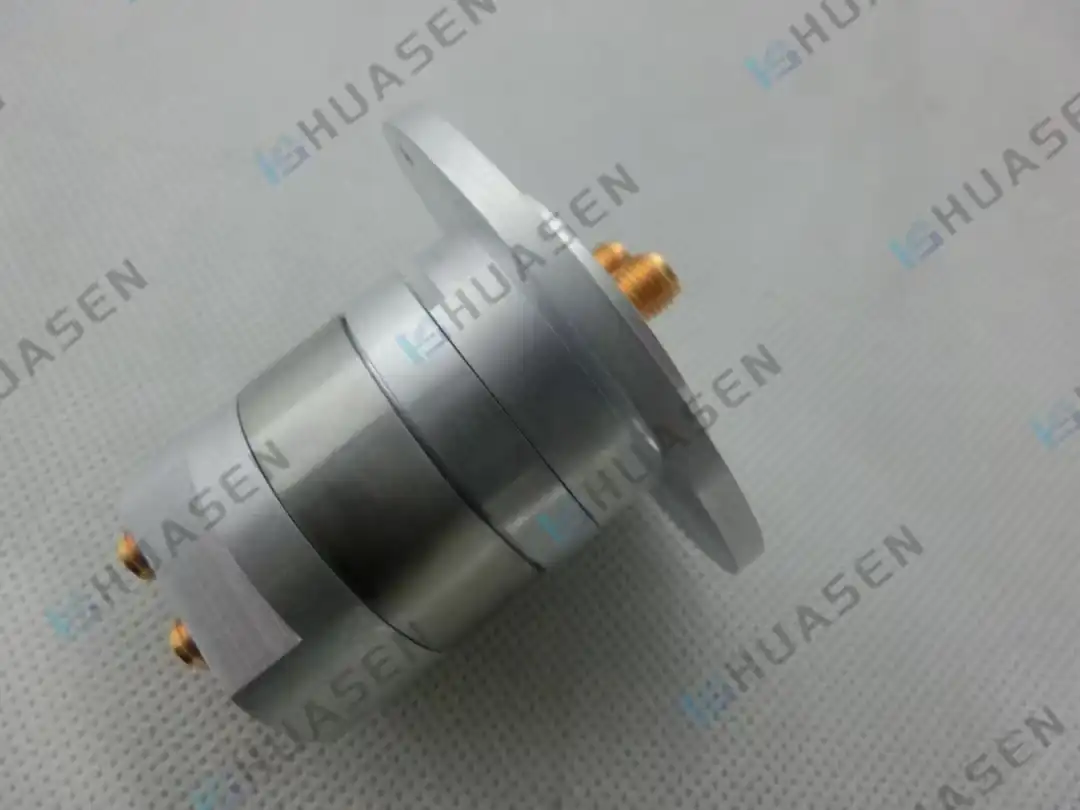
Dual channel Coaxial Rotary Joints combine two electrically separate RF lines into a single mechanical housing. They do this by using concentric conductor arrangements that keep the characteristic resistance at 50Ω. This design lets different signals, like X-band tracking data on one channel and L-band identification signals on another, be sent at the same time without any confusion or interference. The design works especially well in phased-array radar systems where there isn't enough room to put in multiple single-channel devices.
Modern defence weapons work on frequency ranges that are getting bigger, and dual-channel setups make systems a lot simpler. Engineers don't have to worry about two different rotating connections that need twice as much upkeep. Instead, mechanical integration is streamlined. Precision-machined contact surfaces, often with gold-plated beryllium copper parts that keep the signal integrity, keep contact resistance from changing when the device is rotated.
Performance Parameters That Define Quality
Electrical performance measures have a direct effect on the power of a radar system. Insertion loss measures how much a signal is weakened as it passes through the device. High-quality units get values below 0.3dB across all operating bandwidths. The Voltage Standing Wave Ratio (VSWR) shows how well the impedance matches. A VSWR of 1.2:1 or higher guarantees maximum power transfer with few echoes that could mess up target identification.
Channel isolation is another important condition that measures how much signal leakage there is between separate lines. For defence purposes, separation must be higher than 50dB to keep the send and receive functions from interfering with each other. Advanced versions get 60dB or more by carefully protecting the inside and managing the electromagnetic field. When radar systems have to find targets that are hard to see against background noise, these settings can't be changed.
Environmental Resilience in Harsh Conditions
Defence radar systems have to work in harsh conditions, such as salt spray at sea and temperature changes at high altitudes. Good rotary joints have housings made of aerospace-grade aluminium or stainless steel and protected bearing systems that meet IP65 or IP67 standards. This design keeps water and dust from getting into the electrical contacts, which would damage them.
Rotational life expectancy is also a part of mechanical durability. Military-grade units are rated for 10 to 50 million spins under combat loads. Vibration resistance is very important for placements in the air, where devices need to keep working even when they're moving quickly. Temperature stability ensures that performance stays the same from -55°C to +85°C, so it can be used in both cold regions and the desert without losing any of its effectiveness.
Key Applications and Benefits in Defence Radar Systems
Shipboard Surveillance and Tracking Radars
Naval ships have spinning search radars that keep scanning areas in all directions while the ship moves. These systems use dual-channel rotating joints to separate the sending of power from the receiving of echo signals. This keeps sensitive receiver circuits from being overloaded by high-power transmissions. The setup lets the main monitoring radar and secondary recognition systems work together at the same time using separate channels.
We've seen that corrosion-resistant coatings and sealed designs work best in naval uses. Saltwater conditions speed up the breakdown of metals, which makes choosing the right material very important. When rotary joints have conformal protective coatings and hermetically sealed surfaces, they keep working reliably even during long deployments. This cuts down on repair gaps that would otherwise make the system less ready for use.
Airborne Early Warning Systems
Radar domes that are attached to aeroplanes have spinning antenna systems that can find threats across large areas. Due to limited space and weight,dual-channelcoaxial rotary jointsare better than larger waveguide options. These devices handle both surveillance radar signals and data link connections through different channels. They do this by combining functions into a small space.
In airborne uses, speeds can reach several hundred RPM, which calls for precise balance and bearing systems with low friction. The rotary joint has to be able to handle constant shaking from aeroplane engines and turbulent air flow while keeping its phase stability. Changes of more than 3 degrees can make it harder to track the target accurately. High-quality units have touch areas that are precisely ground and pressure systems that are loaded with springs that make up for worn bearings.
Ground-Based Air Defense Platforms
For mobile air defence radars to be able to be set up quickly, their parts must be able to handle being moved around a lot over rough terrain. In these systems, the rotary joints often have two channels. One channel is used for tracking radar, and the other is for gun control data. This lets the danger be engaged in a more integrated way. As important as electrical performance is, the material strength to handle shock loads during transport is also very important.
Accessibility for maintenance has a big effect on system uptime. Repair times are cut from days to hours with modular rotary joint designs that let you change them in the field without taking the radar apart a lot. This operational edge is very important for teams that are sent forward and don't have a lot of technical support facilities. Regular inspection procedures that focus on contact wear and bearing state help predict how long a component will last, so it can be replaced before it breaks.
How to Choose the Best Dual-Channel Coaxial Rotary Joint for Your Radar System
Matching Frequency Requirements to Component Capabilities
The people who design radar systems need to make sure that the working frequency plans match the rotary joint bandwidth specs. X-band (8–12 GHz) uses can work with a device rated for DC-18 GHz, but Ka-band systems (26–40 GHz) need parts with 2.92mm or 2.4mm connector ports that can handle higher frequencies. Broadband coverage makes inventory less complicated, but some narrowband designs may work better electrically in certain spectrums.
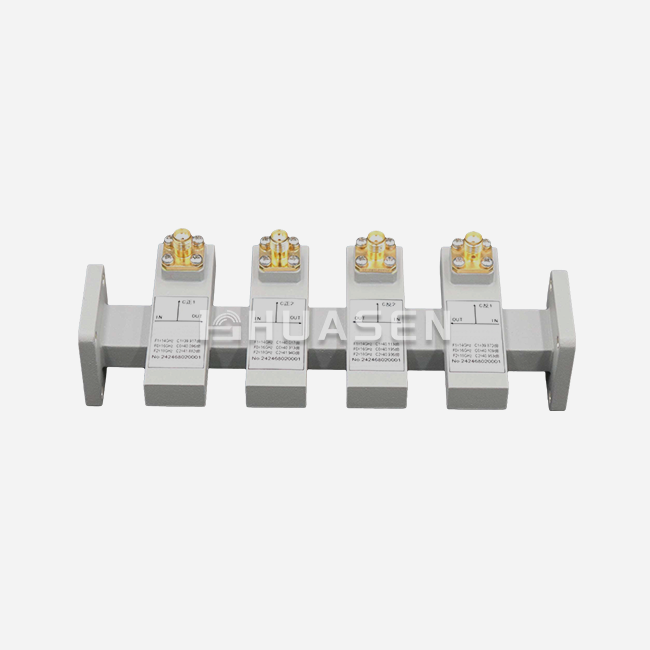
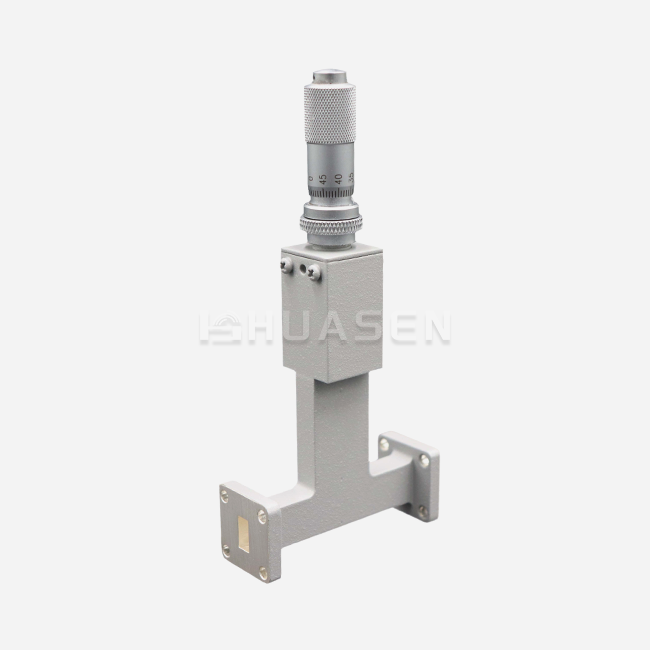
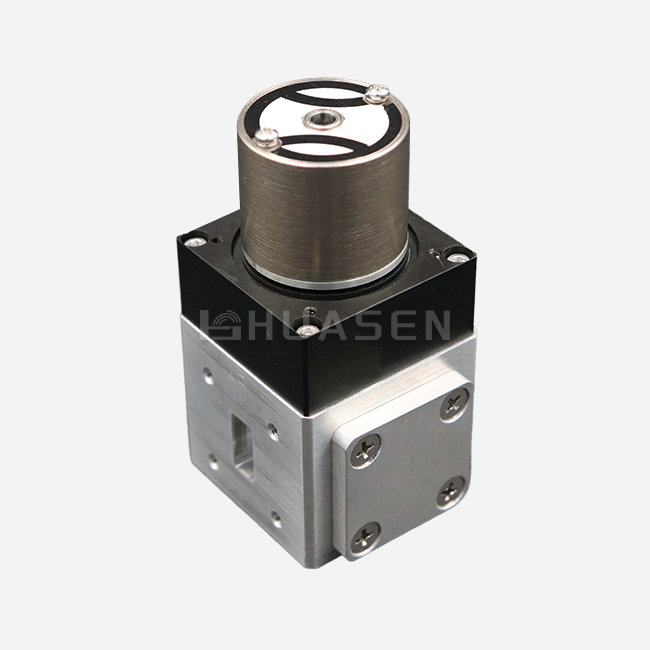
Dual-channel joints help multi-frequency radar systems because each line works best for a different band. The Huasen Microwave Dual Channel Coaxial Rotary Joint II Type is a good example of this because it can handle uses with more than one frequency and has insertion loss as low as 0.3dB and channel separation up to 60dB. These standards allow different radar types to be used at the same time without interfering with each other, which makes the system more flexible.
Evaluating Power Handling and Signal Integrity
If a rotary joint can hold high-power radar emitters without dielectric breakdown or contact arcing, its peak and average power levels tell you that. In transmission bursts, pulse radar systems produce a lot of power all at once, so devices that can handle that much power are often rated for more than a few kilowatts. For continuous wave uses, average power loss and thermal control are more important.
Specifications for VSWR below 1.2:1 across working bandwidths (Dual channel Coaxial Rotary Joint) make sure that power is transferred efficiently and that reflections that cause measurement mistakes are kept to a minimum. Each 0.1dB gain in rotary joint performance adds a measured capability to the whole system. Lower insertion loss directly leads to a longer radar detection range. We suggest that you ask for test data that shows performance across a range of temperatures, since some parts lose their specifications when they are under a lot of heat stress.
Assessing Supplier Credentials and Support Infrastructure
Buying choices aren't just based on component datasheets; they also take into account how reliable the seller is and how well they can help with technical issues. Defence companies need suppliers who have worked with the military before. They can show that they meet MIL-STD standards and have quality management certifications like ISO 9001 or AS9100. For long-term platform support, supply chain stability is important because parts going out of style can hurt the system's ability to last.
With customisation options, you can meet specific integration needs that normal catalogue goods can't. Huasen Microwave Technology has been making RF components for 30 years, so they can make custom solutions for specific frequency bands, non-standard connector connections, or better weather ratings. Engineers can make sure that all the parts work together properly before committing to full-scale production by using technical support services like design advice, prototype testing, and recording of calibration data.
Installation, Troubleshooting, and Technical Support for Dual-Channel Coaxial Rotary Joints
Installation Best Practices for Optimal Performance
Accurate alignment during installation stops mechanical stress that speeds up bearing wear and lowers the quality of the electrical contacts. Mounting surfaces must stay straight within 0.002 inches, which can be done with polished mounting plates and a dial sign. Connector torque specs must be followed to the letter. If you tighten them too much, you could damage the threads, and if you tighten them too little, the connections will break.
Electrical grounding to chassis potential is needed for both static and moving parts. This stops ground loop currents that cause noise. To make sure that electricity stays connected, we suggest using star screws and conductive grease at ground contacts. Cable routing should avoid sharp turns near connection ports and keep the minimum bend radius requirements that keep the characteristic impedance of coaxial cables from changing.
Diagnostic Approaches for Common Issues
During system testing, signs of signal degradation often show up as higher VSWR numbers or more insertion loss. First, network analysers are used to take steady measurements of the system's performance to set a baseline. Next, dynamic measurements are taken while the system is rotating to find problems that depend on where the device is positioned. Usually, sudden changes in performance mean that there is touch contamination or a mechanical error that needs to be fixed right away.
Phase noise during spinning could mean that the contact resistance changes, which could be because the contact pressure isn't high enough or the bearing surfaces are dirty. Cleaning units that have been exposed to the environment with rubbing alcohol and lint-free brushes can bring them back to full performance. If a problem keeps happening, the contact area may need to be looked at under a microscope to find wear patterns or rust that mean the part needs to be replaced.
Leveraging Technical Support Resources
Well-known makers offer expert support that includes everything from help with installation to help with failure analysis. When compared to general component sellers, having access to application engineers who understand how radar systems are put together speeds up the process of fixing problems. Documentation packages that include mechanical sketches, electrical test results, and lists of suggested extra parts make planning for integration and long-term upkeep easier.
Genuine substitute parts are available to make sure that performance stays the same over the span of a component. Alternatives from aftermarket sources might be cheaper, but they often don't meet the high standards for precise manufacturing that defence uses need. We've seen that working with responsive suppliers cuts down on system downtime by a lot. This is especially true for sites that are spread out geographically, where it can be hard to coordinate supplies.
Future Trends and Innovations in Coaxial Rotary Joint Technology for Defence Applications
Material Science Advancements
New dielectric materials with better loss tangent properties make it possible to work at millimetre-wave frequencies with less signal loss. Graphene-enhanced composites research offers contact surfaces that are more resistant to wear and have better conductivity than standard valuable metal platings. These new materials will make operational lifetimes longer and allow next-generation radar devices that work above 40 GHz.
Integration with Condition Monitoring Systems
Additive manufacturing methods (Dual channel Coaxial Rotary Joint) make it possible to make parts with complex internal shapes that weren't possible with traditional machining. This is done by optimising the spread of electromagnetic fields so that channels are better isolated from each other. We think that 3D-printed Coaxial Rotary Joint prototypes will speed up custom design changes, cutting development times from months to weeks and letting us use shapes that better handle power and cool down components.
Smart rotary joints with built-in sensors will provide real-time performance data, such as tracking bearing temperature, measuring contact resistance, and analysing vibrations. This information lets predictive maintenance plans replace parts based on their real state instead of random time intervals. This lowers costs over the whole life of the system and increases its availability.
Evolving Procurement Landscape
Digital twin technologies will model how a rotary joint works in different working situations. This will help engineers figure out how something will fail before it actually does. Integration with platform health management systems lets you set up automatic alerts for when performance parameters fall outside of acceptable ranges. This helps you plan proactive maintenance that stops problems that could affect your mission.
The total cost of ownership is becoming more and more important in the defence purchasing process, over the original purchase price. Competitive benefits are gained by suppliers who offer full lifetime support, which includes training, calibration services, and managing obsolescence. Customisation flexibility becomes important because modern radar designs need custom solutions instead of off-the-shelf parts.
Because of geopolitical concerns, people tend to choose domestic or allied-nation suppliers with clear supply lines and production origins. Keeping up with changing cybersecurity standards includes buying parts where integrated software or customisable parts need to be checked for security. We expect that the specs for purchases will include sustainability factors that will favour manufacturers with clear environmental management practices and the ability to track materials.
Conclusion
Dual-channel coaxial rotary joints are an important piece of technology for defence radar systems because they make signal transmission between fixed and rotating units reliable, even when conditions are tough. When choosing the right parts, you have to find a balance between electrical performance requirements, mechanical sturdiness, environmental resistance, and the supplier's capabilities. The Huasen Microwave Dual Channel Coaxial Rotary Joint II Type has the best performance in its class, with 0.3dB insertion loss, 60dB channel separation, and full SMA-K connector support. As radar systems move toward higher frequencies and built-in health monitoring, it's important to work with experienced makers who can customise them and offer expert support to keep operations running smoothly.
FAQ
1. What frequency ranges do dual-channel coaxial rotary joints support?
Depending on the connection ports, good rotary joints can work with bandwidths from DC to 110 GHz. X-band (8–12 GHz) and Ku-band (12–18 GHz) versions are commonly used in defence applications. SMA connectors can handle up to 18 GHz, and 2.92mm connections can handle up to 40 GHz. Each channel works on its own, so each channel can have a different frequency optimisation.
2. How does channel isolation affect radar performance?
Isolation levels above 50dB stop signals from leaking between the send and receive channels, which is very important for protecting sensitive receivers. When there isn't enough separation, high-power broadcast signals can overload receivers, making blind zones where targets can't be found. Premium units have 60dB of separation, which is a good amount of protection against disturbances.
3. What distinguishes coaxial rotary joints from slip ring assemblies?
Coaxial Rotary Joints use a precise coaxial design to keep controlled 50 impedance across RF frequencies, while slip rings handle lower-frequency power and data through straightforward brush contacts. For radar uses that need to keep the signal strong in the GHz range, real Coaxial Rotary Joints are needed instead of slip ring options that don't work well at high frequencies.
Partner with Huasen Microwave for Superior Rotary Joint Solutions
Since our start in 1993, Huasen Microwave Technology has been making RF components for 30 years, which is why radar system integrators all over the world trust us as their Coaxial Rotary Joint provider. Our Dual Channel Coaxial Rotary Joint II Type meets the high standards for 0.3dB insertion loss, 60dB separation, and 1.2 VSWR that defence applications need. We can completely change the radio bands, environmental grades, and connector configurations so that they work with your system design. Email our engineering team at sales@huasenmicrowave.com to talk about your radar platform needs and get specific technical information to help you with your purchase evaluation.
References
1. Skolnik, M. I. (2008). Radar Handbook, Third Edition. McGraw-Hill Education.
2. Balanis, C. A. (2016). Antenna Theory: Analysis and Design, Fourth Edition. John Wiley & Sons.
3. Microwave Journal Editorial Staff (2021). "Rotary Joints for Modern Radar Systems: Technology and Applications." Microwave Journal, Vol. 64, No. 9.
4. U.S. Department of Defence (2019). MIL-STD-810H: Environmental Engineering Considerations and Laboratory Tests. Defence Technical Information Centre.
5. Chatterjee, R. (2018). Advanced Microwave and Millimetre Wave Technologies. IntechOpen Publications.
6. IEEE Aerospace and Electronic Systems Society (2020). "Best Practices for Rotating Platform RF Interfaces in Defence Applications." IEEE Transactions on Aerospace and Electronic Systems, Vol. 56, Issue 4.
Send Inquiry