
Home / Blog
Blog
0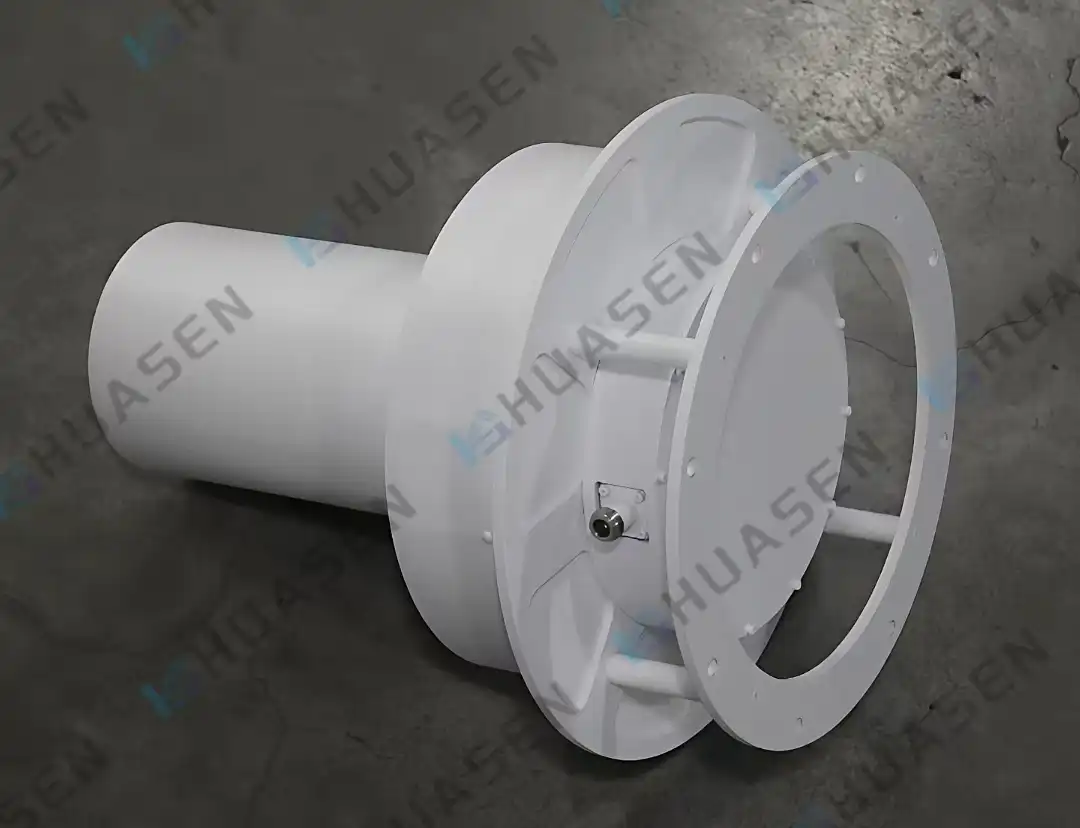
What Affects the Performance of a Helical Antenna?
Helical antenna success depends on a number of things that are all connected and affect how well your data link works. Radiation patterns and working bandwidth are largely determined by geometrical factors such as the diameter of the helix, the pitch angle, the number of turns, and the thickness of the wire. Gain stability, polarization clarity, and signal-to-noise ratio are also affected by the quality of the materials used, the accuracy of the manufacturing process, and the surroundings. When procurement managers and RF engineers understand these factors, they can choose antennas that can withstand the tough requirements of satellite data, 5G backhaul, radar systems, and flight platforms, making sure they work reliably across frequency bands from 200 MHz to 5 GHz.VIEW MORE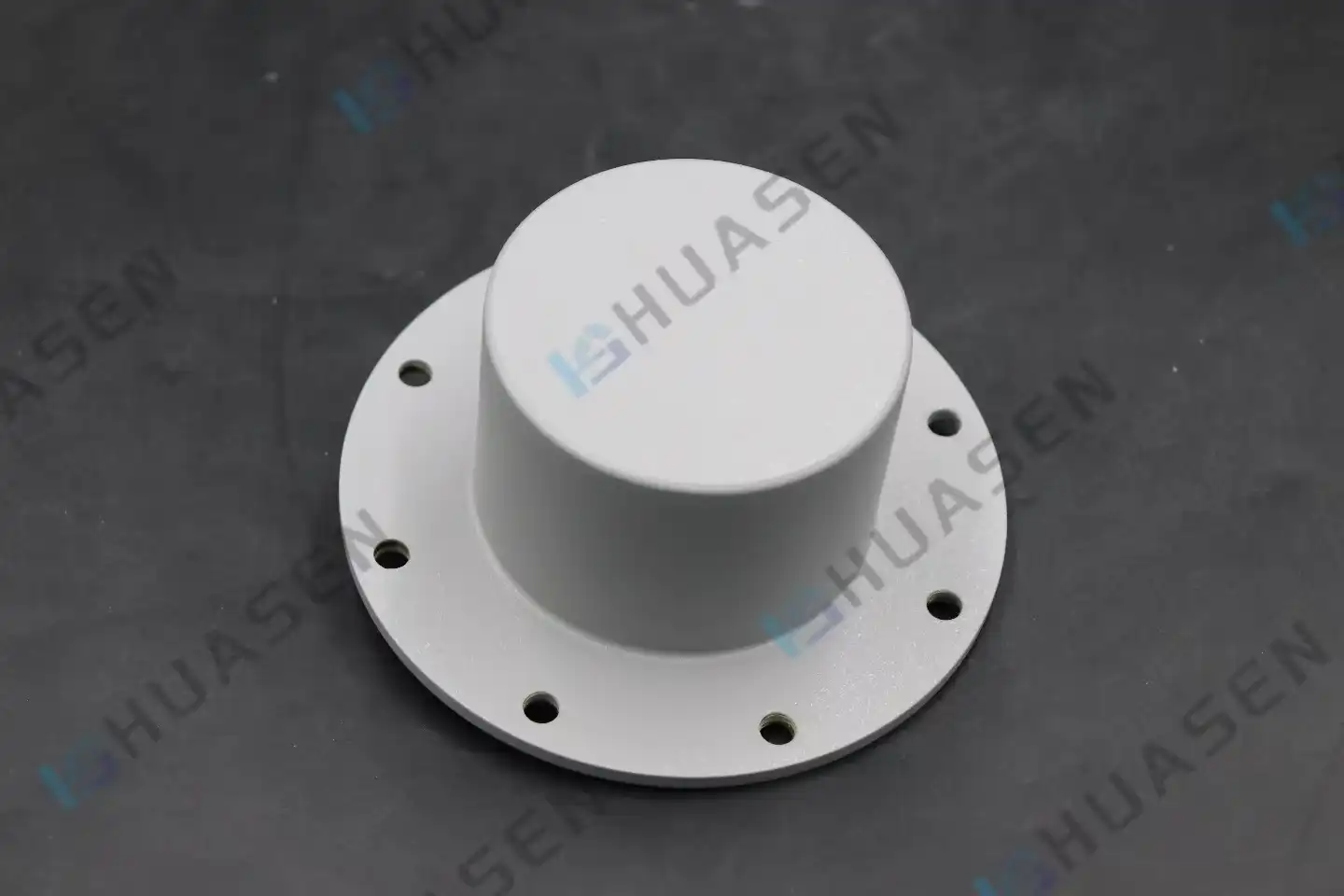
Omnidirectional Antenna Applications in Wireless Networks
Omnidirectional antennas send signals out in all horizontal directions in the same way, which results in coverage patterns that go all the way around. Vertical polarisation and special structure elements, such as cone, umbrella, cage, and whip shapes, are used by these devices to provide a stable connection over large service areas. Omnidirectional antennas are used by network designers and system integrators when smooth area-wide coverage is more important than directional focus. They are essential parts of 5G base stations, IoT deployments, public safety networks, and industrial automation environments all over the world.VIEW MORE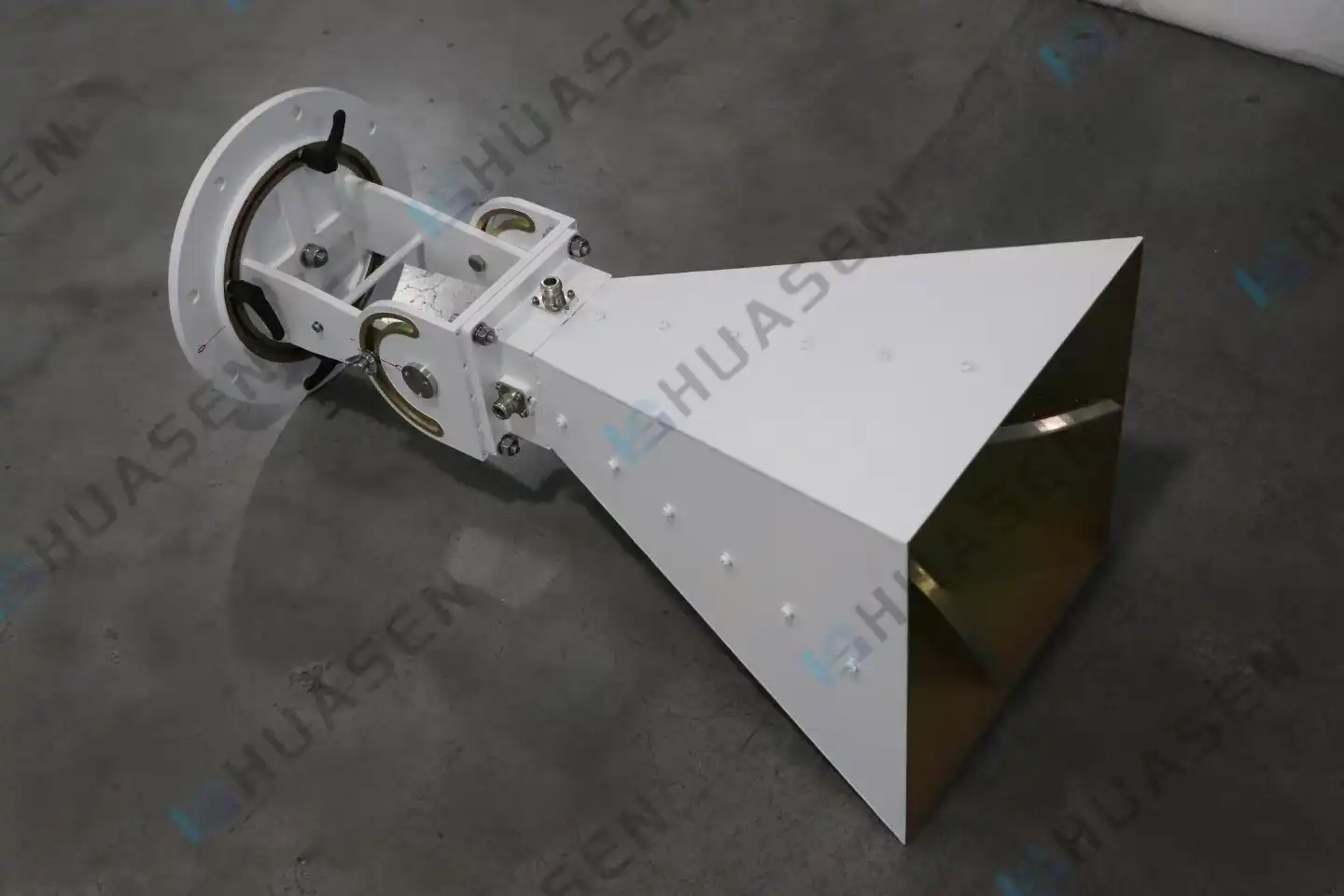
EMC Testing Accuracy Improved with Quadridged Horn Antenna Systems
To get accurate readings of electromagnetic compatibility, you need antennas that can keep working at their best across very large frequency bands. Quadridged horn antennas are a high-tech option for labs and test centers that are having trouble with the repeatability of measurements and controlling polarization. These four-ridge aperture antennas offer dual-orthogonal linear polarization across multiple octave bandwidths, from 100 MHz to 40 GHz. This lets engineers record both horizontal and vertical field components at the same time without having to physically rotate the antennas. This design benefit cuts room time by a huge amount while increasing measurement accuracy during methods for radiated immunity and emission testing.VIEW MORE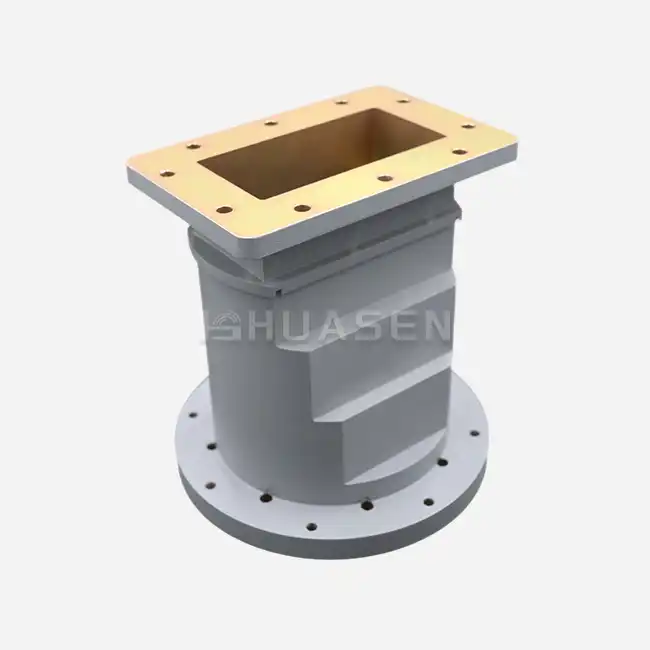
How Impedance Mismatch Is Solved by Waveguide Transition Designs
Impedance mismatch is a major problem in RF and microwave systems that has a direct effect on data quality and system stability. By acting as precisely designed impedance transformers that connect various transmission media, waveguide transition designs address this crucial problem. To match the characteristic impedance between the source and load, these parts use curved shapes or stepped internal structures, like Chebyshev or Binomial multi-section matching. Waveguide transitions keep energy efficiency high along the whole transmission path by gradually changing cross-sectional dimensions and electrical properties. This reduces signal reflections, raises the Voltage Standing Wave Ratio (VSWR), and keeps the transmission path as energy-efficient as possible in demanding applications like radar systems and satellite communications.VIEW MORE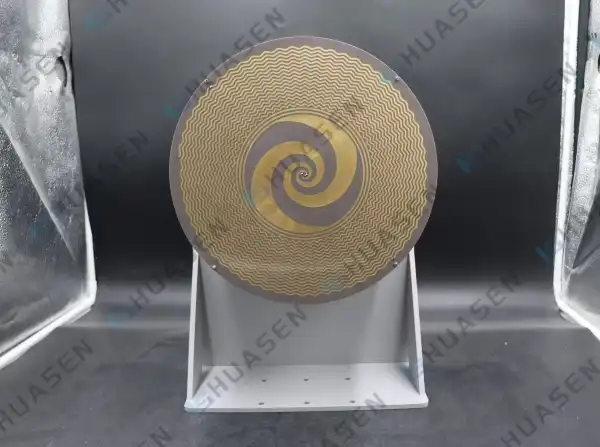
Circular Polarization Advantages of Planar Helical Antenna Systems
When used in planar helical antenna designs, circular polarization gives great performance in ultra-wideband uses, especially in the 0.2–18 GHz range. The low-profile antennas have a spiral radiating surface backed by absorbing cavity structures. Depending on the direction of the helix winding, these antennas produce either left- or right-hand circular polarization. With VSWR usually kept below 2.5 and gain between -5 and 5 dB, these systems work great for wideband tracking, electronic spying, and signal intelligence gathering, where being able to change polarization and reject multiple paths is essential.VIEW MORE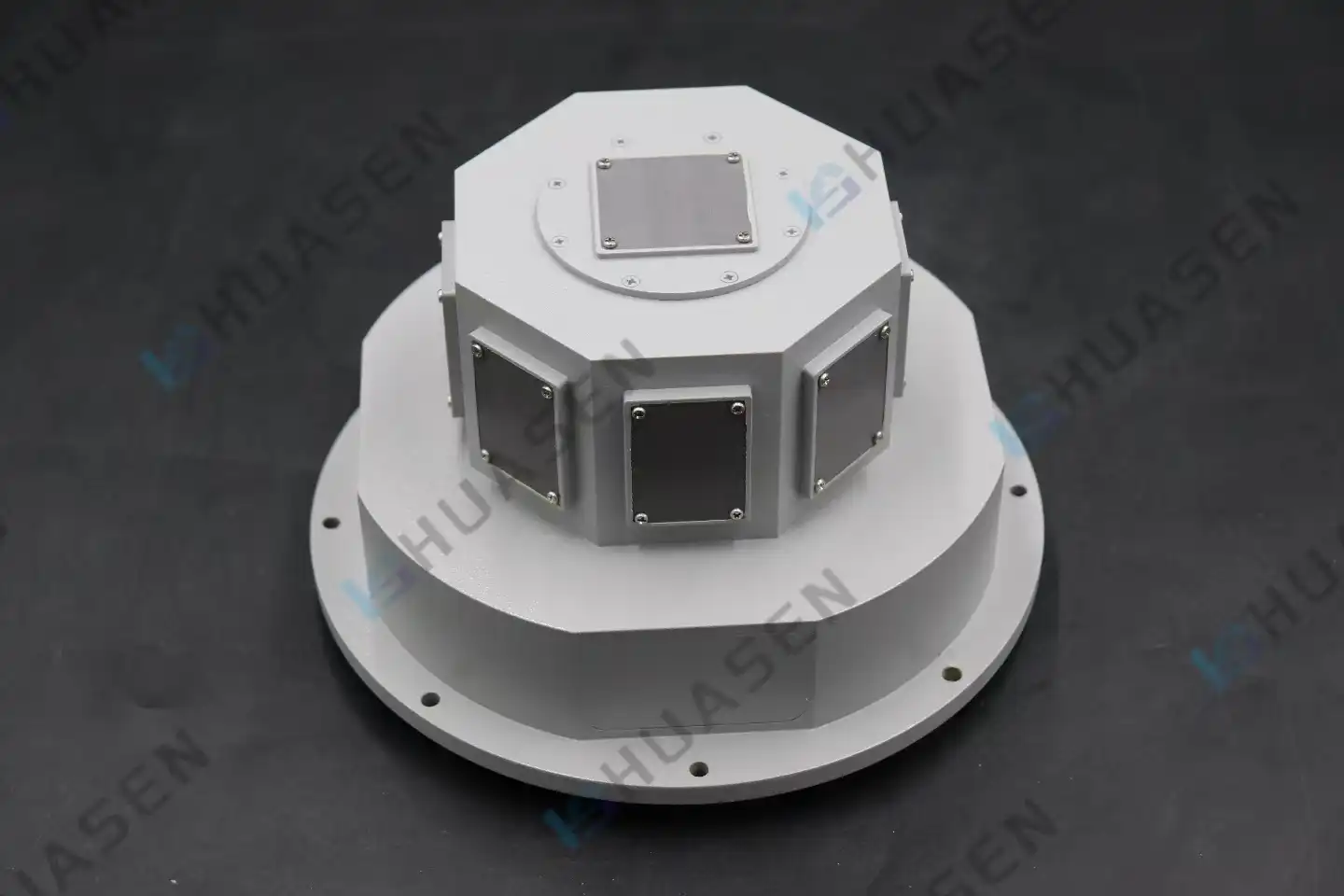
Curved Surface Integration Challenges in Microstrip Conformal Array Antenna
When flight engineers create the next generation of unmanned aerial vehicles (UAVs) or telecoms experts prepare 5G base stations for installations on curved rooftops, they both have to deal with the same problem: how to mount antenna arrays on surfaces that aren't flat without affecting performance. The next step to solve this problem is a microstrip conformal array antenna, which has antenna elements that are placed on or built into curved structures like aeroplane fuselages, missile nose cones or car roofs. Instead of flat surfaces needed by traditional planar designs, conformal arrays change shape to fit the host platform's aerodynamics, which eliminates drag and lowers radar cross-section. This feature is very important for military flight applications, mobile communications infrastructure, and self-driving car systems that need to fit together seamlessly because of limited room and concerns about how things look.VIEW MORE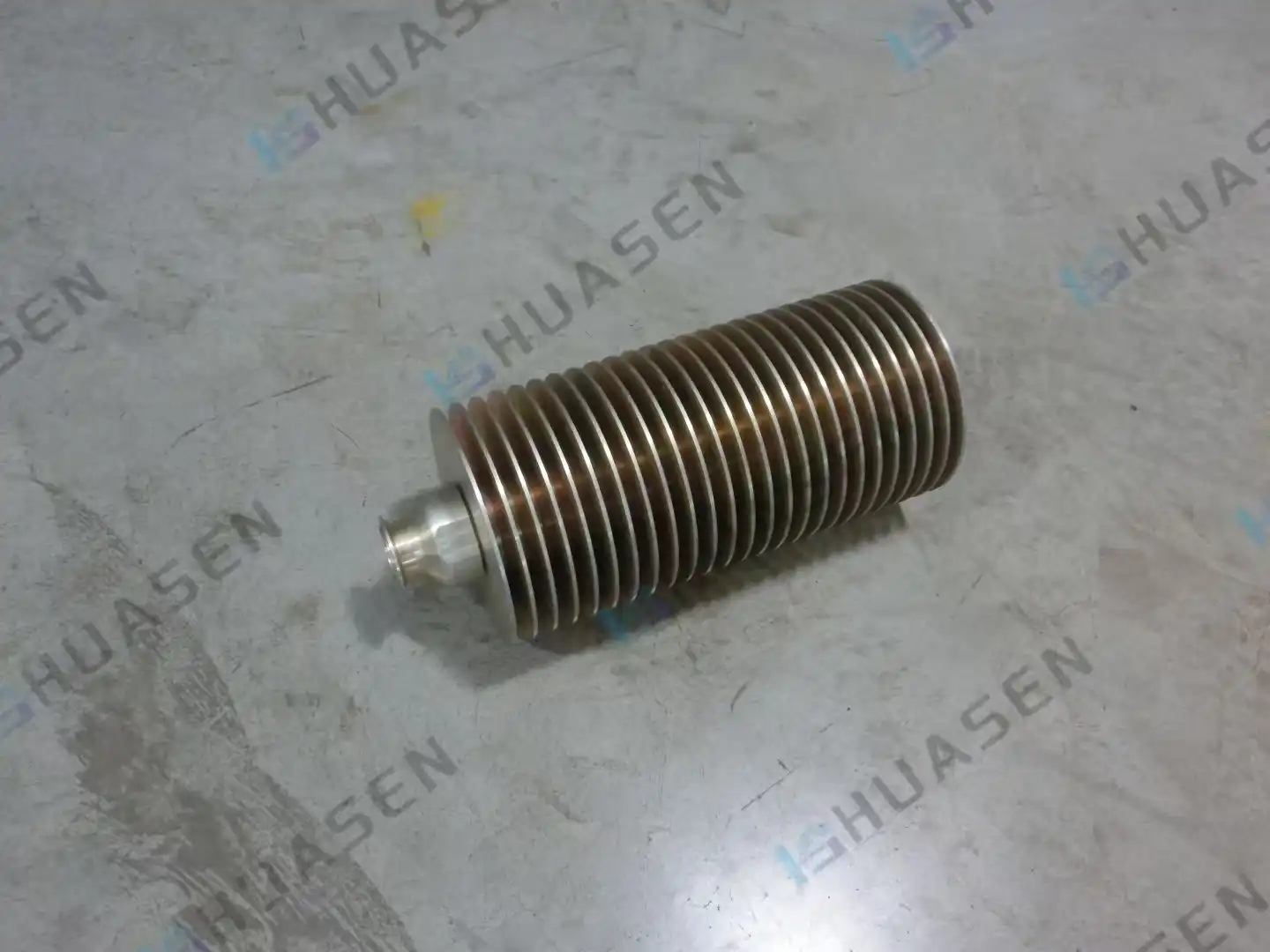
How to Choose a Coaxial Load for Your Frequency Band
To pick the best coaxial load, you need to know what frequency band you need, how much power you can handle, and where you will be using it. Signal echoes hurt RF systems and hurt emitters, but a properly matched termination stops them. Matching resistance, which is usually 50Ω or 75Ω, keeps VSWR low so that energy is absorbed instead of reflected. Choosing a termination device that covers your operational frequency with minimal loss is important for measurement accuracy and equipment safety in telecommunications, radar, and test settings. This is true whether you're working in sub-GHz base stations or millimeter-wave satellite links above 40 GHz.VIEW MORE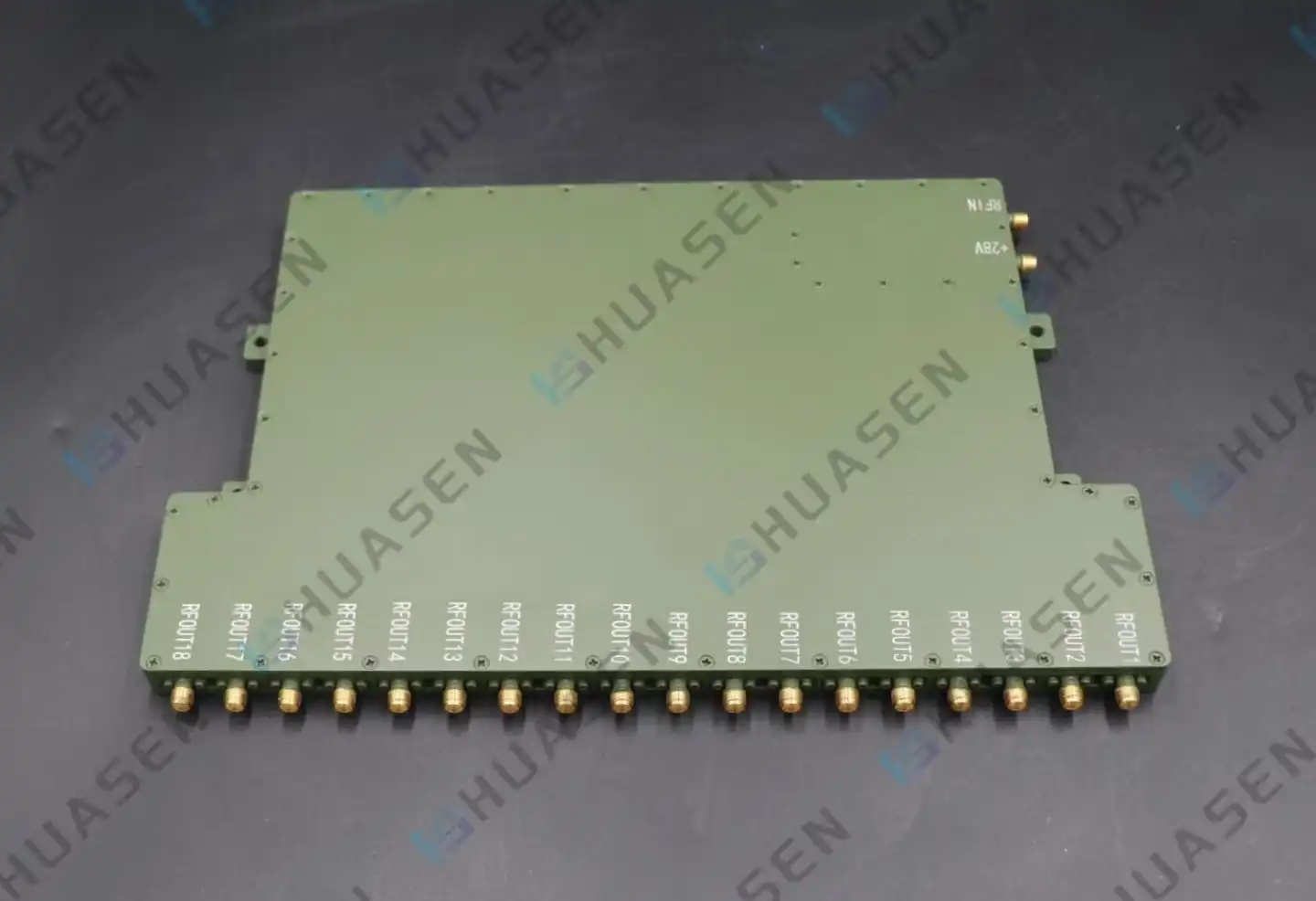
DC Power Amplifier: Gain, Linearity & Frequency Guide
A DC power amplifier is an important part of any transmission or radar device that needs to boost weak radio waves from milliwatts to kilowatts over frequencies from 0.1 GHz to 40 GHz. Unlike most amplifiers, which need separate AC-DC converters, these devices work straight from DC sources, giving you flexible output power with very little distortion. The word "DC power amplifier" here refers to RF linear amplifiers that are driven by direct current. They are made to boost radio frequency signals while keeping the gain flat, usually within ±1dB, and keeping the signal's integrity over a wide frequency range. This guide talks about the important factors—gain, uniformity, and frequency response—that RF engineers and buying managers need to look at when choosing amplifiers for base stations, satellite links, radar systems, and testing areas for communications.VIEW MORE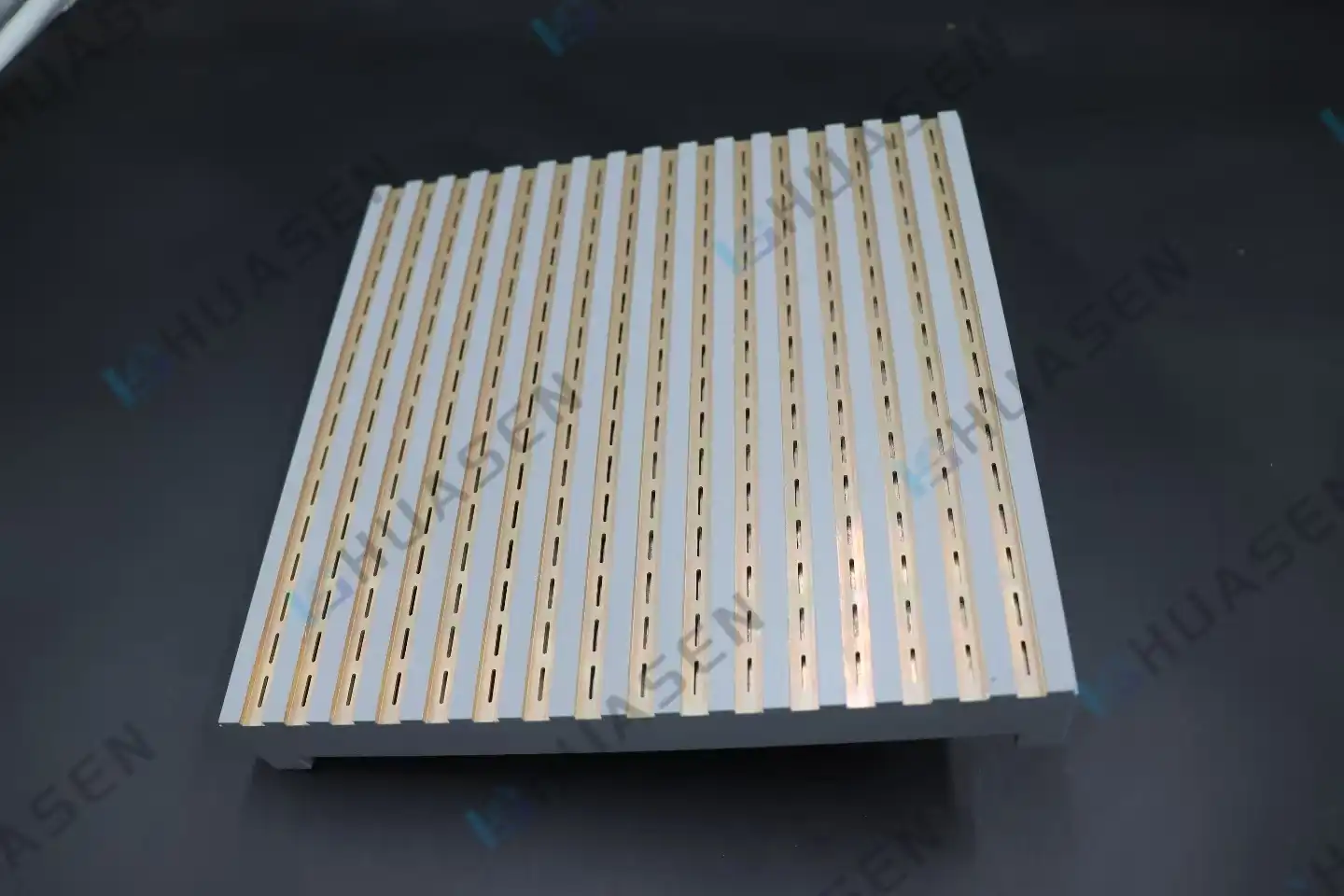
Planar Slot Antenna Performance in 5G Millimeter-Wave Systems
The unique waveguide-based design of planar slot antennas is what makes them work so well in 5G millimeter-wave networks. It lets you precisely control the electromagnetic field at frequencies above 24 GHz. Unlike regular patch antennas, which lose dielectric at mmWave frequencies, slotted waveguide arrays keep their efficiency levels above 85% while providing guided radiation patterns that are needed to solve the propagation problems that come with 5G deployments. These antennas meet important design requirements like thermal stability, small integration, and polarization purity. This makes them essential for base station groups and backhaul lines where signal integrity directly affects network capacity.VIEW MORE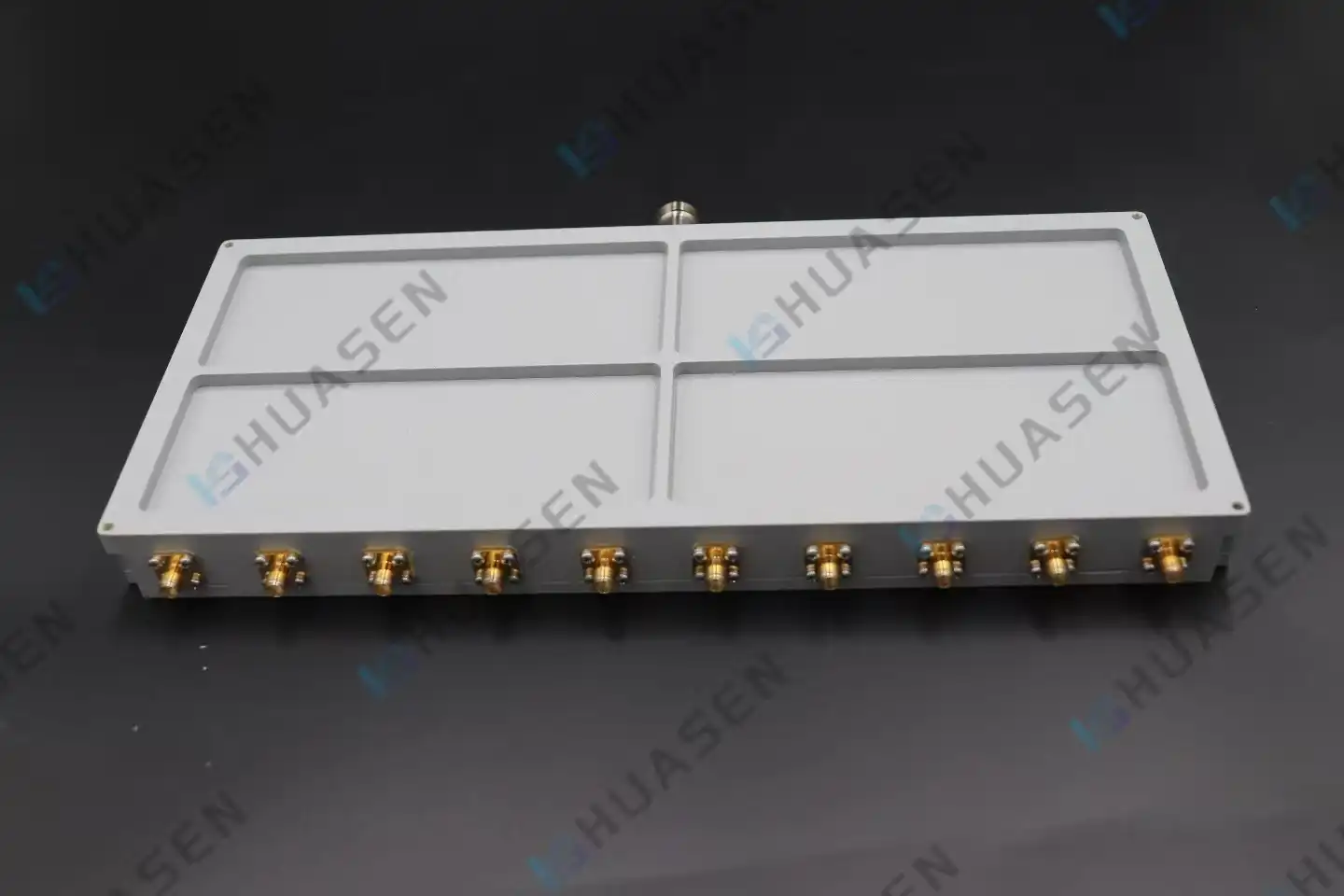
Signal Integrity Control in Broadband Coaxial Power Combiner Units
Signal Integrity Control in Broadband Coaxial Power Combiner Units represents a critical engineering discipline that directly impacts system performance across telecommunications, radar, and aerospace applications. A coaxial power combiner functions as a passive RF component that sums multiple RF signals into a unified high-power output while preserving signal fidelity across expansive frequency ranges. Maintaining signal integrity becomes paramount when operating across DC to 40GHz bandwidths, where even minor impedance mismatches or phase imbalances can degrade system efficiency, introduce intermodulation products, and compromise the reliability of mission-critical installations.VIEW MORE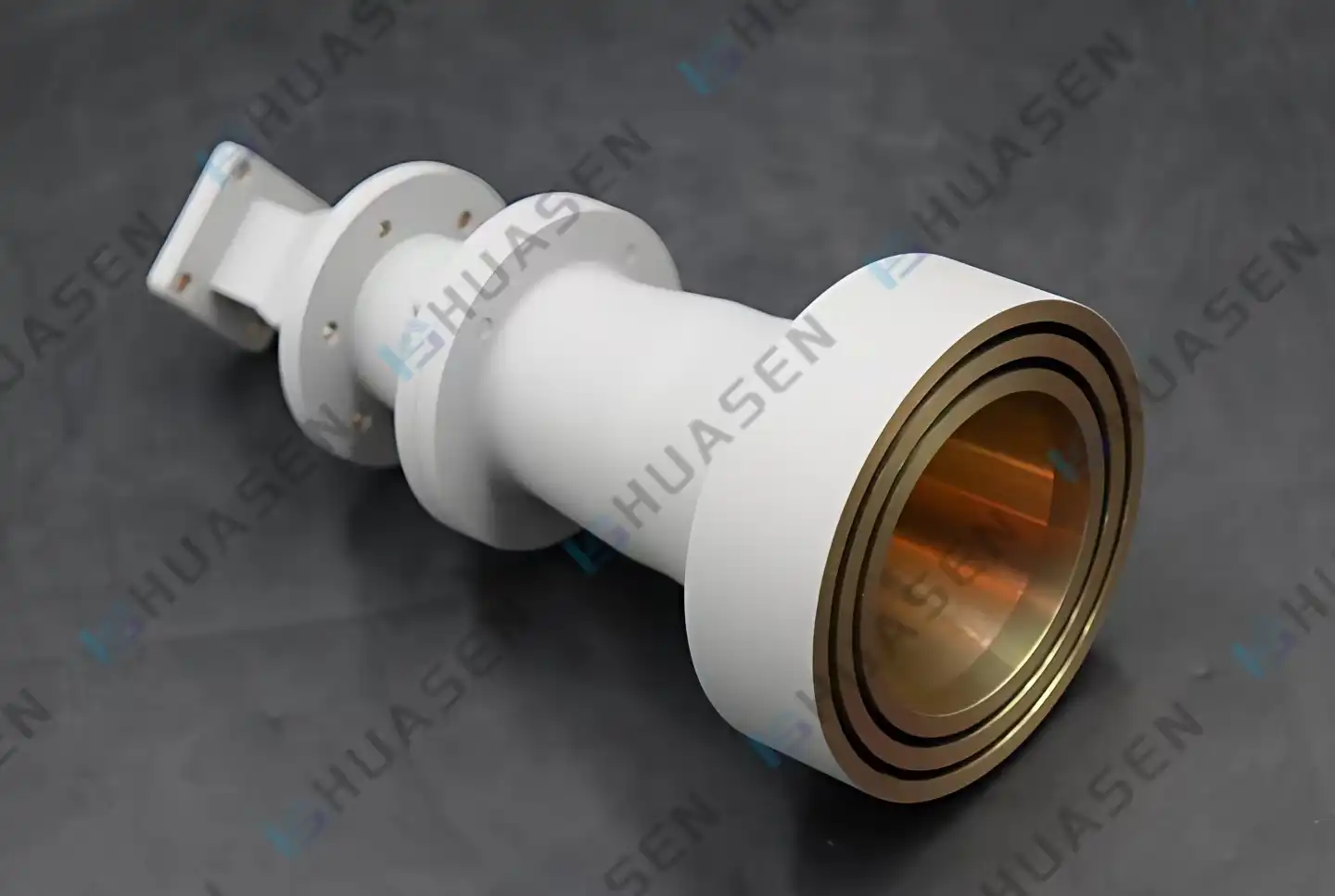
Corrugated Conical Horn Antenna for Reflector Systems
The corrugated conical horn antenna is the standard when it comes to making high-performance reflector systems for satellite communications, radar sites, or high-precision testing settings. This special feed part has holes inside it that create a balanced hybrid HE11 mode. This mode creates very pure radiation patterns that are rotationally uniform. Unlike regular smooth-wall horns, which produce elliptical beams and a lot of cross-polarization, these antennas provide identical E-plane and H-plane beamwidths while reducing sidelobes to almost nothing. This directly leads to better reflector illumination efficiency and system gain-to-noise temperature ratios.VIEW MORE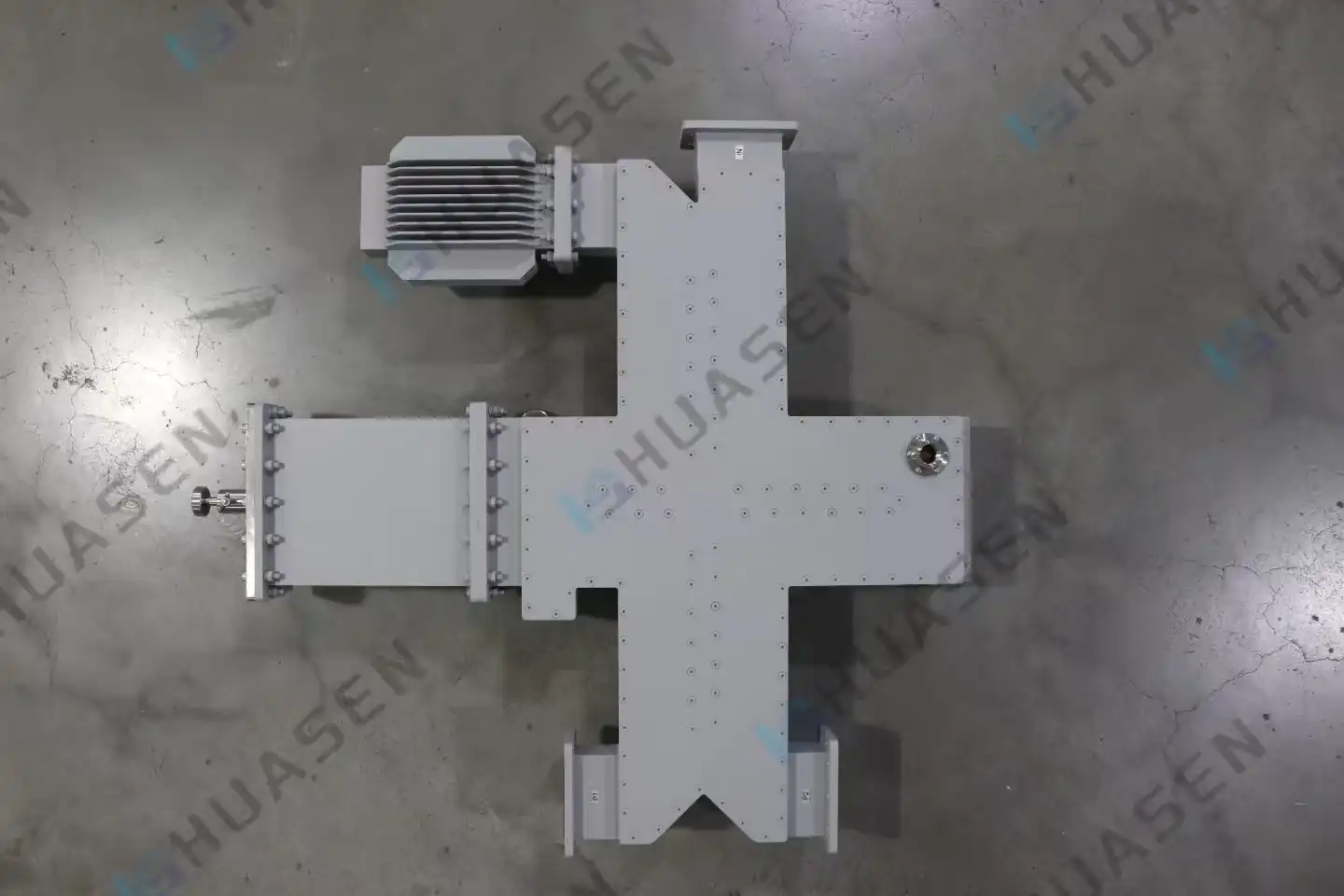
OEM Waveguide Power Divider Solutions for Custom RF Systems
When your RF architecture demands precision signal distribution across multiple channels without compromising power integrity or phase coherence, Waveguide Power Dividers become the engineering choice that separates successful deployments from costly failures. These passive components split electromagnetic energy traveling through hollow metallic structures, delivering superior performance in high-frequency, high-power environments where coaxial and planar alternatives simply cannot survive. At Huasen Microwave, we've spent over three decades refining OEM and ODM capabilities to deliver custom waveguide power dividers that solve the exact challenges system integrators, equipment manufacturers, and research institutions face daily.VIEW MORE
- 1
- 3
- 4
- 5
- 6
- 7
- 60
Total 60 pages
