How to Choose a Coaxial Load for Your Frequency Band






2026-07-05 16:54:56
To pick the best coaxial load, you need to know what frequency band you need, how much power you can handle, and where you will be using it. Signal echoes hurt RF systems and hurt emitters, but a properly matched termination stops them. Matching resistance, which is usually 50Ω or 75Ω, keeps VSWR low so that energy is absorbed instead of reflected. Choosing a termination device that covers your operational frequency with minimal loss is important for measurement accuracy and equipment safety in telecommunications, radar, and test settings. This is true whether you're working in sub-GHz base stations or millimeter-wave satellite links above 40 GHz.
Understanding Coaxial Loads and Their Role in RF Systems
RF engineers depend on precise terminations to keep emitters safe and make sure the system works right. At the ends of transmission lines, these inactive devices soak up radio frequency energy. This stops standing waves that damage signals.
What Is a Coaxial Load and How Does It Differ from a Dummy Load?
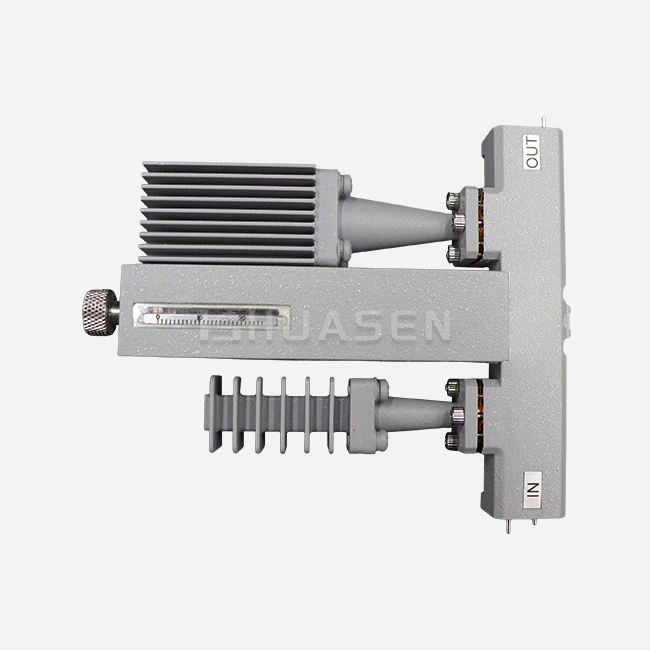
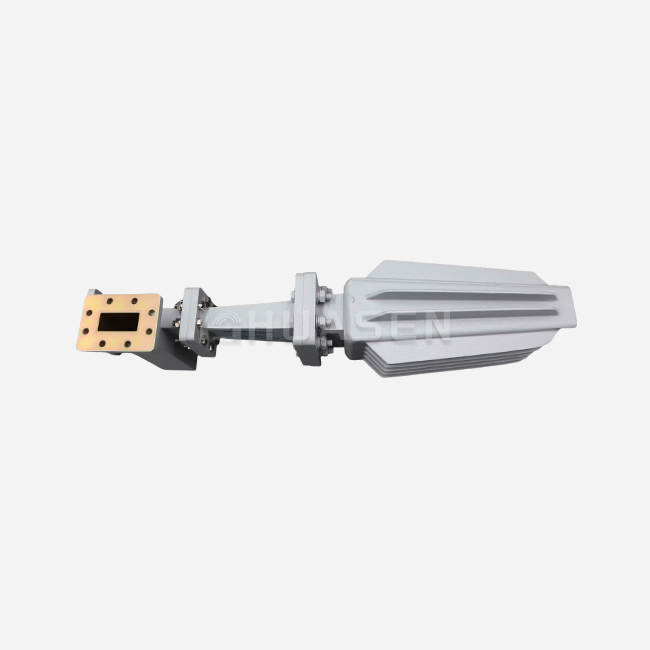
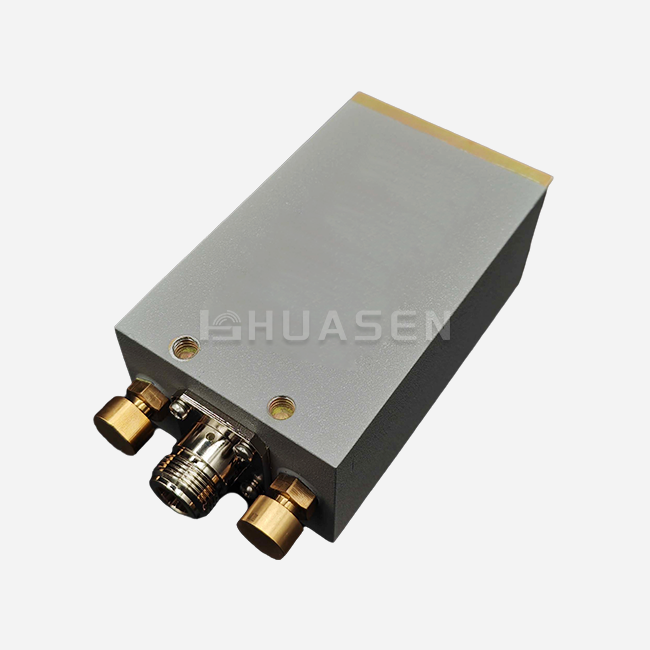
A termination device gives you a matching resistive finish that turns RF energy into heat and keeps the impedance balance of the system. "Dummy load" and "dummy load" both mean the same thing, but "dummy load" usually refers to high-power transmitter tests in radio and radar situations. Both do the same basic thing, which is to close off ports that aren't being used, keep amplifiers safe while they're being tested, and give measuring tools a way to measure things. Depending on the frequency and power needs, modern designs use resistive, absorptive, or a mix of the two.
How Do Frequency Bands Impact VSWR and Power Handling?
The operating frequency has a direct effect on the reflected properties and the efficiency of heat removal. Lower frequencies, below 3 GHz, let small resistance systems work well with VSWR values below 1.10. When the frequency goes up to millimeter waves, parasitic reactances show up. To keep the reflection coefficients low, you need materials that absorb light or resistance elements that are curved. At higher frequencies, power handling also goes down because resistance films have less surface area for heat reduction and more current density. If the temperature stays the same, a device that can handle 100W at 1GHz might only be able to handle 25W at 18GHz.
Types of Coaxial Loads: Matched, Unmatched, and Specialty Terminators
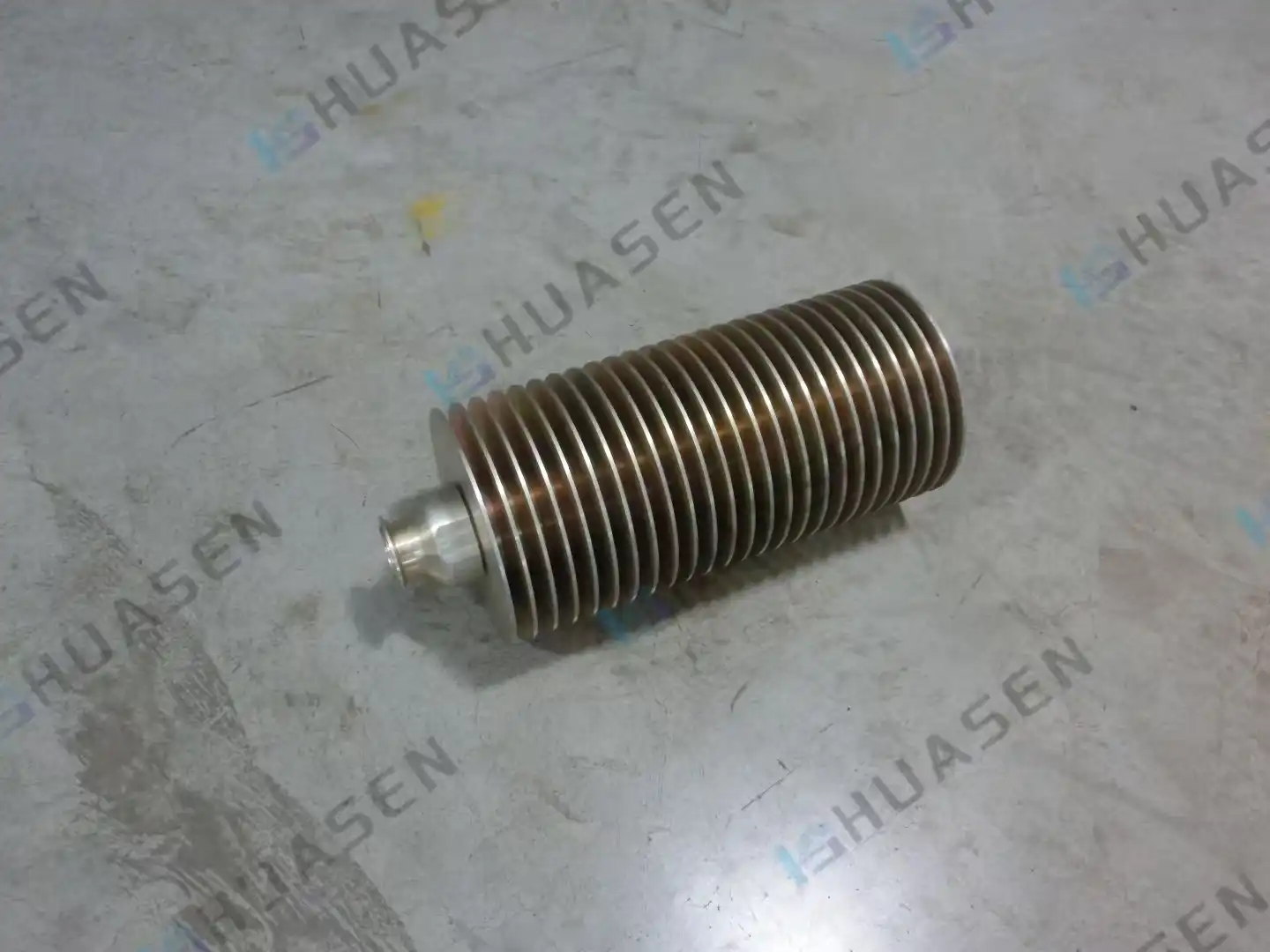
There are three main groups that meet different system needs. Matched loads give accurate 50Ω or 75Ω resistance over certain bandwidths, which is necessary for calibrating VNAs and isolating ports in combiners. Unmatched loads are designed to have non-standard resistance for specific test cases that check the stability of amplifiers when they are mismatched. Total reflection is made by open and short-circuit terminators. This is used for time-domain reflectometry and fault finding. Resistive types come in small packages starting at DC and have very little low-frequency radiation. Ceramics or ferrites that absorb microwaves are used in absorbent designs. These work best at high frequencies, when resistive elements start to react. Plate-type heatsinks or liquid cooling are used in high-power versions to support ongoing duty cycles in broadcast transmitter tests.
System designers can choose the right terminations for spread antenna systems, satellite ground stations, or communication platforms in space, where reliability can't be compromised if they understand these differences.
Key Criteria to Consider When Choosing a Coaxial Load for Your Frequency Band
Buying choices depend on technical specs that match up with what's needed for operations. When choices don't match, it can cause measurement mistakes, damage to the tools, or early failure of a part under stress.
Defining Your Frequency and Power Requirements
First, make a map of your operating range. 5G base station front-ends that work at frequencies between 3.3 GHz and 3.8 GHz need wide coverage and stable performance at all temperatures. Uplink systems for satellites that work at 14–14.5 GHz need accuracy in smaller bands. Keep track of both the average and peak power levels. Pulse radar produces short spikes of kilowatts that are many times higher than the normal ratings. Devices rated for 50W average might be able to handle 500W peak for microsecond spikes, but they need to be able to handle 50W of constant operation. Always add 25 to 50 percent to the estimated maximums as a safety cushion. This is to account for changes in the ambient temperature and the effects of aging.
Impedance Matching and VSWR Performance Standards
The ending conditions of a coaxial load are set by the system's characteristic impedance. The standard for telecommunications equipment is 50Ω, and the standard for video broadcasting is 75Ω. For most tasks, a VSWR below 1.20 is enough, but for precise lab work, 1.10 or higher is needed. Ultra-low reflection designs get VSWR ≤1.03 across octave bandwidths, which is very important for calibrating a vector network analyzer, where measuring error needs to be less than 0.05 dB. Passive Intermodulation (PIM) versions with low PIM use nonmagnetic materials and controlled junction design to stop unwanted signal generation in full-duplex LTE and 5G systems, where -153 dBc cleanliness keeps nearby channel selectivity.
Connector Types and Material Durability Considerations
The choice of interface affects the frequency range and the dependability of the mechanical parts. N-type plugs can handle high power up to 11 GHz and are weatherproof enough for outdoor equipment. With SMA connections, small lab tools can be used up to 26 GHz. For the millimeter-wave study, the 2.92 mm (K-connector) type goes beyond 40 GHz, and the 2.4 mm type goes beyond 50 GHz. The makeup of a material affects how long it lasts. For example, in marine satellite ports, brass bodies with gold-plated contacts prevent corrosion, while in automated test equipment, beryllium-copper fingers keep contact pressure even after thousands of mating cycles.
Environmental Factors: Temperature, Humidity, and Mechanical Stress
Base units outside and radar systems on ships have to deal with weather changes of -40°C to +85°C. Power derating curves show that capacity drops by half at the highest working temperature compared to the values for 25°C. Conformal coatings and hermetic seals keep out water in coastal areas where salt fog speeds up the rusting of connectors. For flight uses, shock and vibration requirements are important. Devices that meet MIL-STD-810 standards can handle the loads of an airplane taking off and the vibrations of a drone platform without losing any performance. Point-to-point wireless bridges don't need protective radomes because IP67-rated casings can be exposed to direct weather.
These technical factors directly address the problems that system integrators have when they need stable parts that can be used in a variety of deployment situations while still making sure that the supply chain is reliable and that all certifications are followed.
Comparing Coaxial Loads with Alternative RF Components
Understanding the differences between components helps you avoid making design mistakes that hurt system speed. Even though these gadgets do similar things, they are not exactly the same in how they look or how they are used.
Functional Differences: Terminators vs. Attenuators vs. Dummy Loads
Terminators, attenuators, and dummy loads all do different things. Terminators completely block signals at a single port, showing matching impedance but no output. Attenuators lower the signal's intensity while sending energy to later steps. They need input and output ports with specific loss values. Dummy loads focus on taking a lot of power for testing transmitters, and they often come with cooling systems that normal terminators don't have. All three control reflection, but the right one depends on the application: use standard loads to close off empty combiner ports, attenuators to level out gain in amplifier chains, and high-power fake loads during maintenance cycles for broadcast transmitters.
Evaluating VSWR and Loss Profiles Across Components
The behavior of the reflection coefficient and the insertion loss is very different. Terminations of good quality have VSWR values below 1.15 and presumably no signal loss at all, so no signal gets through. Attenuators keep the VSWR low on both ports (usually less than 1.25) while adding controlled loss from 3dB to 30dB. When you start with DC, resistive loads have flat VSWR across wide bandwidths, but absorptive types may show growing reflection below their design frequency. When you compare maker datasheets, you can find these traits: look for guaranteed standards instead of average values; also, make sure that the measurement settings are correct, such as the temperature and the quality of the connector interface.
Matching Component Capabilities to Testing Scenarios
For lab testing, the coaxial load terminators must be very steady, with VSWR tracking below 0.02 dB across temperature changes. When testing cellular equipment for production, moderate-performance loads are helpful because they save money when buying in bulk. For radar system repair in the field, you need ruggedized high-power units that can handle being heated and cooled many times. Professionals in procurement balance the need for performance with the need to stay within budget. They do this by matching specs to real operational stress instead of over-specifying for hypothetical edge cases.
Procurement Guide: How and Where to Buy Quality Coaxial Loads?
Source choices affect how long a project takes and how much it costs to maintain in the long run. Building relationships with dependable providers guarantees consistent quality and quick technical help.
Trusted Manufacturers and Supplier Credibility
Bird Electronic Corporation has been in the broadcasting and telecommunications business since 1933. They sell high-power, liquid-cooled terminators for testing transmitters. Keysight Technologies, which used to be called Agilent, makes precision lab standards for measurement uses that can be traced back to NIST. Mini-Circuits offers low-cost commercial-grade parts that can be sent quickly for testing and small-batch production. Established in 1993, Huasen Microwave Technology Co., Ltd. is an expert in millimeter-wave and microwave terminations covering DC to 60 GHz with very low VSWR ≤ 1.03. They work with clients in the aerospace, defense, and 5G infrastructure markets. Check that the seller is ISO 9001 certified, ask for test data so that you can track each lot, and make sure that the guarantee covers both workmanship and performance degradation. Lead times range from being in stock to 8 weeks for special fabrication. Make sure you have written shipping promises before you place an order.
Pricing Expectations and Customization Options
Normal 50Ω N-type loads with a 25W rating cost $50 to $150, based on the frequency range and VSWR requirements. Prices range from $500 to $1200 for precise lab standards with 1.05 VSWR and testing certificates. Broadcast receivers with high-power water-cooled units cost more than $3000. Volume price gives savings of 20–35% on orders of 50 or more units, which is good for system designers who are setting up distributed antenna systems in more than one location. Customization can be used for non-standard needs like specific frequency bands, different connector setups, sealing against external factors above and beyond what is listed in the catalog, or built-in mounting hardware. Talk about customization early on in the planning process because the cost of tools and longer wait times can throw off project plans.
Bulk Purchasing Advantages and Technical Support
Negotiated price models lower unit costs and secure priority production slots, which are good for large-scale deployments. Setting up blanket purchase orders with planned release lines up the availability of parts with important building milestones, which keeps the project from being delayed, which costs a lot of money. During system integration, supplier technical support is very helpful. Application experts help with thermal management calculations, suggest the best mounting orientations, and fix strange VSWR readings during testing. Respondent after-sales service, such as repair, recertification, and testing programs, makes tools last longer, which lowers the total cost of ownership for infrastructure projects that last more than one year.
Practical Steps to Test and Validate Your Coaxial Load
After the product is bought, it is validated to make sure it meets the specs and to set performance standards for ongoing upkeep programs. Systematic testing stops degradation that affects measurement accuracy from happening without being noticed.
Using Vector Network Analyzers for VSWR Verification
Vector network analyzers are used to check the VSWR of coaxial loads. Connect the termination to a VNA port that has been measured, and then measure the reflection from just one port across the frequency range that was given. Accurate measurements are guaranteed by using short-open-load standards for proper testing. The return loss shown should be higher than what is required—VSWR 1.15 equals 23.1 dB return loss. Write down the magnitude and phase data for S11 and make a note of any resonant peaks that show internal discontinuities. If you want to see if something is stable, you can test it in cold (0°C), room temperature (25°C), and hot (85°C) settings. Documentation sets reference baselines that can be used to find future damage during routine maintenance checks.
Common Issues and Troubleshooting Techniques
Problems that people often have and how to fix them. If you drop or overtighten a piece of equipment, it will immediately cause the VSWR to drop. Check the contact surfaces for broken pins, dielectrics that are crushed, and contamination. Too much power causes thermal stress that delaminates the resistant film; a slowly rising VSWR over weeks means that the interior failure has happened. Moisture getting into outdoor systems erodes the inside. Sudden VSWR jumps after bad weather indicate seal damage. Many problems in the field can be fixed by cleaning connection surfaces with isopropyl alcohol and compressed air. In sensitive RF chains, replacing broken terminators right away stops cascade failures.
Maintenance Recommendations for Long-Term Reliability
Checking the state of the connectors and seals on outdoor units every three months is required. Every year, indoor lab standards should be recalibrated against NIST-traceable models to keep measurement accuracy. High-power dummy loads need upkeep on their cooling systems. For liquid-cooled models, check the water flow rates and look for scale growth. For air-cooled models, make sure the fans work. Corrosion can be avoided by storing things correctly in places with controlled air. Documenting upkeep activities and tracking performance over time shows trends of decline before a catastrophic failure. This helps with planning replacements ahead of time, which cuts down on unplanned downtime.
Conclusion
When choosing the right termination device, you have to think about how to balance frequency coverage, power handling, and environmental stability with the cost of the device. Matched impedance with little bounce keeps RF systems safe and lets people make exact readings in defense, aircraft, and telecommunications. Specification choices are based on knowing the differences between resistive, absorptive, and high-power designs. For long-term dependability, connector compatibility, VSWR performance standards, and the trustworthiness of the provider are important. When network analyzers are used correctly, they ensure that standards are met. Systematic maintenance also extends the life of operations, which lowers the total cost of ownership for system integrators and test facilities.
FAQ
1. What distinguishes a standard termination from a low PIM load?
Most standard devices use common resistance plates and materials to match impedance and absorb power. Specific non-magnetic metals and controlled junction design are used in low PIM versions to stop passive intermodulation, which raises noise floors in full-duplex communication systems like LTE and 5G base stations.
2. How should I determine appropriate power ratings for my application?
Find out what your system's normal and peak power levels are. Add a 25–50% safety range above the maximums you calculated to account for changes in the atmospheric temperature and the aging of the parts. Look at the manufacturer's derating curves to see how power drops as temperature rises. For example, a 100W rating at 25°C might drop to 50W at 85°C.
3. Can components be customized for non-standard frequency bands?
Manufacturers can make changes to meet special needs for frequency bands, socket types, and power levels that aren't listed in their catalogs. Talk about your needs early on because custom designs cost more to make and take longer to deliver (6–10 weeks on average compared to stock items).
Partner with a Trusted Coaxial Load Manufacturer
Huasen Microwave Technology delivers precision RF terminations engineered for demanding applications across telecommunications, radar, and aerospace sectors. Our product portfolio spans DC to 60GHz with ultra-low VSWR ≤1.03, supporting average power to 400W and peak levels reaching 5000W. Compatible with N-type, SMA, and 2.92mm interfaces, our designs incorporate resistive, absorptive, and high-power cooling architectures. As an established Coaxial Load supplier since 1993, we provide customization services addressing unique frequency bands, environmental sealing requirements, and integration specifications. Contact our technical team at sales@huasenmicrowave.com for application consultation, detailed datasheets, and volume pricing supporting your procurement objectives with reliable components backed by comprehensive technical support.
References
1. Pozar, David M. Microwave Engineering, 4th Edition. Wiley, 2011.
2. Collin, Robert E. Foundations for Microwave Engineering, 2nd Edition. IEEE Press, 2001.
3. Bahl, I.J. Lumped Elements for RF and Microwave Circuits. Artech House, 2003.
4. Rizzi, Peter A. Microwave Engineering: Passive Circuits. Prentice Hall, 1988.
5. IEEE Standard 291-1991. IEEE Standard Methods for Measuring Electromagnetic Field Strength of Sinusoidal Continuous Waves.
6. Military Standard MIL-STD-348A. General Specification for Test Equipment for Use with Electrical and Electronic Equipment.
Send Inquiry