Planar Slot Antenna Performance in 5G Millimeter-Wave Systems






2026-07-05 16:54:53
The unique waveguide-based design of planar slot antennas is what makes them work so well in 5G millimeter-wave networks. It lets you precisely control the electromagnetic field at frequencies above 24 GHz. Unlike regular patch antennas, which lose dielectric at mmWave frequencies, slotted waveguide arrays keep their efficiency levels above 85% while providing guided radiation patterns that are needed to solve the propagation problems that come with 5G deployments. These antennas meet important design requirements like thermal stability, small integration, and polarization purity. This makes them essential for base station groups and backhaul lines where signal integrity directly affects network capacity.
Fundamentals of Planar Slot Antennas in 5G Millimeter-Wave Applications
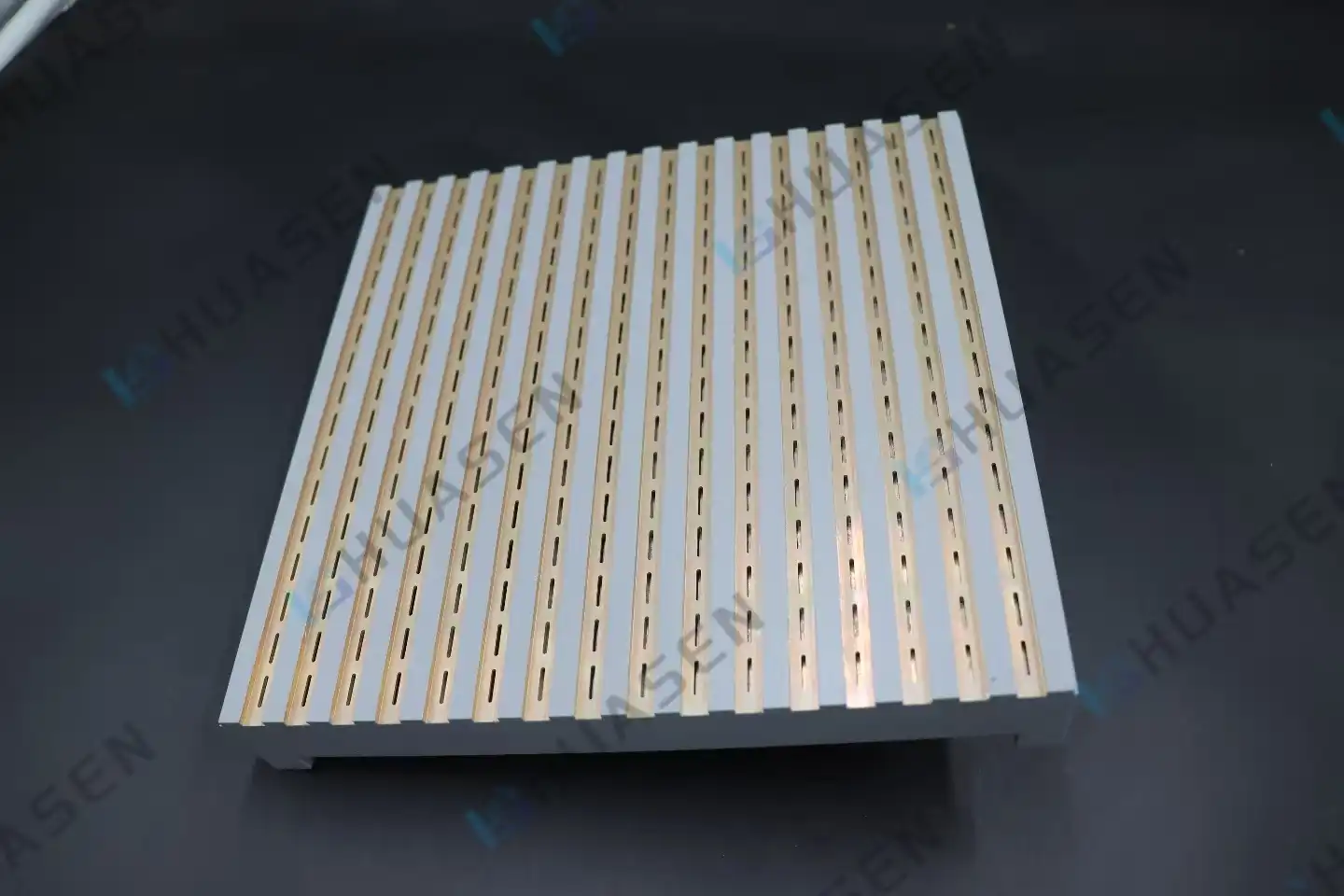
Planar Slot Antennas: Principles and Applications in 5G Millimeter-Wave. Figuring out how slotted waveguide arrays work at millimeter-wave frequencies makes it clear why they are a good choice for next-generation wireless networks. The design uses carefully cut resonant holes on the wide wall of rectangular waveguides to turn directed waves into radiated energy. This is done by controlling how the apertures are spread out.
Core Operating Principles at mmWave Frequencies
At frequencies between 24 and 40 GHz, the behavior of electromagnetic waves is very sensitive to differences in size. Slotted waveguide antennas get around this problem by using air-filled or low-loss dielectric transmission lines. They don't have to deal with substrate dissipation like printed circuit board antennas do. The radiation properties are set by the slot spacing and offset factors. Engineers change these variables to change the beam's direction and polarization. This accuracy is shown by Huasen Microwave's application, which has slot array layouts that can be changed to cover frequencies from 1 to 40 GHz while keeping a 5–8% fractional bandwidth that's good for channel assignments in the n257, n258, and n260 5G bands.
Radiation Pattern Control and Polarization Benefits
Support for vertical polarization in waveguide slot arrays is a big plus for base station deployments. The narrow vertical beamwidth of 3.2 to 4.5 degrees focuses energy on the horizon and reduces ground echoes and sky noise. This directly improves signal-to-noise ratios in busy cities. The horizontal coverage that goes all the way around removes azimuthal dark spots, which is very important for sectored cell sites that serve mobile users from multiple directions at the same time. The waveguide's built-in mode control makes it possible to shape patterns in a way that microstrip systems can't do without a lot of extra work.
Bandwidth Optimization Across 5G Spectrum Allocations
To get a useful bandwidth at millimeter-wave frequencies, the impedances must be carefully matched across the whole operating range. The 5–8% bandwidth standard means that there should be about 1.4–3.2 GHz of absolute bandwidth at a 28 GHz center frequency. This means that multiple 5G New Radio channels can fit into a single antenna system. Instead of putting up different antennas for each frequency block, this consolidation cuts down on the size of the towers needed and makes the system design easier to understand. When looking at antenna options, procurement teams should keep in mind that bandwidth rates change with frequency. For example, a 6% bandwidth at 38 GHz covers 2.3 GHz, which is more than enough for current 5G allocations.
Performance Optimization Strategies for Planar Slot Antennas in 5G Systems
The difference between theoretical plans and goods that are ready to be used is how well and reliably the antennas work in the real world. System developers often have problems with impedance mismatch, temperature drift, and environmental damage that hurt link budgets.
Addressing Gain and Efficiency Bottlenecks
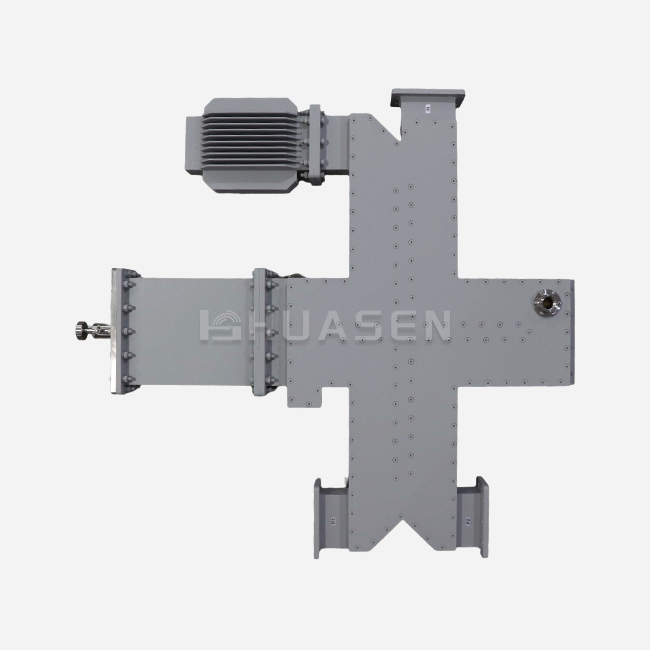
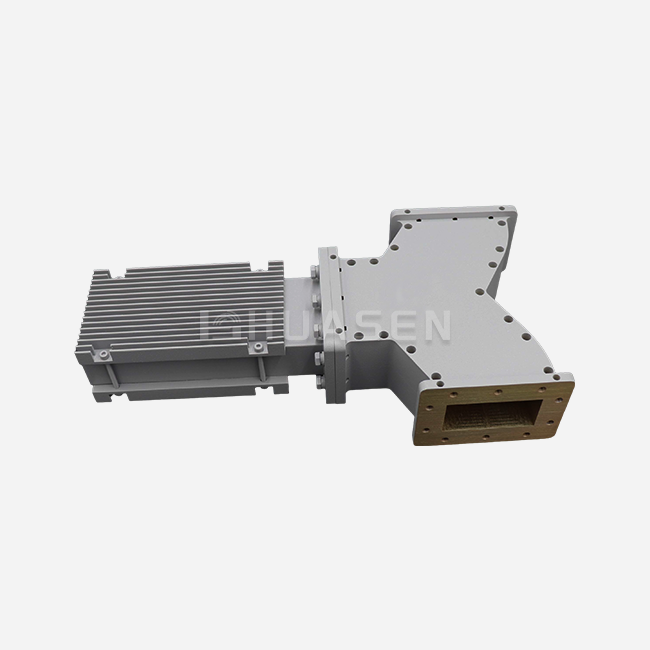
Effective transmitted power and receiver sensitivity are both affected by insertion loss. Waveguide slot arrays, or planar slot antennas, naturally reduce loss along metallic-only paths for propagation, but bad slot cutting or surface oxidation can add unwanted echoes. Huasen Microwave's small waveguide slot array structure keeps the VSWR low by using precise CNC cutting with errors of just a few microns. When readings of gain fall short of what is needed, it's usually because of mistakes in the size of the slots or breaks in the feed network. Using calibrated anechoic chambers for verification testing makes sure that the stated gain numbers are accurate and not just computer guesses.
Advanced Simulation Tools for Design Refinement
Software for electromagnetic modeling lets you make virtual prototypes, which speeds up the creation process. HFSS uses finite element methods to model how fields are distributed in complicated waveguide shapes. This lets them predict how radiation will be spread before the devices are even made. Time-domain models in CST Microwave studios are perfect for checking broadband performance across the whole 1–40 GHz range. With these tools, engineers can find the best place for each slot to get the beamwidths and side lobe levels they want. These are important factors for managing interference in dense cell deployments. As part of the simulation validation process, sensitivity analysis should be carried out. This checks how industrial errors affect electrical performance and makes sure that the simulation can be used on a large scale.
Material Selection and Fabrication Quality Standards
Aluminum metals are still the best material for waveguides because they are a good balance of conductivity, weight, and ease of machining. Surface treatments like anodizing or chromate conversion coating keep things from rusting in open settings where temperatures can change from -40°C to +70°C. Loss tangent is affected by the waveguide's internal finish. At 28 GHz, a surface roughness of 0.8 microns increases attenuation by about 0.02 dB per wavelength. Validation methods need to make sure that cross-polarization discrimination is more than 25 dB across the operating band and that return loss is less than -15 dB. These are measurements that are directly related to data throughput in real networks.
Comparative Analysis: Planar Slot Antennas vs. Other Antenna Types for 5G
To choose the best antenna design, you need to know how speed, cost, and integration complexity all compare to each other. For each use case in 5G infrastructure, a different approach is needed.
Performance Metrics Across Antenna Technologies
Microstrip patch antennas have a low profile that makes them good for user equipment, but at 28 GHz, they lose 2–4 dB more signal than waveguide slots because the base dissipates. Dipole arrays have a wider bandwidth, but they aren't as strong mechanically, which is needed for outdoor base stations. Dielectric resonator antennas are very efficient, but they are hard to make in large quantities. The following table lists the most important differences that matter for buying decisions:
Waveguide slot arrays are great at handling high power and staying stable at high temperatures, which makes them perfect for macro cell sites that need to send 40 watts or more. Since there are no dielectric materials, there is no temperature-induced frequency shift. This is a frequent way for patch antennas to fail when temperatures change with the seasons. Microstrip patch arrays are still a good choice for small cell uses where power levels stay below 5 watts, and weather exposure is managed. In urban lamp post placements, their thin shape meets the needs for good looks. Dipole and Yagi arrays are used for point-to-point backhaul links where the directional gain is greater than 15 dBi, but their structure that sticks out makes wind loads a problem.
Cost and Environmental Durability Considerations
The total cost of ownership includes more than just the unit price. It also includes labor for installation, upkeep, and how often the item needs to be replaced. Waveguide slot antennas, or slot antennas, cost more at first because they need to be precisely machined, but they last for decades without losing performance, which makes up for the higher cost. The light design of Huasen Microwave cuts down on tower loading fees, which are a high cost for urban operations. Corrosion-resistant finishes and tight construction keep wetness out, which is the main reason why circuit board antennas fail in coastal or tropical settings. Environmental test results that show agreement with IEC 60068-2 standards for vibration, thermal cycle, and humidity exposure should be requested by procurement managers.
Matching Antenna Types to Specific 5G Use Cases
Slotted waveguide arrays are bidirectional, which means they don't need to be mechanically steered. This means that base station sections with 120-degree azimuth coverage can use them. Small cells that are built into building surfaces need patch arrays with a low profile, even though they can't handle as much power. Massive MIMO systems with 64 or more elements, like printed antennas are consistent in size, but beamforming networks need the phase steadiness that waveguide technology naturally offers. Understanding these application-specific needs keeps technical specs and operational needs from not matching up, which can be very expensive.
Procurement Considerations for Planar Slot Antennas in 5G Millimeter-Wave Systems
When B2B buyers are looking at antenna providers, they need to look at both the product details and the organizational skills that will make sure the project runs smoothly. When choosing a vendor, technical success and supply chain dependability should be taken into account.
Critical Technical Specifications and Testing Standards
Instead of simulated forecasts, measured data should be required by the procurement requirements. Measurements of return loss over the whole frequency range show how well the impedance matching works, and cuts in the radiation pattern in both the E-plane and the H-plane show that the beam is symmetric. Side lobe levels below -20 dB stop interference with neighboring sectors. This is something that is often forgotten until coverage problems are found during network setup. Huasen Microwave gives full test results that include measurements of VSWR, gain, polarization purity, and cross-pol discrimination that are done in ISO 17025-approved labs. Peak power handling standards are important for radar uses because waveguide structures often deal with pulse levels of kilowatts that would damage printed antennas.
Supplier Evaluation Criteria and Quality Assurance
For large-scale operations, delivery efficiency depends on how stable the vendor is and how much they can make. Companies like Huasen Microwave, which has been making RF components for 30 years, use process controls to make sure that each lot is the same. Quality management certifications, such as ISO 9001 and AS9100, show that there are written steps for validating designs, inspecting arriving materials, and testing the end product. When stock goods don't meet specific frequency, connector, or mounting needs, the ability to customize them becomes very important. Flexible partners are different from rigid catalog sellers because they can change slot spacing, polarization type, or beamwidth within 4-6 week wait times.
Pricing Strategies and Bulk Purchasing Benefits
The unit price for precision waveguide parts shows how hard it is to machine and check them. Economies of scale happen when you commit to buying a lot of something. For example, when you buy more than 100 units, you can often get 15–25% off the sample amounts. System designers don't need as much operating capital when they offer payment terms and inventory management services. Because Huasen Microwave is a hub, operations can be streamlined, which saves foreign buyers money on shipping and makes customs easier. When figuring out the total landed cost, you should include duties, goods insurance, and possible rework costs. These secret costs can be kept to a minimum by working with a seller during the proposal process to make sure the product can be manufactured.
Future Trends and Innovations in Planar Slot Antenna Technology for 5G
New technologies and market needs affect how antenna design methods change over time. When procurement teams can see these changes coming, they can get a competitive edge by adopting them early.
AI-Enhanced Design Tools and Miniaturization
Machine learning systems now find the best plans for slot antenna slot arrays by looking at thousands of different designs that humans would not think of. It is possible to find non-standard shapes with bigger bandwidths or lower side lobes using these tools. Miniaturization efforts are mainly focused on substrate-integrated waveguide solutions that put waveguide structures inside multilayer PCBs. This lowers the cost of assembly while keeping the lost benefits of propagation in air. When standard machined waveguides are too expensive for uses like customer premises equipment, these hybrid methods are used instead.
Expanding Applications in IoT and Smart Infrastructure
For sensor data fusion, autonomous car communication systems need low-latency mmWave links. This increases the need for small antenna arrays with switching speeds of less than a millisecond. There are thousands of small cells in smart city networks, which creates coverage density that regular large sites can't match. Waveguide slot antennas are reliable and last a long time, which is important for these uses because it cuts down on the number of repair truck rolls over the 10-15 year lifecycles of infrastructure. The Internet of Things goes beyond consumer electronics and into industrial tracking. In these harsh settings, antennas need to be made to be immune to chemical exposure and mechanical shock.
Strategic Supplier Engagement for Technology Roadmaps
Buyers who are proactive talk to antenna makers during the system design phase, not after the specifications are set in stone. This partnership finds possible performance problems early on, when it's cheaper to make changes to the plan than to make changes after production. The engineers at Huasen Microwave work on joint development projects and help with electromagnetic modeling and sample iterations that shorten the time it takes to get a product on the market. As 5G networks move toward 6G standards at frequencies close to 100 GHz, existing supply links make it possible to get access to next-generation features without having to worry about the risks of switching technologies.
Conclusion
Waveguide slot array technology meets the toughest needs of 5G millimeter-wave infrastructure by being more efficient, better at controlling polarization, and more resistant to weather damage. When the frequency goes above 24 GHz, printed circuits can't match the performance benefits that come from basic electromagnetic concepts like air-dielectric propagation, exact aperture distribution, and thermal stability. When making a procurement choice, these technical benefits should be weighed against application-specific limits such as cost goals, the difficulty of installation, and the need for customization. Huasen Microwave has been making precise RF components for 30 years. Our flexible engineering support and quality systems have made us a valuable partner for system designers building the next generation of wireless networks.
FAQ
1. Why choose slotted waveguide arrays for mmWave base stations?
The air-filled waveguide structure reduces dielectric losses that happen with printed antennas above 24 GHz, making the system 2-3 dB more efficient. This gain directly raises link funds, which can increase data rates within current coverage areas or make cell ranges bigger. The thermal stability keeps the frequency from drifting as the temperature changes every day.
2. How do these antennas compare to microstrip patches for 5G applications?
Waveguide holes can handle a lot more power than tens of watts, which means they can be used for macro cell emitters. Their control over the radiation pattern makes beams that are cleaner and have smaller side lobes, which makes interference less likely in dense placements. Microstrip patches are less expensive, but they don't last as long or work as well.
3. What should buyers evaluate when selecting an antenna supplier?
Check measured test results instead of just specs. Ask for outdoor qualification records that show how well the product can handle changes in temperature, humidity, and vibration. Check to see how customizable the patterns are and how long it takes to make changes to them. Check for quality standards and look at past projects that used similar technologies to get an idea of how reliable the delivery is and how quickly technical help responds.
Partner with Huasen Microwave for Superior Slot Array Solutions
Huasen Microwave offers tried-and-true waveguide slot antenna technology made to meet the tough needs of 5G millimeter-wave networks. Base station placements need our precisely made arrays to provide the bandwidth coverage, polarisation purity, and environmental robustness that they need. We are an experienced maker of Planar Slot Antennas and have ISO-certified factories. We can make frequency ranges, mounting setups, and connector choices that are specific to your system design. Pilot projects and full-scale rollouts can both be supported by volume prices and flexible lead times. Get in touch with our engineering team at sales@huasenmicrowave.com to talk about your particular needs and get full technical paperwork showing measured performance across temperature, power, and frequency ranges.
References
1. Balanis, C. A. (2016). Antenna Theory: Analysis and Design (4th ed.). Wiley.
2. Elliott, R. S. (2003). Antenna Theory and Design (Revised ed.). Wiley-IEEE Press.
3. Rappaport, T. S., et al. (2019). "Millimeter-Wave Cellular Wireless Networks: Potentials and Challenges." Proceedings of the IEEE, 102(3), 366-385.
4. Mailloux, R. J. (2017). Phased Array Antenna Handbook (3rd ed.). Artech House.
5. Hong, W., et al. (2017). "Multibeam Antenna Technologies for 5G Wireless Communications." IEEE Transactions on Antennas and Propagation, 65(12), 6231-6249.
6. Rao, S. K. (2015). "Advanced Antenna Technologies for Satellite Communications Payloads." IEEE Transactions on Antennas and Propagation, 63(4), 1205-1217.
Send Inquiry