
Blog
0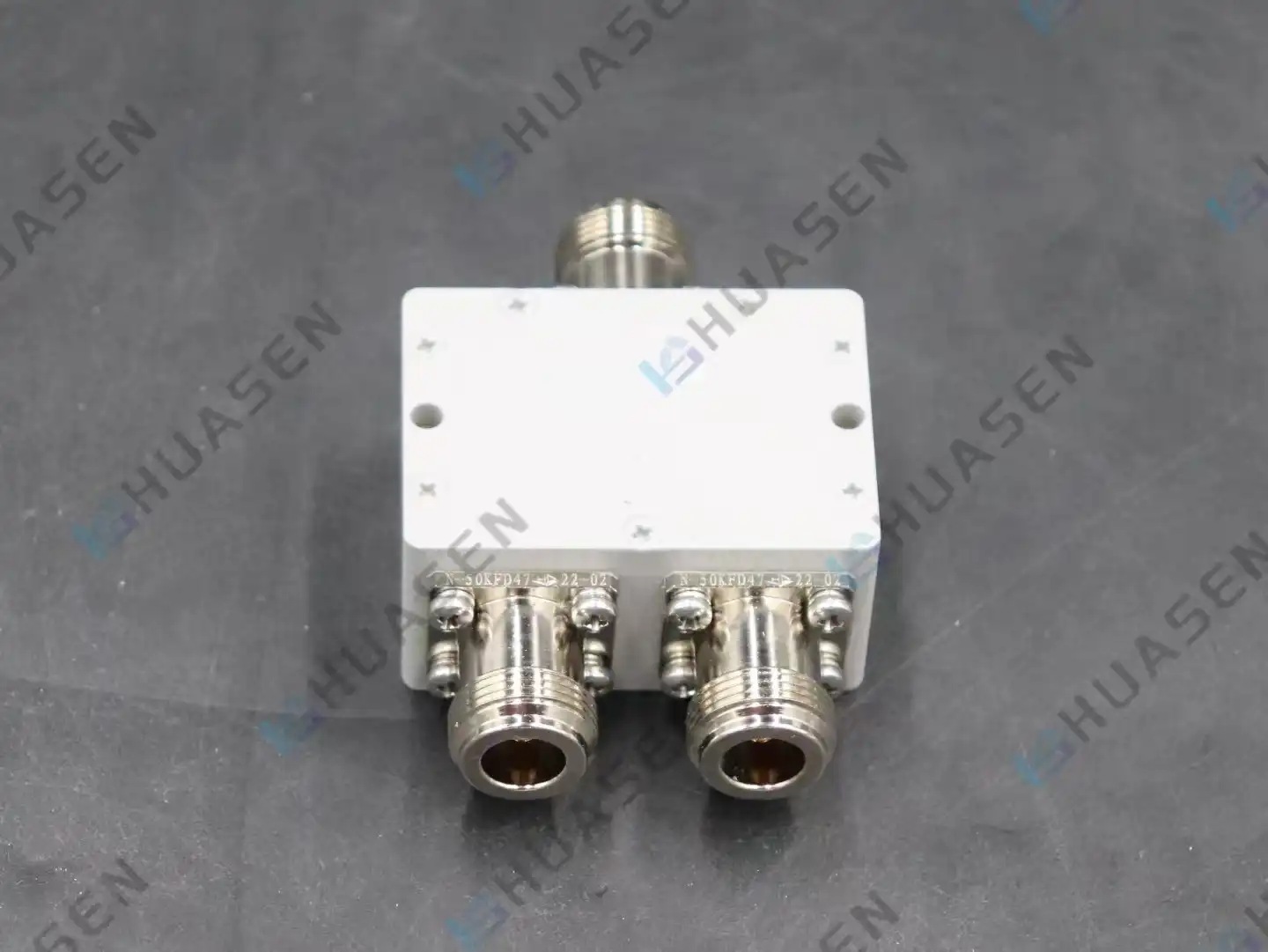
Coaxial RF Combiner Installation Guide for Indoor DAS Applications
Indoor Distributed Antenna Systems (DAS) require precise signal distribution to maintain optimal coverage across complex building environments. Installing an RF combiner within these systems demands careful attention to frequency allocation, power handling, and interference mitigation. Proper coaxial RF combiner installation ensures seamless signal aggregation from multiple carriers while maintaining signal integrity throughout the distribution network. This comprehensive guide addresses the technical considerations, installation procedures, RF combiner, and optimization strategies essential for successful indoor DAS deployment.VIEW MORE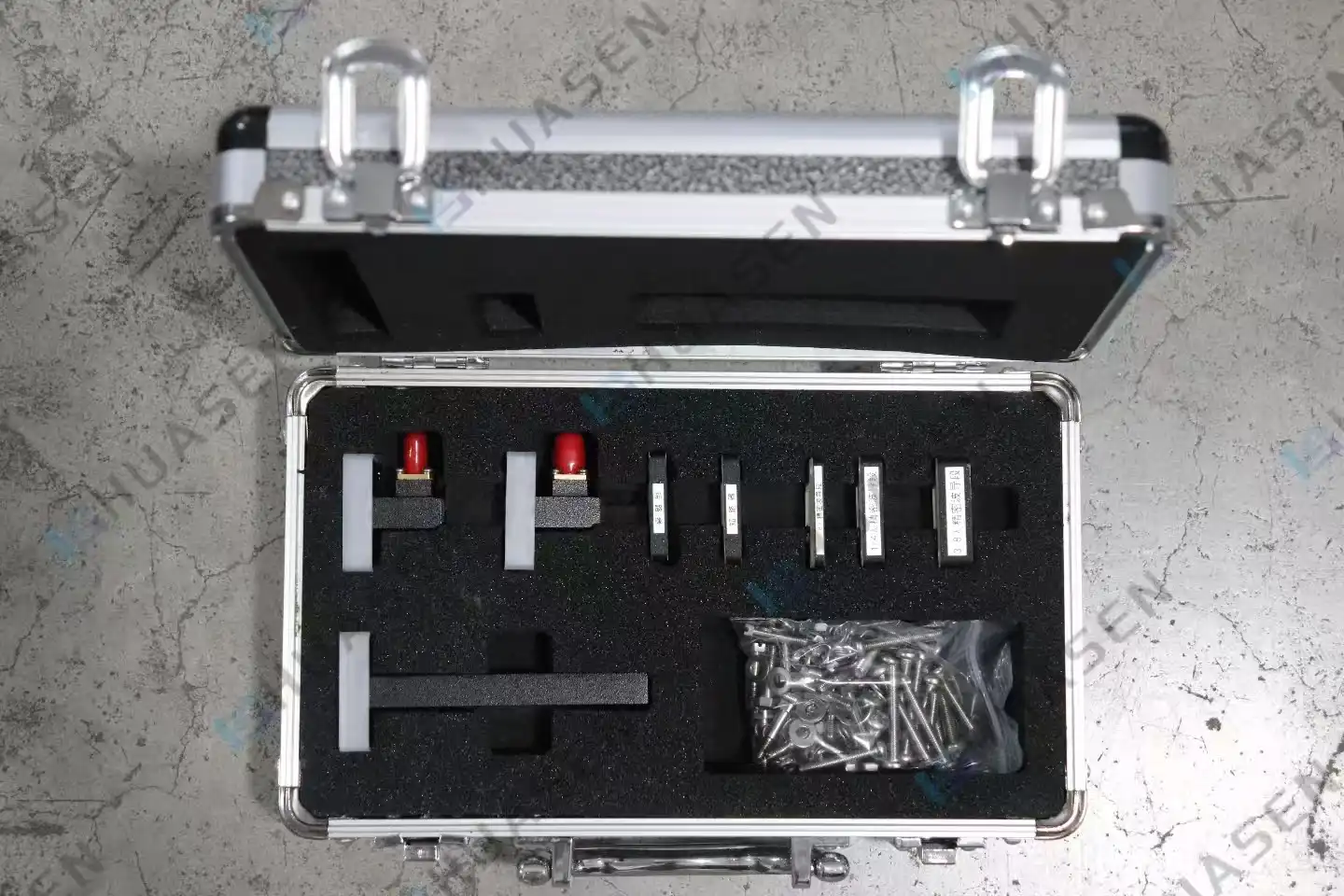
Waveguide vs Coaxial Calibration Kits for RF and Microwave Testing
When selecting Waveguide Calibration Kit solutions for precision RF measurements, engineers face a critical choice between waveguide and coaxial systems. Waveguide calibration kits excel in millimeter-wave applications above 40 GHz, offering superior power handling and lower insertion loss. Coaxial systems dominate lower frequencies with easier handling and broader connector compatibility. Understanding these fundamental differences helps optimize measurement accuracy across diverse testing scenarios.VIEW MORE
Low-Pass vs High-Pass Waveguide Filters: Key Design Differences
Low-pass and high-pass waveguide filters represent two fundamental approaches to frequency selection in RF and microwave systems. Low-pass waveguide filters allow signals below a specific cutoff frequency to pass while blocking higher frequencies, whereas high-pass filters permit transmission above the cutoff while attenuating lower frequencies. The core design differences lie in their resonator configurations, electromagnetic field distributions, and structural geometries. Understanding these distinctions becomes crucial when selecting the appropriate waveguide filter solution for applications ranging from 5G base stations to satellite communication systems, as each type offers unique advantages in signal processing and noise reduction capabilities.VIEW MORE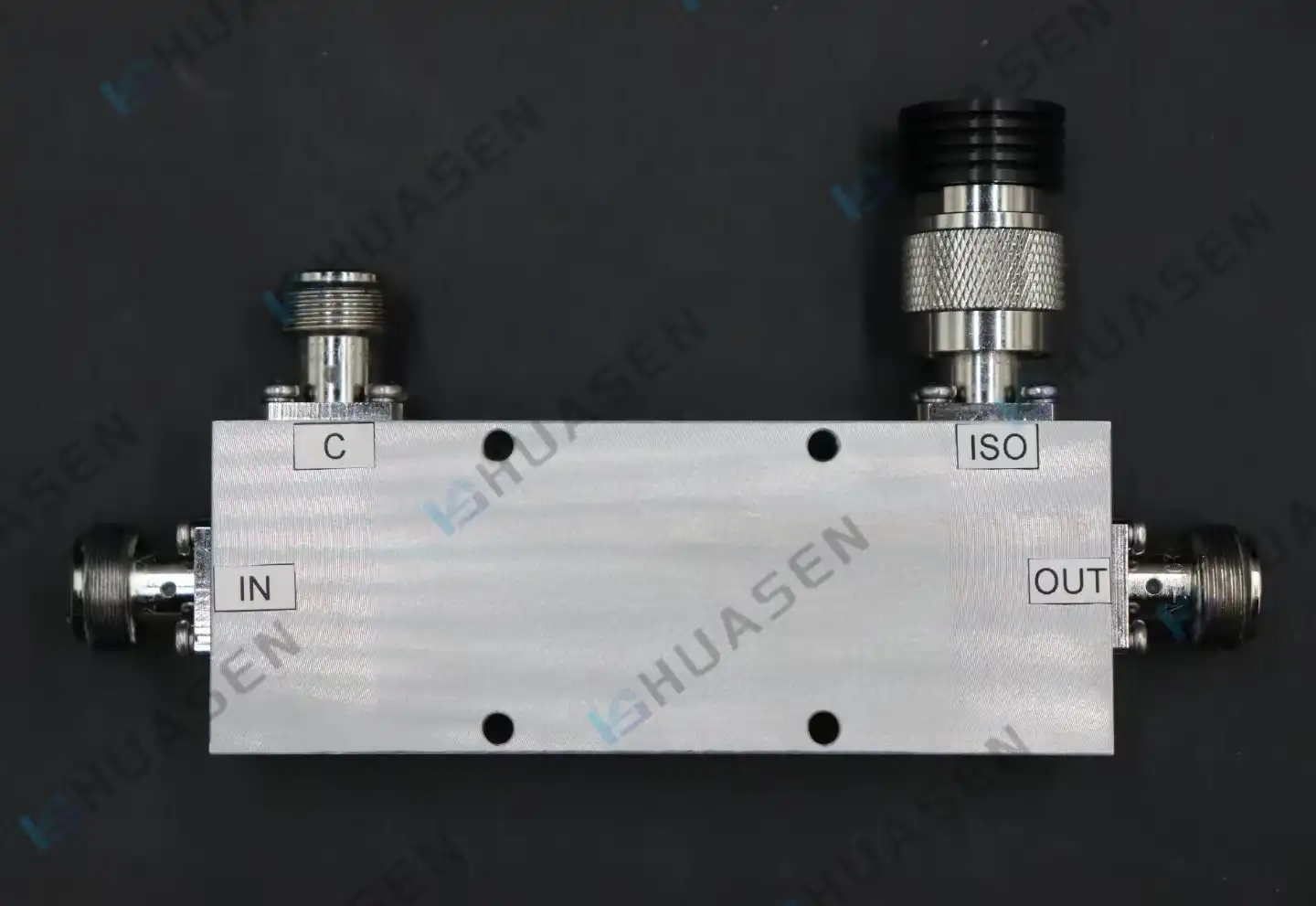
Directional Coupler Comparison: Microstrip vs Coaxial Designs Explained
When selecting the right directional coupler for your RF system, understanding the fundamental differences between microstrip and coaxial designs becomes crucial. Microstrip couplers excel in compact integration scenarios with moderate power requirements, while coaxial directional coupler solutions deliver superior performance for high-power applications demanding exceptional isolation. Both architectures serve distinct roles in modern telecommunications infrastructure, from 5G base stations to satellite communication systems, making the choice dependent on specific performance criteria, environmental constraints, and system integration requirements.VIEW MORE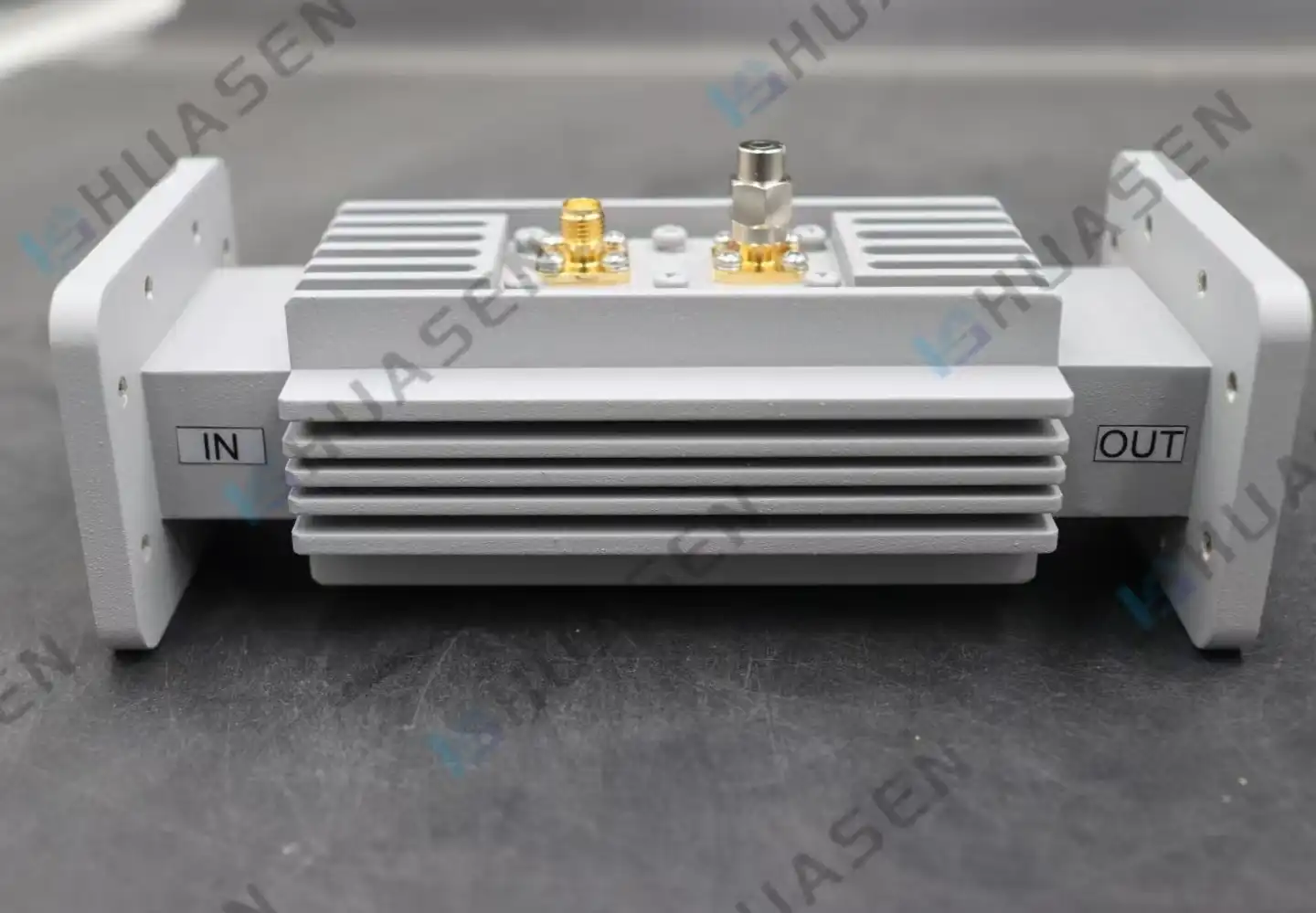
Waveguide Loop Coupler Selection Guide for Aerospace and Defense RF
Selecting the right waveguide loop coupler for aerospace and defense applications demands careful consideration of power handling, environmental durability, and precision performance parameters. These critical RF components enable non-intrusive signal monitoring in high-power radar systems, satellite communications, and military electronic warfare platforms. Understanding coupling factors, VSWR requirements, and mechanical constraints ensures optimal system integration while maintaining signal integrity. This comprehensive guide addresses key selection criteria, helping engineers navigate complex technical specifications and environmental standards essential for mission-critical applications.VIEW MORE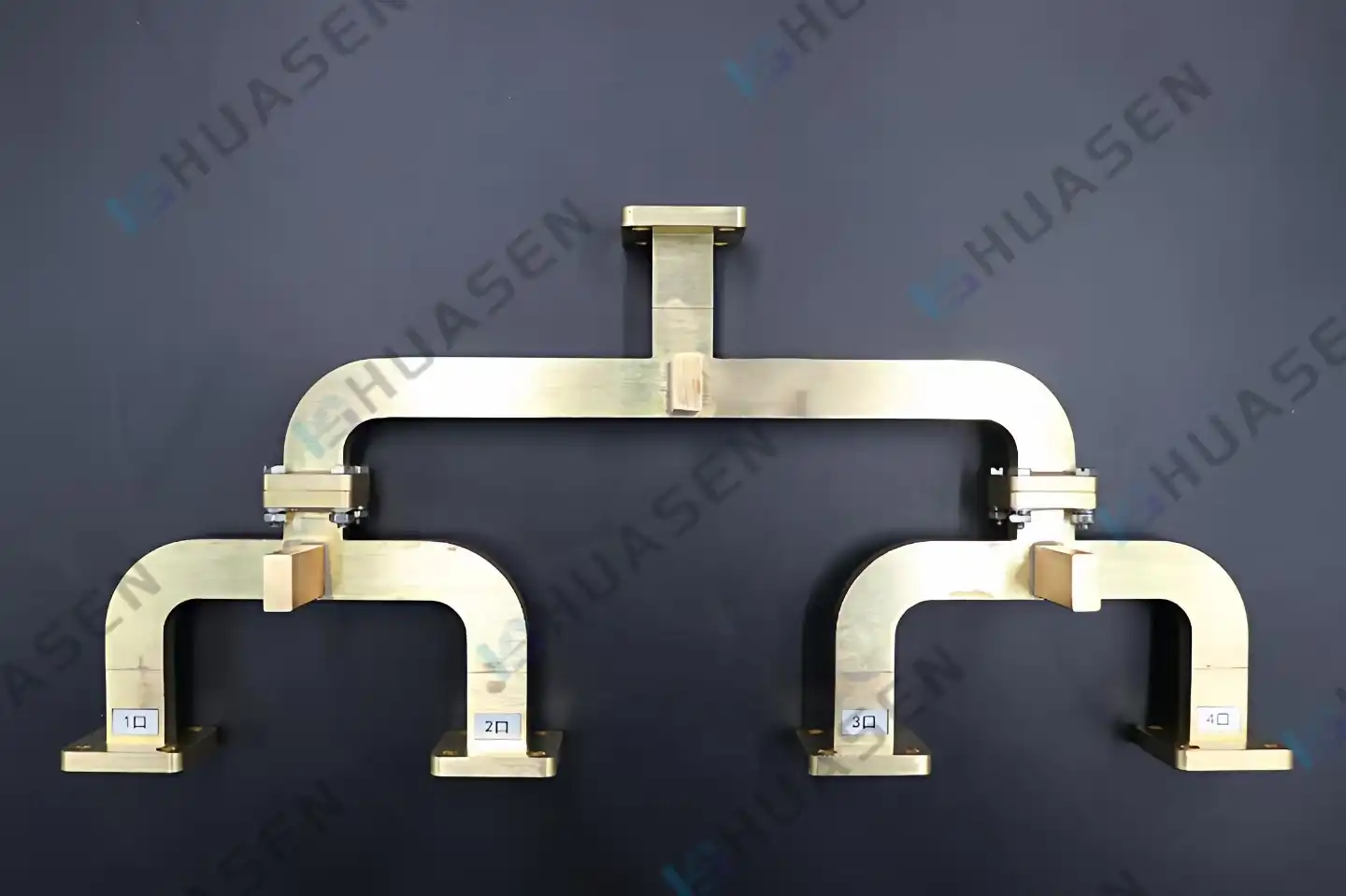
Best Waveguide Power Divider Designs for Aerospace and Defense Radar
The best waveguide power divider designs for aerospace and defense radar applications combine superior power handling capabilities with exceptional signal integrity. These precision-engineered components split high-frequency radar signals with minimal insertion loss while maintaining phase coherence across multiple output ports. Modern waveguide power divider technologies enable radar systems to achieve optimal performance in demanding military and aerospace environments where reliability and precision remain paramount.VIEW MORE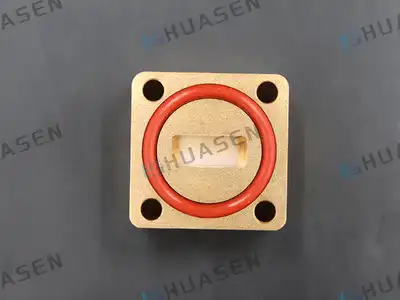
Sealing Solutions for Waveguide Pressure Windows in Anechoic Chambers
Sealing options for waveguide pressure windows in anechoic rooms are important parts that keep electromagnetic fields separate and the surroundings safe. These specific waveguide window systems act as shields to keep out contamination and pressure differences that could damage sensitive testing equipment that is sensitive. For consistent performance in harsh RF and microwave testing settings, where exact measures need complete control of the environment and signal integrity, sealing technologies that work well are needed.VIEW MORE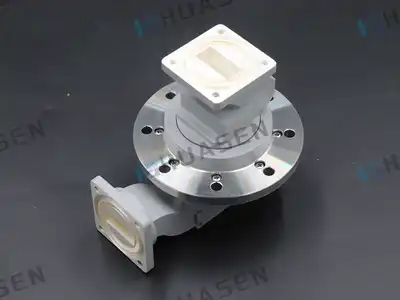
How Waveguide Rotary Joints Work in High-Frequency Microwave Systems?
In high-frequency systems, waveguide rotary joints are important electromagnetic coupling devices that let microwave signals travel continuously across spinning mechanical surfaces. These precise parts use electromagnetic field coupling in cylinder-shaped waveguide structures to keep the signal's integrity while allowing circular motion between sections that are still and sections that are moving. The waveguide rotary joint does this by using carefully designed choke systems and coupling mechanisms that protect the modes of electromagnetic wave propagation. This keeps signal degradation to a minimum across frequency ranges from X-band to millimeter-wave applications in radar, satellite communications, and telecommunications infrastructure.VIEW MORE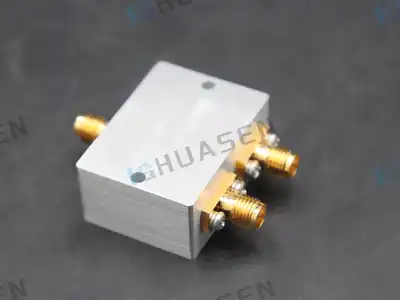
Military-Grade RF Combiner Selection and Testing for Aerospace Use
When choosing a military-grade RF combiner for use in space applications, it is important to carefully look at its technical specs, ability to withstand harsh conditions, and mission-critical performance levels. These high-tech passive electromagnetic components combine several radio frequency signals into a single output path, keeping the purity of the signals even in harsh operating conditions. To make sure they work reliably in space-based platforms, aircraft communication systems, and defence radar sites, aerospace-grade systems need to be able to handle a lot of power, have very low insertion loss, and meet strict MIL-STD environmental standards.VIEW MORE
Waveguide vs Coaxial Filters for RF and Microwave Applications
Engineers have to choose between waveguide and coaxial technologies when choosing filters for RF and microwave uses. When data integrity is very important, like in high-frequency, high-power situations, the Waveguide Filter is clearly the best choice. The advanced designs of these parts use hollow metal structures to achieve performance levels that coaxial options just can't match. Understanding the main differences between these technologies helps procurement workers make smart choices that improve system performance while keeping costs low.VIEW MORE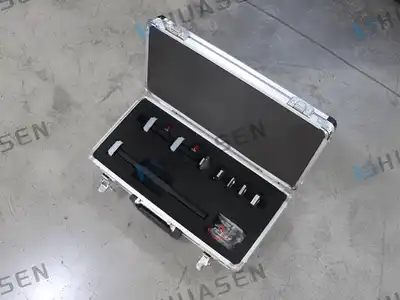
Waveguide Calibration Kit Usage Guide for 5G RF Laboratories
Understanding proper waveguide calibration kit implementation proves essential for achieving measurement accuracy in modern 5G RF laboratories. These precision instruments eliminate systematic errors in vector network analyzers operating across millimeter-wave frequencies, ensuring reliable characterization of next-generation communication components. Laboratory engineers rely on these calibration standards to establish accurate reference planes, correct directivity errors, and maintain signal integrity throughout complex measurement procedures. The transition to higher frequency bands in 5G applications demands sophisticated calibration techniques that waveguide systems uniquely provide.VIEW MORE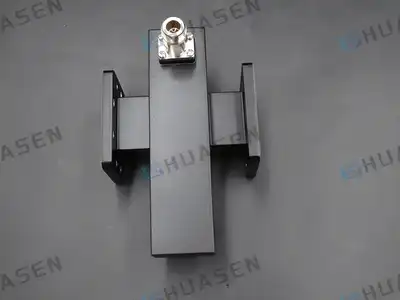
What Is a Directivity Coupler and Why Directivity Matters in RF Systems
A directivity coupler represents a fundamental passive RF component that samples electromagnetic energy flowing in one direction within a transmission line while isolating energy traveling in the opposite direction. Understanding what a directivity coupler is and why directivity matters in RF systems becomes essential when engineers need precise signal monitoring without disrupting the main signal path. Directivity measures how effectively a coupler distinguishes between forward and reflected waves, typically expressed in decibels. Poor directivity leads to measurement errors, signal contamination, and system instability across telecommunications, radar, and aerospace applications.VIEW MORE
- 1
- 46
- 47
- 48
- 49
- 50
- 64
