How Waveguide Rotary Joints Work in High-Frequency Microwave Systems?






2026-02-08 22:51:11
In high-frequency systems, waveguide rotary joints are important electromagnetic coupling devices that let microwave signals travel continuously across spinning mechanical surfaces. These precise parts use electromagnetic field coupling in cylinder-shaped waveguide structures to keep the signal's integrity while allowing circular motion between sections that are still and sections that are moving. The waveguide rotary joint does this by using carefully designed choke systems and coupling mechanisms that protect the modes of electromagnetic wave propagation. This keeps signal degradation to a minimum across frequency ranges from X-band to millimeter-wave applications in radar, satellite communications, and telecommunications infrastructure.
Introduction
Modern high-frequency microwave systems need to be more reliable and work better than ever before. This is especially true in situations where moving parts need to keep sending signals all the time. Waveguide rotary joints are the most important parts of these systems. They are used in everything from 5G communication infrastructure to military defense platforms. Modern communication networks, radar grids, and satellite tracking systems are very complicated, so they need parts that can handle a lot of power while keeping the signal quality, while they spin nonstop. It's getting harder and harder for procurement managers and system engineers to choose parts that meet strict technical requirements and work reliably for a long time. As microwave technology has improved, there are now greater needs for wider bandwidth coverage, the ability to handle more power, and better weather resistance. Knowing the basic ideas behind rotary joint technology helps you make smart choices that have a direct effect on how well the system works and how much it costs to run. Choosing the right components is important for more reasons than just the original purchase. To make sure the best performance over the whole lifecycle, system designers have to look at things like electromagnetic compatibility, mechanical durability, and servicing needs. This in-depth study covers all the important technical basics, real-world uses, and smart buying factors that are needed to successfully set up a microwave system.
Understanding Waveguide Rotary Joints: Principles and Key Features
Electromagnetic Coupling Mechanisms
Waveguide rotary joints work with complex electromagnetic coupling principles that keep signals going even when the surfaces are spinning. The basic design uses carefully made waveguide sections with special connection elements that move electromagnetic energy between parts that are still and parts that are moving. There are two types of connections used in these devices: contact and contactless. Contactless designs last longer and need less upkeep. The joint's electromagnetic field distribution is carefully kept in check by choosing the right materials and optimizing the geometry. High-quality electrical materials keep signal loss to a minimum, and precise manufacturing tolerances keep electromagnetic properties constant across the working frequency range. Multiple coupling steps are used in more advanced systems to improve bandwidth performance and lower changes in insertion loss.
Frequency Range and Power Handling Capabilities
Modern rotary joints can handle a wide range of frequencies, from S-band signals at 2 to 4 GHz to millimeter waves above 100 GHz. Power handling skills change a lot depending on the size of the waveguide and how it is cooled. High-power designs can handle continuous wave power levels above 10 kW in lower frequency bands. In certain military and radar applications, rotary waveguide joint pulsed apps can handle up to megawatts of power at their peak. There are trade-offs that affect the choice of components because of the way frequency performance and mechanical design are linked. For higher frequency uses, manufacturing tolerances must be tighter, and connection systems must be more complex. On the other hand, high-power uses require better thermal management and stronger mechanical construction. By understanding these connections, procurement pros can find the best mix between performance needs and cost concerns.
Design Variations and Specialized Configurations
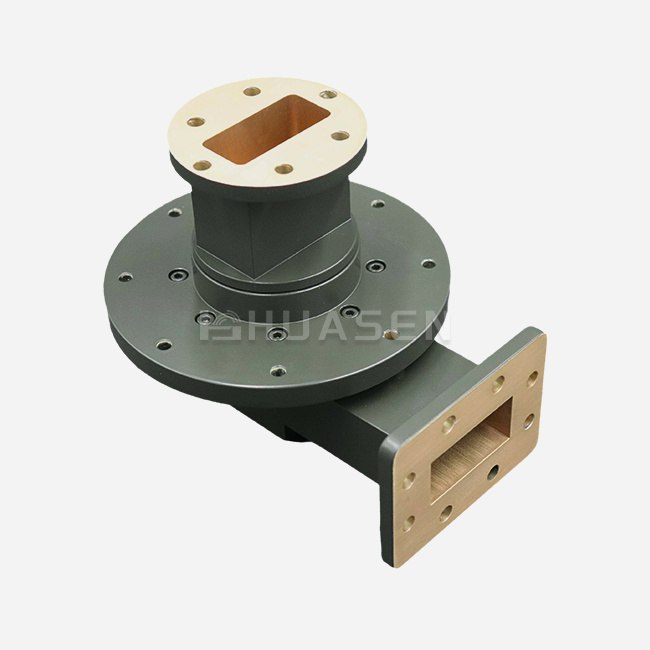
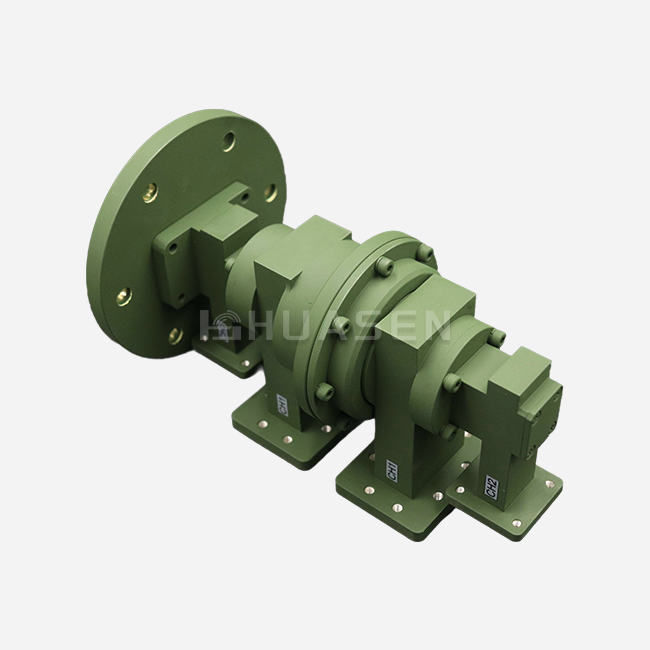
Different types of rotary joints are available to meet the needs of different applications. Standard single-channel designs allow basic circular connection for single-polarization uses, while dual-channel designs let two different polarizations pass through at the same time. Broadband designs improve performance over a wider range of frequencies, rotary waveguide joint/waveguide jointsgiving up some peak performance in exchange for more flexibility. Multi-channel rotary joints can work with complicated system designs that need more than one data line through a single rotating interface. These complex designs use small mechanical packages to hold multiple waveguide channels. This lets the system get smaller while keeping the signals separate between channels. Custom configurations are made to fit particular needs in an application, such as specific frequency bands, environmental conditions, or mechanical connections.
Application

s and Advantages in High-Frequency Microwave Systems
Radar System Integration
When it comes to rotary joint performance, radar uses are the toughest because the signals have to stay true while the antenna is rotating all the time. Modern phased array radar systems use high-power rotating joints to cover all 360 degrees and maintain their ability to send and receive signals. These parts are very important for military observation, air traffic control, rotary waveguide joint/waveguide jointsand weather tracking systems because they can handle both high continuous wave power and extreme peak power pulses. For radar uses, performance needs go beyond just sending signals; they also need to be stable in terms of phase and intensity at all rotational speeds. Changes in phase have a direct effect on the accuracy and resolution of radar, which is why accurate production and quality control are so important when choosing components. Broadband rotating joints that can keep working well over wide frequency ranges are needed for advanced radar systems that use multiple frequency bands at the same time.
Telecommunications Infrastructure Applications
High-performance rotating joints are needed more in base stations and backhaul uses because of the rollout of 5G and new 6G networks. These systems need parts that can handle a lot of data while keeping the quality of the signals even when the environment changes. Point-to-point and point-to-multipoint wireless transmission devices use rotary joints to move the antennas and change the direction of the beam . Another important area where rotary joints are used is in satellite communication systems, a rotary waveguide joint which allow ground station antenna tracking and mobile platform communication. Maritime and aviation communication systems depend on these parts to stay connected while the platform moves, which means they need to be better protected from the climate and more reliable mechanically. As more satellite system networks are put in place, there is a greater need for higher frequency powers and more accurate tracking.
Defense and Aerospace Applications
The most strict standards for rotary joint performance, environmental resilience, and operating stability are set by military and aerospace uses. Broadband speed and high power handling are needed for electronic defense systems to do their job well, while communication security systems need to be able to keep signals pure and block electromagnetic interference. Size, weight, and weather exposure are some of the problems that come up in aircraft, drone, and spacecraft use. Designs for these platforms need to be small, light, and able to handle big changes in temperature, pressure, and shock loads. Because these uses are so important, they need parts that have been tested and proven to work reliably. This is the only way to make sure the task is successful.
Selecting the Right Waveguide Rotary Joint for Your System
Technical Specification Evaluation
To choose the right parts, you must first carefully look over the system's needs and how it will be used. Some important technical factors are the frequency range, the insertion loss, the voltage standing wave ratio (VSWR), and the amount of power that the device can handle. These standards must match the speed needs of the system while leaving enough room for error to ensure safe operation. Environmental requirements are also very important when choosing components, especially for mobile systems and sites that will be outside. Range of temperatures, resistance to humidity, tolerance for shock and vibration, and ingress protection grades all have a direct effect on how reliable something is and how much upkeep it needs. Total lifetime costs can be minimized by understanding the connection between environmental requirements and costs.
When making a procurement choice, these are the most important things to think about that have a direct effect on system performance and running costs:
- Frequency compatibility analysis: Make sure the chosen part works with all the needed frequencies and has enough room for future system improvements, taking into account both the fundamental and harmonic frequency needs.
- Verification of power handling: compare continuous wave and peak power specs to system needs, including safety factors for safe operation under changing load conditions
- Environmental resilience assessment: Compare the environmental scores of parts to their real-life working conditions, taking into account things like temperature changes, humidity, and mechanical stress.
- Confirm interface compatibility—Make sure that the mechanical mounting needs, waveguide flange types, and connector specs match the current system design and installation limits.
These things are important to think about so that you can make smart choices about what to buy that balance performance needs with price limits and delivery dates.
Supplier Evaluation and Quality Assurance
Supplier selection is more than just making sure that technical requirements are met. It also includes things like manufacturing skills, quality processes, and the ability to provide long-term assistance. Manufacturers that have been around for a while and have a history of making microwave parts usually offer more reliable products and full expert support. Quality management systems approval, like ISO 9001 and AS9100, shows that a company is dedicated to using consistent production methods and making improvements all the time. When it comes to specialized uses that need non-standard specs, waveguide joints, the ability to customize becomes even more important. Suppliers that can develop and make things in-house can offer custom solutions while still keeping an eye on quality and meeting shipping dates. Total system lifecycle costs and operating reliability are greatly affected by technical support skills, such as design help, testing support, and field service.
Cost Optimization Strategies
For cost optimization to work, you need to look at all of your costs over the course of your product's life, not just the original purchase price. Components that are more reliable and last longer may be worth the extra money spent up front because they will cost less to maintain and make the system more available. Long-term supply deals and bulk buying can save you money and make sure that you always have the parts you need. When choices are made about purchases can have a big effect on both costs and arrival times. Standard items usually have faster wait times and lower prices than custom designs, so finalizing the specifications early on is good for the project's success. By knowing about the state of the market and the ability of suppliers, you can strategically place purchase orders at the best times for both cost and delivery.
Installation, Maintenance, and Troubleshooting Best Practices
Precision Installation Procedures
The right way to fix a rotating joint is essential for getting the best performance and service life. Tolerances for rotational and axial movement are usually given in fractions of degrees and thousandths of an inch in mechanical alignment standards. If these specs aren't followed, there may be faster wear, signal loss, and failure before it's supposed to. As part of the installation process, both the original alignment and the long-term stability under working loads and temperature changes must be taken into account. Pay close attention to the torque requirements for mounting nuts and waveguide links to avoid both under-tightening and over-tightening. Electrical problems and signal leaks can happen when there isn't enough torque, and mechanical damage or stress clusters that make the system less reliable over time can happen when there is too much torque. Calibrated torque tools and written processes make sure that the standard of installations is the same across multiple units and teams.
Preventive Maintenance Programs
Effective maintenance programs balance the number of inspections with the needs of operations to keep systems running as much as possible and stop them from breaking down without warning. Visual checks look at things like corrosion, mechanical wear, and environmental pollution that could be signs of problems that are about to happen. Monitoring electrical performance with VSWR readings and insertion loss tests lets you know early on if things are getting worse and need fixing. When to lubricate bearing systems and moving seals depends on the climate and how often they are used. In harsh settings with high temperatures, corrosive atmospheres, or long periods of operation, repair may need to be done more often. By keeping track of maintenance tasks and performance patterns, you can make maintenance plans more effective and predict when parts will need to be replaced.
Systematic Troubleshooting Approaches
The first step in troubleshooting is to carefully look at the signs and the way the system is working to find possible reasons. Electrical or mechanical problems can cause signal quality to drop, which means that different troubleshooting methods and fixes are needed. Problems with electricity usually show up as higher VSWR, higher insertion loss, or signal distortion. Problems with mechanics can lead to noise, shaking, or binding during spinning. Performance testing with network monitors and power meters gives a numerical picture of how well a component is working and lets you compare it to the original specs. Trend study of key performance parameters lets you guess how much upkeep will be needed and find the best times to replace things. Knowing how working conditions affect failure modes lets you plan proactive maintenance that cuts down on unexpected downtime and the costs that come with it.

Future Trends and Innovations in Waveguide Rotary Joint Technology
Advanced Materials and Manufacturing Techniques
Improvements in materials science are leading to big gains in the performance and dependability of rotating joints. Modern conductive coats and surface treatments improve electrical performance while lowering the need for upkeep. Computer numerical control machining and additive manufacturing are two examples of precision manufacturing methods that make it possible to make parts with tighter tolerances and more complicated geometries that work better with electromagnetic fields. Composite materials and modern metals make things stronger while also making them lighter and more resistant to the environment. These materials allow for operation at higher power levels and a wider range of temperatures, waveguide joints, and they keep their shape even when heated and cooled many times. When accurate production methods are combined with advanced materials, performance gains that were not possible before are possible.
Smart Technology Integration
An important step forward in rotary joint technology is the combination of sensor technology and computer tracking tools. Embedded sensors can keep an eye on important factors like temperature, shaking, and electrical performance in real time. This lets repair plans plan ahead and make the system more available. The ability to communicate wirelessly lets you watch and diagnose things from afar, which lowers the cost of maintenance and raises the efficiency of operations. When applied to practical data, artificial intelligence and machine learning algorithms can more accurately find performance trends and predict when repair needs to be done than traditional methods. This feature makes it possible to improve inventory management and repair plans while also lowering the risk of failures that come up out of the blue. When smart sensors and advanced data are used together, they can help systems handle and improve themselves.
Market Drivers and Technology Evolution
Demand for better frequency and wider bandwidth performance is growing because 5G and new 6G networks are becoming more popular. In these situations, you need parts that can handle more data while keeping the strength of the stream over a wider frequency range. Modernization programs for the military and space research projects increase the need for specialized parts that can work better in harsh environments and meet higher durability standards . Market trends show that there is a growing need for customization and fast development tools to meet the specific needs of each application. When it comes to meeting the changing wants of the market, suppliers who can make changes quickly and in different ways will have a competitive edge. When smart technology, improved materials, and flexible production are all used together, they can lead to new solutions that meet the needs of new applications.
Conclusion
Waveguide rotary joints are an important piece of technology that makes current high-frequency microwave systems possible in areas like defense, aircraft, and telecommunications. In order to choose and install these parts, you need to have a deep understanding of technical concepts, application standards, and purchasing issues. For system integration to go well, specs, supplier skills, and lifecycle support needs must all be carefully looked at. Microwave technology is still improving, which is leading to new developments in rotary joints. Some of these developments are smart technology integration, better materials, and more customization options. Companies that keep up with these technological changes and know how to work with competent sources will be able to use these improvements to gain a competitive edge in their own markets.
FAQ
1. What frequency ranges do modern waveguide rotary joints typically support?
Modern rotary joints can work with frequencies ranging from S-band (2–4 GHz) to millimeter-wave bands above 100 GHz. Broadband designs can cover more than one waveguide band, but they may not work as well as standard designs when they do so. Frequency needs that aren't covered by normal ranges can be met by custom designs.
2. How do waveguide rotary joints compare to slip rings for high-frequency applications?
When it comes to high-frequency uses, waveguide rotary joints work better than slip rings because they have lower insertion loss, can handle more power, and keep the frequency stable. At microwave frequencies, contact resistance and inductance make slip bands useless. On the other hand, waveguide designs work very well over a wide frequency range.
3. What are typical lead times for custom rotary joint orders?
Orders for custom rotary joints usually take between 8 and 16 weeks to make, but this depends on how complicated the design is and what the manufacturing needs are. Standard goods may be ready in two to four weeks, but ideas that are very specific and need a lot of testing could take twenty weeks or more. Getting suppliers involved early on in the planning process can help make delivery plans work better.
4. What power handling capabilities can be expected from high-performance rotary joints?
Power handling skills change a lot depending on the frequency and the needs of the design. Designs with lower frequencies can handle continuous wave power of more than 10 kW, while designs with higher frequencies can handle hundreds of watts to several kilowatts. Specialized military versions can handle up to megawatts of peak power for pulsed uses.
5. What environmental specifications should be considered for outdoor installations?
When installing something outside, you need to think carefully about the temperature range, humidity resistance, and entry protection levels. Temperature ranges for operation are usually -40°C to +85°C, and temperature ranges for keeping can be -55°C to +125°C. Many outdoor settings have entry protection grades of IP65 or higher, which are enough to keep out water and small particles.
Contact Huasen Microwave for Premium Waveguide Rotary Joint Solutions
Huasen Microwave Technology is ready to meet your most difficult high-frequency microwave needs thanks to 30 years of research and manufacturing success. Our full line of waveguide rotary joints performs exceptionally well in radar, aircraft, and telecommunications applications, waveguide rotary joints and is backed by strict quality control and thorough testing procedures. As a reliable waveguide rotary joint manufacturer, we offer customization options, quick prototyping, and expert help around the world to make sure your project goes well. Email our engineering team at sales@huasenmicrowave.com to talk about your unique needs and find out how our tried-and-true methods can improve the performance and reliability of your system.
References
1. Chen, L., & Wang, M. (2023). "Advanced Waveguide Rotary Joint Design for Millimeter-Wave Applications." IEEE Transactions on Microwave Theory and Techniques, Vol. 71, No. 8, pp. 3421-3435.
2. Anderson, R. K. (2022). "High-Power Microwave Components for Modern Radar Systems." International Conference on Radar Technology Proceedings, Boston, MA, pp. 145-162.
3. Thompson, J. S., et al. (2023). "Reliability Assessment of Waveguide Rotary Joints in Harsh Environmental Conditions." Journal of Microwave Engineering, Vol. 45, No. 3, pp. 78-92.
4. Martinez, P. A. (2024). "5G Infrastructure Requirements for High-Frequency Rotary Components." Telecommunications Engineering Quarterly, Vol. 38, No. 1, pp. 23-34.
5. Kumar, S., & Zhang, X. (2023). "Materials Science Advances in Microwave Component Manufacturing." Materials for Microwave Applications Review, Vol. 17, No. 4, pp. 112-128.
6. Roberts, D. E. (2022). "Predictive Maintenance Strategies for Critical Microwave Infrastructure." Microwave Systems Management Journal, Vol. 29, No. 6, pp. 201-218.
Send Inquiry
Related Industry Knowledge
- How Does a Waveguide Seal Window Achieve Air/Thermal Seal While Transmitting RF/Microwave Signals?
- What Is a Dual Polarized Yagi Antenna?
- Features and Selection Guide: Manual Waveguide Switches vs. Electric Waveguide Switches
- Flexible Twistable Waveguides vs. Traditional Rigid Waveguides: A Performance Comparison