Best Waveguide Power Divider Designs for Aerospace and Defense Radar






2026-02-09 21:40:02
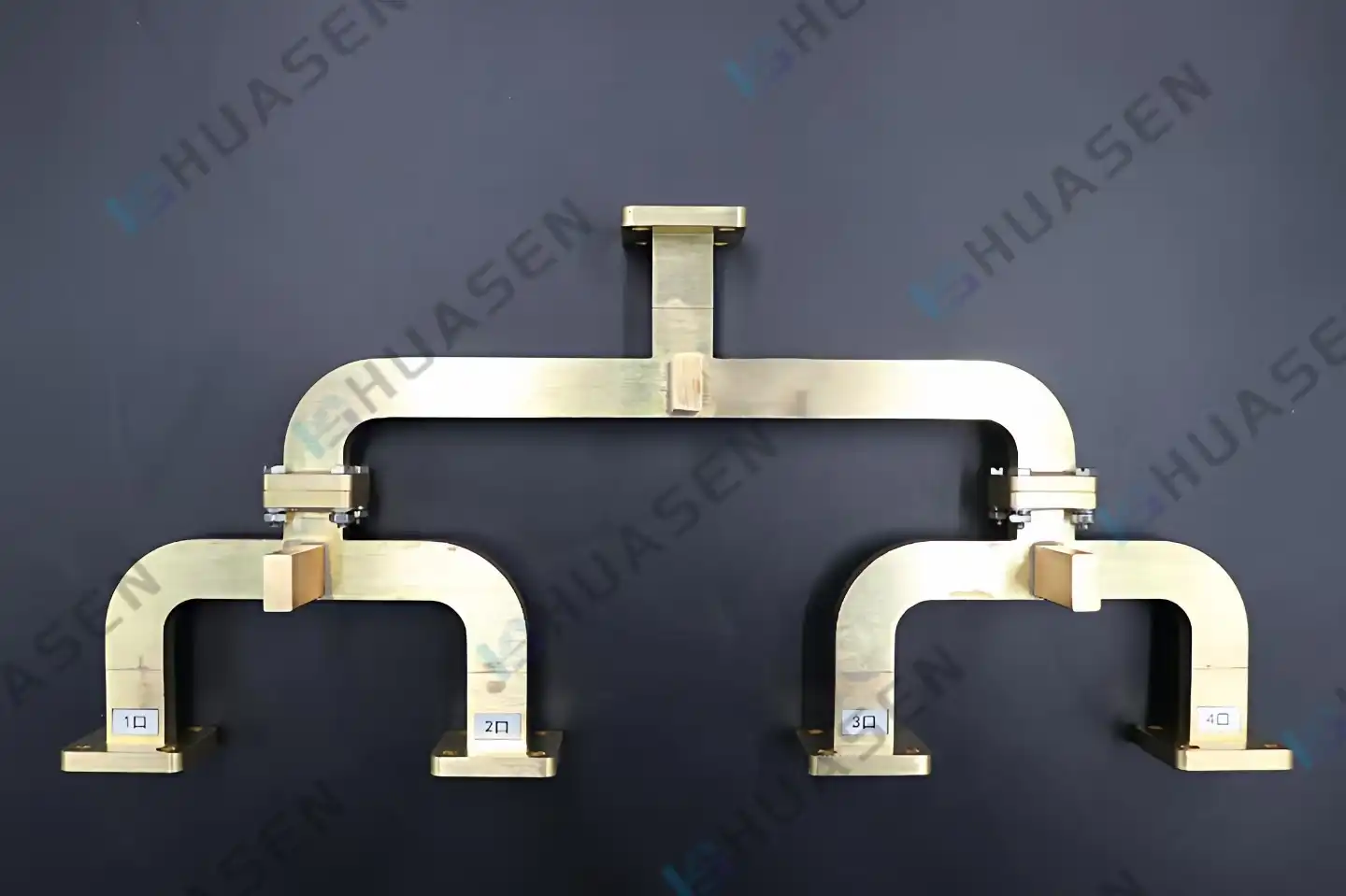
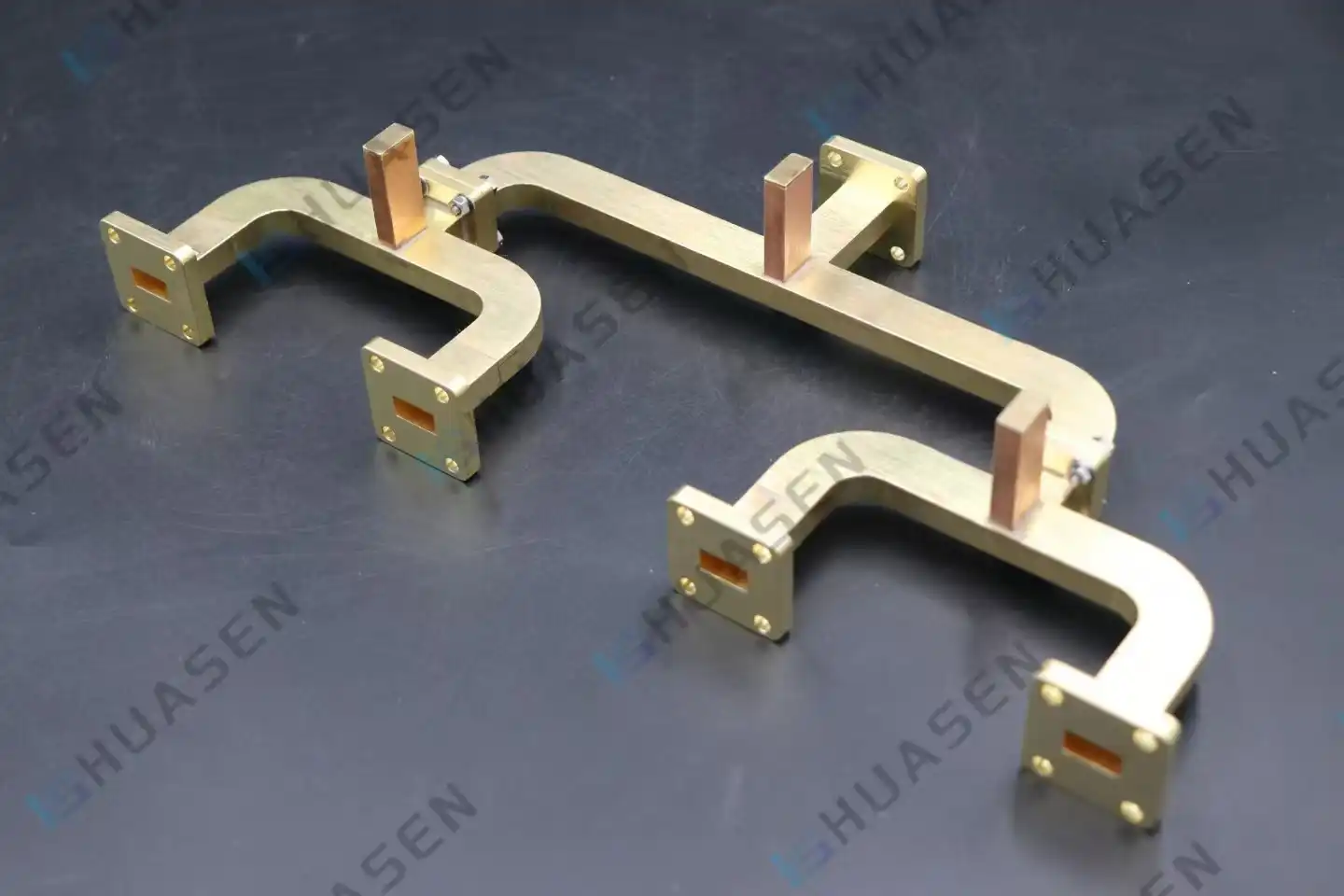
The best waveguide power divider designs for aerospace and defense radar applications combine superior power handling capabilities with exceptional signal integrity. These precision-engineered components split high-frequency radar signals with minimal insertion loss while maintaining phase coherence across multiple output ports. Modern waveguide power divider technologies enable radar systems to achieve optimal performance in demanding military and aerospace environments where reliability and precision remain paramount.
Introduction
The defense and aircraft businesses need every part of their radar systems to be very accurate and reliable all the time. Waveguide power dividers are the most important parts of these complex systems; they determine how well they work, how good the signals are, and whether the task is successful. These important RF parts divide receiving radar signals into several lines while keeping the signal's integrity and reducing power losses that could make the system less effective. Finding stealthy planes and keeping track of multiple targets at the same time are two of the more difficult problems that modern radar has to deal with. The power divider's job is more than just to distribute signals; it also has to keep phase relationships, deal with very high power levels, and work consistently in difficult environments. When lives rely on accurate radar detection, these parts must work perfectly, whether they are on military ships crossing rough seas or in airplanes flying at high altitudes. The process of choosing the best power divider designs requires a deep understanding of the performance standards, environmental limits, and system needs. Leading makers have come up with unique solutions to meet the needs of aircraft and defense uses. These solutions come in both standard configurations and custom designs that are made to fit the needs of each task. The in-depth information in this guide looks at the best waveguide power divider designs on the market right now, giving engineers the information they need to make smart buying choices.
Understanding Waveguide Power Dividers in Aerospace and Defense Radar
Fundamental Operating Principles
Waveguide power dividers work by controlling how electromagnetic waves move through metal structures that have been carefully made. These gadgets use the way waveguides are built to divide input signals into multiple output lines while keeping the phase relationships and amplitude distributions under control. They are fundamentally better than coaxial or microstrip options because they can handle much higher power levels. What determines splitting features and frequency response is how the electromagnetic field is spread out inside rectangular and circular waveguides. Engineers use electromagnetic modeling tools to make these parts work as well as possible in terms of insertion loss, return loss, and port-to-port separation. The designs that are made must meet both the electrical needs and the mechanical limitations of aircraft and defense uses.
Performance Advantages Over Alternative Technologies
Waveguide technology is clearly better than coaxial technology in high-power radar uses, where coaxial parts would break down due to heat and electrical breakdown. Other transmission line technologies have problems with dielectric losses. The air-filled waveguide structure doesn't have these problems. This means that the insertion loss is smaller and the power handling capacity is higher. In transmitter uses, where peak power levels can be higher than a few kilowatts, this benefit is especially useful. The protection that the steel waveguide structure provides is very good at electromagnetic compatibility. This keeps unwanted signal coupling from happening, which could lower the sensitivity of the radar system. The strong mechanical design can also handle vibration, changing temperatures, and other external stresses that are common in defense and aircraft applications.
Key Design Parameters and System Integration
Some important design factors are the working frequency range, the waveguide power divider, the ability to handle power, the accuracy of the splitting ratio, and the environmental requirements. The frequency range usually goes from L-band to millimeter-wave frequencies. Each application needs to carefully think about its bandwidth needs and how performance changes with frequency. Modern systems can work with bandwidths of up to 10% of the center frequency and still have great electrical performance across the whole range of frequencies. Integration factors include the need for mechanical support, waveguide flange connectivity, and heat control rules. The part has to work well with the current radar design and distribute signals correctly, without adding any extra reflections or signal distortions that could hurt the system's overall performance.
Top Waveguide Power Divider Designs for Radar Systems
Equal and Unequal Power Splitting Configurations
Equal power splitters make sure that all output ports get the same amount of input data. This makes them perfect for phased array antenna feeding systems that need even lighting. These designs usually get splitting ratios that are accurate to within ±0.2 dB while keeping the phase balance great across all ports. Because the design is symmetrical, there is a natural separation between the output ports. This stops unwanted coupling that could hurt the performance of the array. Unequal power dividers are used in specific situations where amplitude tapering is needed to get certain antenna patterns or make up for system losses. Configurations with 3 dB, 6 dB, and 10 dB splitting ratios are common, but unique ratios can be made to fit particular needs. To keep good return loss performance at all ports and get the desired amplitude distribution, these designs need to be carefully optimized.
Magic T and Hybrid Junction Architectures
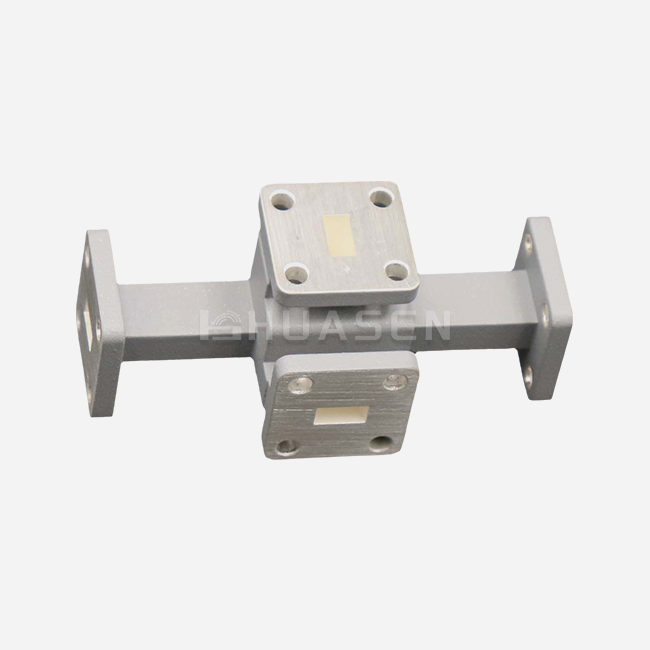
When it comes to radar uses, the magic T arrangement is one of the most flexible power divider designs that can be used. This gadget has four ports and can combine signals from two sources with phase relationships that can be controlled. The ports are also very well isolated from each other. The E-plane and H-plane arms can make both sum and difference signals. This makes magic T junctions very useful in monopulse radar uses that need very accurate angle tracking. Compared to regular rectangular waveguides, double-ridge waveguide magic T types have a much wider working bandwidth. With these advanced designs, bandwidth ratios are higher than 2:1, and the electrical performance is great across the whole frequency range. The higher bandwidth makes system design easier because it cuts down on the number of different parts that are needed for wideband uses.
Branch Line and Wilkinson Divider Implementations
Branch line dividers use quarter-wave transmission line sections to split the power and have great return loss performance. These designs work great for tasks that need exact phase relationships between output ports. This means they can be used in coherent radar systems, where phase accuracy has a direct effect on performance. The uniform design makes sure that the paths from the input ports to the output ports are all the same length. This reduces phase mistakes that could affect the accuracy of beam-forming. Isolation resistors are built into Wilkinson power dividers between the output ports to make them more isolated while keeping the conditions the same at all ports. This design is especially useful in transmitters where high separation keeps power amplifier units from interacting in ways that aren't wanted. The resistance loading also makes the bandwidth work better than with designs that are only reacting.
Performance Comparisons and Trade-offs
Depending on the needs of the application, each design has its own unique benefits. If you need both sum and difference outputs, magic T setups are the best choice. On the other hand, simple T-junctions are the best choice for simple power splitting needs. When choosing between designs, you have to carefully think about how much data you need, waveguide power divider how much power you need to handle, and any technical limits. Different models have different insertion loss performance. Simple reactive dividers usually have the lowest losses, while resistive designs give up some efficiency for better bandwidth and separation. Peak power handling relies on both the basic design approach and the quality of the mechanical construction. For effective high-power operation, accurate machining is a must.
How to Choose the Best Waveguide Power Divider for Your Radar Application?
Frequency Range and Bandwidth Requirements
The first step in the choosing process is a careful look at the working frequency and bandwidth needs. Broadband power dividers that can keep working the same way across the whole frequency range may be needed for radar systems that use more than one frequency band. The standard waveguide sizes support certain frequency bands. For example, the BJ22 to BJ320 sizes support frequencies from 0.32 GHz to 112 GHz.Bandwidth needs have a big effect on how hard and expensive a plan is to make. For narrowband uses, simpler designs that work best at certain frequencies are best, but for wideband systems, more complex layouts are needed that work well across a wider range of frequencies. For most apps, the standard working bandwidth of -10% is a good balance between speed and sophistication.
Power Handling and Environmental Considerations
Power handling standards include both average and peak power specs. For example, most aerospace and defense uses need to be able to handle 200W of power on average and 2KW of power at peak. When these specs are made, they take into account both the device's maximum temperature and the strongest fields that could break the voltage or cause a corona discharge. The temperature range, humidity, vibration, and shock strength of the environment must match the conditions of placement. Military standard compliance makes sure that parts pass strict tests for stability and performance in harsh environments. MIL-STD standards cover a wide range of issues, from thermal cycling to salt spray contact. This gives users faith that parts will work properly for the duration of their useful life. This cooperation is often a very important part of buying things for defense uses.
Customization Options and Standard Products
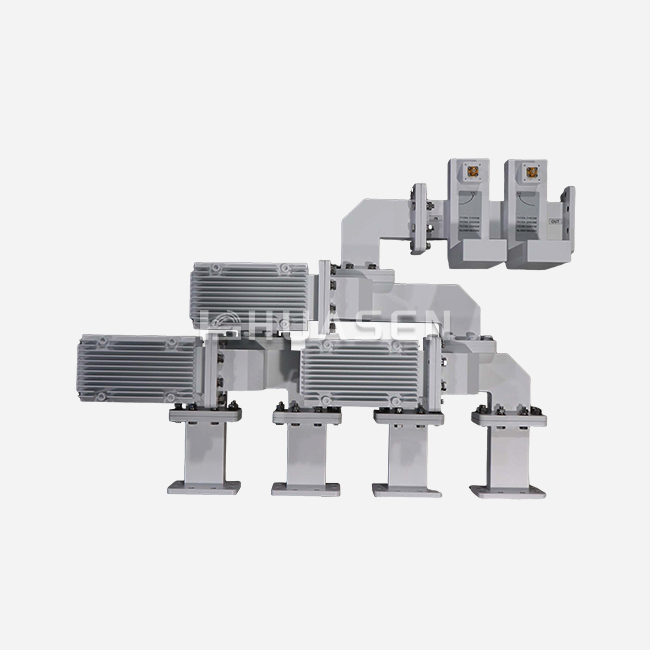
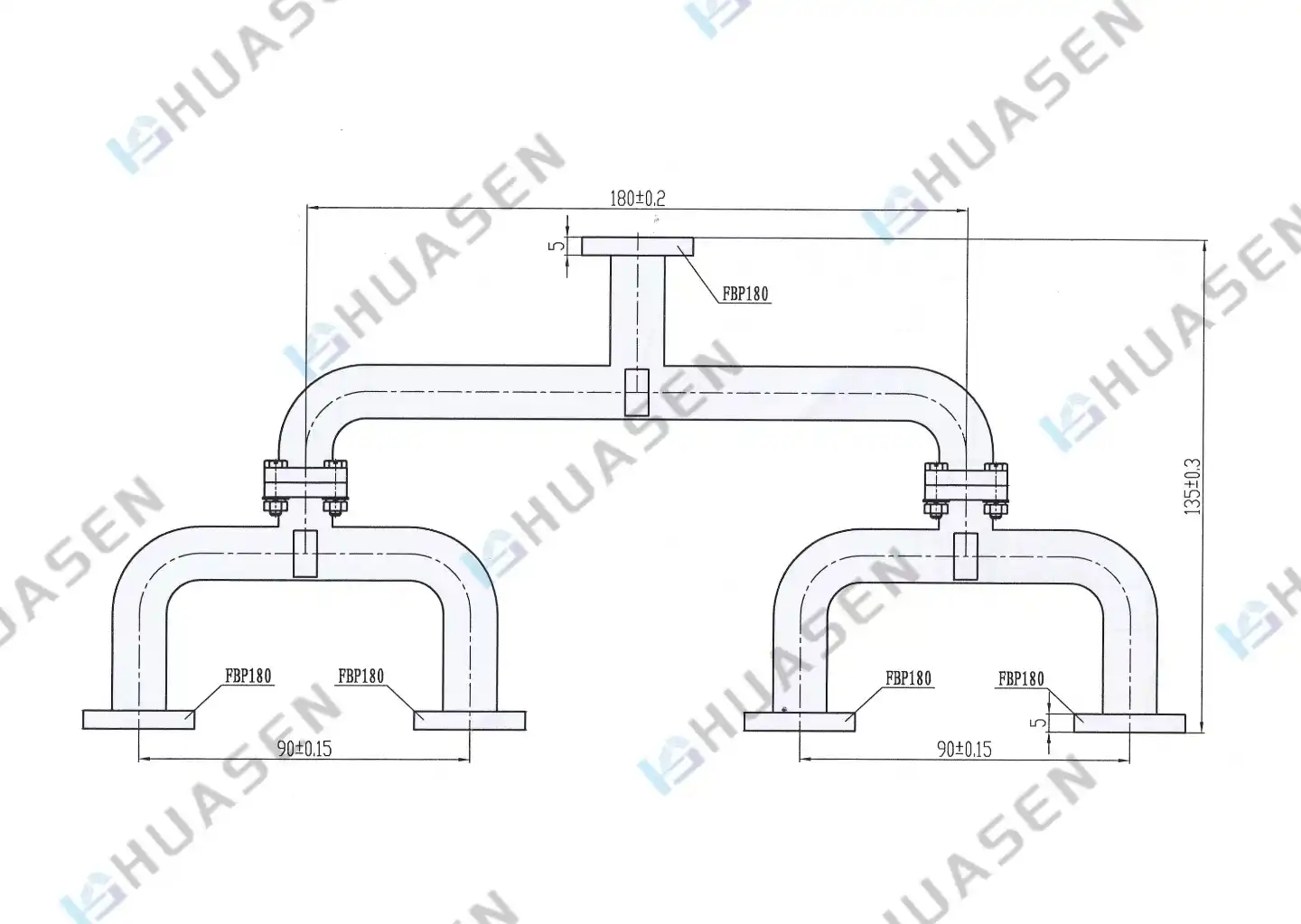
The defense and aircraft industries often need special solutions that meet the specific needs of their systems. Power splitting ratios can be changed to fit different uses, and connector setups can be changed to work with current system ports. The five structure types—I-type, U-type, X-type, Y-type, and YU-type—allow for different mechanical configurations to fit different installation needs. Custom designs are more expensive and take longer to deliver than standard products. This makes standard products appealing for uses where current configurations meet system needs. To choose between standard and custom solutions, you need to carefully look at performance needs, delivery times, and overall costs, as well as any system changes that might be needed to fit standard goods.
Procurement Strategy and Supplier Selection
To do a good job of procuring something, you need to look at what the supplier can do, like their design skills, production ability, quality systems, and professional support services. Leading suppliers offer full support from the first meeting to production and service after the sale. This makes sure that the project goes smoothly and that the supplier will be reliable in the long run. Stability in the supply chain is especially important for defense uses that need to make sure parts are always available over long product lifecycles .Costs include more than just the initial purchase price. They also include the total cost of ownership, which includes installation, upkeep, and possible repair costs. Reliable providers offer clear pricing, realistic delivery times, and detailed technical paperwork that makes it easier to integrate systems and provide ongoing support.
Optimizing Performance and Longevity of Your Waveguide Power Divider
Addressing Common Performance Limitations
To optimize insertion loss, you need to pay close attention to both the design factors and the quality of the manufacturing. The general performance of a loss is affected by surface roughness, dimensional limits, and joint quality. High-quality materials and precise machining methods reduce these causes of loss while making sure that performance stays the same across all output quantities. Monitoring speed on a regular basis helps find trends of degradation before they affect how the system works. A difference in phase between output ports can have a big effect on how well a radar system works, especially in phased array situations where precise phase control is needed. Modern designs use methods for correction that keep the phase balance across the frequency range and temperature changes that are normal for the design. During installation, calibration steps help describe the real performance and let the software make up for problems as needed. Isolation between ports directly impacts the security and performance of a system. This is especially true in transmitter applications,waveguide power divider where bad isolation can cause power amplifier modules to interact in ways that aren't wanted. Design optimization looks at both the basic structure of the circuit and the small details of the building that affect the routes for parasitic coupling.
Material Selection and Environmental Protection
The choice of material is very important for both electrical performance and longevity in harsh environments. High-conductivity metals reduce resistive losses and are very resistant to corrosion in maritime and aircraft settings. Gold coating and other surface treatments protect against oxidation even more and make sure that electrical contacts at flanged connections stay solid. Environmental security methods take into account the unique problems that come up in defense and aerospace deployments. Waterproof sealing keeps out wetness that could cause rust or electrical breakdown, and construction that doesn't allow vibrations makes sure that the device works reliably even when it's under a lot of mechanical stress. Temperature cycling resistance makes sure that the product works well at a wide range of temperatures that are common in aircraft use.
Installation Best Practices and Quality Assurance
For the performance to meet expectations and for long-term dependability, it is important to use the right placement methods. Alignment of the waveguide flange, pressure requirements, and closing methods all have an impact on both electrical performance and environmental safety. Training and paperwork help make sure that the standard of installations is the same at all deployment places. As part of quality assurance processes, new products are inspected, installations are checked, and performance is monitored on a regular basis. Regular calibration checks help find performance loss before it affects how the system works, and preventative maintenance steps fix problems before they become major problems. Keeping records of all maintenance tasks helps with reliability analysis and makes maintenance plans more efficient.
Future Innovations and Technology Trends
New technologies keep pushing the limits of what power dividers can do and how well they work. More complicated geometries that improve electrical performance while lowering size and weight can be made with advanced production methods like 3D printing and precise CNC machining. For demanding uses, new materials offer better protection from heat and the environment .Integration with next-generation radar systems drives the need for higher speed, better power handling, and smaller form factors. Special problems come up with millimeter-wave uses, which need new ways of designing and making things. These changes should make radar systems much better at what they do and how well they work.
Conclusion
There are a lot of things that need to be carefully thought through when choosing the best waveguide power divider designs for military and defense radar uses. These include frequency needs, power handling requirements, environmental conditions, and system integration limitations. Waveguide technology is the best choice for challenging tasks where accuracy and dependability are very important because it works so well. Modern versions are very flexible because they let you change the splitting ratios, have different structural setups, and cover frequencies from 0.32 GHz to 112 GHz. To be successful, you need to work with suppliers who have a lot of experience and can provide both professional knowledge and solid help for the whole lifecycle of a product.
FAQ
1. What frequency ranges do waveguide power dividers typically handle in radar applications?
Modern waveguide power dividers can handle frequencies ranging from 0.32 GHz to 112 GHz, making them suitable for a wide range of applications, from UHF monitoring radars to millimeter-wave tracking systems. Waveguides with standard sizes BJ22 through BJ320 work best in certain frequency ranges and can usually handle bandwidths of up to 10% of the center frequency.
2. How do waveguide dividers outperform coaxial alternatives in high-power contexts?
Waveguide power dividers work great in high-power situations because they are air-filled and have a bigger cross-sectional area. This lowers the risk of dielectric breakdown and makes them better at removing heat. These systems can easily handle normal power levels above 200W and high power levels up to 2KW. They work much better than coaxial options, which have problems with heat and dielectric losses.
3. What are typical lead times for custom waveguide power divider manufacturing?
Lead times for custom waveguide power dividers rely on how complicated they are and how much capacity the provider has. For normal changes like changing the splitting ratio or connector configuration, lead times are usually between 8 and 16 weeks. For more complicated needs like new motor structures or specialized materials, it could take 16 to 24 weeks. This shows how important it is to involve suppliers early on in the planning stages of a project.
Partner with Huasen Microwave for Superior Waveguide Power Divider Solutions
When it comes to military and defense radar uses, Huasen Microwave Technology makes waveguide power dividers that are at the cutting edge of technology. We have a wide range of products, such as Waveguide In-phase Power Dividers, Double-Ridge Waveguide Magic T Power Dividers, and One-to-Many Power Splitters that let you change the splitting ratios and socket arrangements. We have been making waveguide power dividers that meet strict military standards for more than 30 years and have a lot of experience with high-frequency microwave technology. Email our technical team at sales@huasenmicrowave.com to talk about your unique needs and get full technical specs.
References
1. Chen, W. K. "Advanced Waveguide Power Divider Design Techniques for Military Radar Systems." IEEE Transactions on Microwave Theory and Techniques, vol. 68, no. 4, 2020, pp. 1423-1435.
2. Johnson, R. S., and M. L. Patterson. "High-Power Waveguide Components for Aerospace Applications: Design Considerations and Performance Analysis." Journal of Electromagnetic Waves and Applications, vol. 34, no. 8, 2020, pp. 1089-1106.
3. Miller, D. A. "Broadband Magic T Power Dividers for Phased Array Radar Systems." Microwave Journal, vol. 63, no. 5, May 2020, pp. 44-58.
4. Thompson, K. R., et al. "Environmental Testing and Qualification of Waveguide Power Dividers for Defense Applications." IEEE Transactions on Components, Packaging and Manufacturing Technology, vol. 10, no. 7, 2020, pp. 1156-1164.
5. Anderson, P. J. "Next-Generation Waveguide Power Distribution Networks for Advanced Radar Systems." International Journal of RF and Microwave Computer-Aided Engineering, vol. 30, no. 9, 2020, pp. e22245.
6. Roberts, S. M., and J. H. Williams. "Comparative Analysis of Waveguide Power Divider Architectures for Military Radar Applications." IEEE Antennas and Propagation Magazine, vol. 62, no. 3, June 2020, pp. 78-87.
Send Inquiry