What Is a Directivity Coupler and Why Directivity Matters in RF Systems






2026-02-06 23:09:34
A directivity coupler represents a fundamental passive RF component that samples electromagnetic energy flowing in one direction within a transmission line while isolating energy traveling in the opposite direction. Understanding what a directivity coupler is and why directivity matters in RF systems becomes essential when engineers need precise signal monitoring without disrupting the main signal path. Directivity measures how effectively a coupler distinguishes between forward and reflected waves, typically expressed in decibels. Poor directivity leads to measurement errors, signal contamination, and system instability across telecommunications, radar, and aerospace applications.
What is a Directivity Coupler?
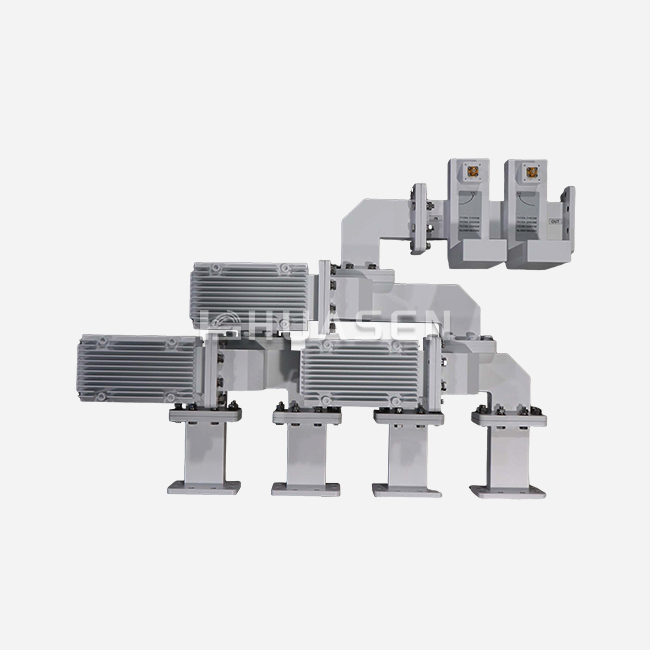
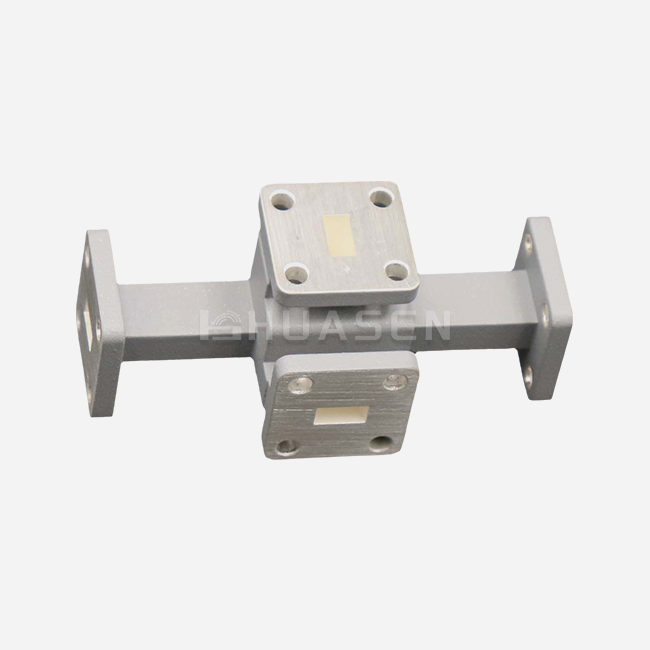
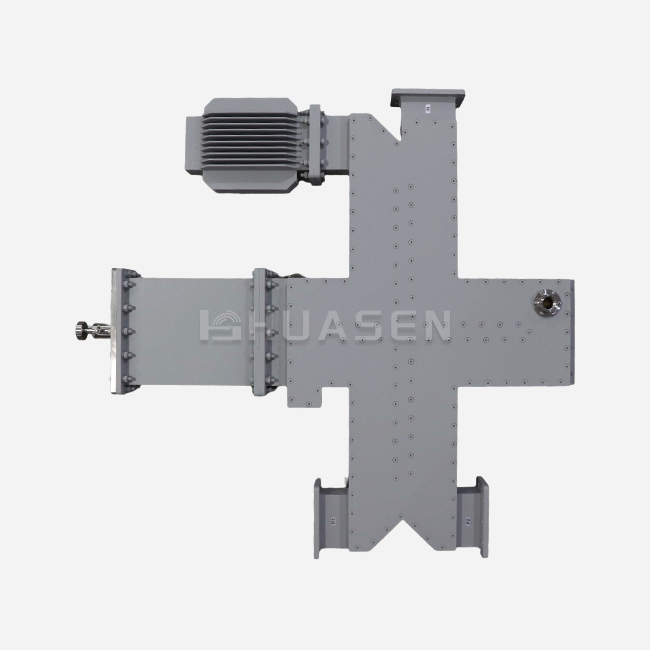
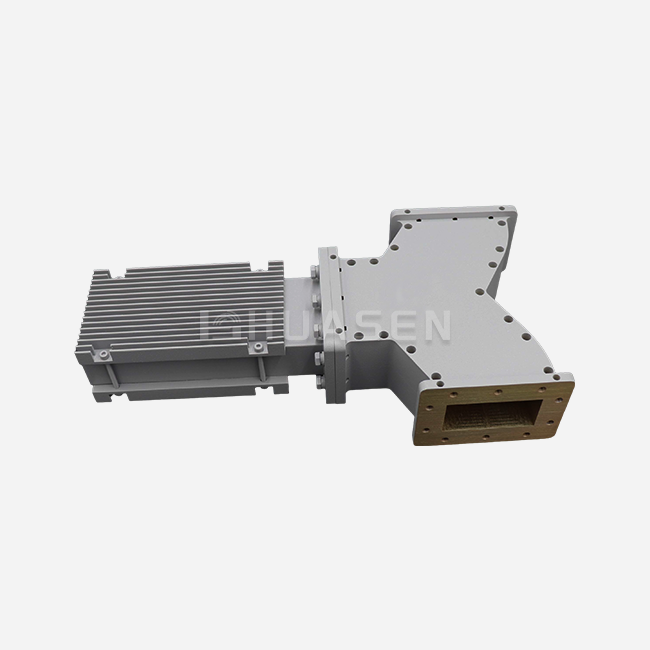
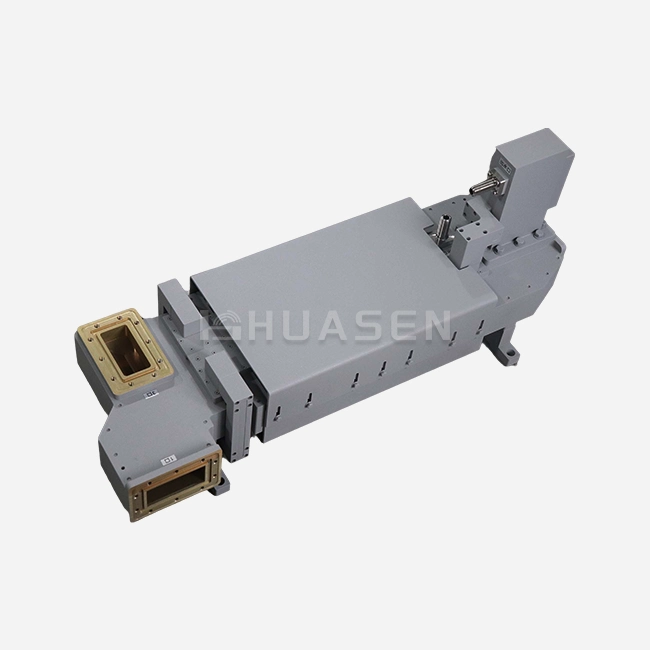
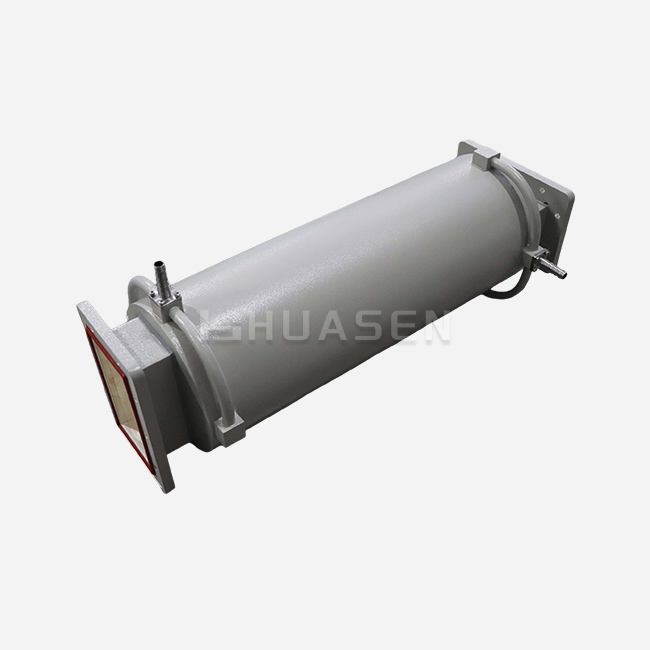
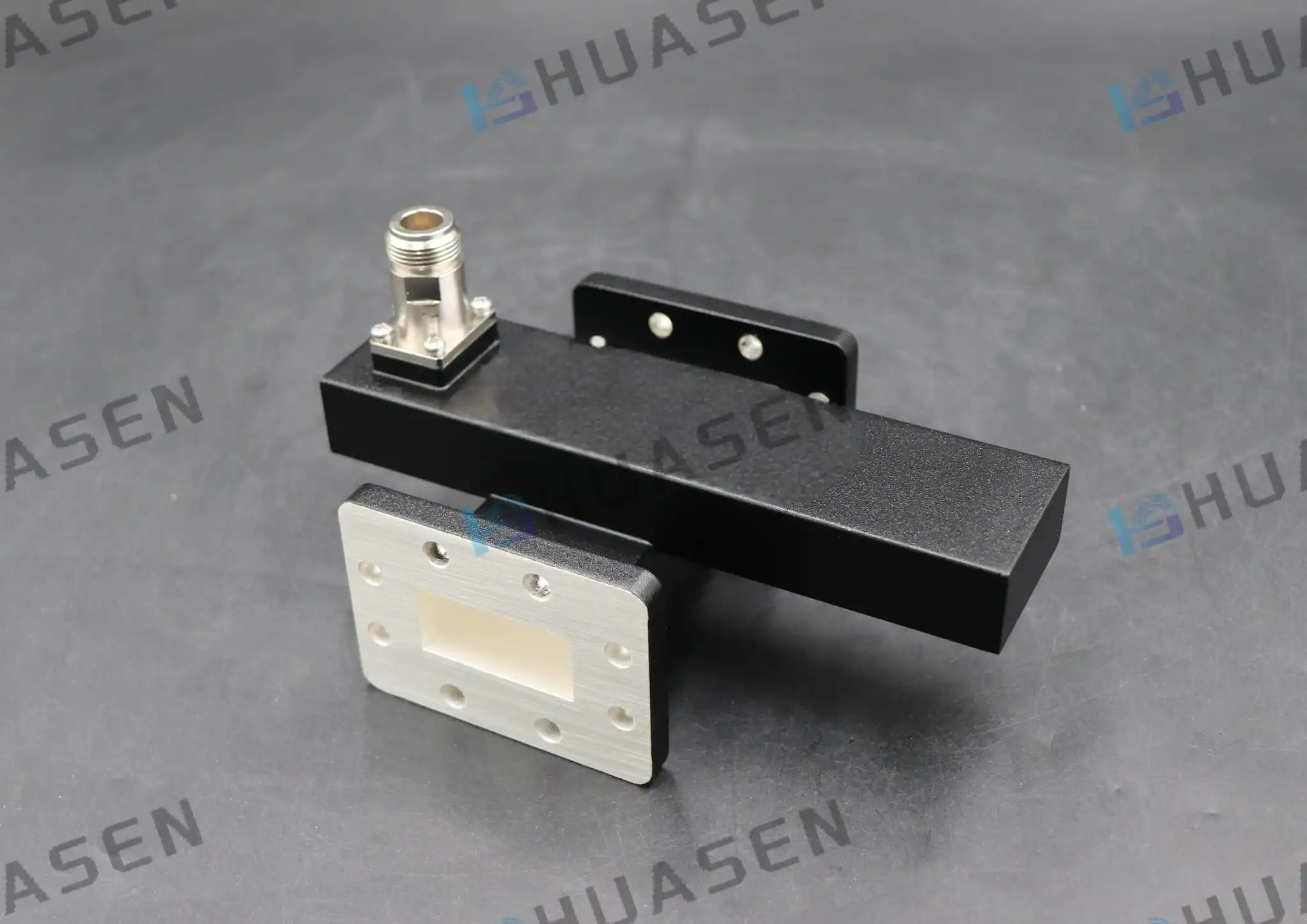
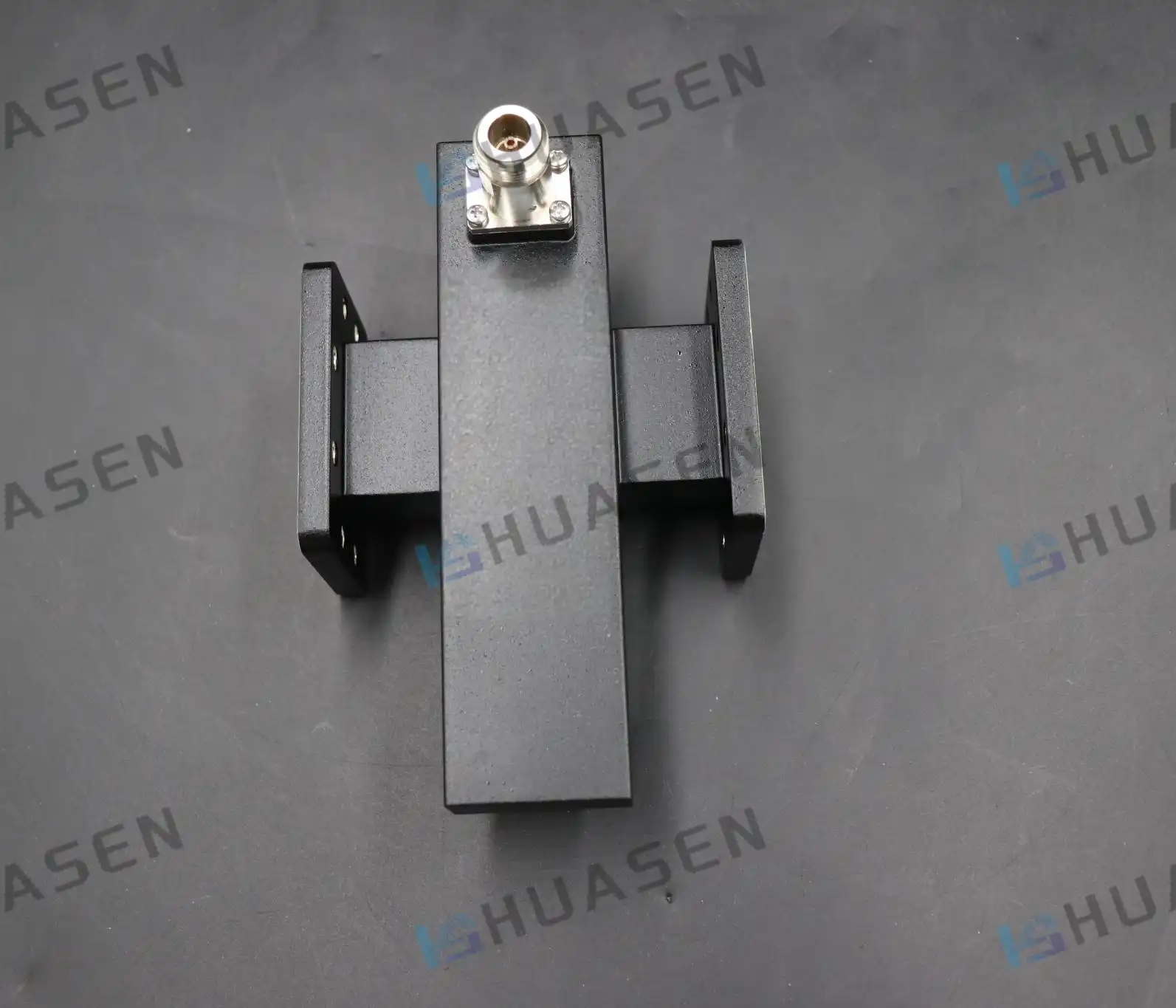
A directivity coupler functions as a sophisticated passive microwave component engineered to extract a precise sample of electromagnetic energy traveling in a specific direction along a transmission line. Unlike basic power dividers that simply split signals, these devices utilize electromagnetic coupling principles to monitor signal flow without interrupting the primary signal path. The fundamental architecture employs parallel coupled transmission lines contained within a metallic housing. When RF energy flows through the main line, electromagnetic fields couple a predetermined fraction to a secondary port. This coupling coefficient determines how much power gets sampled, typically ranging from 6dB to 40dB. Engineers value these components because they solve critical signal integrity challenges. The device's ability to differentiate between forward and reflected waves enables real-time monitoring of transmission systems. This capability proves indispensable for measuring return loss, VSWR monitoring, and implementing feedback control loops in complex RF circuits. Modern directivity couplers accommodate various connector standards,s including SMA, N-Type, and K connectors, ensuring seamless integration with 50-ohm systems. Their coaxial or waveguide construction provides excellent shielding and maintains signal integrity across wide frequency ranges, from HF through millimeter-wave applications. The directivity specification represents the coupler's most critical parameter. High-quality units achieve directivity values exceeding 40dB, enabling precise measurements even in challenging impedance environments. This performance level distinguishes professional-grade couplers from standard commercial variants.
The Problem It Solves and the Need It Fulfills
RF system designers face persistent challenges when monitoring signal quality and power levels in high-frequency applications. Traditional measurement approaches often require breaking the transmission line, introducing unwanted reflections, and system downtime. Directivity couplers eliminate these problems by providing non-intrusive signal sampling. Telecommunications infrastructure relies heavily on these components for base station monitoring. Network operators must continuously verify transmitter output power while detecting antenna problems that could cause service disruptions. Without proper directivity, reflected signals from mismatched antennas contaminate forward power measurements, leading to incorrect system diagnostics. Aerospace and defense systems present even more demanding requirements. Radar installations operate at extremely high power levels where measurement accuracy directly impacts mission success. A directivity coupler with insufficient isolation between forward and reflected ports could cause false readings, potentially resulting in equipment damage or operational failures. Laboratory environments demand exceptional measurement precision for component characterization and system validation. Vector network analyzers depend on high-directivity couplers to separate incident and reflected waves accurately. This separation enables engineers to calculate complex impedances, return loss values, and S-parameters with confidence. The economic impact extends beyond measurement accuracy. Poor directivity leads to over-designed systems where engineers add excessive safety margins to compensate for measurement uncertainty. High-quality directivity couplers reduce these margins, enabling more efficient designs and cost savings across entire product lines. Satellite communication systems exemplify another critical application area. Earth stations operating in Ku and Ka bands require pristine signal monitoring for linearization loops. Even small amounts of reflected signal contamination can destabilize pre-distortion algorithms, and the directivity of a directional coupler can degrade communication quality for thousands of users.
Core Features and Functionality Deep Dive
The electromagnetic coupling mechanism forms the heart ofthe directivity coupler operation. When RF energy propagates through the main transmission line, time-varying electric and magnetic fields extend beyond the conductor boundaries. A parallel secondary line positioned at precise spacing captures these fields through capacitive and inductive coupling. Coupling strength depends on several geometric factors, including line separation, length, and dielectric properties. Engineers control these parameters during manufacturing to achieve specific coupling coefficients. Tighter coupling produces higher sample levels but may compromise bandwidth and directivity performance. The directional property emerges from the phase relationship between coupled signals at different ports. Forward-traveling waves couple energy that arrives in-phase at the coupled port while appearing out-of-phase at the isolated port. This phase cancellation provides the isolation that enables directional sensing. Frequency response characteristics vary significantly across different coupler topologies. Distributed coupling designs using quarter-wave sections provide excellent broadband performance but consume more physical space. Multi-hole waveguide couplers achieve exceptional directivity through Chebyshev power distributions along the coupling apertures. Impedance matching throughout the coupling structure ensures minimal insertion loss and low VSWR. Engineers carefully design transition regions between the main line and coupling elements to maintain 50-ohm characteristic impedance. Poor matching creates standing waves that degrade directivity and increase measurement uncertainty. Temperature stability represents another crucial design consideration. Thermal expansion affects coupling spacing and dielectric properties, potentially shifting coupling coefficients across operating temperature ranges. Premium designs incorporate materials with matched thermal expansion coefficients to minimize temperature sensitivity. Power handling capability depends on conductor size, dielectric breakdown voltage, and thermal management. High-power applications require oversized conductors and specialized cooling techniques. Peak power ratings often exceed average power limits by 10:1 ratios, accommodating pulsed radar and communication systems.
Technology Explained: Under the Hood
The physics underlying directivity coupler operation involves complex electromagnetic field interactions that engineers carefully optimize through advanced simulation techniques. Modern design tools utilize finite element analysis to model field distributions and predict coupling behavior across frequency and temperature ranges. Coaxial implementations typically employ dual-directional designs where two coupling elements positioned at quarter-wavelength spacing enhance directivity through interference effects. The spacing creates a 90-degree phase difference between coupling points, enabling constructive addition in the desired direction and destructive cancellation in the isolated direction. Waveguide versions achieve superior directivity through distributed coupling arrays. Multiple small apertures along the waveguide wall couple energy according to predetermined amplitude and phase relationships. Chebyshev distributions provide optimal directivity while maintaining acceptable bandwidth performance. Material selection significantly impacts electrical performance and environmental durability. PTFE dielectrics offer excellent electrical properties and temperature stability, but may limit power handling. Air dielectric designs maximize power capability while requiring more precise mechanical tolerances. Connector interfaces demand careful attention to maintain system performance. Transition discontinuities between the coupler and external connectors can generate reflections that degrade directivity. Advanced designs incorporate gradual impedance transitions and precision machining to minimize these effects. Electromagnetic simulation enables optimization of coupling structures before physical prototyping. Engineers analyze field patterns, current distributions, and scattering parameters to refine geometric parameters. This computational approach significantly reduces development time while improving final performance. Manufacturing tolerances directly influence achievable directivity levels. Precision machining maintains coupling gap dimensions within micrometers, while assembly techniques ensure repeatable electrical performance. Automated testing validates each unit against specifications before shipment.
Key Advantages and Selling Points
Superior measurement accuracy represents the primary advantage driving directivity coupler adoption across demanding applications. High directivity values enable precise separation of forward and reflected signals, reducing measurement uncertainty to levels unachievable with standard coupling techniques. Non-intrusive monitoring capability eliminates the need to interrupt transmission lines for signal sampling. This feature proves invaluable in operational systems where downtime carries high costs. Maintenance teams can verify system performance without service disruption, improving overall network availability. Wide bandwidth performance allows single devices to cover multiple frequency bands simultaneously. Broadband designs spanning octave ranges reduce system complexity while minimizing inventory requirements. This versatility particularly benefits multiband communication systems and wideband test equipment. Excellent isolation between ports prevents unwanted signal interactions that could destabilize sensitive circuits. High isolation ensures that monitoring equipment connected to coupled ports cannot affect the main signal transmission. This characteristic enables real-time monitoring without system impact. Robust mechanical construction withstands harsh environmental conditions encountered in outdoor installations. Military-grade designs operate reliably across extended temperature ranges while resisting vibration, shock, and moisture. These capabilities prove essential for aerospace and defense applications. Low insertion loss preserves signal strength in the main transmission path. Premium designs achieve insertion losses below 0.1 dB, B excluding the intended coupling loss. This performance maintains system efficiency while providing necessary monitoring capabilities. Flexible coupling coefficient options accommodate diverse system requirements. Available coupling values from 6dB to 40dB enable engineers to optimize signal levels for specific monitoring equipment. This flexibility eliminates the need for additional amplification or attenuation stages.
Directivity Coupler vs. The Competition
Standard power dividers represent the most common alternative for signal sampling applications, but they lack the directional sensing capability that defines true directivity couplers. While power dividers excel at signal distribution, they cannot distinguish between forward and reflected waves, limiting their effectiveness in monitoring applications. Resistive bridges offer another approach to directional measurements but introduce significant insertion loss in the main signal path. These devices typically exhibit 6dB or more insertion loss compared to the minimal loss of properly designed directivity couplers. The high loss makes resistive bridges unsuitable for power-sensitive applications. Transformer-coupled monitoring provides isolation but lacks the precise directional response achievable with distributed coupling techniques. Transformer designs work well at lower frequencies but suffer from bandwidth limitations and poor high-frequency performance compared to transmission line couplers. Reflection bridges serve specific measurement applications but require complex calibration procedures and offer limited dynamic range. These instruments work well in laboratory environments but lack the simplicity and reliability needed for operational monitoring systems. Active monitoring circuits using detector diodes provide high sensitivity but introduce noise and dynamic range limitations. These approaches require power supplies and temperature compensation, and the directivity of a directional coupler increases system complexity compared to passive directivity couplers. Additionally, active circuits can fail in high-power environments where passive couplers continue operating reliably. Optical coupling techniques offer exceptional isolation and immunity to electromagnetic interference but require optical-to-electrical conversion that adds cost and complexity. These approaches suit specialized applications but cannot match the simplicity and cost-effectiveness of passive RF couplers for most monitoring requirements.
Target Audience and Ideal Use Cases
Telecommunications equipment manufacturers represent the largest market segment, utilizing directivity couplers throughout base station designs for 5G and emerging 6G networks. These companies require components that maintain performance across wide temperature ranges while meeting strict reliability requirements. Base station manufacturers integrate couplers into power amplifier monitoring circuits, antenna line monitoring systems, and diversity combining networks. Aerospace and defense contractors demand the highest performance specifications for radar systems, electronic warfare equipment, and satellite communication platforms. These applications often require custom designs optimized for specific frequency bands and environmental conditions. Military standards compliance and long-term reliability prove essential for mission-critical systems. Test and measurement instrument manufacturers incorporate directivity couplers into vector network analyzers, spectrum analyzers, and signal generators. These applications demand exceptional directivity performance and calibrated frequency response to enable accurate measurements. Instrument designers often specify custom coupling coefficients and connector configurations to optimize measurement dynamic range. Research institutions and universities utilize these components for advanced RF research and student laboratory exercises. Academic applications benefit from the educational value of directional coupling principles while requiring cost-effective solutions for multiple laboratory stations. Research projects often push performance boundaries, driving innovation in coupler technology. Satellite ground station operators rely on directivity couplers for uplink power monitoring and antenna VSWR protection. These installations must operate reliably in outdoor environments while providing accurate monitoring under varying weather conditions. High-power handling capability becomes essential for commercial satellite communication services. Broadcasting and telecommunications service providers integrate couplers into transmission systems for signal quality monitoring and regulatory compliance. These operators need reliable performance across extended operating periods with minimal maintenance requirements. Cost-effectiveness and standardized interfaces facilitate deployment across multiple sites.
Conclusion
Directivity couplers continue evolving to meet increasingly demanding requirements across telecommunications, aerospace, and test equipment applications. Advanced materials and manufacturing techniques enable higher directivity levels while reducing size and cost. Future developments will likely focus on enhanced bandwidth performance, improved temperature stability, and integration with digital monitoring systems. The transition to millimeter-wave frequencies for 5G and 6G networks creates new opportunities for innovative coupler designs. These applications demand exceptional directivity at frequencies where traditional approaches face physical limitations. Emerging technologies, including additive manufacturing and advanced dielectric materials, promise to address these challenges while enabling new applications in automotive radar and high-speed digital communications.
FAQ
Q1: How does the coupling coefficient affect measurement accuracy in directivity couplers?
A: Coupling coefficient determines the signal level at the coupled port, directly impacting measurement dynamic range and accuracy. Tighter coupling (lower dB values) provides higher signal levels but may reduce bandwidth and directivity. Engineers typically select coupling coefficients that optimize the signal-to-noise ratio for their specific monitoring equipment while maintaining adequate directivity performance.
Q2: What environmental factors most significantly impact directivity coupler performance?
A: Temperature variations represent the primary environmental concern, affecting both mechanical dimensions and dielectric properties. Humidity can impact performance in air-dielectric designs, while vibration may affect mechanical coupling in precision assemblies. Proper material selection and mechanical design minimize these effects, with premium designs maintaining specifications across military temperature ranges.
Q3: Can directivity couplers handle both continuous wave and pulsed RF signals effectively?
A: Modern directivity couplers accommodate both signal types effectively, though power ratings differ significantly between continuous wave and peak pulse conditions. Pulse applications typically allow 10:1 or higher peak-to-average power ratios. The coupling mechanism responds identically to both signal types, maintaining directivity performance regardless of modulation characteristics or pulse repetition rates.
Partner with Huasen Microwave for Superior Directivity Coupler Solutions
Huasen Microwave stands as your trusted directivity coupler manufacturer, delivering precision-engineered components that meet the most demanding RF system requirements. Our extensive experience in microwave technology enables us to provide customized solutions that address your specific frequency, power, and environmental challenges. Connect with our technical team at sales@huasenmicrowave.com to discuss your directivity coupler specifications and discover how our proven expertise can enhance your system performance.
References
1. Rizzi, Peter A. "Microwave Engineering: Passive Circuits." Prentice Hall Professional Technical Reference, 1988.
2. Pozar, David M. "Microwave Engineering, 4th Edition." John Wiley & Sons, 2011.
3. Collin, Robert E. "Foundations for Microwave Engineering, 2nd Edition." IEEE Press, 2001.
4. IEEE Standard 149-1979. "IEEE Standard Test Procedures for Antennas." Institute of Electrical and Electronics Engineers, 1979.
5. Engen, Glenn F. "Microwave Circuit Theory and Analysis." Academic Press Professional, 1987.
6. Vendelin, George D., Anthony M. Pavio, and Ulrich L. Rohde. "Microwave Circuit Design Using Linear and Nonlinear Techniques, 2nd Edition." John Wiley & Sons, 2005.
Send Inquiry