Waveguide vs Coaxial Calibration Kits for RF and Microwave Testing






2026-02-09 22:59:20
When selecting Waveguide Calibration Kit solutions for precision RF measurements, engineers face a critical choice between waveguide and coaxial systems. Waveguide calibration kits excel in millimeter-wave applications above 40 GHz, offering superior power handling and lower insertion loss. Coaxial systems dominate lower frequencies with easier handling and broader connector compatibility. Understanding these fundamental differences helps optimize measurement accuracy across diverse testing scenarios.
Understanding Calibration Kit Technologies in Modern RF Testing
RF calibration represents the foundation of accurate network analysis. Modern test systems require precise reference standards to eliminate systematic errors and achieve reliable S-parameter measurements. The choice between waveguide and coaxial calibration approaches significantly impacts measurement quality, especially in high-frequency applications. Network analyzers rely on calibration standards to correct for inherent system imperfections. These standards include shorts, opens, loads, and through connections that provide known reference points. The physical implementation of these standards varies dramatically between waveguide and coaxial technologies. Waveguide systems utilize hollow metallic structures that support electromagnetic wave propagation without center conductors. This fundamental design eliminates many loss mechanisms present in coaxial configurations. The precision machining required for waveguide components ensures exceptional repeatability and long-term stability. Coaxial systems employ center conductors surrounded by dielectric materials and outer shields. This configuration offers mechanical simplicity and broad frequency coverage. However, dielectric losses and connector wear can impact long-term measurement stability. Modern calibration procedures have evolved beyond simple SOLT (Short-Open-Load-Through) techniques. Advanced algorithms like TRL (Through-Reflect-Line) and LRM (Line-Reflect-Match) provide enhanced accuracy for specific applications. Understanding these methodologies helps engineers select appropriate calibration approaches. If you need measurements below 18 GHz with frequent connector changes, then coaxial calibration systems offer superior convenience and versatility.
Technical Performance Comparison: Accuracy and Frequency Coverage
Performance metrics reveal distinct advantages for each calibration approach across different frequency ranges. Measurement accuracy depends on calibration standard quality, connector repeatability, and environmental stability factors.
Frequency Range Capabilities:
- Coaxial systems: DC to 110 GHz (specialized connectors)
- Waveguide systems: 1 GHz to 1 THz (band-specific)
- Overlap regions: 18-110 GHz (both technologies viable)
Waveguide calibration achieves superior accuracy at millimeter-wave frequencies. Test data from precision measurements shows waveguide systems maintain ±0.02 dB amplitude accuracy and ±0.5° phase accuracy up to 67 GHz. Coaxial systems typically achieve ±0.05 dB amplitude and ±1.0° phase accuracy in similar frequency ranges. Insertion loss characteristics favor waveguide implementations at higher frequencies. WR-15 waveguide (50-75 GHz) exhibits approximately 0.05 dB/inch loss compared to 1.85mm coaxial cable, showing 0.8 dB/inch at 67 GHz.Temperature stability represents another critical performance factor. Waveguide standards demonstrate excellent thermal stability due to air-dielectric construction. Coaxial standards with PTFE dielectrics show measurable drift over temperature ranges exceeding ±20°C . Power handling capabilities strongly favor waveguide solutions. Standard waveguide calibration kits handle continuous power levels from 500W to 2k, W depending on frequency band. Precision coaxial standards typically limit continuous power to 50-200W maximum. If you need frequency coverage above 67 GHz with maximum accuracy, then waveguide calibration systems provide unmatched performance advantages.
Practical Implementation: Setup Complexity and Operational Considerations
Implementation complexity varies significantly between calibration technologies. Engineers must balance measurement requirements against practical operational constraints, including setup time, skill requirements, and equipment compatibility.
Setup Complexity Factors:
- Connector torque specifications and repeatability
- Flange alignment and gasket considerations
- Cable flexibility and handling requirements
- Environmental sensitivity factors
Coaxial calibration offers simplified connection procedures with standardized torque specifications. Most precision connectors require 8-12 inch-pounds torque applied with calibrated wrenches. Connection repeatability exceeds 10,000 cycles for quality connectors when properly maintained. Waveguide systems demand precise flange alignment and specialized handling techniques. Proper installation requires an understanding of waveguide theory and mechanical precision. However, once properly connected, waveguide joints provide exceptional long-term stability without degradation. Cable management presents distinct challenges for each approach. Coaxial test cables require careful handling to prevent phase instability from flexure. Phase-stable cables incorporate corrugated outer conductors but sacrifice flexibility. Waveguide systems eliminate cable-related errors through rigid interconnections. Environmental considerations affect both technologies differently. Humidity variations impact coaxial dielectrics more severely than air-filled waveguides. Vibration sensitivity favors well-supported waveguide installations over flexible coaxial configurations. Calibration verification procedures differ substantially between technologies. Coaxial systems benefit from quick connector cycling for repeatability checks. Waveguide verification requires complete disassembly and reassembly of flange connections. If you need frequent reconfiguration with minimal specialized training, then coaxial calibration systems offer superior operational convenience.
Cost Analysis and Long-Term Value Considerations
Investment decisions requirea comprehensive evaluation of initial costs, operational expenses, and long-term value factors. Both calibration approaches present distinct cost profiles affecting total ownership economics.
Initial Investment Comparison:
- Basic coaxial kit (DC-18 GHz): $8,000-$15,000
- Precision waveguide kit (single band): $12,000-$25,000
- Multi-band waveguide solution: $50,000-$100,000+
Coaxial calibration kits provide broad frequency coverage with a single investment. A precision 3.5mm kit covers DC-26.5 GHz with excellent versatility. Additional frequency bands require separate investments in 2.92mm, 2.4mm, or 1.85mm connector families. Waveguide solutions require band-specific investments. Each waveguide band (WR-90, WR-42, WR-28, etc.) necessitates complete calibration kit purchases. However, within specified bands, waveguide kits deliver unmatched accuracy and reliability. Maintenance costs favor waveguide implementations over extended timeframes. Coaxial connectors experience wear from repeated connections, requiring periodic replacement. Quality 2.4mm connectors cost $800-$1,200 each for precision grades. Waveguide flanges maintain performance indefinitely with proper care. Calibration verification expenses differ significantly between technologies. Coaxial standards require annual verification services costing $3,000-$8,000 per kit. Waveguide standards maintain stability for multi-year intervals, reducing verification frequency and associated costs. Obsolescence protection advantages favor waveguide solutions. Standard waveguide dimensions remain unchanged across decades, ensuring long-term compatibility. Coaxial connector families evolve with technology advances, potentially requiring system upgrades. If you need cost-effective broadband coverage with acceptable accuracy, then coaxial calibration provides excellent value for general-purpose applications.
Application-Specific Selection Guidelines for Different Industries
Industry requirements drive calibration technology selection based on specific performance priorities and operational constraints. Understanding application-specific needs ensures optimal technology choices for diverse measurement scenarios.
5G/6G Infrastructure Applications
Modern cellular infrastructure operates across diverse frequency bands from sub-6 GHz through millimeter-wave regions. Base station testing requires calibration solutions covering 28 GHz, 39 GHz,waveguide calibration kits, and emerging bands above 50 GHz.Coaxial calibration handles sub-6 GHz measurements effectively with excellent dynamic range. However, millimeter-wave 5G testing benefits from waveguide accuracy at 28 GHz and 39 GHz bands. Many facilities implement hybrid approaches using coaxial systems below 18 GHz and waveguide solutions for millimeter-wave bands.
Aerospace and Defense Testing
Military and aerospace applications demand maximum measurement accuracy across wide frequency ranges. Radar system testing often spans 8-40 GHz, requiring exceptional dynamic range and phase accuracy. Waveguide calibration provides superior performance for radar cross-section measurements and antenna pattern verification. The enhanced accuracy justifies additional complexity for mission-critical applications where measurement uncertainty directly impacts system performance.
Satellite Communication Systems
Satellite transponder testing covers specific frequency bands, including C-band (4-8 GHz), Ku-band (12-18 GHz), and Ka-band (26.5-40 GHz). Each band presents distinct calibration requirements based on link budget constraints and interference considerations. Ka-band applications particularly benefit from waveguide calibration accuracy. The narrow beamwidths and tight link budgets demand precise measurements achievable only through high-quality calibration standards.
Research and Development Laboratories
University and corporate research facilities require versatile measurement capabilities across broad frequency ranges. Budget constraints often influence technology selection while maintaining adequate measurement quality for research objectives. Multi-frequency coaxial solutions provide research flexibility with reasonable investments. However, waveguide calibration kits forspecialized research applications may justify waveguide investments for specific frequency bands requiring maximum accuracy. If you need specialized high-frequency testing with maximum accuracy, then waveguide calibration delivers superior measurement capabilities for demanding applications.
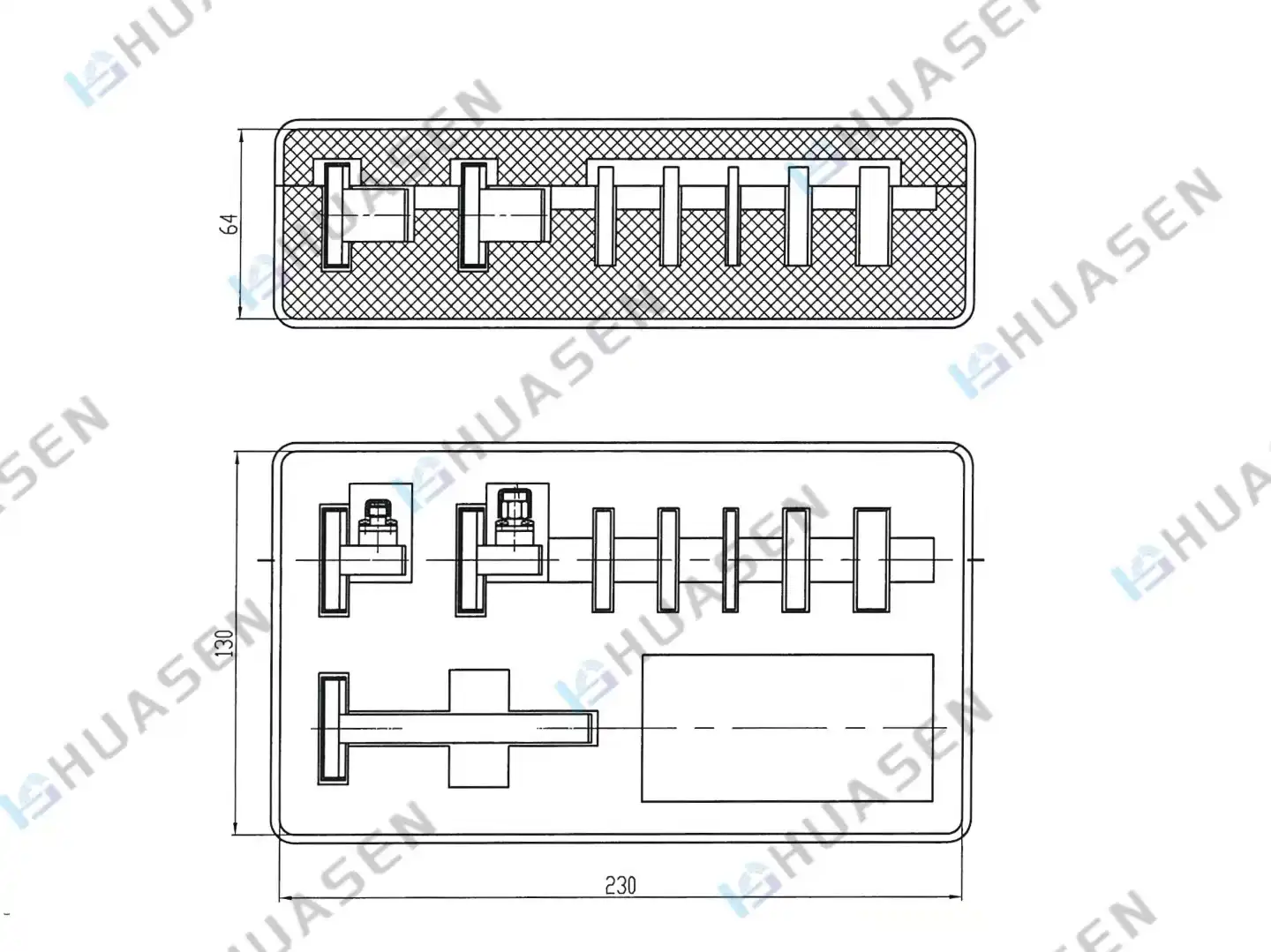
Key Advantages of Huasen Microwave's Waveguide Calibration Kit
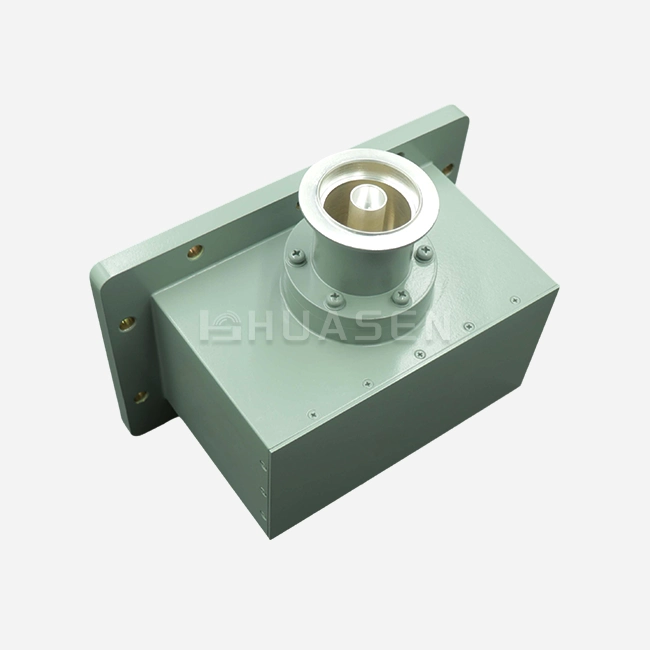
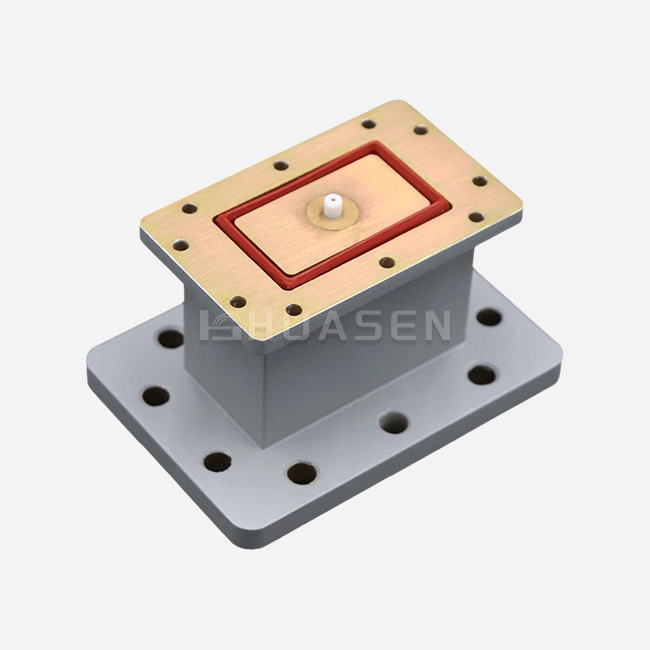
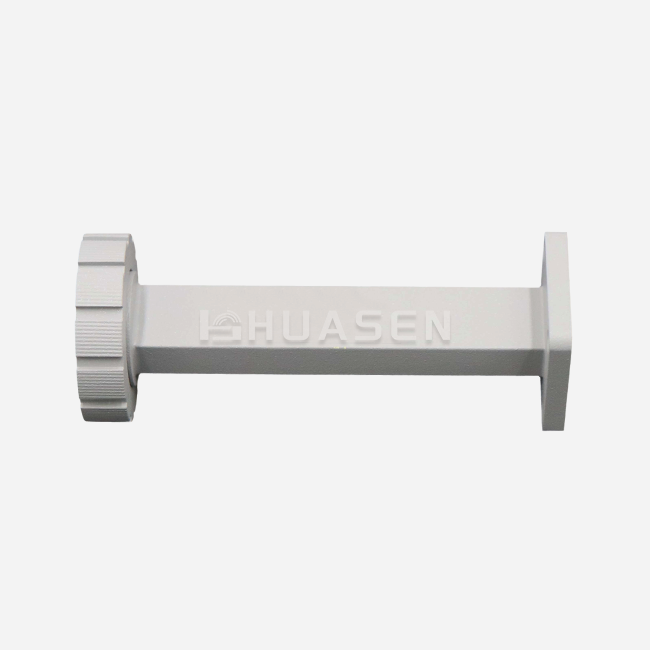
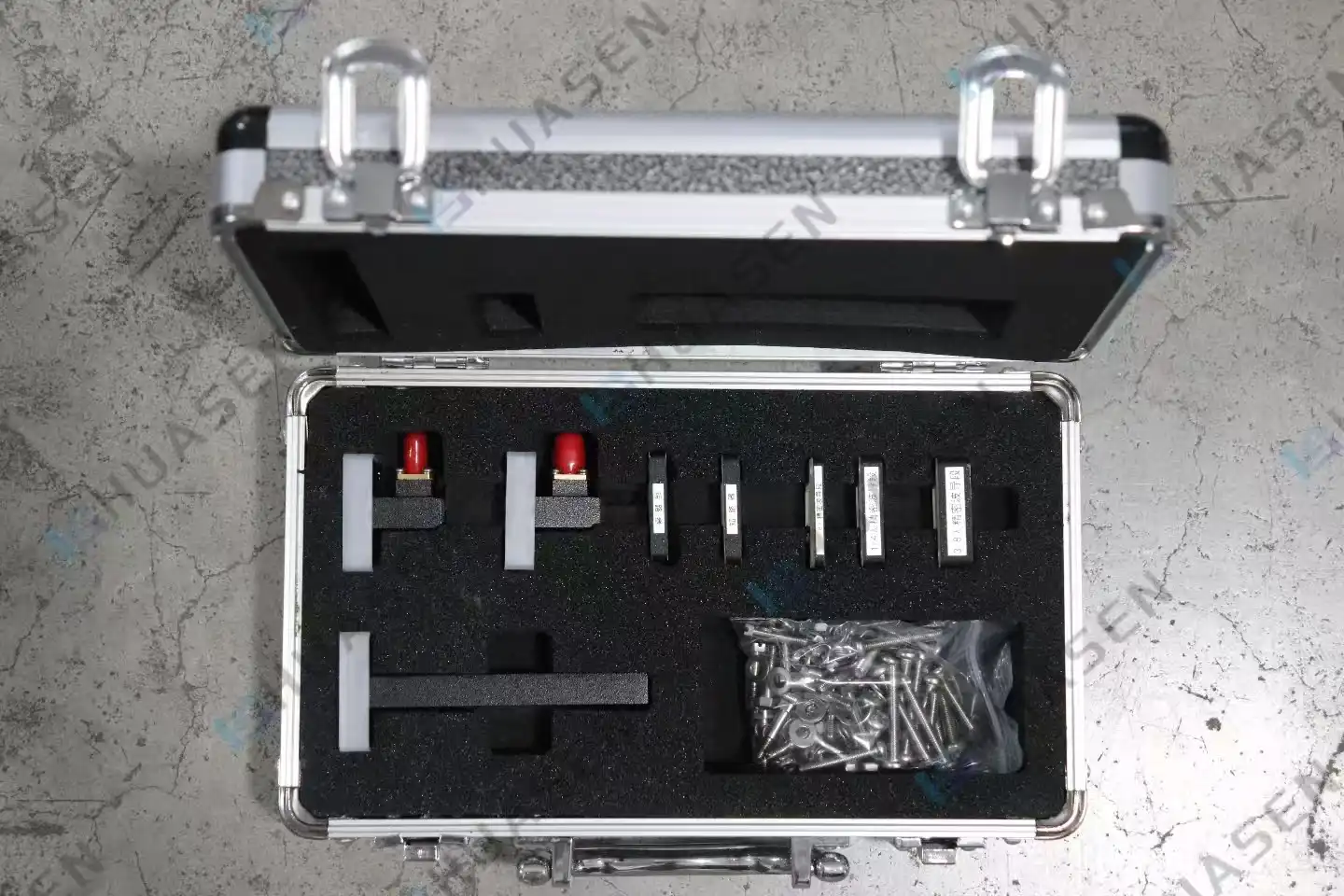
Comprehensive 12-error-correction capability - Complete precision calibration components enable full systematic error correction for maximum measurement accuracy across all supported frequency bands. Universal network analyzer compatibility - Seamless integration with any vector or scalar network analyzer platform eliminates compatibility concerns and simplifies laboratory standardization. Superior waveguide matching performance - Precision-machined waveguide matching loads achieve VSWR ≤ 1.03 specification, ensuring exceptional reflection accuracy for critical measurementsHigh-performance short circuit standards - Fixed waveguide short plates deliver VSWR ≥ ,60 providing robust reference standards for reflection coefficient measurementsPrecision waveguide section standards - Multiple section lengths (1/4λ, 1/8λ, 3/8λ) enable advanced calibration techniques including TRL and LRM methodologiesProfessional adapter solutions - Include both J-type and K-type waveguide to coaxial adapters supporting diverse measurement configurations and equipment interfacesRobust mechanical construction - Premium aluminum alloy case with precision connecting hardware ensures long-term reliability and protection during transport and storageMillimeter-wave frequency coverage - Optimized performance across microwave and millimeter-wave frequency ranges supporting next-generation wireless and radar applicationsEnhanced measurement accuracy - Precision manufacturing and quality control processes deliver industry-leading calibration standard performance for demanding applicationsComplete turnkey solution - Ready-to-use calibration kit includes all necessary components and documentation for immediate implementation without additional purchasesCustomizable frequency bands - Flexible manufacturing capabilities accommodate specific waveguide band requirements and custom frequency coverage specificationsComprehensive technical support - Expert engineering assistance includes application guidance, calibration procedures, and measurement optimization recommendationsQuality certification compliance - Manufacturing processes meet international standards, including ISO 9001 and RoHS compliance, ensuring consistent quality and environmental responsibilityRapid delivery capabilities - Efficient production processes and inventory management enable shortened lead times for urgent project requirementsCost-effective ownership - Superior long-term stability and minimal maintenance requirements provide excellent total cost of ownership compared to alternative solutions
Conclusion
Selecting between waveguide and coaxial calibration technologies requires careful evaluation of frequency requirements, accuracy specifications, and operational constraints. Waveguide systems excel in millimeter-wave applications demanding maximum accuracy, while coaxial solutions provide versatile broadband coverage with simplified operation. Engineers must balance performance requirements against practical implementation factors, including cost, complexity, and long-term reliability. Modern test environments often benefit from hybrid approaches leveraging the strengths of both technologies across different frequency ranges.
Huasen Microwave's Advanced Waveguide Calibration Kit Solutions
Huasen Microwave Technology delivers precision-engineered Waveguide Calibration Kitsolutions addressing the evolving demands of modern RF testing environments. Our waveguide calibration kit incorporates decades of microwave expertise with advanced manufacturing techniques to ensure measurement accuracy and long-term reliability. As a trusted calibration kit manufacturer, we provide comprehensive technical support and customization capabilities for diverse industry applications. Contact our engineering team at sales@huasenmicrowave.com to discuss your specific calibration requirements and discover how our solutions enhance your measurement capabilities.
References
1. Rytting, D. K. "Network Analyzer Error Models and Calibration Methods." Microwave Journal Technical Articles, 1998.
2. Marks, R. B. "A Multiline Method of Network Analyzer Calibration." IEEE Transactions on Microwave Theory and Techniques, Vol. 39, No. 7, 1991.
3. Ferrero, A. and Pisani, U. "Two-Port Network Analyzer Calibration Using an Unknown 'Thru'." IEEE Microwave and Guided Wave Letters, Vol. 2, No. 12, 1992.
4. Eul, H. J. and Schiek, B. "A Generalized Theory and New Calibration Procedures for Network Analyzer Self-Calibration." IEEE Transactions on Microwave Theory and Techniques, Vol. 39, No. 4, 1991.
5. Silvonen, K. J. "LMR 16 - A Self-Calibration Procedure for a Leaky Network Analyzer." IEEE Transactions on Microwave Theory and Techniques, Vol. 45, No. 4, 1997.
6. Williams, D. F. and Walker, D. K. "Series-Resistor Calibration." IEEE Transactions on Microwave Theory and Techniques, Vol. 44, No. 12, 1996.
Send Inquiry