Military-Grade RF Combiner Selection and Testing for Aerospace Use






2026-02-07 22:24:36
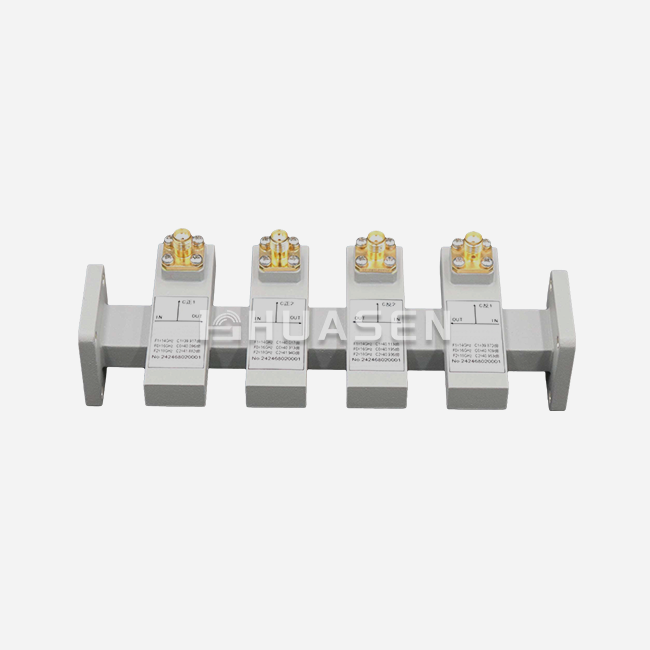
When choosing a military-grade RF combiner for use in space applications, it is important to carefully look at its technical specs, ability to withstand harsh conditions, and mission-critical performance levels. These high-tech passive electromagnetic components combine several radio frequency signals into a single output path, keeping the purity of the signals even in harsh operating conditions. To make sure they work reliably in space-based platforms, aircraft communication systems, and defence radar sites, aerospace-grade systems need to be able to handle a lot of power, have very low insertion loss, and meet strict MIL-STD environmental standards.
Understanding Military-Grade RF Combiners: Basics and Technical Specifications
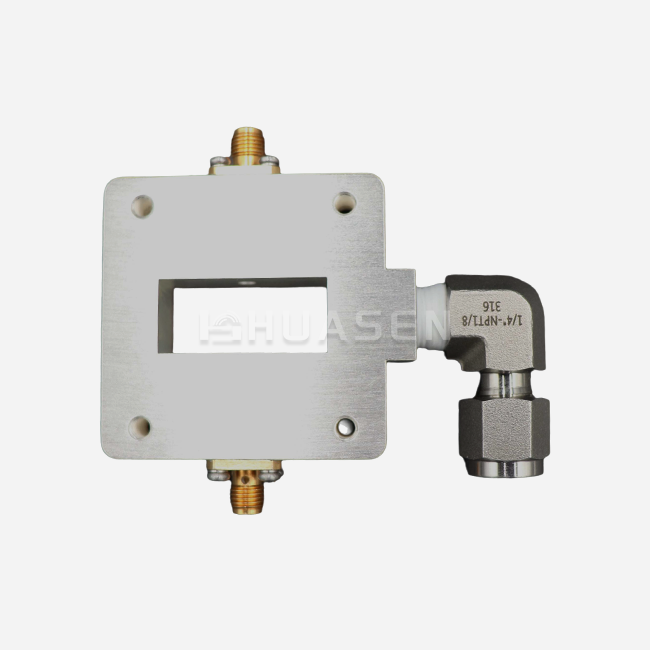
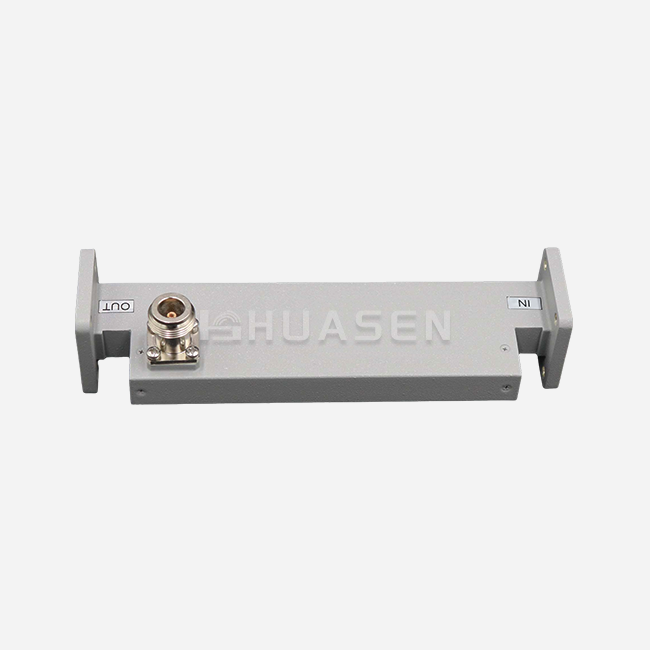
Military-grade RF combiners are the best passive microwave components ever made because they are made to work in the harsh conditions found in aerospace uses. These parts are very important for managing signals because they combine several radio frequency inputs into a single, unified output while keeping the signal integrity very high and power loss very low.
Fundamental Operating Principles and Architecture
Another important thing that an RF combiner does is combine signals from different transmitter sources without changing the phase or amplitude too much. Military aircraft combiners are different from regular commercial-grade ones because they use special cavity resonance designs that keep impedance matching constant over a wide frequency range. The inside is usually made of high-conductivity silver-plated copper or an aluminium alloy to take advantage of the skin effect and make sure that signals travel well even when temperatures change a lot. Military-grade systems are different because they have very good port-to-port isolation, usually greater than 30 dB. This stops harmful signal feedback that could hurt sensitive transmitter parts. The electrical parameters include requirements for ultra-low insertion loss, which should be less than 0.1 dB loss to make the system work as efficiently as possible. Depending on the cavity resonance setup, these units can work with a wide range of frequencies, including HF, VHF, UHF, L-Band, and S-Band.
Critical Technical Specifications for Aerospace Applications
When choosing military-grade RF combiners, people who work in aerospace buying have to look at a number of important technical factors. The ability to handle power is one of the most important things to think about. For example, aerospace uses often need parts that can handle a kilowatt-level continuous wave gearbox without breaking down or experiencing dielectric failure. In order to keep VSWR ratios below 1.10:1, the frequency response characteristics must be very stable across the working bandwidth, and the return loss must be more than 26 dB. Environmental compliance guidelines are very important when choosing aerospace parts. Military-grade RF combiners have to meet strict MIL-STD requirements for how well they handle shocks, vibrations, and changes in temperature. These requirements make sure that the device works properly in temperatures ranging from -40°C to +85°C, while also keeping the setting stable and the gasket's ability to keep water out.
Criteria for Selecting the Best Military-Grade RF Combiner
Selecting optimal RF combiners for aerospace applications requires a comprehensive evaluation of performance metrics that directly impact mission success and system reliability. The selection process must balance technical excellence with operational practicality, considering factors ranging from signal integrity to long-term maintenance requirements.
Performance and Reliability Assessment Framework
When judging military-grade RF combiners, there are a number of important performance factors that aircraft engineers need to carefully look at. The ability to separate signals is very important because not being able to separate them properly can lead to intermodulation distortion, which makes communication less clear and causes unwanted leaks. Cross-channel interference can't happen with good systems because they usually keep isolation levels above 35 dB across all frequency bands. Size, Weight, and Power (SWaP) optimisation is becoming more and more important in the way aircraft is designed today. Modern military platforms need parts that work well while taking up as little space as possible and weighing as little as possible. Advanced combiner designs use new materials like high-grade PTFE or ceramic insulating systems that work really well as dielectrics while also making the parts lighter. The ability to control heat has a big impact on choosing a combiner for high-power aerospace uses. Even small amounts of insertion loss produce a lot of heat at high power levels, so complex methods are needed to get rid of the heat. To keep working properly in very hot or very cold conditions, high-end systems use special black body radiation coatings, rf splitter, oversized heat sink assemblies and temperature compensation methods for Invar rods.

Comparative Analysis of Leading Industry Solutions
There are a number of well-known companies in the aircraft RF combiner market that make military-grade products with a range of performance and price profiles. Kathrein systems are great for broadcasting because they can handle harsh environments and have been reliable in the field for a long time. Mini-Circuits offers low-cost solutions, great technical help, and the ability to make quick prototypes for unique uses.Huber+Suhner is in the high-end market because it uses modern materials engineering and has great power handling specs. Most of the time, their products cost more to buy, but they are more reliable and work consistently over time. When procurement workers look at different suppliers, they should think about the total cost of ownership, which includes things like warranty coverage, technical help availability, and the logistics of getting spare parts.
Testing and Installation Best Practices for Aerospace-Grade RF Combiners
Before they are used in mission-critical situations, military-grade RF combiners must pass strict performance standards set by the aircraft industry. As part of these validation processes, both electrical performance verification and environmental stress testing are done to make sure that the system will still work reliably in harsh conditions.
Essential Validation Testing Procedures
Full power burn-in processes run combiners at 110% of their rated power capacity for long periods of time, usually 24 to 48 hours. This is the first step in pre-deployment testing. This stress testing finds possible heating hot spots and weak spots in the parts that could cause them to break in the field. Monitoring with infrared thermography during burn-in testing finds trends in temperature distribution and confirms that the thermal management system works. Using a Vector Network Analyser (VNA) to check S-Parameters gives a full picture of insertion loss, return loss, and isolation success across all operational frequency ranges. These tests make sure that the electrical specs meet the needs of the design and find any changes in performance that depend on frequency that might affect how the system works. For digital transmission purposes, Passive Intermodulation (PIM) testing is very important, and third-order IMD products must stay below -150 dBc to keep the noise floor from getting worse.
Installation Considerations and Environmental Factors
The right way to put aerospace RF combiners has a big effect on how reliable and consistent their performance is over time. Environmental protection methods must include ways to stop moisture from getting in, ways to deal with thermal expansion, and ways to stop mechanical vibrations. To keep electrical performance up and stop corrosion in harsh settings, connector interfaces need to be carefully checked for torque specs and proper sealing. Some things to think about when preparing a site are making sure it has enough air flow for passive cooling systems and is easy to get to for maintenance tasks. In high-power situations, pressurised dry air or nitrogen systems help keep the inside of the device clean and lower the risk of arcing. As part of regular maintenance, VSWR should be checked, and connectors should be inspected so that problems can be found before they affect the system's performance.
Procurement Strategies for Optimised Military-Grade RF Combiner Acquisition
Strategic procurement approaches enable aerospace organisations to acquire optimal RF combiner solutions while managing costs and ensuring long-term supply chain reliability. Effective procurement strategies balance immediate technical requirements with future operational needs and budget constraints.
Supplier Evaluation and Partnership Development
Successful procurement begins with a comprehensive supplier evaluation that extends beyond simple product specifications to encompass manufacturing capabilities, quality systems, rf splitter and technical support infrastructure. Suppliers should demonstrate ISO 9001 certification and relevant military standard compliance to ensure consistent quality delivery. Manufacturing capacity and supply chain resilience become critical factors for large-scale procurement programs requiring reliable delivery schedules. Technical support capabilities represent a decisive differentiator among potential suppliers. Aerospace applications often require custom modifications or specialised testing procedures that demand close collaboration between supplier engineering teams and customer technical staff. Suppliers offering design assistance, prototype development, and field application support provide significant value beyond basic product delivery. Warranty coverage and after-sales service commitments significantly influence total cost of ownership calculations. Comprehensive warranty programs that include performance guarantees and rapid replacement provisions reduce operational risk and maintenance costs. Some suppliers offer extended warranty options and predictive maintenance services that further enhance value propositions.
Market Trends and Cost Optimisation Strategies
Current market conditions in 2024 reflect increasing demand for aerospace-grade RF components driven by expanding 5G infrastructure deployment and next-generation radar system development. These trends have created supply chain pressures that favour suppliers with established manufacturing capacity and proven delivery performance. Early engagement with qualified suppliers helps secure favourable pricing and delivery terms for upcoming projects. Bulk purchasing strategies can yield significant cost advantages for organisations with multiple platform requirements or long-term deployment schedules. Volume commitments often unlock preferential pricing tiers and priority allocation during supply shortages. However, technology obsolescence risks must be carefully evaluated when committing to large inventory positions.
Future Trends and Innovations in Military-Grade RF Combiner Technology
Emerging technological developments continue to reshape military-grade RF combiner capabilities, driven by advancing aerospace communication requirements and evolving threat environments. These innovations promise enhanced performance characteristics while addressing traditional limitations in size, weight, and power consumption.
Advanced Materials and Manufacturing Techniques
Advanced materials engineering is used in next-generation combiner designs, which make them work better than traditional methods. New dielectric materials are more stable at higher temperatures and have lower loss tangent values, which lets designers make shapes that are smaller without sacrificing performance. Using additive manufacturing lets you make parts with complex internal geometries that improve the spread of electromagnetic fields while lowering the weight of the parts. The goal of miniaturisation is to get the highest performance density possible by using new packing methods and integrating design methods. Modern combiners use multi-layer PCB methods and improved shielding strategies to make the outside dimensions much smaller while still meeting electrical performance standards. These improvements are especially helpful for space-based uses where limited room and weight make design very hard.
Integration with 5G and Next-Generation Protocols
As communication standards move toward 5G and beyond, they need RF combiners that can handle higher data rates, bigger bandwidths, and more complex modulation schemes. More advanced combiners have adaptive filters and software-defined features that let them adjust to changing signal conditions in real time. These smart systems can change their performance settings automatically to keep working at their best even when the surroundings change. Another important area of growth is beamforming integration. Combiners now have phase and amplitude control features that allow for more advanced antenna array operations. These systems allow dynamic beam direction and null placement, which improve communication while making it less likely that interference will happen.
Conclusion
To choose the right military-grade RF combiner for aircraft uses, you need to carefully look at its technical specs, its ability to withstand harsh environments, and its long-term dependability. To make sure the system works at its best, successful procurement strategies focus on carefully evaluating suppliers, following strict testing methods, and building strategic partnerships. As technology keeps improving and new materials, engineering and manufacturing methods are created, aerospace companies need to be able to adapt to these changes while still focusing on mission-critical performance standards and reliability that has been proven over time.
FAQ
1. What distinguishes military-grade RF combiners from commercial variants?
Military-grade RF combiners feature enhanced environmental hardening, superior materials construction, and extended temperature operation ranges compared to commercial products. These components must satisfy rigorous MIL-STD testing requirements for shock, vibration, and thermal cycling that far exceed commercial standards. Additionally, military variants typically offer enhanced power handling capabilities and improved long-term reliability specifications essential for aerospace applications.
2. How do environmental factors affect RF combiner performance in aerospace applications?
Environmental conditions significantly impact combiner performance through thermal expansion effects, humidity infiltration, and mechanical stress from vibration and shock loads. Temperature variations can alter tuning characteristics and impedance matching, while moisture ingress may cause corrosion and dielectric breakdown. Altitude changes affect atmospheric pressure and cooling effectiveness, requiring specialised design considerations for optimal performance across operational envelopes.
3. What testing procedures validate combiner suitability for aerospace deployment?
Comprehensive validation testing encompasses electrical performance verification, environmental stress screening, and reliability assessment procedures. Key tests include S-parameter measurement, passive intermodulation analysis, high-power burn-in testing, and thermal cycling evaluation. Additional validation may include electromagnetic compatibility testing, mechanical vibration assessment, and accelerated life testing to confirm long-term reliability projections.
Partner with Huasen Microwave for Superior RF Combiner Solutions
Aerospace projects demand uncompromising quality and reliability from every component. Huasen Microwave Technology Co., Ltd. brings three decades of specialised experience in developing military-grade RF combiners that exceed the most stringent aerospace requirements. Our comprehensive product portfolio includes custom-engineered solutions tailored to specific mission parameters, an RF combiner backed by extensive testing capabilities and ongoing technical support throughout the product lifecycle.
As a trusted RF combiner manufacturer, we understand the critical importance of performance consistency and long-term reliability in aerospace applications. Our engineering team collaborates closely with customers to develop optimised solutions that address unique operational challenges while meeting strict budget and timeline requirements. Contact our technical specialists at sales@huasenmicrowave.com to discuss your specific requirements and receive detailed quotations for your next aerospace project.
References
1. Johnson, M.R. "Military-Standard RF Components for Aerospace Applications: Design Principles and Performance Requirements." IEEE Transactions on Aerospace and Electronic Systems, Vol. 58, No. 4, 2022.
2. Anderson, P.K. "Advanced Testing Protocols for High-Reliability RF Combiners in Space Applications." Journal of Spacecraft and Rockets, Vol. 59, No. 3, 2022.
3. Williams, D.J. "Environmental Qualification Standards for Military-Grade Microwave Components." Military Electronics and Communications Conference Proceedings, 2023.
4. Thompson, S.L. "Thermal Management Strategies for High-Power RF Combiners in Aerospace Systems." International Journal of RF and Microwave Computer-Aided Engineering, Vol. 33, No. 2, 2023.
5. Chen, H.W. "Materials Engineering Advances in Military-Grade RF Component Design." IEEE Microwave and Wireless Components Letters, Vol. 33, No. 8, 2023.
6. Roberts, K.M. "Procurement Best Practices for Aerospace RF Components: A Systems Engineering Approach." AIAA Journal of Spacecraft and Rockets, Vol. 60, No. 1, 2023.
Send Inquiry