Waveguide vs Coaxial Filters for RF and Microwave Applications






2026-02-07 22:04:33
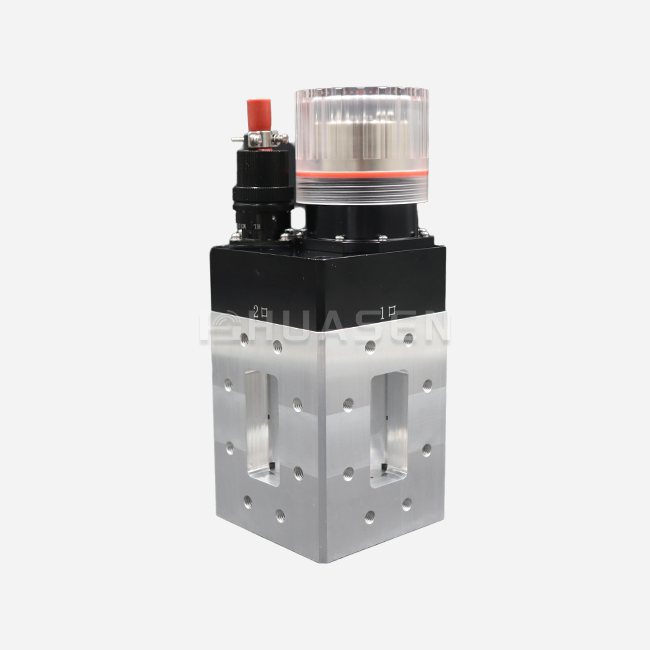
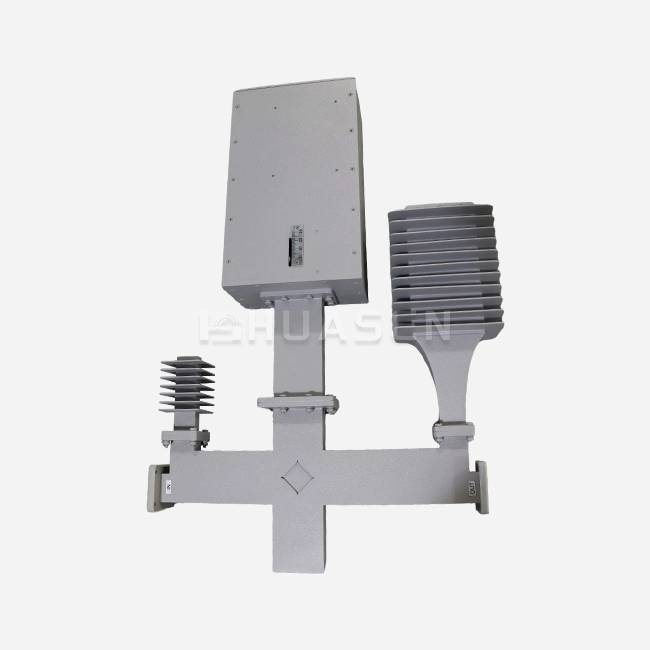
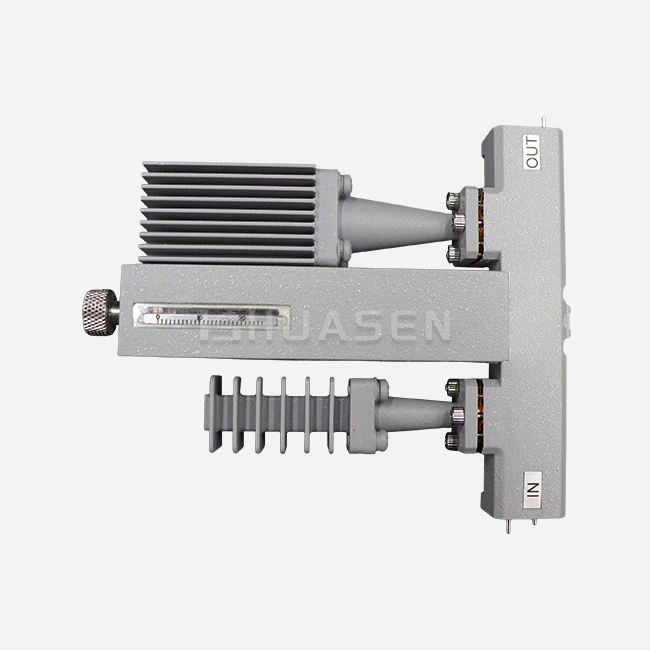
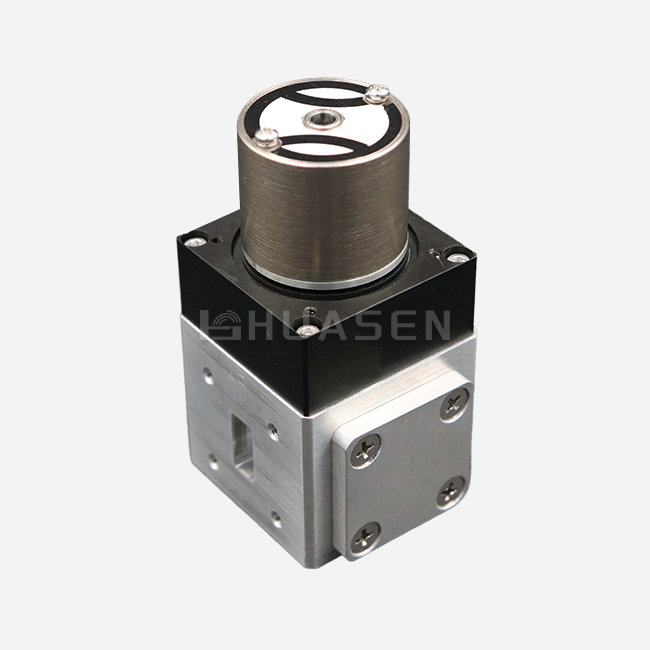
Engineers have to choose between waveguide and coaxial technologies when choosing filters for RF and microwave uses. When data integrity is very important, like in high-frequency, high-power situations, the Waveguide Filter is clearly the best choice. The advanced designs of these parts use hollow metal structures to achieve performance levels that coaxial options just can't match. Understanding the main differences between these technologies helps procurement workers make smart choices that improve system performance while keeping costs low.
Understanding Waveguide and Coaxial Filters
Choosing the right filtering technologies is the first step in designing a successful RF and microwave system. Waveguides and coaxial filters are both very important for signal processing, but they work in very different ways and are built in very different ways.
Waveguide Filter Operating Principles
Electromagnetic waves move through empty metal structures to make waveguide filters work. To get precise filtering properties, these parts use resonant holes connected by irises or posts. Since there are no dielectric materials in the propagation path, many of the loss processes that affect other filter types are not present. When the frequency goes above 10 GHz, which is where standard lumped-element approaches fail, this design method works better. High-conductivity metals like oxygen-free copper or aluminium are usually used in the building, and silver or gold plating is often added to improve conductivity. To keep the frequency accurate across the working band, these parts must be manufactured with tolerances that are often greater than ±0.01mm.
Coaxial Filter Construction and Operation
Coaxial filters use a center conductor that is wrapped by a dielectric material inside an outer conductor that is grounded. With this arrangement, shielding is great, and impedance can be controlled. Because they are small, coaxial filters are good for situations where space is limited. These filters are great for uses that need to work across a wide range of frequencies and handle modest amounts of power. The dielectric materials used in coaxial building make it possible for smaller sizes compared to waveguide solutions that do the same thing. On the other hand, dielectric materials cause loss processes and power limits that become important in demanding situations.
Signal Propagation Mechanisms
How their signals are sent is what makes these systems fundamentally different. Certain electromagnetic modes can travel through waveguide devices with little loss, especially at higher frequencies. The cutoff frequency feature makes sure that lower-frequency sounds that aren't wanted can't get through the structure. Transverse Electromagnetic (TEM) mode transmission is supported by coaxial structures, a waveguide bandpass filter, which gives them great broadband properties. This mode structure lets it work from DC to the upper frequency limit, after which higher-order modes start to spread and make the device less useful.
Performance Comparison Between Waveguide and Coaxial Filters
Understanding performance characteristics enables informed procurement decisions that align with specific application requirements. The following analysis examines critical performance parameters that impact system-level functionality.
Insertion Loss and Quality Factor Analysis
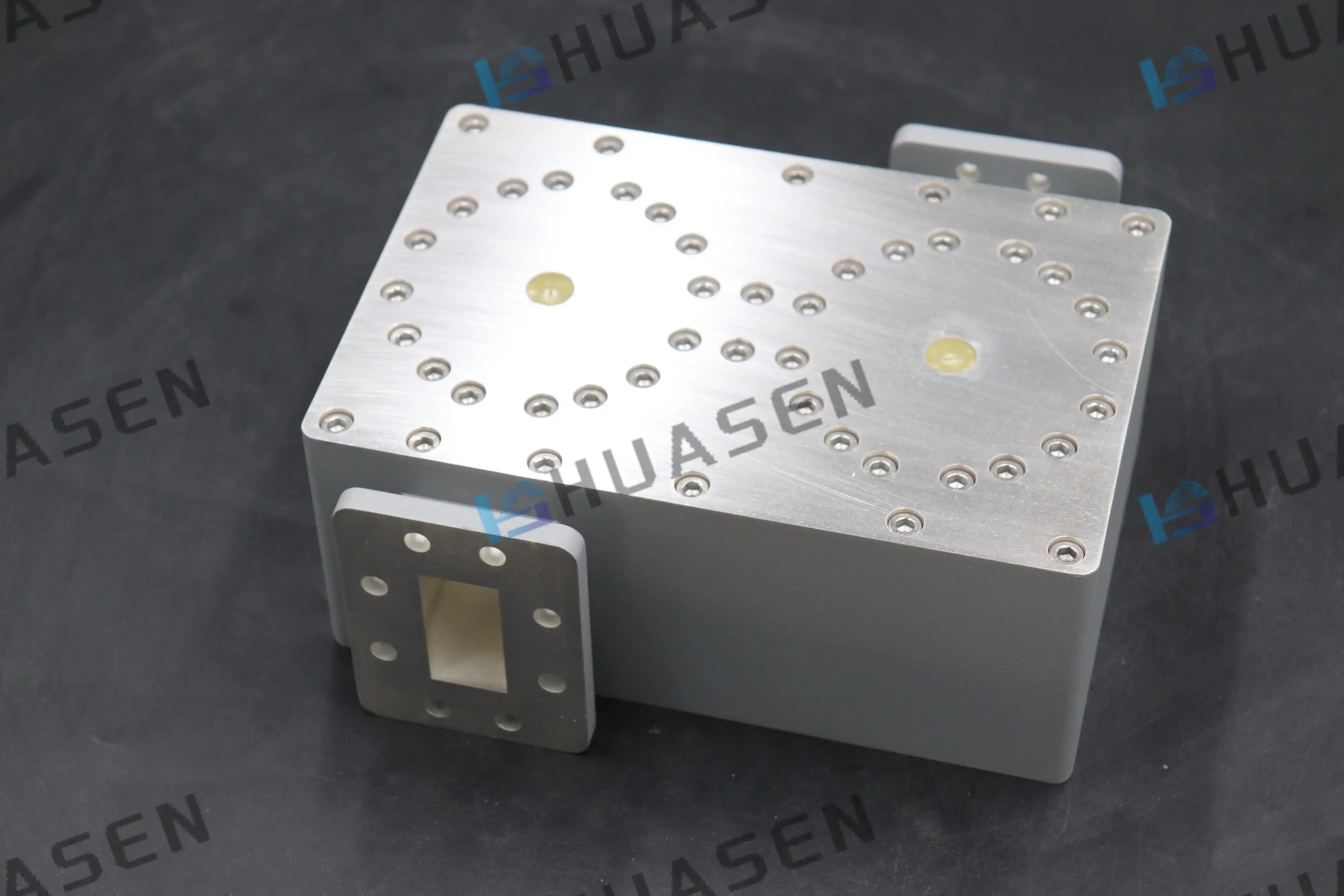
Waveguide filters demonstrate superior insertion loss performance, typically achieving values below 0.2 dB in the passband. The high Q-factors, often exceeding 5,000 to 10,000, enable extremely sharp roll-off characteristics essential for demanding applications. These performance characteristics result from the low-loss propagation environment within the waveguide structure. Coaxial filters typically exhibit higher insertion loss due to dielectric losses and conductor losses in the smaller cross-sectional area. While modern low-loss dielectrics have improved performance, the fundamental limitations remain. Q-factors for coaxial filters generally range from 1,000 to 3,000, which affects the achievable selectivity and bandwidth characteristics.
Power Handling Capabilities
Power handling represents a critical differentiator between these technologies. Waveguide filters can handle continuous wave power in the kilowatt range and peak powers reaching megawatt levels. The large cross-sectional area and absence of dielectric breakdown mechanisms enable this exceptional power capability. Coaxial filters face limitations from dielectric breakdown and thermal management constraints. Typical power handling ranges from tens to hundreds of watts, depending on frequency and construction details. The smaller conductor spacing and presence of dielectric materials create vulnerability to high-power operation.
Thermal Management Considerations
Thermal stability affects both frequency accuracy and long-term reliability. Waveguide filters benefit from the excellent thermal conductivity of metallic construction and the ability to incorporate temperature compensation techniques. Invar alloys provide exceptional thermal stability for critical applications. Coaxial filters must manage thermal expansion of multiple materials with different coefficients. The dielectric materials and metallization layers create complex thermal management challenges that can affect frequency stability and mechanical reliability over temperature cycles.
Choosing the Right Filter for Your Application: Procurement-Focused Decision Guide
Strategic filter selection requires alignment between technical requirements and procurement realities. This comprehensive approach ensures optimal system performance while managing total acquisition costs effectively.
Industry-Specific Application Requirements
Aerospace and defense applications demand the superior performance characteristics that waveguide filters provide. Radar systems operating in X-band and Ku-band frequencies require low insertion loss and high power handling to maintain system sensitivity and range performance. The rugged mechanical construction withstands extreme environmental conditions, including vibration, shock, and temperature cycling. Telecommunications infrastructure, particularly 5G and emerging 6G networks, benefits from the precision frequency control that waveguide filters enable. Base station applications require filters that maintain performance across wide temperature ranges while handling significant power levels. The superior rejection characteristics prevent interference between adjacent channels in dense spectral environments.
Procurement Strategy Considerations
Lead times for waveguide filters typically range from 4 to 8 weeks due to precision manufacturing requirements. Planning procurement schedules around these timelines prevents project delays. Establishing relationships with qualified suppliers enables better delivery performance and technical support. Minimum order quantities often reflect the custom nature of waveguide bandpass filter applications. While initial unit costs may appear higher than coaxial alternatives, the total cost of ownership frequently favors waveguide solutions when performance requirements are considered. The superior reliability and longer operational life offset the higher initial investment.
Cost-Benefit Analysis Framework
Evaluating total acquisition costs requires consideration of system-level impacts. The superior insertion loss performance of waveguide filters may eliminate the need for additional amplification stages, reducing overall system complexity and power consumption. The exceptional reliability minimizes maintenance requirements and extends operational life. Performance margins provided by waveguide filters enable system designs that maintain specifications under worst-case conditions. This design robustness reduces the risk of field failures and associated support costs. The proven track record in demanding applications provides confidence in long-term performance.
Troubleshooting, Testing, and Maintenance Best Practices
Ensuring optimal long-term performance requires proper testing procedures and maintenance protocols. These practices maximize return on investment while maintaining system reliability throughout the operational lifecycle.
Essential Testing Methodologies
Vector Network Analyzer measurements form the foundation of filter verification. S-parameter measurements confirm that insertion loss, return loss, and rejection characteristics meet specifications. Calibration accuracy becomes critical for meaningful results, particularly at millimeter-wave frequencies where measurement uncertainties can mask filter performance. Power handling verification requires specialized high-power test equipment. Passive intermodulation testing ensures that metal junctions and tuning elements do not generate interference products under operational conditions. These tests become particularly important for applications sensitive to spurious signals.
Common Failure Mode Analysis
Mechanical degradation represents the primary failure mode for waveguide filters. Tuning screw movement due to vibration or thermal cycling can shift frequency characteristics. Proper torque specifications and thread-locking compounds prevent this degradation. Flange interface degradation due to corrosion or mechanical damage affects both electrical and environmental sealing performance. Coaxial filters face additional failure modes related to dielectric breakdown and metallization degradation. Thermal cycling can create stress fractures in dielectric materials or cause delamination of metallized surfaces. These failures often appear gradually, making periodic testing essential for early detection.
Maintenance Protocol Development
Preventive maintenance schedules should address environmental sealing integrity and mechanical stability. Visual inspection of flange interfaces and environmental seals identifies potential problems before they affect performance. Torque verification of tuning elements ensures mechanical stability while avoiding over-tightening that could damage threads. Environmental control becomes particularly important for outdoor installations. Moisture ingress can dramatically affect performance and accelerate corrosion. Proper gasket selection and replacement schedules maintain environmental sealing throughout the operational life.
Trends and Future Outlook of Waveguide and Coaxial Filter Technologies
Technological advancement continues to drive innovation in both waveguide and coaxial filter technologies. Understanding these trends enables procurement strategies that anticipate future requirements while maximizing current investments.
Emerging Technology Developments
Additive manufacturing techniques are revolutionizing waveguide filter production, enabling complex geometries that were previously impossible to manufacture. These advanced structures provide improved performance characteristics while potentially reducing production costs. The technology particularly benefits applications requiring custom or low-volume solutions. Advanced materials development focuses on temperature compensation and loss reduction. New alloys provide exceptional thermal stability while maintaining the mechanical properties required for precision manufacturing. Surface treatment technologies enhance conductivity and corrosion resistance, extending operational life in challenging environments.
5G and Millimeter-Wave Applications
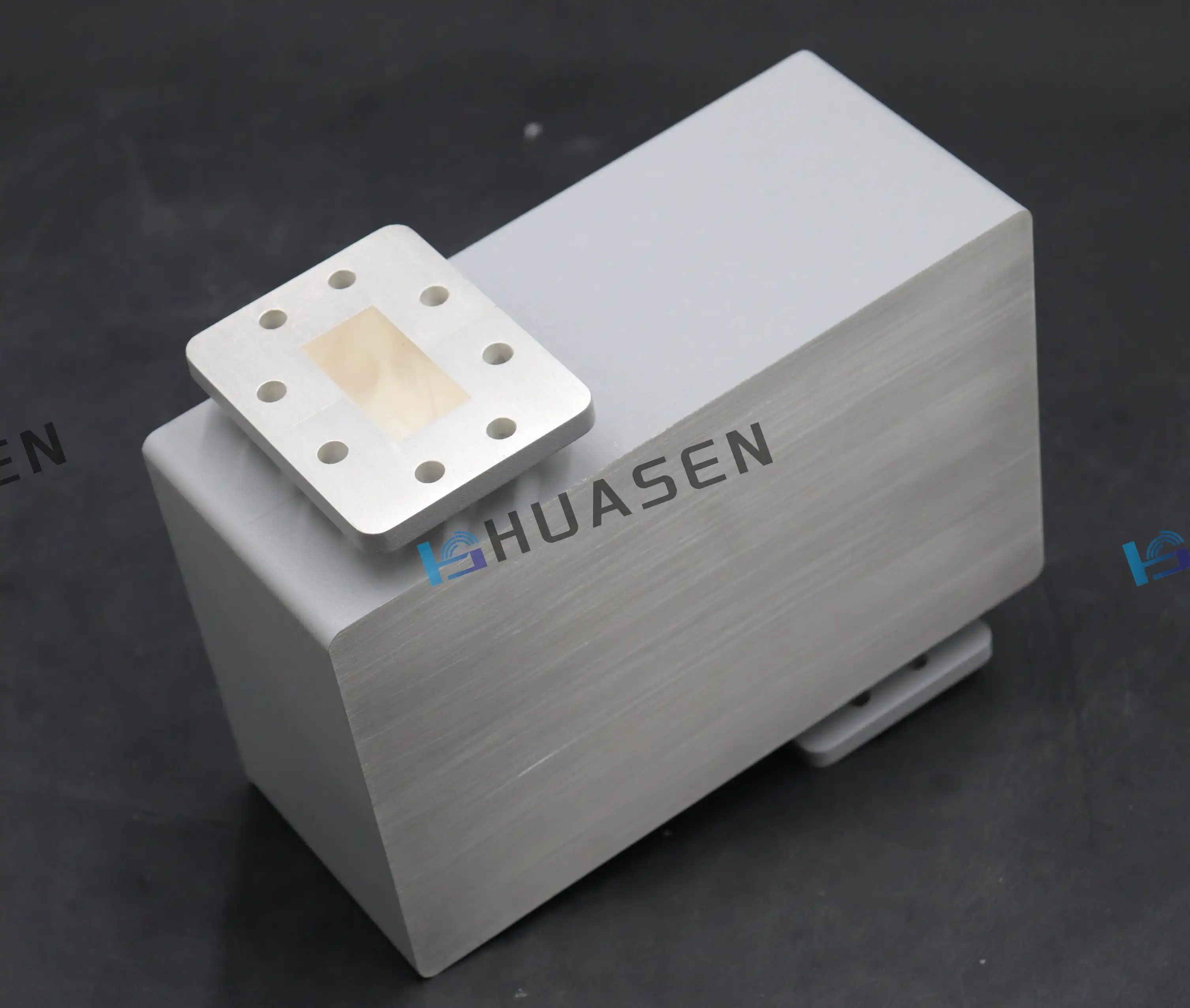
Millimeter-wave bands are being added to 5G and future 6G networks, which opens up new uses for waveguide filters. As frequencies rise and path loss problems get worse, the better performance qualities become more important. To keep the beam accurate, beamforming systems need filters that are very stable in terms of amplitude and phase. Millimeter-wave frequencies make it hard to integrate technologies that can't be made with great accuracy and consistency. Waveguide filters give you the performance reliability you need for large-scale deployments where field adjustments aren't possible.
Strategic Supplier Partnership Evolution
As performance standards get higher and shipping times get shorter, supply chain integration becomes more crucial. Long-term relationships with qualified suppliers make it possible to work together to create solutions that are best for each application. These partnerships give you access to cutting-edge technologies and manufacturing skills that you might not be able to get through normal buying methods. The steps used to qualify suppliers must look at both their technical skills and their quality control methods. For modern filter applications to work accurately, they need suppliers with a track record of success and strong quality control systems. Regular audits and performance reviews make sure that the partnership's capabilities stay strong throughout its length.
Conclusion
In the end, the choice between waveguide and coaxial filters comes down to the needs of the application and the goals for system performance. When signal integrity and dependability are very important, waveguide filters work great in high-frequency, high-power situations. They are the best choice for important applications in aerospace, defence, and advanced telecommunications systems because they have better insertion loss, can handle more power, and have been proven to be reliable in harsh environments. For some uses, coaxial filters are smaller and cheaper, but waveguide technology's better performance usually makes it worth the money for RF and microwave systems that need it.
FAQ
1. What frequency ranges are best suited for waveguide filters?
Waveguide filters perform optimally at frequencies above 10 GHz, where their low-loss characteristics become increasingly advantageous. The technology scales effectively from L-band through W-band and beyond, with different waveguide sizes optimized for specific frequency ranges. Below 10 GHz, coaxial filters often provide a more cost-effective solution unless specific performance requirements dictate otherwise.
2. How do environmental conditions affect filter performance?
Environmental factors significantly impact filter performance, particularly temperature variations that cause thermal expansion and frequency drift. Waveguide filters can incorporate temperature compensation techniques and utilize low-expansion alloys like Invar to maintain frequency stability. Moisture ingress represents another critical concern, particularly for outdoor installations where proper environmental sealing becomes essential for maintaining performance.
3. What power levels can waveguide filters handle compared to coaxial alternatives?
Waveguide filters demonstrate exceptional power handling capabilities, managing continuous wave power in the kilowatt range and peak powers reaching megawatt levels. This capability results from their large cross-sectional area and absence of dielectric breakdown mechanisms. Coaxial filters typically handle tens to hundreds of watts, with limitations imposed by dielectric breakdown and thermal management constraints.
4. How do manufacturing tolerances affect filter performance?
Manufacturing precision directly impacts frequency accuracy and performance repeatability. Waveguide filters require tolerances often exceeding ±0.01mm to maintain frequency accuracy across the operating band. These tight tolerances demand specialized manufacturing equipment and quality control procedures, contributing to longer lead times but ensuring consistent performance across production lots.
Partner with Huasen Microwave for Superior Waveguide Filter Solutions
Huasen Microwave stands as your trusted waveguide filter manufacturer, delivering exceptional RF and microwave components for over three decades. Our extensive experience in developing high-performance waveguide filters enables us to address your most challenging application requirements while maintaining cost-effectiveness. Whether you need standard catalog products or custom solutions, our engineering team provides comprehensive design assistance and technical support throughout your project lifecycle. Contact our sales team at sales@huasenmicrowave.com to discuss your waveguide filter requirements and discover how our proven expertise can enhance your system performance.
References
1. Matthaei, G.L., Young, L., Jones, E.M.T. "Microwave Filters, Impedance-Matching Networks, and Coupling Structures." McGraw-Hill Book Company, 1964.
2. Cameron, Richard J., Kudsia, Chandra M., Mansour, Raafat R. "Microwave Filters for Communication Systems: Fundamentals, Design, and Applications." John Wiley & Sons, 2007.
3. Hunter, Ian C. "Theory and Design of Microwave Filters." Institution of Engineering and Technology, 2001.
4. Levy, Ralph, Snyder, Richard V., Matthaei, George. "Design of Microwave Filters." IEEE Transactions on Microwave Theory and Techniques, Vol. 50, No. 3, 2002.
5. Rhodes, J.D., Levy, R. "Design of General Manifold Multiplexers." IEEE Transactions on Microwave Theory and Techniques, Vol. 27, No. 2, 1979.
6. Atia, A.E., Williams, A.E. "Narrow-Bandpass Waveguide Filters." IEEE Transactions on Microwave Theory and Techniques, Vol. 20, No. 4, 1972.
Send Inquiry