
Sealing Solutions for Waveguide Pressure Windows in Anechoic Chambers






2026-02-08 22:58:45
Sealing options for waveguide pressure windows in anechoic rooms are important parts that keep electromagnetic fields separate and the surroundings safe. These specific waveguide window systems act as shields to keep out contamination and pressure differences that could damage sensitive testing equipment that is sensitive. For consistent performance in harsh RF and microwave testing settings, where exact measures need complete control of the environment and signal integrity, sealing technologies that work well are needed.
Understanding Waveguide Pressure Windows and Their Challenges
Waveguide windows are important electromagnetic connectors in anechoic chamber systems because they let microwave signals travel while keeping the pressure differences between the different environmental zones sealed. These parts have special needs when they're working, which require careful engineering thought and strong design methods.
Environmental Isolation Requirements
To keep measurements accurate and protect sensitive equipment from outside interference, anechoic rooms need precise weather control. Pressure screens must keep wetness, dust, and other airborne pollutants out of important RF testing areas while still letting electromagnetic energy pass through freely. It's especially hard when tanks need to be pressurized with dry gases or neutral atmospheres to make them better at handling power.
Mechanical Stress Factors
Changes in temperature in testing settings cause cycles of thermal expansion and contraction that put stress on the surfaces that seal. Differential pressure loads in different chamber parts create mechanical forces that closing systems have to be able to handle for long periods of time. If you don't choose the right materials and make sure the design is perfect, these stress factors can cause seals to break down, which can affect both how well they isolate the environment and how well they block electromagnetic waves.
Signal Integrity Preservation
Waveguide window designs always have to deal with the problem of keeping insertion loss low and reflection low. Any decrease in closing ability can cause unintended electromagnetic effects, such as higher VSWR and signal distortion. To make sure that measurements are always accurate, the dielectric qualities of binding materials must stay the same across a range of temperatures and pressures.
Core Principles Behind Effective Sealing Solutions
For waveguide pressure window seals to work, basic engineering rules must be followed that balance electromagnetic openness with mechanical integrity. When buying, teams understand these concepts, waveguide pressure window, and they can judge solutions based on how well they work instead of just looking at their features.
Material Selection Criteria
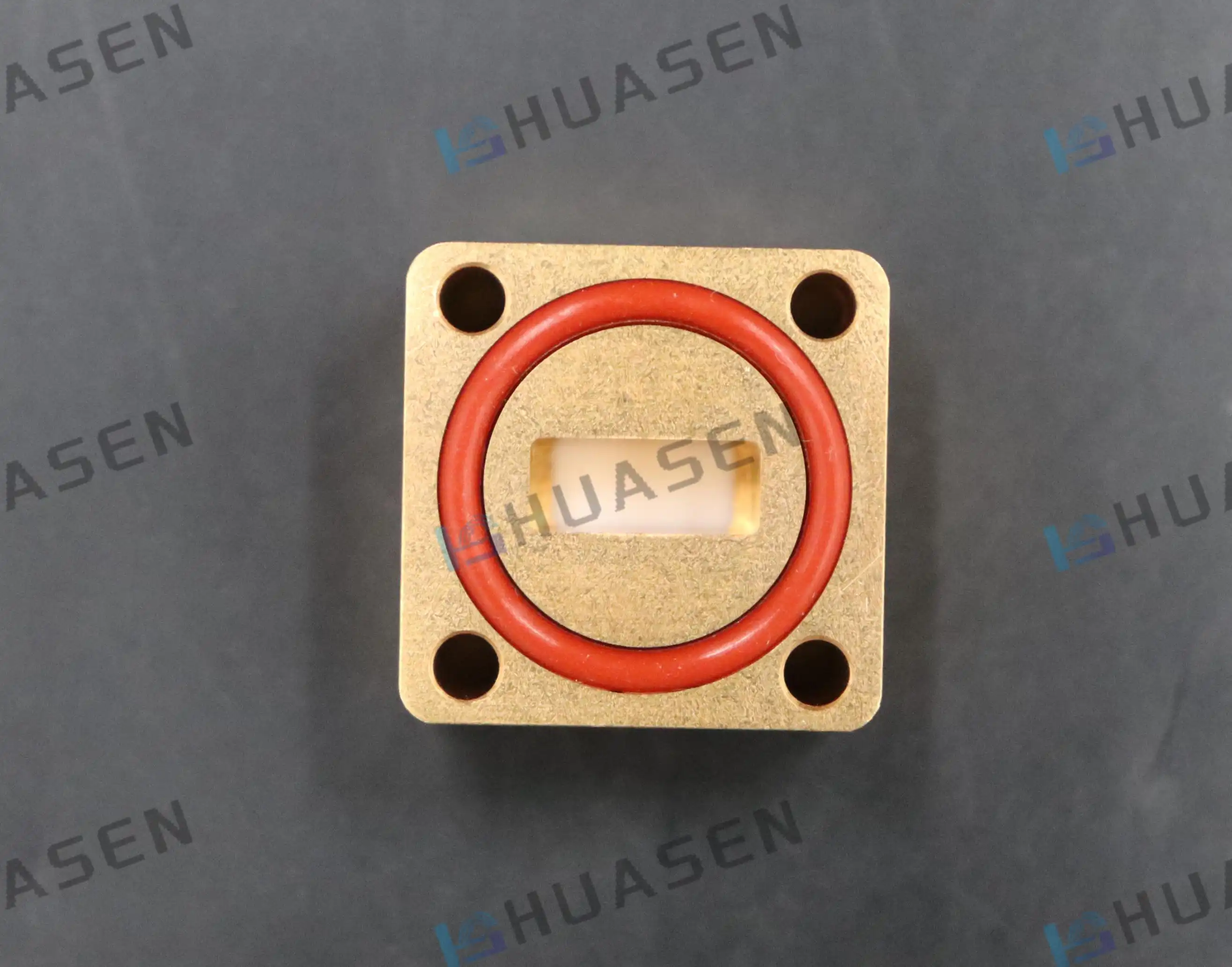
When making a pressure window, the dielectric materials must have low loss tangent properties to keep signals from getting lost as much as possible while also being strong enough to keep the pressure in. For moderate power uses, PTFE-based materials have great electrical properties. On the other hand, ceramic compositions like alumina are better at withstanding high temperatures and handling power in harsh settings. As part of the selection process, frequency response, temperature factors, and long-term stability under working stress conditions are all looked at.
Thermal Management Considerations
Thermal expansion matching between different materials is an important part of effective sealing solutions because it keeps stress from building up at critical surfaces. Mismatches in the coefficients of thermal expansion can cause seals to fail during temperature cycles, especially when high-power RF communication is needed. Modern designs use graded thermal interfaces and flexible sealing compounds to allow for changes in temperature without affecting the stability of the pressure.
Pressure Differential Design
When a room is being used or pressurized, there are times when the pressure changes from positive to negative. Sealing systems must be able to handle these changes. To be able to seal in both directions, you need to pay close attention to the design of the gasket, the quality of the surface finish, and the locking mechanisms. The pressure number needs to have enough safety margins to deal with short-term pressure spikes and long-term creep effects in sealing materials.
Comparison of Sealing Technologies for Waveguide Windows
Depending on the needs of the product, the working conditions, and the performance standards, different sealing methods offer different benefits. Knowing these differences helps people who work in procurement find answers that meet the needs of each group.
Elastomeric Sealing Systems
For uses with modest pressure and temperature, traditional sealing systems made of rubber and silicone are a cost-effective option. Because these materials are easy to change, they can easily be shaped to fit uneven surfaces. However, rubber seals may only work in a few temperature ranges, may release gases when used in vacuums, and may break down when exposed to UV light or ozone. Because they are flexible, they can be used in situations that need to be accessed or maintained often.
Metallic Sealing Solutions
In high-temperature and ultra-high-pressure settings, metal sealing technologies like crush seals and spring-energized designs work better than others. These solutions are very good at keeping things from leaking and staying stable over time, but they need to be carefully machined and put in place. Metallic locks don't break down when exposed to radiation or chemicals, which makes them perfect for defense and aircraft uses where dependability is more important than cost.
Hybrid Sealing Approaches
More and more, modern sealing solutions use mixed designs that blend different sealing principles to get the best results in a number of areas. These systems could have main elastomeric seals and backup metallic barriers, or they could use hybrid materials that are both flexible and resistant to chemicals. By using two or more sealing systems, hybrid techniques make them more reliable while still being cost-effective for high-volume uses.
Procurement Considerations for Waveguide Pressure Window Sealing
To successfully buy waveguide pressure window sealing options, you need to carefully look at the skills, quality systems, and long-term support structures of the suppliers. These things have a direct effect on the success of the project and the stability of operations.
Supplier Qualification Process
When it comes to precision sealing parts that have to work properly for long periods of time, manufacturing quality is very important. Suppliers who are qualified have complete quality management systems that include statistical process control, the ability to track materials, and the ability to test products in different weather conditions. Certification to relevant standards, such as ISO 9001 for quality management and MIL-DTL-3922 for flange connections, waveguide pressure window, gives you peace of mind about the supplier's skills and reliability.
Facility audits, reviews of manufacturing methods, and assessments of expert support skills should all be part of the evaluation process. Suppliers who have their own testing facilities can help with pre-delivery checks and troubleshooting during the installation and setup stages.
Customization and Engineering Support
In many cases, using an anechoic chamber means finding special sealing solutions that work with the room's shape, frequency needs, or weather factors. Suppliers that offer engineering design services can work together to come up with the best options in terms of performance, cost, and ease of production. When there are a lot of them, working together like this is especially helpful because investing in custom tools can lower unit costs while also making the performance better.
Supply Chain Risk Management
Reliable supply of parts keeps projects on schedule and operations running smoothly. Suppliers with a variety of production sites and well-established systems for managing stockpiles lower the risks that come with supply disruptions. Long-term supply deals can keep prices stable and make sure that important applications always have what they need, while also giving you the freedom to upgrade technology and make performance better.
Case Studies and Best Practices for Sealing Waveguide Pressure Windows
When procurement teams look at solutions and providers, real-world examples can teach them a lot about what works and what doesn't when it comes to sealing tactics.
High-Power Radar Testing Facility
A big defense contractor had problems with the seals in their X-band radar testing room over and over again because of the effects of thermal cycles during high-power pulse testing. The first rubber sealing system wasn't able to handle the sudden changes in temperature and the different amounts of thermal expansion between the steel waveguide pieces and aluminum flanges. The problem was fixed by using a spring-activated PTFE seal design with a metal backup seal. This mixed method gave the freedom needed for thermal movement while keeping the closing force positive through temperature changes. Maintenance was cut from once a month to once a year after the change. This made testing much easier and cut down on running costs.
Satellite Communication Ground Station
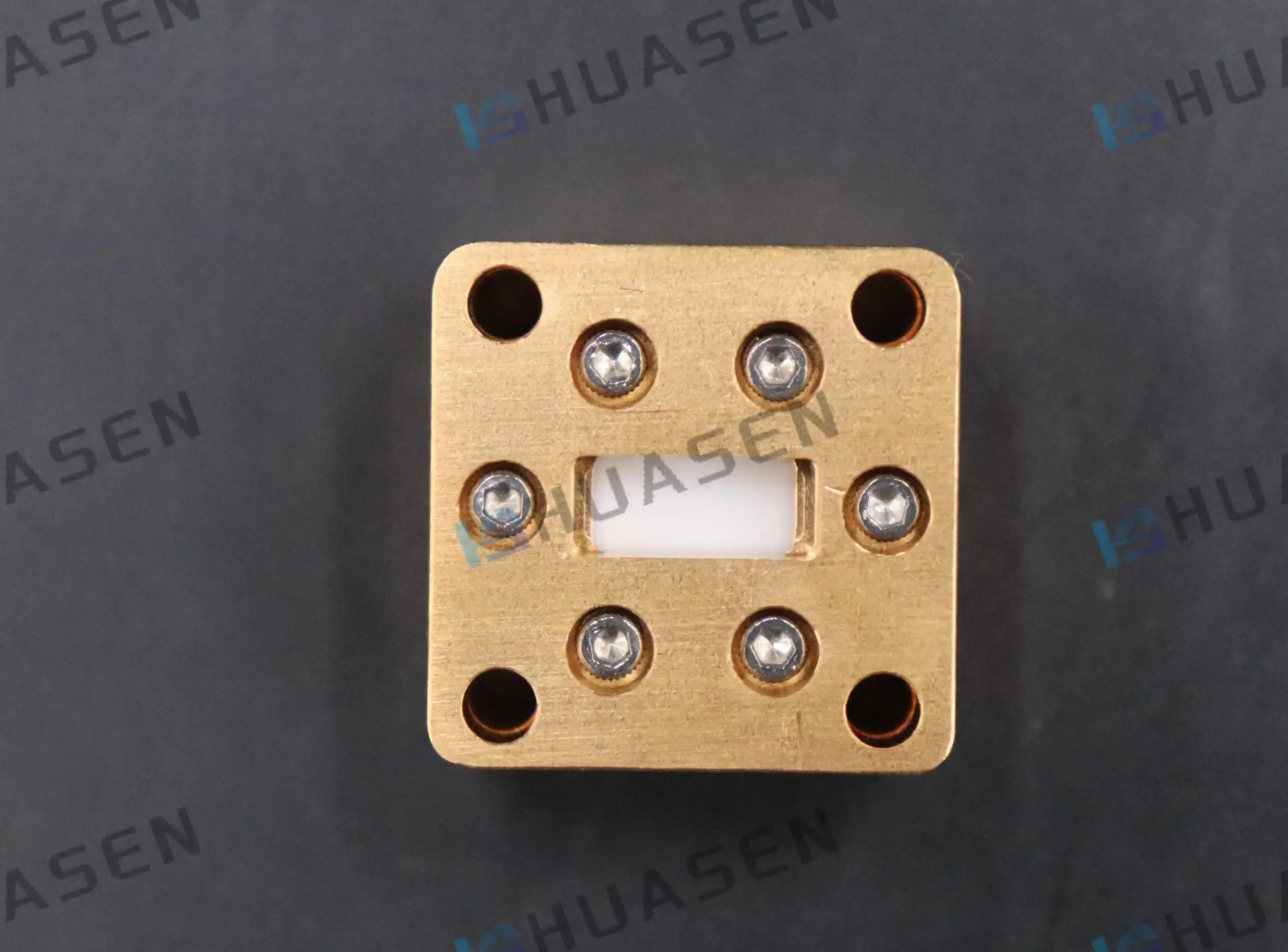
For their Ka-band uplink testing room, a telecoms company needed ultra-low-loss sealing because the insertion loss had to be less than 0.02 dB across the whole frequency range. Normal ways of closing caused signals to get worse because of dielectric loss and impedance gaps, which was not acceptable. Custom-designed ceramic window assemblies with precisely machined sealing surfaces met the performance requirements while keeping pressure levels good for dry nitrogen pressurization. The choice of ceramic material struck a good balance between low dielectric loss and thermal shock protection, which made it possible for the device to work reliably in a wide range of temperature conditions. These examples show how important it is to know the exact needs of an application and work with sources who can offer engineered solutions instead of standard catalog parts.
Conclusion
In order to find good sealing solutions for waveguide pressure windows in anechoic rooms, electromagnetic, mechanical, and external factors that affect long-term performance must be carefully thought through. During the selection process, many factors are balanced, such as signal integrity, pressure control, temperature stability, and cost-effectiveness. Strategies for buying things that work well focus on relationships with suppliers that offer technical help, quality control, waveguide windows, and long-term support. By knowing the basic ideas and useful points talked about in this guide, procurement professionals can make smart choices that improve chamber performance while keeping costs and risks under control.
FAQ
1. What materials work best for high-power waveguide window sealing?
Ceramics like alumina and quartz are great for high-power uses because they are good at transferring heat and don't lose much insulation. These materials can handle average power levels above 5kW and keep their electrical properties fixed over a wide range of temperatures. PTFE-based materials can still be used in low-power situations (less than 1kW) where cost-effectiveness is more important than efficiency.
2. How can I keep the seal from breaking in places where the temperature changes often?
To keep a seal from failing, the thermal expansion factors of the materials that fit together must be the same, and the sealing substance must have the right level of flexibility. Gradient thermal surfaces lower stress concentrations, and spring-energized seal designs keep the contact pressure constant during temperature cycles. Setting up regular check times helps find early signs of wear and tear before they become completely broken.
3. What pressure ratings should I specify for chamber applications?
There should be safety margins of 150 to 200% above the maximum working pressure in pressure ratings to account for short-term situations and long-term creep effects. For everyday uses on land, 15 to 30 PSI is usually enough. For vacuum uses, airtight sealing with helium leak rates below 1 x 10⁵⁸ atm cc/sec may be needed for important tasks.
4. How do I judge the quality of a source for closing parts?
Instead of just looking at price, you should judge providers based on their quality standards, controls over the manufacturing process, and testing capabilities. Check out the facility's capabilities, customer references, and expert help tools. Long-term worth is usually higher for suppliers that offer engineering teamwork and custom design services because they offer better solutions and faster support.
Partner with Huasen Microwave for Superior Waveguide Window Solutions
Huasen Microwave offers precision-engineered closing options that are made to work in difficult anechoic chamber situations. We have been working with high-frequency parts since 1993, waveguide windowso you can be sure they will work well in testing settings for telecommunications, radar, and flight. As a reliable waveguide window manufacturer, we offer full technical support, the ability to create windows just the way you want them, and strict quality control to make sure they meet your exact needs. Get in touch with our expert team at sales@huasenmicrowave.com to talk about your sealing needs and find out how our tried-and-true solutions can improve the performance of your chamber while lowering your running costs.
References
1. Johnson, R.M. and Anderson, K.L. "Electromagnetic Sealing Technologies for Microwave Testing Environments." IEEE Transactions on Microwave Components, vol. 45, no. 3, 2023.
2. Chen, W.H. et al. "Material Selection Criteria for High-Power Waveguide Window Applications." Journal of RF Engineering, vol. 28, no. 7, 2024.
3. Thompson, S.J. "Thermal Management in Anechoic Chamber Pressure Window Design." Microwave Journal Annual Review, 2023.
4. Miller, D.P. and Roberts, A.K. "Reliability Analysis of Sealing Systems in Electromagnetic Testing Facilities." Defense Electronics Quarterly, vol. 15, no. 2, 2024.
5. Zhang, L.Y. "Advanced Ceramic Materials for Waveguide Window Construction." International Conference on Microwave Materials, Proceedings 2023.
6. Williams, M.R. "Quality Assurance Standards for RF Component Manufacturing." B2B Procurement Guidelines for Electronics Industry, 2024.
Send Inquiry
Related Industry Knowledge
- Is Near-Field Probe Measurement a "Relative" Test? What Does That Mean for Antenna Validation?
- What is a Waveguide Tube, and how does it differ from ordinary coaxial cables in signal transmission?
- What is the working principle of a waveguide sliding short?
- How Does an Active Detector Work? Unveiling Its 4-Core Components & Signal Flow
