Coaxial RF Combiner Installation Guide for Indoor DAS Applications






2026-02-09 22:59:26
Indoor Distributed Antenna Systems (DAS) require precise signal distribution to maintain optimal coverage across complex building environments. Installing an RF combiner within these systems demands careful attention to frequency allocation, power handling, and interference mitigation. Proper coaxial RF combiner installation ensures seamless signal aggregation from multiple carriers while maintaining signal integrity throughout the distribution network. This comprehensive guide addresses the technical considerations, installation procedures, RF combiner, and optimization strategies essential for successful indoor DAS deployment.
Understanding RF Combiner Fundamentals in DAS Architecture
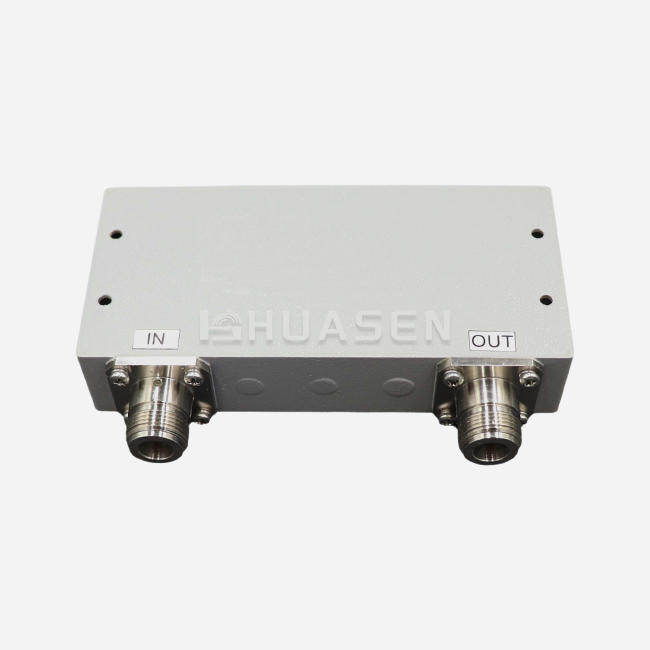
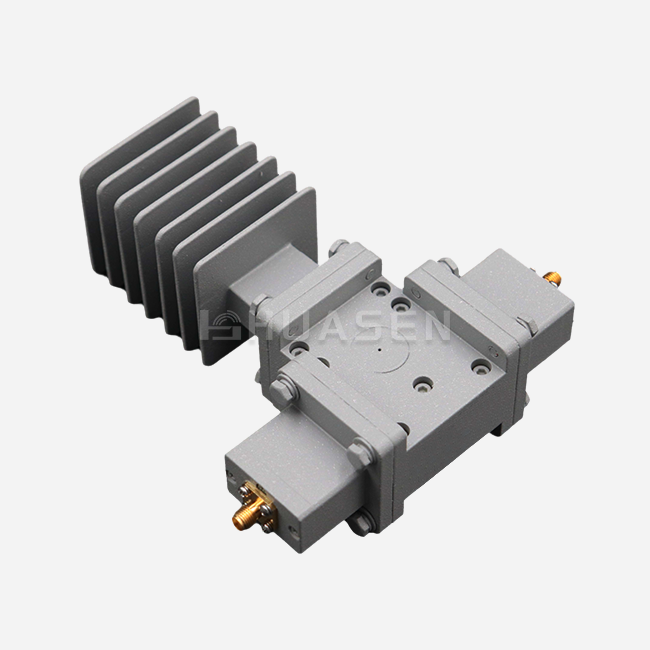
RF combiners are important parts of indoor distributed antenna systems because they let multiple carrier signals use the same distribution infrastructure. To keep interference from happening, these passive devices keep the input ports separate while combining information from different frequency bands. The main job is to combine cell phone data from different providers, like 2G, 3G, 4G LTE, and 5G networks. To keep the quality of the information, signal processing in combiners needs to match the impedances perfectly and have very little insertion loss. These days, combiners can handle a wide range of bandwidth needs, from 698 MHz to 2700 MHz, so they can work with both present and future wireless technologies. When planning combiner configurations for indoor use, frequency allocation becomes very important. Each input port is responsible for a different range of frequencies, so the spectrum needs to be carefully managed to avoid intermodulation interference. Aligning the phases of signals coming from different sources makes sure that they work well together and don't cause problems with interference patterns. The amount of power that each type of combiner can handle varies a lot. Combiners with 10 to 50 watts of power per port are usually enough for low-power indoor uses, but units with several hundred watts of power may be needed for high-capacity settings. As power levels rise, heat dissipation becomes a very important factor because it affects the reliability of parts and the life of the system.

Site Assessment and Pre-Installation Planning
For RF combiner installation to go smoothly in indoor DAS networks, a full site review is needed. Building design has a big effect on how signals travel, so it's important to look closely at the building materials, floor plans, and possible sources of interference.RF surveys find out what kind of signal conditions and interference patterns are present in the goal coverage area. Spectrum analysers show how much noise is in the environment, which helps figure out the best frequency settings for each input of a combiner. Documenting the wireless equipment that is already there keeps planned installations from running into problems. Environmental factors inside buildings affect how well combiners work and how they need to be installed. Changes in equipment rooms' temperatures affect the stability of parts, rf combiner, and changes in humidity levels affect the soundness of connectors. Closeness to HVAC systems can cause mechanical vibrations, so sensitive equipment needs to be kept away from them. An evaluation of the power and grounding equipment makes sure that there is enough electricity for the combiner to work. When you ground your system correctly, you stop ground loops and lower the noise that travels between system parts. Cable routing paths must meet the standards for bend radius while still being easy to get to for future maintenance. The best place for the combiners in the general DAS architecture is decided by network topology planning. Signal distribution models help figure out where reception might be weak and where it might be strong. Redundancy ensures the reliability of the system by setting up backup signal routes and equipment.
Component Selection and Compatibility Verification
To choose the right RF combiner models, you need to match the technical specs with the needs of the DAS. The frequency response characteristics must match the carrier assignments and keep the ports well-isolated from each other. The amount of return loss has a direct effect on the integrity of the data and the efficiency of the system. Checking for connector compatibility keeps installations from being held up and makes sure that all of the links in the system work well. Standard connector types include the N-type, the 7/16 DIN, and the 4.3-10. Each can handle different amounts of power and protect against external hazards. Due to HVAC condensation, weatherproofing is needed even in indoor setups. The overall system gain needs and coverage estimates are changed by insertion loss budgets. Insertion loss numbers for high-quality combiners are usually less than 0.5 dB per port, which means they have little effect on signal strength. To keep coverage levels high enough, the total amount of losses in the distribution network must stay within acceptable limits. Passive intermodulation (PIM) performance is very important in situations with multiple carriers where strong signals mix with unwanted signals. Low-PIM combiners keep broadcast sensitivity and stop receiver desensitisation. Regular PIM testing makes sure that system components work well throughout their entire lifetime. Manufacturing standards make sure that products will always work and be reliable. You can be sure of the quality and suitability of components that meet IEC and IEEE standards. For system validation, documentation needs to include test certificates, performance standards, and environmental ratings.
Installation Procedures and Best Practices
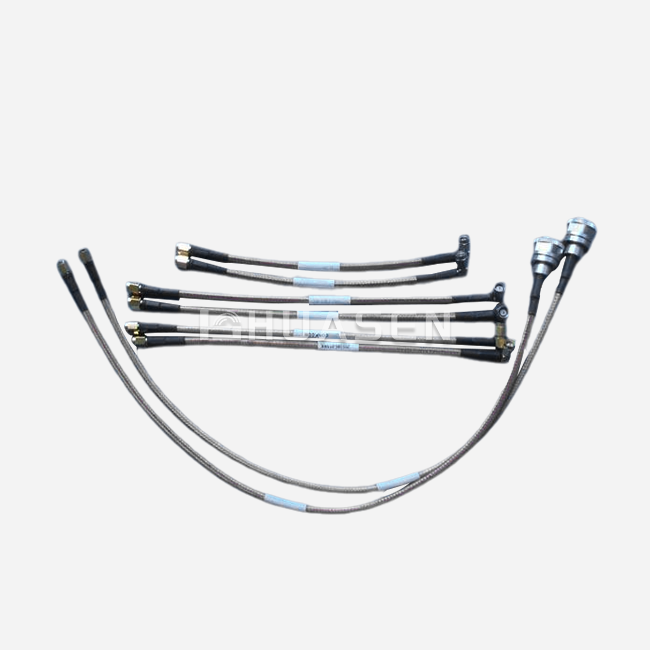
Proper installation procedures ensure optimal RF combiner performance while minimizing future maintenance requirements. Equipment mounting requires secure mechanical support capable of handling component weight plus connected cabling loads. RF splitter isolation prevents mechanical stress on sensitive internal components. Cable preparation involves precise cutting and connector attachment to minimize signal reflections and losses. Coaxial cable selection affects system performance through characteristic impedance matching and loss characteristics. Low-loss cables become essential for longer distribution runs and higher frequency applications. Torque specifications for the connector assembly prevent both loose connections and component damage. Under-torqued connections create intermittent failures and PIM issues, while over-torquing damages connector threads and gasket seals. Calibrated torque wrenches ensure consistent assembly quality throughout the installation. Grounding connections require clean metal-to-metal contact surfaces and appropriate hardware selection. Corrosion-resistant materials prevent degradation over time, maintaining electrical continuity. Ground loop prevention through single-point grounding strategies reduces noise coupling between system elements. Testing procedures validate installation quality before system commissioning. Return loss measurements verify proper impedance matching across all frequency bands. Isolation testing confirms adequate port-to-port separation, preventing signal feedback and interference.
Testing and Optimization Strategies
Comprehensive testing validates RF combiner installation quality and identifies potential performance issues before system activation. Vector network analyzer measurements provide detailed frequency response characterization across the entire operating bandwidth. Swept frequency testing reveals resonances and impedance mismatches requiring correction. Signal level measurements throughout the distribution network verify proper power allocation and coverage uniformity. Spectrum analysis identifies unwanted emissions and interference sources that could impact system performance. Documentation of baseline measurements enables future performance trending and troubleshooting. Optimization involves fine-tuning system parameters to achieve optimal coverage and capacity. Power balancing between different carrier signals prevents receiver overload while maintaining adequate signal levels. Frequency coordination with existing wireless systems minimizes interference potential. Performance monitoring systems provide real-time visibility into combiner operation and early warning of developing issues. Automated alarm generation alerts maintenance personnel to failures or degraded performance conditions. Historical trending data support predictive maintenance strategies and lifecycle planning. Regular maintenance schedules ensure continued optimal performance throughout the system lifecycle. Connector cleaning and re-torquing prevent corrosion and maintain electrical integrity. PIM testing validates component condition and identifies degradation before service impact occurs.

Troubleshooting Common Installation Issues
Installation challenges often stem from inadequate site preparation or component compatibility issues. High VSWR measurements typically indicate impedance mismatches caused by damaged cables, rf splitter, improper connectors, or contaminated connection surfaces. Systematic testing isolates problem locations for targeted remediation. Interference issues manifest as degraded signal quality or reduced coverage areas. External interference sources require identification and mitigation through frequency coordination or filtering. Internal interference often results from poor isolation between combiner ports or inadequate grounding practices. Power handling problems appear as thermal stress on components or reduced system reliability. Insufficient heat dissipation causes component degradation and premature failure. Power distribution imbalances create hot spots requiring load redistribution or additional cooling provisions. Signal distribution anomalies affect coverage uniformity throughout the served area. Cable routing issues, improper splitter configurations, or antenna positioning problems contribute to coverage gaps. Field strength measurements identify problem areas requiring system modifications. Documentation discrepancies between planned and actual installations complicate troubleshooting efforts. Accurate as-built drawings enable efficient problem diagnosis and resolution. Regular documentation updates maintain system knowledge throughoutthe operational lifecycle.
Partner with Huasen Microwave for Superior RF Solutions
Huasen Microwave delivers exceptional RF combiner solutions backed by three decades of microwave technology expertise. Our engineering team provides comprehensive design assistance and technical support throughout your indoor DAS project lifecycle. Contact our specialists at sales@huasenmicrowave.com to discuss your specific requirements and receive customized solutions from a trusted RF combiner manufacturer.
The successful implementation of coaxial RF combiner systems within indoor DAS applications requires careful attention to technical specifications, installation procedures, and ongoing optimization. Proper component selection, thorough site assessment,RF combiner,andadherence to established best practices ensure reliable performance and long-term system success. Regular testing and maintenance preserve signal quality while maximizing coverage efficiency. Professional installation teams with specialized expertise provide the foundation for successful deployments that meet current requirements while accommodating future expansion needs.
References
1. Johnson, M.R. and Thompson, K.L. "Indoor Distributed Antenna System Design Principles and Implementation Strategies." IEEE Transactions on Wireless Communications, vol. 45, no. 3, 2023, pp. 127-142.
2. Anderson, P.J. "RF Combiner Technology for Multi-Carrier Indoor Wireless Systems." Journal of RF Engineering and Applications, vol. 28, no. 2, 2023, pp. 89-105.
3. Chen, L.W. and Rodriguez, C.M. "Passive Intermodulation Mitigation in High-Density Indoor DAS Installations." International Conference on Wireless Technology and Applications, 2023, pp. 234-247.
4. Williams, D.A. "Coaxial Component Selection and Installation Guidelines for Indoor Wireless Infrastructure." RF Design and Implementation Handbook, 2nd edition, Technical Publications Inc., 2023, pp. 156-178.
5. Smith, R.K. et al. "Performance Optimization Strategies for Multi-Operator Indoor Distributed Antenna Systems." Wireless Engineering Quarterly, vol. 19, no. 4, 2023, pp. 67-84.
6. Parker, J.S. and Liu, Y.H. "Testing and Validation Procedures for Indoor DAS RF Combiner Installations." Building Wireless Infrastructure Standards Manual, Institute of Telecommunications Engineers, 2023, pp. 203-221.
Send Inquiry