
Home / Blog
Blog
0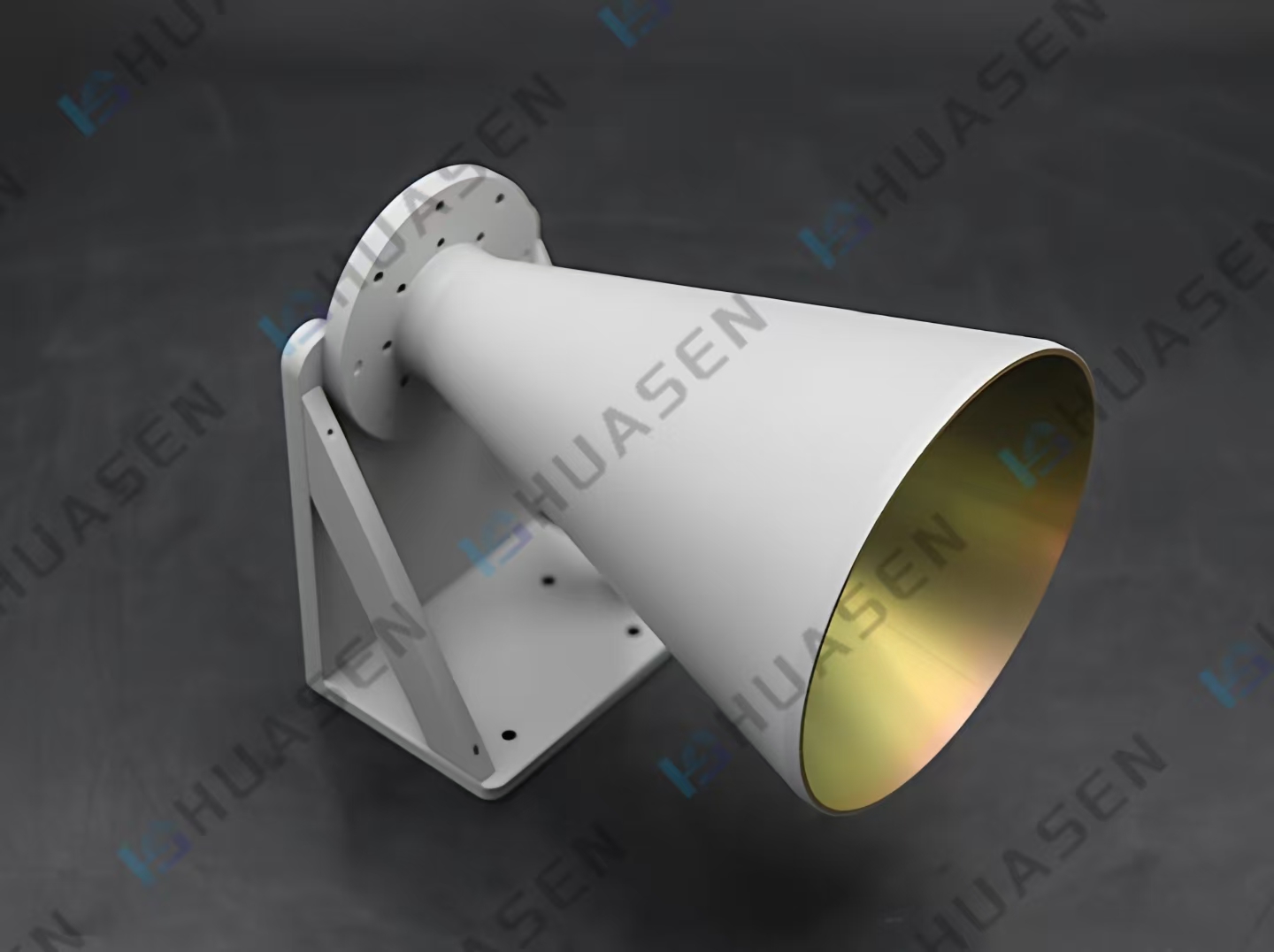
Features of High-Performance Circular Horn Antenna
In today's demanding microwave communication landscape, engineers face critical challenges in achieving reliable signal transmission across ultra-wide frequency ranges while maintaining polarization purity and exceptional gain stability. Whether you're struggling with signal degradation in satellite ground stations, dealing with multipath interference in radar systems, or searching for antennas that can handle both linear and circular polarization without performance compromise, understanding the features of high-performance Circular Horn Antenna solutions becomes essential. These precision-engineered components transform theoretical electromagnetic principles into practical, mission-critical performance, offering the versatility and reliability that modern telecommunications, aerospace, and defense applications demand.VIEW MORE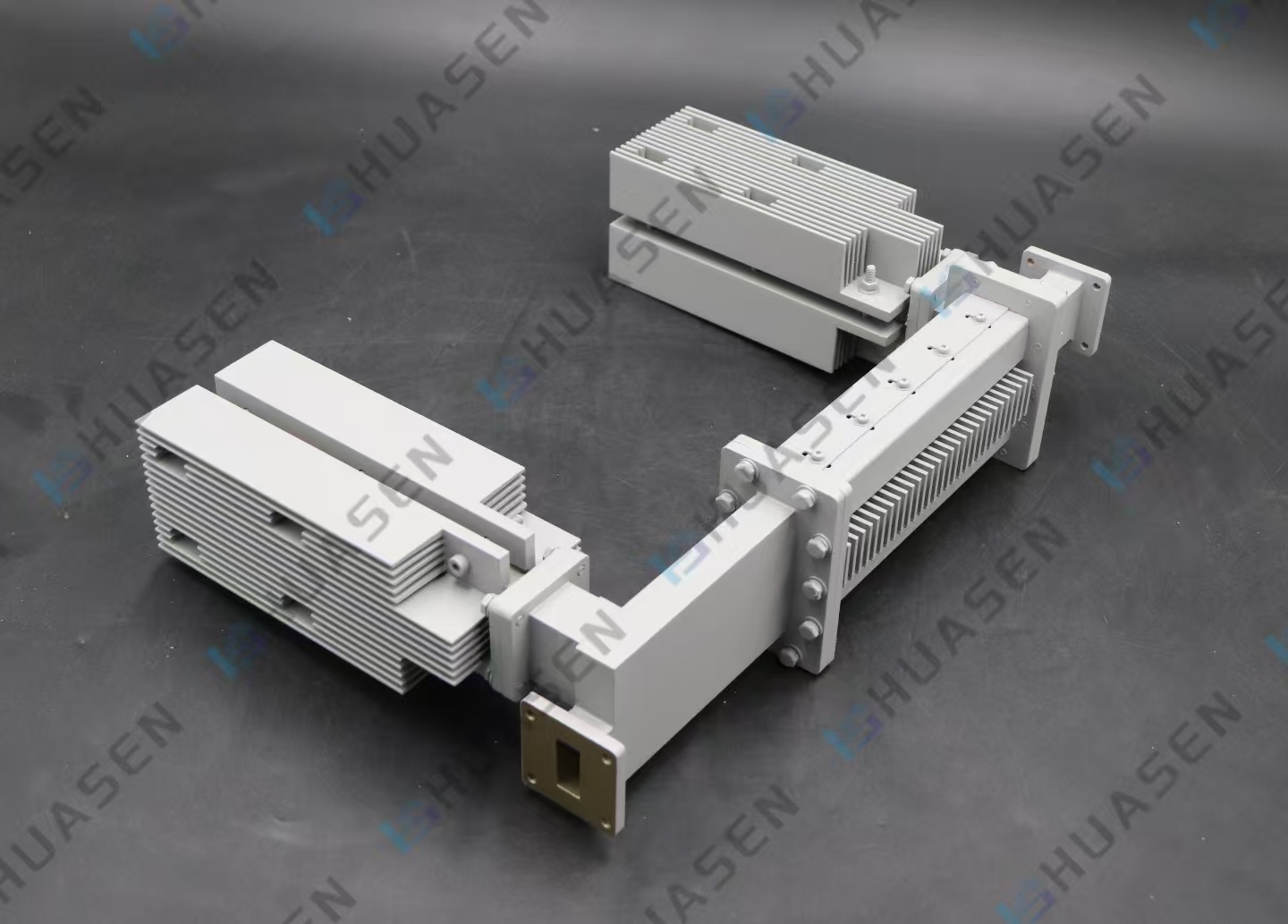
High Power Differential Phase Shift Waveguide Isolator Features
When your high-power RF system experiences signal reflections, power loss, or equipment damage due to impedance mismatches, you need a solution that guarantees unidirectional transmission without compromising performance. The High Power Differential Phase Shift Waveguide Isolator addresses these critical challenges by utilizing advanced ferrite materials and precision magnetic field control to protect your valuable microwave equipment while maintaining exceptional signal integrity across demanding telecommunications, radar, and aerospace applications.VIEW MORE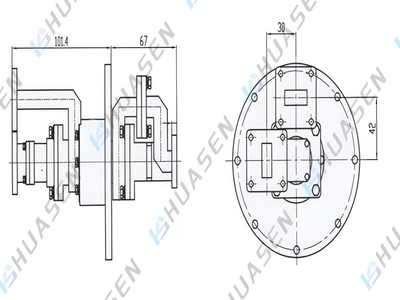
How Dual Channel Waveguide Rotary Joint Enables Continuous Rotation?
When radar systems fail mid-rotation or satellite communications drop during critical transmissions, the culprit is often inadequate rotary joint technology. A Dual Channel Waveguide Rotary Joint solves this challenge by enabling seamless, uninterrupted signal transmission between stationary and rotating components through sophisticated electromagnetic coupling mechanisms and precision-engineered mechanical interfaces. This technology maintains signal integrity across 360-degree continuous rotation while simultaneously handling two independent channels, eliminating signal degradation that plagues conventional rotating connections in mission-critical aerospace, defense, and telecommunications applications.VIEW MORE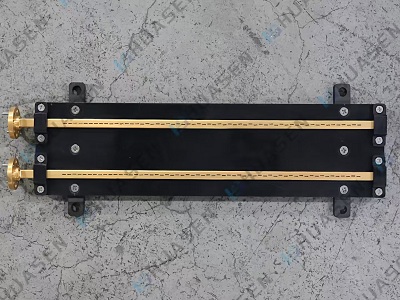
How to Match Planar Slot Antenna for Optimal VSWR?
Are you struggling with poor signal transmission and excessive power reflection in your Planar Slot Antenna systems? Impedance mismatches can waste valuable RF power, damage sensitive equipment, and compromise communication reliability across critical applications from IoT deployments to satellite communications. Achieving optimal VSWR through proper impedance matching techniques transforms your Planar Slot Antenna from an underperforming component into a high-efficiency radiator, ensuring maximum power transfer and minimal signal degradation for mission-critical wireless systems.VIEW MORE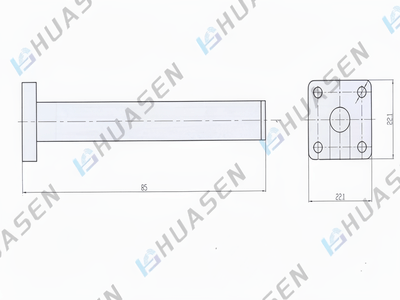
How to Optimize Circular Waveguide Termination for Power Loads?
When engineers face excessive signal reflections and power handling failures in high-frequency RF systems, the root cause often lies in poorly optimized Circular Waveguide Termination. Achieving optimal performance requires carefully balancing impedance matching, thermal management, and absorber material selection to handle power loads efficiently while maintaining minimal VSWR across wide frequency ranges. This comprehensive guide reveals proven optimization strategies that enable your system to absorb electromagnetic energy reliably, prevent generator damage from reflected power, and ensure measurement accuracy in experimental setups.VIEW MORE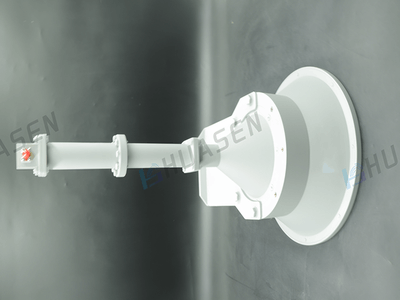
How Lens Horn Antenna Design Reduces Phase Error and Sidelobes?
In high-frequency microwave and millimeter-wave applications, engineers face a persistent challenge: achieving high gain while maintaining low sidelobe levels and minimal phase distortion. Traditional horn antennas suffer from non-uniform aperture field distributions that generate phase errors reaching up to 180 degrees across the aperture, resulting in sidelobe levels as high as negative 11 to negative 17 decibels. The Lens Horn Antenna addresses these critical issues through integrated dielectric lens structures that simultaneously correct phase distribution and control amplitude taper across the antenna aperture. This innovative design enables sidelobe suppression below negative 25 decibels in both E-plane and H-plane patterns while maintaining compact dimensions and high directivity, making it indispensable for telecommunications, radar systems, and aerospace applications where signal integrity cannot be compromised.VIEW MORE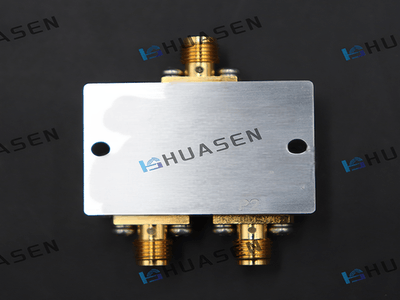
How to Select Coaxial Power Combiner for Optimal Insertion Loss?
When your radar system loses signal strength, your telecommunications network experiences interference, or your test equipment shows inconsistent measurements, the problem often traces back to one critical component: your Coaxial Power Combiner. Selecting the right power combiner with optimal insertion loss isn't just about picking any device off the shelf—it's about understanding how minimal signal degradation directly impacts your system's overall performance, reliability, and operational efficiency in mission-critical applications.VIEW MORE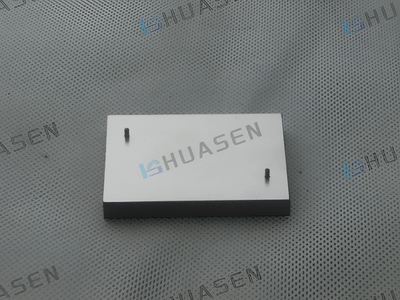
How to Use Waveguide Short Plate for Network Analyzer Calibration?
Struggling with inaccurate measurements from your vector network analyzer when testing high-frequency waveguide components? Without proper calibration using a Waveguide Short Plate, your measurement results can be plagued by systematic errors that compromise system performance. This comprehensive guide reveals the step-by-step process for achieving precise VNA calibration at microwave and millimeter-wave frequencies, ensuring your measurements are reliable and accurate for critical RF applications from telecommunications to aerospace research.VIEW MORE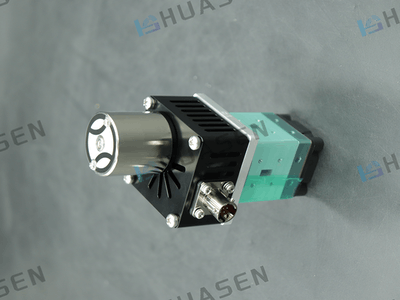
How Waveguide Switch Enhances System Flexibility?
In modern RF and microwave systems, engineers face a persistent challenge: how to achieve dynamic signal routing without compromising performance or system reliability. When radar installations require rapid switching between azimuth and elevation antennas, or when satellite ground stations need to redirect signals across multiple communication channels, traditional static configurations simply cannot meet these demanding operational requirements. The Waveguide Switch emerges as the definitive solution, enabling flexible signal path reconfiguration while maintaining exceptional electrical performance characteristics. These sophisticated components serve as intelligent signal gates within transmission systems, providing the architectural foundation for adaptable, high-performance microwave networks that can respond instantly to changing operational demands.VIEW MORE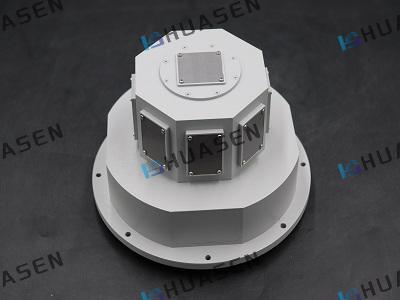
OEM Microstrip Conformal Array Antenna Selection Guide
Choosing the right Microstrip Conformal Array Antenna for your aerospace or defense project can mean the difference between mission success and costly system failures. With critical applications demanding precise beam control, adaptive scanning capabilities, and conformal integration on curved surfaces, engineers face mounting pressure to select antenna solutions that deliver reliable performance in harsh environments while meeting strict size, weight, and power constraints. This comprehensive selection guide addresses these challenges by providing technical insights, performance parameters, and practical considerations to help you identify the optimal Microstrip Conformal Array Antenna configuration for your specific application requirements.VIEW MORE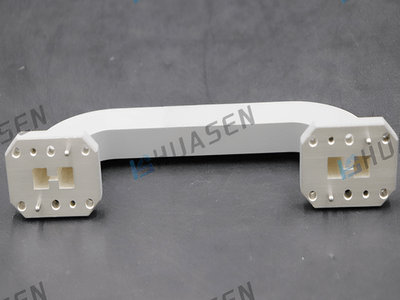
Performance Tips for Double Ridged Waveguide Bend
When your radar system experiences unexpected signal degradation or your telecommunications equipment shows inconsistent performance across frequency bands, the culprit might be poorly optimized waveguide bends. Double Ridged Waveguide Bend components are critical elements in high-frequency RF systems, and understanding how to maximize their performance can mean the difference between system success and costly failures. This comprehensive guide addresses the most common challenges engineers face when implementing Double Ridged Waveguide Bend solutions, providing actionable tips to ensure optimal signal transmission, minimize losses, and achieve reliable operation across demanding applications in aerospace, defense, and telecommunications industries.VIEW MORE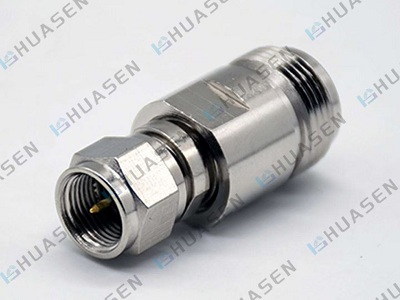
RF Coaxial Adapter Integration in Lab & Field Setups
Picture this: your critical radar test setup fails mid-measurement because of incompatible connector interfaces. Engineers across aerospace, telecommunications, and defense sectors face this challenge daily when integrating RF systems. The solution lies in properly selecting and deploying RF Coaxial Adapter components that ensure seamless signal transmission across diverse equipment platforms. This comprehensive guide explores how to optimize RF Coaxial Adapter integration in both laboratory and field environments, helping you avoid costly signal degradation and system incompatibilities.VIEW MORE
- 1
- 45
- 46
- 47
- 48
- 49
- 61
Total 61 pages
