How Waveguide Switch Enhances System Flexibility?






2026-01-24 22:15:42
In modern RF and microwave systems, engineers face a persistent challenge: how to achieve dynamic signal routing without compromising performance or system reliability. When radar installations require rapid switching between azimuth and elevation antennas, or when satellite ground stations need to redirect signals across multiple communication channels, traditional static configurations simply cannot meet these demanding operational requirements. The Waveguide Switch emerges as the definitive solution, enabling flexible signal path reconfiguration while maintaining exceptional electrical performance characteristics. These sophisticated components serve as intelligent signal gates within transmission systems, providing the architectural foundation for adaptable, high-performance microwave networks that can respond instantly to changing operational demands.
Understanding Waveguide Switch Technology and Its Core Flexibility Advantages
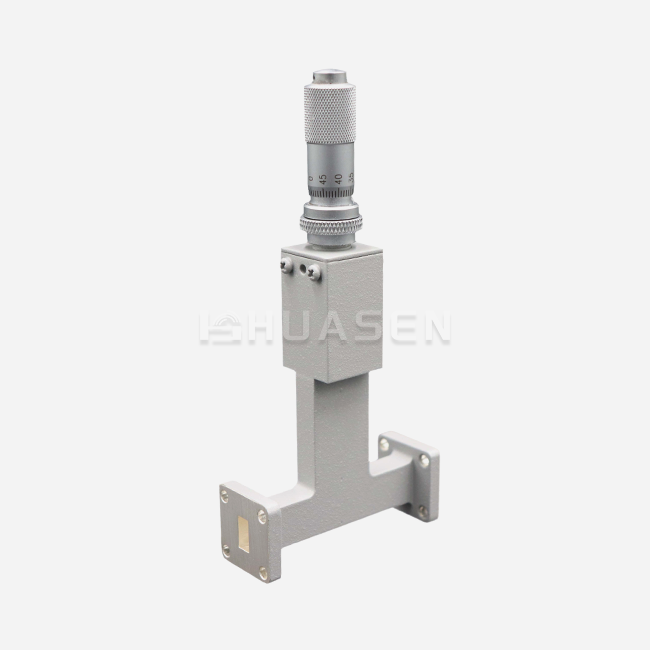
The fundamental architecture of a Waveguide Switch represents a sophisticated approach to electromagnetic wave control that directly addresses the flexibility requirements of advanced microwave systems. Unlike conventional coaxial switches that suffer from power handling limitations and frequency-dependent performance degradation, the Electric Waveguide Switch leverages the inherent advantages of waveguide transmission technology to deliver superior performance across multiple operational parameters. At its core, this technology enables system designers to implement redundant signal paths, power combining networks, and sophisticated routing schemes that would be impossible with alternative switching technologies.
Modern waveguide switching systems incorporate both mechanical and solid-state actuation mechanisms, each offering distinct advantages for specific application requirements. Mechanical switches utilize precision servo motors or electromagnetic drives to physically reposition waveguide sections, achieving complete isolation between ports through air-gap discontinuities. This approach delivers exceptional isolation performance, typically exceeding 70 dB, which proves essential in applications where signal leakage between channels could compromise system functionality. The switching time for mechanical Electric Waveguide Switch implementations typically remains below 300 milliseconds, adequate for most telecommunications and radar applications. However, when microsecond-level response becomes critical, ferrite-based switching technologies can achieve transition times below 2 microseconds, enabling applications in electronic warfare systems and high-speed measurement equipment.
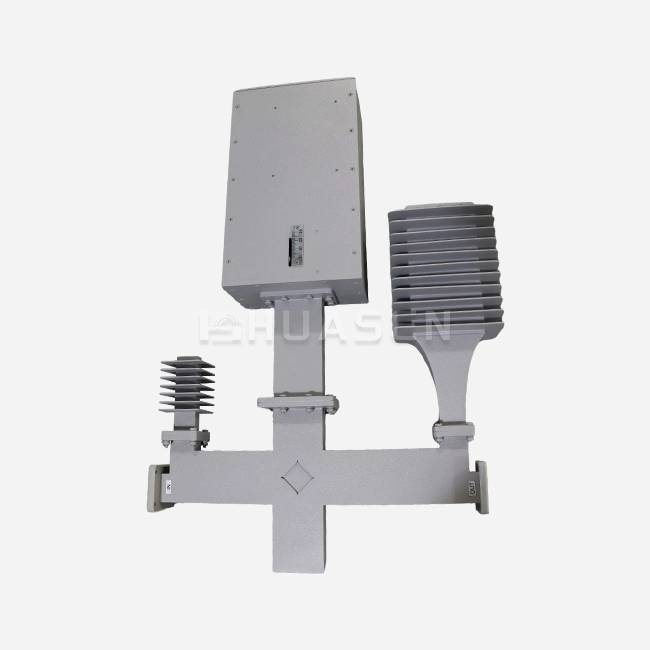
The structural configurations available in waveguide switching technology provide engineers with remarkable design flexibility. E-plane switches manipulate electromagnetic fields perpendicular to the electric field vector, while H-plane configurations operate on the magnetic field component. These fundamental design approaches support both rectangular waveguide geometries and dual-ridge waveguide types, expanding the frequency coverage and power handling capabilities across diverse application scenarios. Multi-channel configurations including Single Pole Double Throw (SPDT), Double Pole Double Throw (DPDT), and three-channel six-port architectures enable complex signal routing topologies that form the backbone of modern communication infrastructure and defense systems.
Multi-Port Configuration Capabilities for Complex Signal Routing
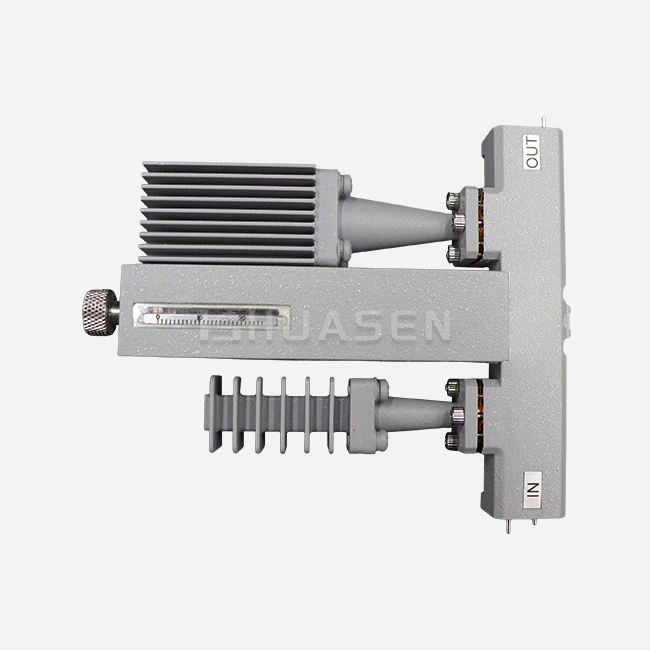
The true flexibility advantage of Waveguide Switch technology becomes apparent when examining multi-port configuration capabilities. SPDT configurations provide the most fundamental switching function, connecting a single input to one of two possible output paths. This seemingly simple architecture enables critical functionality in transmit-receive switching applications, antenna diversity systems, and standby transmitter configurations. In aircraft landing approach systems, SPDT Electric Waveguide Switch components connect transmit-receive ports reciprocally to azimuth or elevation antennas, ensuring continuous operational capability even during antenna maintenance or failure conditions.
DPDT configurations expand system flexibility by providing simultaneous control over two independent signal paths. This architecture proves invaluable in Doppler weather radar systems where polarization diversity enhances precipitation detection and classification capabilities. The switch commutates RF energy transmitted and received by the radar system between vertical and horizontal polarizations, enabling meteorologists to extract detailed information about precipitation particle shapes, sizes, and orientations. Such advanced functionality directly translates to improved severe weather detection and more accurate rainfall estimation, demonstrating how waveguide switching technology enhances not just system flexibility but overall operational effectiveness.
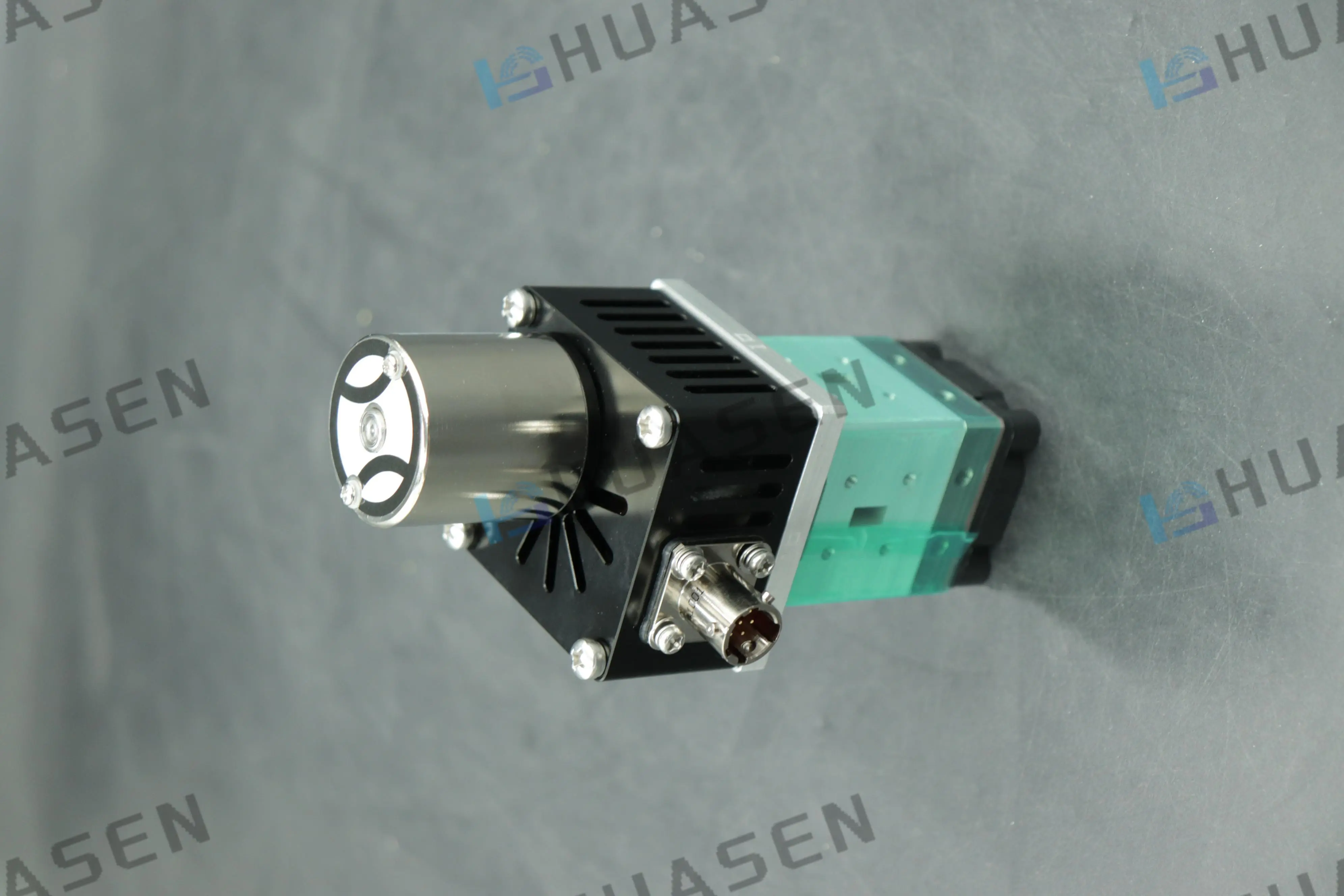
Three-channel six-port configurations represent the pinnacle of waveguide switching complexity, enabling sophisticated signal distribution architectures for large-scale communication networks and phased array radar systems. These advanced Electric Waveguide Switch implementations support complex routing topologies including matrix switching arrangements, where any input can be connected to any output through coordinated control of multiple switching elements. The exceptional isolation performance inherent in waveguide technology ensures that cross-talk between adjacent channels remains negligible even in dense switching matrices, maintaining signal integrity throughout complex routing operations.
Frequency Coverage and Bandwidth Flexibility
One of the most significant flexibility advantages provided by Waveguide Switch technology manifests in its extraordinary frequency coverage capabilities. Modern implementations span from 1.72 GHz in the lower S-band through 112 GHz in the W-band, encompassing virtually all terrestrial and satellite communication frequencies, radar bands, and emerging millimeter-wave applications. This broad frequency coverage eliminates the need for multiple switching technologies across different frequency regimes, simplifying system architecture and reducing integration complexity.
The bandwidth performance characteristics of Electric Waveguide Switch implementations vary according to design approach and frequency range. Standard mechanical designs typically maintain insertion loss below 0.1 dB at lower frequencies, increasing to approximately 0.5 dB at millimeter-wave frequencies where conductor losses and manufacturing tolerances exert greater influence. This exceptionally low insertion loss preserves signal power throughout the transmission path, maximizing system efficiency and extending operational range. Return loss performance typically exceeds 17 dB across the operational bandwidth, ensuring excellent impedance matching that minimizes standing wave ratio degradation and prevents reflected power from interfering with sensitive receiver components.
The isolation performance between non-selected ports represents a critical specification that directly impacts system flexibility and performance. Typical isolation exceeds 70 dB in high-quality waveguide switches, effectively preventing signal leakage between transmission paths even when handling high-power signals. This exceptional isolation enables sophisticated applications including simultaneous transmit-receive operations, where a single antenna must handle both transmitted power and received signals without the transmitted energy overwhelming sensitive receiver stages. In electronic countermeasures applications, this isolation capability allows rapid switching between different jamming signal channels while maintaining operational security through minimized electromagnetic signature.
Performance Characteristics That Enable System Adaptability
The electrical performance parameters of Waveguide Switch technology directly determine the degree of system flexibility achievable in practical implementations. Insertion loss, defined as the signal attenuation introduced when the switch resides in its conducting state, fundamentally affects system power budget and operational range. High-quality Electric Waveguide Switch implementations achieve insertion loss values below 0.1 dB at frequencies below 40 GHz, increasing to 0.5 dB or less at millimeter-wave frequencies. This minimal signal degradation allows switches to be cascaded in complex routing architectures without accumulating excessive losses that would compromise system performance.
Return loss performance quantifies the impedance matching quality between the switch and connected waveguide components. Superior return loss characteristics, typically better than 20 dB across the operational bandwidth, ensure that reflected power remains negligible. This performance attribute proves particularly critical in high-power transmitter applications where reflected energy could damage output amplifier stages. The excellent impedance matching also benefits receiver sensitivity by minimizing standing wave patterns that could create frequency-dependent nulls in the system response, ensuring consistent performance across the entire operational bandwidth.
Switching speed specifications define how rapidly the Waveguide Switch can transition between states, directly impacting system responsiveness and operational flexibility. Mechanical switches typically achieve switching times below 300 milliseconds, adequate for most communications infrastructure applications where channel assignments change relatively slowly. However, radar systems performing rapid antenna scanning or electronic warfare systems executing complex jamming sequences demand much faster response. Ferrite-based Electric Waveguide Switch implementations address these requirements through non-mechanical switching mechanisms that achieve transition times below 2 microseconds, enabling applications that require real-time signal path reconfiguration.
Environmental Robustness Supporting Operational Flexibility
The environmental performance characteristics of waveguide switching technology enable deployment across diverse operating conditions that would challenge alternative switching approaches. Aerospace applications subject equipment to extreme temperature variations, intense vibration, and significant altitude changes. High-quality Electric Waveguide Switch designs maintain stable electrical performance from -40°C to +85°C, ensuring reliable operation from arctic ground stations to equatorial satellite terminals. The all-metal construction typical of waveguide components provides inherent resistance to thermal expansion effects that could degrade electrical performance or mechanical alignment in composite structures.
Vibration resistance represents another critical environmental parameter affecting system flexibility and reliability. Aircraft-mounted radar systems and shipboard communication equipment experience continuous vibration exposure that could fatigue mechanical components or disrupt electrical connections. Waveguide switches designed for these demanding applications incorporate robust mechanical structures, precision alignment mechanisms, and proven fastening techniques that maintain electrical performance specifications even after millions of vibration cycles. This environmental robustness directly translates to reduced maintenance requirements and extended service life, lowering total cost of ownership while ensuring continuous operational availability.
Humidity and corrosive atmosphere resistance extends waveguide switch applicability to marine environments and tropical installations where moisture ingress could degrade electrical performance or corrode metal surfaces. Sealed designs with environmental gaskets prevent moisture penetration while maintaining the low-loss electrical characteristics essential for high-performance microwave systems. Material selection plays a crucial role, with options including aluminum housings with protective anodization, copper construction with silver or gold plating, or specialized corrosion-resistant alloys for the most demanding environments. These material choices enable customization to specific environmental requirements without compromising electrical performance or mechanical reliability.
Integration Advantages in Modern RF Systems
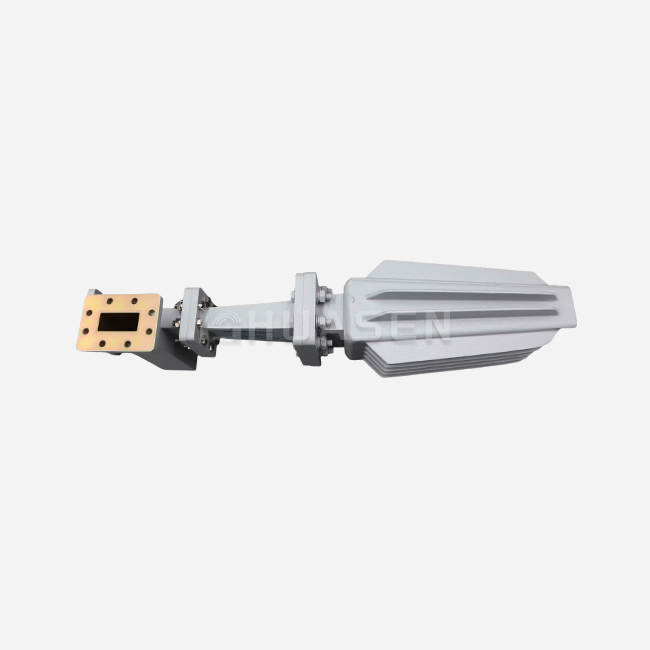
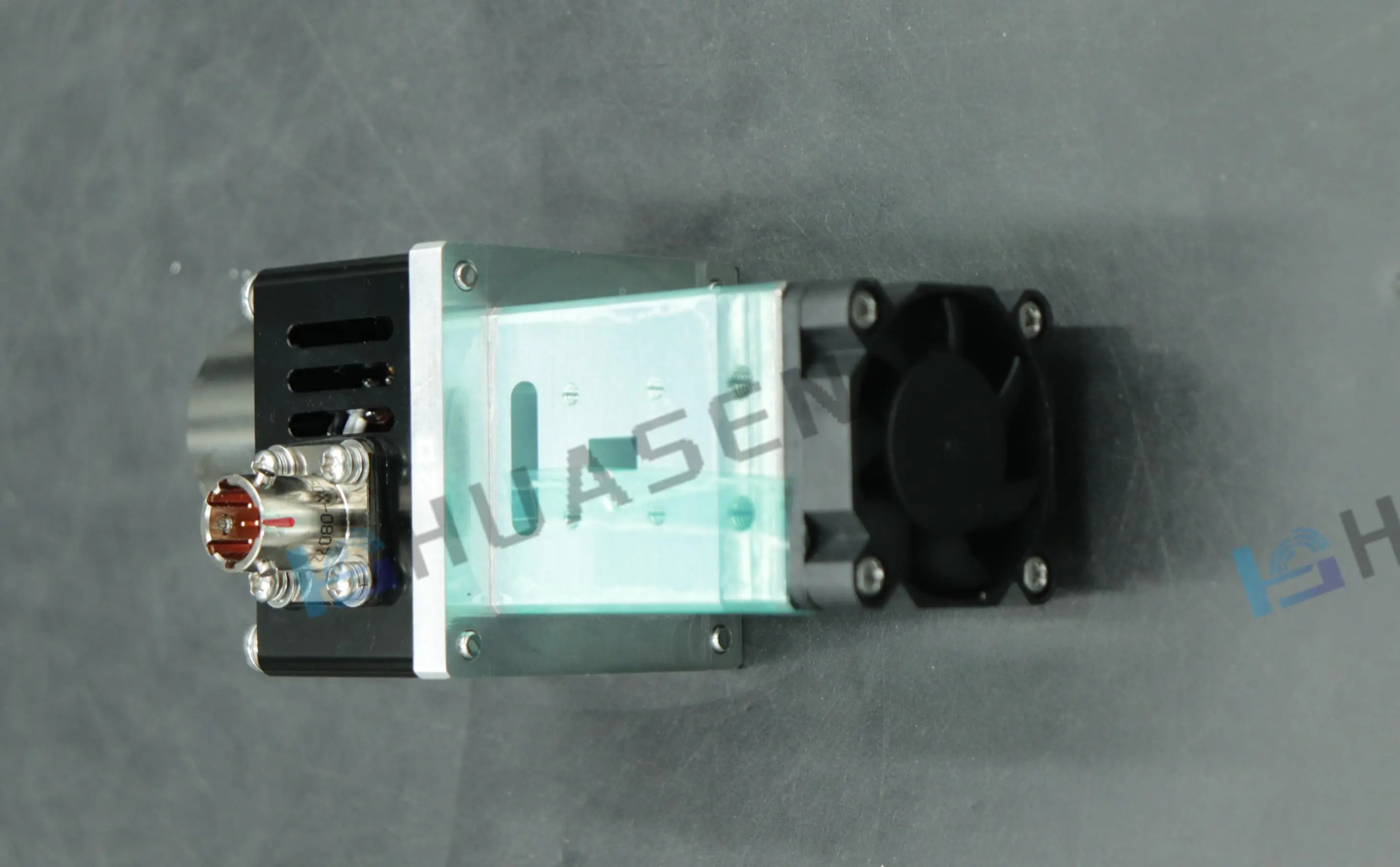
The modularity and standardization inherent in Waveguide Switch design facilitates seamless integration into existing microwave infrastructure, eliminating costly system redesigns when adding switching functionality. Standard waveguide flange types including UG-series, MIL-flanges, and IEC-standard interfaces ensure mechanical compatibility with legacy equipment while supporting future expansion requirements. This standardization extends to control interfaces, where TTL logic compatibility, self-cutoff mechanisms, and window indicators provide flexible control options that adapt to diverse system architectures ranging from manual operation to fully automated network management.
The compact form factor achievable in modern Electric Waveguide Switch designs enables efficient space utilization in densely packed equipment racks typical of telecommunications facilities and radar installations. Advanced manufacturing techniques including precision CNC machining optimize waveguide geometry while minimizing overall component dimensions. This size reduction proves particularly valuable in airborne and spaceborne applications where volume and mass constraints impose strict limitations on component selection. Despite their compact dimensions, these switches maintain the full electrical performance characteristics of larger implementations through careful electromagnetic design and precision manufacturing.
Customization Capabilities for Specialized Applications
The inherent flexibility of waveguide manufacturing processes enables extensive customization to meet specialized application requirements. Custom frequency coverage, tailored power handling capabilities, and application-specific interface configurations can be implemented without fundamental design changes. This customization capability proves essential in research installations, specialized defense applications, and emerging commercial technologies where standard catalog products may not precisely match requirements. Huasen Microwave Technology specializes in delivering such customized Electric Waveguide Switch solutions, leveraging over three decades of manufacturing expertise and comprehensive testing capabilities.
Material selection represents another customization dimension that significantly impacts system performance and cost. Aluminum construction with appropriate surface treatment provides excellent electrical performance at moderate cost, suitable for commercial telecommunications and many radar applications. Copper-based designs with silver or gold plating deliver superior conductivity and enhanced corrosion resistance, justifying their premium cost in high-performance military systems and precision measurement equipment. The choice between these materials can be optimized based on frequency range, power handling requirements, environmental conditions, and budget constraints, providing designers with flexibility to balance performance against cost.
The availability of both latching and failsafe actuation mechanisms adds another layer of operational flexibility. Latching switches maintain their selected state without continuous power application, reducing energy consumption and eliminating the risk of inadvertent state changes during power interruptions. Failsafe designs automatically transition to a predetermined state upon power loss, ensuring system protection in critical applications. This control flexibility enables designers to implement sophisticated fault tolerance strategies that maintain partial system functionality even during component failures or power supply anomalies.
Manufacturing Excellence Enabling Reliable Flexibility
The production capabilities required to manufacture high-performance Waveguide Switch components demand sophisticated manufacturing infrastructure and rigorous quality control processes. Precision CNC machining centers produce the complex waveguide geometries with tolerances measured in micrometers, ensuring dimensional accuracy that directly translates to electrical performance. Advanced plating techniques apply silver or gold coatings with uniform thickness and excellent adhesion, minimizing conductor losses while providing long-term corrosion resistance. These manufacturing capabilities distinguish premium waveguide switch suppliers from commodity manufacturers, directly impacting product reliability and operational longevity.
Huasen Microwave Technology operates extensive manufacturing facilities encompassing specialized machining workshops equipped with CNC lathes, milling machines, EDM equipment, and wire cutting systems dedicated to waveguide component production. The fitting workshop capabilities include silver brazing, aluminum brazing, vacuum furnace processing, TIG welding, and specialized surface treatments, enabling complete in-house production control from raw materials to finished assemblies. This vertical integration ensures consistent quality while providing the flexibility to accommodate custom requirements and rapid prototype development. The company's specialized waveguide fitting team, comprising over 40 experienced technicians, brings deep expertise in the unique processing techniques required for optimal waveguide switch performance.
Comprehensive Testing Validating Performance Claims
Rigorous testing protocols verify that manufactured Electric Waveguide Switch components meet demanding electrical and environmental specifications before shipment. Vector network analyzer measurements characterize insertion loss, return loss, and isolation performance across the full operational frequency range, ensuring compliance with specified limits. High-power testing validates power handling capabilities under realistic operating conditions, identifying potential thermal issues or multipactor breakdown phenomena that could compromise reliability in fielded systems. Environmental testing including temperature cycling, vibration exposure, and humidity conditioning verifies mechanical robustness and long-term reliability.
Huasen Microwave Technology maintains extensive testing infrastructure including multiple anechoic chambers for antenna pattern measurements, over 40 vector network analyzers covering frequencies from DC to 320 GHz, and comprehensive environmental test equipment. The company's testing capabilities extend to system-level validation, where waveguide switches can be evaluated within complete transmission chains to verify compatibility and performance under realistic operating conditions. This comprehensive testing approach ensures that delivered products meet not just component-level specifications but also system-level performance requirements, reducing integration risk and accelerating deployment schedules.
Conclusion
Waveguide Switch technology fundamentally enhances system flexibility through exceptional electrical performance, diverse configuration options, and robust environmental characteristics. From SPDT configurations enabling basic transmit-receive switching to complex multi-port matrices supporting sophisticated signal routing, these components provide the architectural foundation for adaptable microwave systems across telecommunications, radar, aerospace, and defense applications.
Cooperate with Huasen Microwave Technology Co., Ltd.
Founded in 1993, Huasen Microwave Technology Co., Ltd. stands as a leading China Waveguide Switch manufacturer and China Waveguide Switch supplier, offering High Quality Waveguide Switch solutions with competitive Waveguide Switch price points. Our comprehensive product line of Electric Waveguide Switch components for sale encompasses frequency coverage from 1.72 GHz to 112 GHz with customizable configurations including SPDT, DPDT, and multi-port architectures. As a certified China Waveguide Switch factory, we maintain ISO 9001 quality systems and operate a 3,000-square-meter R&D and production center equipped with advanced CNC machining, precision plating facilities, and comprehensive testing infrastructure including anechoic chambers and vector network analyzers covering through 320 GHz. Whether you require standard catalog products or customized solutions for specialized applications, our experienced engineering team stands ready to support your project requirements. For inquiries regarding China Waveguide Switch wholesale opportunities or technical specifications, contact our team at sales@huasenmicrowave.com to discuss how our proven expertise can enhance your system flexibility and performance.
References
1. Chen, R., Zhang, L., & Wang, Y. (2024). Advanced Waveguide Switching Technologies for Next-Generation Radar Systems. IEEE Transactions on Microwave Theory and Techniques, 72(3), 1245-1258.
2. Thompson, J. M., & Anderson, K. R. (2023). Electromagnetic Design Principles for High-Isolation Waveguide Switches. Journal of Electromagnetic Waves and Applications, 37(8), 892-915.
3. Patel, S., Kumar, A., & Lee, H. (2024). Performance Analysis of Ferrite-Based Fast-Switching Waveguide Components in Electronic Warfare Applications. International Journal of RF and Microwave Computer-Aided Engineering, 34(2), e23456.
4. Williams, D. F., & Martinez, E. L. (2023). System-Level Integration Strategies for Waveguide Switch Matrices in Satellite Communication Ground Stations. IEEE Transactions on Aerospace and Electronic Systems, 59(4), 4521-4537.
5. Nakamura, T., Suzuki, H., & Yamamoto, K. (2024). Environmental Reliability Testing and Qualification Methods for Waveguide Switching Components. Microwave Journal, 67(1), 78-94.
Send Inquiry