
Blog
0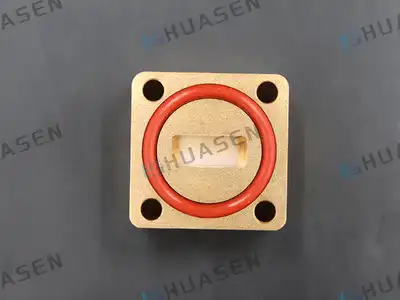
Sealing Solutions for Waveguide Pressure Windows in Anechoic Chambers
Sealing options for waveguide pressure windows in anechoic rooms are important parts that keep electromagnetic fields separate and the surroundings safe. These specific waveguide window systems act as shields to keep out contamination and pressure differences that could damage sensitive testing equipment that is sensitive. For consistent performance in harsh RF and microwave testing settings, where exact measures need complete control of the environment and signal integrity, sealing technologies that work well are needed.VIEW MORE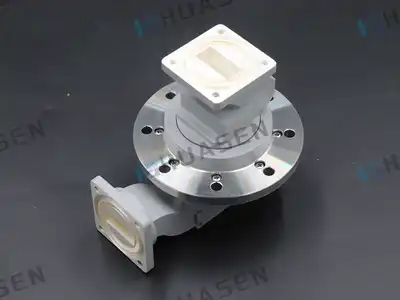
How Waveguide Rotary Joints Work in High-Frequency Microwave Systems?
In high-frequency systems, waveguide rotary joints are important electromagnetic coupling devices that let microwave signals travel continuously across spinning mechanical surfaces. These precise parts use electromagnetic field coupling in cylinder-shaped waveguide structures to keep the signal's integrity while allowing circular motion between sections that are still and sections that are moving. The waveguide rotary joint does this by using carefully designed choke systems and coupling mechanisms that protect the modes of electromagnetic wave propagation. This keeps signal degradation to a minimum across frequency ranges from X-band to millimeter-wave applications in radar, satellite communications, and telecommunications infrastructure.VIEW MORE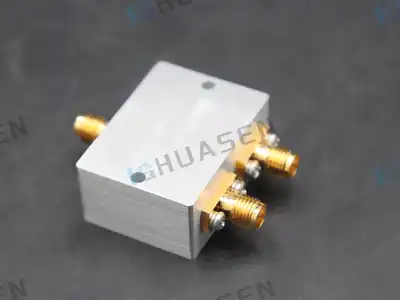
Military-Grade RF Combiner Selection and Testing for Aerospace Use
When choosing a military-grade RF combiner for use in space applications, it is important to carefully look at its technical specs, ability to withstand harsh conditions, and mission-critical performance levels. These high-tech passive electromagnetic components combine several radio frequency signals into a single output path, keeping the purity of the signals even in harsh operating conditions. To make sure they work reliably in space-based platforms, aircraft communication systems, and defence radar sites, aerospace-grade systems need to be able to handle a lot of power, have very low insertion loss, and meet strict MIL-STD environmental standards.VIEW MORE
Waveguide vs Coaxial Filters for RF and Microwave Applications
Engineers have to choose between waveguide and coaxial technologies when choosing filters for RF and microwave uses. When data integrity is very important, like in high-frequency, high-power situations, the Waveguide Filter is clearly the best choice. The advanced designs of these parts use hollow metal structures to achieve performance levels that coaxial options just can't match. Understanding the main differences between these technologies helps procurement workers make smart choices that improve system performance while keeping costs low.VIEW MORE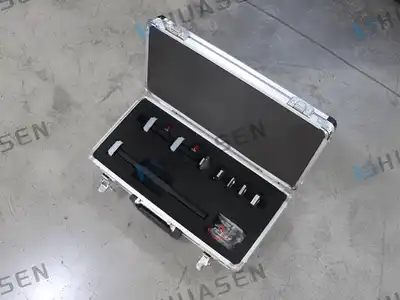
Waveguide Calibration Kit Usage Guide for 5G RF Laboratories
Understanding proper waveguide calibration kit implementation proves essential for achieving measurement accuracy in modern 5G RF laboratories. These precision instruments eliminate systematic errors in vector network analyzers operating across millimeter-wave frequencies, ensuring reliable characterization of next-generation communication components. Laboratory engineers rely on these calibration standards to establish accurate reference planes, correct directivity errors, and maintain signal integrity throughout complex measurement procedures. The transition to higher frequency bands in 5G applications demands sophisticated calibration techniques that waveguide systems uniquely provide.VIEW MORE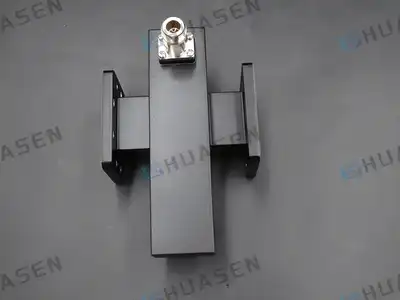
What Is a Directivity Coupler and Why Directivity Matters in RF Systems
A directivity coupler represents a fundamental passive RF component that samples electromagnetic energy flowing in one direction within a transmission line while isolating energy traveling in the opposite direction. Understanding what a directivity coupler is and why directivity matters in RF systems becomes essential when engineers need precise signal monitoring without disrupting the main signal path. Directivity measures how effectively a coupler distinguishes between forward and reflected waves, typically expressed in decibels. Poor directivity leads to measurement errors, signal contamination, and system instability across telecommunications, radar, and aerospace applications.VIEW MORE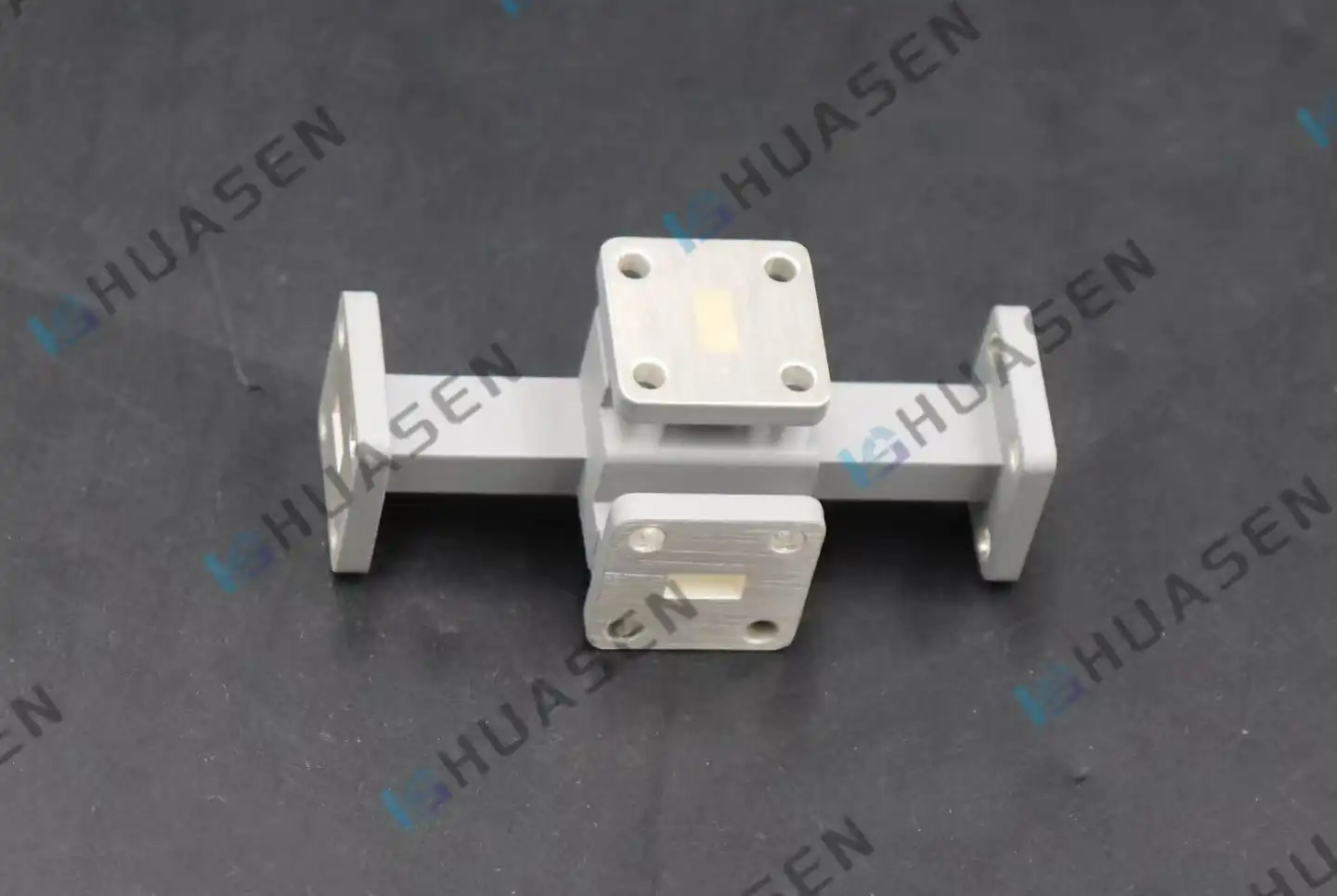
Causes and Solutions for Excess Insertion Loss in Millimeter Wave Waveguide Magic T
One of the biggest problems that RF engineers and system builders have to deal with all the time is too much insertion loss in millimetre wave systems. When insertion loss goes above acceptable levels, the Waveguide Magic T, a key four-port component used in radar systems, telecommunications infrastructure, and aerospace uses, can lose some of its performance. Figuring out why these losses happen and putting in place good solutions keeps the signal's integrity at its best. This keeps the dependability and efficiency that current high-frequency systems need in fields like 5G networks and satellite communications.VIEW MORE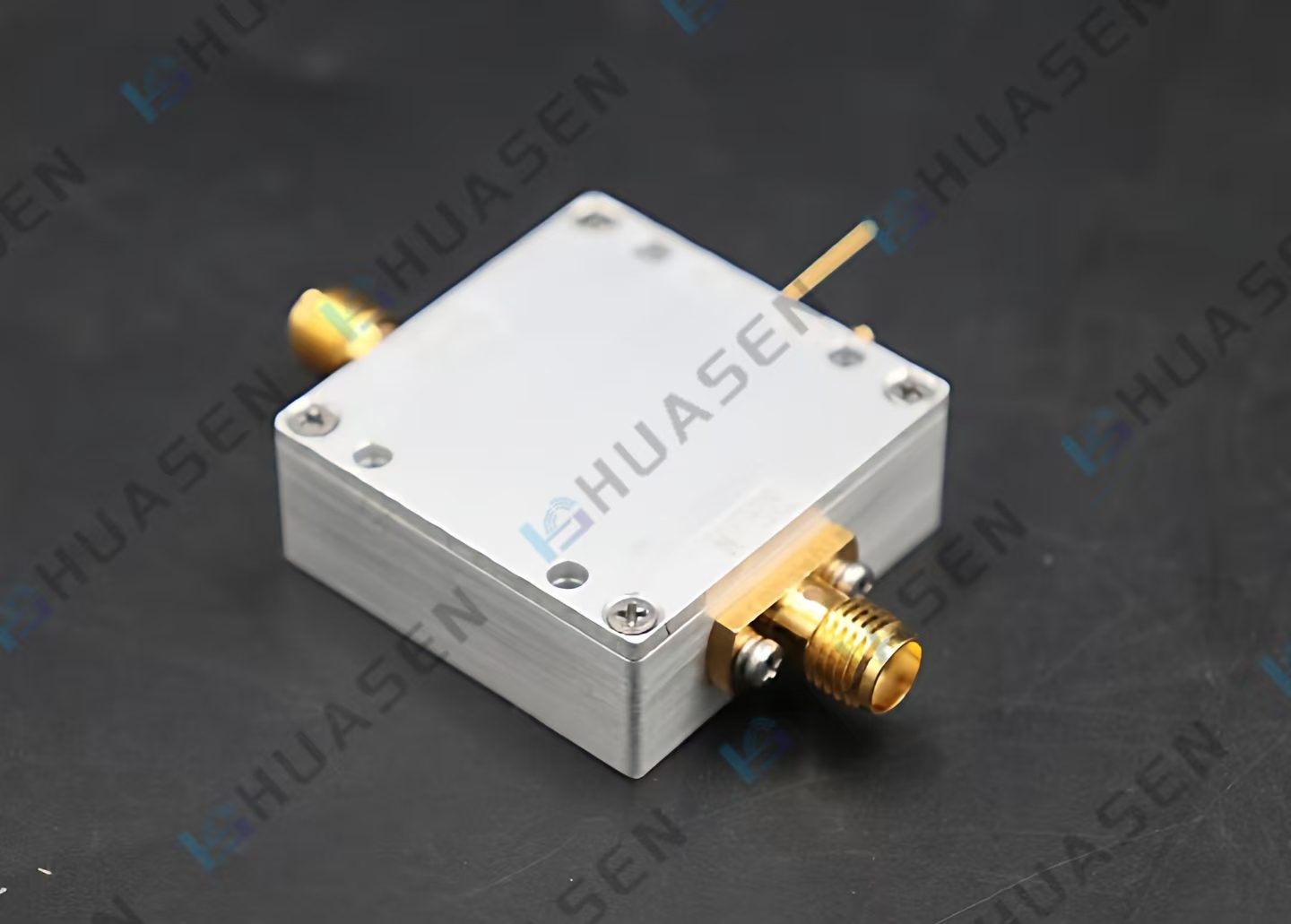
Active Detector vs Passive Detector: Sensitivity and Range Comparison
When selecting detection systems for telecommunications, radar, or security applications, engineers face a critical dilemma that can compromise system performance and increase operational costs. The choice between active detector and passive detector technology directly impacts sensitivity levels, detection range capabilities, and overall system reliability. Understanding these fundamental differences enables professionals to optimize their RF and microwave detection solutions, ensuring accurate signal monitoring across diverse frequency ranges while minimizing false alarms and maintaining operational efficiency in demanding environments.VIEW MORE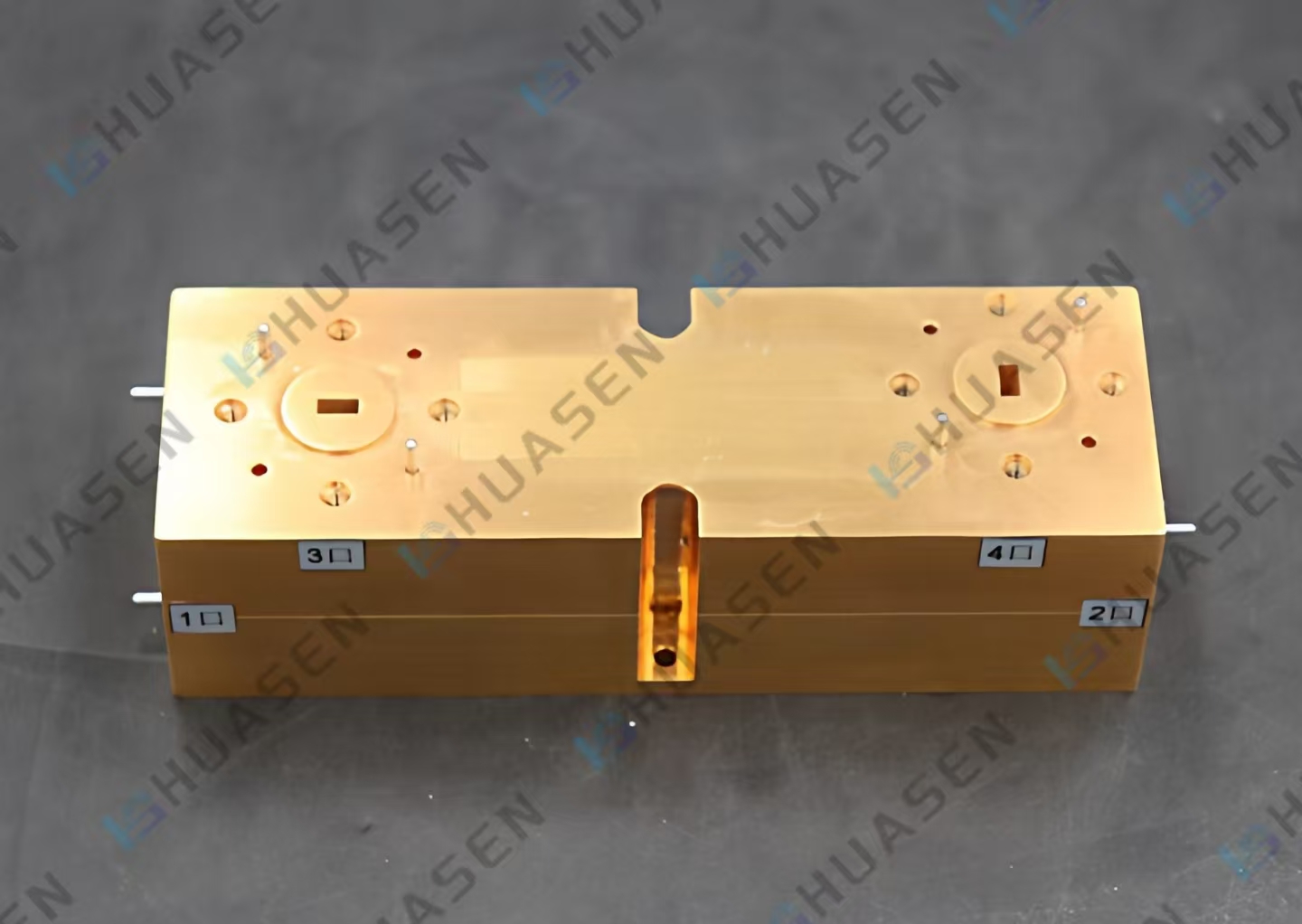
Advantages of Using a Waveguide Differential Phase Shift Circulator
In high-power radar systems and satellite communications, signal reflections can catastrophically damage expensive transmitter equipment within milliseconds, costing operations hundreds of thousands in repairs and downtime. The Waveguide Differential Phase Shift Circulator addresses this critical vulnerability by providing superior isolation and power handling capabilities that protect your investment while maintaining signal integrity under the most demanding conditions.VIEW MORE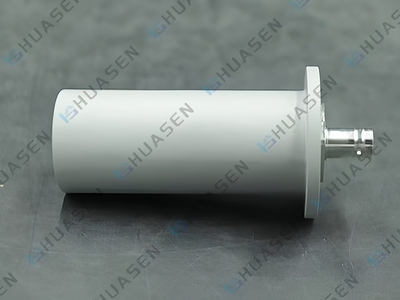
Benefits of Ultra Wideband Omnidirectional Antenna in IoT
Picture this scenario: your IoT network drops critical sensor data packets during peak operations, your smart factory floor experiences blind spots in device connectivity, or your asset tracking system cannot pinpoint equipment locations with precision. These challenges plague countless IoT deployments daily, costing businesses time, money, and operational efficiency. The Ultra Wideband Omnidirectional Antenna emerges as the solution to these persistent connectivity pain points, offering comprehensive coverage, minimal latency, and exceptional positioning accuracy that transforms how IoT ecosystems communicate and perform across industrial, commercial, and smart city applications.VIEW MORE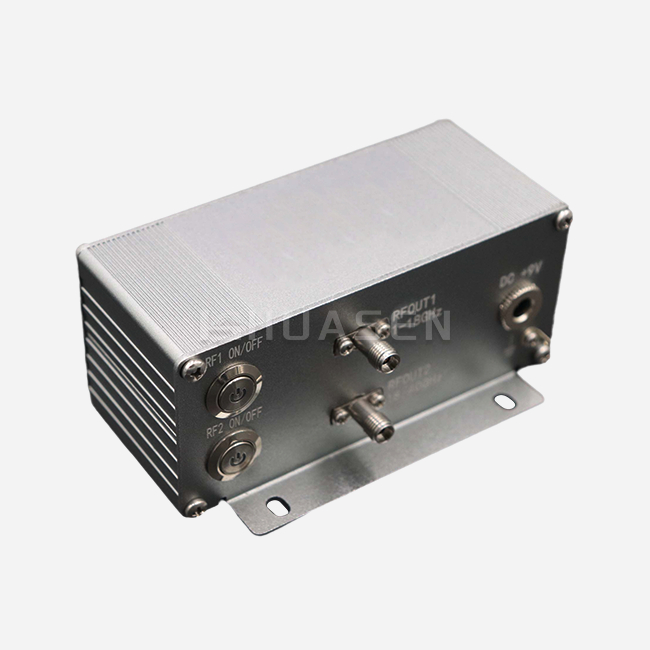
Best Cryogenic Low Noise Amplifier Solutions for Ultra-Low Noise
Imagine your quantum computing system failing to detect critical qubit signals because thermal noise drowns out the data you desperately need. In advanced scientific research, aerospace communications, and quantum technology applications, signal integrity at extreme temperatures is not optional—it's mission critical. The best cryogenic Low Noise Amplifier solutions for ultra-low noise deliver unparalleled performance where conventional amplifiers fail, operating at temperatures approaching absolute zero while maintaining noise figures as low as 1.3dB. This comprehensive guide explores how cutting-edge cryogenic amplification technology solves the most demanding signal detection challenges across quantum computing, radio astronomy, deep space communications, and precision measurement applications, helping engineers and researchers select optimal solutions for their ultra-sensitive systems.VIEW MORE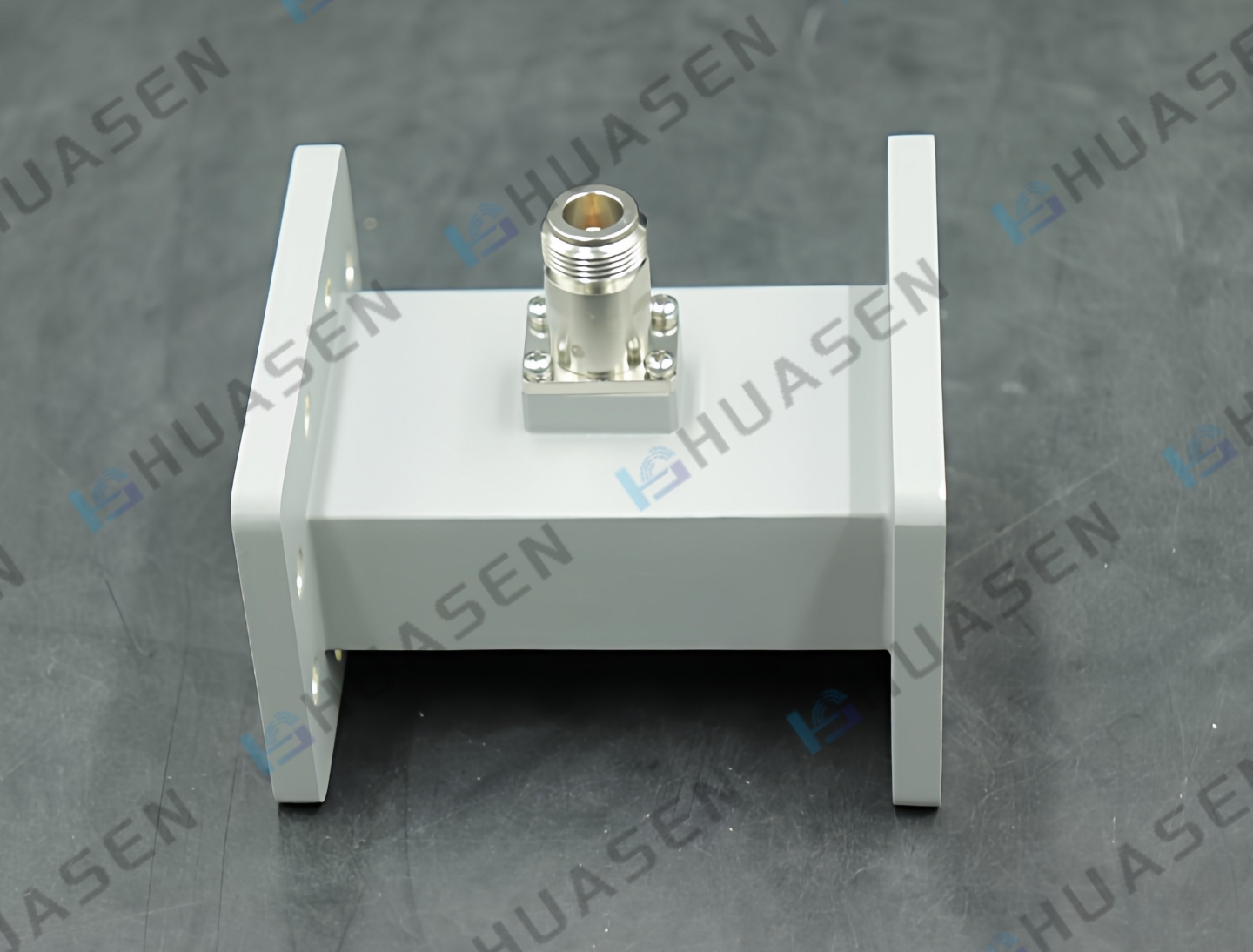
Benefits of Using a Waveguide Probe Coupler in RF
Picture this scenario: you're operating a critical telecommunications network, and suddenly signal integrity becomes compromised, leaving you blind to potential failures until it's too late. Without precise monitoring capabilities, diagnosing waveguide system malfunctions transforms into an expensive, time-consuming nightmare. A Waveguide Probe Coupler solves this exact pain point by enabling non-intrusive signal sampling, allowing engineers to continuously monitor RF performance without disrupting the main signal path. These precision instruments extract controlled amounts of electromagnetic energy from waveguides, providing essential diagnostic capabilities that prevent costly downtime while maintaining optimal system performance across telecommunications, radar, aerospace, and defense applications.VIEW MORE
- 1
- 43
- 44
- 45
- 46
- 47
- 60
