Benefits of Using a Waveguide Probe Coupler in RF






2026-01-31 21:54:07
Picture this scenario: you're operating a critical telecommunications network, and suddenly signal integrity becomes compromised, leaving you blind to potential failures until it's too late. Without precise monitoring capabilities, diagnosing waveguide system malfunctions transforms into an expensive, time-consuming nightmare. A Waveguide Probe Coupler solves this exact pain point by enabling non-intrusive signal sampling, allowing engineers to continuously monitor RF performance without disrupting the main signal path. These precision instruments extract controlled amounts of electromagnetic energy from waveguides, providing essential diagnostic capabilities that prevent costly downtime while maintaining optimal system performance across telecommunications, radar, aerospace, and defense applications.

Understanding Waveguide Probe Coupler Technology and Its Operational Advantages
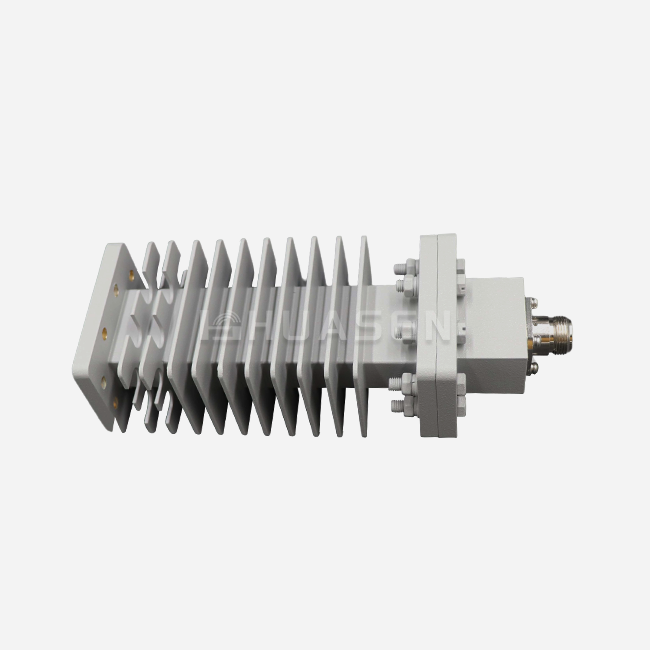
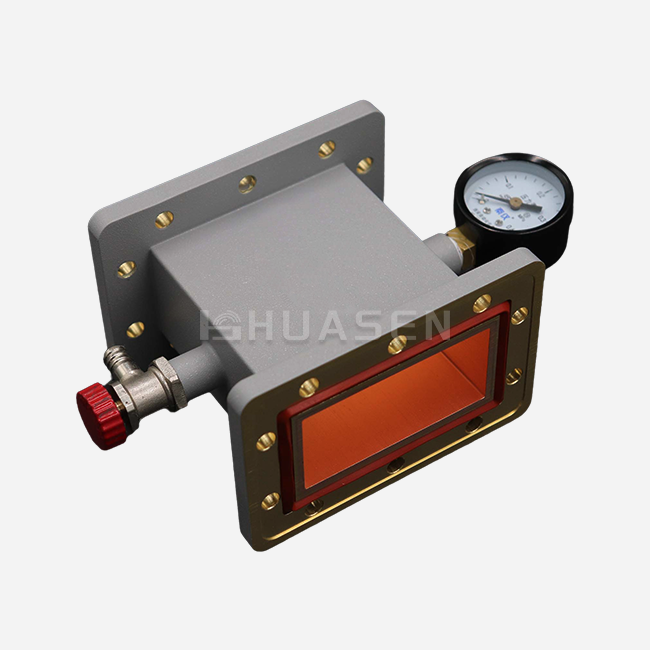
The fundamental principle behind a Waveguide Probe Coupler involves strategically positioning a metallic probe inside a waveguide structure to extract a controlled portion of electromagnetic energy. This probe acts as an antenna element that couples to the electric field distribution within the waveguide, radiating energy proportionally to the main signal strength. The beauty of this design lies in its elegant simplicity combined with remarkable precision. When current flows through the probe, it establishes an electric field that detaches from the probe and propagates into the coupled output port, typically terminating in a coaxial connector for easy integration with measurement equipment. The probe's physical dimensions, positioning, and insertion depth are meticulously calculated to achieve specific coupling ratios ranging from negative ten to negative sixty decibels, ensuring accurate power sampling without significantly impacting the primary signal transmission.
The operational advantages of Waveguide Probe Coupler systems become immediately apparent when compared to alternative coupling methods. Traditional directional couplers utilizing aperture or loop coupling mechanisms often require complex multi-hole configurations or precise slot geometries that demand expensive manufacturing processes. In contrast, probe couplers offer exceptional versatility through their straightforward construction and adjustable design options. Engineers can select between fixed probe configurations where coupling values are predetermined during manufacturing, or adjustable models that permit field tuning of coupling ratios during system calibration and optimization phases. This flexibility proves invaluable in research environments, prototype development scenarios, and field installations where system requirements may evolve over time.
Compact Design and Space Efficiency Benefits
One of the most compelling advantages of Waveguide Probe Coupler implementations involves their remarkably compact footprint compared to conventional coupling solutions. The ultra-small volume occupied by these devices enables seamless integration into densely packed RF assemblies where space constraints pose significant challenges. Modern telecommunications equipment, satellite ground stations, and airborne radar systems demand increasingly miniaturized components without compromising performance specifications. Waveguide Probe Couplers answer this call through innovative engineering that concentrates all essential coupling functions into minimal physical dimensions, often measuring just fractions of the waveguide wavelength in overall length.
This compact structure delivers multiple downstream benefits beyond simple space savings. Reduced component size translates directly into lower material costs, decreased manufacturing complexity, and simplified assembly procedures. System integrators appreciate how easily these couplers fit into existing waveguide runs without requiring extensive modifications to mechanical layouts or thermal management provisions. The small form factor also minimizes parasitic effects such as unwanted resonances or impedance discontinuities that can degrade high-frequency performance. Engineers working with millimeter-wave frequencies particularly value this characteristic, as maintaining consistent impedance matching becomes increasingly critical as operating frequencies extend into the Ka-band, V-band, and W-band spectrum regions where Waveguide Probe Coupler technology demonstrates exceptional reliability.
Precise Coupling Control and Measurement Accuracy
Achieving precise control over coupling ratios represents a fundamental requirement for effective RF system monitoring and measurement applications. Waveguide Probe Coupler designs excel in this domain through their ability to deliver highly accurate, repeatable coupling values across broad frequency ranges. The coupling degree, typically spanning from ten to sixty decibels of attenuation, can be precisely tailored to match specific application requirements. This wide dynamic range accommodates everything from high-power transmission monitoring where only minimal signal sampling is necessary, to sensitive detection scenarios requiring more substantial energy extraction for analysis purposes.
The measurement accuracy enabled by quality Waveguide Probe Coupler implementations directly impacts system reliability and diagnostic capabilities. In telecommunications networks, accurate power monitoring prevents both under-powered signals that fail to meet link budgets and over-powered transmissions that generate harmful interference. Radar systems depend on precise signal sampling to calibrate transmitter output levels, verify antenna patterns, and ensure compliance with regulatory emission limits. Research laboratories conducting antenna characterization, material property measurements, or component testing require coupling devices that introduce minimal uncertainty into measurement chains. Premium Waveguide Probe Coupler products manufactured with micron-level machining tolerances and rigorous quality control procedures achieve coupling accuracy within plus or minus one-half decibel across their specified frequency bands, ensuring measurement confidence for even the most demanding applications.
Key Performance Characteristics That Drive System Excellence
Superior Directivity and Isolation Performance
Directivity represents one of the most critical performance parameters for any coupling device, defining its ability to distinguish between forward and reverse propagating signals within the waveguide structure. While traditional Waveguide Probe Coupler designs may lack inherent directional properties, this characteristic actually provides distinct advantages for specific monitoring applications. The non-directional nature means the coupled output responds equally to signals traveling in either direction through the main waveguide, making these devices ideal for bidirectional power monitoring scenarios commonly encountered in transceiver systems, test equipment calibration, and communication repeater stations.
For applications requiring directional discrimination, advanced Waveguide Probe Coupler configurations can incorporate additional coupling elements or be paired with complementary components to achieve effective directivity. The isolation between input and output ports, along with minimized insertion loss in the main transmission path, ensures that signal sampling operations do not degrade overall system performance. Premium implementations maintain insertion losses below one-tenth of a decibel while achieving return losses exceeding twenty decibels, preserving signal integrity throughout the waveguide network. These performance characteristics prove essential when monitoring high-value signals where even minor degradation could compromise link margins or reduce measurement sensitivity.
Broad Frequency Range Coverage and Bandwidth Capabilities
The frequency range over which a Waveguide Probe Coupler maintains specified performance parameters directly determines its versatility and application scope. Modern RF and microwave systems often operate across multiple frequency bands, requiring coupling solutions that can accommodate wide bandwidth coverage without necessitating component substitutions. High-quality Waveguide Probe Coupler products are available spanning frequencies from eighteen gigahertz through one hundred ten gigahertz and beyond, covering popular microwave bands including Ku-band, K-band, Ka-band, and extending into millimeter-wave W-band spectrum allocations. This extensive frequency coverage enables engineers to standardize on proven coupling technologies across diverse project requirements.
Bandwidth performance within each frequency range proves equally important for maintaining consistent coupling values and minimal insertion loss variation. Well-designed Waveguide Probe Coupler systems achieve flat coupling response across bandwidths exceeding twenty percent of the center frequency, ensuring reliable operation throughout the entire waveguide's usable spectrum. This bandwidth capability becomes particularly valuable in wideband communication systems, frequency-agile radar applications, and laboratory test setups where equipment must characterize devices across broad frequency sweeps. The ability to maintain coupling accuracy and low VSWR across wide bandwidths reduces calibration complexity and improves measurement repeatability, directly contributing to system reliability and reduced maintenance requirements.

Practical Applications Across Multiple Industries
Telecommunications Infrastructure and Network Monitoring
In modern telecommunications infrastructure, Waveguide Probe Coupler devices serve as essential monitoring tools that enable network operators to maintain signal quality and prevent service interruptions. The explosive growth of five-generation wireless networks has intensified demands for precise RF monitoring capabilities at millimeter-wave frequencies where traditional monitoring techniques prove inadequate. Waveguide Probe Couplers integrated into base station transmitter chains provide continuous power monitoring without introducing signal degradation, allowing real-time verification that transmitted power levels remain within specified tolerances. This monitoring capability prevents both coverage gaps caused by insufficient transmit power and regulatory violations resulting from excessive emissions.
Satellite ground stations rely extensively on Waveguide Probe Coupler technology for uplink power monitoring and downlink signal analysis. The high reliability required for satellite communication links, where repair opportunities are extremely limited or impossible, makes continuous performance monitoring absolutely critical. Couplers extract signal samples that feed into spectrum analyzers, power meters, and bit error rate test equipment, providing comprehensive visibility into link health and enabling proactive maintenance before catastrophic failures occur. The robust construction and environmental stability of quality Waveguide Probe Coupler products ensure consistent performance despite temperature variations, humidity exposure, and mechanical vibrations commonly encountered in outdoor telecommunications installations.
Aerospace and Defense System Integration
Aerospace and defense applications impose some of the most stringent performance requirements on RF components, including Waveguide Probe Coupler systems used for radar signal monitoring, electronic warfare equipment testing, and missile guidance system calibration. Military radar systems employ couplers to sample transmitted pulses for waveform verification, timing analysis, and power calibration without interrupting operational capabilities. The compact design and rugged construction of aerospace-grade Waveguide Probe Couplers enable integration into space-constrained aircraft, naval vessels, and ground-based defense systems where every cubic centimeter of volume carries premium value.
Electronic warfare applications utilize Waveguide Probe Coupler technology to monitor jamming signal characteristics, verify transmitter performance under dynamic operating conditions, and support system diagnostic functions that ensure mission readiness. The ability to withstand extreme environmental conditions including temperature excursions from negative fifty-five to plus one hundred twenty-five degrees Celsius, high vibration levels, and potential shock loading makes military-specification Waveguide Probe Coupler products essential for reliable defense system operation. Advanced composite materials workshops can produce specialized radomes and reflector assemblies that complement waveguide systems, with surface accuracies reaching thirty micrometers to enable precise antenna pattern control at millimeter-wave frequencies.
Research Laboratory and Test Equipment Applications
Scientific research laboratories conducting advanced physics experiments, materials characterization studies, and electromagnetic compatibility testing depend on Waveguide Probe Coupler precision for accurate measurements. Particle accelerator facilities use couplers to monitor RF cavity power levels, verify phase relationships between multiple RF sources, and diagnose resonant structure performance. The measurement accuracy and stability provided by high-quality couplers directly impacts experimental data quality and research productivity. Medical imaging systems employing microwave technology for tumor detection, tissue characterization, or therapeutic applications similarly benefit from precise signal monitoring capabilities that Waveguide Probe Coupler designs deliver.
Automated test equipment manufacturers integrate Waveguide Probe Couplers into production test systems that verify microwave component performance during manufacturing quality control processes. The ability to rapidly and accurately measure device characteristics across multiple frequency points enables high-throughput testing that reduces manufacturing costs while ensuring product quality. Calibration laboratories responsible for maintaining national measurement standards utilize ultra-precision Waveguide Probe Coupler assemblies as part of primary power standards and reference measurement systems. These applications demand the highest levels of coupling accuracy, stability, and repeatability, requirements met through advanced manufacturing techniques including micron-level precision machining, high-purity material selection, and comprehensive environmental testing protocols.
Manufacturing Excellence and Quality Assurance
Precision Manufacturing Processes
The exceptional performance characteristics of premium Waveguide Probe Coupler products stem directly from advanced manufacturing processes that maintain extremely tight dimensional tolerances throughout production. Computer numerical control machining centers equipped with high-resolution feedback systems enable fabrication of waveguide bodies and probe assemblies with positional accuracies measured in micrometers. This precision proves essential for achieving specified coupling values, maintaining low VSWR, and ensuring consistent performance across production lots. Material selection plays an equally critical role, with high-quality copper and aluminum alloys chosen for their excellent electrical conductivity, thermal stability, and mechanical properties that support precision machining operations.
Surface finish quality significantly impacts high-frequency performance, particularly at millimeter-wave frequencies where skin effect phenomena concentrate current flow in thin surface layers. Advanced machining techniques combined with optional gold plating processes produce mirror-smooth internal waveguide surfaces that minimize conductor losses and maintain signal integrity. The assembly processes for adjustable Waveguide Probe Coupler models incorporate precision positioning mechanisms that enable field adjustment of coupling ratios while maintaining mechanical stability under vibration and thermal cycling. Each production stage undergoes rigorous dimensional inspection using coordinate measuring machines and optical measurement systems to verify compliance with engineering specifications before components advance to subsequent manufacturing operations.
Comprehensive Testing and Certification
Quality assurance protocols for Waveguide Probe Coupler manufacturing extend far beyond dimensional verification to encompass comprehensive electrical performance testing and environmental qualification. Every completed coupler undergoes swept-frequency network analysis across its full operational bandwidth using calibrated vector network analyzers to verify insertion loss, return loss, coupling factor, and coupling flatness specifications. Power handling capability receives verification through high-power testing that confirms the device can withstand specified maximum power levels without physical damage or performance degradation. Temperature cycling tests subject couplers to repeated thermal excursions while monitoring electrical parameters to ensure stable operation across their rated environmental range.
Vibration testing validates mechanical integrity and electrical stability under dynamic loading conditions representative of transportation, installation, and operational environments. Compliance with international quality standards including ISO nine thousand and one certification demonstrates organizational commitment to consistent manufacturing processes and continuous improvement. Environmental compliance verification confirms that materials and manufacturing processes meet RoHS and REACH regulations restricting hazardous substances, enabling use in environmentally sensitive applications and facilitating international sales. Comprehensive test documentation accompanies each Waveguide Probe Coupler shipment, providing traceability and supporting customer quality assurance requirements.
Installation Considerations and System Integration
Mechanical Interface Compatibility
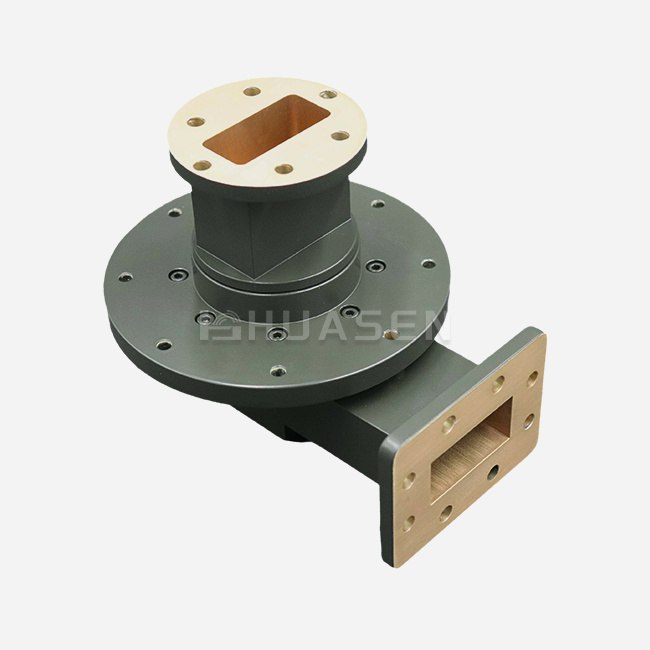
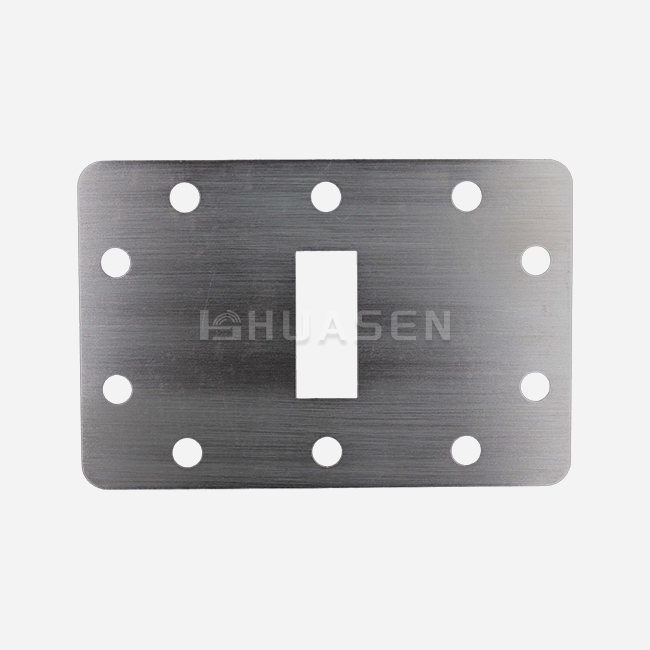
Successful Waveguide Probe Coupler integration requires careful attention to mechanical interface specifications that ensure proper mating with existing waveguide infrastructure. Standard waveguide flanges conforming to established industry specifications facilitate straightforward installation and guarantee proper electrical contact between mating surfaces. Multiple flange types including cover flanges, grooved flanges, and choke flanges accommodate different mechanical configurations and environmental sealing requirements. The selection of appropriate flange types ensures compatibility with major test equipment brands and existing system components, minimizing installation complexity and reducing the risk of mechanical or electrical interface problems.
Installation procedures typically involve aligning the coupler's waveguide ports with mating components, securing flange fasteners to specified torque values, and verifying proper gasket seating when environmental sealing is required. The compact design of Waveguide Probe Coupler products simplifies installation in space-constrained locations where access limitations might complicate traditional coupling device deployment. Detailed installation guides provided with quality couplers offer step-by-step procedures, torque specifications, and troubleshooting guidance that enable successful integration even for personnel with limited waveguide system experience. Expert technical support remains available to assist with custom installation scenarios or unusual system configurations that may require specialized mounting solutions.
Output Connection and Signal Routing
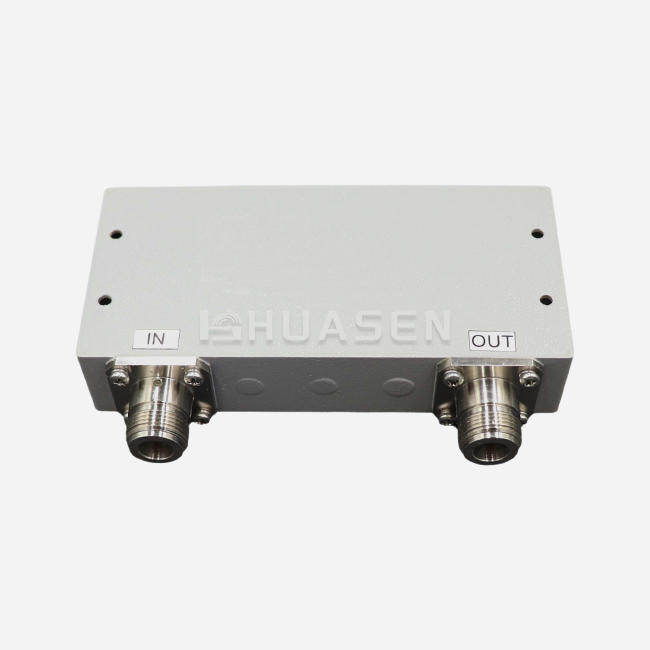
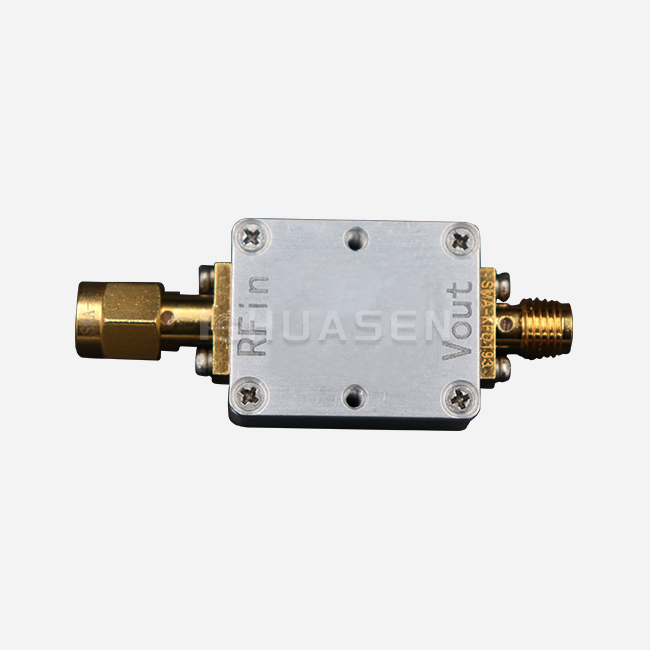
The coupled output port of a Waveguide Probe Coupler typically terminates in a precision coaxial connector that enables connection to measurement instruments, monitoring equipment, or signal processing systems. Common connector types include SMA, Type-N, and specialty precision connectors selected based on frequency range, power handling requirements, and measurement accuracy needs. The transition from waveguide mode propagation within the main transmission path to coaxial TEM mode at the coupled port requires careful design to minimize reflections and maintain broadband performance. High-quality couplers incorporate optimized probe geometries and impedance matching networks that achieve smooth transitions with minimal insertion loss and excellent return loss characteristics.
Cable selection for connecting the coupled output to downstream equipment influences overall measurement accuracy and system performance. Low-loss coaxial cables with stable electrical characteristics across temperature variations and mechanical flexing ensure that coupled signals reach measurement equipment with minimal degradation. Phase-stable cable assemblies prove essential for applications requiring precise phase measurements or coherent signal processing. Proper cable routing practices that avoid sharp bends, maintain appropriate separation from interference sources, and provide adequate strain relief protect signal integrity and extend system service life. System designers must account for cable losses when calibrating measurement chains to ensure accurate power level readings and maintain measurement traceability to national standards.

Conclusion
Waveguide Probe Coupler technology delivers unmatched versatility, precision, and reliability for RF signal monitoring across telecommunications, aerospace, defense, and research applications. The combination of compact design, adjustable coupling ratios, broad frequency coverage, and exceptional manufacturing quality makes these devices indispensable tools for modern microwave system engineers.
Cooperate with Huasen Microwave Technology Co., Ltd.
Partner with Huasen Microwave Technology Co., Ltd., your trusted China Waveguide Probe Coupler manufacturer, China Waveguide Probe Coupler supplier, and China Waveguide Probe Coupler factory. Since nineteen ninety-three, we've delivered High Quality Waveguide Probe Coupler solutions with competitive Waveguide Probe Coupler price points and extensive Waveguide Probe Coupler for sale inventory through our China Waveguide Probe Coupler wholesale programs. Our three-thousand-square-meter facility houses advanced CNC machining centers, precision measurement equipment including vector network analyzers and anechoic chambers, plus ISO-certified manufacturing processes ensuring every coupler meets stringent performance specifications. With over forty specialized waveguide fitters, comprehensive testing capabilities covering frequencies from eight hundred megahertz to two hundred twenty gigahertz, and customization services supporting unique project requirements, we transform complex RF challenges into reliable solutions. Contact our engineering team at sales@huasenmicrowave.com today to discuss your Waveguide Probe Coupler requirements and discover how our thirty years of microwave expertise accelerates your project success. Save this page for quick reference whenever waveguide monitoring challenges arise!
References
1. Pozar, David M. "Microwave Engineering, Fourth Edition." John Wiley & Sons, Inc., 2012.
2. Collin, Robert E. "Foundations for Microwave Engineering, Second Edition." IEEE Press, 2001.
3. Balanis, Constantine A. "Advanced Engineering Electromagnetics." John Wiley & Sons, Inc., 1989.
4. Rizzi, Peter A. "Microwave Engineering: Passive Circuits." Prentice Hall International, 1988.
5. Matthaei, George L., Leo Young, and E.M.T. Jones. "Microwave Filters, Impedance-Matching Networks, and Coupling Structures." Artech House Publishers, 1980.
Send Inquiry