
Benefits of Ultra Wideband Omnidirectional Antenna in IoT






2026-02-02 22:03:35
Picture this scenario: your IoT network drops critical sensor data packets during peak operations, your smart factory floor experiences blind spots in device connectivity, or your asset tracking system cannot pinpoint equipment locations with precision. These challenges plague countless IoT deployments daily, costing businesses time, money, and operational efficiency. The Ultra Wideband Omnidirectional Antenna emerges as the solution to these persistent connectivity pain points, offering comprehensive coverage, minimal latency, and exceptional positioning accuracy that transforms how IoT ecosystems communicate and perform across industrial, commercial, and smart city applications.
Understanding Ultra Wideband Omnidirectional Antenna Technology in IoT Environments
The Internet of Things has revolutionized modern connectivity by linking billions of devices across diverse applications ranging from smart manufacturing to healthcare monitoring. At the core of reliable IoT communication lies the antenna technology that enables seamless data transmission and reception. Ultra Wideband Omnidirectional Antenna technology represents a fundamental advancement in wireless communication infrastructure, specifically engineered to address the demanding requirements of contemporary IoT networks. Unlike traditional narrowband systems that employ modulated carrier frequencies, UWB utilizes impulse-style radio transmission across an exceptionally broad spectrum, typically spanning from hundreds of megahertz to several gigahertz. This fundamental difference in transmission methodology provides IoT deployments with unprecedented bandwidth availability, enhanced security through spread spectrum characteristics, and remarkably low power consumption that extends device battery life in remote or hard-to-reach installations. The omnidirectional radiation pattern ensures 360-degree uniform coverage, eliminating the directional limitations that plague conventional antenna designs and creating comprehensive signal distribution essential for dynamic IoT environments where devices communicate from multiple orientations simultaneously.
Key Technical Advantages of UWB Technology
The technical superiority of Ultra Wideband Omnidirectional Antenna systems stems from several fundamental characteristics that directly address IoT operational challenges. The extraordinarily wide bandwidth allocation exceeding 500 MHz enables high data rate transmissions while maintaining minimal interference with other wireless systems operating in nearby frequency ranges. This spectrum efficiency allows a single Ultra Wideband Omnidirectional Antenna to replace multiple narrowband antennas, reducing system complexity, minimizing multi-antenna interference, and conserving valuable installation space in compact IoT devices. The technology's inherent resistance to multipath fading proves particularly valuable in industrial environments where signal reflections from metal structures, machinery, and building materials typically degrade wireless performance. Time-of-flight measurement capabilities enable centimeter-level positioning accuracy, transforming asset tracking, indoor navigation, and proximity-based automation applications. Power consumption characteristics remain remarkably low compared to alternative wireless technologies, with typical UWB transceivers operating at power levels that enable years of autonomous operation from compact battery sources, making Ultra Wideband Omnidirectional Antenna ideal for distributed sensor networks, environmental monitoring stations, and agricultural IoT deployments where power infrastructure access remains limited or nonexistent.

Omnidirectional Radiation Patterns and Coverage Benefits
The omnidirectional radiation characteristic distinguishes Ultra Wideband Omnidirectional Antenna from directional alternatives by providing uniform signal distribution across all horizontal planes. This radiation pattern ensures consistent connectivity regardless of device orientation, a critical requirement for mobile IoT applications, wearable devices, and automated guided vehicles that constantly change position and orientation during operation. In warehouse environments, Ultra Wideband Omnidirectional Antenna systems maintain reliable communication with inventory tracking tags as they move throughout the facility on forklifts, conveyor systems, or robotic transporters. The horizontal omnidirectional coverage pattern delivers 360-degree uniform signal strength, eliminating dead zones and coverage gaps that interrupt data transmission and compromise system reliability. This comprehensive coverage capability proves essential for smart building applications where IoT sensors, climate control systems, occupancy detectors, and security devices must maintain continuous communication regardless of their physical location or orientation within the structure. Manufacturing facilities benefit from omnidirectional coverage by ensuring machine-to-machine communication remains stable as production equipment operates, vibrates, or undergoes positional adjustments during manufacturing processes. The stable vertical polarization characteristics enhance signal reception consistency, reducing packet loss and retransmission overhead that otherwise consumes network bandwidth and increases latency in time-sensitive industrial IoT applications requiring real-time responsiveness.
Enhanced Performance Metrics for Industrial IoT Applications
Industrial IoT deployments impose stringent performance requirements that conventional wireless technologies struggle to meet consistently. Ultra Wideband Omnidirectional Antenna systems deliver measurable improvements across critical performance parameters that directly impact operational efficiency, system reliability, and return on investment. The sub-10 centimeter positioning accuracy achievable with UWB technology enables precision applications previously impossible with GPS, WiFi, or Bluetooth-based positioning systems. In automotive manufacturing, Ultra Wideband Omnidirectional Antenna facilitates accurate alignment of robotic assembly systems, ensuring component placement tolerances meet exacting specifications. Latency measurements below one millisecond support real-time control applications, safety systems, and collision avoidance mechanisms in autonomous vehicle communications, industrial robotics coordination, and emergency response protocols. The high efficiency and low VSWR (Voltage Standing Wave Ratio) characteristics ranging from -20dB to 6dB ensure maximum power transfer between transceivers and antennas, minimizing wasted energy and extending operational range. These performance advantages translate directly into tangible business benefits including reduced maintenance costs, improved operational uptime, enhanced worker safety, and increased production throughput across manufacturing, logistics, healthcare, and smart city infrastructure deployments utilizing Ultra Wideband Omnidirectional Antenna technology.
Robust Design for Challenging Environmental Conditions
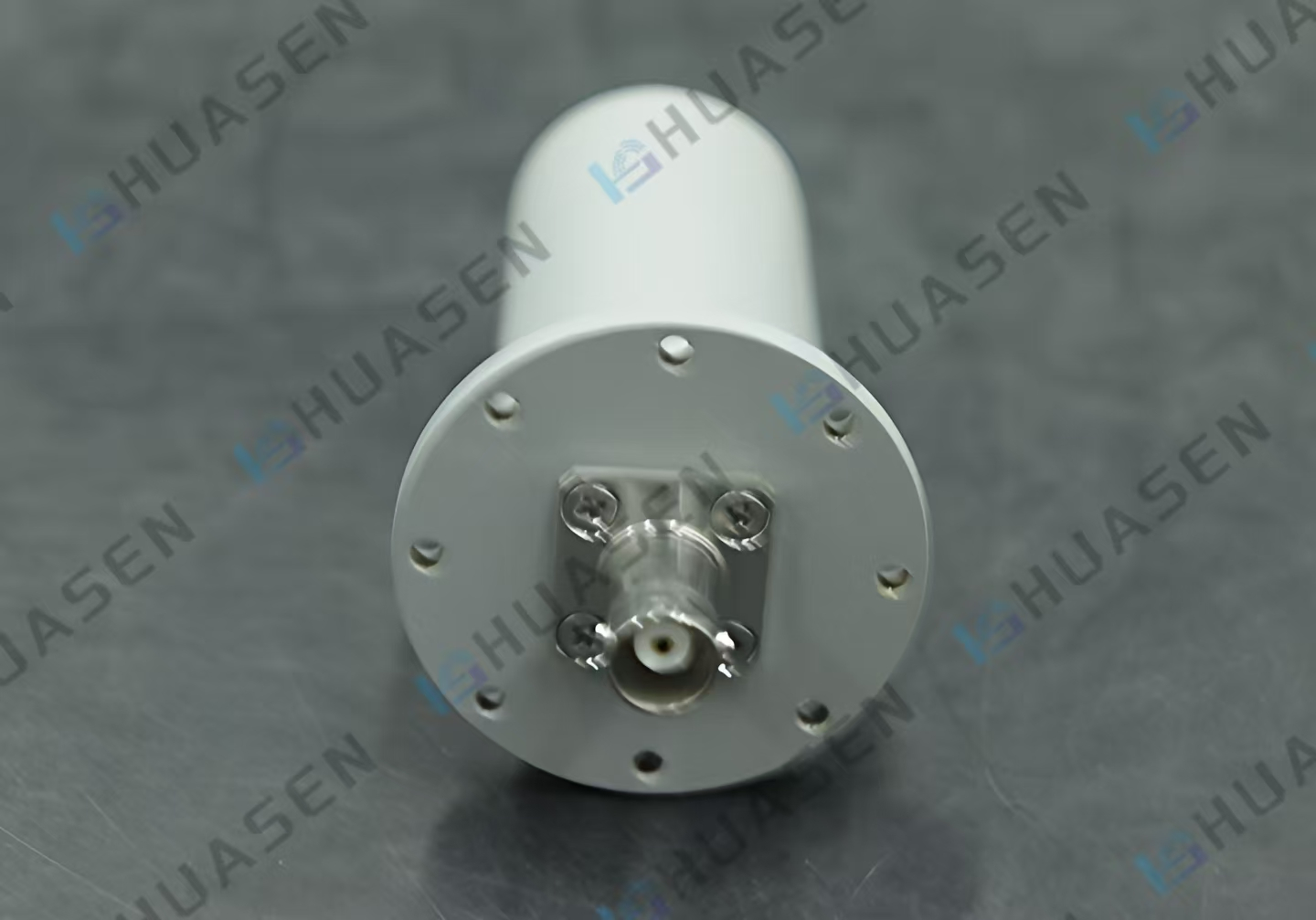
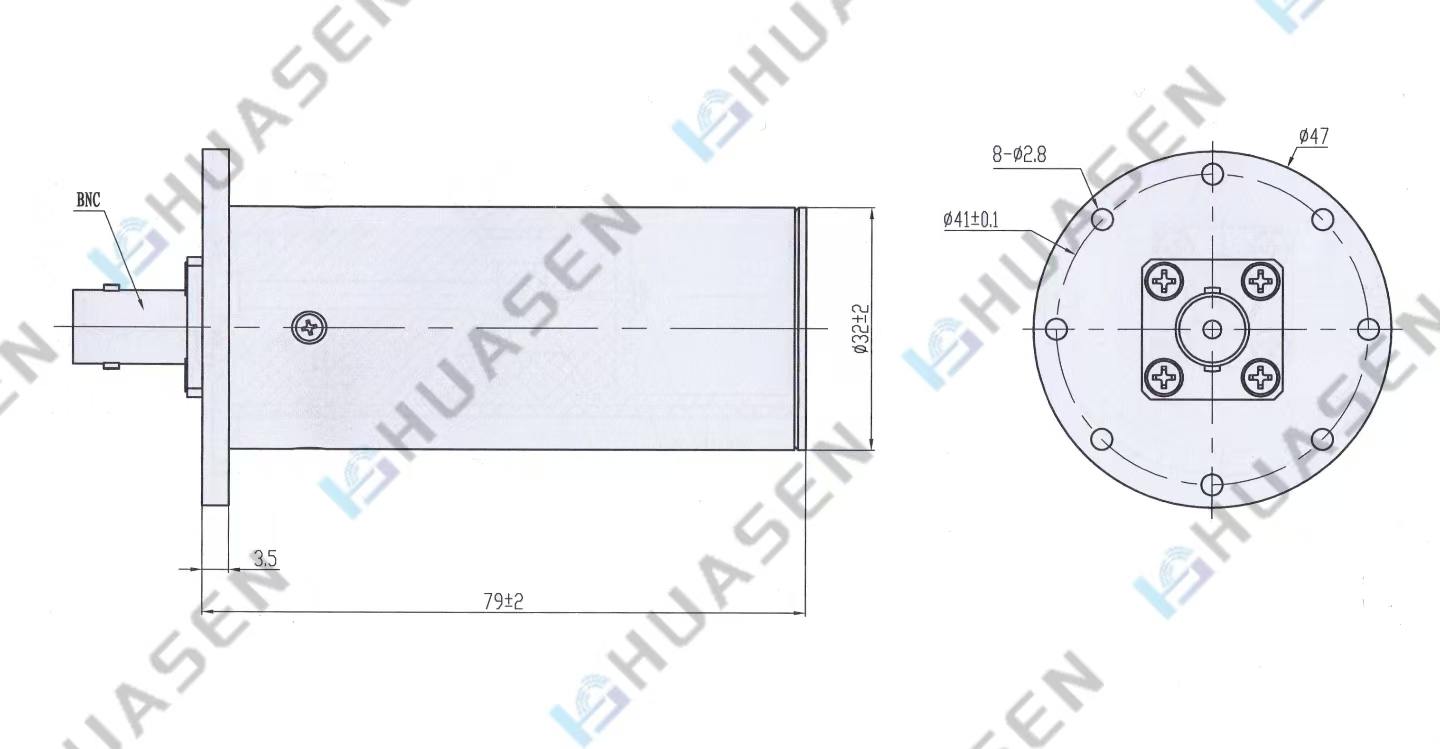
Industrial and outdoor IoT applications subject antenna systems to environmental stresses that quickly degrade performance or cause complete failure in inadequately designed equipment. Ultra Wideband Omnidirectional Antenna systems engineered for demanding applications incorporate robust construction methodologies and material selections that ensure reliable operation across extreme temperature ranges, humidity variations, mechanical vibration, and physical shock. Temperature tolerance from -40°C to +125°C accommodates installations in arctic monitoring stations, desert solar farms, automotive engine compartments, and industrial furnace proximity locations where conventional electronics fail. Vibration resistance proves essential for transportation applications including vehicle-to-vehicle communication systems, railway monitoring, drone communications, and heavy machinery telemetry where constant mechanical stress tests component durability. Lightweight construction utilizing copper and aluminum materials ranging from 0.225kg to 5.4kg facilitates easy installation and reduces structural load requirements, particularly important for building-mounted installations, temporary deployments, and weight-sensitive applications. The compact physical dimensions, with minimum sizes of φ23×399mm, enable integration into space-constrained environments including embedded automotive modules, handheld devices, and dense sensor array configurations. Special structural designs incorporating conical, umbrella cone, cage, or whip configurations optimize radiation patterns while maintaining mechanical stability and environmental resilience essential for long-term outdoor deployment.
Interference Mitigation and Signal Quality
The dense RF environment surrounding modern IoT deployments presents significant interference challenges as multiple wireless technologies compete for spectrum resources. Ultra Wideband Omnidirectional Antenna technology incorporates advanced interference mitigation capabilities that maintain signal quality despite the presence of WiFi networks, Bluetooth devices, cellular communications, and other UWB systems operating simultaneously. The spread spectrum nature of UWB transmission distributes signal energy across the entire operational bandwidth, reducing susceptibility to narrowband interference sources that would overwhelm conventional wireless systems. This interference resilience proves particularly valuable in urban smart city deployments where countless wireless devices create complex electromagnetic environments. The technology's ability to operate in the presence of other signals without causing harmful interference to existing services enables spectrum sharing that maximizes available frequency resources. Standard 50Ω impedance matching ensures seamless integration with existing RF infrastructure, minimizing insertion loss and reflection coefficients that degrade signal quality. Multiple connector options including N-type, SMA, and K-type standards provide versatile installation flexibility compatible with diverse equipment manufacturers and system architectures. The high dynamic range and low noise characteristics of quality Ultra Wideband Omnidirectional Antenna systems preserve weak signal integrity in challenging propagation environments, extending effective communication range and improving link reliability in applications ranging from underground mining operations to multi-story building penetration scenarios.
Comprehensive IoT Application Domains
The versatility of Ultra Wideband Omnidirectional Antenna technology enables deployment across an extraordinarily diverse range of IoT application domains, each benefiting from the unique performance characteristics this technology provides. In smart agriculture, UWB-enabled sensors monitor soil moisture, environmental conditions, and livestock location across vast farming operations where traditional wireless technologies cannot maintain reliable coverage. The low power consumption extends battery life for remote sensors installed in fields, vineyards, and pastures where power infrastructure access remains impractical. Healthcare applications leverage Ultra Wideband Omnidirectional Antenna for patient monitoring, asset tracking within hospital facilities, and wearable medical devices that require continuous connectivity without compromising patient mobility. The centimeter-level positioning accuracy enables precise location tracking of critical medical equipment, pharmaceuticals requiring temperature control, and personnel during emergency situations. Smart building management systems utilize UWB technology for occupancy sensing, climate control optimization, security monitoring, and energy management, with omnidirectional antennas ensuring comprehensive coverage throughout complex architectural layouts. Industrial automation benefits from reliable machine-to-machine communication, predictive maintenance monitoring, and safety system integration that UWB technology enables through its combination of high data rates, low latency, and positioning capabilities.
Automotive and V2X Communication Systems
The automotive industry represents one of the most demanding and rapidly evolving application domains for Ultra Wideband Omnidirectional Antenna technology. Advanced Driver Assistance Systems (ADAS) rely on UWB for precise vehicle positioning, collision avoidance, and automated parking applications where positioning accuracy directly impacts safety and functionality. Vehicle-to-everything (V2X) communication protocols incorporate UWB to enable secure, low-latency communication between vehicles, infrastructure, pedestrians, and network systems that coordinate traffic flow, prevent accidents, and optimize transportation efficiency. Keyless entry systems increasingly utilize UWB technology to prevent relay attacks that compromise conventional radio frequency identification systems, with precise distance measurement capabilities ensuring that vehicle access only occurs when the authorized key fob resides within the predetermined proximity threshold. The automotive electromagnetic environment presents exceptional challenges including engine ignition noise, electronic control module emissions, and external radio frequency interference from surrounding vehicles and infrastructure. Ultra Wideband Omnidirectional Antenna systems designed for automotive applications incorporate specialized shielding, filtering, and robust construction that maintains performance despite these interference sources. The ability to withstand automotive temperature extremes, vibration from road surfaces, and mechanical shock from collisions or rough terrain ensures long-term reliability throughout vehicle operational life. Integration with existing automotive electronic architectures requires compatibility with major OEM platforms and Tier 1 supplier specifications, necessitating comprehensive testing and validation procedures that verify performance under real-world operating conditions.
Telecommunications and 5G Network Infrastructure
The convergence of Ultra Wideband Omnidirectional Antenna technology with 5G telecommunications infrastructure creates powerful synergies that enhance network capacity, reduce latency, and enable innovative services previously impossible with legacy technologies. The exceptionally wide bandwidth characteristics of UWB complement 5G's millimeter-wave spectrum allocations, providing backhaul connectivity, small cell distribution, and IoT device integration within unified network architectures. Distributed antenna systems (DAS) deployed throughout buildings, stadiums, and urban environments utilize omnidirectional UWB antennas to provide comprehensive coverage that eliminates dead zones and ensures consistent connectivity for massive IoT device populations. The low latency inherent to UWB transmission aligns perfectly with 5G's ultra-reliable low-latency communication requirements for applications including industrial automation, augmented reality, remote surgery, and autonomous vehicle coordination. Network densification strategies required to achieve 5G coverage and capacity targets benefit from the compact form factors and multi-band operation capabilities of modern Ultra Wideband Omnidirectional Antenna designs that support legacy 4G, current 5G, and future 6G frequencies within a single hardware platform. Indoor positioning services enabled by UWB technology enhance 5G applications including retail analytics, warehouse logistics, emergency responder location, and personalized marketing that require room-level or sub-room-level positioning accuracy unattainable through cellular triangulation or GPS signals.
Quality Assurance and Manufacturing Excellence
The performance reliability demanded by mission-critical IoT applications requires stringent quality control throughout the entire Ultra Wideband Omnidirectional Antenna manufacturing process. Precision CNC machining ensures dimensional accuracy that directly impacts electrical performance parameters including resonant frequency, impedance matching, and radiation pattern characteristics. Advanced assembly processes incorporating silver brazing, aluminum brazing, vacuum furnace techniques, TIG welding, and specialized waveguide fabrication methods maintain the tight tolerances essential for microwave and millimeter-wave operation. Each Ultra Wideband Omnidirectional Antenna undergoes comprehensive performance verification utilizing vector network analyzers, spectrum analyzers, anechoic chamber measurements, and environmental stress testing that validates operation across the specified temperature range, vibration resistance, and humidity exposure. Quality management systems certified to ISO9001 standards ensure consistent manufacturing processes, material traceability, and continuous improvement methodologies that maintain product reliability over extended production runs. Environmental compliance with RoHS and REACH directives guarantees that materials and processes meet international safety and sustainability requirements, protecting both end users and manufacturing personnel from hazardous substance exposure. The rigorous testing protocols employed during production include VSWR measurements, radiation pattern verification, gain characterization, and impedance analysis across the entire operational frequency range, ensuring that every deployed Ultra Wideband Omnidirectional Antenna meets or exceeds published specifications.
Advanced Testing Facilities and Capabilities
Comprehensive antenna testing requires specialized facilities and instrumentation capable of accurately measuring performance across wide frequency ranges under controlled conditions. Microwave anechoic chambers eliminate environmental reflections that would otherwise corrupt measurement accuracy, providing electromagnetically isolated environments where antenna characteristics can be precisely quantified. Far-field measurement systems utilizing two-dimensional turntables enable complete radiation pattern characterization across azimuth and elevation planes, revealing null locations, side lobe levels, and cross-polarization characteristics essential for system integration planning. Near-field scanning systems capture detailed electromagnetic field distributions at close range, then mathematically transform these measurements into equivalent far-field patterns, proving particularly valuable for large antenna structures where far-field distances become impractical within chamber dimensions. Planar, cylindrical, and spherical near-field measurement techniques accommodate various antenna geometries and application requirements. Outdoor test ranges extending to distances of 2000 meters, 300 meters, and 60 meters provide realistic propagation environment characterization, validating performance under actual deployment conditions including atmospheric effects, ground reflections, and interference from environmental sources. Advanced instrumentation including 110GHz vector network analyzers, 320GHz spectrum analyzers, and precision signal generators enable characterization of millimeter-wave Ultra Wideband Omnidirectional Antenna designs targeting emerging applications in automotive radar, 5G millimeter-wave communications, and satellite systems. The measurement dynamic range exceeding 50dB ensures accurate characterization of both high-gain main lobes and low-level side lobes that impact interference and electromagnetic compatibility.
Conclusion
Ultra Wideband Omnidirectional Antenna technology delivers transformative benefits for IoT applications through comprehensive coverage, precision positioning, low power consumption, and robust environmental performance that conventional wireless technologies cannot match.
Cooperate with Huasen Microwave Technology Co., Ltd.
Huasen Microwave Technology Co., Ltd., founded in 1993, stands as a premier China Ultra Wideband Omnidirectional Antenna manufacturer with over 30 years of specialized expertise in high-frequency microwave and millimeter-wave component development. As a leading China Ultra Wideband Omnidirectional Antenna supplier, the company operates a comprehensive 3,000-square-meter R&D and production center equipped with advanced CNC machining, EDM capabilities, and specialized waveguide processing techniques. Our China Ultra Wideband Omnidirectional Antenna factory maintains ISO9001 certification, Environmental Management System compliance, and holds National High-Tech Enterprise status, ensuring High Quality Ultra Wideband Omnidirectional Antenna production adhering to international standards. The extensive product portfolio includes waveguide components, millimeter-wave antennas, coaxial devices, and active products widely deployed in telecommunications, radar, aerospace, defense, satellite communications, drone systems, automotive electronics, and 5G networks. With competitive Ultra Wideband Omnidirectional Antenna price structures and flexible China Ultra Wideband Omnidirectional Antenna wholesale programs, Huasen provides customizable solutions backed by rigorous testing across three microwave anechoic chambers and over 60 advanced testing instruments. Our Ultra Wideband Omnidirectional Antenna for sale includes one-year warranty coverage and dedicated technical support. Contact our experienced team at sales@huasenmicrowave.com to discuss your specific requirements and discover how our precision-engineered antenna solutions can optimize your IoT deployment performance. Save this page and return whenever you need expert guidance on selecting the optimal antenna configuration for your application.
References
1. Kumar, A., Sharma, V., "Flexible Ultra-Wideband Antenna Design for Wearable IoT Applications," MDPI Micromachines, Department of Electronics Engineering
2. Rahman, M., Park, J., "Ultra-Wideband Microstrip Antenna for 5G and Internet of Things Integration," Scientific Reports, Nature Publishing Group
3. Chen, L., Wang, H., "Four-Port Flexible UWB-MIMO Antenna for Wearable Devices," IEEE Antennas and Propagation Society
4. Deslandes, D., Rahmani, M., "Advanced UWB Antenna Design Considerations for IoT Systems," IEEE 802.15 Standards Association
5. Martinez, R., Thompson, S., "Multifunctional Antenna Architectures for IoT Ecosystem Development," MDPI Electronics, Wireless Communications Research Group
Send Inquiry

Related Industry Knowledge
- What Are the Application Scenarios of Circular Waveguide to Coaxial Adapters in Satellite Communication Systems?
- What Is a Dual Polarized Yagi Antenna?
- What Affects Crossguide Couplers’ Phase Stability? Factors to Control in System Design
- What are the types and application scenarios of waveguide rotary joints?
