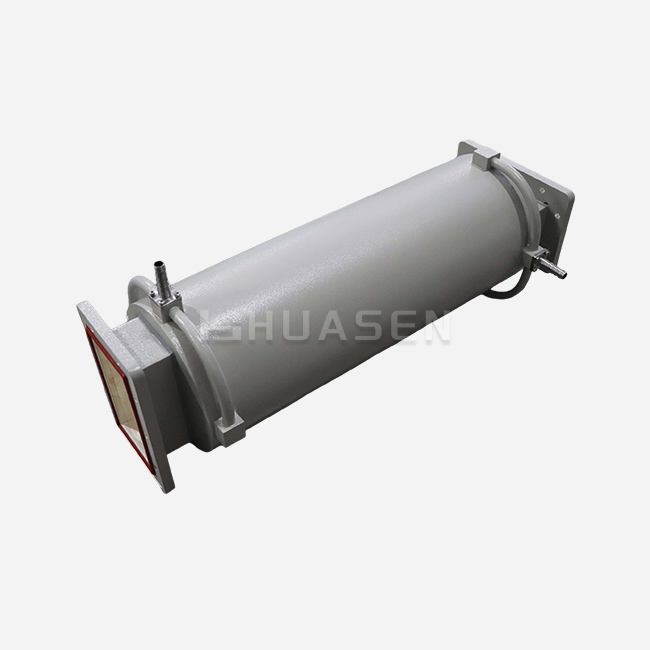
Active Detector vs Passive Detector: Sensitivity and Range Comparison






2026-02-04 21:48:44
When selecting detection systems for telecommunications, radar, or security applications, engineers face a critical dilemma that can compromise system performance and increase operational costs. The choice between active detector and passive detector technology directly impacts sensitivity levels, detection range capabilities, and overall system reliability. Understanding these fundamental differences enables professionals to optimize their RF and microwave detection solutions, ensuring accurate signal monitoring across diverse frequency ranges while minimizing false alarms and maintaining operational efficiency in demanding environments.
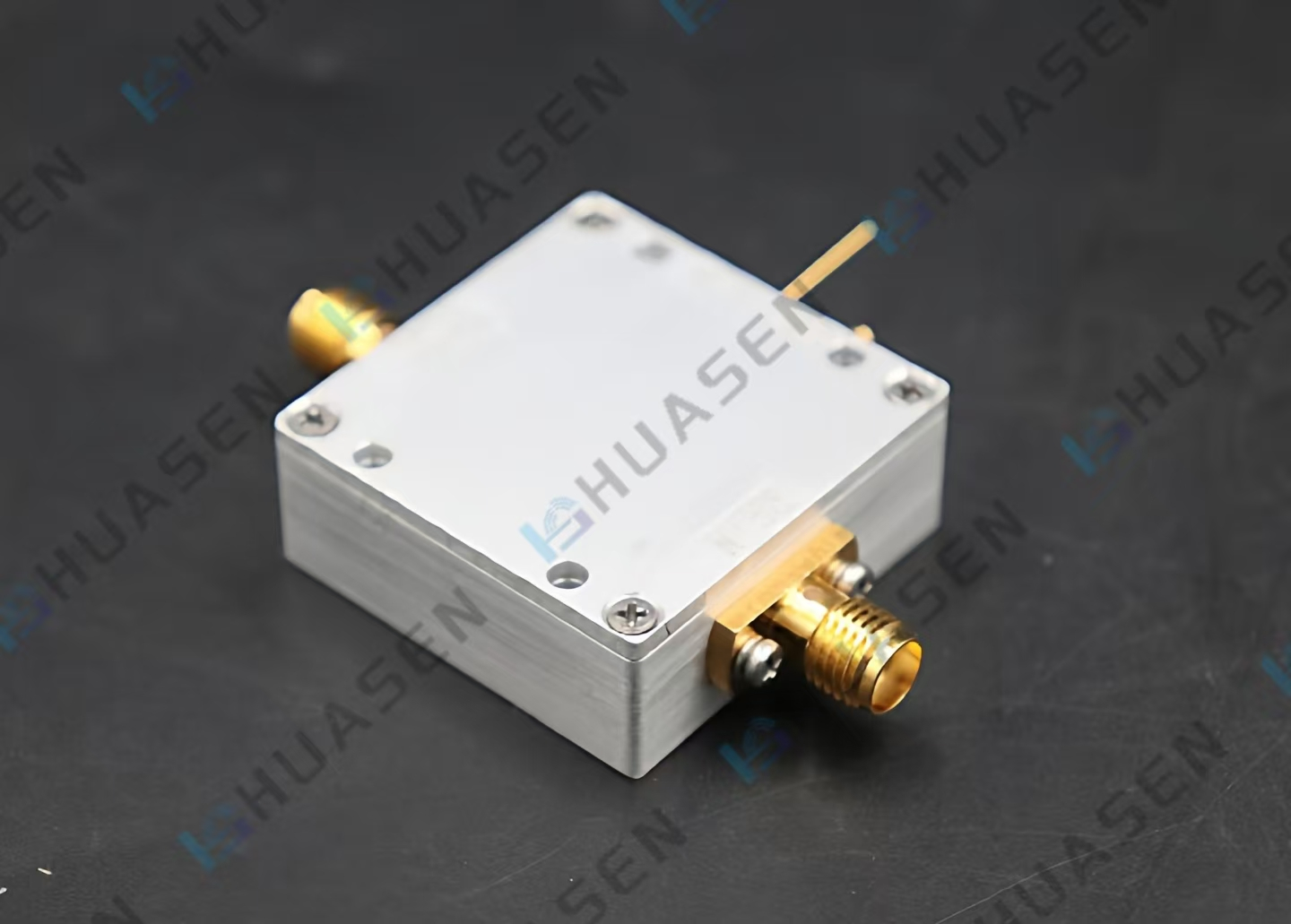
Understanding Active Detector Technology and Operational Principles
Active detector systems represent a sophisticated approach to signal detection by emitting their own energy source and measuring reflected or returned signals. These devices function by transmitting electromagnetic radiation, typically in the microwave or millimeter-wave spectrum, and analyzing the characteristics of signals that bounce back from target objects or environments. The fundamental advantage of this technology lies in its ability to generate consistent, controllable detection parameters regardless of ambient conditions or environmental variations.
The operational mechanism of an active detector involves precision-engineered components including transmitters, receivers, and signal processing units. Modern active detector implementations utilize advanced microwave integrated chip technology to achieve superior anti-interference capabilities and precise signal envelope demodulation. These systems excel in applications requiring long-range detection, typically extending beyond fifty meters in optimal conditions, making them ideal for perimeter security, aerospace communications, and radar systems where extended coverage is essential. The controlled emission of signals allows for accurate distance measurements and target tracking, providing quantifiable data about object position, velocity, and characteristics.
One significant characteristic of active detector technology is its independence from external energy sources for detection purposes. While these systems require electrical power for operation, they do not rely on environmental radiation or heat signatures from targets. This independence ensures consistent performance across varying temperature conditions and lighting scenarios, from daylight operations to complete darkness. Furthermore, active detectors demonstrate exceptional precision in measuring specific parameters such as power levels, with modern units achieving accuracy better than ±1 dB at key frequencies across their operational range.
Passive Detector Fundamentals and Detection Mechanisms
Passive detector systems operate on an entirely different principle, relying exclusively on naturally emitted or reflected radiation from objects within their detection field. These devices do not transmit any energy; instead, they function as sensitive receivers that detect infrared radiation, heat signatures, or other electromagnetic emissions produced by targets or environmental changes. This fundamental distinction results in dramatically different performance characteristics, particularly regarding power consumption, detection methodology, and operational limitations.
The core advantage of passive detector technology resides in its minimal power requirements and simplified system architecture. By eliminating the need for active transmission components, passive detectors achieve exceptional energy efficiency, often consuming less than a fraction of the power required by comparable active systems. This characteristic makes them particularly suitable for battery-powered applications, solar-powered installations, and scenarios where long-term autonomous operation without maintenance is paramount. Passive infrared sensors, for example, can operate continuously for extended periods on minimal power supplies while maintaining reliable detection capabilities.
Detection sensitivity in passive detector systems depends heavily on thermal contrast and environmental conditions. These devices excel at identifying warm-blooded creatures or objects with significant temperature differentials compared to background environments. The typical detection range for passive detectors extends from ten to twenty meters for human detection applications, considerably shorter than active detector capabilities. This range limitation stems from the gradual attenuation of infrared radiation over distance and the decreasing signal-to-noise ratio as targets move farther from the sensor. Environmental factors including ambient temperature fluctuations, weather conditions, and the presence of heat sources can significantly impact detection reliability and sensitivity thresholds.
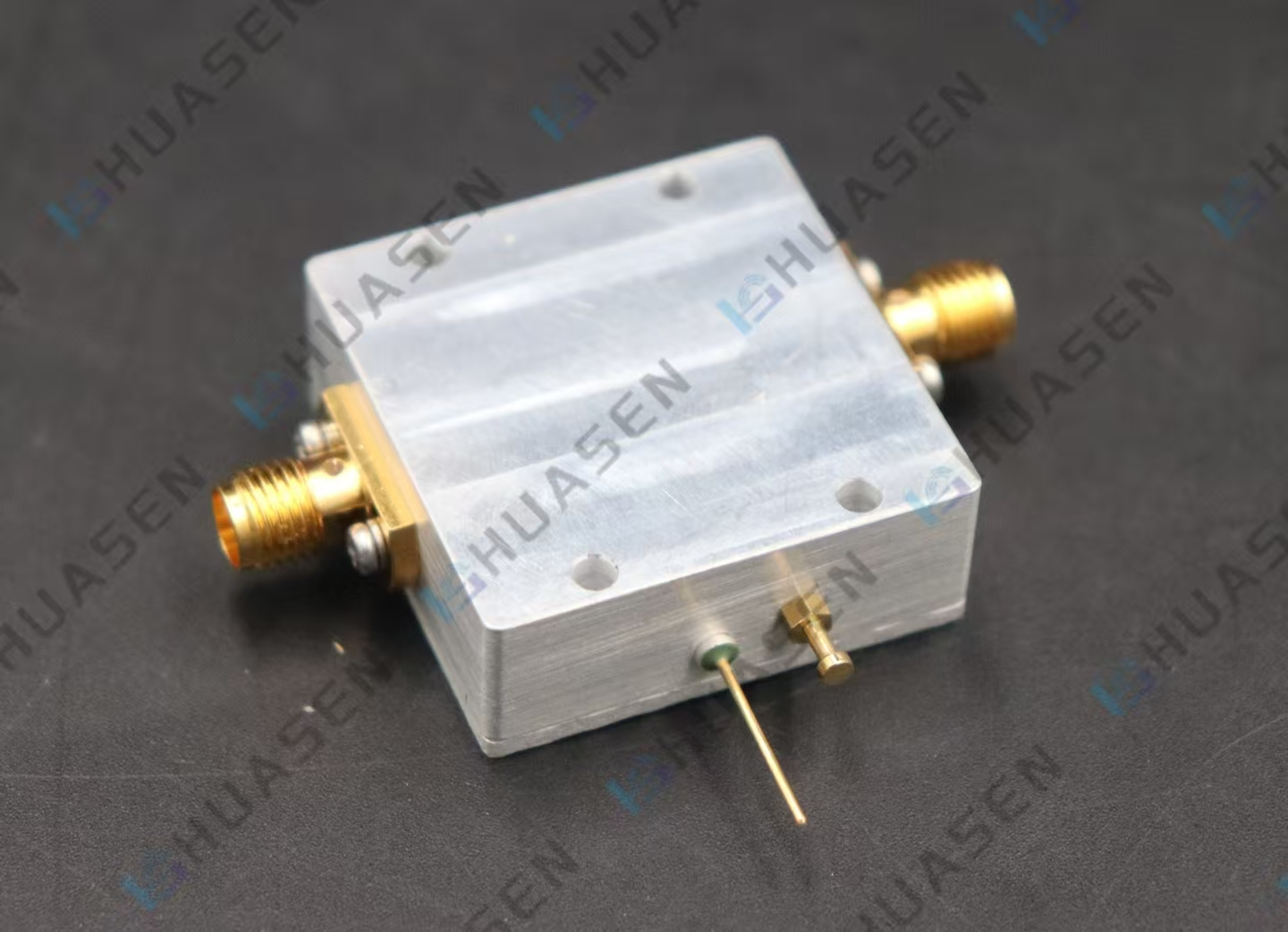
Sensitivity Comparison Across Frequency Ranges and Applications
Sensitivity represents a critical performance parameter when evaluating detection systems, particularly in telecommunications and radar applications where signal accuracy directly influences system effectiveness. Active detector technology demonstrates superior sensitivity characteristics across extended frequency ranges, with contemporary systems operating effectively from 0.01 to 44 GHz. This broad frequency coverage enables active detectors to accommodate multiple operational scenarios, from L-band applications through millimeter-wave frequencies in the Ka-band and W-band spectrum. The dynamic range of high-performance active detectors typically spans from -60 to 0 dBm, supporting precise demodulation and continuous power monitoring across diverse signal strengths.
The sensitivity advantage of active detector systems becomes particularly evident in environments with high interference levels or complex signal conditions. Advanced units incorporate sophisticated filtering algorithms and signal processing capabilities that distinguish legitimate targets from background noise, environmental clutter, or intentional jamming attempts. Temperature stability further enhances sensitivity performance, with premium active detectors maintaining accuracy within ±0.5 dB across extreme temperature ranges from -40°C to 85°C. This thermal stability ensures consistent detection performance in aerospace applications, outdoor installations, and industrial environments subject to significant temperature variations.
Passive detector sensitivity limitations primarily manifest in scenarios involving small temperature differentials or rapidly changing thermal environments. These systems struggle to detect stationary objects that have equilibrated to ambient temperature, regardless of their proximity to the sensor. Additionally, passive detectors demonstrate increased false alarm rates when environmental conditions create thermal gradients that mimic target signatures, such as sunlight patterns, heating system activation, or small animal movement. While manufacturers implement various techniques to mitigate these challenges, including threshold adjustments and zone focusing, fundamental physics constraints limit passive detector sensitivity compared to active systems in precision measurement applications requiring quantitative signal analysis.
Detection Range Analysis and Coverage Capabilities
Detection range constitutes a paramount consideration in system design, directly affecting coverage area, deployment costs, and overall operational effectiveness. Active detector systems consistently outperform passive alternatives in range capabilities, achieving detection distances that exceed one hundred meters in optimized configurations. Perimeter security applications utilizing active infrared barrier systems can establish protective zones spanning several hundred meters between transmitter and receiver units, providing comprehensive coverage for critical infrastructure, transportation facilities, and defense installations. This extended range capability reduces the number of detection units required for comprehensive site coverage, potentially lowering installation and maintenance costs despite higher individual unit expenses.
The superior range performance of active detector technology derives from controlled signal emission and sensitive receiver design. By generating known signal characteristics at specific power levels and frequencies, active systems can calculate precise distances based on signal travel time and attenuation patterns. This capability enables applications beyond simple presence detection, including velocity measurement, trajectory prediction, and object classification. Radar systems exploiting active detector principles achieve detection ranges measured in kilometers, tracking aircraft, vessels, and weather phenomena with exceptional accuracy. The fast response time of modern active detectors, typically around 8 nanoseconds for rise and fall transitions, facilitates burst RF pulse detection and rapid target acquisition essential for defense applications.
Passive detector range limitations reflect fundamental constraints in infrared radiation propagation and detection physics. Standard passive infrared sensors achieve maximum effective ranges of approximately thirty feet for human detection, with sensitivity declining significantly beyond fifteen meters. Environmental factors substantially influence passive detector effective range, including atmospheric conditions, background thermal noise, and target thermal signature strength. Outdoor installations face additional challenges from solar heating effects, wind-driven temperature variations, and precipitation that can mask or confuse target signatures. While passive detectors prove highly effective for indoor motion sensing, automatic lighting control, and close-range security applications, they cannot match the coverage capabilities of active detector systems in scenarios requiring extended surveillance zones or precise long-distance measurement.
Practical Application Selection and Performance Optimization
Selecting between active detector and passive detector technologies requires comprehensive evaluation of application requirements, environmental conditions, and performance priorities. Telecommunications infrastructure demanding continuous signal monitoring and quality assurance benefits substantially from active detector implementation, where precise power level measurement and frequency response characterization prove essential. These systems enable network operators to identify signal degradation, optimize transmission parameters, and verify system performance across multiple frequency bands. The ability to measure dynamic ranges spanning sixty decibels provides granular visibility into signal behavior under varying load conditions and propagation environments.
Defense and aerospace applications overwhelmingly favor active detector solutions due to stringent performance requirements for reliability, accuracy, and operational range. Radar target detection and tracking systems require the extended range, velocity measurement capabilities, and weather independence that active technology provides. Aerospace communication systems utilize active detectors to ensure reliable signal acquisition and maintenance across challenging propagation conditions, including atmospheric attenuation, ionospheric disturbances, and deliberate interference attempts. The rugged construction of military-grade active detectors enables operation in extreme environments, from coastal installations subjected to salt spray and humidity to high-altitude deployments experiencing temperature extremes and reduced atmospheric pressure.
Cost-sensitive applications with limited range requirements may find passive detector solutions more economical and practical. Building automation systems utilizing passive infrared sensors for occupancy detection and lighting control achieve excellent return on investment through reduced energy consumption and minimal maintenance requirements. However, professionals must carefully evaluate the total cost of ownership, considering not only initial acquisition expenses but also false alarm rates, coverage gaps requiring additional sensors, and limitations in data quality for analytical purposes. Huasen Microwave Technology Co., Ltd. manufactures high-performance active detector solutions specifically engineered for demanding telecommunications, radar, and defense applications where superior sensitivity, extended range, and exceptional reliability justify premium system investment. Their products utilize only high-grade copper and aluminum components, ensuring optimal performance and extended operational lifetimes exceeding ten years with minimal maintenance intervention.
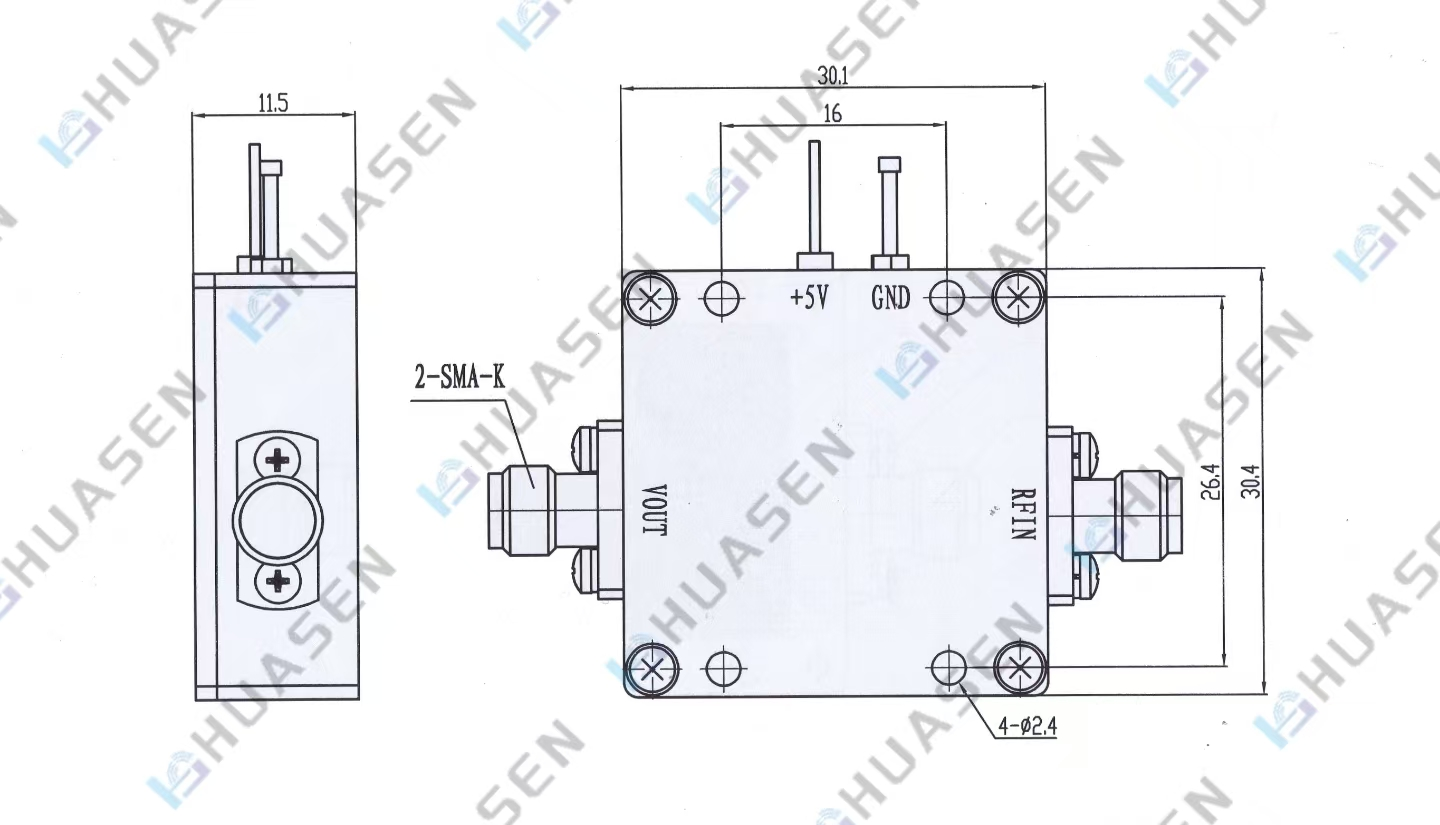
Conclusion
Selecting between active detector and passive detector technology fundamentally depends on application-specific requirements for range, sensitivity, and environmental operating conditions. Active detectors deliver superior performance in precision measurement, extended coverage, and demanding professional applications.
Cooperate with Huasen Microwave Technology Co., Ltd.
Partner with Huasen Microwave Technology Co., Ltd., a leading China Active Detector manufacturer, China Active Detector supplier, and China Active Detector factory established in 1993. Our High Quality Active Detector products, available China Active Detector wholesale and Active Detector for sale at competitive Active Detector price, serve telecommunications, radar, aerospace, and defense sectors globally. With over thirty years of expertise, ISO9001 certification, and comprehensive testing facilities including multiple microwave anechoic chambers, we deliver reliable RF and microwave solutions. Our 3,000-square-meter production facility employs over 200 skilled professionals utilizing advanced CNC machining, precision waveguide processing, and rigorous quality control. Contact us at sales@huasenmicrowave.com to discuss your active detector requirements and receive expert technical consultation tailored to your specific application needs.
References
1. Jensen, John R. "Remote Sensing of the Environment: An Earth Resource Perspective." Pearson Education, 2007.
2. Richards, Mark A. "Fundamentals of Radar Signal Processing." McGraw-Hill Professional, 2014.
3. Skolnik, Merrill I. "Introduction to Radar Systems." McGraw-Hill Education, 2001.
4. Wolfe, William L. and Zissis, George J. "The Infrared Handbook." Environmental Research Institute of Michigan, 1985.
5. Ulaby, Fawwaz T. and Long, David G. "Microwave Radar and Radiometric Remote Sensing." University of Michigan Press, 2014.
Send Inquiry