
Blog
0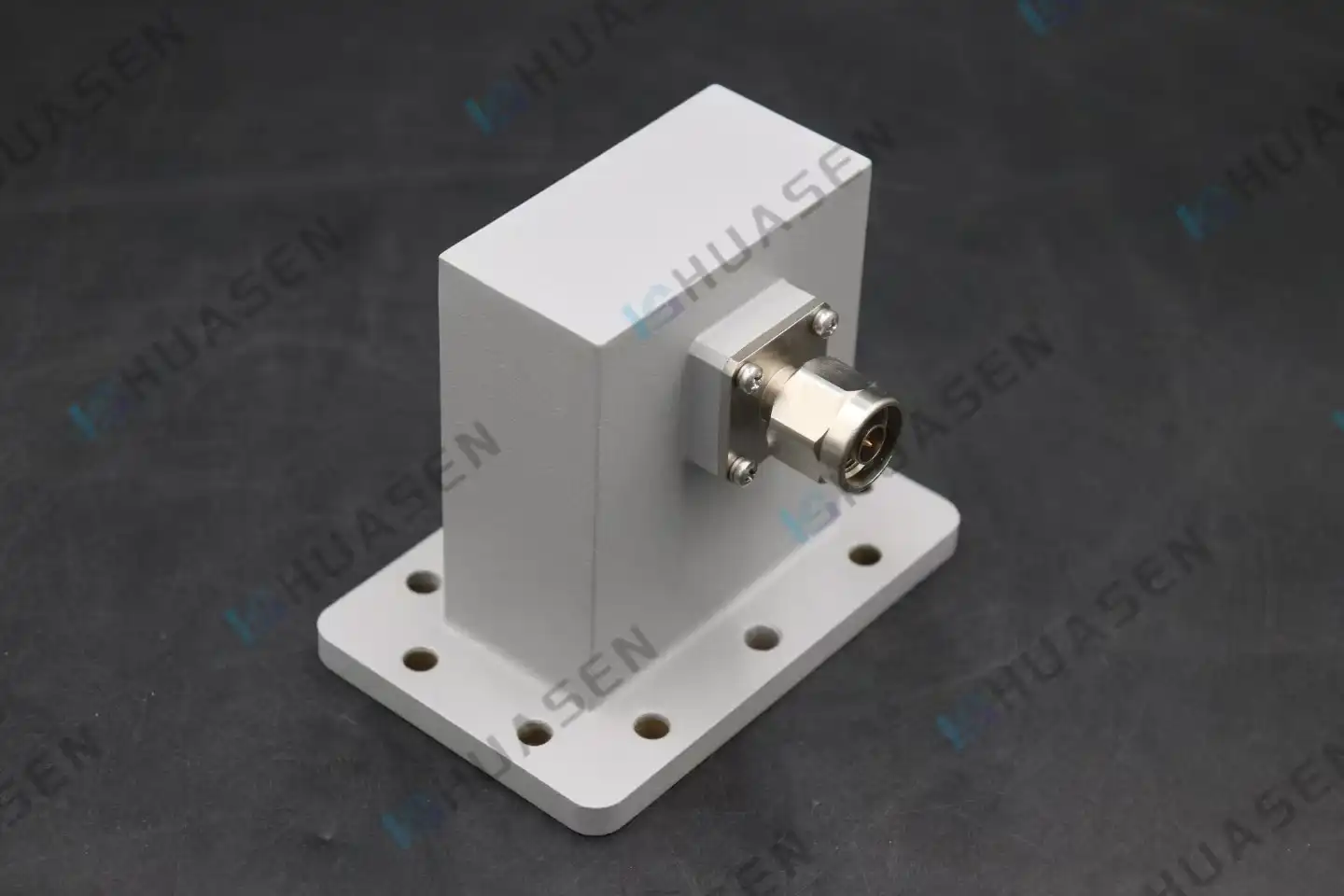
Selection Tips for Waveguide Adapters in Millimeter Wave Bands
Selecting appropriate waveguide adapters in millimeter wave systems requires careful consideration of frequency compatibility, insertion loss characteristics, and mechanical precision. These critical interface components must maintain signal integrity across 30-300 GHz bands while providing robust connections between different waveguide standards. Key selection factors include VSWR performance, power handling capabilities, environmental specifications, and connector compatibility to ensure optimal system performance in demanding applications such as 5G infrastructure and aerospace communications.VIEW MORE
Troubleshooting Waveguide Filter Issues in Industrial Microwave Equipment
When fixing waveguide filters in industrial microwave equipment, it's important to look at frequency response degradation, insertion loss increases, and signal integrity problems that often happen in high-frequency communication systems. Because these precision-engineered parts work through hollow steel structures instead of traditional lumped elements, they need special ways to diagnose problems in order to keep working at their best in harsh industrial settings. Maintenance teams can quickly find root causes and effective solutions when they know the right way to troubleshoot. This cuts down on costly downtime and keeps important system functionality for applications like telecommunications, radar, and satellite communication.VIEW MORE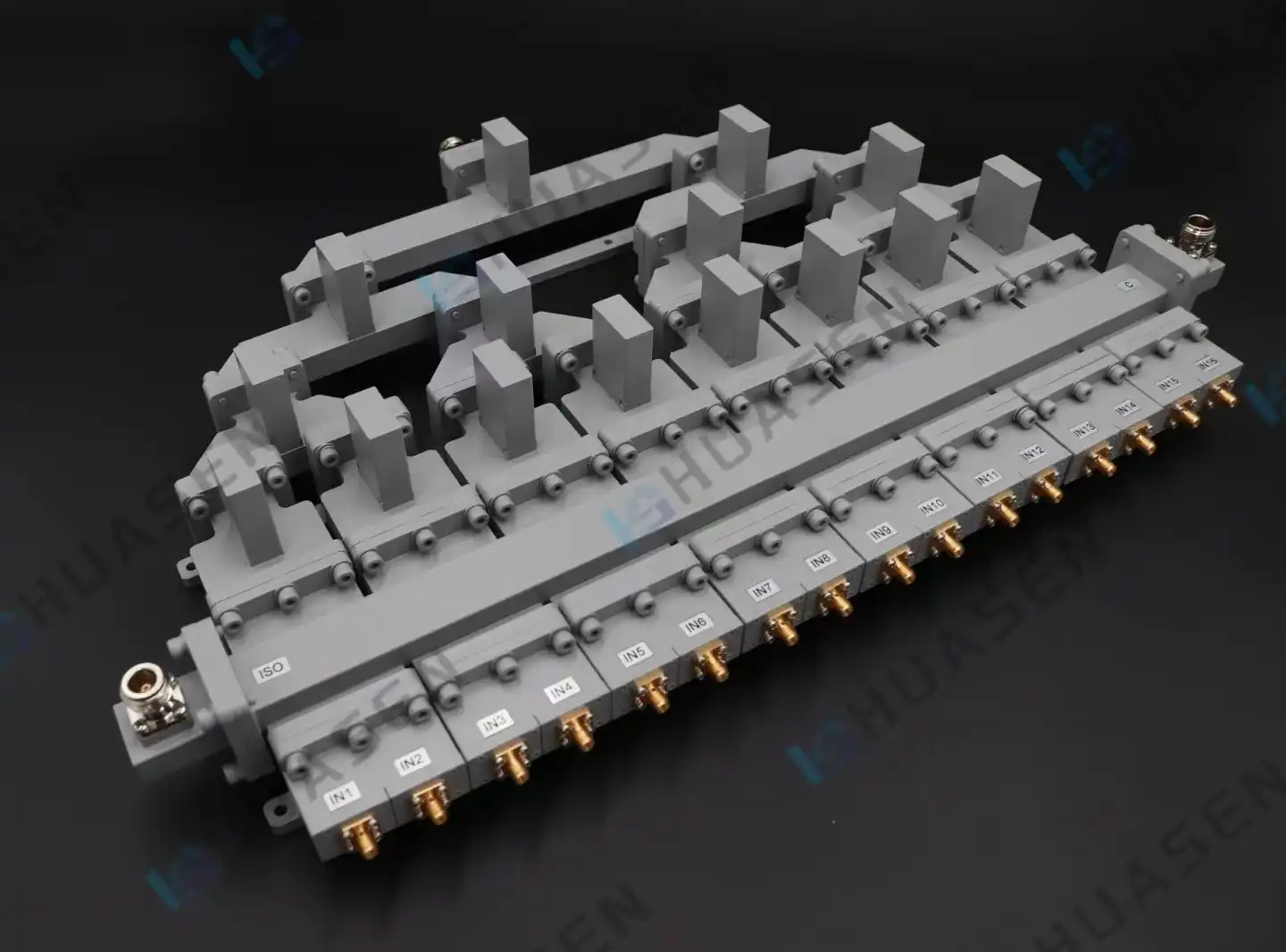
How to Select High-Power RF Combiners for 5G Base Station Systems
To choose the correct RF combiner for 5G base station systems, you need to know how much power it can handle, what frequency ranges it can work with, and how much insertion loss it needs to have. Multiple transmitter signals are combined into a single antenna feed by high-power RF combiners. These combiners keep the signal purity and reduce interference. As part of the selection process, technical factors like isolation performance, VSWR ratings, and thermal management features are looked at to make sure that the network works well and is reliable for a long time in 5G infrastructure apps that are very demanding.VIEW MORE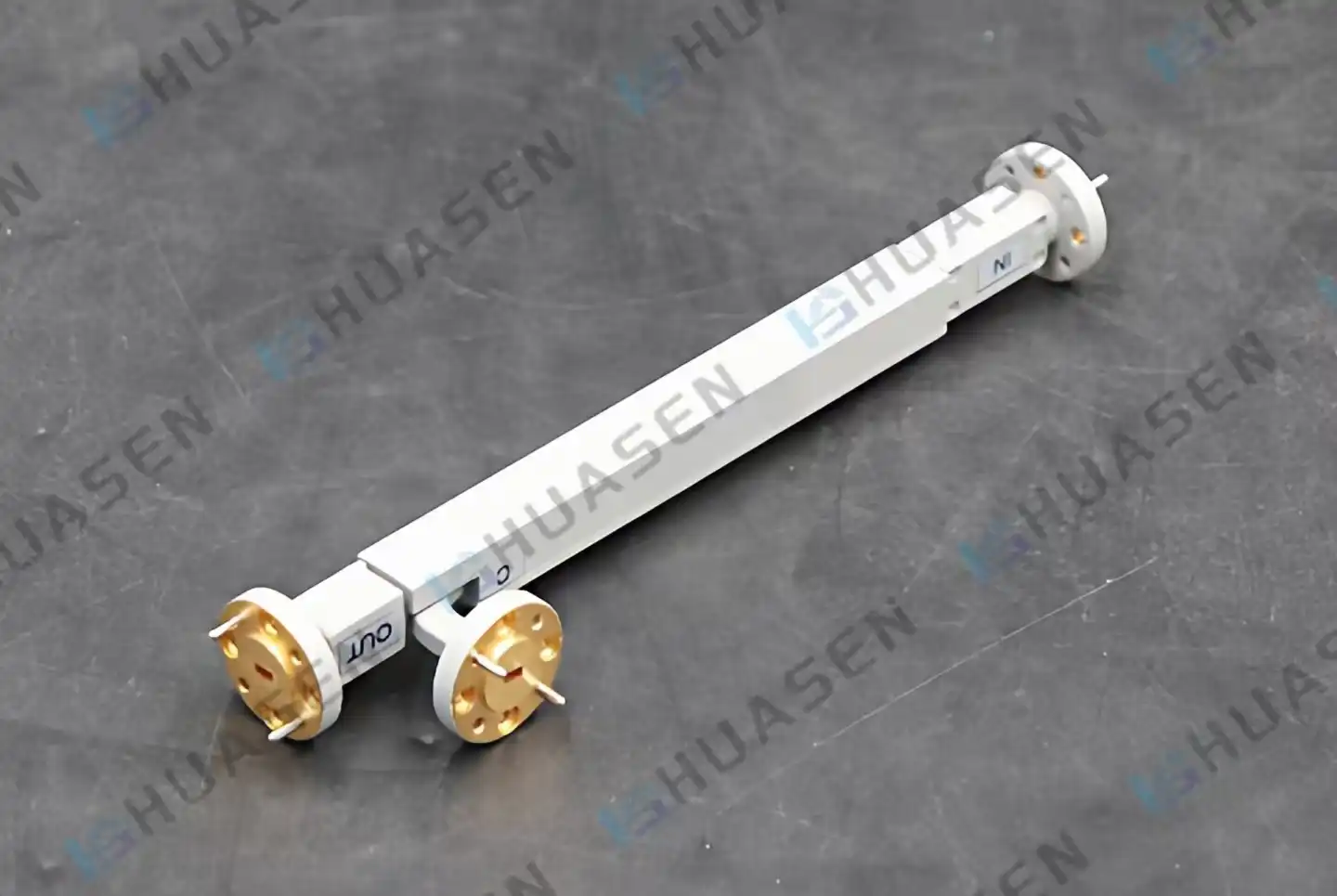
Directional Coupler Selection Guide for Aerospace RF Systems
Selecting the optimal directional coupler for aerospace RF systems requires careful consideration of stringent performance specifications, environmental challenges, and mission-critical reliability demands. Aerospace applications demand components that maintain precise signal integrity across extreme temperature variations, vibration loads, and electromagnetic interference while delivering consistent coupling coefficients, superior isolation, and minimal insertion loss. These passive RF components serve as the backbone for radar systems, satellite communication links, electronic warfare platforms, and avionics testing equipment, where even minor performance degradations can compromise mission success and safety protocols.VIEW MORE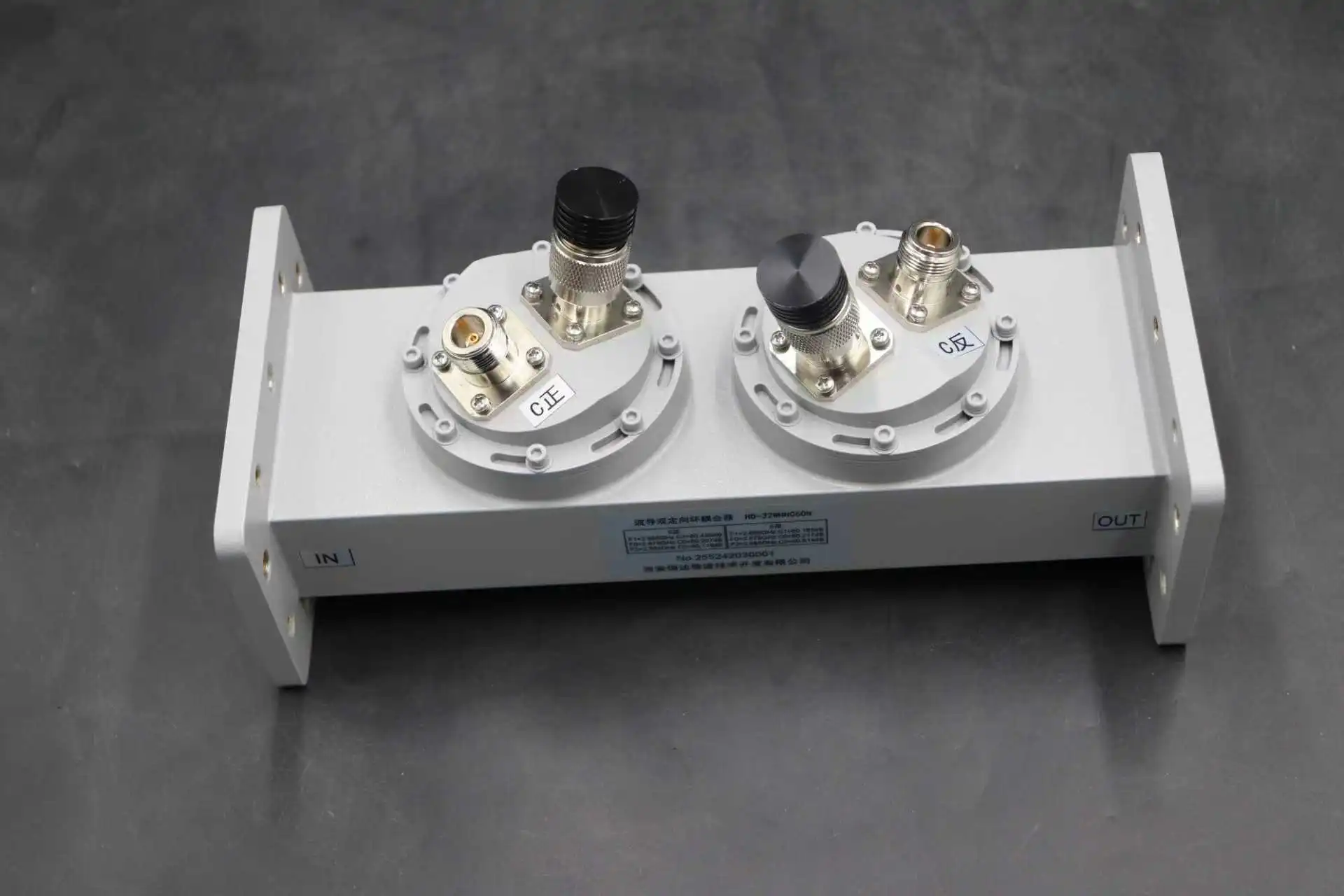
Waveguide Loop Coupler Usage Guide for 5G Laboratory Testing
Setting up reliable 5G testing environments demands precision components that can handle complex electromagnetic measurements. A Waveguide Loop Coupler serves as an essential tool for laboratory engineers conducting 5G signal analysis, offering non-intrusive power monitoring and signal sampling capabilities. This comprehensive guide explores optimal implementation strategies for waveguide loop couplers in modern 5G testing laboratories, covering installation procedures, measurement techniques, and troubleshooting methodologies that ensure accurate results across millimeter-wave frequencies critical for next-generation wireless communication systems.VIEW MORE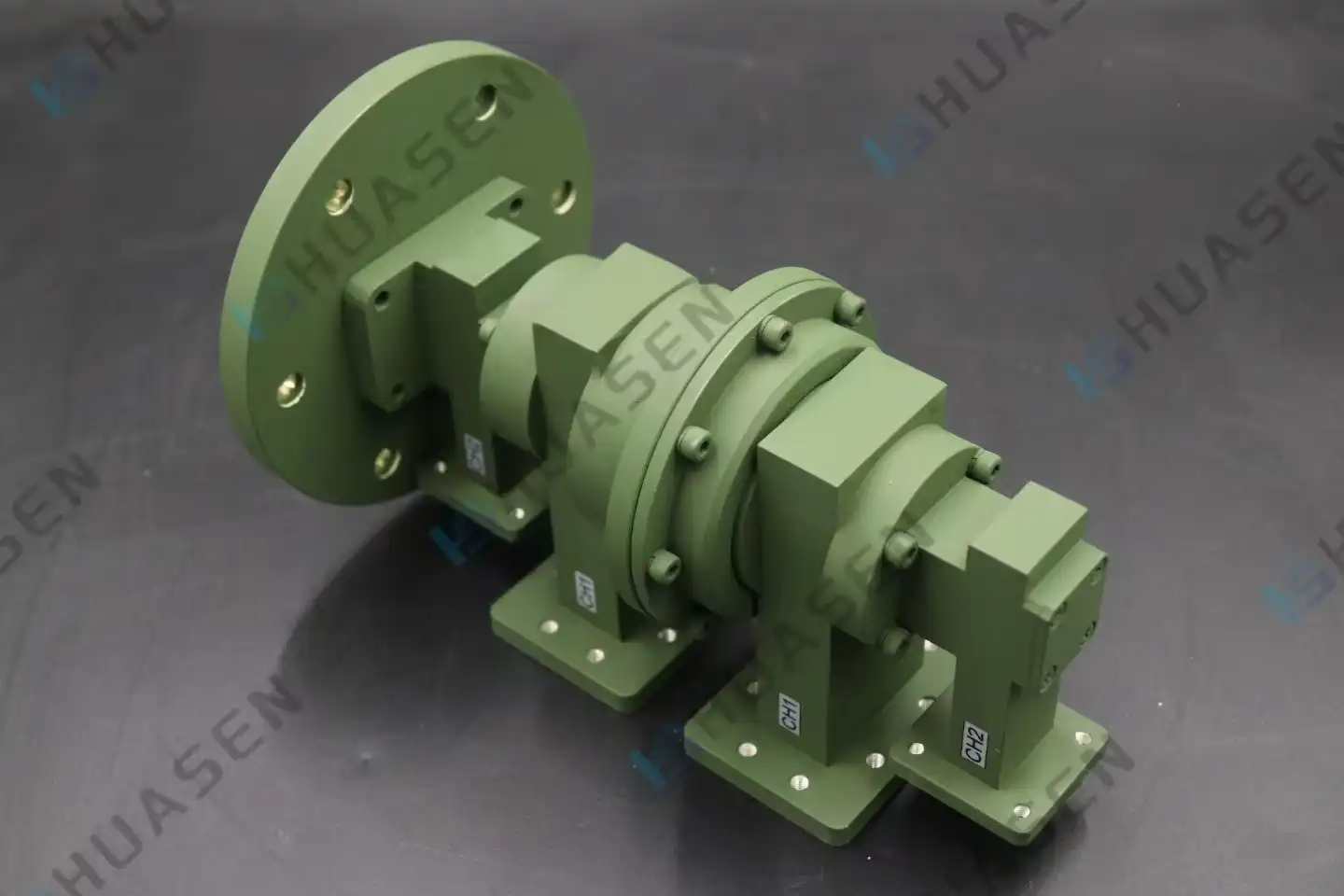
Dual Channel Rotary Joint vs Single Channel: Which One to Choose
When it comes to high-frequency uses, the choice between dual-channel and single-channel rotary joints relies on the needs of your system. A Dual Channel Rotary Joint lets two separate RF signal lines be sent at the same time through a single spinning interface. This makes it perfect for complicated radar and communication systems that need to be able to send and receive signals. Single-channel versions are better for uses that only need one data path because they are easier to build and less expensive. To make the best choice for system performance and working efficiency, you should think about things like frequency needs, room limitations, signal isolation needs, Dual Channel Rotary Joint, and budget.VIEW MORE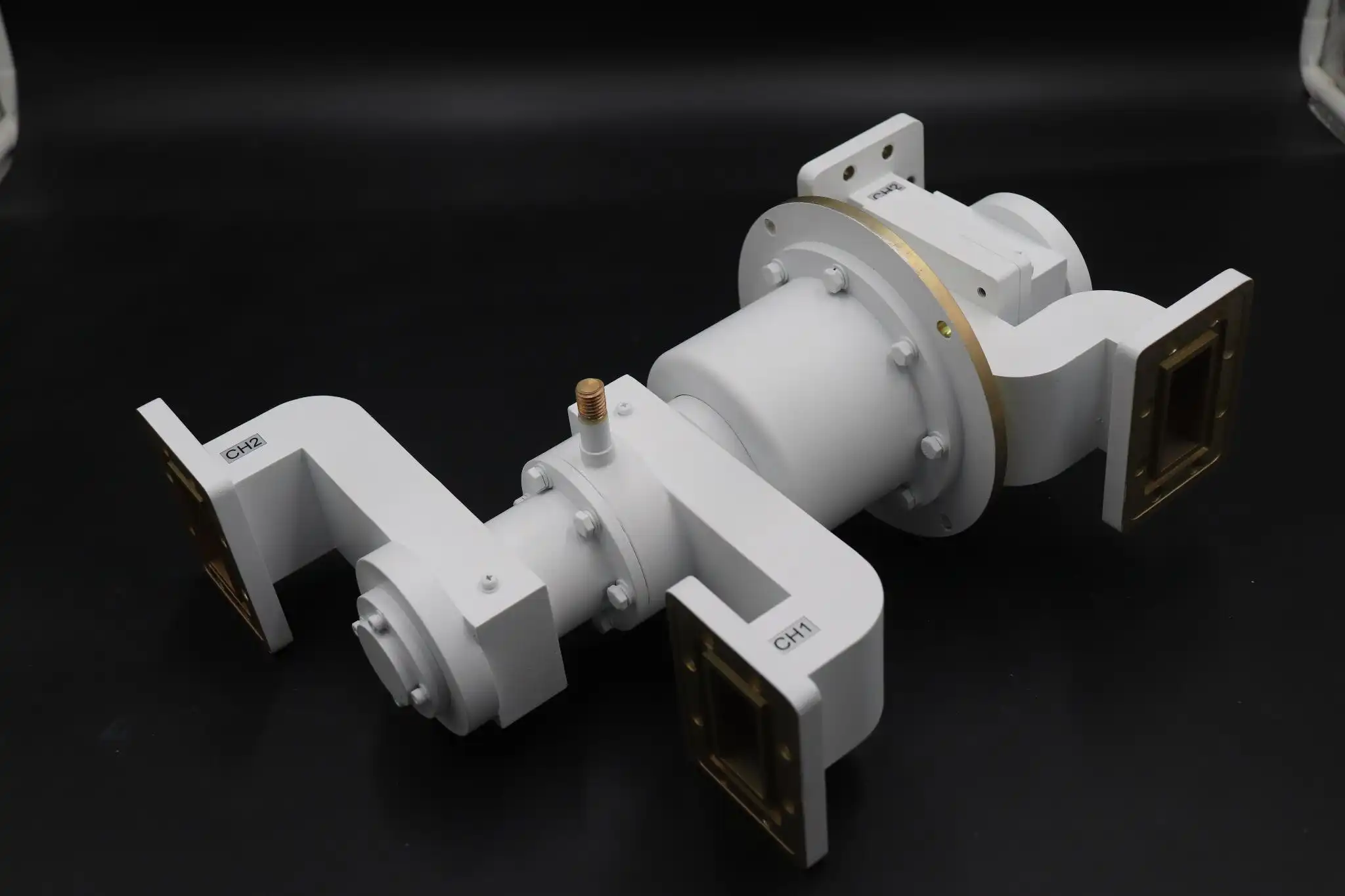
OEM Dual Channel Rotary Joint Solutions for Custom RF Systems
When you need specialized RF connectivity for rotating platforms, finding the right dual-channel rotary joint can make or break your project. At Huasen Microwave, we've been engineering custom dual-channel rotary joint solutions since 1993, helping system integrators and equipment manufacturers overcome signal transmission challenges in demanding applications. Our OEM expertise transforms complex RF requirements into reliable, Dual Channel Rotary Joint high-performance components that keep your systems operating seamlessly across 360-degree continuous rotation.VIEW MORE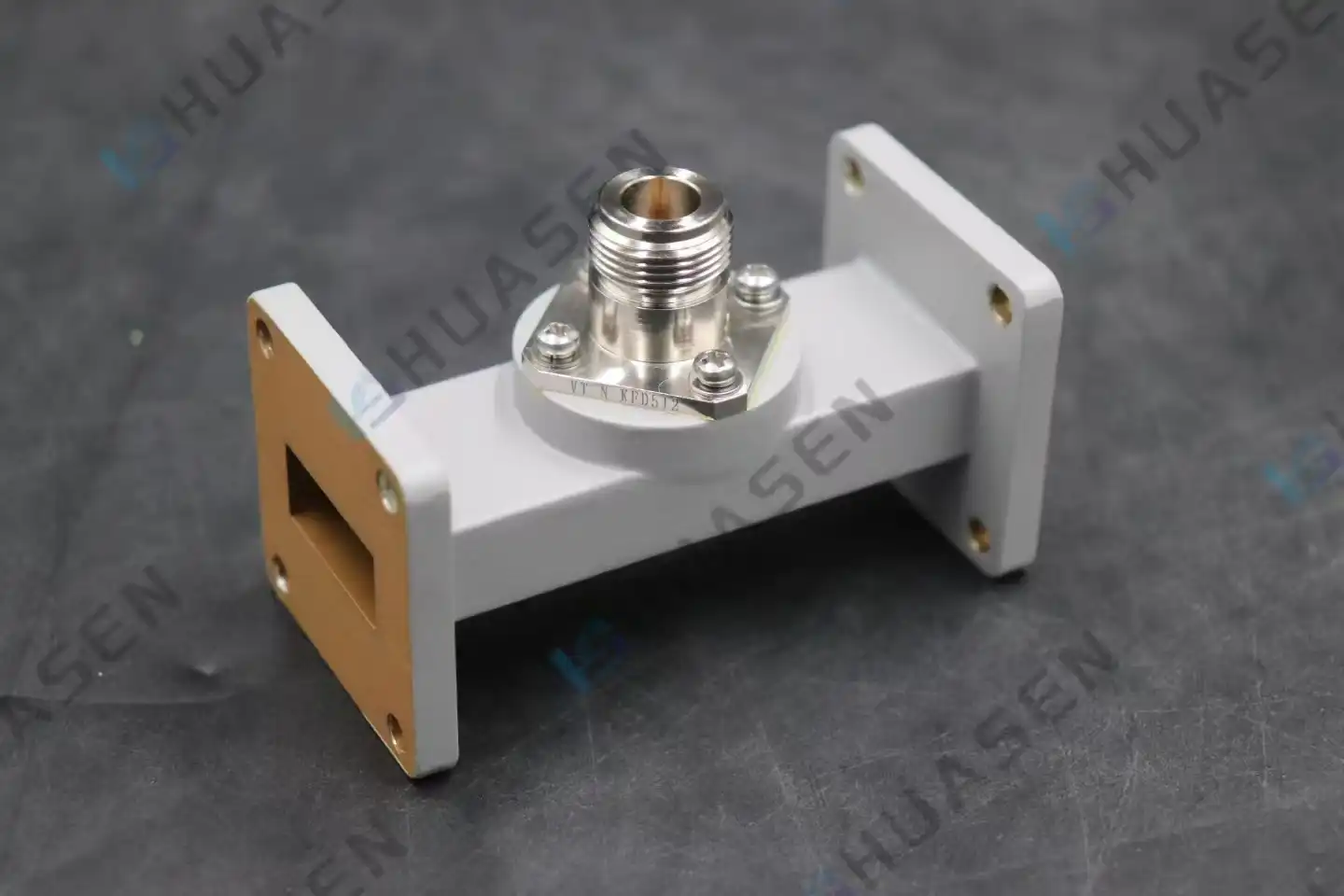
Waveguide Power Divider Troubleshooting Guide for Uneven Power Split
Uneven power split in waveguide power dividers typically stems from manufacturing tolerances, mechanical misalignment, or impedance mismatch issues. This comprehensive troubleshooting guide addresses the most common causes behind amplitude imbalance, helping engineers identify root causes and implement effective solutions. Whether dealing with Magic Tee configurations or standard T-junction designs, understanding the underlying physics of signal distribution enables rapid diagnosis and restoration of optimal performance in critical RF systems.VIEW MORE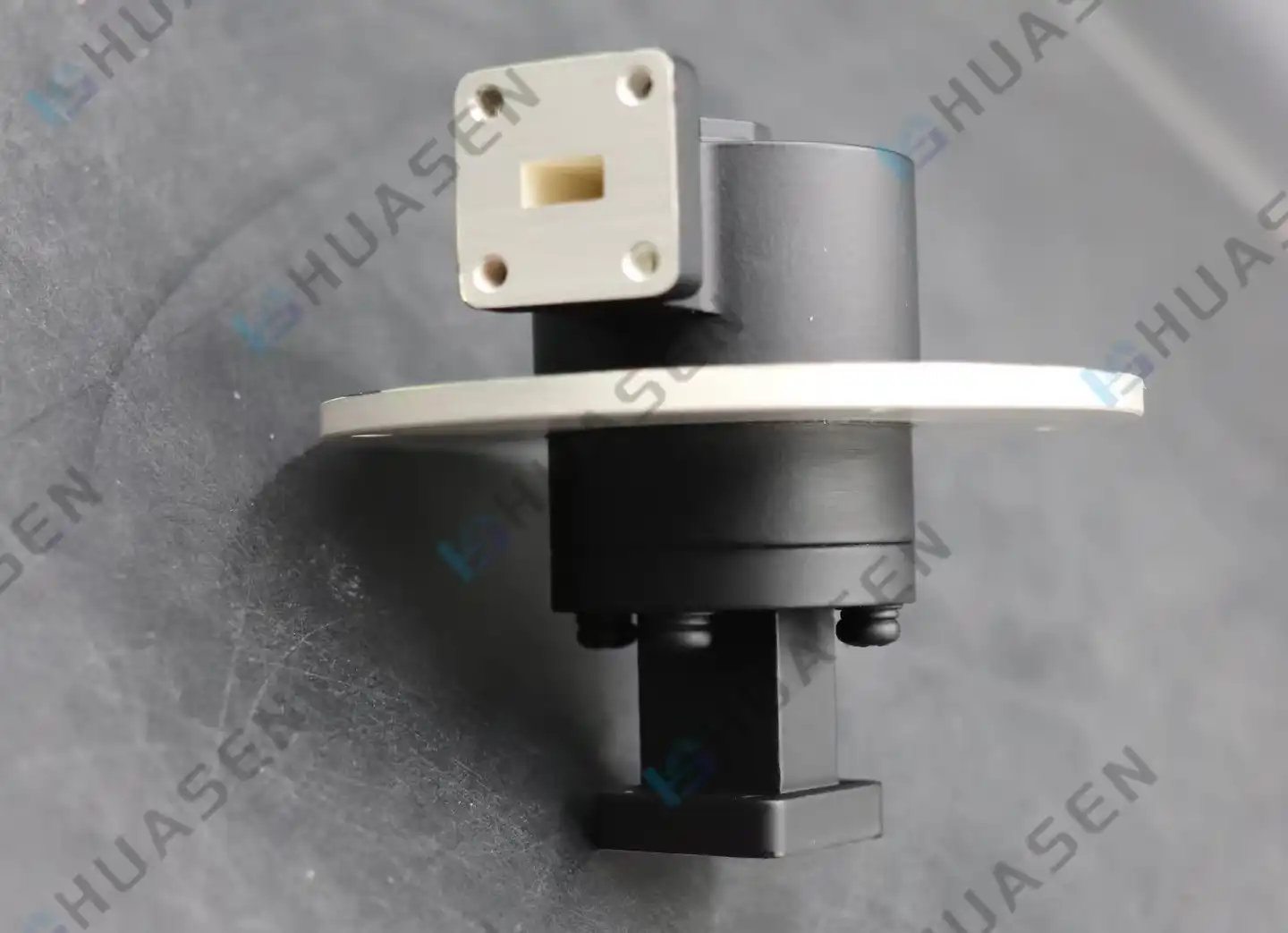
Single-Channel vs Dual-Channel Waveguide Rotary Joint Differences
Understanding the basic differences between single-channel and dual-channel setups is important for system performance when choosing the best waveguide rotary joint for your RF system. A single-channel waveguide rotary joint rotates mechanically to send one signal path. Dual-channel versions can handle two separate signal lines at the same time. For uses ranging from radar systems to satellite communications, the choice has a direct effect on the signal integrity, system complexity, power handling capabilities, and total cost.VIEW MORE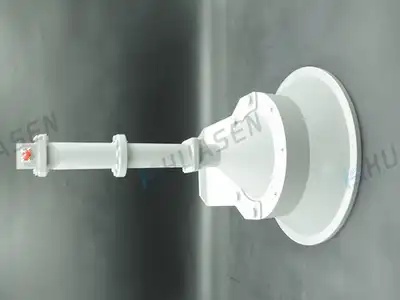
Lens Horn Antenna vs Dielectric Lens Antenna: Performance and Application Differences
Understanding the main differences between lens horn and dielectric lens antennas is important for system performance when choosing the best antenna for high-frequency scenarios. A Lens Antenna takes the best parts of both traditional horn structures and new dielectric materials and puts them together to make hybrid solutions that solve specific technical problems in modern radar and telecommunications systems. In millimeter-wave uses, these antenna types play different roles. Each has its own benefits when it comes to gain, beam shaping, and adaptability to different environments, all of which affect how well and how cheaply the system works as a whole.VIEW MORE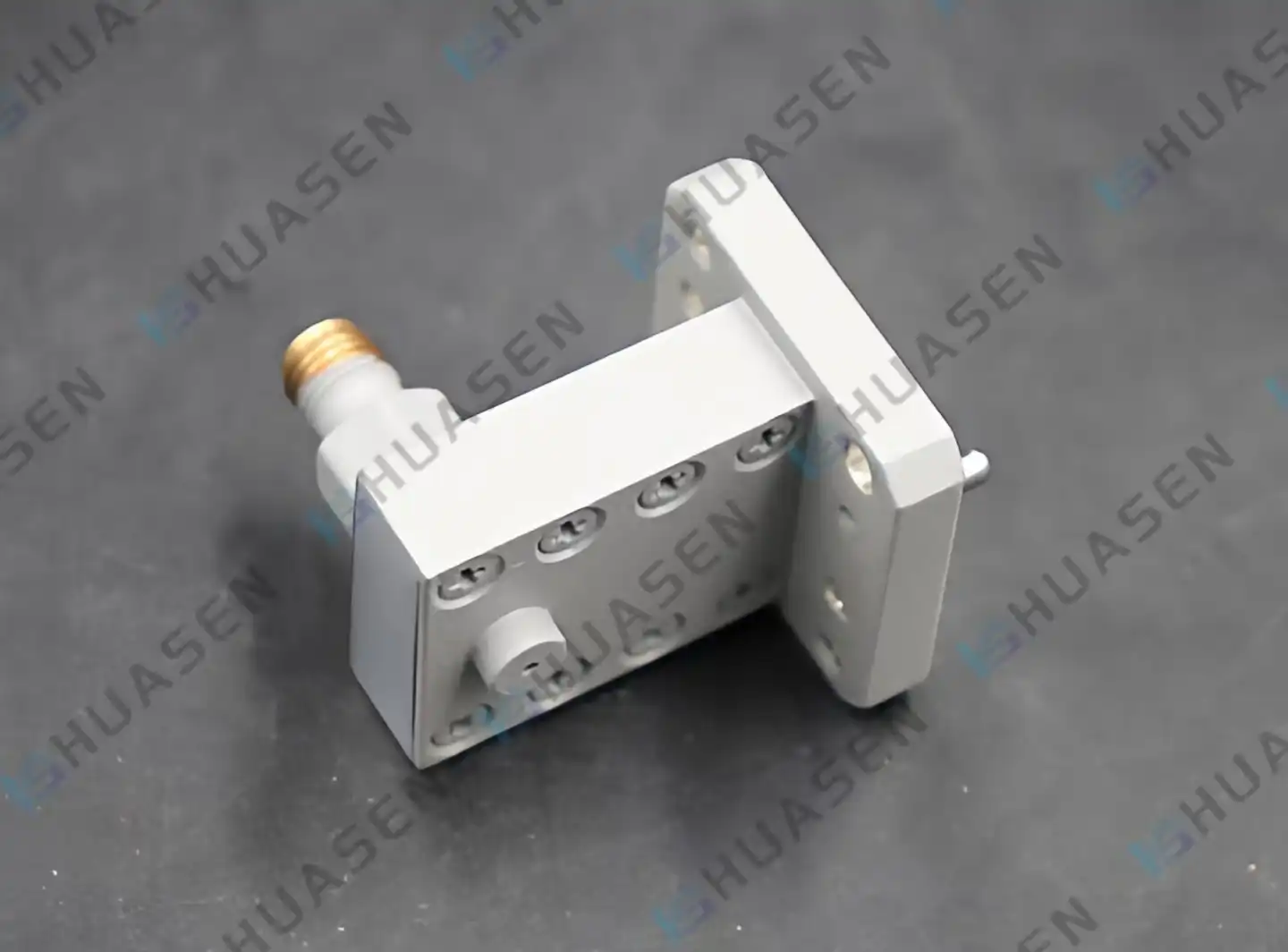
Top High-Power Waveguide to Microstrip Adapter Manufacturers
Engineers and procurement experts find a number of industry-leading companies that make precision RF parts when they are looking for the best high-power waveguide to microstrip adapter makers. In high-frequency uses, these waveguide adapters make it possible for signals to move smoothly between waveguide transmission systems and flat microstrip circuits. Leading manufacturers like Pasternack, Flann Microwave, and specialized companies like Huasen Microwave have built their reputations by coming up with new products for decades. Their product lines cover a wide range of frequency ranges, power handling needs, and environmental requirements that are needed by the aerospace, telecommunications, and defense industries around the world.VIEW MORE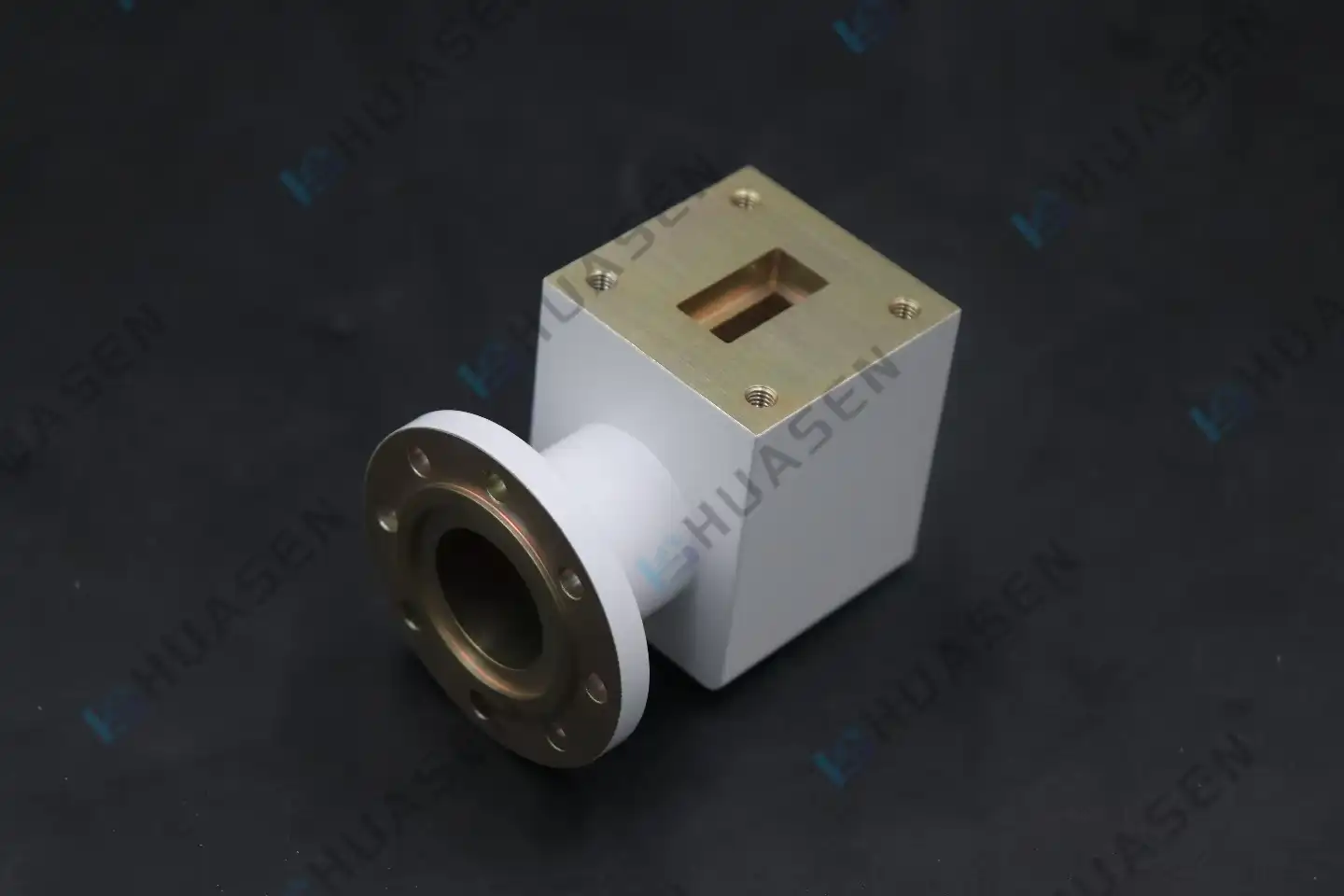
Matching Solutions for Antenna Diplexers in Outdoor Antenna Systems
Matching solutions for antenna diplexers in outdoor antenna systems represent a critical engineering challenge that directly impacts network performance and reliability. An RF diplexer serves as the fundamental component enabling multiple frequency bands to share a single antenna structure while maintaining optimal signal integrity. These specialized devices must overcome complex impedance matching requirements, environmental stressors, and frequency isolation demands inherent in outdoor deployments. Proper matching solutions ensure minimal insertion loss, maximum power transfer, and robust operation across varying weather conditions, making them indispensable for modern telecommunications infrastructure.VIEW MORE
- 1
- 39
- 40
- 41
- 42
- 43
- 60
