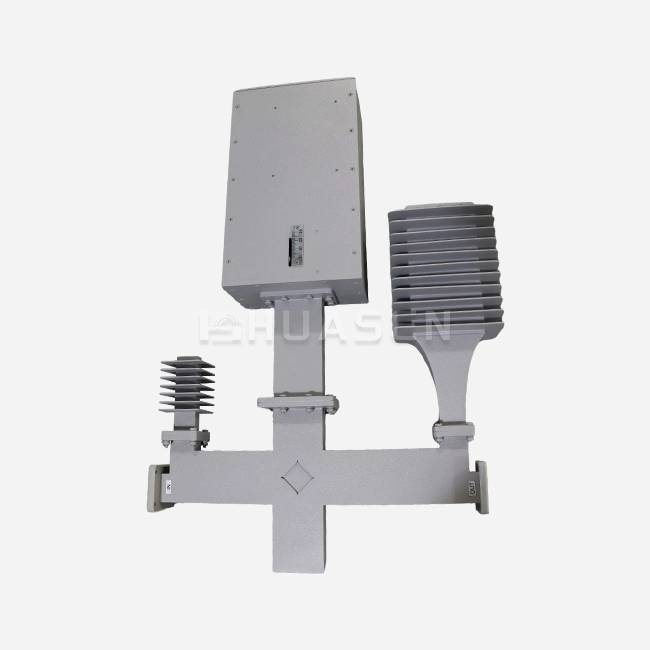
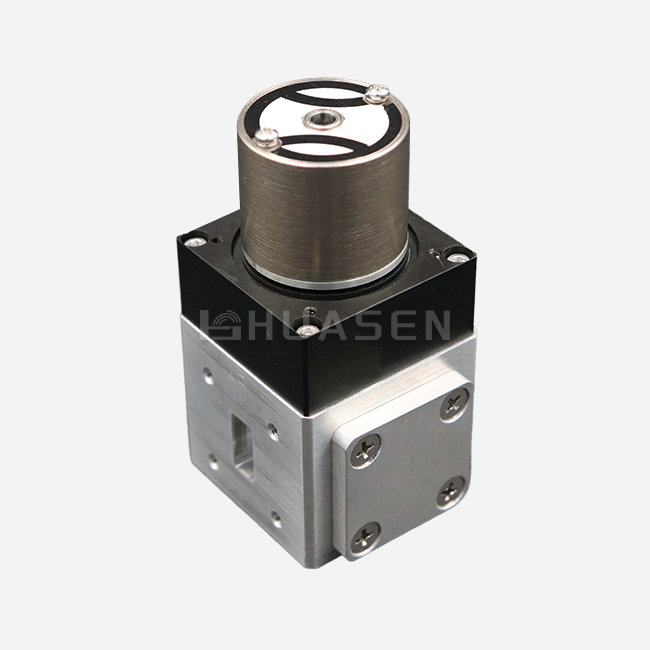
Selection Tips for Waveguide Adapters in Millimeter Wave Bands






2026-02-27 22:01:44
Selecting appropriate waveguide adapters in millimeter wave systems requires careful consideration of frequency compatibility, insertion loss characteristics, and mechanical precision. These critical interface components must maintain signal integrity across 30-300 GHz bands while providing robust connections between different waveguide standards. Key selection factors include VSWR performance, power handling capabilities, environmental specifications, and connector compatibility to ensure optimal system performance in demanding applications such as 5G infrastructure and aerospace communications.
Introduction
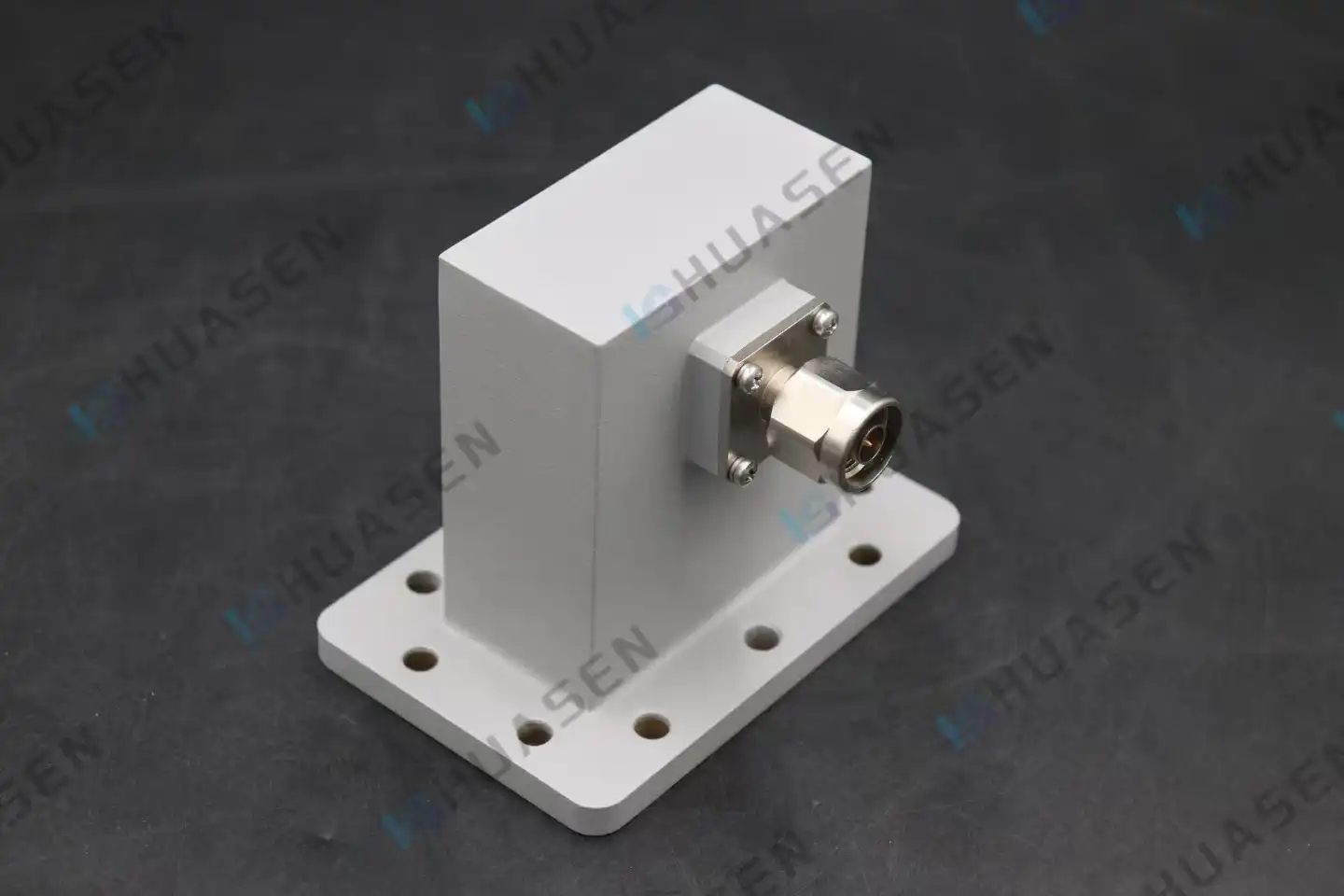
Waveguide adapters are very important in millimetre wave systems because they make it possible to send signals quickly across high-frequency bands that are used for 5G, radar, and microwave communications. To make sure that complex RF systems work at frequencies where traditional coaxial solutions can't, these precision-engineered parts connect different waveguide sections and keep everything connected. Modern millimetre wave applications require high-performance standards. Choosing the right interface solutions has a direct effect on the overall reliability of a system, whether it's connecting test tools in a lab or putting together parts in a satellite communication system. More and more, engineers and procurement professionals have to balance technical needs with cost concerns while still following strict industry standards. This detailed guide is tailored to the needs of system integrators, equipment manufacturers, and research institutions that work in global markets that are very competitive. Learning about the details of millimetre wave interface technology helps make sure that parts work well together, keeps signal degradation to a minimum, and lowers the practical risks that come with designing high-frequency systems.
Understanding Waveguide Adapters in Millimeter Wave Systems
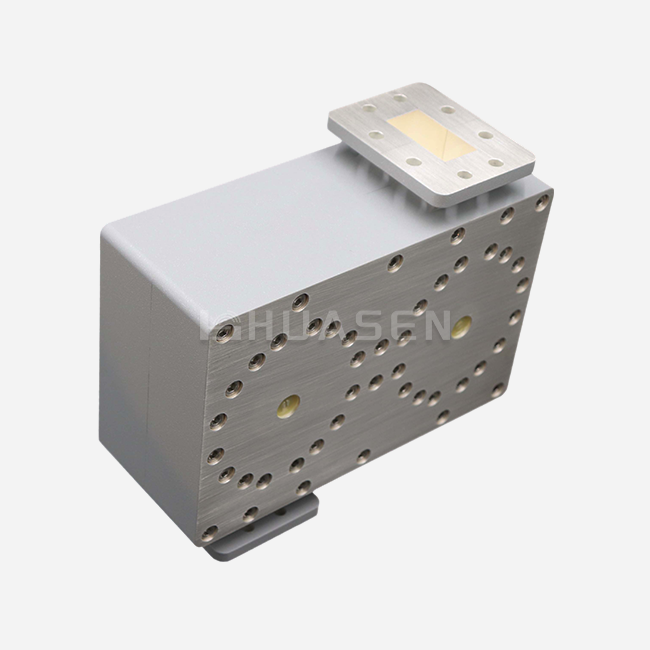
In millimetre wave frequency bands, which are usually between 30 GHz and 300 GHz, waveguide adapters are the most important parts for connecting devices. These devices are very different from their lower-frequency cousins, and they need very precise mechanical tolerances and special materials to keep the signal intact in harsh working conditions.
Design Principles and Construction
Millimetre wave interface parts are designed so that they fit impedances consistently and reflect and lose as little signal as possible. In contrast to coaxial systems, where signals are carried by center conductors, these devices use hollow metallic waveguides that help electromagnetic waves travel through carefully controlled geometric dimensions. The choice of material has a big impact on both the electrical performance and the long-term reliability of the device. High-quality versions are usually made of aluminium alloys, brass, or copper, and the surface treatments are chosen to work best in certain environments. When you choose one of these materials over another, it changes things like weight, resistance to corrosion, and thermal stability, all of which are important for aircraft and outdoor uses.
Frequency Band Classifications
Millimetre wave bands are standardised based on waveguide names, and each one works best for a certain range of frequencies. When procurement teams understand these categories, they can choose the right parts for their needs. WR-28 is used for Ka-band applications (26.5-40 GHz), WR-15 is used for V-band systems (50–75 GHz), and WR-10 is used for W-band implementations (75–110 GHz). Each waveguide size has its own set of dimensions and performance features. While smaller waveguides can handle higher frequencies, they may not be able to handle as much power. On the other hand, bigger sizes can handle higher power levels but take up more space.
Signal Propagation Characteristics
Millimetre waves move through waveguide structures according to certain electromagnetic rules that have a direct effect on how the adapter needs to be designed. The TE10 mode is the main mode of propagation in rectangular waveguides, and it needs careful control over the dimensions to keep the field distribution correct and lower the excitation of higher-order modes.
Critical Selection Criteria for Waveguide Adapters in Millimeter Wave Bands
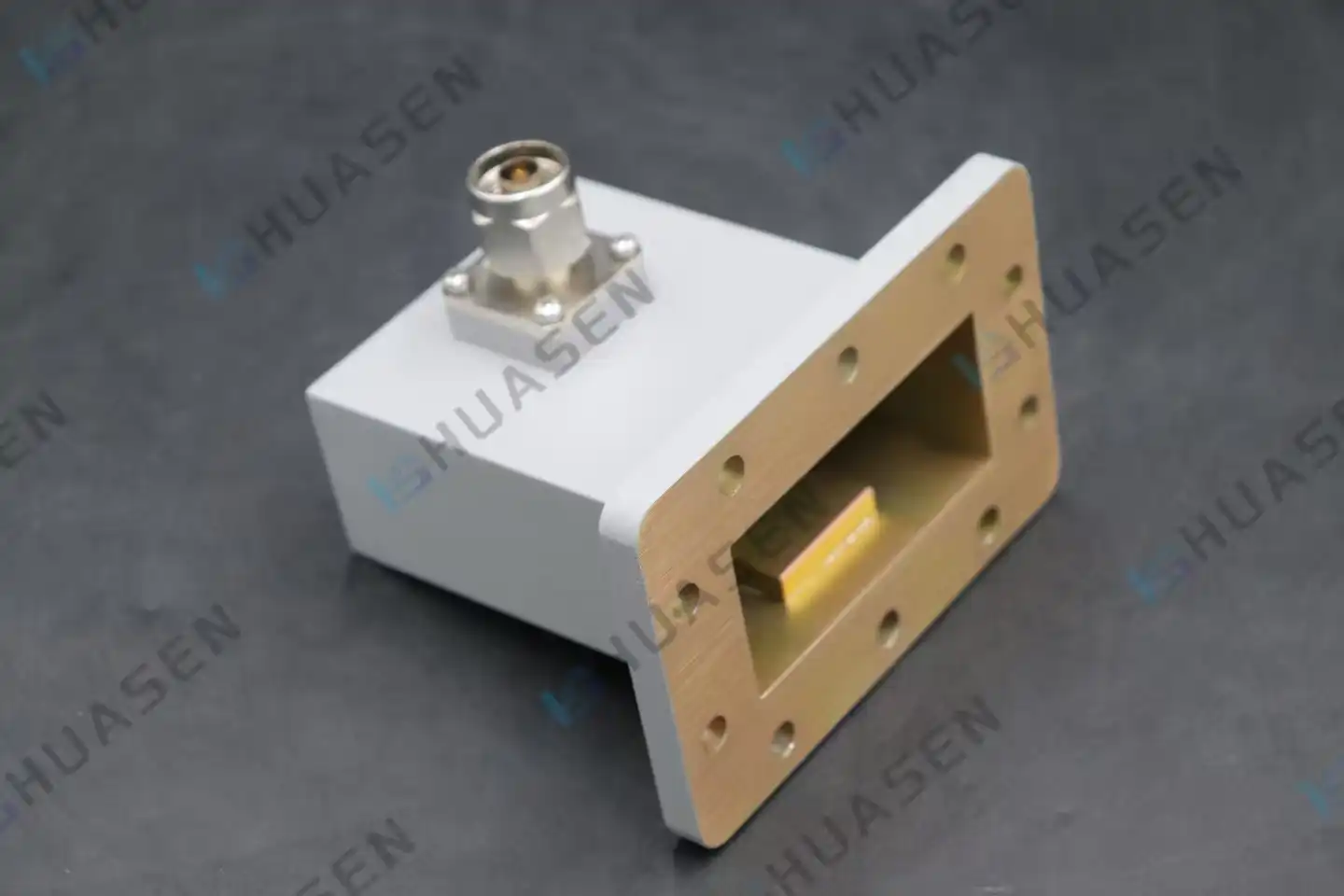
To find the best interface options for millimetre wave applications, you need to carefully look at a lot of technical factors. Because each criterion has a different effect on system performance, a full review is needed for implementation to go well.
Frequency Response and Bandwidth
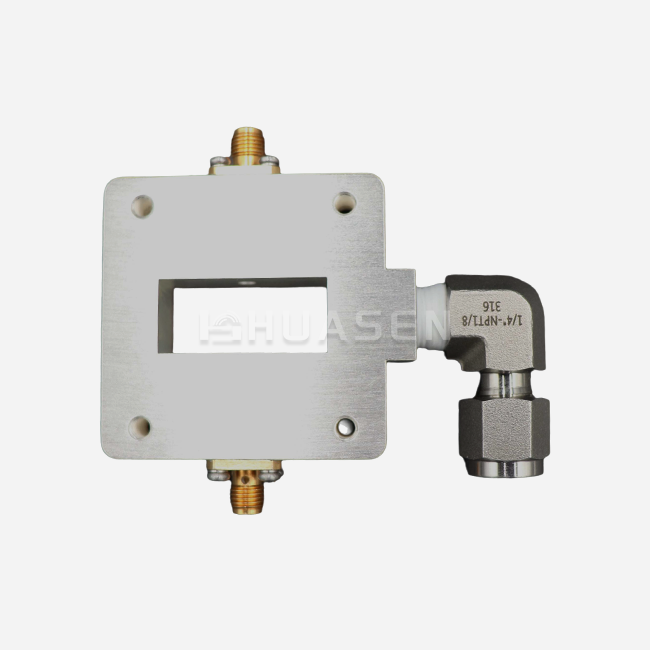
Frequency matching is the most important thing to look for in a millimetre wave interface component. The working bandwidth needs to cover the whole frequency range of the application, plus some extra room for system variations and component tolerances. Narrow-band applications may be able to handle more specialised solutions, such as a waveguide to coaxial adapter, but broadband systems need parts that work consistently across a wide range of frequencies. Return loss specifications show how well the adapter matches impedance across its working range. Return loss rates better than -20 dB, which means VSWR ratios below 1.22:1, are common for high-quality parts. These standards directly lead to fewer signal reflections and more efficient power transfer.
Power Handling and Environmental Durability
Power handling must match the needs of the application, taking into account both peak and average power levels. Radar systems and high-power communication links need parts that can handle signals at the kilowatt level without losing function. To meet these strict requirements, the choice of materials and thermal design becomes very important. Environmental specifications include working temperature ranges, humidity tolerance, vibration resistance, and shock survival abilities. Aerospace and military uses usually need to meet MIL-STD standards. On the other hand, less strict environmental ratings may be okay for commercial telecommunications systems in order to save money.
Mechanical Interface Specifications
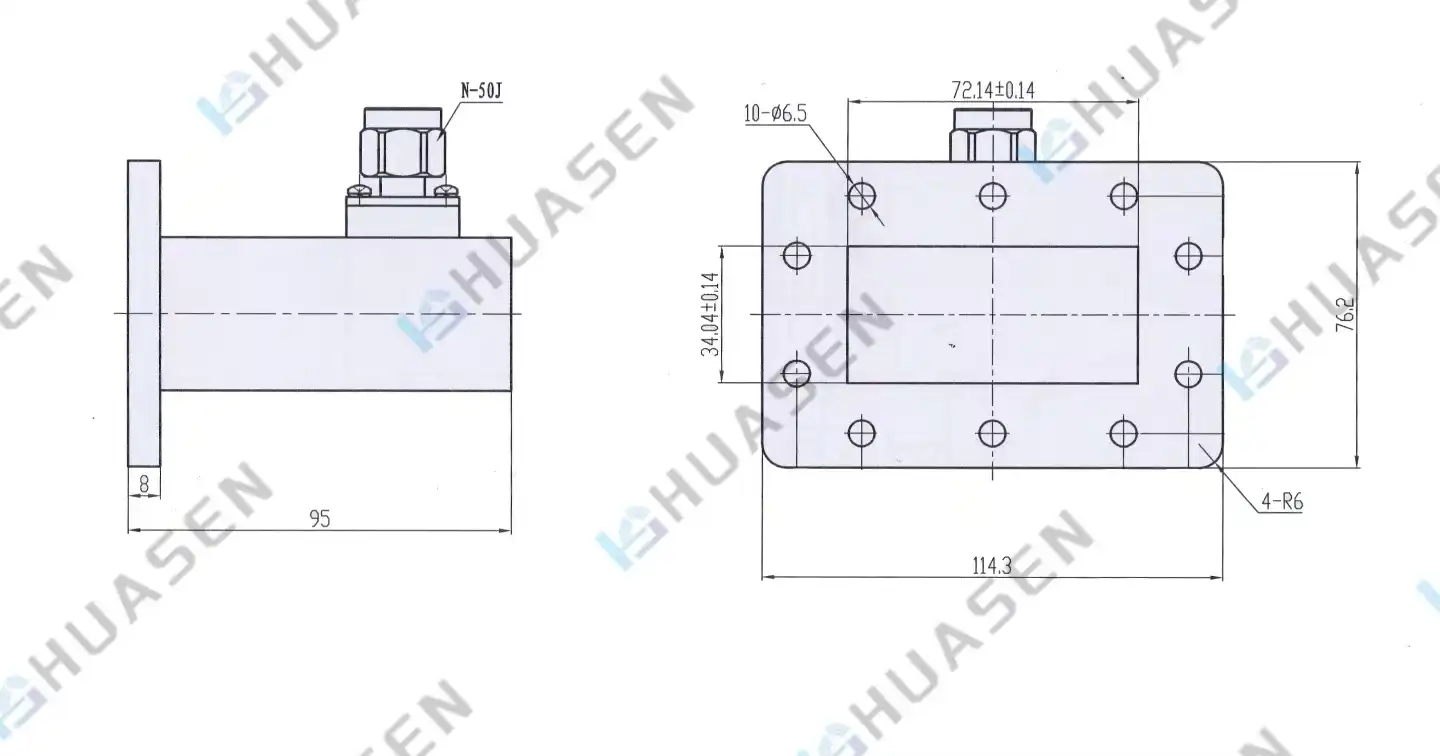
The size and shape of the parts must be able to fit easily into current system architectures. Applications that need to take up little space, like satellite payloads or plane installations, value small designs that don't add too much weight. On the other hand, mechanical robustness and ease of connection may be more important in lab test setups than size optimisation. Connector compatibility makes sure that new equipment and test instruments can join properly. Standard waveguide flanges have UG-series names for certain frequency bands. They need to have exact dimensional tolerances for connections to work reliably and for the electrical performance to stay the same.
Comparison of Leading Waveguide Adapter Solutions in the Market
There are many companies in the millimetre wave component market, and they all offer different levels of performance, customisation options, and customer support. What are the pros and cons of the different approaches? This information helps buying teams make decisions that meet their needs.
Waveguide vs. Coaxial Adapter Technologies
At millimetre wave frequencies, waveguide designs are better at handling power and have lower loss rates than coaxial alternatives. Since there are no dielectric materials in the signal line, there are no dielectric losses, which become more noticeable as the frequency goes up. Because of this basic advantage, waveguide solutions are better for high-performance applications, even though they are bigger. Coaxial interface solutions, on the other hand, offer more mechanical flexibility and are easier to install in places with limited space. But their efficiency starts to suffer at frequencies above about 40 GHz, where dielectric losses and the need for very precise connectors make it hard to use them in real life. A lot of decisions about how to build a system are based on the trade-off between electrical performance and mechanical ease of use.
Manufacturer Capabilities and Market Positioning
Established manufacturers bring decades of experience in precision machining and quality control processes essential for millimeter wave components. Companies like Pasternack focus on providing extensive product catalogs with rapid delivery capabilities, while specialized manufacturers such as Fairview Microwave emphasize custom solutions and engineering support services. Quality standards vary significantly across suppliers, with tier-one manufacturers typically maintaining ISO 9001 certification and implementing comprehensive testing protocols. These quality systems become increasingly important for high-volume procurement and mission-critical applications where component failure carries substantial consequences.
Customization and Engineering Support
Many applications require customized solutions that standard catalog products cannot address. Leading suppliers offer engineering consultation services to develop specialized interface solutions optimized for specific system requirements. These capabilities include frequency response optimization, mechanical integration support, and environmental specification enhancement. The availability of technical support during the selection and integration process can significantly impact project success. Suppliers with experienced engineering teams provide valuable guidance on component selection, system integration considerations, and troubleshooting support that extends beyond simple product sales.
Troubleshooting and Avoiding Common Pitfalls in Waveguide Adapter Selection
Successful component selection requires awareness of common mistakes that can compromise system performance or lead to procurement delays. Understanding these potential issues helps engineering and procurement teams implement effective risk mitigation strategies.
Technical Specification Misunderstandings
Insertion loss specifications require careful interpretation, as manufacturers may specify these values under different measurement conditions. Room temperature measurements may not reflect performance at operating temperature extremes, while frequency-specific values may not represent broadband performance accurately. Always request complete test data covering the intended operating conditions. Power handling ratings often assume specific operating conditions, including ambient temperature, duty cycle, waveguide to coaxial adapter,and frequency range. Exceeding any of these parameters can lead to component failure or performance degradation. Conservative derating practices help ensure reliable operation under actual system conditions.
Connector Compatibility Issues
Waveguide flange standards appear straightforward but contain subtle variations that can prevent proper mating or compromise electrical performance. Mixing flanges from different standards or tolerance classes often results in connection difficulties and increased reflection levels. Maintaining consistent flange specifications throughout the signal path eliminates these compatibility concerns. Thread specifications for waveguide flanges require particular attention, as mixing inch and metric threading can damage components during installation attempts. Always verify thread compatibility before attempting connections, and maintain separate hardware inventories for different flange types.
Quality Verification and Testing
Component authentication becomes increasingly important as counterfeit parts enter the supply chain. Reputable suppliers provide complete test data and traceability documentation that enables verification of component performance. Independent testing capability allows confirmation of critical specifications before system integration. Vendor qualification processes should evaluate manufacturing capabilities, quality systems, and long-term supply chain stability. Single-source suppliers may offer attractive pricing but create supply chain vulnerabilities that can impact production schedules and project timelines.
Procurement and Logistics Tips for Waveguide Adapters
Effective procurement strategies extend beyond technical specifications to encompass supplier relationships, logistics considerations, and total cost of ownership optimization. These factors often determine project success as much as component performance characteristics.
Supply Chain Management Strategies
Lead times for precision millimetre wave parts are usually longer than those for normal RF products. This is especially true for custom solutions or bands with specific frequencies. If you plan your purchasing actions well ahead of time, you can avoid expensive expediting fees and possible project delays. Maintaining a strategic inventory of key components can help protect against disruptions in the supply chain. Having ties with multiple suppliers gives you more buying options and bargaining power. But to qualify alternative suppliers, you may have to spend money on evaluation activities and be okay with small differences in how well different makers do their jobs. The right balance between supply security and standardisation rests on the needs of the application and how much risk the person is willing to take.
Cost Optimization Approaches
When you buy more than the normal minimum order quantity, which is usually between 25 and 50 pieces for standard components, you can negotiate volume pricing. For custom options to really save money, you might need to buy more of them. Understanding how suppliers set their prices helps you find ways to improve specifications so that you can save money on costs without sacrificing performance. When you think about total costs, you should not only think about the prices of the parts, but also the costs of evaluation, the costs of keeping inventory, and the risks of products becoming obsolete. Even if they cost more at first, parts that last longer are worth the money because they last longer overall. Stable product roadmaps from suppliers lower long-term buying risks and help optimise lifecycle costs.
Technical Support and Documentation
Detailed technical documentation speeds up the integration process and lowers the cost of engineering during the creation of a system. When suppliers provide detailed mechanical drawings, electrical specifications, and application guidelines, design cycles can go faster, and problems with integration are less likely to happen. Having access to applications engineering support during the selection and integration phases can be very helpful, especially for complex custom solutions. Respondent technical support from suppliers helps solve integration problems quickly and keep project schedule effects to a minimum.
Conclusion
To choose the right millimetre wave interface parts, waveguide adapters,you need to carefully look at their technical specs, as well as the skills of the suppliers and the total cost. High-frequency uses have special needs when it comes to frequency response, power handling, and mechanical precision, all of which have a direct effect on how well the system works. Understanding these important factors helps you make smart choices that balance performance needs with practical issues like cost, delivery times, and the stability of the supply chain over the long term. The changing environment for 5G deployment, satellite communications, and advanced radar systems keeps driving the need for higher-performance millimetre wave components. Organisations can take advantage of new possibilities and lower procurement risks in this specialised market segment by keeping up with changes in technology and keeping in touch with qualified suppliers.
FAQ
1. What frequency ranges require specialized millimeter wave adapters?
Millimeter wave adapters become essential for frequencies above 30 GHz, where conventional coaxial solutions experience significant performance limitations. The upper frequency range extends to approximately 300 GHz, covering bands commonly used in 5G communications, automotive radar, and aerospace applications. Standard waveguide designations define specific frequency ranges, with each size optimized for particular applications and performance requirements.
2. How do insertion loss specifications impact system performance?
Insertion loss directly affects signal strength and system noise figure, making low-loss adapters critical for maintaining signal-to-noise ratios in sensitive applications. Each 0.1 dB of additional insertion loss reduces available signal power and increases system noise figure by equivalent amounts. High-performance adapters typically achieve insertion loss values below 0.05 dB, while standard commercial products may range from 0.1 to 0.2 dB depending on frequency and construction quality.
3. What environmental testing standards apply to millimeter wave adapters?
Military and aerospace applications typically require compliance with MIL-STD-202 environmental testing standards, including temperature cycling, vibration, and shock resistance specifications. Commercial telecommunications applications may accept less stringent requirements, such as ETSI or FCC specifications. Operating temperature ranges commonly extend from -55°C to +85°C for standard products, with specialized versions available for extreme environmental conditions.
4. How can procurement teams verify component authenticity?
Authentic components include comprehensive test data, traceability documentation, and certificates of compliance from recognized manufacturers. Reputable suppliers provide detailed specifications, including return loss, insertion loss, and VSWR measurements across the specified frequency range. Independent testing capability allows verification of critical specifications, while supplier audits confirm manufacturing capabilities and quality control processes.
Partner with Huasen Microwave for Superior Millimeter Wave Solutions
Huasen Microwave Technology brings three decades of specialized expertise in millimeter wave component manufacturing and engineering support services. Our comprehensive waveguide adapter product line serves demanding applications across telecommunications, aerospace, and defense markets with proven reliability and performance consistency. We maintain rigorous quality standards,s including ISO certification and comprehensive testing protocols that ensure component authenticity and specification compliance.
Our engineering team provides customization capabilities ranging from standard catalog modifications to fully custom solutions optimized for specific system requirements.Waveguide adapters'opportunities include competitive pricing structures and dedicated technical support throughout the integration process. Experience the advantages of working with an established waveguide adapter manufacturer committed to your project's success.
Contact our applications engineering team at sales@huasenmicrowave.com to discuss your millimeter wave component requirements and discover how our proven solutions can enhance your system performance while optimizing total project costs.
References
1. Pozar, David M. "Microwave Engineering, Fourth Edition." John Wiley & Sons, 2012.
2. IEEE Standard 149-2021, "IEEE Recommended Practice for Antenna Measurements." Institute of Electrical and Electronics Engineers, 2021.
3. Marcuvitz, Nathan. "Waveguide Handbook." Institution of Engineering and Technology, 1986.
4. Collin, Robert E. "Foundations for Microwave Engineering, Second Edition." McGraw-Hill Education, 1992.
5. Montgomery, Carol G., Robert H. Dicke, and Edward M. Purcell. "Principles of Microwave Circuits." Institution of Engineering and Technology, 1987.
6. Ragan, Gerald L. "Microwave Transmission Circuits." Dover Publications, 1965.
Send Inquiry