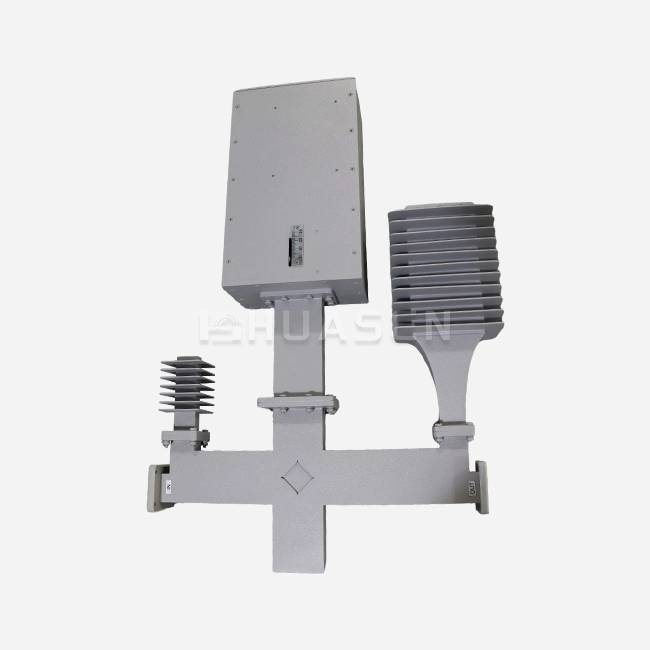
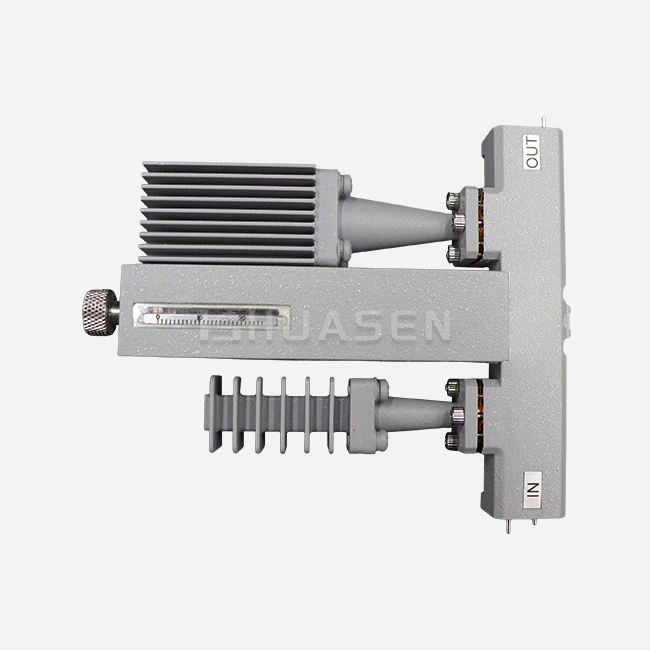
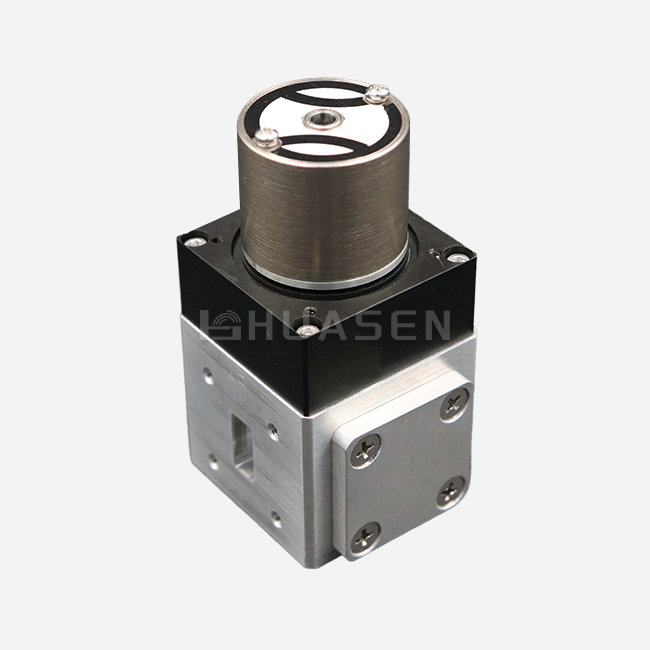
Single-Channel vs Dual-Channel Waveguide Rotary Joint Differences






2026-02-25 20:18:06
Understanding the basic differences between single-channel and dual-channel setups is important for system performance when choosing the best waveguide rotary joint for your RF system. A single-channel waveguide rotary joint rotates mechanically to send one signal path. Dual-channel versions can handle two separate signal lines at the same time. For uses ranging from radar systems to satellite communications, the choice has a direct effect on the signal integrity, system complexity, power handling capabilities, and total cost.

Understanding Waveguide Rotary Joint Fundamentals
In RF and microwave systems, rotary joints are very important parts that allow the machine to keep turning without the signal stopping. These special devices make it possible for waves to travel smoothly between antenna systems or equipment parts that are stationary and those that are rotating. Modern rotary joints use high-tech coupling devices to keep the electrical contact stable while the joint is rotating. To keep the signal quality high, the internal structure usually has waveguide parts that are precisely machined and have few air gaps. High-performance materials make sure that there is little insertion loss and good phase stability across the frequency range that is used.VSWR (Voltage Standing Wave Ratio), insertion loss, power handling capacity, and mechanical torque specifications are some of the most important performance factors. These things determine how well it works in certain situations and uses.
Single-Channel Waveguide Rotary Joint Architecture
When it comes to sending rotary signals, single-channel setups are the simplest. From the input to the output, these units have a single waveguide path that is optimised for certain frequency bands and polarisation needs. The motor design focuses on being simple and dependable. Having fewer internal parts makes upkeep easier and reduces the number of places where something could go wrong. Because the signal path isn't as complicated, this streamlined method often leads to better electrical performance. The cost of making single-channel units is still lower than making multi-channel units, which makes them a good choice for projects that want to stay within their budget. The small form factor works well for uses that don't have a lot of room or weight. If all you need to do is send a signal with as little complexity as possible, then single-channel rotary joints are the best choice for you.
Dual-Channel Waveguide Rotary Joint Design
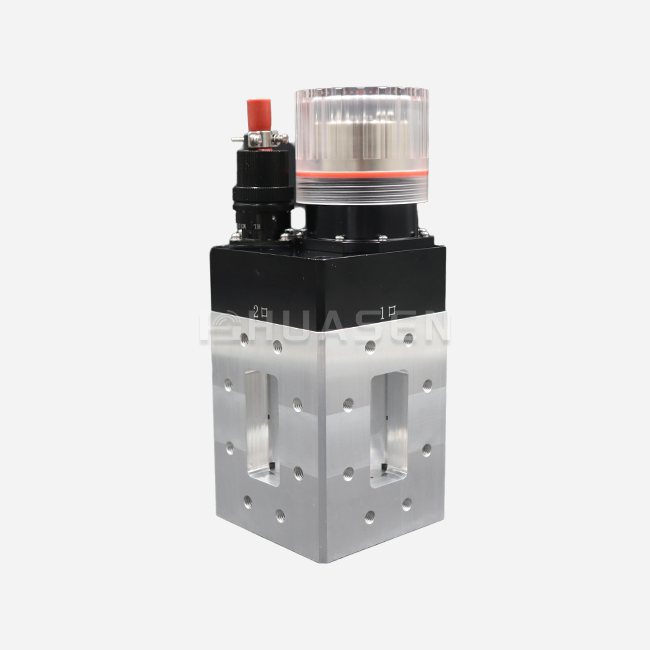
Two separate data paths can be used in a single mechanical assembly with dual-channel rotary joints. This setup lets you send and receive data at the same time, or it works with dual-polarization antenna systems without needing extra rotary devices. The internal design gets a lot more complicated, with waveguide channels that are separated from each other and little cross-coupling between paths. Advanced engineering makes sure that each channel keeps its own electrical properties while sharing mechanical parts for spinning. In order to handle the extra mechanical stress that comes from dual-path action, the design usually includes complex bearing systems. Better structural stability lets higher torque loads go through while keeping the rotation smooth for the whole life of the machine. If you need to handle two paths of signals at the same time or support two polarisations, dual-channel setups are the best way to go for complex system needs.
Performance Comparison Analysis
The electrical performance is very different between the single-channel and dual-channel versions. Measurements done in the lab show that each type of arrangement has its own unique traits.
Insertion Loss Characteristics:
- Single-channel: 0.1-0.3 dB typical across operational bandwidth
- Dual-channel: 0.2-0.5 dB typical per channel
- Cross-isolation (dual-channel): >30 dB minimum
VSWR Performance:
- Single-channel: 1.15:1 maximum across frequency range
- Dual-channel: 1.25:1 maximum per individual channel
- Phase tracking (dual-channel): ±5° typical
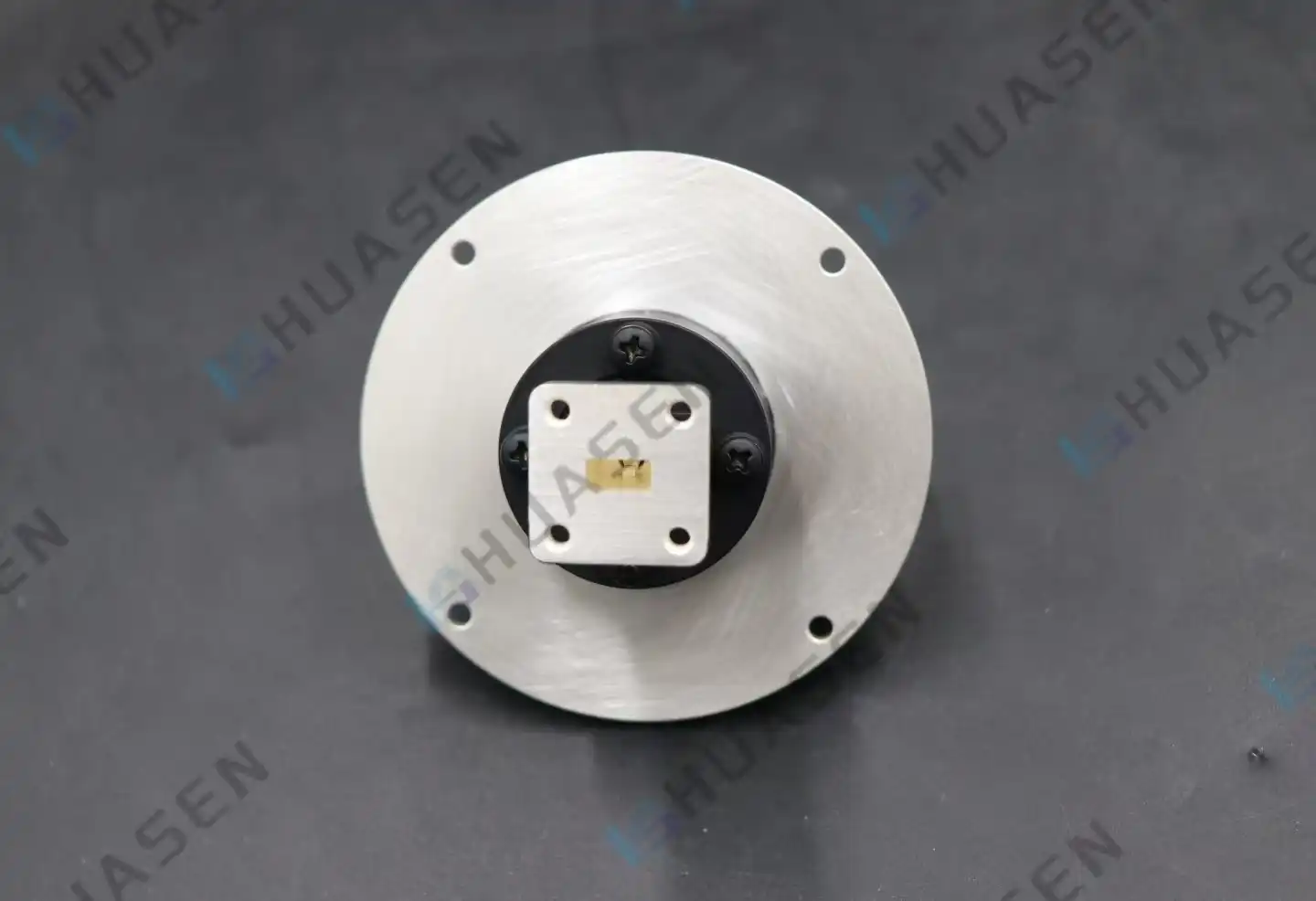
Power handling capabilities differ based on channel configuration and thermal management. Single-channel units typically support higher peak power levels due to concentrated thermal dissipation paths. Dual-channel variants distribute power across multiple paths but may experience thermal coupling between channels. Environmental specifications remain comparable, rotary waveguide joint with both configurations meeting stringent military and aerospace standards for temperature cycling, vibration resistance, and moisture protection.
Application-Specific Considerations
Different industries impose unique requirements on rotary joint selection. Understanding these application-specific needs guides optimal configuration choices.
Radar Systems
High-power applications favor single-channel designs for maximum power handling. Dual-channel configurations suit systems requiring simultaneous transmit/receive operations or dual-polarization processing. Millimeter wave radar applications demand precise mechanical tolerances regardless of channel count.
Satellite Communications
Ground station antennas often utilize dual-channel joints for frequency diversity or polarization flexibility. Maritime satellite terminals may prefer single-channel simplicity for reduced maintenance complexity in harsh environments.
5G/6G Base Stations
Modern cellular infrastructure increasingly adopts dual-channel solutions to support MIMO (Multiple-Input Multiple-Output) antenna arrays. The ability to handle multiple signal paths within compact form factors aligns with space-constrained installation requirements.
Aerospace Applications
Weight considerations often favor single-channel designs for aircraft installations. Spacecraft applications may justify dual-channel complexity for mission-critical redundancy or enhanced communication capabilities.
Cost-Benefit Analysis Framework
Economic factors significantly influence rotary joint selection decisions. Understanding the total cost of ownership requires examining multiple financial aspects beyond the initial purchase price.
Initial Investment
Single-channel units typically cost 40-60% less than comparable dual-channel alternatives. Manufacturing complexity drives this price differential, with dual-channel designs requiring more sophisticated production processes, rotary waveguide joint and quality control measures.
Installation Costs
Single-channel installations often require less complex mounting hardware and simplified cable routing. Dual-channel systems may demand enhanced structural support and additional interconnect components.
Maintenance Considerations
Long-term operational costs favor single-channel designs due to reduced component complexity. Fewer internal mechanisms translate to lower failure rates and extended maintenance intervals.If you need cost-effective solutions with straightforward maintenance requirements, then single-channel rotary joints provide better economic value for standard applications.
Technical Specifications Deep Dive
Detailed technical parameters reveal critical differences between channel configurations that impact system design decisions.
Frequency Range Capabilities:
- Single-channel: Optimized for specific bands (X, Ku, Ka, etc.)
- Dual-channel: May have broader coverage with slight performance trade-offs
- Bandwidth: 10-40% of the center frequency is typical
Mechanical Specifications:
- Rotation speed: Continuous operation up to 10 RPM standard
- Bearing life: 10^6 rotation cycles minimum
- Torque requirements: 2-5 Nm typical for single-channel, 5-12 Nm for dual-channel
Environmental Ratings:
- Operating temperature: -40°C to +85°C
- Humidity: 95% RH non-condensing
- Vibration: MIL-STD-810 compliance
- Shock: 30G peak acceleration
Quality certifications include ISO 9001 manufacturing standards and RoHS compliance for environmental responsibility.
Integration and Compatibility Factors
System integration requirements influence rotary joint selection beyond basic electrical specifications. Mechanical compatibility of waveguide joints and interface standards determines installation feasibility.
Connector Standards
Common waveguide interfaces include WR-90, WR-75, WR-62, and specialized millimeter wave formats. Ensuring connector compatibility eliminates costly adaptation requirements during installation.
Mounting Configurations
Flange mounting providesa robust mechanical connection for high-vibration environments. Compact installations may benefit from threaded mounting options with reduced space requirements.
Cable Management
To keep signal paths from interfering with each other, dual-channel devices need careful cable routing. Single-channel designs make it easier to handle cables and make installations simpler. Control interfaces range from simple ones that can be used by hand to complex ones that are managed by servos and can give feedback.

Expert Recommendations for System Designers
To choose the best rotary joint design, you have to weigh a lot of technical and cost factors that are unique to each application.
For Research and Development
For developing prototypes and trying proofs of concept, single-channel units are a cost-effective option. The simplified design makes it easier to make changes and iterations quickly during development processes.
For Production Systems
Higher initial costs are usually worth it for dual-channel configurations because they offer more system possibilities and use fewer parts overall. Think about how complicated the whole system is instead of how much each part costs.
For Critical Applications
In mission-critical systems, reliability is very important. Single-channel designs are usually more reliable because they are simpler, but dual-channel units offer functional redundancy choices. When installing something outside or in a harsh setting, environmental factors may be more important than other factors. With the right design changes, both configurations can meet strict environmental standards.
Conclusion
You can choose between single-channel and dual-channel waveguide rotary joints based on your application needs, performance objectives, and budget. For simple uses, single-channel designs are the most reliable and cost-effective option. On the other hand, dual-channel designs offer more features for complicated systems that need more than one data path. When the right choice is made for the job, both methods have their own benefits. To get the best system performance and value, you need to carefully look at the electrical specs, mechanical needs, operating conditions, and long-term operational goals.
Huasen Microwave: Your Trusted Waveguide Rotary Joint Manufacturer
Huasen Microwave delivers precision-engineered waveguide rotary joints tailored to demanding RF applications across telecommunications, aerospace, and defense sectors. Our manufacturing excellence combines three decades of microwave expertise with advanced production capabilities, ensuring consistent quality and performance reliability. Whether your project requires single-channel simplicity or dual-channel versatility, our engineering team provides comprehensive technical support from initial specification through deployment. Contact sales@huasenmicrowave.com to discuss your specific requirements and discover how our waveguide rotary joint solutions can optimize your system performance.
References
1. Microwave Engineering Handbook: Rotary Joint Design Principles and Applications, IEEE Press, 2023
2. Advanced Waveguide Components for Modern Communication Systems, Journal of Microwave Technology, Vol. 45, 2023
3. Performance Analysis of Multi-Channel Rotary Joints in Radar Applications, International Conference on Microwave Components, 2022
4. Comparative Study of Single vs Dual Channel Rotary Joint Configurations, RF Design Magazine, Issue 3, 2023
5. Waveguide Rotary Joint Reliability in Harsh Environment Applications, Military Electronics Conference Proceedings, 2023
6. Cost-Effectiveness Analysis of Rotary Joint Configurations in 5G Infrastructure, Telecommunications Engineering Review, Vol. 28, 2023
Send Inquiry