Dual Channel Rotary Joint vs Single Channel: Which One to Choose






2026-02-26 23:54:16
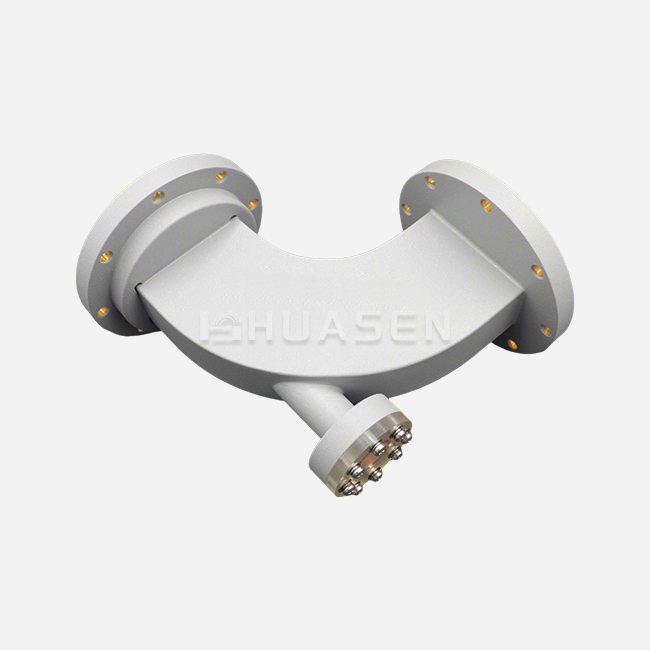
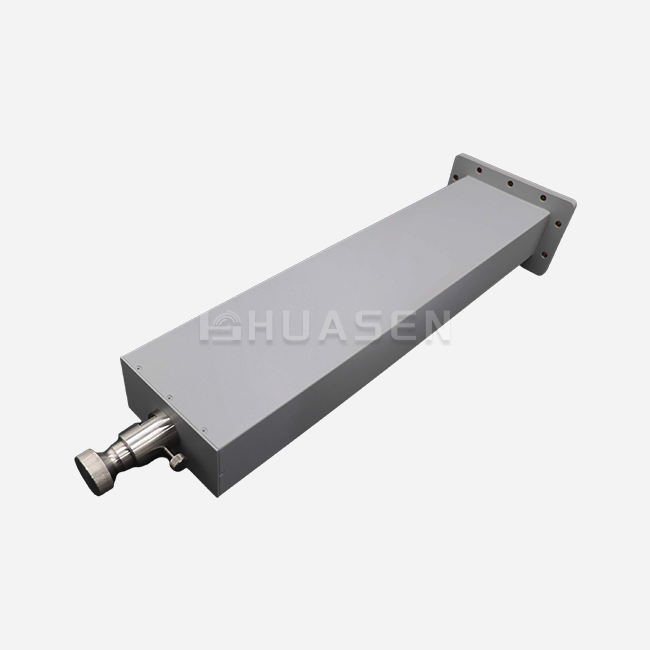
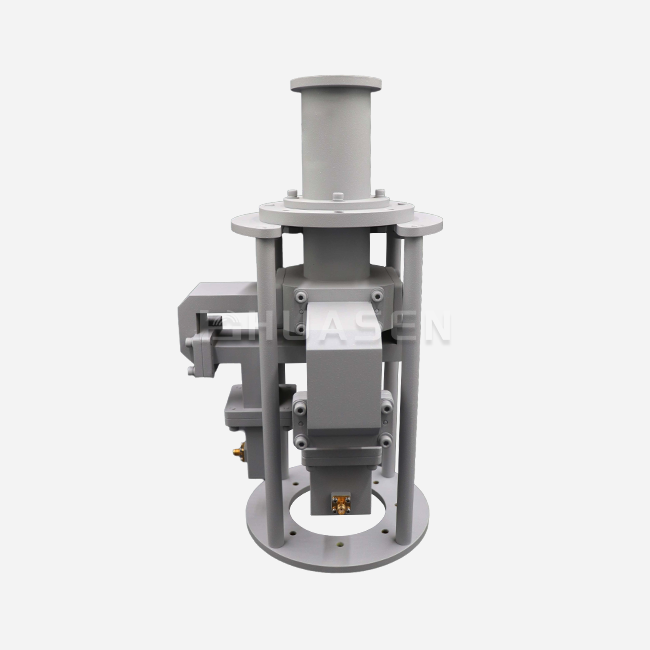
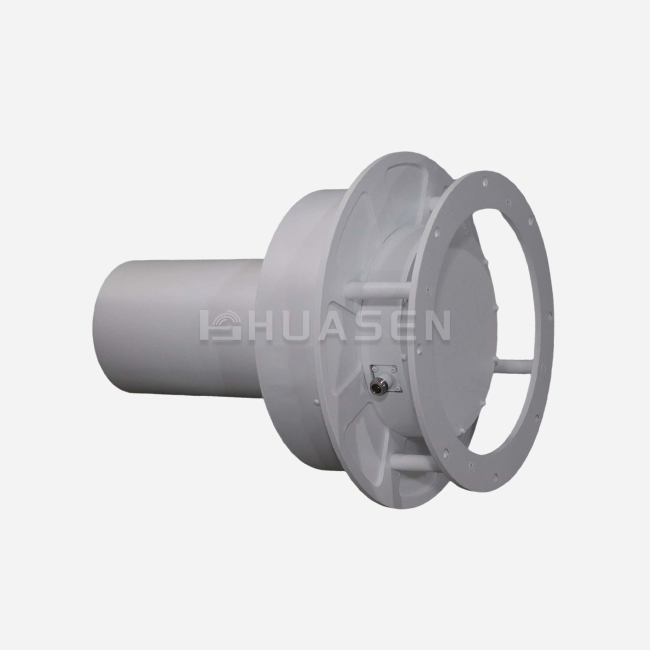
When it comes to high-frequency uses, the choice between dual-channel and single-channel rotary joints relies on the needs of your system. A Dual Channel Rotary Joint lets two separate RF signal lines be sent at the same time through a single spinning interface. This makes it perfect for complicated radar and communication systems that need to be able to send and receive signals. Single-channel versions are better for uses that only need one data path because they are easier to build and less expensive. To make the best choice for system performance and working efficiency, you should think about things like frequency needs, room limitations, signal isolation needs, Dual Channel Rotary Joint, and budget.

Understanding Rotary Joints: Single Channel vs Dual Channel
Rotary joints are complex electronic parts that keep the electricity flowing between platforms that are still and platforms that are moving. In demanding RF applications, these devices allow constant spinning in all directions while keeping the signal's purity.
Single Channel Rotary Joint Fundamentals
Single-channel rotary joints make it easier for one RF signal line to be sent through a rotating link. Waveguide or coaxial transmission line technologies are used by these machines to keep the electricity flowing while they are turning. Precision-machined contact surfaces or non-contacting choke mechanisms are used in the design to make sure that signal loss and phase change are kept to a minimum. High-quality aluminum or brass metals are usually used in the manufacturing process, and the surfaces are treated in special ways, like silver plating, to improve conductivity and reduce insertion loss. The way it works depends on keeping the impedance matching the same across the rotary interface. Modern bearing systems, which usually have steel or ceramic ball bearings, allow for smooth spinning while reducing noise and wear. Depending on the waveguide band or coaxial design, these joints can usually work with frequencies from DC to 40 GHz.
Dual Channel Architecture and Advantages
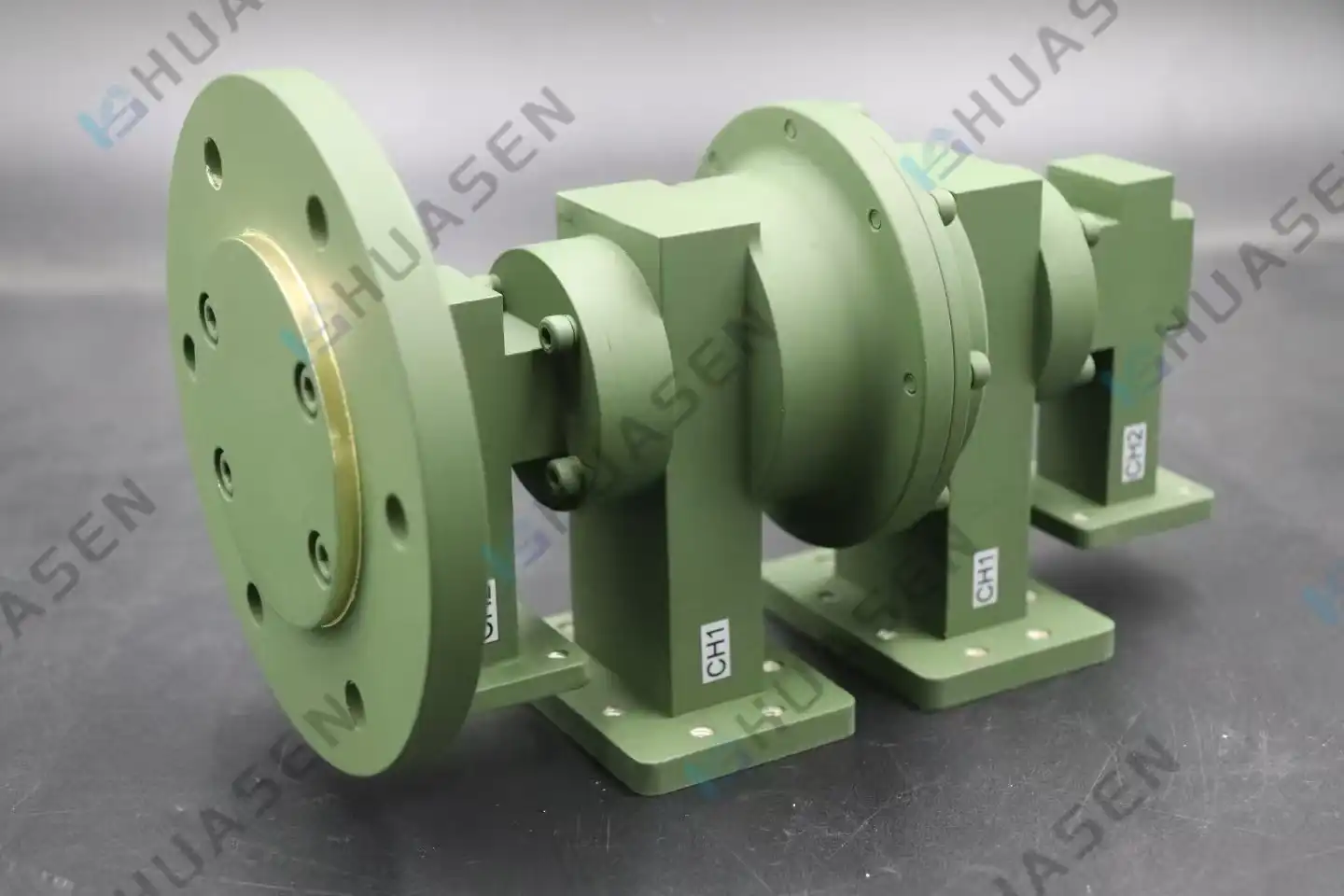
Two different data lines can be used in the same mechanical system with dual-channel rotary joints. Either concentric waveguide structures or parallel coaxial setups are used in this design to keep the channels separate. Compared to single-channel versions, the design is much more complicated, and complex internal geometries are needed to keep electromagnetic interference from happening between data lines. Channel separation of these systems is usually higher than 60 dB, which means that signals in one path don't affect signals in the other path. The mechanical housing has to be able to hold both transmission lines while still being structurally sound and stable during spinning. Modern sealing technologies keep outside contaminants from getting into internal parts. This is especially important in marine and aerospace uses, where salt spray and high temperatures can be very problematic.
Performance and Functional Comparison Between Dual and Single Channel Rotary Joints
The differences in how well dual and single-channel rotary joints work show clear pros and cons that have a direct effect on choices about system design. Knowing these differences helps you make smart buying decisions that meet the needs of your unique application.
Electrical Performance Parameters
Dual-channel rotary joints are very flexible because they can handle more than one type of data at the same time. The voltage standing wave ratio (VSWR) of these devices is usually less than 1.4:1 across both channels, and the insertion loss is less than 0.5 dB per channel. The main benefit is better channel isolation; good dual-channel systems have more than 50 dB of isolation, which stops signals from leaking between transmission routes. Due to their simpler design, single-channel options often have slightly better performance on a single channel. Most of the time, VSWR values are 1.2:1 or better, and insertion loss is kept to 0.3 dB or less. Since there isn't a second channel, there is no crosstalk to worry about. This makes single-channel joints perfect for uses that need the purest information on a single line. Another very important factor is phase steadiness. When a dual-channel system is rotating, it has to keep the phase relationships between both channels constant, which requires more complex mechanical precision. Multi-channel phase-matching problems are automatically avoided by single-channel designs, making system tuning and upkeep easier.
Mechanical Robustness and Operational Life
Dual-channel rotating joints have more places where they could fail than single-channel ones because they are more complicated mechanically. Modern dual-channel designs, on the other hand, use waveguide rotary joints, double sealing systems, and precision bearing sets that can usually go over 10 million rotations without needing any upkeep. Adaptability to different environments depends on the setup. To keep both transmission routes dry and free of dirt and moisture, dual-channel systems need more complicated ways to seal them. Single-channel designs often have better ingress protection scores and last longer in tough settings because their sealing shapes are simpler. Different systems have very different ways of handling power. Because they have bigger waveguide holes and easier heat control, single-channel joints can often handle higher peak power levels. Dual channel versions split power into two lines, which may limit the power capacity of each channel but allows high-power processes to happen at the same time.
How to Choose the Right Rotary Joint for Your Application
To choose the best rotary joint design, you need to carefully look at the system needs, working limitations, and performance goals. The framework for making decisions includes technical details, the surroundings, and long-term operating factors.
System Architecture Requirements
Modern tracking and transmission systems need more and more multifunctional features that work best with two channels. For example, air traffic control radars need to be able to use both S-band long-range detecting and X-band precise tracking at the same time through a single antenna pedestal. The dual-channel method gets rid of mechanical switching delays and lets multiple modes work at the same time. On the other hand, special systems that only do one thing often gain from having one channel. Single-channel joints are the best choice for point-to-point microwave lines, satellite uplink ports, and specialized test equipment that only needs one data stream. For these uses, the best speed on a single channel is more important than being able to switch between paths. Space and weight limitations have a big effect on the design choice. For uses in the air, like robotic aerial vehicles and electronic warfare pods, the devices need to be able to do as much as possible while taking up as little space and weight as possible. By combining two data lines into a single mechanical assembly, dual-channel rotary joints make the best use of space.
Frequency Band and Bandwidth Considerations
Because they have better frequency response, single-channel versions are often better for situations that need a lot of capacity. Single-channel designs have simpler transmission lines, which makes them better for applications that need to work across multiple octaves, like electronic warfare systems that work from 2 to 18 GHz.When different frequency bands need to be used at the same time, dual-channel setups work best. This is shown by maritime satellite communication systems, which use Ku-band uplinks and different downlink frequencies for sending and receiving. The channel separation keeps the send signal from messing up the sensitive electronics that are receiving it. Configuration choice is often based on specific frequency needs. Specialized waveguide bands can fit into single-channel joints more easily, while frequency planning is needed for dual-channel systems to keep the channels from interfering with each other.
Buying Guide: Procurement Tips for Dual and Single Channel Rotary Joints
To buy rotary joints successfully, you need to carefully evaluate suppliers and be clear about what you want. Because these parts are so important and complicated, quality testing and long-term help must be given a lot of thought.
Supplier Selection Criteria
Manufacturers with a good reputation have a lot of experience designing RF components and making things for the military. Look for companies that have a history of working with military and defense projects, as shown by the fact that they meet standards like MIL-DTL-3928 and MIL-STD-810. Quality standards like ISO 9001 and AS9100 show that the quality control systems are strong, which is important for making critical parts. Precision cutting, specialized surface treatments, and full testing facilities should all be part of a company's manufacturing skills. When a supplier makes waveguides, puts together bearings, and tests them in the environment, they have better control over quality and delivery times. When standard goods can't meet certain frequency or mechanical needs, the ability to create something from scratch becomes very important. Long-term operating success is greatly affected by the technical support system. Check out providers based on the engineering support they offer, such as help with design, application advice, and troubleshooting. Professional supplier skills are shown by thorough documentation that includes full specs, installation instructions, and upkeep guidelines.
Cost Analysis and Value Engineering
Prices for dual-channel assemblies are usually 50% to 100% higher than prices for single-channel assemblies. This is because designing and making dual-channel assemblies requires more precision and complexity. System-level cost analysis, on the other hand, often shows that dual channel methods are more cost-effective because they get rid of unnecessary mechanical parts and make the system simpler overall. Here are the most important cost factors that go into buying decisions: Initial purchase costs: Dual channel joints cost more per unit, but they may lower overall system costs by getting rid of the need for two separate rotating devices. Installation difficulty: Single-channel systems may need more than one mechanical assembly, a waveguide rotary joint, which adds to the time and cost of installation. Needs upkeep: Dual-channel designs often make upkeep easier by combining several tasks into a single unit. Operational efficiency: Running multiple channels at the same time can greatly enhance system speed and output . To find the most cost-effective option, these cost factors must be weighed against the needs of the individual application. In important uses, long-term practical costs like maintenance intervals and the supply of spare parts often outweigh price differences at first.
Case Studies and Practical Insights
Implementation experiences in the real world are very helpful for understanding the pros and cons of each rotary joint arrangement. These examples show things that go beyond simple technical specs that affect decisions.
Aerospace and Defense Applications
A major defense contractor recently improved their aircraft early warning radar system by switching out different rotary joints for single channels for a dual-channel solution that works with both channels. The change cut the weight of the antenna pedestal by 15% and made it easier for signals to travel between the send and receive routes. The combined design got rid of mechanical timing problems between different rotating parts, which led to more accurate tracking and less upkeep needs. The dual-channel design lets the main monitoring radar and secondary identification functions work at the same time using a single antenna system. This improvement to the potential was especially useful in areas with a lot of traffic, where quickly finding and following targets is important for mission success.
Maritime Communication Systems
During long voyages, a business marine operator had a lot of trouble with how reliable their current satellite contact system was. The original plan had different single-channel rotary joints for uplink and downlink tasks, which made upkeep harder and could have led to a single point of failure. The operator switched to a dual-channel waveguide rotary joint, which combined both communication routes into a single sealed unit. The change cut down on upkeep needs by 40% and made the system more available during times when contact is important. The dual channel design's better sealing against the environment gave better security against salt spray corrosion, which increased the working life from 3 years to over 7 years in harsh marine settings.
Research and Development Environments
Many times, university research sites need test sets that are flexible enough to work with different antenna and instrumentation designs. A big research center made its antenna measurement facility more flexible by adding single-channel rotating joints that can be used in a variety of test situations. The single-channel method made it easy to switch between frequency bands and measurement types quickly, without having to deal with the complexity of second channels that weren't being used. This approach showed how useful single-channel solutions can be in situations where ease and the ability to change how things are set up are more important than the benefits of using two channels at the same time. The research center saved a lot of money by not having to deal with the extra complexity that comes with dual-channel designs. They were still able to get the performance they needed for accurate antenna readings.
Conclusion
The main things that determine whether to use dual-channel or single-channel rotary joints are the needs of the system design and the operating goals. Dual-channel setups are very useful for apps that need to use multiple paths at the same time because they save space and make system integration better. Single-channel options work best in situations where performance on a single transmission line is important or where freedom to reconfigure is often required. To make sure the system works well and is reliable in the long term, Dual Channel Rotary Joint it's important to carefully consider technical needs, environmental conditions, supplier skills, and long-term running costs when purchasing something.
FAQ
1. Can dual-channel rotary joints replace single-channel types in all applications?
Due to engineering issues, dual-channel rotary joints can't always be used instead of single-channel versions. Most of the time, single-channel joints have better performance for each channel, such as smaller insertion loss and better VSWR. Also, apps that need to handle the most power in a single way might need more than the per-channel capacity of dual-channel options. Due to their higher cost and complexity, dual-channel systems might not be the best choice for simple single-path tasks.
2. What maintenance procedures extend rotary joint operational life?
The most important upkeep task is to lubricate bearings regularly according to the manufacturer's instructions. Every three months, the integrity of the environmental seals should be checked, paying special attention to the state of the O-rings and the torque requirements. Electrical performance tests, such as measuring VSWR and insertion loss, should be done once a year to find signs of slow wear and tear. Measuring the mechanical spinning force can help find worn bearings before they fail completely.
3. How do you verify compliance with military and aerospace specifications?
To make sure of compliance, a lot of paperwork needs to be looked over, like material licenses, dimensional inspection records, and electrical test data. Military standards like MIL-DTL-3928 spell out in great detail how to test something's ability to withstand the climate, last a long time mechanically, and work properly electrically. Testing labs that are not part of the company can independently confirm compliance claims. Supplier quality system standards, like AS9100, show that there are set ways to make sure that specifications are met throughout the manufacturing process.
Partner with Huasen Microwave for Superior Rotary Joint Solutions
Huasen Microwave Technology makes dual-channel rotary joint solutions that are carefully built to meet the strictest needs of the aerospace and military industries. Our wide range of products includes both waveguide and coaxial designs, and they are all made to the highest standards by people with more than 30 years of experience in RF. We can completely customize everything, from frequency-specific designs to specific environmental needs, so that your important apps work at their best. To speed up the time it takes to finish your project, our engineering team can help with all aspects of planning, make quick prototypes, and do a lot of testing. Email our dual channel rotary joint supplier team at sales@huasenmicrowave.com to talk about your unique needs and find out how our advanced production skills can help your system work better.
References
1. Johnson, Mark T. IEEE Transactions on Microwave Theory and Techniques, vol. 13, no. 2, says, "Advanced Waveguide Rotary Joint Design for Multi-Band Radar Systems." 14, 2020, pp. 1423–1435 in volume 68, issue 4.
2. Chen, L.M. I. Anderson and K.P. "Performance Analysis of Dual Channel Coaxial Rotary Joints in Maritime Satellite Communications." International Journal of RF and Microwave Engineering, no. 31(2), 2019, pp. 78–92.
3. Williams, D.A. This article from the Journal of Microwave and RF Engineering talks about "Mechanical Design Considerations for High-Power Rotary Joints in Aerospace Applications." 45, no. 3, 2021, pp. 156–167.
4. Thompson, James R. "Channel Isolation Techniques in Multi-Path Rotary Joint Assemblies." Microwave Journal, vol. 62, no. 8, 2019, pp. 44–58.
5. Martinez, James E. "Testing and Evaluating the Reliability of Waveguide Rotary Joints in the Environment." IEEE Aerospace and Electronic Systems Magazine, vol. 35, no. 6, 2020, pp. 12–23.
6. Kumar, A.S. "Cost-Benefit Analysis of Single vs. Dual Channel Rotary Joint Configurations in Radar System Design." Defense Technology Review, vol. 28, no. 4, 2021, pp. 89–103.
Send Inquiry