Top High-Power Waveguide to Microstrip Adapter Manufacturers






2026-02-24 21:21:08
Engineers and procurement experts find a number of industry-leading companies that make precision RF parts when they are looking for the best high-power waveguide to microstrip adapter makers. In high-frequency uses, these waveguide adapters make it possible for signals to move smoothly between waveguide transmission systems and flat microstrip circuits. Leading manufacturers like Pasternack, Flann Microwave, and specialized companies like Huasen Microwave have built their reputations by coming up with new products for decades. Their product lines cover a wide range of frequency ranges, power handling needs, and environmental requirements that are needed by the aerospace, telecommunications, and defense industries around the world.
Introduction
As modern communication systems have improved, there is a greater need than ever for safe ways to send high-frequency signals. Among the many important parts of this technology are high-power waveguides to microstrip adapters, which connect old waveguide systems to new planar circuit architectures. These carefully made gadgets make sure that the signals stay intact while still being able to handle the power that is needed for advanced defense and communication uses. My detailed guide is for procurement managers, system engineers, wholesalers, and OEM clients who need to know a lot about how to choose a maker and what productsthey can offer. Modern radio frequency (RF) systems are very complicated, so many things need to be carefully thought through. These include frequency coverage, power levels, environmental resistance, and long-term dependability. When looking for parts that need to work regularly in a wide range of operating situations, it's important to know what the manufacturer can do . The world market for microwave parts keeps growing thanks to the growth of 5G networks, satellite communication systems, and more advanced tracking systems. This growth brings both chances and problems for procurement workers, who have to find their way around a supplier landscape that is getting more complicated while keeping an eye on quality parts and the security of the supply chain.

Understanding High-Power Waveguide to Microstrip Adapters
High-power waveguides to microstrip adapters change waveguide modes that are moving into microstrip transmission forms that are flat. They do this by using complex electromagnetic transition devices. To keep the signal's integrity during the exchange process, these parts use carefully designed dielectric surfaces and precise metal structures. The basic function depends on methods for changing electromagnetic fields that keep power levels stable while reducing reflected losses as much as possible.
Key Components and Design Elements
There are several important parts that go into making these adapters that have a direct effect on how well they work. Dielectric substrates are the building blocks of microstrip circuits. The dielectric constant and loss slope of the material have a big effect on the frequency response and power handling capabilities. Conductive elements, which are usually made of high-conductivity metals like copper or surfaces that have been gold-plated, make sure that there aren't too many resistance losses while signals are being sent. Another important part of design is transition shapes, which are how engineers make the actual connection between the waveguide and microstrip domains work best. In order to meet impedance matching standards, these transitions must also keep their structural integrity when working at high power levels. Modern manufacturing methods allow for precise control over dimensional limits, which makes sure that all production runs work the same way.
Adapter Types and Configurations
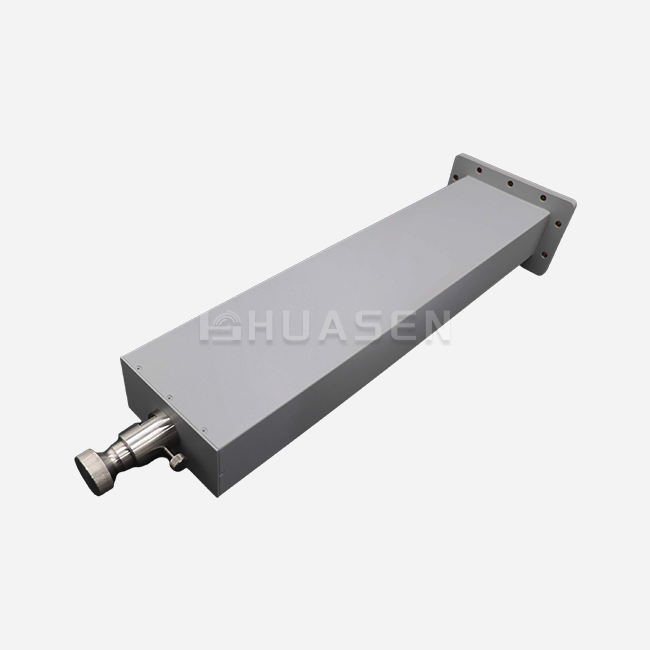
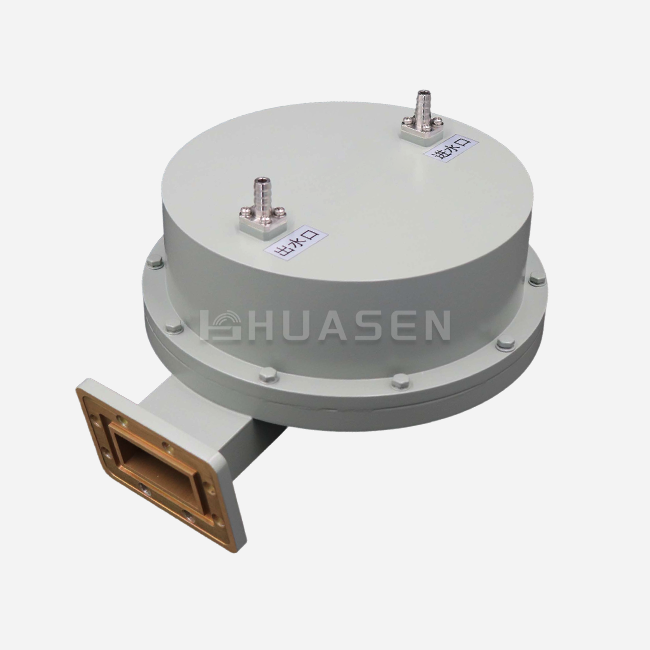
Standard waveguide adapters have been used successfully for many years in X-band, Ku-band, and Ka-band uses. These items usually have standard waveguide ports and microstrip output configurations that work well with the way systems are already set up. Flange-mounted versions are better for protecting the environment and keeping things stable, with a waveguide to coaxial adapter, so they can be used for outdoor setups and mobile platforms. When standard goods can't meet certain frequency, power, or mechanical requirements for a system, custom adapter options are made to fit those needs. A lot of the time, these specialized devices have unique design features that make them work better in certain situations, like high-power amplifier connections or phased array antenna systems.
Top High-Power Waveguide to Microstrip Adapter Manufacturers
To choose the right makers, you need to carefully look at their technological skills, quality standards, and ability to meet certification requirements. Companies at the top of their fields show they are dedicated to doing the best by using thorough quality management systems and following international standards like ISO 9001 and military standards like MIL-STD-348.
Leading Industry Players and Their Capabilities
Pasternack is a well-known company that sells RF and microwave parts. They have a wide range of products that cover frequencies from DC to millimeter-wave bands. Their waveguide transition goods are built to last and go through strict testing procedures to make sure they work well in tough situations. The company keeps a lot of inventory on hand and offers fast shipping choices for jobs that need to be done quickly. Flann Microwave makes high-precision test tools and waveguide parts, and they are especially good at working with millimeter waves. Their adapter goods are made with cutting-edge design methods that give them great performance, such as low VSWR and the ability to handle a lot of power. The company's engineering team helps with all kinds of technology issues while choosing products and putting them together. The main things that SDR radio makes are high-performance radio parts for use in the military and spacecraft. Their adapter goods go through strict testing procedures that make sure they work in a wide range of harsh conditions, such as temperature cycling, shaking, and shock testing. Quality assurance processes make sure that all production lots work the same way. The people at Huasen Microwave Technology have been making high-frequency parts for 30 years and are very good at making waveguide systems and millimeter-wave technologies. The company has a wide range of products, such as standard and special adapter options for different frequency bands and power needs. Their technical skills allow them to offer fast prototyping and customization services that meet the specific needs of each application.
B2B Procurement Advantages
These companies meet important needs for business-to-business purchases by providing thorough technical paperwork that includes specs, performance data, and connection guidelines. Certification compliance makes sure that goods meet government and industry standards, which lowers the risk of buying them and makes the approval process easier. Flexible minimum order amounts, faster shipping choices, and global distribution networks are some of the ways that supply chain efficiency makes sourcing easier. As part of system validation standards, quality assurance programs provide traceability documents and performance verification data. Technical support services help make sure that the product is integrated correctly by offering design advice, sample evaluation programs, and help after delivery.
Comparing Waveguides to Microstrip Adapters and Alternatives
Understanding how different types of adapters work and what applications they are best for lets you make smart choices during the buying process. There are clear benefits to using waveguides for microstrip connections in certain situations, but other methods may work better for other system needs.
Performance Characteristics and Advantages
Waveguide adapters work really well in situations where you need better insertion loss performance and a wider frequency range. Waveguide transmission has low loss by nature, and when you mix that with transition designs that are tuned, the signal degradation is very low across a wide frequency range. Because they can handle a lot of power, these adapters are great for use in transmitters and high-power test systems. In broadband applications, where a single adapter can cover more than one octave of bandwidth, frequency range benefits become clear. Compared to narrowband options, this feature makes system design easier and lowers the number of parts that need to be kept on hand. Environmental sturdiness lets things work reliably in a wide range of temperatures and rough circumstances.
Design and Installation Considerations
To meet the standards for compatibility, you must pay close attention to the waveguide flange specifications, the microstrip substrate characteristics, and the mechanical interface measurements. Standard waveguide flanges make sure that links with other parts of the system work well, and special flanges can be made to fit specific mounting needs. Installation factors include things like how to place the device mechanically, how to keep it cool, and how well it works with electric fields. The right way to put somethingtogether makes sure it works well and lasts a long time, and it also lowers the risk of damaging parts during the building process.
Procurement Guide: How to Source High-Power Waveguide to Microstrip Adapters
To make good buying plans, you need to know a lot about your suppliers' skills, how the market works, and how to save money. There are differences in the markets in the United States, Europe, and Asia, which are all big manufacturing hubs. These differences affect things like availability, price, and wait time.
Supplier Selection and Evaluation
OEM-certified manufacturers ensure that their products are real and meet standards. This lowers the risk of fake parts and performance problems. When you work directly with a maker, you can get technical help and customization options that you might not be able to get through other routes of marketing. Using third-party sellers can save you money and make it easier to get a lot of different kinds of parts. When judging a supplier, you should look at things like quality certifications, output skills, expert help resources, and the stability of the supply chain. As the global supply chain and market volatility become more unpredictable, financial stability and plans for business continuity become more important things to think about.
Pricing and Volume Strategies
A big chunk of the price of an adaptor comes from the materials it's made of. Specialized substrates and valuable metals add to the overall cost of the part. Customization usually drives up prices because non-standard goods need more technical resources and tools, which cost money. The price of a frequency band can change depending on how hard it is to make and how much demand there is in the market. By taking advantage of quantity discounts and making the supply chain more efficient, waveguide-to-coaxial adaptervolume buying methods can cut costs by a large amount. Long-term supply deals keep prices stable and promise availability while lowering the costs of managing the paperwork that comes with buying things all the time. Strategic inventory management helps keep costs low while also making sure there is a steady flow of goods.
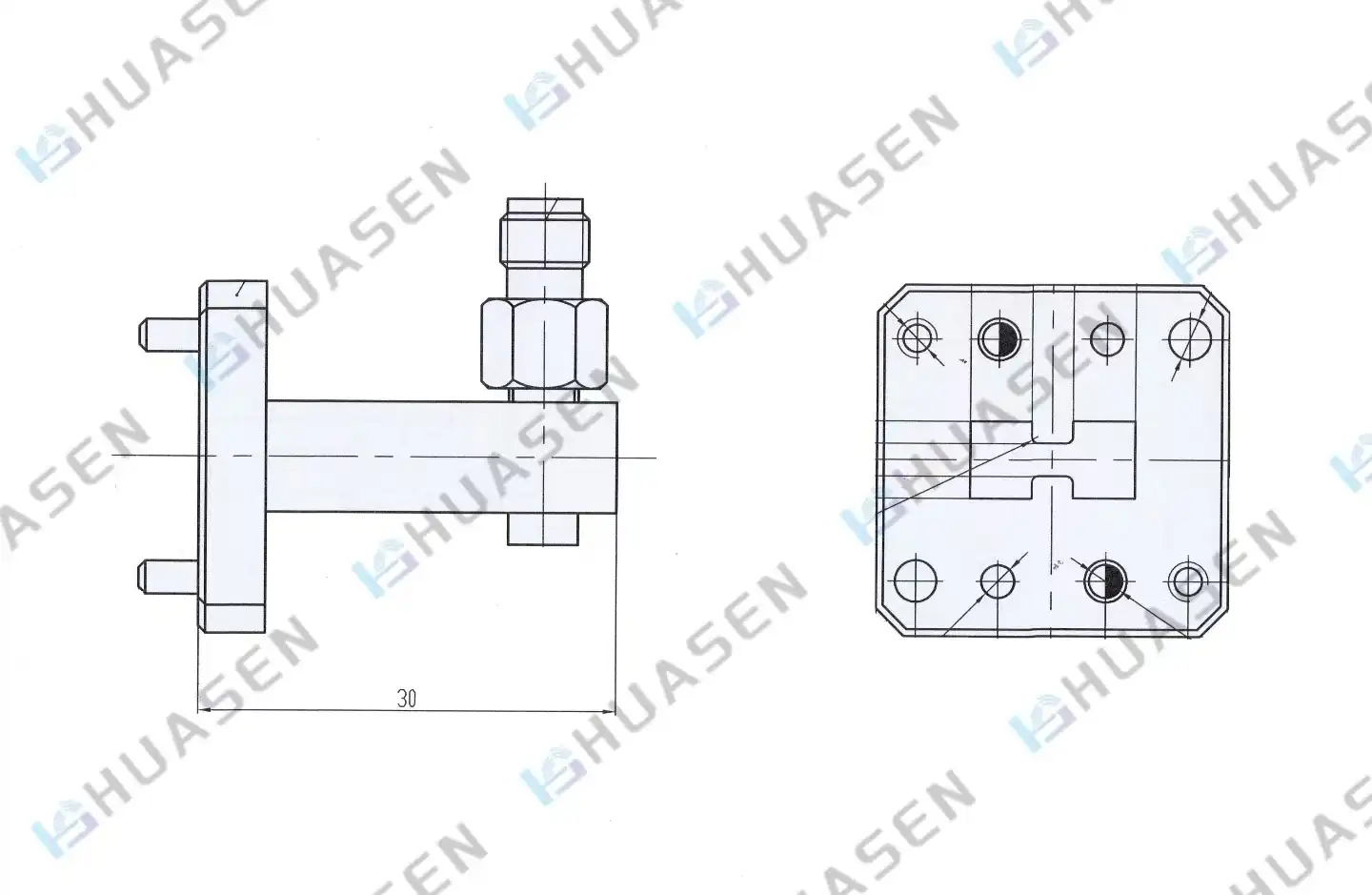
Installation and Performance Optimization for High-Power Waveguide to Microstrip Adapters
For performance levels to be met and long-term dependability to be ensured, the right installation and improvement methods must be used. A thorough construction plan takes into account mechanical, thermal, and electrical factors that affect how well the system works.
Installation Best Practices
Before a system is put together, pre-installation inspection processes make sure that all the parts are in good shape and meet the requirements. A visual check finds any possible shipping damage or production flaws that might affect how well it works. Verification of dimensions makes sure that the new part will work with the current system connections and mounting arrangements. For installation, you need precision torque wrenches for flange connections, the right mounting hardware, and test equipment to make sure the installation is working right. When work areas are clean, there is less chance of contamination that could hurt electrical performance or lead to long-term stability problems.
Material Selection and Thermal Management
The materials used have a big effect on how well and how long an adapter lasts. Aluminum housings are great at transferring heat and are also very light. Under normal working conditions, they keep their structural integrity. Brass parts are better at resisting rust and keeping their shape over a wide range of temperatures. Copper parts improve electrical conductivity and lower resistive losses in data paths that are very important. When there is a lot of power being used, thermal management is very important because heat loss can affect how well parts work and how reliable they are. The right materials for heat sinks and thermal interfaces help keep working temperatures at the right level and stop harm from thermal cycling.
Performance Optimization Techniques
To get the best VSWR, you need to pay close attention to the impedance matching and transition design factors. Using vector network monitors for measurements lets you get a good idea of how reflection coefficients and insertion loss behave. Calibration methods make sure that measurements are accurate and can be repeated in a variety of test setups. Protocols for testing and validating make sure that performance meets requirements and find any problems that might happen before the system is put into use. Environmental testing confirms performance in harsh working conditions, and rapid aging tests predict how reliable something will be in the long run.
Conclusion
To choose the right high-power waveguide adapters from microstrip adapter makers, you need to carefully look at their technical skills, quality standards, and the benefits of buying from them. Leading makers show how knowledgeable they are by offering a wide range of products, following strict testing procedures, and providing helpful customer service. Understanding the features of adapters and how to improve their performance is important for integrating systems well and making sure they work well for a long time. Procurement strategies that work well match the need for success with the need to save money, all while keeping the supply chain stable and managing relationships with vendors.
FAQ
1. What frequency ranges do high-power waveguide to microstrip adapters typically support?
Standard waveguide frequency bands like X-band (8.2-12.4 GHz), Ku-band (12.4-18 GHz), and Ka-band (26.5-40 GHz) are often supported by high-power adapters. Depending on the needs of the application and the limitations of the design, custom solutions can cover a wider frequency range, from S-band to millimeter-wave frequencies.
2. How do waveguide adapters compare to coaxial alternatives in high-power applications?
When used in high-frequency situations, waveguide adapters are better at handling power and have lower insertion loss than coaxial options. Waveguides can handle more power while still having lower resistance losses because their cross-sectional area is bigger. When a small size or wider frequency range is needed, coaxial adapters may be the best choice.
3. Are custom solutions available for unique frequency and power requirements?
Leading makers, such as Huasen Microwave, offer full customization services that take into account different frequency bands, power levels, and technical needs. Custom solutions usually need help from engineers to find the best design factors, and they may take longer to make the sample and test it to make sure it works.
4. What certification standards should buyers look for when sourcing adapters?
Some important licenses are RoHS environmental compliance, ISO 9001 quality management compliance, and MIL-STD-348 waveguide standards compliance. For military and aerospace uses, you might need extra certifications like AS9100 aerospace quality standards and certain test methods for environmental approval.
Partner with Huasen Microwave for Superior Waveguide Adapter Solutions
Huasen Microwave Technology has 30 years of experience as a specialized tech company that can meet your most difficult high-power waveguide to microstrip waveguide adapters needs. Our wide range of production skills lets us make both standard and fully customized solutions that meet strict performance requirements across a wide range of frequency bands. As a reliable source of waveguide adapters, we offer full technical support from the initial design meeting to delivery of the finished product, making sure that it works perfectly with your current systems. Email our engineering team at sales@huasenmicrowave.com to talk about your unique needs and find out how our years of experience can help your next project succeed.
References
1. IEEE Standard for Waveguide and Coaxial Transmission Lines: Dimensional Standards and Mechanical Tolerances, IEEE Std 287-2019
2. Military Standard Test Method for RF Connectors, MIL-STD-348A, Department of Defense Interface Standard
3. Microwave Engineering Handbook: Waveguide Components and System Design, Third Edition, Artech House Publishers
4. International Electrotechnical Commission Standard for Waveguide Adapters and Transitions, IEC 60153-4:2017
5. Advanced Microwave Circuit Design: Waveguide to Planar Transitions and Optimization Techniques, McGraw-Hill Professional
6. Quality Standards for High-Frequency Electronic Components: Manufacturing and Testing Protocols, Institute of Electrical and Electronics Engineers
Send Inquiry