Directional Coupler Selection Guide for Aerospace RF Systems






2026-02-26 23:54:18
Selecting the optimal directional coupler for aerospace RF systems requires careful consideration of stringent performance specifications, environmental challenges, and mission-critical reliability demands. Aerospace applications demand components that maintain precise signal integrity across extreme temperature variations, vibration loads, and electromagnetic interference while delivering consistent coupling coefficients, superior isolation, and minimal insertion loss. These passive RF components serve as the backbone for radar systems, satellite communication links, electronic warfare platforms, and avionics testing equipment, where even minor performance degradations can compromise mission success and safety protocols.

Understanding Aerospace-Grade Directional Couplers
When compared to commercial RF uses, aerospace directional couplers have to work within very different rules. These special parts have to work in temperatures ranging from -55°C to +125°C and keep their S-parameters fixed throughout their working range. Controlled electromagnetic field interaction between transmission lines is what makes the coupling mechanism work. This is usually done with microstrip, stripline, or waveguide architectures, based on the frequency and power handling needs. Standards for the military and aerospace industry, like MIL-STD-202 and MIL-STD-348, tell us how to build and test these important parts. The strict qualification method includes testing for temperature changes, vibrations, humidity, and salt fog resistance. These methods for environmental stress testing make sure that the equipment will work for a long time in harsh operational environments where a broken part could mean the end of a mission or the loss of the equipment. Due to high-power radar transmitters and electronic countermeasure systems, aerospace uses often need to be able to handle more power than is normally needed. Peak power ratings often reach several kilowatts, and average power handling must be able to handle constant duty cycles without getting too hot. High-temperature dielectric materials and specialised heat dissipation methods are used in the internal construction to effectively handle thermal stress.
Critical Performance Parameters for Mission Success
When looking for directional couplers for their systems, hybrid coupler aerospace engineers put certain performance metrics at the top of their list. The accuracy of the coupling has a direct effect on the accuracy of measurements and the even spread of signals across antenna arrays. In most aerospace uses, coupling tolerances must be within ±0.5 dB across the operational bandwidth. These requirements are much stricter than business requirements. In radar and electronic warfare, where accurate power measurements decide target detection range and jamming success, direction performance is very important. Higher directivity values than 30 dB make it possible to clearly separate forward and reflected signals, which is important for tracking antenna VSWR and protecting transmitters. When specifying insertion loss, system link budgets must be taken into account, as every decibel affects performance as a whole. Signal loss is kept to a minimum through the main transmission line by using low-loss designs with optimised conductor geometries and high-quality dielectric materials. Engineers can make coupling structures work better while keeping their broadband performance features by using advanced electromagnetic simulation tools. The features of return loss affect the stability of the system and the matching of impedances all along the RF chain. When return loss values are too low, standing wave patterns form that lower the quality of the signal and could hurt high-power speakers. Most aerospace-grade couplers have return loss values that are less than 20 dB over the frequency range they are designed for.
Frequency Band Considerations and Bandwidth Requirements
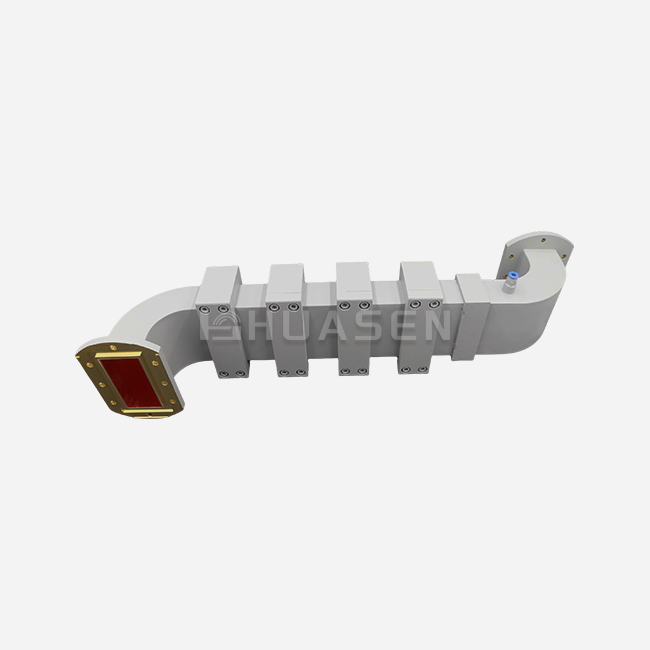
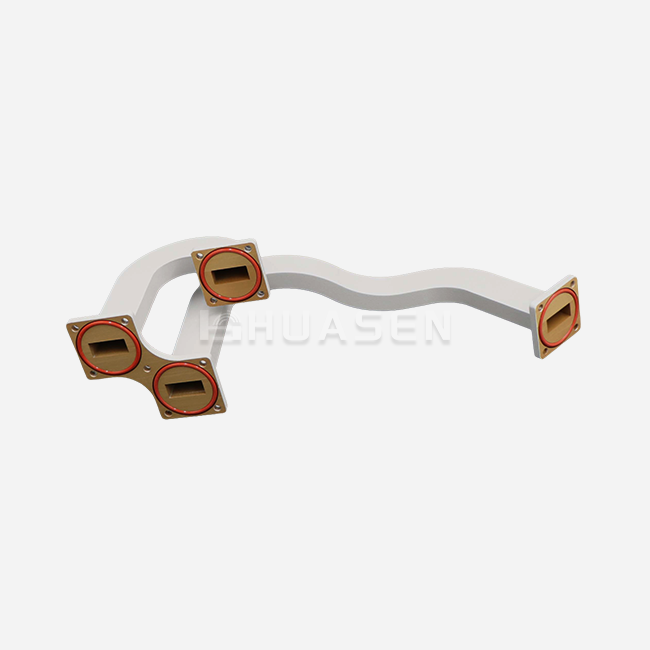
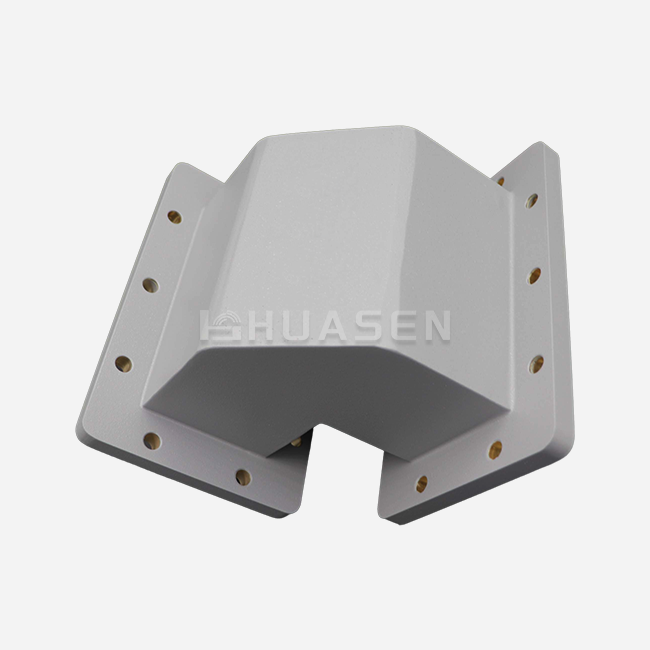
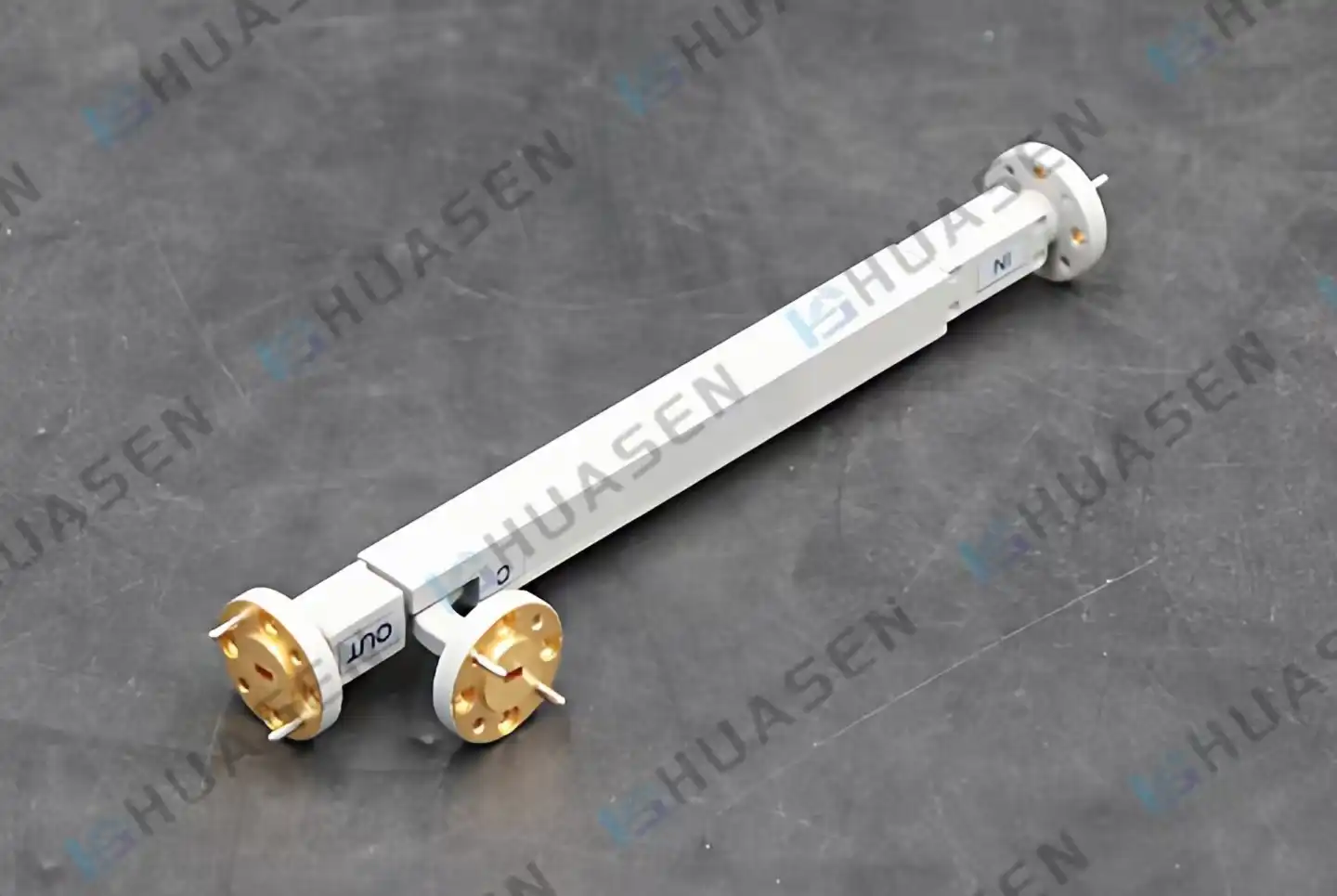
HF communication lines below 30 MHz and millimeter-wave radar systems close to 100 GHz are just a few of the frequency ranges that aerospace systems use. Each frequency range has its own design hurdles and performance trade-offs that affect how couplers are chosen. Coaxial directional couplers are great for L-band and S-band uses, like those found in surveillance radars and satellite communication systems. They are very stable mechanically and work with a wide range of connectors. The performance of these systems stays the same across multiple octave bandwidths, and they meet standard interface requirements. C-band and X-band systems are common in weather radars and military transmission platforms. To fit them into phased array modules more compactly, they often use microstrip or stripline coupling architectures. The flat structure makes it possible to precisely control the manufacturing process and make things cheaply for large-scale operations. Applications in the Ku-band and Ka-band make it hard to make things smaller while still managing power and temperature well. At these frequencies, waveguide-based connection solutions become more appealing because they can handle more power and lose less of it than coaxial options. To meet the needs of broadband that covers many octaves, impedance matching and coupling structure optimisation must be done carefully. To get a flat frequency response and keep directivity requirements across the whole operating range, wideband designs often use tapered coupling sections or stages that are stacked on top of each other.
Environmental Resilience and Qualification Standards
Aerospace environments subject electronic components to extreme conditions that would quickly degrade commercial-grade equipment. Temperature cycling between arctic cold and solar heating creates thermal stress that can crack solder joints, delaminate substrates, and alter electrical characteristics over time. Vibration and shock loading during launch sequences,hybrid couplerturbulence encounters, and hard landings impose mechanical stress that tests connector integrity and internal component mounting. Aerospace couplers incorporate reinforced housing designs and specialized mounting techniques to survive these dynamic loads without performance degradation. Altitude variations create pressure differentials that can cause outgassing from organic materials, leading to corona discharge and insulation breakdown at reduced atmospheric pressure. Vacuum-compatible materials and hermetic sealing techniques prevent these failure mechanisms in space-based applications. Radiation exposure in space environments gradually degrades organic compounds and alters semiconductor characteristics in active components. While passive couplers exhibit greater radiation tolerance than active devices, careful material selection remains important for long-duration missions beyond Earth's protective magnetosphere. Salt fog and humidity testing verify corrosion resistance for maritime and coastal installations where saltwater exposure accelerates metal degradation. Protective coatings and noble metal plating extend operational life in these challenging environments.
Material Science and Construction Techniques
Advanced material systems enable aerospace couplers to achieve superior performance while withstanding environmental extremes. PTFE-based dielectric materials provide excellent electrical properties across wide temperature ranges with minimal loss tangent variation. These fluoropolymer systems maintain stable permittivity values essential for consistent coupling coefficient performance. Conductor metallurgy plays a crucial role in long-term reliability and electrical performance. Silver-plated copper provides optimal conductivity for most applications, while gold plating offers superior corrosion resistance in harsh environments. Specialized alloys such as beryllium copper enable flexible connector interfaces that maintain electrical contact through thermal cycling. Housing materials must balance electromagnetic shielding effectiveness with mechanical strength and weight considerations. Aluminum alloys dominate aerospace applications due to their favorable strength-to-weight ratios and excellent machinability. Specialized coatings enhance corrosion resistance without compromising electrical performance. Joining techniques,s including brazing, welding, and specialized adhesives,s ensure hermetic sealing while maintaining electrical continuity. These processes require careful temperature control to prevent intermetallic formation that could degrade long-term reliability.
Testing and Validation Protocols
Comprehensive testing protocols verify that aerospace couplers meet stringent performance requirements under all operational conditions. Vector network analyzer measurements characterize S-parameter performance across temperature and frequency ranges, ensuring specifications remain within acceptable limits throughout the mission profile. Power handling validation involves both continuous wave and pulsed testing to verify thermal management and peak power capabilities. These tests identify potential hot spots and verify adequate safety margins for worst-case operating scenarios. Environmental qualification testing follows standardized protocol,s including temperature cycling, dual directional coupler vibration exposure, humidity conditioning, and salt fog resistance evaluation. These accelerated stress tests simulate years of operational exposure in compressed timeframes. Passive intermodulation testing becomes critical in sensitive communication applications where spurious signals could interfere with weak received signals. Low-PIM designs require careful attention to material purity and junction quality throughout the construction process. Statistical process control during manufacturing ensures consistent quality and performance repeatability across production lots. These quality systems provide traceability and configuration control essential for aerospace applications.
System Integration and Interface Compatibility
Successful aerospace coupler deployment requires careful attention to system-level integration challenges, including mechanical mounting, thermal management, and electromagnetic compatibility. Connector selection must accommodate mating cycles, environmental sealing, and maintenance accessibility requirements. Thermal interface design becomes critical in high-power applications where heat dissipation affects both electrical performance and component longevity. Proper heat sinking and thermal path optimization prevent hot spots that could cause premature failure. Electromagnetic compatibility considerations include both susceptibility to external interference and emissions that could affect nearby sensitive equipment. Proper shielding design and grounding techniques minimize these interactions. Cable management and routing must accommodate thermal expansion, vibration isolation, and maintenance access while maintaining signal integrity. Strain relief and bend radius control prevent mechanical stress concentration that could damage delicate RF connections.
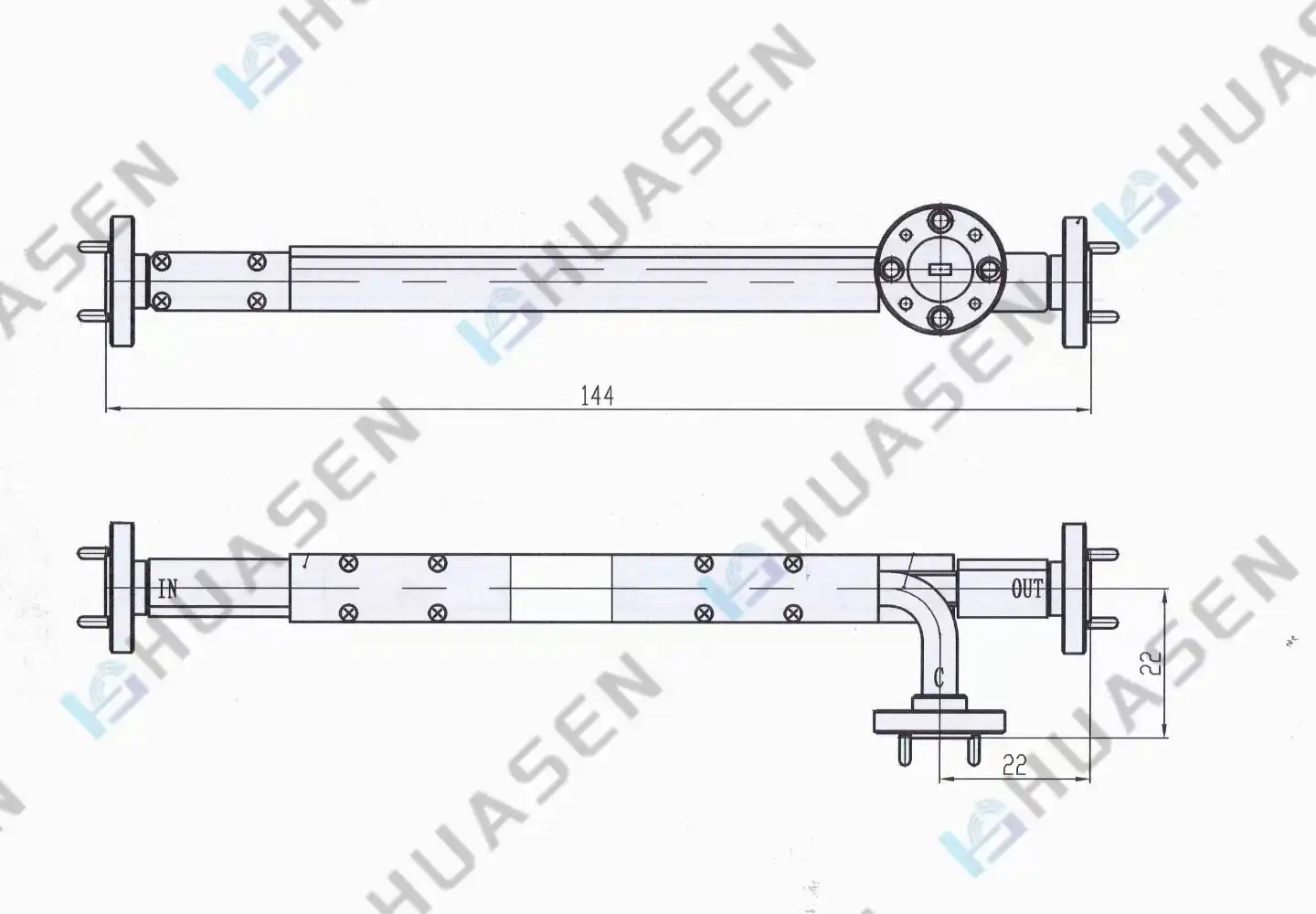
Streamline Your Aerospace RF Projects with Expert Directional Coupler Solutions
Huasen Microwave Technology delivers precision-engineereddirectional couplersolutions specifically designed for demanding aerospace applications. Our three decades of expertise in microwave component manufacturing ensure your critical RF systems achieve optimal performance and reliability. Contact our technical specialists at sales@huasenmicrowave.com to discuss custom directional coupler manufacturer requirements for your next aerospace project.
Selecting the appropriate directional coupler for aerospace RF systems requires balancing multiple performance parameters against environmental constraints and mission requirements. Success depends on understanding the unique challenges of aerospace applications and working with experienced suppliers who comprehend these demanding specifications. Proper component selection, rigorous testing, and careful system integration ensure reliable operation throughout the mission lifecycle. The investment in high-quality aerospace-grade components pays dividends through improved system performance, reduced maintenance requirements, and enhanced mission success rates.
References
1. Pozar, David M. "Microwave Engineering: Directional Couplers and Power Dividers for Aerospace Applications." 4th Edition, John Wiley & Sons, 2012.
2. Kumar, Anil. "RF and Microwave Component Design for Space Applications." IEEE Transactions on Aerospace and Electronic Systems, Vol. 58, No. 3, 2022.
3. Johnson, Robert A. "Military Standard Directional Couplers: Performance Requirements and Testing Protocols." Defense Electronics Research Laboratory Technical Report, 2021.
4. Thompson, Sarah L. "Environmental Qualification of Passive RF Components for Satellite Communications." Journal of Spacecraft and Rockets, Vol. 59, No. 4, 2023.
5. Martinez, Carlos E. "Advanced Materials for Aerospace RF Components: Temperature Stability and Reliability Analysis." International Conference on Aerospace Electronics, 2022.
6. Wilson, Michael P. "Broadband Directional Coupler Design for Next-Generation Radar Systems." IEEE Microwave and Wireless Components Letters, Vol. 33, No. 8, 2023.
Send Inquiry