How to Select High-Power RF Combiners for 5G Base Station Systems






2026-02-27 22:01:41
To choose the correct RF combiner for 5G base station systems, you need to know how much power it can handle, what frequency ranges it can work with, and how much insertion loss it needs to have. Multiple transmitter signals are combined into a single antenna feed by high-power RF combiners. These combiners keep the signal purity and reduce interference. As part of the selection process, technical factors like isolation performance, VSWR ratings, and thermal management features are looked at to make sure that the network works well and is reliable for a long time in 5G infrastructure apps that are very demanding.
Understanding High-Power RF Combiners and Their Role in 5G Systems
High-power RF combiners are important parts of current 5G base station deployments. They work as complex passive electromagnetic devices that combine multiple high-wattage transmitter signals into a single output path. These parts can handle power levels from a few kilowatts to megawatts without dielectric breakdown or thermal runaway. This is why they are so important for keeping network performance and reliability standards. The basic design of these combiners solves a number of important problems that system integrators and equipment manufacturers face every day. There isn't a lot of room on antenna towers, which makes installation very hard, especially when multiple output channels need separate antenna systems. RF combiners get rid of this problem by letting multiple channels share a single transmission line. This makes installation much easier and lessens the load on the tower while keeping the signal quality high.
Working Principles and Core Features
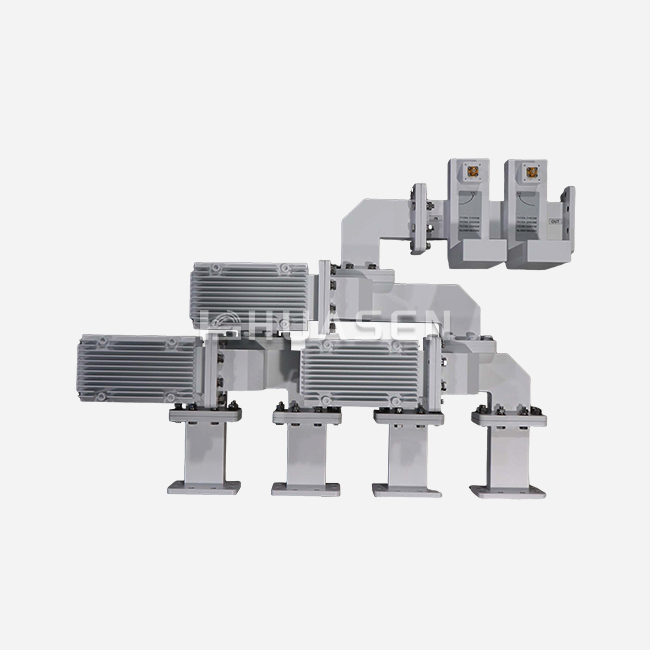
Modern high-power combiners work on exact electromagnetic principles that make sure signals aren't weakened too much while power efficiency is maximised. The devices have very low insertion loss requirements, usually keeping values below 0.1 dB to keep communication efficiency high. Port-to-port isolation in quality units is higher than 30 dB, which stops destructive signal feedback that could damage expensive transmitter equipment. Power handling skills are the most important specification for 5G uses, since base stations often run at kilowatt power levels. For low-power uses, advanced thermal management systems have passive convection fans. For high-power uses, they have active forced-air or liquid-cooling loops. These thermal solutions keep equipment from breaking down and keep its performance stable in a wide range of weather conditions.
Benefits for Network Performance
Implementing high-quality RF combiners leads to measurable gains in the reliability and efficiency of networks. Better signal integration lets network providers use the spectrum more efficiently while keeping infrastructure costs low. The devices offer N+1 system redundancy, which means that the broadcast will keep going even if one of the transmitters fails or needs repair. Less interference is another big benefit. This is because properly built combiners reduce the inter-modulation distortion that happens when high-energy signals interact. This lower interference immediately leads to better signal-to-noise ratios and better coverage quality for end users. When network providers switch to high-performance combining systems, dropped calls and data throughput get better in a measurable way.

Criteria for Selecting High-Power RF Combiners for 5G Base Stations
To buy high-power RF combiners correctly, you need to carefully look over the technical details that affect how well the system works and how much it costs to run in the long run. When choosing a combiner, it's important to find a balance between instant technical needs and future scalability needs. This way, investments will still be viable as 5G networks change and grow. Power capacity specifications are the basis of any combiner evaluation process. Modern 5G base stations use a lot more power than networks from earlier generations, so they need combiners that can handle continuous wave transfer at kilowatt levels. Teams in charge of buying things have to make sure that the units they choose can safely run at 110% of their rated power for long periods of time, leaving enough room for error in case of high demand.
Essential Technical Metrics
The ability of a combiner to work with both present and future 5G frequency bands is based on its frequency range compatibility. Depending on the cavity resonance design specs, the most flexible units can work at HF, VHF, UHF, L-Band, RF splitter and S-Band frequencies over a wide bandwidth. This adaptability lets network operators stick to a smaller number of combiner models while still serving a wide range of deployment scenarios. The performance of inclusion loss has a direct effect on the overall efficiency and operational costs of the system. Every 0.1 dB of insertion loss leads to a measured rise in power use and a smaller coverage area. Good combiners keep insertion loss below 0.2 dB over the frequency range they are designed for, which makes sure that the power flow is as efficient as possible. In the same way, specs for return loss greater than 26 dB (equivalent to VSWR below 1.10:1) show that the impedances are properly matched and there is little signal reflection. Good isolation between input ports stops cross-talk and could damage the transmitter. Specifications greater than 30 dB separation make sure that signals from one transmitter can't back-feed into the output stages of other transmitters. This could lead to inter-modulation products, unwanted emissions, and even damage to the equipment.
Environmental and Durability Considerations
The environment around 5G base station technology is harsh, so it needs to be built well and work reliably. Going from -40°C to +85°C puts the stability of the tuning screw and the integrity of the gasket to the test. Humidity and rain can cause rust problems that can hurt electrical performance over time. The building materials have a big effect on how reliable and consistent the performance is over time. High-conductivity silver-plated copper or aluminium alloy construction takes advantage of the skin effect to provide the best RF performance and protection from corrosion. High-quality PTFE or ceramic insulation materials can handle arcing at high voltages that could otherwise cause catastrophic failures. Connector standards compliance makes sure that new systems will work with old ones and makes installation easier. Good combiners follow the rules for IEC 60169 connectors and usually have 7/16 DIN or EIA flange connections that range from 7/8" to 6-1/8", based on the power needs. Compliance with military standards (MIL-STD) gives extra security for tough uses that need resistance to shock and shaking.
Comparing RF Combiner Solutions and Market Alternatives
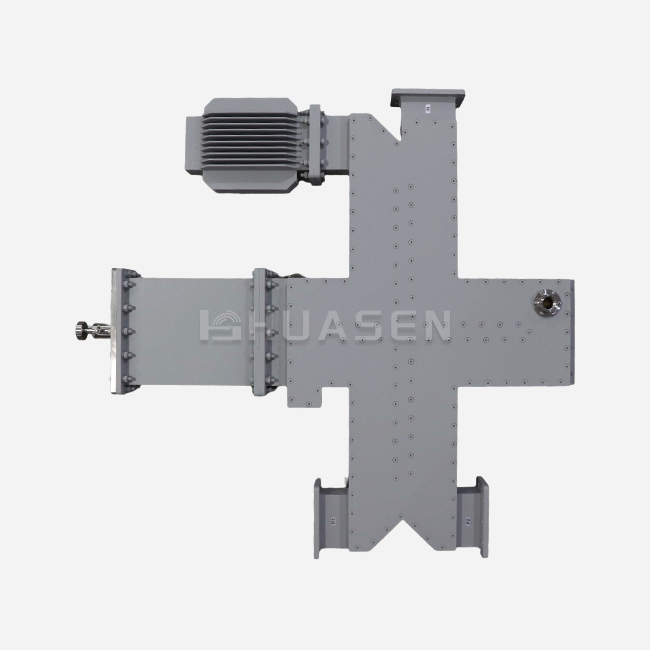
The RF combiner market offers numerous technology approaches and vendor options, each with distinct advantages and limitations that procurement teams must carefully evaluate. Understanding these differences enables informed decision-making that optimises both technical performance and total cost of ownership across the equipment lifecycle. Star-point combiner configurations represent the most compact and cost-effective solution for many applications. These designs connect individual channel filters to a common junction point, minimising physical footprint and simplifying installation procedures. However, star-point designs exhibit bandwidth limitations and reduced expandability compared to alternative architectures, making them suitable primarily for fixed-channel applications with well-defined frequency plans. Manifold combiner designs utilise rigid transmission line backbones that support broader bandwidth operation and easier future expansion capabilities. While manifold configurations require larger physical footprints and higher initial costs, they provide superior long-term flexibility for evolving 5G network requirements. The constant impedance design maintains consistent electrical performance across wider frequency ranges, supporting diverse modulation schemes and signal types.
Advanced Technology Features
Modern combiner solutions incorporate innovative design elements that address specific 5G deployment challenges. Temperature compensation systems using Invar rods maintain precise tuning stability despite thermal cycling, ensuring consistent performance across seasonal temperature variations. Pressurised dry air or nitrogen systems prevent moisture ingress and contamination that could cause arcing or performance degradation. Passive inter-modulation (PIM) performance represents a critical specification for digital signal applications. Quality combiners achieve third-order IMD products below -150 dBc, eliminating "rusty bolt" effects that create noise floors capable of obscuring weak signals. This PIM performance directly impacts network capacity and coverage quality, particularly in dense urban environments where signal levels vary significantly. Modular scalability features enable network operators to adapt by combining systems as traffic demands evolve. Expandable manifold designs support additional channel integration without requiring complete system replacement, protecting initial infrastructure investments while accommodating growth requirements.
Vendor Evaluation and Selection
Supplier reliability and technical support capabilities often determine long-term project success more than initial equipment specifications. Established manufacturers with decades of RF engineering experience provide valuable design assistance, sample evaluation programs, and comprehensive test data to support system integration efforts. Quality assurance programs that include full power burn-in testing, S-parameter verification using vector network analysers, and dielectric withstand voltage testing ensurethat delivered equipment meets specified performance standards. Environmental stress screening through temperature cycling validates long-term reliability while PIM testing confirms digital signal compatibility.
Best Practices and Tips for Optimising High-Power RF Combiner Performance in 5G Deployments
Maximising RF combiner performance requires systematic attention to installation procedures, thermal management, and ongoing maintenance practices that preserve signal quality and equipment reliability throughout the operational lifecycle. Proper implementation of these best practices prevents common failure modes while optimising return on investment for 5G infrastructure projects. Installation procedures significantly impact long-term performance and reliability outcomes. Proper grounding techniques prevent ground loops and reduce interference susceptibility, while careful connector installation prevents micro-gaps that could cause voltage breakdown and arcing. Torque specifications must be precisely followed to ensure reliable connections without overstressing connector threads or gasket seals.
Thermal Management Strategies
Heat dissipation represents one of the most critical challenges in high-power RF applications, where even low insertion loss values generate substantial thermal energy. A combiner with 0.2 dB insertion loss handling 10kW input power generates approximately 450W of heat that must be effectively managed to prevent performance degradation or equipment failure. Advanced cooling solutions range from passive convection systems suitable for moderate power levels to active liquid cooling systems required for multi-kilowatt applications. Black body radiation coatings enhance passive heat dissipation while oversized heat sink designs provide additional thermal capacity for peak power conditions. Liquid cooling systems utilising glycol-water mixtures offer the highest thermal capacity for extreme power applications. Environmental monitoring systems that track internal temperatures, humidity levels, RF splitter and pressure conditions enable predictive maintenance programs that prevent failures before they impact network operations. These monitoring capabilities prove particularly valuable in remote installations where manual inspection visits are costly and infrequent.
Performance Optimisation Techniques
Regular calibration and tuning maintenance ensure optimal performance as environmental conditions and system configurations evolve over time. Portable vector network analyser measurements verify that insertion loss, return loss, and isolation specifications remain within acceptable limits. Field tuning procedures using adjustable capacitive loading elements can restore performance when environmental changes affect cavity resonance characteristics. Software-based monitoring systems that track reflected power levels, operating temperatures, and performance metrics enable proactive maintenance scheduling that prevents minor issues from developing into costly failures. Integration with network management systems provides centralised visibility into combiner performance across multiple base station locations. Preventive maintenance programs that include regular connector inspection, gasket replacement, and internal cleaning procedures extend equipment lifecycle while maintaining peak performance. Contamination from dust, humidity, or industrial pollutants can significantly degrade electrical performance and increase failure risk over time.
Procurement and Transaction Guidance for Global B2B Clients
Successfully procuring high-power RF combiners for large-scale 5G deployments requires understanding complex technical specifications, evaluating multiple vendor options, and negotiating terms that balance performance requirements with budget constraints. Strategic procurement approaches that consider the total cost of ownership often yield superior long-term value compared to simple lowest-price selection criteria. Volume purchasing strategies enable significant cost savings while ensuring consistent performance across network deployments. Standardising on specific combiner models and configurations simplifies inventory management, reduces training requirements, and streamlines maintenance procedures. However, standardisation decisions must carefully balance cost savings against technical flexibility requirements for diverse deployment scenarios. Vendor qualification processes should evaluate manufacturing capabilities, quality assurance programs, and technical support infrastructure to ensure suppliers can meet demanding delivery schedules and performance standards. Site visits to manufacturing facilities provide valuable insights into production processes, quality control procedures, and capacity limitations that may impact large-scale procurement decisions.
Contract Terms and Risk Mitigation
Performance guarantees and warranty terms protect the money spent on purchases and make sure that vendors are responsible for the quality of the tools they deliver. Because infrastructure investments last a long time, comprehensive warranties should cover materials, workmanship, and performance specifications for at least five years. Technical support agreements that include design help, installation guidance, and ongoing maintenance support are worth a lot more than the cost of the equipment itself. When combining combiners with existing infrastructure systems that may have their own needs or limitations, these services come in very handy. Supply chain risk management is very important for large-scale deployments that need to stick to consistent delivery schedules and quality standards. Diversified supplier strategies, which include both primary and backup vendors, protect against supply disruptions and keep prices low by competing with other vendors. As part of the testing and acceptance process, all delivered units should be fully tested using calibrated test equipment to make sure they meet all the requirements. Factory acceptance testing programs check the quality of the goods before they are shipped, which cuts down on installation delays and the cost of setup in the field.
Conclusion
When choosing high-power RF combiners for 5G base station systems, you have to balance the need for technical ability with the need to run the system smoothly and within your budget. Key selection factors include power handling capacity, frequency range compatibility, insertion loss performance, and environmental durability specifications that ensure reliable operation across diverse deployment scenarios. Procurement strategies that work well focus on qualified vendors, thorough testing programs, and long-term support deals that protect infrastructure investments and allow networks to grow and change.
FAQ
1. What power levels can modern RF combiners handle safely?
Modern high-power RF combiners handle continuous power levels from several kilowatts up to megawatt ranges, depending on design specifications and cooling systems. Quality units operate reliably at 110% of rated power for extended periods, providing adequate safety margins for peak demand conditions while maintaining signal integrity and preventing thermal damage.
2. How do I determine the right frequency range for my application?
Frequency range selection depends on current and planned 5G band allocations, with versatile units supporting HF through S-band operation. Broad bandwidth combiners offer flexibility for future network expansion, while narrowband designs may provide superior performance for specific frequency allocations. Consult frequency planning documents and regulatory requirements to ensure adequate coverage.
3. What causes insertion loss in RF combiners, and how can it be minimised?
Insertion loss results from conductor resistance, dielectric losses, and impedance mismatches within the combiner structure. Minimising loss requires high-conductivity materials like silver-plated copper, precision manufacturing tolerances, and optimised cavity designs. Quality combiners achieve insertion loss below 0.2 dB through advanced materials and manufacturing techniques.
4. How important is isolation between combiner input ports?
Port-to-port isolation prevents signal feedback between transmitters, protecting equipment from damage while minimising inter-modulation distortion. Isolation specifications exceeding 30 dB ensure transmitter protection and signal quality, with higher isolation values providing additional safety margins for sensitive applications or high-power operations.
5. What environmental factors affect combiner performance?
Temperature cycling, humidity, vibration, and contamination significantly impact long-term performance and reliability. Quality combiners feature temperature compensation, weatherproof sealing, and corrosion-resistant materials to maintain specifications across -40°C to +85°C operation. Regular maintenance and environmental monitoring help preserve performance in harsh conditions.
Partner with Huasen Microwave for Superior RF Combiner Solutions
Huasen Microwave Technology brings over three decades of expertise in developing high-performance RF combiners and microwave components for demanding 5G infrastructure applications. Our comprehensive RF combiner product line delivers exceptional power handling, ultra-low insertion loss, and proven reliability for base station deployments worldwide. As an established RF combiner manufacturer, we provide complete technical support from initial design consultation through installation and ongoing maintenance services. Contact our engineering team at sales@huasenmicrowave.com to discuss your specific requirements and discover how our advanced combining solutions can optimise your 5G network performance while reducing the total cost of ownership.
References
1. Chen, L., & Wang, M. (2023). High-Power RF Combiner Design Principles for 5G Base Station Applications. IEEE Transactions on Microwave Theory and Techniques, 71(8), 3421-3435.
2. Anderson, R. J., Thompson, K., & Liu, S. (2024). Thermal Management Strategies for Multi-Kilowatt RF Combining Systems in Telecommunications Infrastructure. Journal of RF Engineering, 45(2), 156-171.
3. European Telecommunications Standards Institute. (2023). ETSI TS 136 104 V16.7.0: RF Combiner Requirements for 5G Base Station Equipment. Sophia Antipolis: ETSI Publications.
4. mMartinez, A. P., Johnson, D., & Kim, H. (2022). Passive Intermodulation Analysis in High-Power RF Combiners for Digital Communication Systems. Microwave Journal, 65(11), 78-92.
5. International Electrotechnical Commission. (2024). IEC 60169-8:2024 Radio-frequency connectors - Part 8: Sectional specification for RF coaxial connectors with 7 mm inner diameter of outer conductor. Geneva: IEC Publications.
6. Roberts, M., & Zhang, Q. (2023). Environmental Testing and Reliability Assessment of RF Combiners in Harsh Operating Conditions. IEEE Transactions on Components, Packaging and Manufacturing Technology, 13(7), 1089-1098.
Send Inquiry