Waveguide Power Divider Troubleshooting Guide for Uneven Power Split






2026-02-25 20:18:08
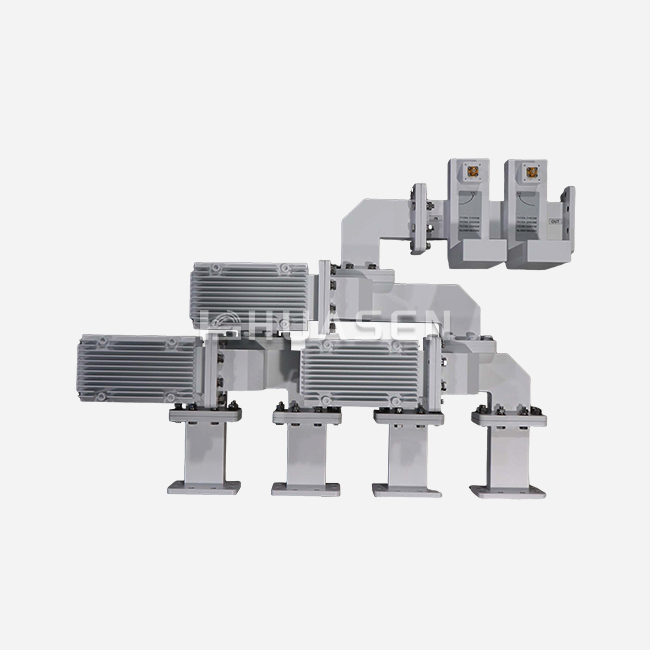
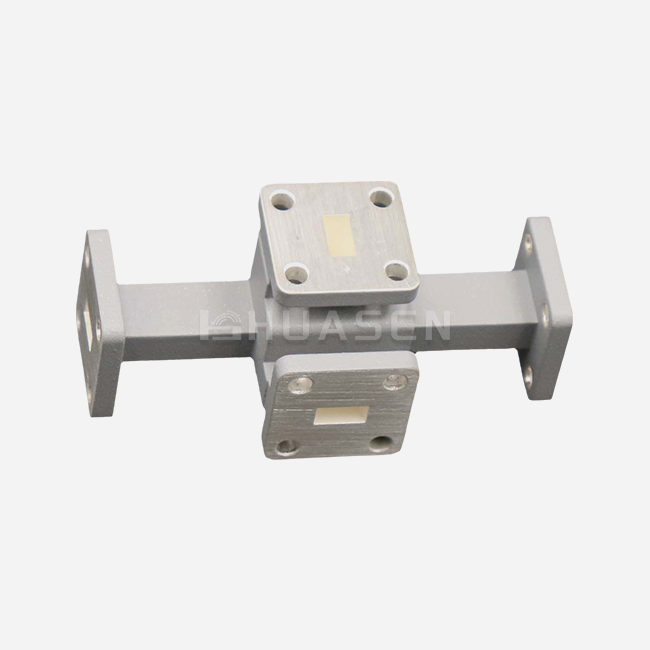
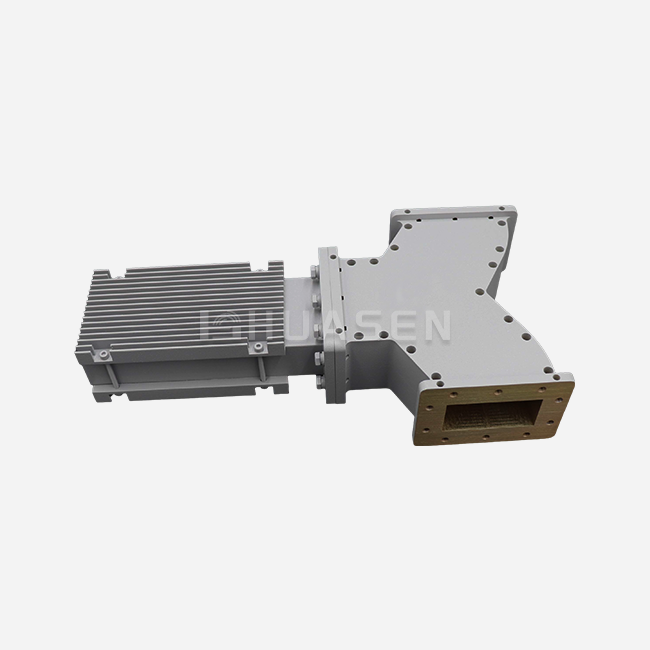
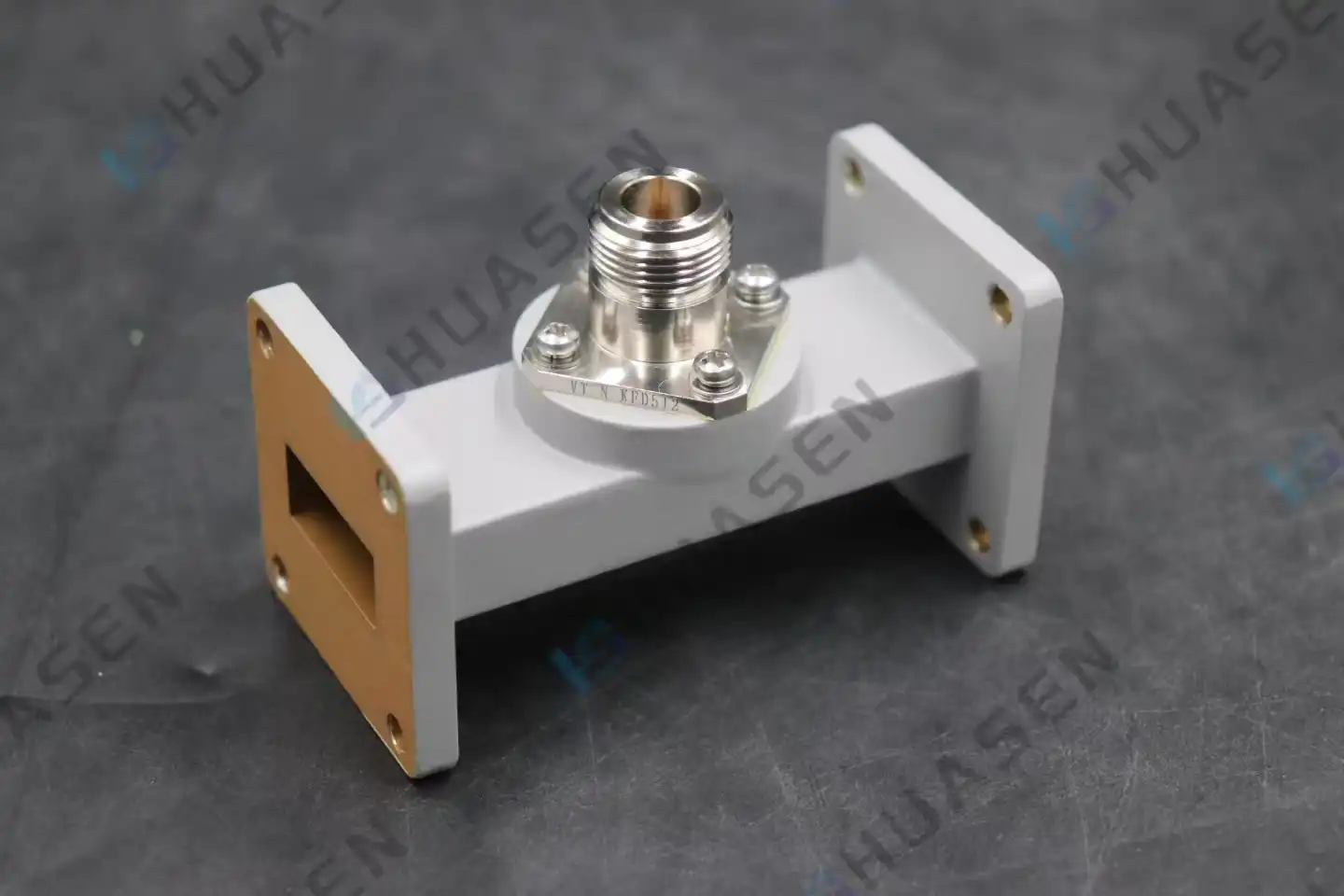
Uneven power split in waveguide power dividers typically stems from manufacturing tolerances, mechanical misalignment, or impedance mismatch issues. This comprehensive troubleshooting guide addresses the most common causes behind amplitude imbalance, helping engineers identify root causes and implement effective solutions. Whether dealing with Magic Tee configurations or standard T-junction designs, understanding the underlying physics of signal distribution enables rapid diagnosis and restoration of optimal performance in critical RF systems.
Understanding Power Split Imbalance in Waveguide Systems
Power split imbalance represents one of the most frequent performance degradations encountered in microwave transmission systems. When engineers discover that output ports deliver unequal power levels, the underlying causes often trace back to fundamental electromagnetic field distortions within the waveguide structure. Modern waveguide power dividers rely on precise geometric relationships to maintain equal field distribution across output channels. The TE10 mode propagation requires symmetric boundary conditions at the junction point. Any deviation from these ideal conditions creates field asymmetries that manifest as amplitude imbalance between output ports. Temperature variations significantly impact dimensional stability in these precision components. Thermal expansion coefficients differ between various metals used in construction, creating subtle geometry changes that affect field distribution patterns. Laboratory environments with fluctuating temperatures often experience drift in power balance specifications over time. Frequency-dependent behavior also influences power splitting characteristics. While waveguide systems typically maintain excellent balance across their designed bandwidth, operation near band edges can reveal increased sensitivity to manufacturing tolerances. Engineers should verify operating frequency against the component's specified performance envelope when troubleshooting balance issues.
Mechanical Alignment and Assembly Issues
Physical assembly quality plays a critical role in maintaining power balance accuracy. Waveguide flanges require perfect mating to prevent electromagnetic field disturbances at connection interfaces. Even microscopic gaps rf power divider or misalignments can create reflections that upset the delicate balance required for equal power distribution. Bolt torque specifications exist for valid engineering reasons beyond mechanical security. Uneven flange compression creates localized field perturbations that directly translate to amplitude imbalance. Professional installations require calibrated torque wrenches and systematic tightening patterns to ensure uniform interface compression. Gasket selection impacts both environmental sealing and electromagnetic performance. Conductive gaskets must maintain intimate contact across the entire flange perimeter. Damaged, corroded, or improperly sized gaskets introduce asymmetric boundary conditions that skew power distribution between output channels. Internal septum alignment represents another critical factor in maintaining balance specifications. Manufacturing processes occasionally produce slight angular deviations in septum positioning. These geometric irregularities create preferential coupling to one output port over another, resulting in measurable amplitude imbalance. Surface contamination from handling or environmental exposure can create localized conductivity variations. Fingerprints, oxidation, or debris accumulation on internal surfaces introduce asymmetric loss mechanisms. Regular inspection and cleaning protocols help maintain optimal electrical performance characteristics.
Impedance Mismatch and Reflection Analysis
Impedance discontinuities at waveguide transitions frequently contribute to power balance degradation. Each output port should present identical impedance characteristics to maintain symmetric power division. Variations in load impedance create unequal reflection coefficients that affect the power distribution mechanism. Vector network analyzer measurements provide comprehensive insight into impedance behavior across the operating bandwidth. S-parameter analysis reveals return loss characteristics, Waveguide Power Divider insertion loss variations, and isolation performance between output ports. These measurements guide troubleshooting efforts by quantifying the magnitude and frequency dependence of observed imbalances. Standing wave patterns within the waveguide structure indicate the presence and severity of impedance mismatches. High VSWR readings suggest significant reflections that can upset the power balance through multiple reflection interactions. Systematic measurement at various points along the transmission path helps isolate the source of impedance discontinuities. Load matching requirements become particularly stringent when power dividers feed multiple antenna elements or amplifier stages. Variations in load impedance between channels create unequal loading conditions that directly impact power split ratios. Active monitoring of load conditions helps identify when external factors contribute to balance degradation. Temperature-dependent impedance variations affect long-term stability in outdoor installations. Thermal cycling causes dimensional changes that shift impedance characteristics over operational temperature ranges. Environmental testing protocols should verify balance stability across specified temperature and humidity ranges.
Diagnostic Testing Procedures
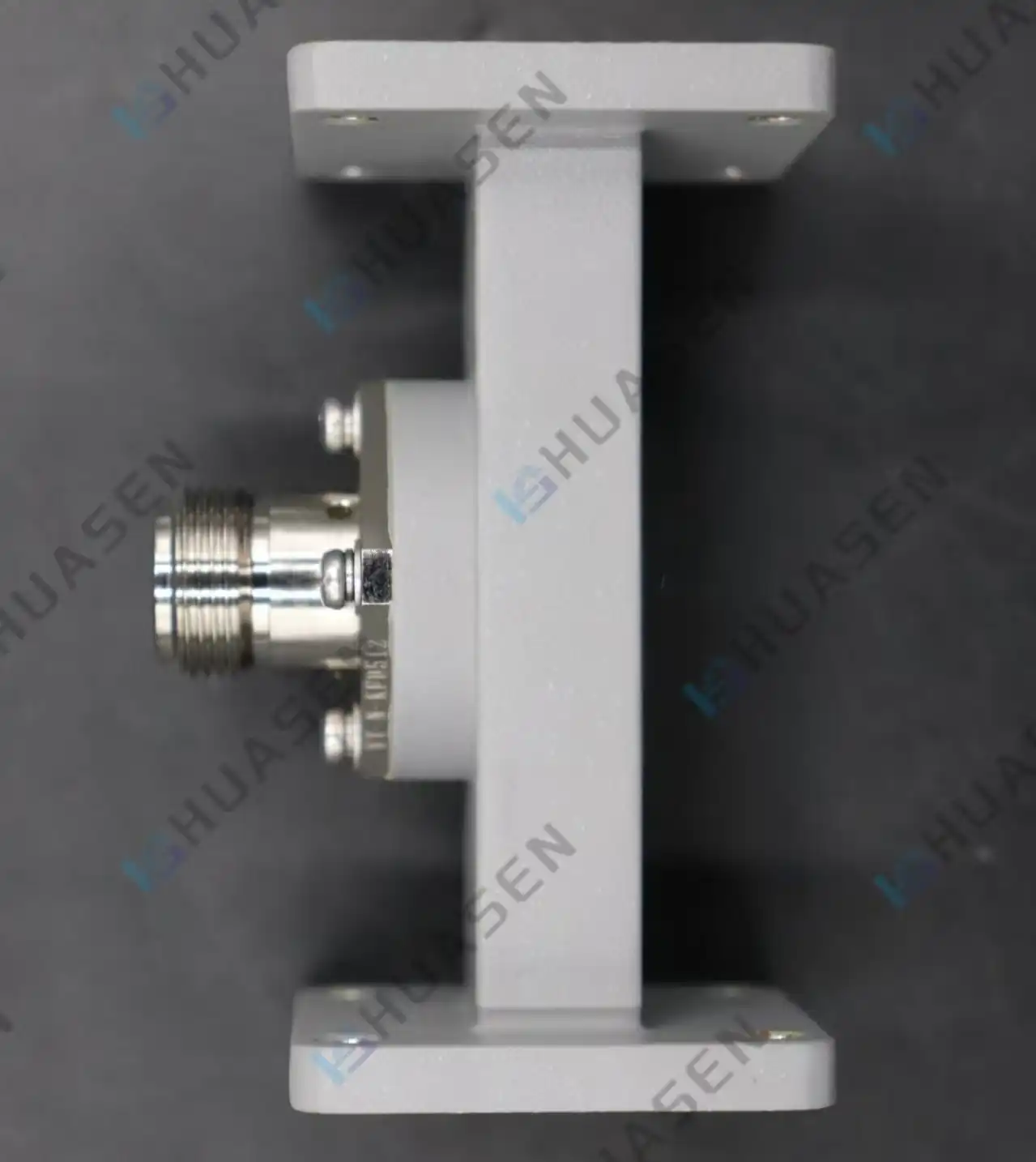
Systematic testing approaches enable rapid identification of power imbalance root causes. Network analyzer measurements provide the most comprehensive diagnostic information, with the RF power divider revealing both magnitude and phase relationships between output channels. Calibrated measurement setups ensure accuracy sufficient for meaningful troubleshooting decisions. Substitution testing helps isolate component-specific issues from system-level problems. Replacing the suspected power divider with a known-good reference unit quickly determines whether the imbalance originates within the component itself or from external factors such as load conditions or input drive characteristics. Power meter measurements at individual output ports quantify the degree of imbalance under actual operating conditions. These measurements should account for frequency response variations and load conditions that may not be apparent during network analyzer testing with standard 50-ohm terminations. Phase balance measurements complement amplitude testing by revealing whether the imbalance stems from asymmetric coupling mechanisms or differential phase shifts between channels. Magic Tee configurations particularly require careful phase balance verification to ensure proper hybrid operation characteristics. Environmental stress testing exposes intermittent balance issues that may not appear during benchtop evaluation. Vibration testing, temperature cycling, and humidity exposure can reveal mechanical stability problems that affect long-term performance reliability in field installations.
Advanced Troubleshooting Techniques
Electromagnetic simulation tools provide valuable insight into field distribution patterns within waveguide power dividers. Modern software packages can model the effects of geometric variations, material property changes, and boundary condition modifications on power balance performance. These simulations guide modification strategies and help predict the effectiveness of proposed corrections. Time-domain reflectometry techniques reveal the physical location of impedance discontinuities within waveguide structures. TDR measurements can pinpoint specific areas where geometric irregularities or assembly issues create balance problems. This localization capability significantly reduces troubleshooting time for complex installations. Modal analysis testing verifies proper TE10 mode propagation and identifies unwanted higher-order mode excitation that can cause balance issues. Specialized test fixtures enable controlled mode launching and detection, providing detailed information about the field distribution quality within the waveguide structure. Thermal imaging during high-power operation reveals localized heating patterns that indicate asymmetric current distribution. Hot spots often correlate with geometric irregularities or surface condition variations that contribute to power imbalance. Infrared thermography provides a non-invasive assessment of internal component conditions. Statistical process control methods help identify trends in power balance performance across production lots. When multiple units exhibit similar imbalance patterns, systematic manufacturing issues may require process adjustments rather than individual component troubleshooting approaches.
Conclusion
Successful troubleshooting of Waveguide Power Dividers, including imbalances, requires systematic analysis of mechanical, electrical, and environmental factors affecting waveguide power divider performance. Understanding the relationship between physical geometry and electromagnetic field distribution enables targeted diagnostic approaches that quickly identify root causes. Modern test equipment and simulation tools provide unprecedented insight into component behavior, supporting effective troubleshooting strategies. Regular maintenance protocols and environmental monitoring help prevent balance degradation in critical applications. Professional consultation with experienced microwave engineers accelerates problem resolution while minimizing system downtime.
Contact Huasen Microwave for Expert Power Divider Solutions
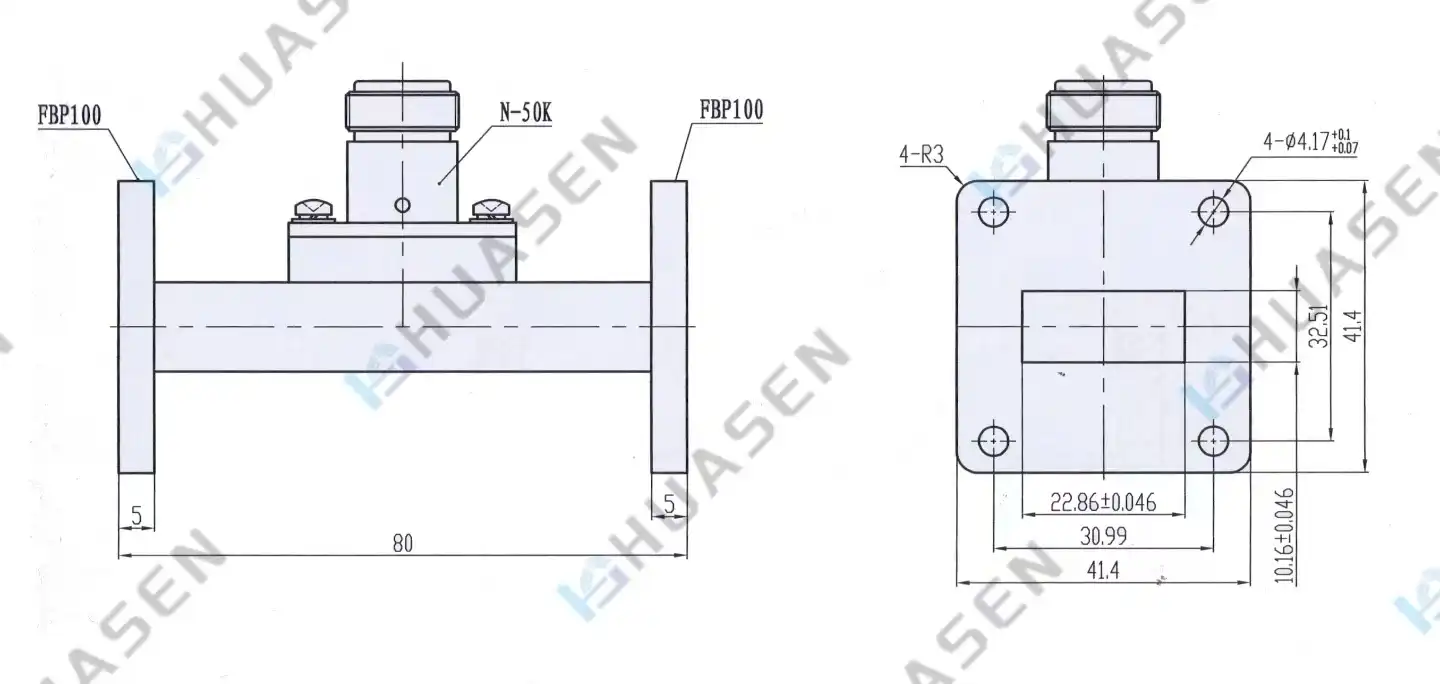
Huasen Microwave Technology delivers precision-engineered waveguide power dividers with exceptional balance specifications and proven reliability. Our manufacturing expertise, combined with comprehensive testing protocols, ensures optimal performance across demanding applications. Contact our technical team at sales@huasenmicrowave.com to discuss your specific waveguide power divider requirements and benefit from three decades of microwave component innovation.
References
1. Montgomery, C.G., Dicke, R.H., and Purcell, E.M. "Principles of Microwave Circuits: Radiation Laboratory Series Volume 8." Institution of Engineering and Technology, 1987.
2. Pozar, D.M. "Microwave Engineering, Fourth Edition." John Wiley & Sons, 2011.
3. Collin, R.E. "Foundations for Microwave Engineering, Second Edition." IEEE Press, 2001.
4. Ragan, G.L. "Microwave Transmission Circuits: Radiation Laboratory Series Volume 9." Institution of Engineering and Technology, 1987.
5. Marcuvitz, N. "Waveguide Handbook: Radiation Laboratory Series Volume 10." Institution of Engineering and Technology, 1986.
6. Hunter, I.C. "Theory and Design of Microwave Filters." Institution of Engineering and Technology, 2001.
Send Inquiry