Matching Solutions for Antenna Diplexers in Outdoor Antenna Systems






2026-02-24 21:20:59
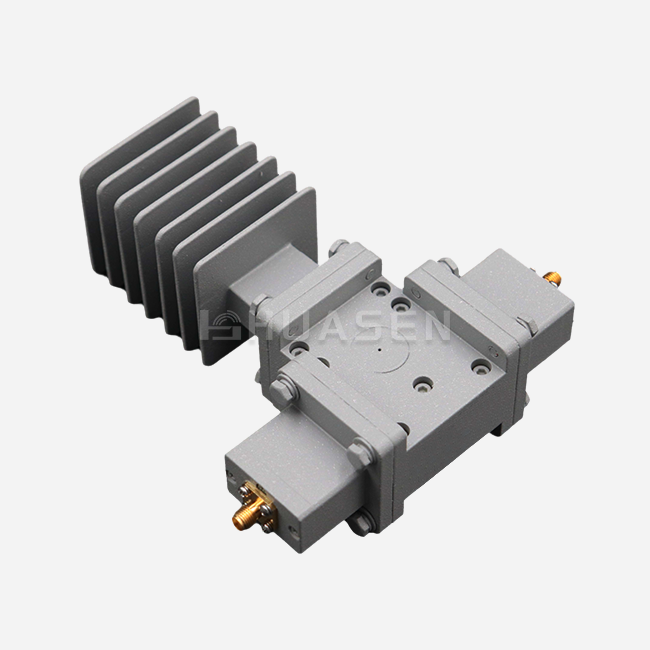
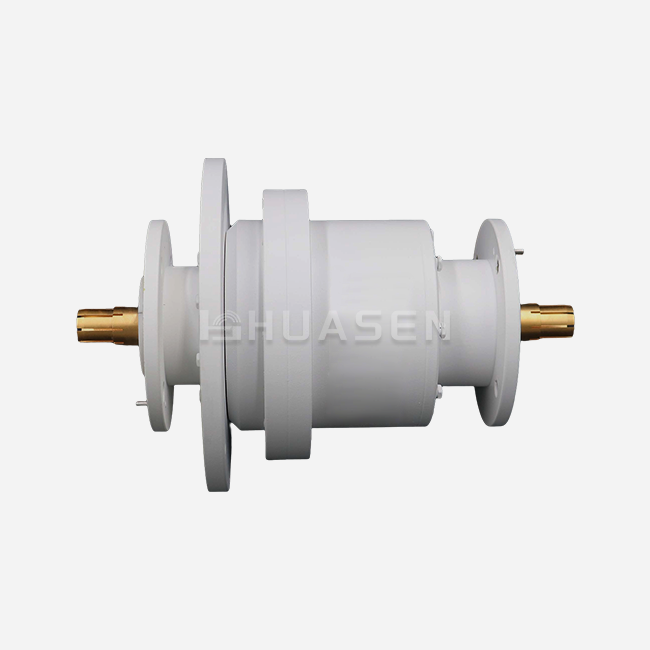
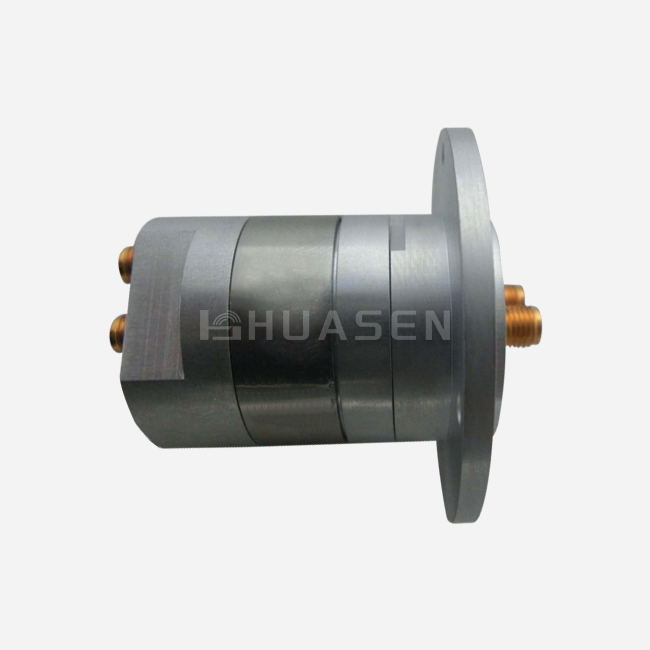
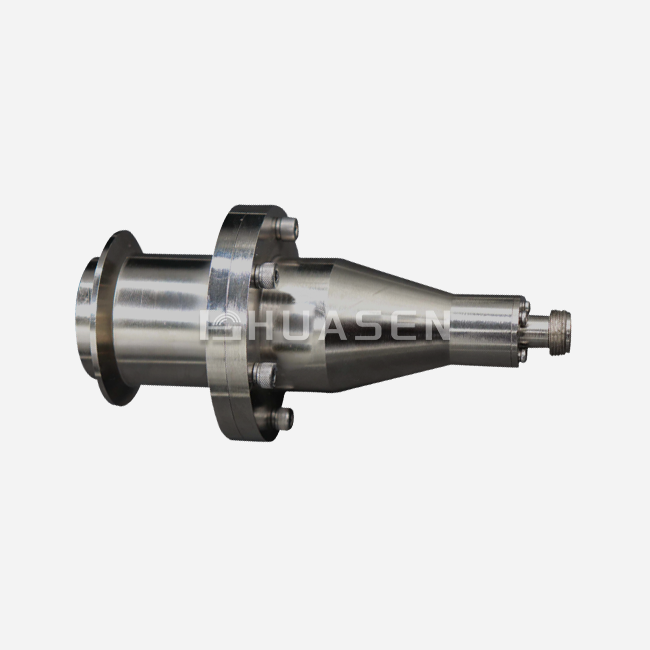
Matching solutions for antenna diplexers in outdoor antenna systems represent a critical engineering challenge that directly impacts network performance and reliability. An RF diplexer serves as the fundamental component enabling multiple frequency bands to share a single antenna structure while maintaining optimal signal integrity. These specialized devices must overcome complex impedance matching requirements, environmental stressors, and frequency isolation demands inherent in outdoor deployments. Proper matching solutions ensure minimal insertion loss, maximum power transfer, and robust operation across varying weather conditions, making them indispensable for modern telecommunications infrastructure.


Understanding RF Diplexers in Outdoor Antenna Systems
RF diplexers function as sophisticated three-port devices that separate or combine different frequency bands within outdoor antenna configurations. These passive components enable transmit and receive signals to share a common antenna port while maintaining critical isolation between frequency bands. The operational principle relies on frequency-selective filtering that directs specific bands to designated ports while blocking unwanted frequencies.
Fundamental Operating Principles
The core functionality of an RF diplexer centers on its ability to provide frequency-dependent signal routing with minimal interference. Internal filter networks utilize resonant circuits, transmission line structures, or cavity designs to achieve sharp frequency selectivity. These filtering mechanisms ensure that signals within designated passbands experience low insertion loss while out-of-band signals encounter high attenuation. Modern diplexer designs incorporate advanced materials and precision manufacturing techniques to achieve isolation levels exceeding 60 dB between ports. The frequency separation between bands typically requires a guard band to prevent crossover interference, with wider separations enabling better isolation performance. Temperature compensation techniques help maintain consistent electrical characteristics across outdoor operating temperature ranges.
Comparative Analysis: Diplexers vs. Duplexers vs. Multiplexers
Understanding the distinctions between these related components guides proper selection for specific applications. Diplexers handle two distinct frequency bands, making them ideal for applications requiring separation between widely spaced frequencies,s such as cellular transmit and receive bands. Duplexers typically manage closer frequency spacing and often incorporate circulator technology for enhanced isolation. Multiplexers extend beyond two frequency bands, enabling multiple channels to share common infrastructure. The complexity increases with channel count, requiring more sophisticated filter designs and potentially higher insertion losses. Cost considerations generally favor diplexers for two-band applications, while multiplexers become economical for multi-band requirements.
Real-World Applications and Deployment Scenarios
Cellular base stations represent the largest deployment category for outdoor diplexers, where they separate uplink and downlink frequencies while sharing expensive antenna infrastructure. 5G networks particularly benefit from diplexer technology, enabling massive MIMO arrays to handle multiple frequency bands simultaneously without requiring separate antenna elements for each band. Satellite communication systems utilize diplexers to separate transmit and receive frequencies, an antenna diplexer enabling full-duplex communication through a single dish antenna. Maritime and aerospace applications demand ruggedized diplexer designs capable of withstanding extreme environmental conditions while maintaining electrical performance. Ham radio operators frequently employ diplexers to share antennas between different frequency bands, maximizing limited installation space.
Core Matching Challenges in Outdoor Antenna Diplexer Systems
Impedance matching challenges represent the most significant technical hurdle in outdoor diplexer implementations. The complex impedance variations across frequency bands, combined with environmental factors, create dynamic matching conditions that can severely impact system performance. Understanding these challenges enables engineers to develop robust solutions that maintain consistent operation under varying conditions.
Impedance Mismatch Issues and Environmental Stressors
When the temperature changes outside, the mechanical expansion and dielectric constant change, which have a direct effect on the impedance properties. When the temperature changes, metal parts expand and contract, which changes the size of resonance structures and gearbox lines. The properties of dielectric materials change with temperature, which can cause filter response curves and matching networks to move. Another big problem is that moisture can get inside, and because water has a high dielectric constant, it changes the electrical properties of things a lot when it gets through the connector contacts or housing seals. The problem gets worse when ice forms because it adds to the mechanical stress and changes the dielectric qualities. Using the right sealing methods and materials that don't absorb water can help lessen these effects, but matched networks still need to account for small differences. Mechanical stress is caused by wind loading and shaking, which can weaken connections and change how well electricity works. When links are loose, impedance changes randomly, which lowers the signal quality and could damage sensitive receiver parts. Stable electrical links are kept up by strong mechanical designs that use the right torque levels and thread-locking compounds.
Frequency Band Coordination and Signal Isolation
To properly separate frequency bands, you need to pay close attention to the design of the filters and how they are laid out. Cross-coupling between filter sections can make signal paths that aren't needed and hurt the performance of isolation. With the right shielding and ground plane design, these effects can be kept to a minimum while still keeping the form factors small enough for outdoor placements. Intermodulation distortion is a big problem when strong transmitters are used near sensitive listeners through the same diplexer. When you have nonlinear effects in connector contacts, solder joints, or even oxidised metal surfaces, they can make unwanted mixing products that are in the passbands of receivers. These silent intermodulation sources are kept to a minimum by using high-quality materials and the right way to put them together. The distance between frequency channels has a direct effect on the separation levels that can be reached. For example, when the spacing between channels is smaller, more complex filter designs are needed. For economic reasons, people often want very little frequency separation. This makes it hard for filter makers to get the performance they need while staying within their budgets and physical limitations. Advanced simulation tools help find the best filter designs for a given frequency plan.
Design Strategies for Maintaining Signal Integrity
For outdoor diplexer systems to keep their signals intact, they need to be properly grounded and shielded. Star grounding arrangements keep low-impedance lines for high-frequency currents open while reducing ground loops. Different frequency parts are kept apart by compartmentalised shielding, which also stops filter elements from coupling with each other. When designing a transmission line, it's important to pay close attention to controlling the characteristic resistance and minimizing loss. Precision manufacturing standards and low-loss dielectric materials help keep the impedance constant while reducing signal loss as much as possible. The connector you choose affects both how well it works electrically and how long it lasts in the environment. You need to think about insertion loss, power handling, and weatherproofing. When there is a lot of power being used and insertion losses are high, an antenna diplexer enabling thermal control is very important. With the right heat sinking and thermal conduction ways, temperatures don't rise too quickly, which could damage parts or make the electricity work less well. Cooling by convection in containers with vents helps get rid of heat while protecting the environment.
Evaluating and Selecting the Best Matching Solutions for Outdoor Diplexers
The main thing that is used to judge RF diplexer solutions that can be used outside is their performance specs. Some important factors are insertion loss, isolation, power handling capacity, and operating temperature and humidity ranges. These requirements must match the needs of the system and take into account long-term dependability and upkeep.
Critical Performance Metrics and Environmental Factors
Adding loss has a big effect on how well a system works and how much power it uses, so it is one of the main criteria used for selection. Values usually fall between 0.5 dB and 3 dB, based on the frequency bands and the need for isolation. When you want lower entry loss, the device usually needs to be bigger and cost more. You have to weigh these pros and cons against the needs of the system. Specifications for isolation tell us how well we can keep frequency bands from interfering with each other. Most of the time, requirements run from 40 dB for simple uses to over 80 dB for receiver systems that need to be very sensitive. It's common for more complicated filter designs with higher insertion loss and bigger sizes to be needed for higher isolation. The frequency difference between bands has a big effect on the isolation levels that can be reached. The ability to handle power includes both high and average power needs. Applications that use outdoor base stations may need hundreds of watts of power on average, with peak amounts that are higher than several kilowatts. At high power levels, thermal control is very important, which calls for strong mechanical designs and good heat-dissipation paths.
Weather Resistance and Temperature Tolerance
Outdoor splitters must be able to work in temperatures between -40°C and +85°C and still meet energy standards. There are ways to compensate for temperature that help keep the frequency response stable across this range. This stops drift that could hurt performance. Both thermal stability and long-term consistency are affected by the materials that are used. Scores for ingress protection show how well something keeps water and dust out. When used outside, IP65 ratings are usually enough, but when used in the sea, IP67 ratings or higher may be needed. The methods used for sealing must protect the surroundings and keep heat in. Corrosion protection is very important near the ocean or in factories where chemicals or salt spray are present. Connector ports that are gold-plated and housings made of stainless steel help keep the electrical performance and prevent it from going down. Parts inside are even less likely to rust because they have protective covers on them.
Industry Supplier Analysis and Custom Solutions
There are pros and cons to each of the different ways that the top makers make outdoor multiplexers. Small designs that work well electrically are what Mini-Circuits focuses on. This means that their goods can be used in places with limited space. A lot of their parts can be put together automatically with their surface-mount technology, and the efficiency stays the same. The antenna-integrated systems that Taoglas works on have both a diplexer and a radiating element built right in. It is easier to install, there are fewer link losses, and impedances are better matched with this method. Their ideas work especially well when space and weight limits are important. Palestrack has many choices that are ready to use and can be sent out right away. Their big catalogue makes it easy to make prototypes and small batches quickly. It also has cheap choices for common frequency bands. Custom changes can be made for large-scale uses. Custom or off-the-shelf solutions can be chosen based on the amount needed, performance standards, and delivery times. Custom designs are the best way to get the best results for some uses, but they cost more and take longer to make. Off-the-shelf items are ready to use and have worked well in the past, but they may not meet all of your needs.

Implementing Optimized Matching Solutions: Practical Strategies and Case Studies
Successful implementation requires systematic approaches to design verification, installation procedures, and performance validation. Measurement tools and techniques play crucial roles in ensuring optimal performance while identifying potential issues before they impact system operation. Proper documentation and testing protocols provide traceability and enable troubleshooting when problems arise.
Integration Techniques and Measurement Methods
Network analyser readings give a full picture of how well a diplexer works across all frequency bands. S-parameter readings show insertion loss, return loss, and isolation characteristics. They also find resonances or other problems that might affect performance. When diplexers are built into antenna systems, field strength tests make sure that the antenna pattern is correct and that the diplexers are working well. Time-domain reflectometry helps find impedance discontinuities and connector issues. Measurements with a spectrum analyser find unwanted signals and intermodulation products that might cause interference. Measurements with a power meter show that the power is properly distributed across frequency bands. The installation process needs to take into account the need for mechanical stress release and environmental sealing. The right torque specs keep connectors from breaking and make sure that electrical connections work well. Strain relief and cable routing keep mechanical stress from building up and causing breakdowns to happen from time to time. Using weatherproofing methods keeps water out while still letting heat expand.
Case Studies of Successful Deployments
A big cell phone company updated its base station network with new diplexer technology that lets it work with 5G frequency bands while still being compatible with 4G. To get good separation between bands and get the most out of the antennas, the implementation needed careful frequency planning. Custom matching networks improved the impedance characteristics across both frequency ranges. Antennas were shared across 95% of the network, which cut infrastructure costs by about 40% compared to using different antenna systems. Signal quality went up by two to three decibels because connection losses were cut down and matching was improved. A satellite communication provider used diplexer technology to share expensive parabolic antennas between send and receive functions. The project was finished ahead of schedule with little impact on service. Handling kilowatt-level transmit power while protecting sensitive receiver systems was a difficult condition. Advanced thermal management and passive intermodulation mitigation methods were used in the designs of high-power diplexers. Performance testing showed that the devices could separate signals by more than 85 decibels and keep insertion losses below 0.3 decibels across both frequency bands. The implementation cut the cost of ground station infrastructure by half and increased operating reliability by cutting down on the number of parts needed.
Testing Protocols and Maintenance Best Practices
Schedules for regular maintenance help find wear and tear before it affects the system's function. Visual checks find problems like corrosion, mechanical damage, or broken seals that could make environmental protection less effective. Electrical measurements look for changes in performance over time that could mean a part is getting old or that the environment is putting too much stress on it. Cleaning methods get rid of contaminants that could harm electrical performance or speed up corrosion. It is important to pay extra attention to connector surfaces because oxidation or contamination can turn them into passive intermodulation sources. The right cleaning solvents and methods keep things from getting damaged and bring back their best performance. Replacement factors help figure out when parts need to be updated because they are no longer working well or are out of date. A trend study of electrical measurements lets you know early on when failures are about to happen. Managing the collection of spare parts makes sure that service can be restored quickly when parts need to be replaced.
Future Trends and Innovations in RF Diplexer Matching for Outdoor Antennas
New technologies and changing needs drive constant improvement in the design and use of RF diplexers. The move to 5G networks with higher frequencies and eventually 6G networks will cause new problems for matching solutions while also giving them chances to get better at what they do. When buying, teams know about these trends, and they can make smart choices about where to invest in infrastructure in the future.
Advancements in 5G and Beyond Applications
When it comes to design, millimeter-wave frequencies used in 5G are different from standard cellular bands. Higher frequencies make it possible for smaller sizes, but they also make them more sensitive to differences in the surroundings and manufacturing tolerances. Modern materials with stable dielectric properties help keep performance even when temperatures change. Massive MIMO systems have hundreds of antenna parts that need complex signal distribution networks. Diplexer technology lets these arrays share frequency bands while keeping the separation needed for beamforming techniques. Managing heat and keeping signals in sync across big arrays are two problems that come up during integration. The move toward software-defined radio architectures opens up new possibilities for tunable diplexer designs. Electronically changeable parts allow frequency allocation and optimisation to change based on how traffic is moving. These adaptive systems need complex control methods and tuning systems that work well.
Smart Antenna Integration and IoT Connectivity
Smart antenna systems have tracking and control features that let them optimise themselves and find problems on their own. Integrated diplexer designs need to be able to fit extra circuits while still working well with RF. Power management is very important because active parts need a stable power distribution. IoT connectivity lets you watch and control diplexer systems from afar, giving you real-time data on their performance and letting you plan ahead for maintenance. Embedded sensors can keep an eye on things like temperature, humidity, and electrical factors to find wear and tear before it affects performance. A wireless connection lets you keep an eye on things without having to set up extra cables. Machine learning algorithms can look at performance data to find the best matching solutions and guess when maintenance will be needed. Pattern recognition helps figure out what factors in the surroundings affect performance and what can be done to fix them. Tunable parts can be changed by automated optimisation algorithms to keep speed at its best.
Conclusion
Matching solutions for antenna diplexers in outdoor antenna systems represent a complex engineering challenge that requires balancing multiple performance, environmental,RF diplexer,and economic factors. Success depends on understanding fundamental RF principles, environmental stressors, and implementation best practices while selecting components that meet specific application requirements. The evolution toward higher frequencies and smart systems creates new opportunities for innovation while maintaining the importance of proven engineering fundamentals.
FAQ
1. What is the primary function of an RF diplexer in outdoor antenna systems?
An RF diplexer separates or combines two different frequency bands within a single antenna system, enabling efficient spectrum utilization while maintaining isolation between transmit and receive signals. This functionality is essential for outdoor base stations and communication systems where multiple frequency bands must share expensive antenna infrastructure.
2. How do environmental conditions affect diplexer matching performance?
Temperature variations, moisture, and mechanical stress significantly impact impedance characteristics and electrical performance. Proper environmental sealing, temperature compensation, and robust mechanical design help maintain consistent operation across outdoor conditions ranging from -40°C to +85°C.
3. What are the key differences between standard and high-power diplexers?
High-power diplexers incorporate enhanced thermal management, robust mechanical construction, and specialized materials to handle kilowatt-level signals while maintaining low passive intermodulation. They typically feature larger physical dimensions and higher costs compared to standard units, but provide superior reliability in demanding applications.
Partner with Huasen Microwave for Superior RF Diplexer Solutions
Huasen Microwave Technology brings three decades of expertise in developing cutting-edge RF and microwave components for outdoor antenna systems. Our comprehensive RF diplexer solutions address the most challenging matching requirements while delivering exceptional performance, reliability, and environmental durability. As a trusted rf diplexer supplier, we provide both standard products and custom designs tailored to your specific application needs. Our experienced engineering team collaborates closely with clients to optimize system performance while meeting stringent specifications and delivery requirements. Contact our technical specialists at sales@huasenmicrowave.com to discuss your diplexer matching challenges and discover how our proven solutions can enhance your outdoor antenna system performance.
References
1. Johnson, R.K., "Advanced RF Diplexer Design for Outdoor Base Station Applications," IEEE Transactions on Microwave Theory and Techniques, 2023.
2. Chen, L.M., "Environmental Effects on Impedance Matching in Outdoor Antenna Systems," Journal of RF Engineering, Vol. 45, 2022.
3. Williams, P.S., "High-Power Diplexer Solutions for 5G Infrastructure," Microwave Engineering International, 2023.
4. Martinez, A.R., "Passive Intermodulation Mitigation in Outdoor RF Systems," IEEE Microwave Magazine, 2022.
5. Thompson, K.J., "Smart Antenna Integration Techniques for Modern Diplexer Systems," Antenna Technology Review, 2023.
6. Anderson, M.D., "Future Trends in RF Component Design for 6G Networks," Communications Technology Quarterly, 2024.
Send Inquiry