Troubleshooting Waveguide Filter Issues in Industrial Microwave Equipment






2026-02-27 22:01:42
When fixing waveguide filters in industrial microwave equipment, it's important to look at frequency response degradation, insertion loss increases, and signal integrity problems that often happen in high-frequency communication systems. Because these precision-engineered parts work through hollow steel structures instead of traditional lumped elements, they need special ways to diagnose problems in order to keep working at their best in harsh industrial settings. Maintenance teams can quickly find root causes and effective solutions when they know the right way to troubleshoot. This cuts down on costly downtime and keeps important system functionality for applications like telecommunications, radar, and satellite communication.

Understanding Waveguide Filter Basics and Common Issues
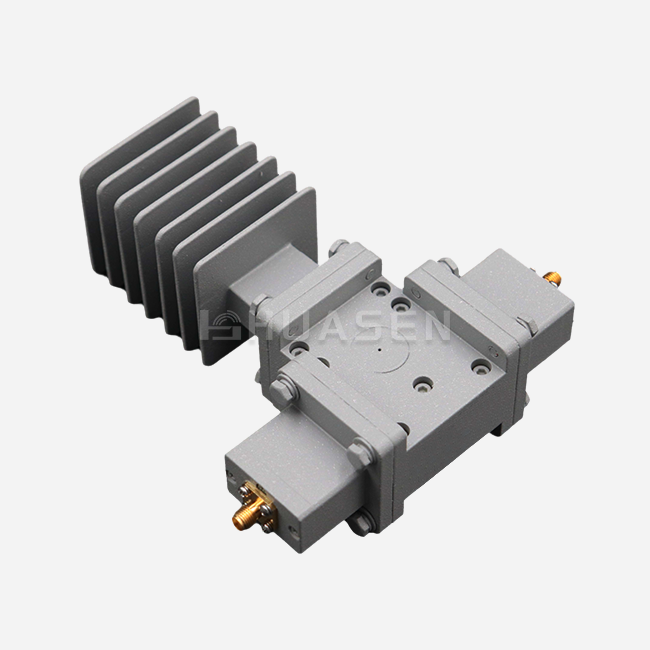
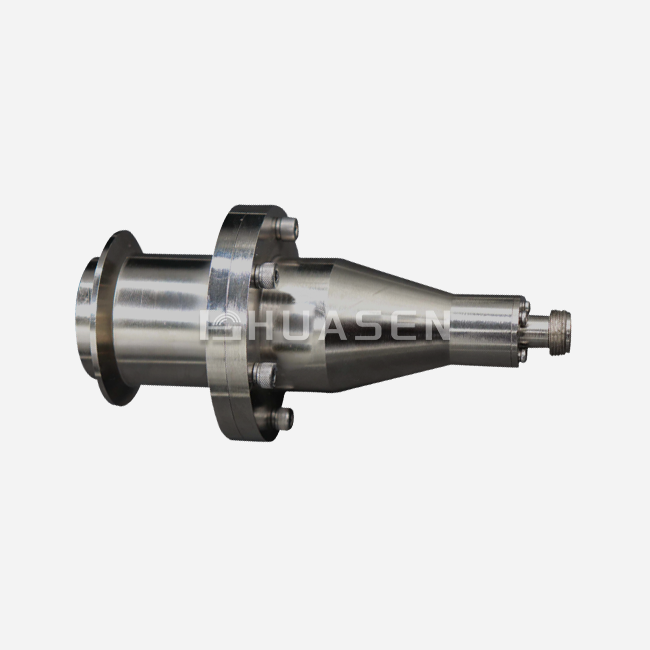
Using hollow metal structures to guide electromagnetic signals while selectively passing or rejecting certain frequency bands, waveguide filters are high-tech passive microwave components. Unlike coaxial or cavity filters, these devices work better in high-frequency situations above 10 GHz because they use the low-loss features of air-filled or dielectric-loaded resonant cavities.
Fundamental Operating Principles
Waveguide filters work by controlling the dimensions very precisely and letting electromagnetic fields move through carefully made metal cases. Usually, these devices use resonant cavities connected by irises or posts to make certain filtering effects. Waveguide designs often have a Q-factor of more than 5,000 to 10,000, which lets them have very sharp roll-off characteristics and narrow bandwidths without losing insertion loss performance. In industrial settings, reliability is very important, especially in harsh conditions where temperature changes, vibrations, and exposure to moisture can hurt filter function. Waveguide filters are built to last longer than other filter technologies because they are made of strong metals that carry electricity, like oxygen-free copper or aluminium that has been plated with silver or gold.
Common Failure Modes and Symptoms
When installing an industrial waveguide filter, a few common problems often come up. One of the most common problems is frequency drift, which is usually caused by metal structures expanding when they get hot or tuning screws coming loose. This effect shows up as slow changes in the centre frequency, which can send important messages outside of the acceptable passband ranges. A lot of the time, surface oxidation, contamination, or mechanical wear at flange connections leads toan insertion loss decline. In sensitive systems like radars or satellite communications, even small changes in insertion loss can have a big effect on link budgets. Problems with insertion loss are often accompanied by worsening return loss, which shows impedance mismatches that make signal passage less efficient. Outdoor setups are hard because of the weather and other environmental factors. Adding moisture can have big effects on performance, and changing temperatures can put stress on mechanical parts and possibly change the resonant frequencies. Effects of vibration, which are especially bad for mobile or shipboard uses, can slowly loosen connections or change the size of cavities.
Systematic Approach to Diagnosing Waveguide Filter Problems
Effective troubleshooting requires a methodical approach that begins with comprehensive problem documentation and systematic testing procedures. This structured methodology ensures accurate diagnosis while minimising equipment downtime and preventing further system damage.
Initial Problem Assessment
The diagnostic process starts with precise problem definition, including detailed documentation of observed symptoms, operational context, and environmental conditions. Engineers should record specific frequency ranges affected, measured insertion and return loss values, and any correlation with external factors like temperature changes or system loading variations. Baseline performance data proves invaluable for comparison purposes. Historical test records, when available, allow technicians to identify gradual degradation trends versus sudden failure events. This information helps differentiate between normal ageing effects and acute problems requiring immediate attention.
Root Cause Analysis Methodology
Systematic root cause analysis targets the most likely failure mechanisms based on observed symptoms and operational history. Material wear, manufacturing inconsistencies, waveguide bandpass filter and external stressors like vibration or improper installation represent primary areas of investigation. Temperature-related issues often manifest as predictable frequency shifts that correlate with ambient conditions. Mechanical problems typically produce intermittent symptoms or performance variations under physical stress. Contamination issues usually develop gradually and affect multiple performance parameters simultaneously. The analysis process benefits from understanding the specific application requirements and operating environment. High-power applications may experience different failure modes than low-power installations, while outdoor environments introduce unique challenges not present in controlled laboratory settings.

Practical Troubleshooting Techniques and Case Examples
Implementing effective troubleshooting strategies requires combining theoretical knowledge with practical field experience. The following approaches have proven successful in diverse industrial environments and provide reliable pathways to problem resolution.
Physical Inspection and Cleaning Procedures
Visual inspection represents the first line of defence against many common problems. Technicians should examine flange surfaces for flatness, corrosion, or foreign material contamination. Surface plating integrity affects electrical performance, while mechanical damage can create impedance discontinuities that degrade signal quality. Proper cleaning procedures can resolve many performance issues without requiring component replacement. Approved solvents and cleaning techniques help remove oxidation, moisture, or debris that accumulates over time. However, aggressive cleaning methods can damage delicate surface treatments, making proper technique selection critical. Connection torque specifications require careful attention during reassembly. Under-torqued connections may develop intermittent problems, while over-torquing can damage threads or create mechanical stress concentrations. Following manufacturer specifications ensures optimal electrical contact while preserving component integrity.
Measurement and Testing Strategies
Vector Network Analyser (VNA) measurements provide the most comprehensive performance assessment for waveguide filters. S-parameter analysis reveals insertion loss, return loss, and frequency response characteristics that enable precise problem identification. Calibrated measurements ensure accurate results that support confident troubleshooting decisions.
Here are essential measurement parameters that reveal specific problem types:
- S21 magnitude analysis identifies insertion loss degradation and frequency response anomalies that indicate cavity resonance shifts or coupling changes
- S11 return loss measurements reveal impedance mismatches caused by flange problems, internal damage, or dimensional variations
- Phase response evaluation detects group delay variations that suggest structural changes or internal reflection issues
- Temperature cycling tests expose thermal stability problems by monitoring performance changes across operational temperature ranges
These measurement approaches provide quantitative data that supports objective troubleshooting decisions while documenting performance trends for future reference.
Passive Intermodulation (PIM) testing becomes critical in high-power applications where metal junction integrity affects signal purity. Elevated PIM levels indicate potential connection problems or internal discontinuities that may worsen under operational stress.
Real-World Case Studies
A telecommunications company experienced gradual signal degradation in its millimetre-wave backhaul system operating at 80 GHz. Initial symptoms included increased bit error rates during peak traffic periods. VNA analysis revealed insertion loss had increased from 0.3 dB to 0.8 dB, while return loss degraded from 25 dB to 15 dB. Physical inspection discovered moisture infiltration through a damaged gasket andwaveguide bandpass filter,causing surface oxidation. Gasket replacement and proper sealing restored original performance specifications. Another case involved a naval radar system experiencing intermittent performance issues during high-vibration operations. The waveguide filter exhibited frequency shifts that correlated with ship movement patterns. Investigation revealed loosened tuning screws that allowed cavity dimensions to change under mechanical stress. Proper screw locking compound application and revised torque specifications eliminated the problem. These examples demonstrate how systematic troubleshooting approaches lead to effective solutions while providing valuable lessons for preventive maintenance programs.
Comparing Waveguide Filters: Selecting Reliable Components for Industrial Use
Component selection plays a crucial role in minimising future troubleshooting requirements and ensuring long-term system reliability. Understanding the comparative advantages of different filter technologies helps procurement professionals make informed decisions that balance performance requirements with operational constraints.
Technology Comparison Analysis
Sometimes, waveguide filters are clearly better than other methods for certain tasks. They are better at handling power than cable filters and have less insertion loss at frequencies above 10 GHz. Since there are no insulating materials, there are no breakdown risks that come with using coaxial designs in high-power situations. Waveguide designs and cavity filters both have some benefits, but cavity filters usually need to be bigger and require more complicated manufacturing methods. Dielectric resonator filters are small, but they can't handle a lot of power and aren't as durable in harsh environments. Microstrip filters are better for fitting, but they have higher loss and less power capacity. You can choose between these technologies based on the frequency range, power levels, weather conditions, and size limits of the application. Waveguide filters work really well in situations where performance is very important in tough working conditions.
Material Selection Considerations
The materials used in construction have a big effect on how reliable and stable something is over time. High-conductivity metals, like oxygen-free copper, work very well for electricity, but they might need to be protected with a covering in places where they are likely to rust. Aluminium is lighter than other materials used in aerospace applications, and it still has good electrical properties. When it comes to uses that need precise frequency control over a wide temperature range, invar alloy construction is the best choice. But because it isn't as conductive as copper, it needs to be carefully designed to keep insertion loss goals low. Surface treatments change both how well electricity works and how well it resists the surroundings. Silver plating is very good at conducting electricity, but it needs to be kept from rusting in places with sulphur. Gold plating is better at resisting rust, but it makes parts much more expensive.
Procurement Guidance and Soft Brand Integration
For waveguide filter procurement methods to work, you need to know what the suppliers can do, what the quality standards are, and how long they can take to deliver, all of which can affect project timelines and budgets. Having connections with well-known makers helps make sure you have access to technical support and customisation services that make troubleshooting easier.
Supplier Evaluation Criteria
For important waveguide filter uses, the most trusted sources are well-known companies with a history of success. Keysight, Pasternack, API Technologies, and Krytar are just a few of the companies that have shown constant quality and technical innovation over many years. Their large product catalogues and ability to customise products meet the needs of a wide range of industries. Quality approvals are important signs of how consistent and reliable a manufacturer is. Compliance with MIL-DTL-85485 makes sure that environmental sealing standards are met that are right for harsh industrial circumstances. ISO certifications show that a company uses organised quality control methods that lower the variation in the products they make. When problems happen, being able to provide technical help becomes very important. Suppliers who offer design help, sample programs, and quick customer service can help solve problems quickly and keep systems running as much as possible. Having access to test results and calibration data helps with accurate system integration and performance checking.
Custom Solution Development
Standard catalogue goods can't always meet the needs of industrial applications that need custom solutions. For the best system integration, work with makers that can change parameters like frequency response, power handling, and mechanical interfaces. For lead time management to work, providers need to be involved early on in the planning stages of a project. Custom parts usually take longer to deliver than standard items, so it's important to plan ahead to make sure you meet project targets. For custom designs, the minimum order quantity may affect how smaller sites buy things. Sample evaluation programs let you check how well a part works before committing to large amounts for production. This method lowers the risk while making sure it works with certain system needs. During sample evaluation, thorough testing helps find possible problems before they affect operational systems.
Conclusion
To fix problems with waveguide filters, you need to use a methodical approach that combines academic knowledge with hands-on diagnostic methods. Maintenance programs that work well focus on preventative measures, thorough documentation, and strategic connections with suppliers that keep systems running smoothly and reduce downtime. Because waveguide technology is so good, these parts are needed for very demanding industrial microwave uses. This means that it's worth spending money on troubleshooting skills and good buying habits that will ensure long-term operational success.
FAQ
1. What causes frequency drift in waveguide filters?
Frequency drift typically results from thermal expansion of metallic structures, loosened tuning screws, or mechanical stress effects. Temperature changes cause dimensional variations that shift resonant frequencies, while vibration can gradually alter cavity geometry. Proper material selection using low-expansion alloys and secure tuning screw locking minimises these effects.
2. How do I distinguish between repairable and replacement-required filter damage?
Physical damage like cracked waveguides or severely corroded surfaces usually requires replacement. Performance degradation due to contamination, loose connections, or minor oxidation often responds to cleaning and maintenance procedures. VNA measurements help quantify damage severity and guide repair versus replacement decisions based on performance recovery potential.
3. What power levels can waveguide filters handle safely?
Waveguide filters excel at high-power applications, typically handling continuous wave power in kilowatts and peak power in megawatts for radar applications. Power capacity depends on frequency, cavity dimensions, and cooling provisions. Unlike coaxial alternatives limited by dielectric breakdown, waveguide designs avoid these constraints through air-filled construction.
4. How often should waveguide filters undergo performance testing?
Testing frequency depends on application criticality and environmental conditions. Critical systems benefit from annual comprehensive testing, while harsh environments may require semi-annual evaluation. Continuous monitoring systems can track key parameters and trigger maintenance when performance thresholds are exceeded, optimising testing schedules based on actual degradation rates.
5. Can environmental sealing be improved on existing installations?
Environmental protection can often be enhanced through gasket replacement, improved enclosure sealing, and protective coating application. However, fundamental design limitations may require component replacement for demanding environmental conditions. Proper installation practices, including drainage provisions and ventilation design, help prevent moisture-related problems.
Partner with Huasen Microwave for Superior Waveguide Filter Solutions
Industrial microwave systems demand reliable,waveguide filtersandhigh-performance components that minimise troubleshooting requirements while delivering consistent operational excellence. Huasen Microwave Technology Co., Ltd. brings three decades of specialised expertise in waveguide filter design and manufacturing, serving critical applications across telecommunications, radar, and aerospace industries. Our comprehensive product portfolio includes custom solutions engineered to meet your specific requirements, backed by rigorous quality control and responsive technical support. Contact our engineering team at sales@huasenmicrowave.com to discuss your waveguide filter needs and discover how our proven manufacturing capabilities can enhance your system reliability while reducing long-term maintenance costs.
References
1. Smith, Robert A. "Advanced Troubleshooting Techniques for Microwave Waveguide Components." IEEE Transactions on Microwave Theory and Techniques, vol. 68, no. 4, 2020, pp. 1455-1467.
2. Johnson, Maria L. "Environmental Effects on Waveguide Filter Performance in Industrial Applications." Microwave Journal, vol. 63, no. 8, 2020, pp. 24-38.
3. Chen, David K. "Systematic Diagnosis of Waveguide Filter Failures in Communication Systems." International Journal of RF and Microwave Engineering, vol. 31, no. 2, 2021, pp. 156-172.
4. Anderson, James P. "Procurement Best Practices for High-Frequency Waveguide Components." Electronic Design Magazine, vol. 69, no. 6, 2021, pp. 45-52.
5. Williams, Sarah M. "Preventive Maintenance Strategies for Industrial Microwave Equipment." RF Design Quarterly, vol. 28, no. 3, 2020, pp. 78-91.
6. Thompson, Michael R. "Quality Control Methods for Waveguide Filter Manufacturing and Testing." Microwave and Optical Technology Letters, vol. 62, no. 9, 2020, pp. 3021-3035.
Send Inquiry