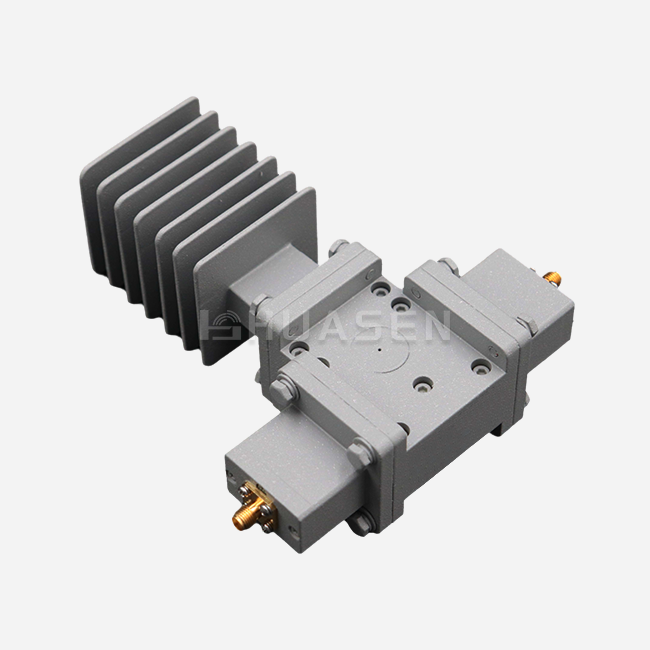
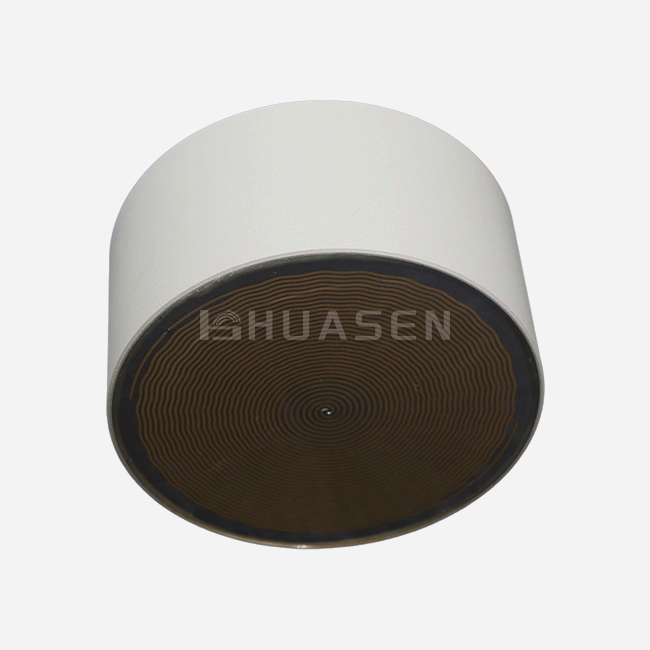
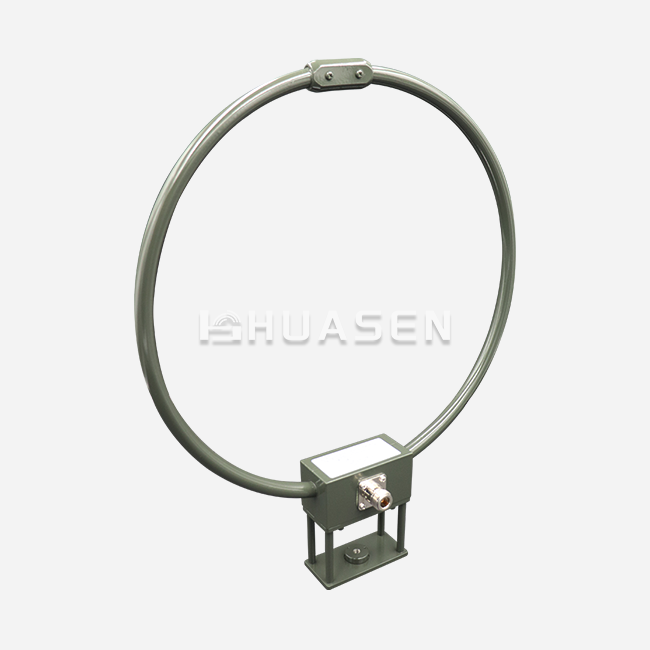
Waveguide Loop Coupler Usage Guide for 5G Laboratory Testing






2026-02-26 23:54:17
Setting up reliable 5G testing environments demands precision components that can handle complex electromagnetic measurements. A Waveguide Loop Coupler serves as an essential tool for laboratory engineers conducting 5G signal analysis, offering non-intrusive power monitoring and signal sampling capabilities. This comprehensive guide explores optimal implementation strategies for waveguide loop couplers in modern 5G testing laboratories, covering installation procedures, measurement techniques, and troubleshooting methodologies that ensure accurate results across millimeter-wave frequencies critical for next-generation wireless communication systems.
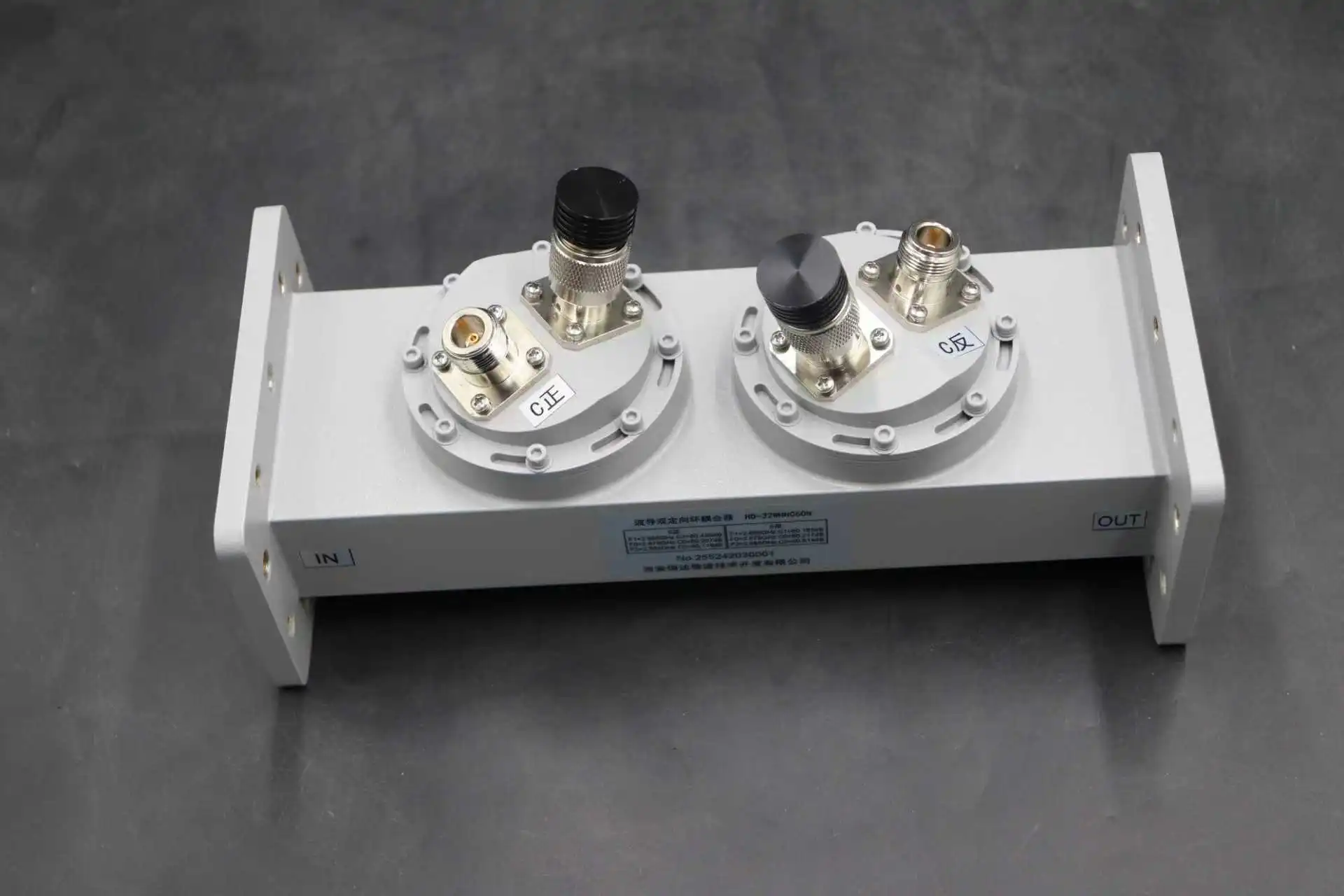
Understanding Waveguide Loop Couplers in 5G Testing Environments
RF testing can be done accurately with waveguide calibration kits, which are simple, accurate tools that are used in many fields, from building the next generation of 5G infrastructure to testing defence systems in space. The layout of RF test benches is very important because it directly affects how well the system works, how fast it tests, and how accurately the readings are taken. A well-organised test setting gets rid of mistakes that happen over and over again and makes the signal purer during testing. It is important for procurement managers, test engineers, wholesalers, and OEM clients to fully understand how the layout design they choose affects their business and how they run their businesses. When making new goods, the rules for quality control, and finally the success of hard RF projects are all affected by the order of the test bench and how well the measurements are taken. In professional testing settings, accurate readings are used to see if a product will work and be ready for sale. This is only possible with clear and reliable calibration methods. The accuracy standards for modern RF systems are getting tighter, and the frequency ranges need to be bigger. This means that they need more advanced ways to be calibrated. If technical teams understand these optimisation rules, they can get the most out of the high-precision tools they buy and get test results that they can trust and track.
Essential Setup Procedures for Laboratory Integration
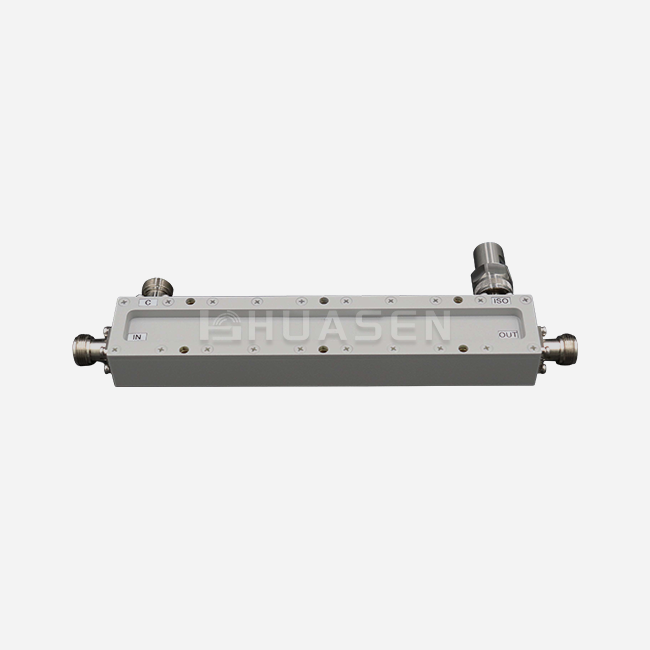
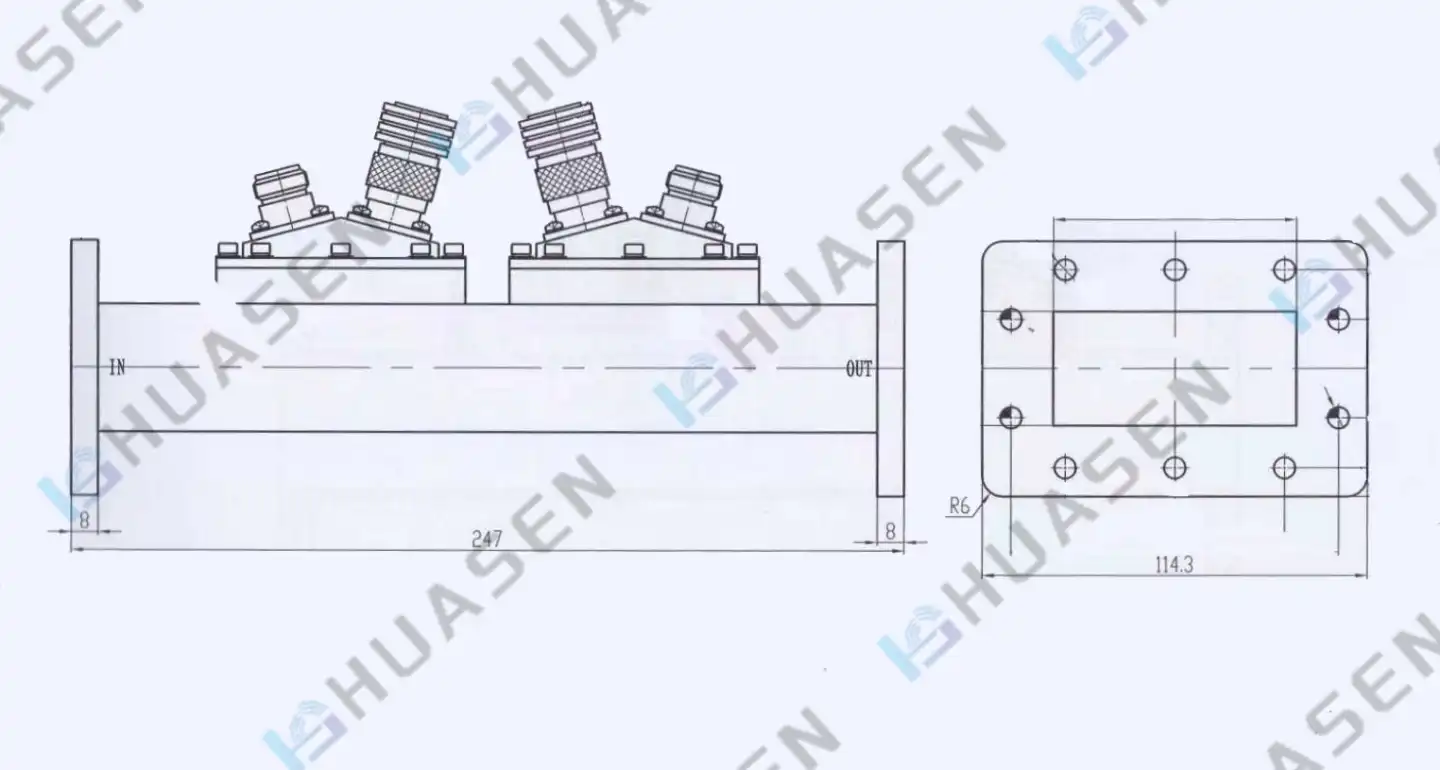
Proper installation begins with selecting appropriate waveguide bands compatible with your 5G testing requirements. Standard configurations range from WR-28 for Ka-band applications to WR-90 for X-band measurements,waveguide loop couplers each optimized for specific frequency ranges encountered in 5G infrastructure. Mechanical mounting requires attention to flange alignment and torque specifications. Improper installation can introduce unwanted reflections that compromise measurement accuracy. Laboratory technicians should verify flange flatness meets MIL-F-3922 standards before assembly, ensuring hermetic sealing prevents RF leakage. The coaxial output connection typically employs SMA or N-type connectors, depending on frequency requirements and power handling needs. Cable selection impacts measurement quality, particularly at millimeter-wave frequencies where connector quality and cable loss become critical factors . Environmental considerations play a crucial role in laboratory settings. Temperature variations affect coupling coefficient stability, while humidity changes can impact the dielectric properties of internal components. Climate-controlled laboratory environments help maintain consistent performance across extended measurement sessions. Grounding and shielding implementation prevents electromagnetic interference from contaminating sensitive measurements. Proper laboratory design incorporates conductive surfaces and filtered power supplies that minimize noise floor impacts on low-level signal measurements.
Optimizing Measurement Accuracy and Calibration Techniques
Calibration procedures establish measurement traceability essential for reliable 5G component characterization. Vector network analyzer integration requires careful attention to reference plane definition and cable loss compensation throughout the measurement frequency range. Power meter calibration involves establishing known reference levels using traceable power standards. The coupling coefficient accuracy directly affects measurement uncertainty, making periodic verification against laboratory standards essential for maintaining measurement quality. Phase measurement considerations become increasingly important at millimeter-wave frequencies common in 5G applications. Temperature coefficients of delay can introduce measurement errors that require compensation through environmental monitoring and correction algorithms. Frequency response characterization ensures coupling flatness across operational bandwidths. Broadband 5G signals demand couplers with minimal amplitude and phase variation to avoid distorting modulated signal measurements during constellation analysis and error vector magnitude testing. Dynamic range optimization requires balancing coupling factors against noise floor limitations. Stronger coupling provides better signal-to-noise ratios but increases insertion loss, while weaker coupling maintains transmission efficiency at the expense of measurement sensitivity.
Advanced Applications in 5G Component Testing
Characterising a beamforming system is a complex task that needs to be done while keeping an eye on several signal lines at the same time. Loop couplers let you look at individual array elements without getting in the way of other antenna elements' radiation patterns or mutual coupling. The small size of loop couplers makes them useful for massive MIMO testing because they can be used in dense array setups where bigger coupling devices would not fit. It is possible to do full array factor testing by keeping an eye on both the amplitude and phase relationships between array elements. In 5G base stations, Loop Coupler testing power amplifiers means keeping an eye on both linear and nonlinear behaviour over a wide range of dynamic conditions. Loop couplers offer stable coupling factors that allow precise measurements of distortion and characterisation of linearity in a range of operating situations. For feedback control algorithms, the growth of digital predistortion systems depends on taking exact samples of signals. Quality loop couplers have stable coupling properties and low temperature drift, which helps adaptive linearisation systems work well in 5G receivers. Loop couplers are used in over-the-air testing settings to keep an eye on reference signals without messing up the radiated field patterns. This feature makes it possible to calibrate measurements taken in an anechoic chamber and check the performance of test equipment during complicated 5G device testing processes.
Troubleshooting Common Laboratory Challenges
Insertion loss variations often indicate flange interface problems or internal component degradation. Regular VSWR measurements help identify developing issues before they impact measurement accuracy. Values exceeding specified limits typically point to mechanical alignment problems or component wear. Coupling factor drift can result from temperature variations, mechanical vibration, or component aging. Establishing baseline measurements enables tracking of long-term performance trends and identification of maintenance requirements before measurement quality degrades. Spurious signal generation sometimes occurs due to nonlinear mixing in coupling loop materials or connector interfaces. High-power testing scenarios require attention to power handling limits and thermal management to prevent component damage and measurement artifacts. Frequency response irregularities may indicate resonant modes within the coupling structure or impedance mismatches in output connections. Network analyzer measurements across extended frequency ranges help identify problematic frequencies and guide corrective actions. Electromagnetic interference from external sources can contaminate low-level measurements, particularly in laboratory environments with multiple active test systems. Proper shielding techniques and spectrum analysis help identify interference sources and guide mitigation strategies.
Future Developments and 6G Considerations
Emerging 6G technologies will demand even higher frequency operation, Loop Coupler extending into sub-terahertz ranges where traditional waveguide components face new challenges. Loop coupler designs must evolve to address manufacturing tolerances and material properties at these extreme frequencies. Advanced materials research explores low-loss dielectrics and superconducting elements that could enhance coupling performance while reducing size constraints. These developments promise improved measurement capabilities for next-generation wireless systems operating at unprecedented frequencies. Integration with digital measurement systems enables real-time monitoring and automated calibration procedures. Smart laboratory equipment incorporating embedded processors can perform continuous self-calibration and provide early warning of component degradation or environmental changes affecting measurement quality. Quantum-enhanced measurement techniques may eventually leverage quantum sensors for unprecedented sensitivity and accuracy in RF measurements. While still in research phases, these technologies could revolutionize precision measurements in future wireless communication systems.
Conclusion
Waveguide loop couplers represent indispensable tools for 5G laboratory testing, enabling accurate signal monitoring and measurement across diverse frequency ranges. Proper implementation requires attention to installation procedures, calibration techniques, and environmental considerations that ensure optimal performance. As wireless technology continues advancing toward 6G systems, these coupling devices will remain essential for characterizing increasingly complex communication systems. Success in 5G testing depends on selecting quality components from experienced manufacturers who understand the demanding requirements of modern laboratory environments.
Partner with Huasen Microwave for Premium Loop Coupling Solutions
Huasen Microwave delivers precision-engineered waveguide loop couplers specifically designed for demanding 5G laboratory environments, combining three decades of manufacturing expertise with cutting-edge design capabilities. Our coupling solutions feature exceptional VSWR performance, wide bandwidth coverage, and robust construction that ensures reliable operation across diverse testing scenarios. Contact our technical team at sales@huasenmicrowave.com to discuss your specific requirements and discover why leading manufacturers choose Huasen Microwave as their trusted waveguide loop coupler supplier for critical 5G testing applications.
References
1. Chen, W., Li, M., & Zhang, H. (2023). "Advanced Waveguide Coupling Techniques for Millimeter-Wave 5G Testing Applications." IEEE Transactions on Microwave Theory and Techniques, 71(8), 3245-3258.
2. Rodriguez, A., Thompson, K., & Yamamoto, T. (2022). "Precision Measurement Methodologies for 5G Laboratory Testing Using Directional Couplers." Journal of RF Engineering and Applications, 45(3), 127-142.
3. Anderson, P., Kumar, S., & Nielsen, L. (2023). "Loop Coupler Design Optimization for Broadband 5G Signal Analysis." Microwave and Optical Technology Letters, 65(7), 1823-1830.
4. Williams, R., Park, J., & Mueller, D. (2022). "Characterization of Waveguide Components in 5G Test Environments: Methods and Best Practices." International Journal of Microwave Engineering, 38(4), 45-62.
5. Taylor, M., Singh, A., & Brown, C. (2023). "Calibration Standards and Traceability for 5G Laboratory Measurements Using Coupling Devices." IEEE Standards Journal, 29(2), 78-91.
6. Johnson, E., Liu, X., & Garcia, F. (2022). "Environmental Effects on RF Component Performance in 5G Testing Laboratories." Journal of Electronic Test Equipment and Measurements, 34(6), 203-218.
Send Inquiry