
Home / Blog
Blog
0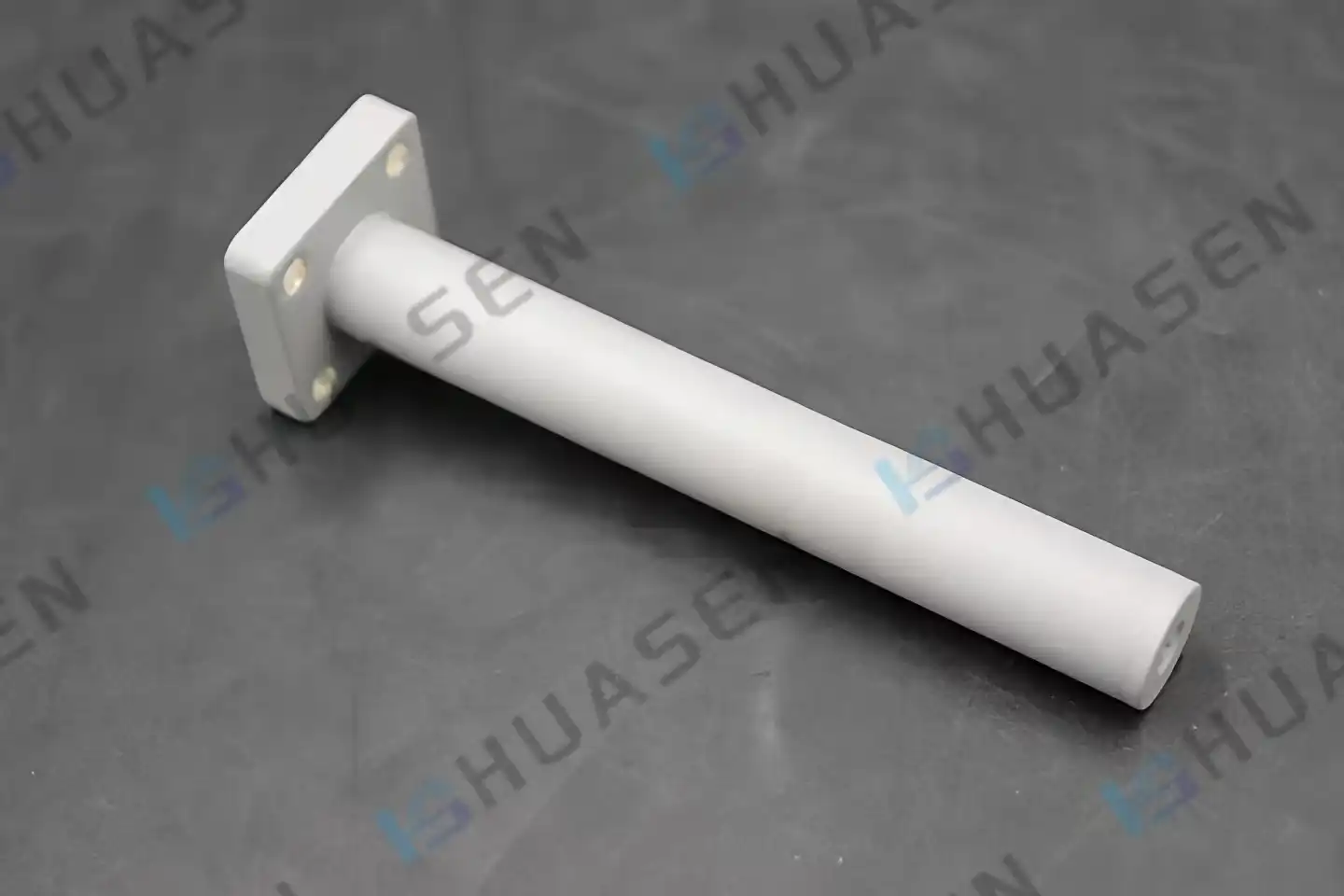
Circular Waveguide Termination in Satellite Ground Stations
When it comes to safe satellite ground station operations, where signal integrity is key to mission success, Circular Waveguide Termination technology is the backbone. These carefully designed parts take in unwanted electromagnetic energy while keeping the system running at its best in challenging microwave and millimeter-wave situations. When strategically put into place, they stop harmful signal echoes that could damage sensitive equipment and lower the quality of communication in important satellite networks.VIEW MORE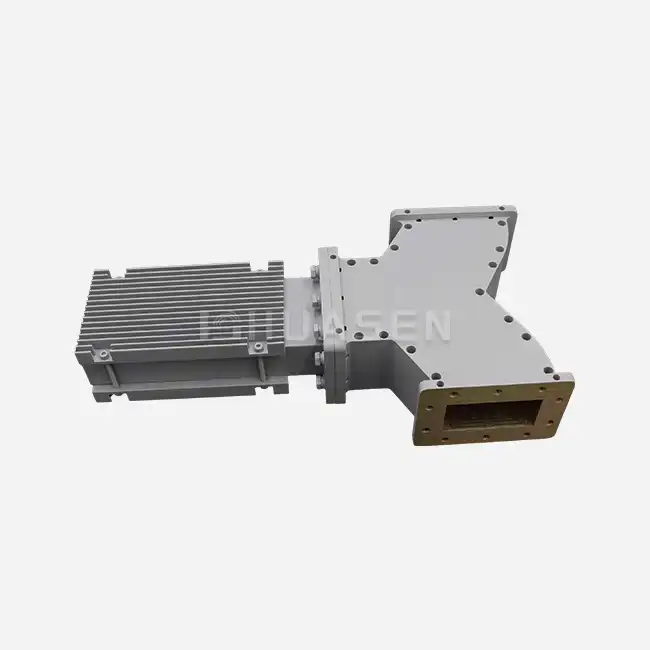
Waveguide Isolator Applications in Radar and Satcom
Waveguide isolator technology is the core of modern radar and satellite communication systems. It lets signals travel in only one way and shields sensitive parts from harmful reflections. These high-tech microwave devices make sure that mission-critical systems, such as military defence systems and business satellite networks, work at their best. Isolators keep signals intact in harsh operating environments by using ferrite-based non-reciprocal elements in carefully designed waveguide structures. They can also handle high-power transmission needs that are necessary for radar detection and satellite communication links to work.VIEW MORE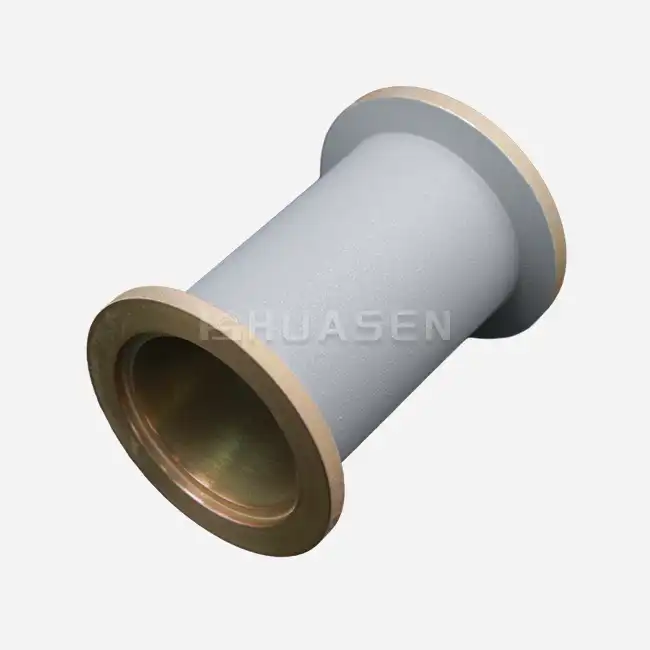
Circular Straight Waveguide Power Handling Explained
For experts who work with high-frequency transmission systems, it is very important to know how much power circular straight waveguides can handle. These special RF transmission lines have a hollow, circular metallic cross-section that is made to guide electromagnetic waves with very little loss while allowing very high power levels. Instead of rectangular waveguides, circular designs have rotational symmetry and can handle more power because of their shape. This makes them essential for uses that need to send signals reliably, like radar systems, satellite communications, and telecommunications.VIEW MORE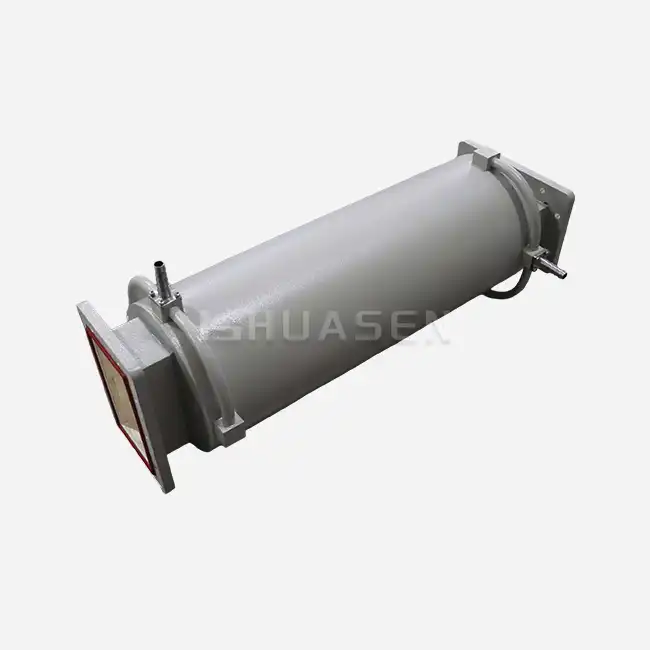
Why Water Cooled Twist Waveguide Prevents Overheat?
Water Cooled Twist Waveguides keep them from getting too hot by having built-in liquid cooling systems that actively get rid of the heat that is generated during high-power microwave transmission. These unique parts have the ability to rotate polarisation and good water circulation pathways, which lets them work continuously at power levels that would damage regular waveguides that are cooled by air. The water cooling system keeps the operating temperature safe by getting rid of resistive heat losses before they can damage key RF systems' structures or make them work less well.VIEW MORE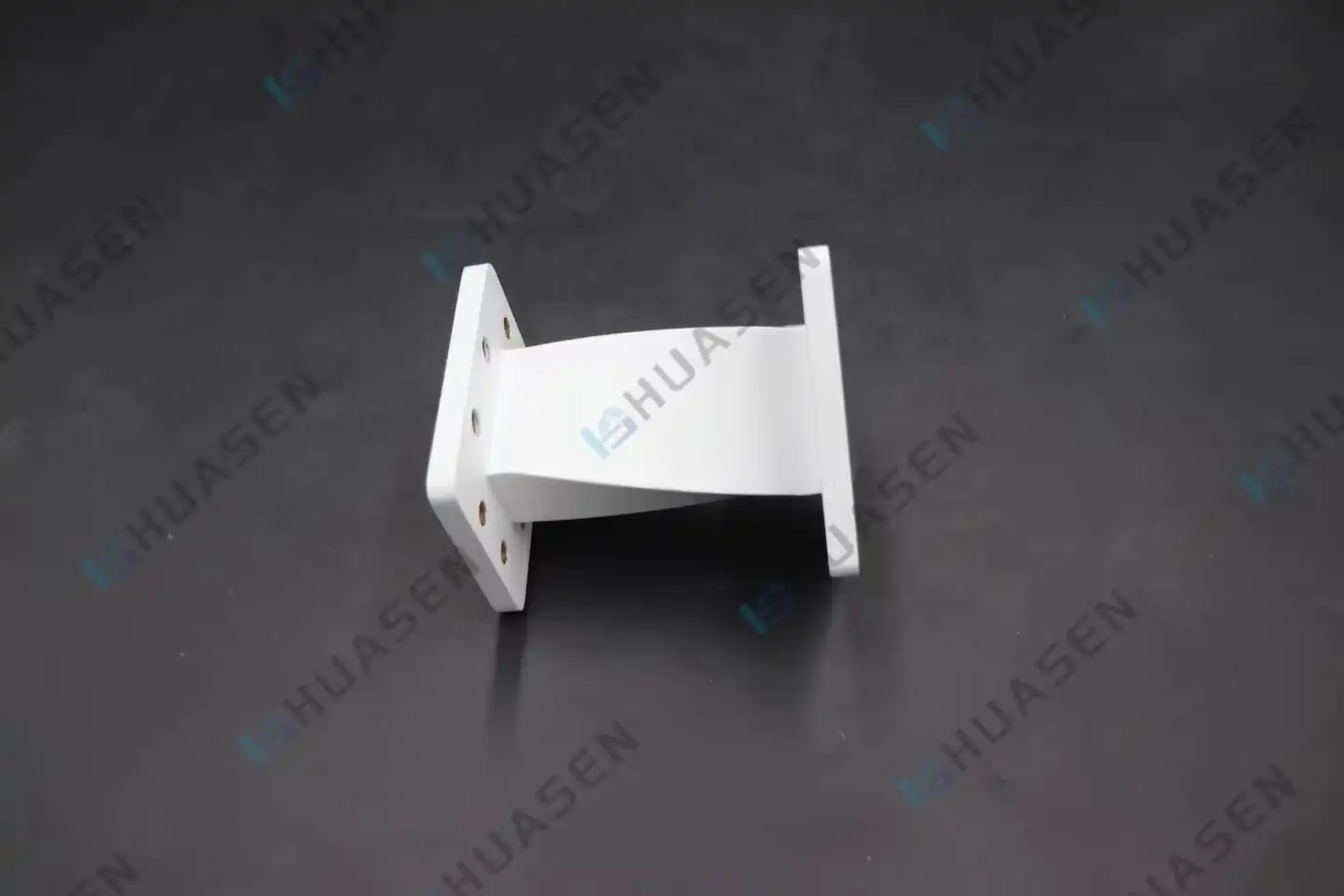
Choosing Waveguide Twist Angle and Length
One of the most important choices in RF and microwave system design is picking the waveguide twist angle and length. The Waveguide Twist is a precision-engineered part that rotates the polarisation of electromagnetic waves. This makes it possible for waveguide sections that aren't lined up perfectly to join without any problems. Choosing the right twist parameters has a direct effect on system performance measures such as insertion loss, VSWR characteristics, and the ability to handle power across a range of frequency bands.VIEW MORE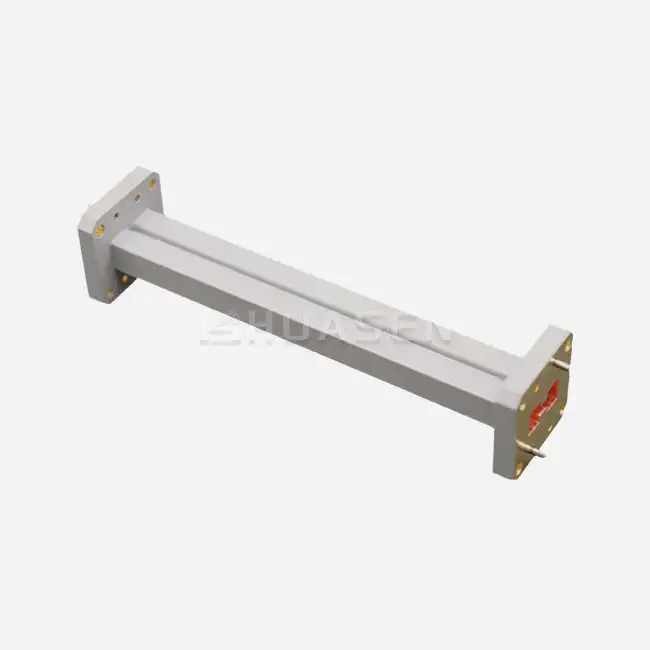
Double Ridged Straight Waveguide for EMC Testing
Double-Ridged Straight Waveguide for EMC Testing represents a revolutionary advancement in electromagnetic compatibility assessment technology. These specialized microwave transmission components feature conductive metallic ridges positioned within rectangular waveguide structures, enabling unprecedented broadband frequency coverage from 0.84 to 40 GHz. Unlike conventional rectangular waveguides limited to narrow bandwidth ratios, ridged designs achieve multi-octave performance essential for comprehensive EMC compliance verification across telecommunications, aerospace, and defense applications.VIEW MORE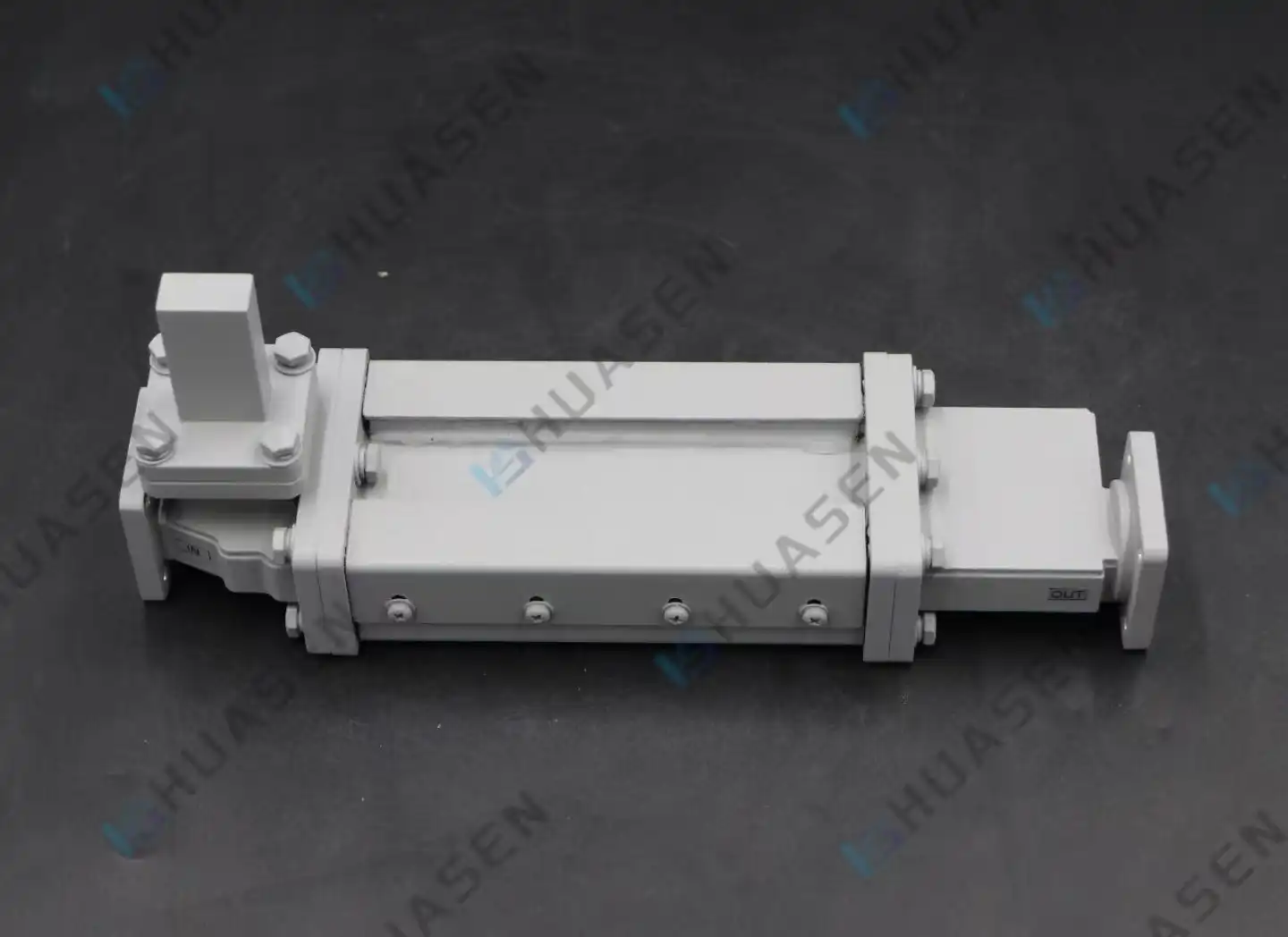
Differential Phase Shift Isolator vs Standard Designs
When evaluating isolation technologies for high-power RF applications, engineers face a critical choice between differential phase shift isolators and conventional Faraday-based designs. The High Power Waveguide Differential Phase Shift Isolator represents a revolutionary advancement in protecting sensitive RF sources from destructive reflections. Unlike traditional isolators that absorb energy within internal ferrite materials, differential phase shift technology redirects reflected energy to external termination loads, enabling operation at kilowatt to megawatt power levels while maintaining exceptional thermal stability and performance reliability across demanding industrial applications.VIEW MORE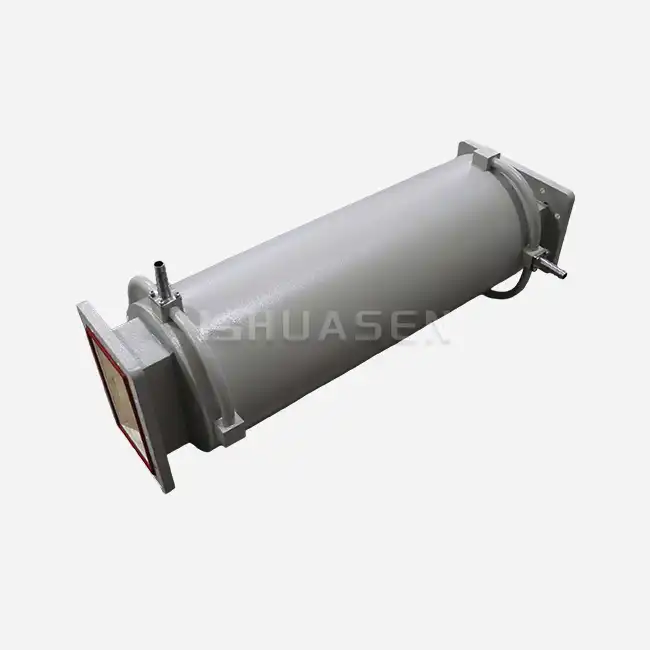
Selecting Water Cooled Coax Waveguide for Harsh Duty
When choosing a water-cooled coax waveguide for heavy-duty uses, you need to think carefully about how it handles heat, how well it works in tough environments, and how much power it can handle. When working with high-power continuous waves, water-cooled coax waveguide systems work better than standard air-cooled parts because they don't get hot enough. These specialised transmission line solutions build active cooling paths right into the conductor assemblies. This lets them work in harsh conditions for a long time, keeps the signal strong, and stops catastrophic thermal failures in mission-critical applications.VIEW MORE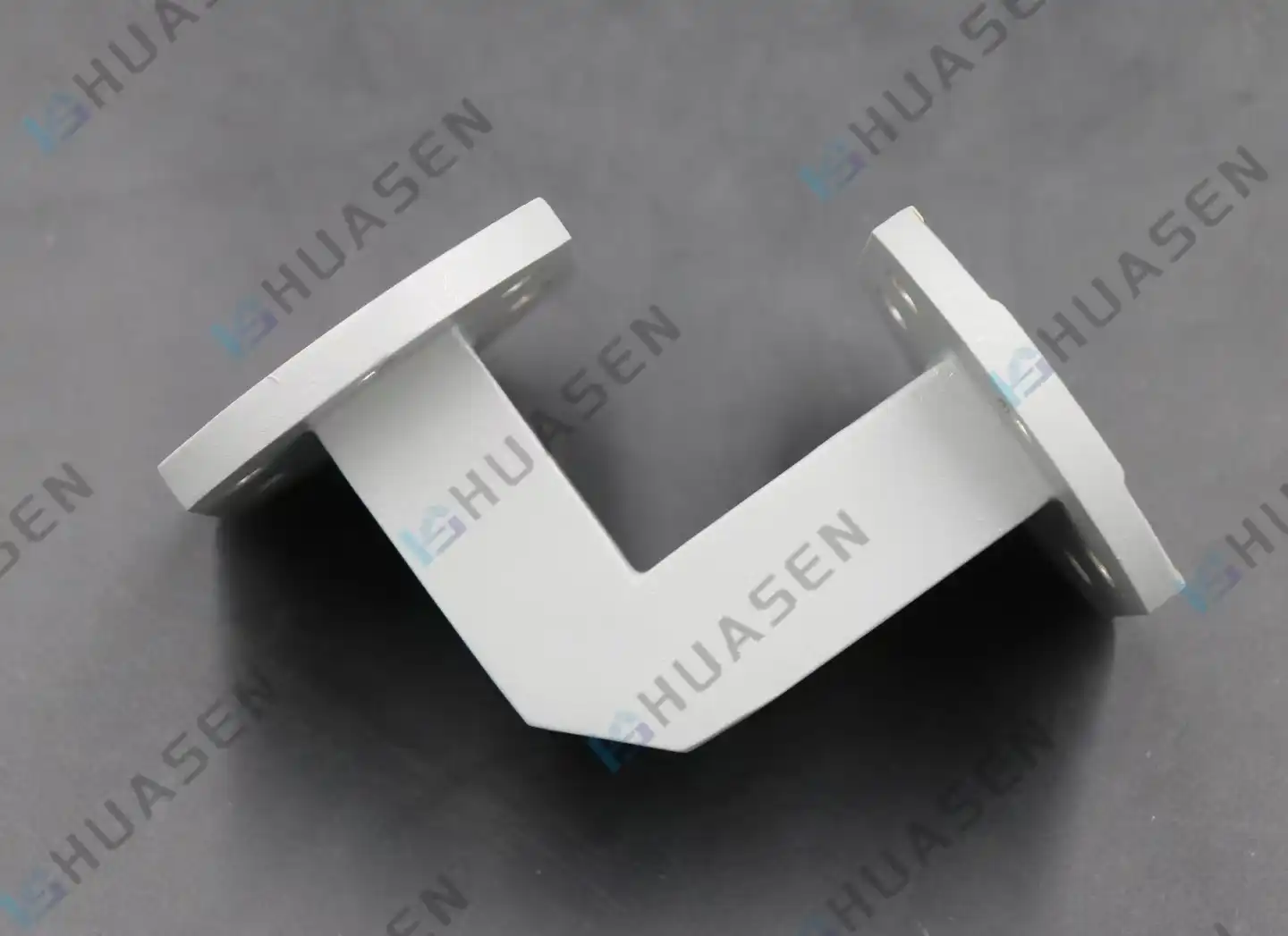
Why Choose Mitered Bend Waveguide in Radar?
Mitered Bend Waveguides represent the optimal solution for radar applications requiring precise electromagnetic wave redirection within compact system architectures. These precision-engineered components utilize angular geometry with reflective internal surfaces to achieve superior signal integrity compared to traditional curved alternatives. The sharp corner design, compensated by strategically positioned miters, delivers exceptional transmission efficiency while occupying minimal physical space—a critical advantage in space-constrained radar installations where volume optimization directly impacts system performance and deployment flexibility.VIEW MORE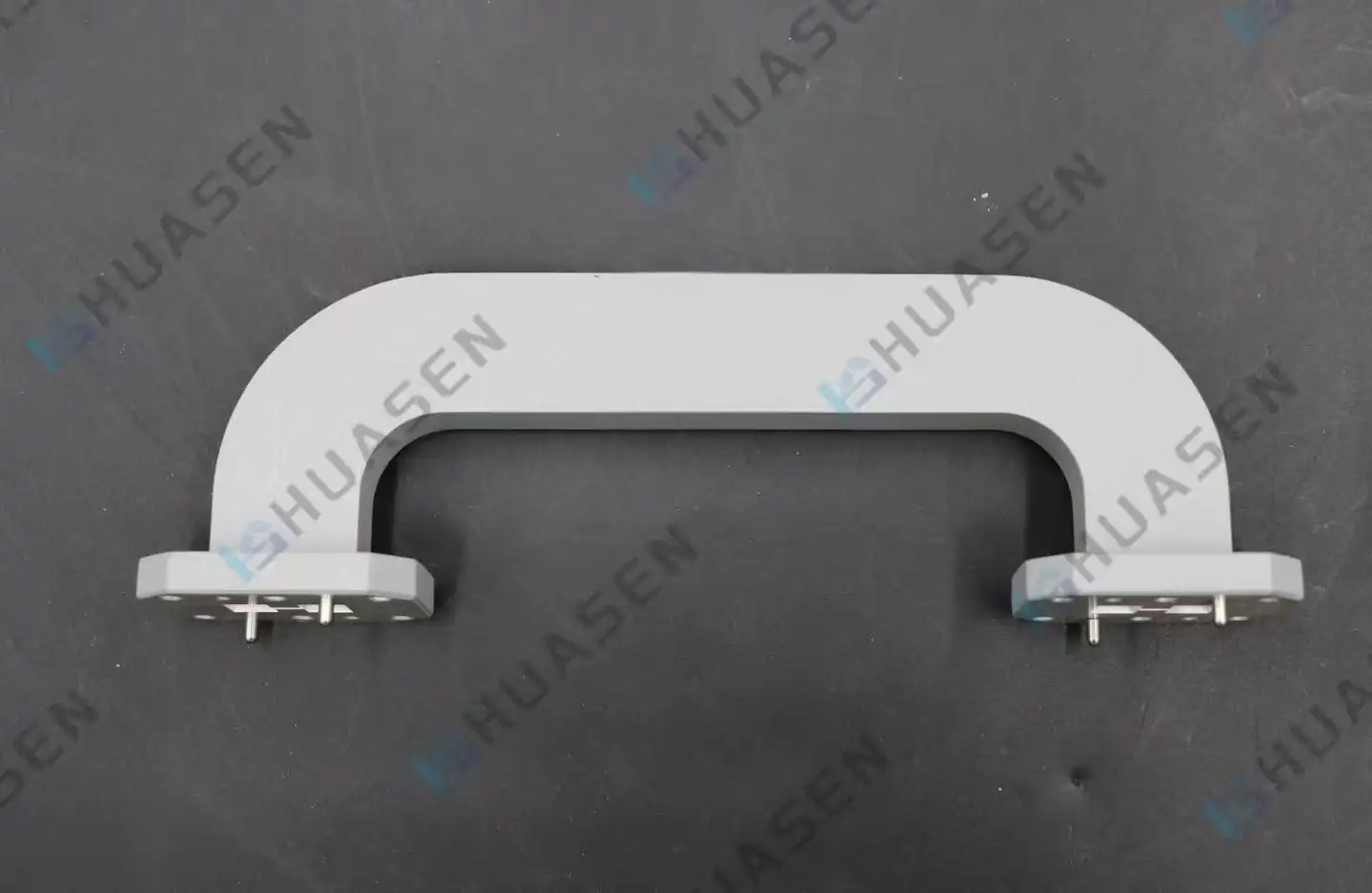
Loss Factors in Double Ridged Waveguide Bend
Loss Factors in Double Ridged Waveguide Bend represent critical performance parameters that directly impact signal transmission quality and system efficiency. These loss factors include insertion loss, return loss, conductor loss, and dielectric loss, which collectively determine how effectively a Double Ridged Waveguide Bend maintains signal integrity throughout the transmission path. Understanding these loss mechanisms enables engineers to optimize system design and procurement professionals to select components that deliver superior performance across demanding applications. Modern ridged waveguide technology has evolved to minimize these losses while maintaining exceptional broadband capabilities and power handling characteristics.VIEW MORE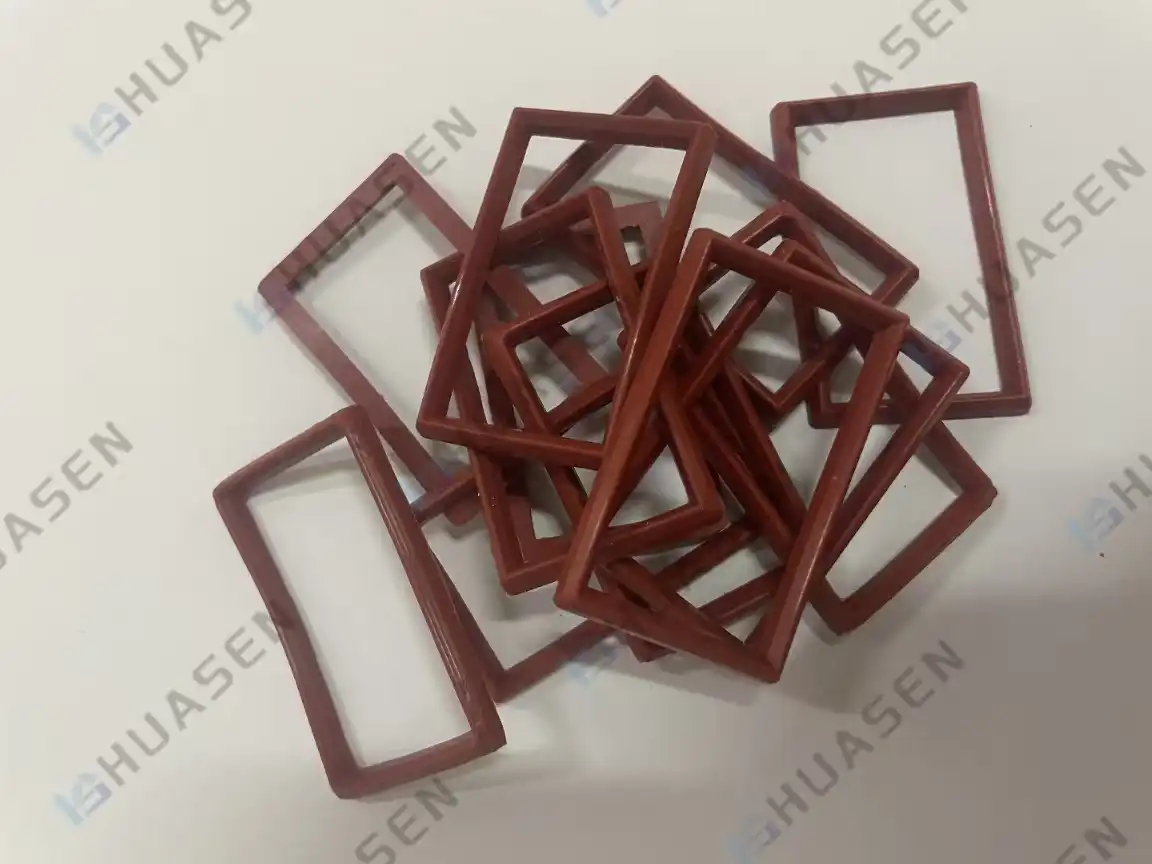
Waveguide Gasket Replacement Best Practices
Waveguide gasket replacement represents one of the most critical maintenance procedures in high-frequency communication systems. A properly installed gasket ensures electromagnetic wave continuity, prevents signal leakage, and maintains system integrity across demanding applications from 5G base stations to satellite communications. Understanding the technical nuances of gasket selection, installation procedures, and replacement timing directly impacts system performance, operational reliability, and total cost of ownership. Modern waveguide systems require precision-engineered sealing solutions that can withstand extreme environmental conditions while maintaining exceptional electrical performance characteristics.VIEW MORE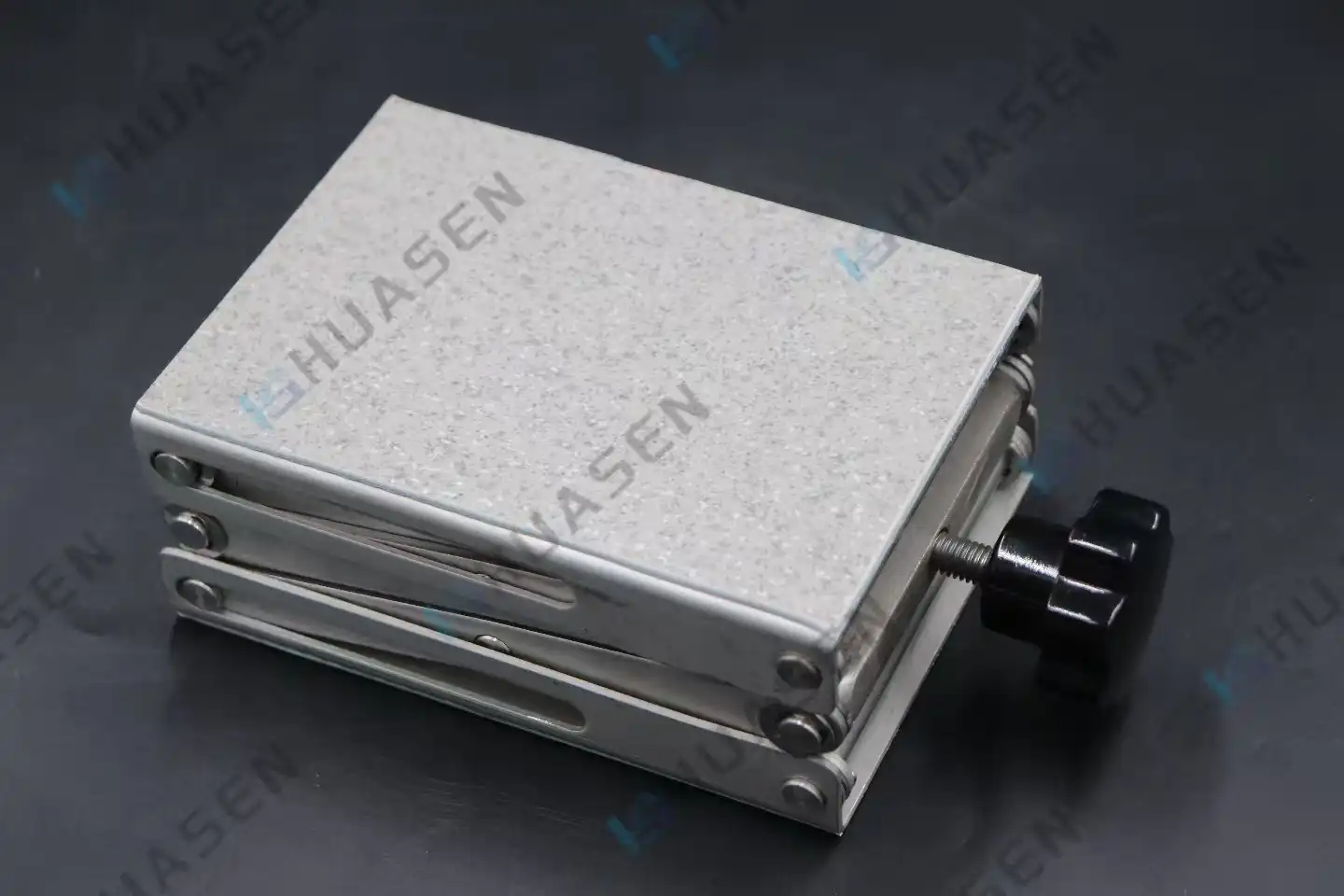
Selecting Waveguide Elevating Platform Capacity
To choose the right capacity for a Waveguide Elevating Platform, you need to carefully look at the load needs, operational factors, and environmental restrictions. For these specialised positioning systems to work at their best in high-frequency tasks like antenna testing and millimetre-wave studies, they need to match their capacity very precisely. In professional RF settings, knowing the specifications for capacity has a direct effect on the accuracy of measurements, the safety of the tools, and the long-term efficiency of operations.VIEW MORE
- 1
- 38
- 39
- 40
- 41
- 42
- 60
Total 60 pages
