Waveguide Isolator Applications in Radar and Satcom






2026-03-03 21:49:35
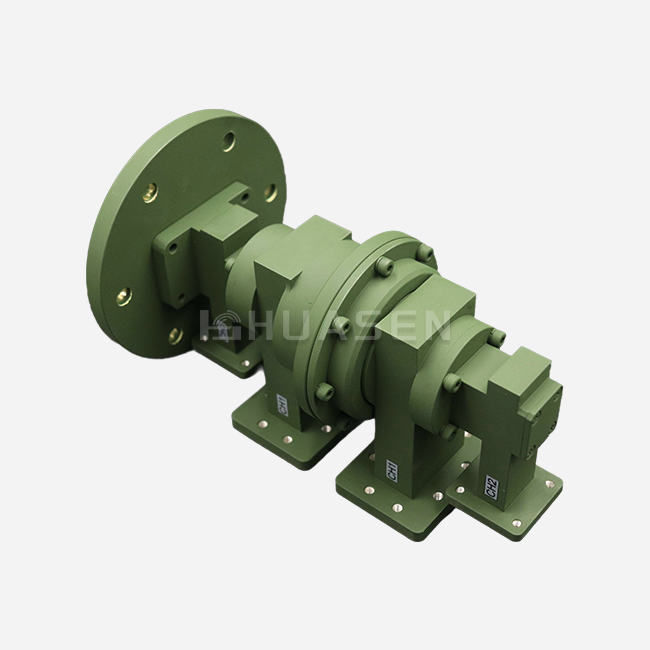
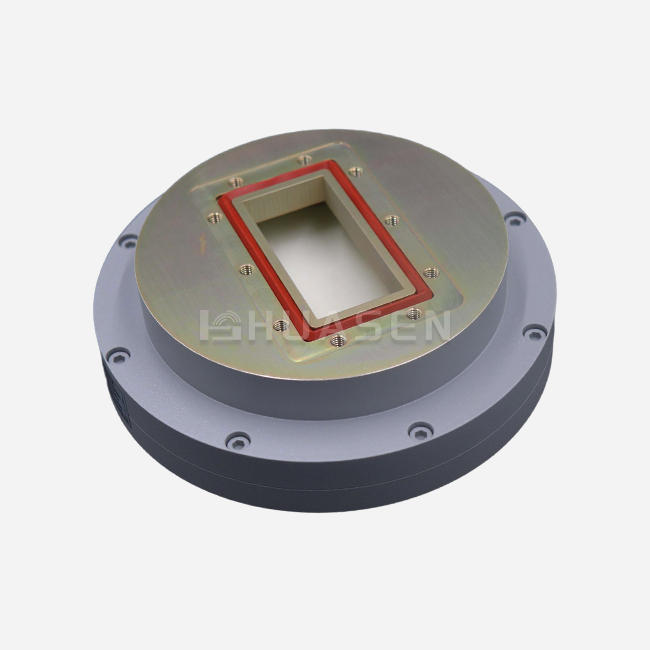
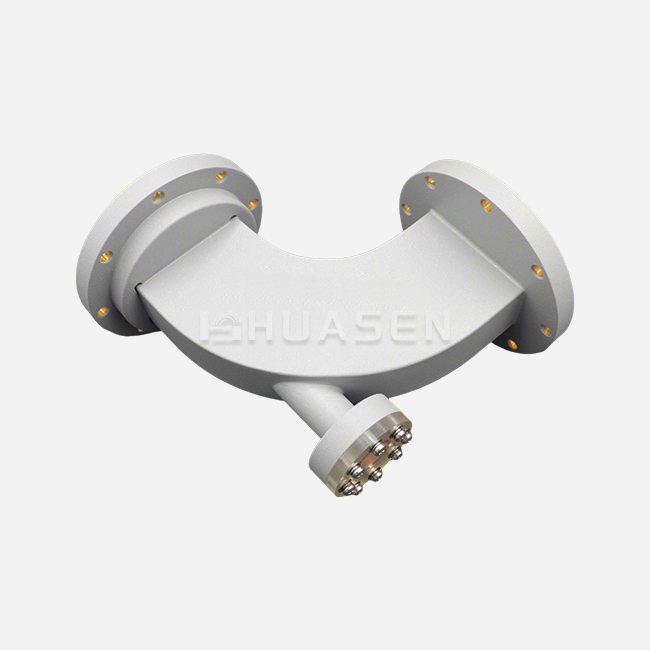
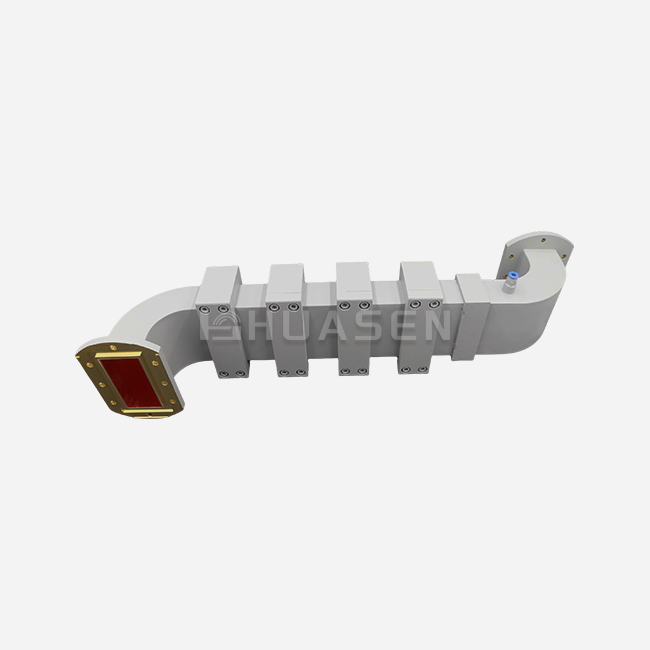
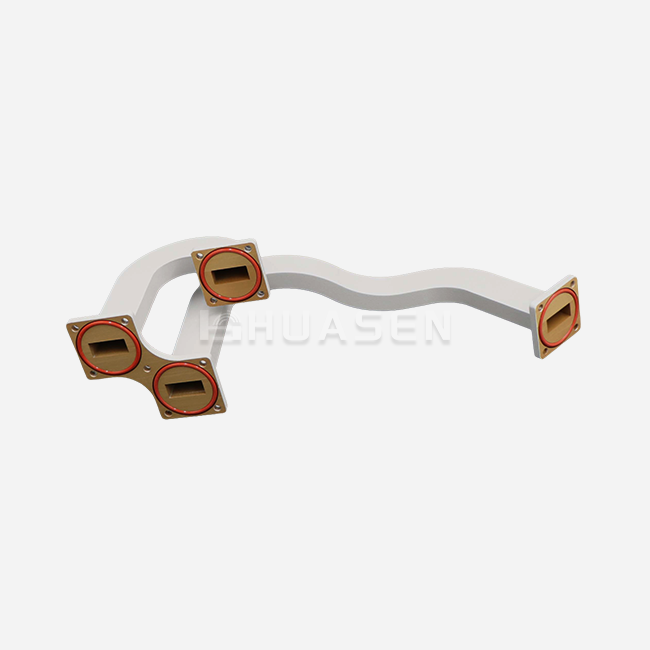
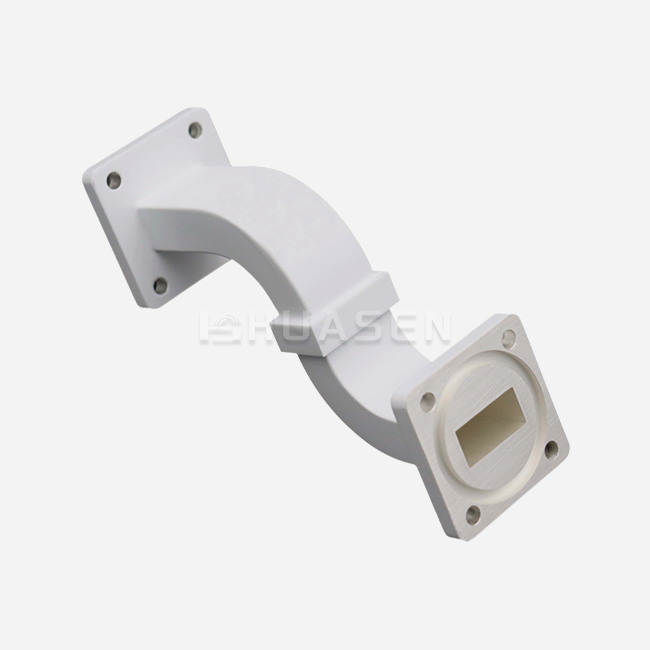
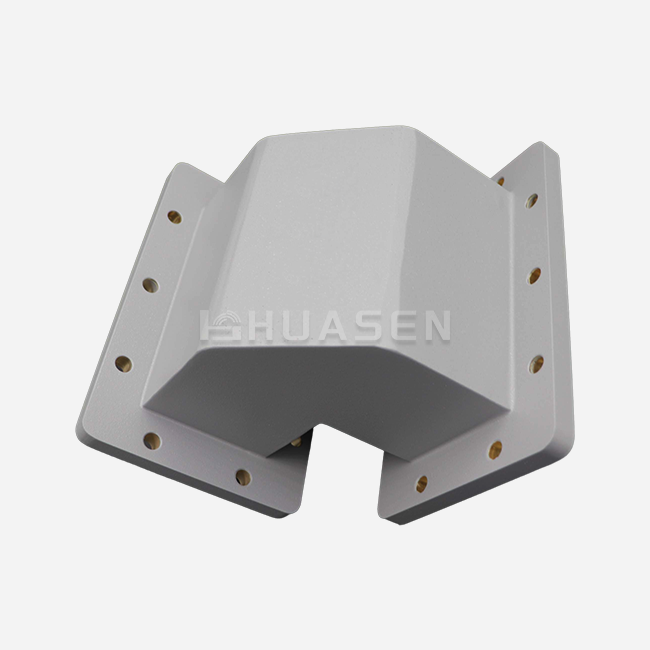
Waveguide isolator technology is the core of modern radar and satellite communication systems. It lets signals travel in only one way and shields sensitive parts from harmful reflections. These high-tech microwave devices make sure that mission-critical systems, such as military defence systems and business satellite networks, work at their best. Isolators keep signals intact in harsh operating environments by using ferrite-based non-reciprocal elements in carefully designed waveguide structures. They can also handle high-power transmission needs that are necessary for radar detection and satellite communication links to work.
Understanding Waveguide Isolators and Their Operating Principles
Waveguide isolators work by using the Faraday effect, which says that ferrite materials have different magnetic permeabilities based on which electromagnetic waves are moving. Since signals are moving forward through the receiver, they lose very little power—usually less than 0.4 dB of insertion loss. Reverse-traveling signals, on the other hand, are attenuated a lot—usually by more than 20 dB—which successfully shields components upstream from harmful reflections.
Core Components and Materials
Modern waveguide isolators are made of high-remanence ferrite materials and rare-earth magnets that are held in waveguide bodies that have been carefully machined. The ferrite elements are placed in the magnetic circuit in a way that makes the biasing field needed for non-reciprocal operation. It is very important for aerospace and defence uses that these parts work well at temperatures ranging from -40°C to +85°C, so they go through a process called temperature compensation.
Frequency Range Considerations
Waveguide isolators' operating capacity is directly related to their size and the way their magnetic circuits are built. X-band isolators (8.2-12.4 GHz) are often used for radar, and Ku-band devices (12.4-18 GHz) help with satellite transmission systems. Broadband versions can cover the whole waveguide band, which is about 40% of the total bandwidth. This means that wideband systems don't need multiple narrowband devices.
Distinguishing Characteristics from Alternative Technologies
Waveguide isolators work great in high-power situations over several kilowatts, while coaxial isolators have power limits because their cross-sectional areas are smaller. Optical isolators work with polarisation effects, while ferrite isolators use magnetic principles. Which of these technologies to use depends on the frequency needs, the amount of power that needs to be handled, and the limitations of how the technologies can be integrated into the overall system design.
Key Applications of Waveguide Isolators in Radar and Satcom Systems
Waveguide isolators are used to solve important performance problems in radar and satellite communication systems, where protecting signals and parts is crucial to completing missions successfully. Outside of simple isolation,Waveguide Broadband Isolator,these devices do many other things that help keep the system stable and reliable.
Radar System Integration
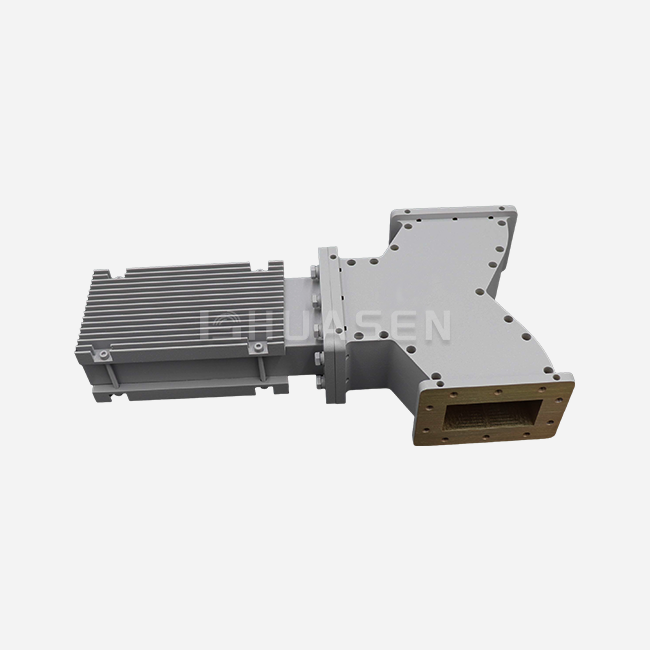
When used in radar, waveguide isolators keep expensive solid-state power amplifiers and travelling wave tubes from breaking down completely because the antennas don't match up. When the weather is bad and can change the impedance of signals, isolators help protect weather radar devices. Isolators for military radar sites must meet MIL-STD standards for resistance to shock, vibration, and electromagnetic interference. These devices also stop frequency pulling effects in coherent radar systems, which need a stable local oscillator to find and track targets accurately. Broadband jamming signals must be able to cover very wide frequency bands without causing any damage to the components in electronic warfare systems. In these situations, waveguide isolators keep their isolation performance stable across multiple octave bandwidths and can handle the high peak power levels that come with jamming emitters.
Satellite Communication Applications
Waveguide isolators help satellite ground stations keep their uplink performance fixed, even when the weather changes and antenna impedance changes. The gadgets make sure that high-power amplifiers that feed big parabolic antennas always get power, so damage doesn't happen when the weather changes quickly or when equipment breaks down. Low Earth Orbit and Medium Earth Orbit satellite groups need isolators in their communication systems to keep transponders safe from changes in load caused by antenna pointing and spacecraft attitude changes. These devices are qualified for use in space and must work effectively in vacuums, while also being able to handle radiation and sudden changes in temperature. Moving ships and sea spray can make it hard for maritime satellite terminals, so they need isolators that are better at sealing out the environment and preventing corrosion. The consistent isolation performance keeps communication links open during bad weather, which is when it's most important to have stable connectivity.
Testing and Measurement Applications
Manufacturers of automated test tools include waveguide isolators to separate the devices being tested from vector network analysers. This keeps measurement accuracy high and eliminates source-match errors. This use is especially important for testing satellite transponders, which need stable source conditions over a wide frequency range for broadband characterisation.
Comparing Waveguide Isolators: Selecting the Best Solution for Your Needs
Selecting appropriate waveguide isolators requires careful evaluation of performance specifications, environmental requirements, and long-term reliability factors. The decision process involves comparing multiple technical parameters while considering operational constraints and procurement considerations.
Performance Metrics Analysis
Power handling capabilityrepresents a primary selection criterion, with continuous wave and peak power ratings varying significantly between designs. High-power isolators incorporate enhanced cooling features and robust internal terminations capable of dissipating reflected energy without thermal damage. Low-power variants prioritize compact size and cost optimization for applications where power levels remain below critical thresholds. Insertion loss specifications directly impact system efficiency, particularly in satellite communication systems where every decibel affects link margin calculations. Premium isolators achieve insertion losses below 0.3 dB while maintaining isolation levels exceeding 23 dB across their operational bandwidth. The voltage standing wave ratio typically remains below 1.25:1 for well-designed units, ensuring minimal signal reflection at the isolator interfaces.
Manufacturer Evaluation and Quality Assurance
Reputable manufacturers provide comprehensive datasheets including full-band S-parameter measurements, thermal cycling test results, and mechanical shock specifications. Quality control procedures should encompass coordinate measuring machine verification of flange dimensions, ensuring proper interface compliance with standard specifications such as UG-383/U or UG-595/U. Environmental testing protocols, including salt spray exposure and humidity resistance, become critical for outdoor installations or maritime applications. Manufacturers adhering to ASTM B117 standards demonstrate commitment to long-term reliability in challenging operational environments.
Customization Capabilities and Technical Support
Many applications require customized frequency ranges, power handling levels, or mechanical interfaces beyond standard catalog offerings. Manufacturers with strong engineering capabilities can modify existing designs or develop entirely new solutions to meet specific requirements. The availability of sample units for evaluation testing allows system integrators to validate performance before committing to production quantities. Technical support quality often distinguishes leading manufacturers from commodity suppliers, particularly when complex integration challenges arise. Access to application engineers familiar with radar and satellite communication requirements can significantly reduce development time and ensure optimal system performance.
Procurement Considerations for Global B2B Clients
Successful procurement of waveguide isolators requires a systematic approach that balances performance requirements with cost considerations and supply chain reliability. The global nature of the microwave industry necessitates careful supplier evaluation and risk management strategies.
Supplier Assessment and Selection Criteria
Lead time management becomes crucial for project scheduling, particularly when customized designs require extended development cycles. Established manufacturers typically maintain an inventory of standard products while offering expedited delivery options for urgent requirements. The supplier's manufacturing capacity and quality systems directly impact delivery reliability and product consistency. The geographicdistribution of manufacturing facilities affects shipping costs and delivery times, especially for high-value orders requiring special handling. Suppliers with multiple production locations can provide supply chain redundancy and reduced logistics expenses for international customers.
Cost Analysis and Value Engineering
Material quality significantly influences both performance and pricing, with premium ferrite materials and rare-earth magnets commanding higher costs but delivering superior specifications. Volume pricing structures often provide substantial savings for large procurements, making early quantity commitments advantageous for major programs. Customizationcosts vary widely depending on modification complexity, with simple frequency adjustments typically incurring minimal charges while entirely new mechanical designs require substantial engineering investment. The long-term cost of ownership includes reliability factors that may justify a higher initial investment for critical applications.
Quality Verification and Documentation
Incoming inspection Waveguide Broadband Isolatorprocedures should verify key electrical parameters through calibrated test equipment, ensuring compliance with purchase specifications. Certificate of compliance documentation provides traceability for applications requiring formal quality records, particularly in aerospace and defense programs. Environmental qualification testing may be necessary for extreme operating conditions, requiring coordination between supplier and customer test facilities. The availability of qualified parts lists and established reliability data can streamline the approval process for critical applications.
Future Trends and Innovations in Waveguide Isolator Technology
The evolution of waveguide isolator technology continuesto be driven by advancing requirements in radar and satellite communication systems. Emerging applications demand enhanced performance characteristics while maintaining cost-effectiveness and manufacturing scalability.
Material Science Advancements
Research into advanced ferrite compositions promises improved temperature stability and reduced insertion loss across broader frequency ranges. Magneto-optic materials research explores new mechanisms for achieving non-reciprocal behavior with potentially superior performance characteristics. Novel magnetic circuit designs incorporating additive manufacturing techniques may enable complex geometries previously impossible with conventional machining methods. Temperature compensation techniques continue advancing to address the demanding thermal environments encountered in aerospace applications. Active thermal management systems may eventually supplement passive compensation methods for applications requiring exceptional stability.
Next-Generation System Requirements
As digital satellite communication systems become more common, they need isolators that can handle higher data rates and bigger bandwidths. For phased array radar systems to work, the isolators need to be small, light, and able to fit into tight spaces while still providing good separation. Millimeter-wave isolators with better mechanical precision and lower manufacturing tolerances are being made because working frequencies are going up. Miniaturisation tries to cut down on size and weight without affecting how well something works electrically. This is especially important for space uses where every gram counts toward the cost of launch. When isolators are combined with other microwave parts, they might become multipurpose devices that improve the performance of the whole system.
Sustainability and Manufacturing Evolution
People who care about the environment are looking for new materials and ways to make things that have less of an effect on the environment. Recycling schemes for rare-earth magnets help protect the supply chain and lower the cost of materials. Automated manufacturing techniques offer better consistency and lower production costs, which will allow high-performance isolators to be used in more situations. Supply chain resilience programs promote component suppliers and manufacturing facilities to be located in a variety of places. Regional supplier networks make it less important to get goods from just one source, and they also make delivery more reliable for customers around the world.
Conclusion
Waveguide isolators are still very important parts of current radar and satellite communication systems. They protect important signals and improve performance in many different situations. As needs get more specific, the technology keeps improving to meet those needs while keeping the dependability and performance that have made these devices standard parts of key communication infrastructure. As systems move toward higher frequencies, wider bandwidths, and tougher working conditions, waveguide isolators will definitely change to meet these new challenges while still doing their main job of protecting system stability and components.
FAQ
1. What factors affect waveguide isolator performance in extreme temperatures?
Temperature variations impact the magnetic properties of ferrite materials, potentially shifting the operational frequency and reducing isolation effectiveness. High-quality isolators incorporate temperature-compensated magnetic circuits using specialized ferrite compositions and rare-earth magnets designed to minimize performance drift. The typical operational temperature range spans -40°C to +85°C with specification compliance maintained throughout this window.
2. How do I determine the appropriate power rating for my application?
Power rating selection depends on both the continuous wave and peak power requirements of your system. Continuous power handling relates to the thermal dissipation capacity of the internal load, while peak power depends on the breakdown voltage characteristics of the waveguide structure. Applications involving high reflection coefficients require additional power margin to prevent internal load damage during fault conditions.
3. Can waveguide isolators handle broadband applications effectively?
Modern broadband waveguide isolators achieve full waveguide band coverage, typically representing 40% fractional bandwidth without mechanical tuning. These devices maintain consistent isolation and insertion loss performance across their entire operational frequency range, eliminating the need for multiple narrowband units in wideband systems such as electronic warfare or test equipment applications.
4. What mounting considerations apply to magnetic waveguide isolators?
The internal magnetic circuits in waveguide isolators can generate stray magnetic fields affecting nearby ferrous materials or sensitive electronic components. Proper installation requires maintaining adequate spacing from susceptible equipment, typically 1-2 inches minimum. Some manufacturers offer magnetic shielding options using mu-metal enclosures for applications requiring enhanced field containment.
5. How do I verify isolator quality before installation?
Comprehensive testing should include full-band S-parameter measurements using calibrated vector network analyzers to verify insertion loss, isolation, and return loss specifications. Thermal cycling tests ensure stable performance across operational temperature ranges, while mechanical inspection verifies flange dimensions and interface compliance with relevant standards such as UG-383/U specifications.
Partner with Huasen Microwave for Superior Waveguide Isolator Solutions
Huasen Microwave Technology brings over three decades of expertise in developing and manufacturing high-performance waveguide isolators for demanding radar and satellite communication applications. Our comprehensive product portfolio addresses diverse frequency ranges from X-band through millimeter-wave frequencies, Waveguide isolators featuring exceptional isolation performance exceeding 23 dB, and ultra-low insertion loss below 0.3 dB. As a trusted waveguide isolator manufacturer, we provide customized solutions tailored to your specific requirements while maintaining rigorous quality standards, including MIL-STD compliance for aerospace and defense applications. Contact our engineering team at sales@huasenmicrowave.com to discuss your project requirements and discover how our advanced isolator technology can enhance your system performance and reliability.
References
1. Pozar, D.M. "Microwave Engineering: Waveguide Components and Isolator Design Principles." John Wiley & Sons, 4th Edition, 2012.
2. Helszajn, J. "Ferrite Phase Shifters and Control Devices: Theory and Applications in Radar and Satellite Communications." McGraw-Hill Professional, 2008.
3. Baden Fuller, A.J. "Non-Reciprocal Microwave Devices: Fundamentals and Applications." IEEE Microwave Magazine, Vol. 15, No. 6, 2014.
4. Lax, B. and Button, K.J. "Microwave Ferrites and Ferrimagnetics: Applications in Waveguide Isolators and Radar Systems." McGraw-Hill Book Company, 2009.
5. Hunter, I.C. "Theory and Design of Microwave Filters: Including Isolator Integration in Satellite Communication Systems." Institution of Engineering and Technology, 2016.
6. Matthaei, G.L., Young, L., and Jones, E.M.T. "Microwave Filters, Impedance-Matching Networks, and Coupling Structures: Waveguide Component Design Principles." Artech House Publishers, 3rd Edition, 2011.
Send Inquiry