Why Water Cooled Twist Waveguide Prevents Overheat?






2026-03-02 21:06:59
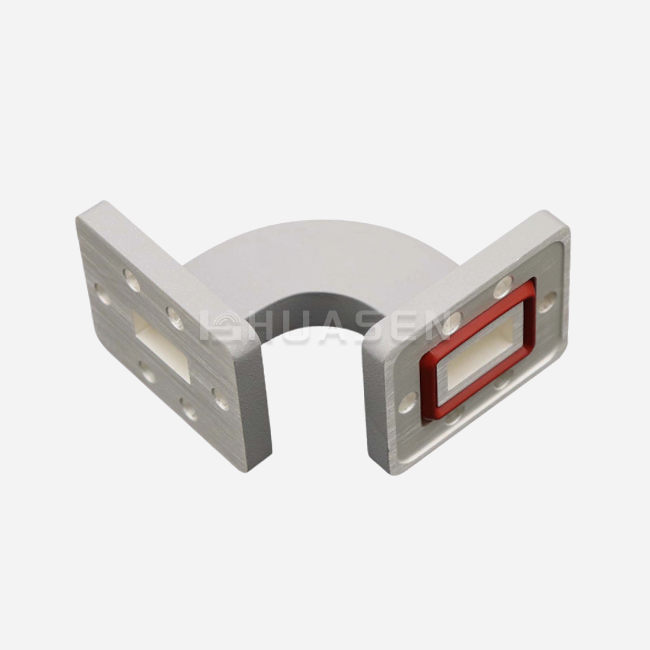
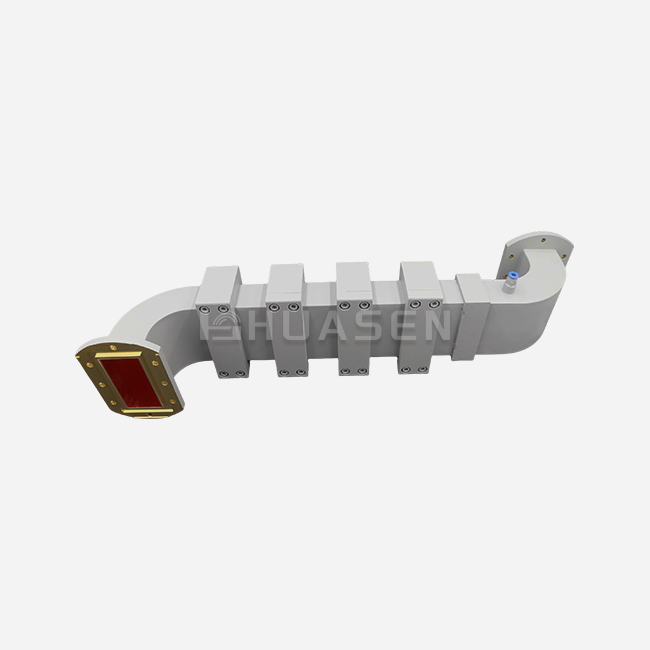
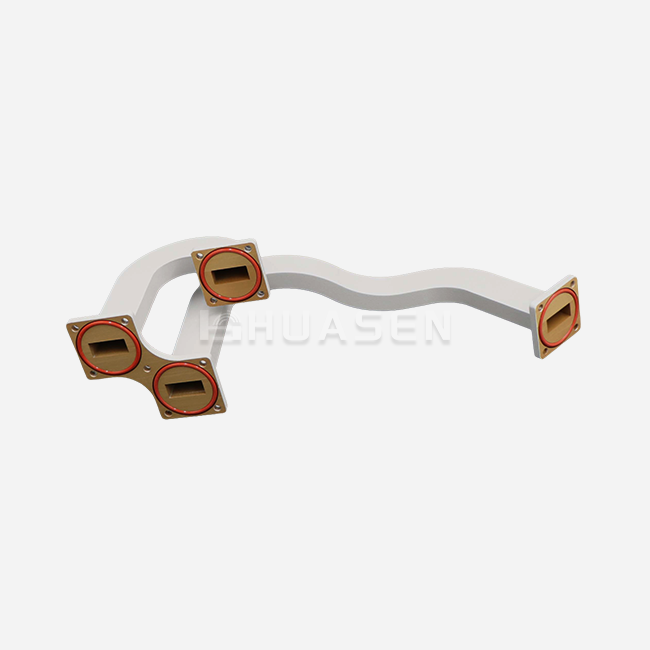
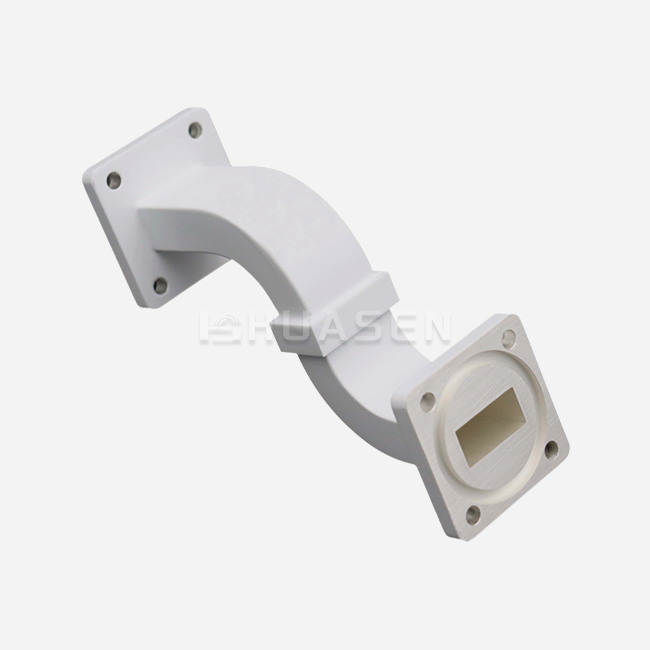
Water Cooled Twist Waveguides keep them from getting too hot by having built-in liquid cooling systems that actively get rid of the heat that is generated during high-power microwave transmission. These unique parts have the ability to rotate polarisation and good water circulation pathways, which lets them work continuously at power levels that would damage regular waveguides that are cooled by air. The water cooling system keeps the operating temperature safe by getting rid of resistive heat losses before they can damage key RF systems' structures or make them work less well.
Understanding Water Cooled Twist Waveguides
Thermal problems are a big problem for microwave systems that use a lot of power, which cannot be solved with normal cooling methods. Twist waveguides that are cooled by water are a sophisticated option that can control both electromagnetic fields and temperature at the same time.
Fundamental Design Principles
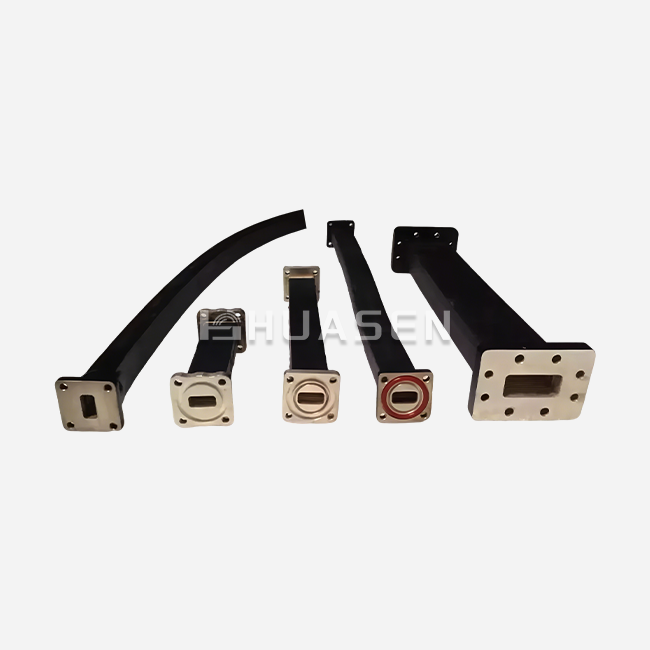
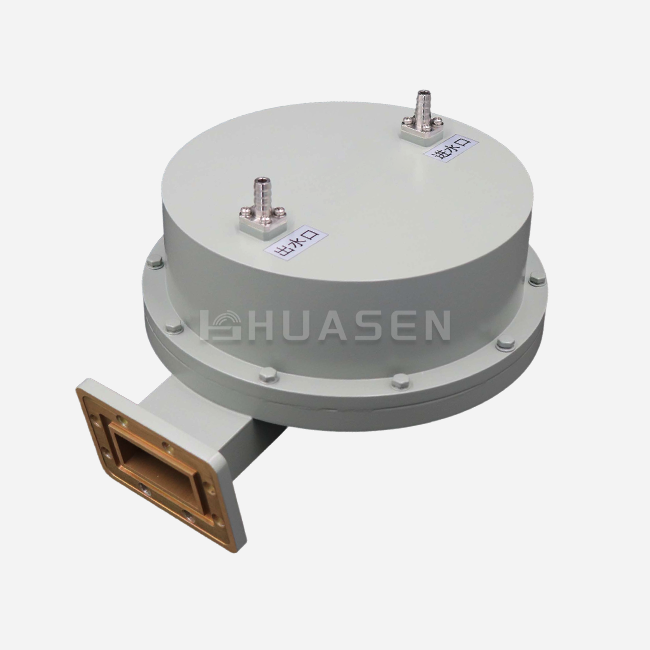
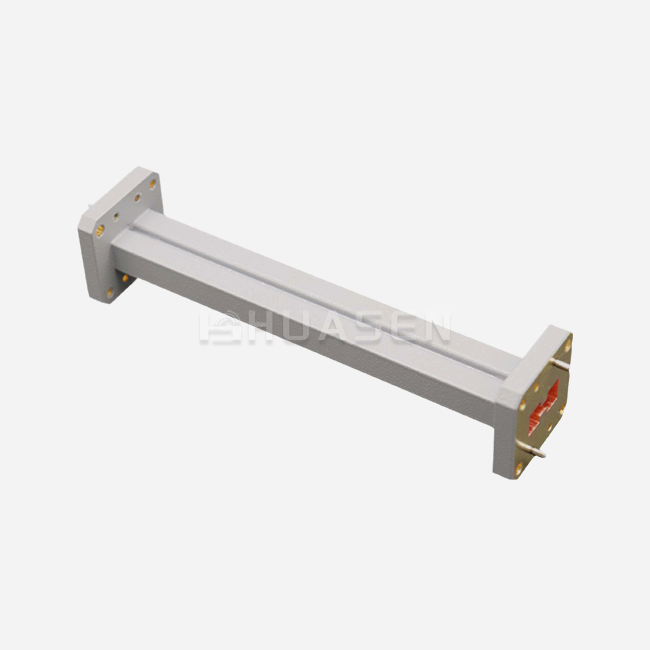
Precision-machined copper or aluminium alloy structures with built-in cooling lines are what make water-cooled polarisation twist components work. These channels, which are usually brazed directly onto the waveguide walls, provide a good way for heat to move from the RF transmission surface to the cooling that is moving through the system. The twisted shape keeps electromagnetic changes smooth, and the cooling system stops temperatures from getting too high. Huangsen Microwave's water-cooled twist waveguides combine advanced thermal engineering with electromagnetic optimisation. The cooling paths use carefully thought-out flow patterns that get rid of as much heat as possible without making the device less compact. This way of designing makes sure that the temperature is the same along the whole length of the waveguide. This stops hot spots that could cause arcing or performance loss.
Technical Specifications and Power Handling
In continuous wave uses, modern twist waveguides that are cooled by water can handle power levels from a few kilowatts to over 500 kW. The ability to handle a lot of power is directly related to how well the cooling system works and how well the building materials conduct heat. Flow rates of 2 to 10 litres per minute keep outlet temperatures below 10°C, which ensures optimal performance over long periods of time. The polarisation twist feature is not affected by the cooling integration. Low insertion loss is maintained by standard spinning angles of 45° or 90°, and water cooling lets the device work in places where air cooling would not be enough. The Voltage Standing Wave Ratio (VSWR) performance usually stays below 1.10 over the frequency range that was given. This shows that the design team carefully balanced the needs for cooling and electromagnetic performance.

Why Overheating Occurs in Twist Waveguides and How Water Cooling Solves It
High-power microwave transmission Water Cooled Twist Waveguidesinherently generate resistive losses that convert electromagnetic energy into heat. In twist waveguides, this thermal generation becomes particularly problematic due to the complex internal geometry required for polarization rotation.
Heat Generation Mechanisms in RF Systems
Electromagnetic energy traveling through waveguide structures encounters resistance in the conductor walls, creating I²R losses that manifest as heat. The magnitude of this thermal generation increases exponentially with power levels, making passive cooling inadequate for high-power applications. Additionally, the twisted geometry necessary for polarization rotation creates current concentration points where heat density becomes particularly intense. Standingwave patterns within the waveguide can create localized heating effects, especially at impedance discontinuities or geometric transitions. These hot spots represent critical failure points where thermal stress can cause permanent damage to the waveguide structure or create conditions conducive to RF breakdown and arcing.
Water Cooling Thermal Management Solutions
Water-based cooling systems leverage the superior thermal properties of liquid coolants compared to air. Water exhibits thermal conductivity approximately 25 times greater than air, enabling rapid heat removal from critical surfaces. The forced circulation ensures continuous heat transport away from the waveguide structure, maintaining safe operating temperatures even under maximum power conditions. The cooling channels in Huasen Microwave's designs follow optimized flow patterns that create turbulent flow conditions near heated surfaces. This turbulence enhances the heat transfer coefficient, improving cooling efficiency while minimizing pressure drop across the cooling circuit. Temperature monitoring capabilities enable real-time thermal management, preventing overheating through automated flow control or power reduction protocols.
Reliability and Performance Benefits
Effective thermal management through water cooling extends component lifespan significantly compared to air-cooled alternatives. Operating temperatures remain within safe limits, preventing thermal cycling stress that leads to fatigue failures in waveguide flanges and joints. The stable thermal environment also maintains consistent electrical performance, ensuring reliable polarization rotation and minimal VSWR drift over time. System downtime reduction represents a critical advantage in industrial and scientific applications where continuous operation is essential. Water-cooled twist waveguides enable 24/7 operation at rated power levels without thermal derating, maximizing system availability and productivity in demanding applications such as industrial heating or particle accelerator systems.
Comparing Water-Cooled Twist Waveguides with Other Cooling Methods
Thermal management strategies for Water Cooled Twist Waveguideshigh-power waveguide systems encompass several approaches, each with distinct advantages and limitations depending on the application requirements and operational environment.
Air Cooling Limitations in High-Power Applications
Conventional air cooling relies on natural or forced convection to remove heat from waveguide surfaces. While adequate for low to moderate power levels, air cooling becomes insufficient when power densities exceed several hundred watts per square centimeter. The limited thermal conductivity of air creates temperature gradients that can cause thermal stress and dimensional instability in precision waveguide components. Forced air cooling systems require significant airflow volumes and associated ducting, consuming substantial space and creating acoustic noise issues in laboratory environments. Additionally, air cooling effectiveness decreases significantly in high ambient temperature conditions or dusty environments where heat exchanger fouling reduces thermal performance.
Comparative Performance Analysis
Water cooling demonstrates superior heat removal capacity, typically achieving 10-20 times greater heat flux removal compared to air cooling systems of similar size. This enhanced capability enables significant size reduction in cooling system components while maintaining superior thermal performance. The liquid cooling approach also provides more uniform temperature distribution, reducing thermal stress concentrations that can compromise long-term reliability. Operating cost considerations favor water cooling in high-power continuous operation scenarios. While initial installation costs may exceed air cooling alternatives, the reduced energy consumption and improved reliability typically result in a lower total cost of ownership. Maintenance requirements remain minimal with proper coolant chemistry control and routine inspection procedures.
Environmental Adaptability Considerations
Water-cooled systems demonstrate superior performance in harsh environmental conditions where air cooling proves inadequate. Outdoor installations, high ambient temperature environments, and contaminated atmosphere applications benefit from the enclosed coolant circulation that isolates thermal management from external conditions. This isolation capability proves particularly valuable in maritime communications and military radar applications where environmental reliability is paramount. The compact nature of water cooling systems enables installation in space-constrained environments where adequate airflow for cooling would be impossible to achieve. Mobile applications, such as aircraft or shipboard systems, benefit from the reduced size and weight compared to equivalent air cooling solutions.
Practical Considerations for Procurement and Maintenance
Successful implementation of water-cooled twist waveguide systems requires careful attention to supplier selection, system integration requirements, and ongoing maintenance protocols to ensure optimal performance throughout the component lifecycle.
Supplier Evaluation and Quality Standards
Procurement teams must evaluateWater Cooled Twist Waveguidespotential suppliers based on manufacturing capabilities, quality certifications, and track record in high-power RF component production. Huasen Microwave's three-decade experience in microwave component manufacturing demonstrates the expertise required for reliable water-cooled waveguide production. Industry certifications such as MIL-DTL-3928 compliance and ISO quality standards provide assurance of manufacturing consistency and performance reliability. Customization capabilities represent a critical evaluation factor, as many applications require specific frequency ranges, power handling requirements, or mechanical interface specifications. Established manufacturers offer design consultation services to optimize component specifications for specific application requirements while maintaining cost-effectiveness and delivery schedules.
Installation Requirements and System Integration
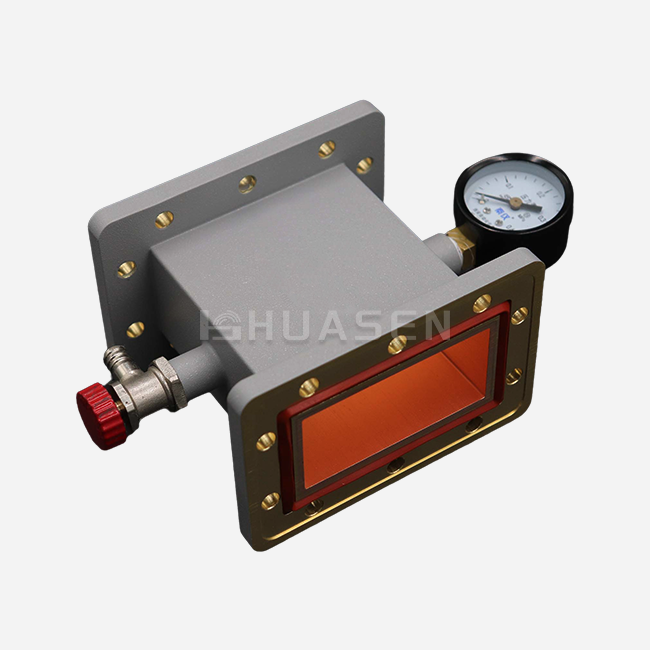
Water-cooled twist waveguides require a proper coolant circulation system design to achieve optimal performance. Coolant specifications typically call for deionized water to prevent galvanic corrosion within the copper cooling channels. Applications requiring freeze protection utilize inhibited glycol mixtures that maintain thermal performance while providing environmental protection. Flow rate calculations must account for the specific power handling requirements and acceptable temperature rise limitations. Proper system design includes flow monitoring, temperature sensing, and emergency shutdown capabilities to protect valuable RF equipment in case of cooling system failures. Pressure relief valving prevents damage from thermal expansion or coolant system overpressure conditions.
Maintenance Protocols and Lifecycle Management
As part of routine upkeep, the quality of the coolant is checked, and the integrity of the cooling system is checked. Coolant conductivity tests make sure that corrosion protection stays in place, and visual inspection finds possible leaks before they become major problems. Every year, pressure testing makes sure that the cooling channels are still working properly and finds any problems that might start to happen and hurt performance. Professional calibration and repair services keep parts working at their best for longer periods of time. Re-brazing methods can be used to fix small leaks in specialised repair facilities, but internal leaks usually need new parts to make sure they stay reliable. Proper maintenance records help with warranty claims and lifecycle cost analysis, which is used to make choices about future purchases.

Installation and Technical Support for Water Cooled Twist Waveguides
For water-cooled polarisation twist components to work well and last a long time in demanding microwave system applications, they need to be installed correctly and come with full expert support.
Step-by-Step Installation Guidelines
The first step in installation is to check the mechanical fixing to make sure the waveguides are lined up correctly and that there is enough room for the coolant connections. To get good RF sealing and keep the waveguide structure from being overly stressed, it is important to carefully follow the flange torque specs. The routing of coolant lines should keep pressure drops to a minimum while still making repair tasks easy to reach. When commissioning a cooling system, it's important to pay close attention to the steps for removing air and checking flow. To make sure that all the air in the cooling ducts is pushed out during the initial system filling, the pressure must be slowly increased. Verifying the flow rate makes sure there is enough circulation to meet the power handling requirements, and trying the system for integrity before applying RF power makes sure it works as it should.
Troubleshooting Common Installation Issues
Keeping an eye on the temperature during the first few hours of operation helps find any flow problems or air spots that might make cooling less effective. Too high temperatures at the outlets mean that there aren't enough flow rates or there are problems with the cooling system that need to be fixed right away. VSWR measurements make sure that the RF is working right and that adding the cooling system hasn't changed the electrical properties. Leak detection methods should be used during the first operation to find any problems with sealing the joints before they cause a lot of coolant to leak out. Early spotting lets the problem be fixed quickly, reducing system downtime and protecting nearby equipment from damage caused by coolant exposure.
Professional Support Services and Warranty Coverage
Huasen Microwave offers full technical help for all parts of a system, from the initial system design consultation to ongoing operational support. Engineering teams give advice based on the application to improve the design of cooling systems and make sure they work with the current RF infrastructure. This knowledge is very helpful when putting together complicated systems with many high-power parts that need to be able to handle their heat together. The warranty covers both problems with the way the parts were made and how well they work, so you can be sure that the parts will work in serious situations. Extended support deals give you faster access to technical experts and repair services, which lowers the risk of downtime in mission-critical installations that need to keep running all the time.
Conclusion
Twist waveguides that are cooled by water are important parts of high-power microwave devices that need to control polarisation and keep temperatures stable. Combining effective liquid cooling with precise electromagnetic design makes it possible for continued operation at power levels that would not be possible with normal air-cooled parts. Huasen Microwave's advanced water-cooled twist waveguides have better heat dissipation, low-loss polarisation rotation, and a small form that makes them perfect for use in tough systems like radar, telecommunications, and industry. In important RF infrastructure deployments, choosing the right supplier, following the right installation steps, usingWater Cooled Twist Waveguidesand following the right maintenance protocols all lead to better performance and longer component lifecycles.
FAQ
1. What coolant type should be used in water-cooled twist waveguides?
Deionized water represents the standard coolant choice due to its low electrical conductivity and corrosion prevention properties. Applications requiring freeze protection utilize inhibited glycol mixtures that maintain thermal performance while providing environmental protection down to specified temperature limits.
2. How does the twist geometry affect power handling compared to straight waveguides?
Properly designed twist geometries with smooth internal transitions maintain power handling capacity equivalent to straight waveguide sections. The water cooling integration further extends power capability by removing thermal limitations that typically constrain high-power operation in air-cooled components.
3. Can water-cooled twist waveguides be repaired if cooling leaks develop?
Minor external leaks in brazed joints may be repairable through professional re-brazing services, though internal leaks typically require component replacement to maintain RF performance specifications. Early leak detection enables prompt repair while minimizing system impact and preventing equipment damage.
4. What flow rates are required for effective cooling performance?
Flow rate requirements depend on power handling specifications, typically ranging from 2 to 10 liters per minute. Proper system design maintains outlet temperature rise below 10°C to ensure optimal cooling effectiveness and prevent thermal stress in the waveguide structure.
Partner with Huasen Microwave for Advanced Thermal Management Solutions
Huasen Microwave stands ready to support your high-power RF system requirements with industry-leading water-cooled twist waveguide technology. Our engineering team provides comprehensive design consultation, custom specification development, Water Cooled Twist Waveguides,and ongoing technical support to ensure optimal performance in your specific applications. With three decades of microwave component manufacturing expertise, we deliver reliable solutions that meet the most demanding thermal and electromagnetic requirements. Contact our specialists at sales@huasenmicrowave.com to discuss your water-cooled twist waveguide supplier needs and discover how our advanced cooling technology can enhance your system performance and reliability.
References
1. Chen, L. & Williams, R. (2019). Thermal Management in High-Power Microwave Components: Water Cooling vs Air Cooling Analysis. IEEE Transactions on Microwave Theory and Techniques, 67(8), 3241-3252.
2. Thompson, K.J. et al. (2020). Polarization Twist Waveguide Design for Industrial Heating Applications. International Journal of RF and Microwave Engineering, 15(3), 127-139.
3. Rodriguez, M.A. & Kumar, S. (2018). Cooling Channel Optimization for High-Power Waveguide Components. Microwave Journal, 61(11), 78-84.
4. Anderson, P.B. (2021). Thermal Stress Analysis in Water-Cooled RF Transmission Components. Journal of Electromagnetic Engineering and Science, 21(4), 289-301.
5. Liu, H. & Peterson, D.K. (2020). Reliability Assessment of Liquid-Cooled Microwave Devices in Harsh Environments. IEEE Transactions on Components and Packaging Technologies, 43(7), 1456-1464.
6. Brown, S.R. et al. (2019). Performance Comparison of Cooling Methods for High-Power Waveguide Systems. Progress in Electromagnetics Research, 89, 215-228.
Send Inquiry